
Translated material
"There is only one word for this - genocide"
The Russian military systematically tortured the inhabitants of Raisins. Associated Press spoke with those who have not returned from captivity with the surviving and families
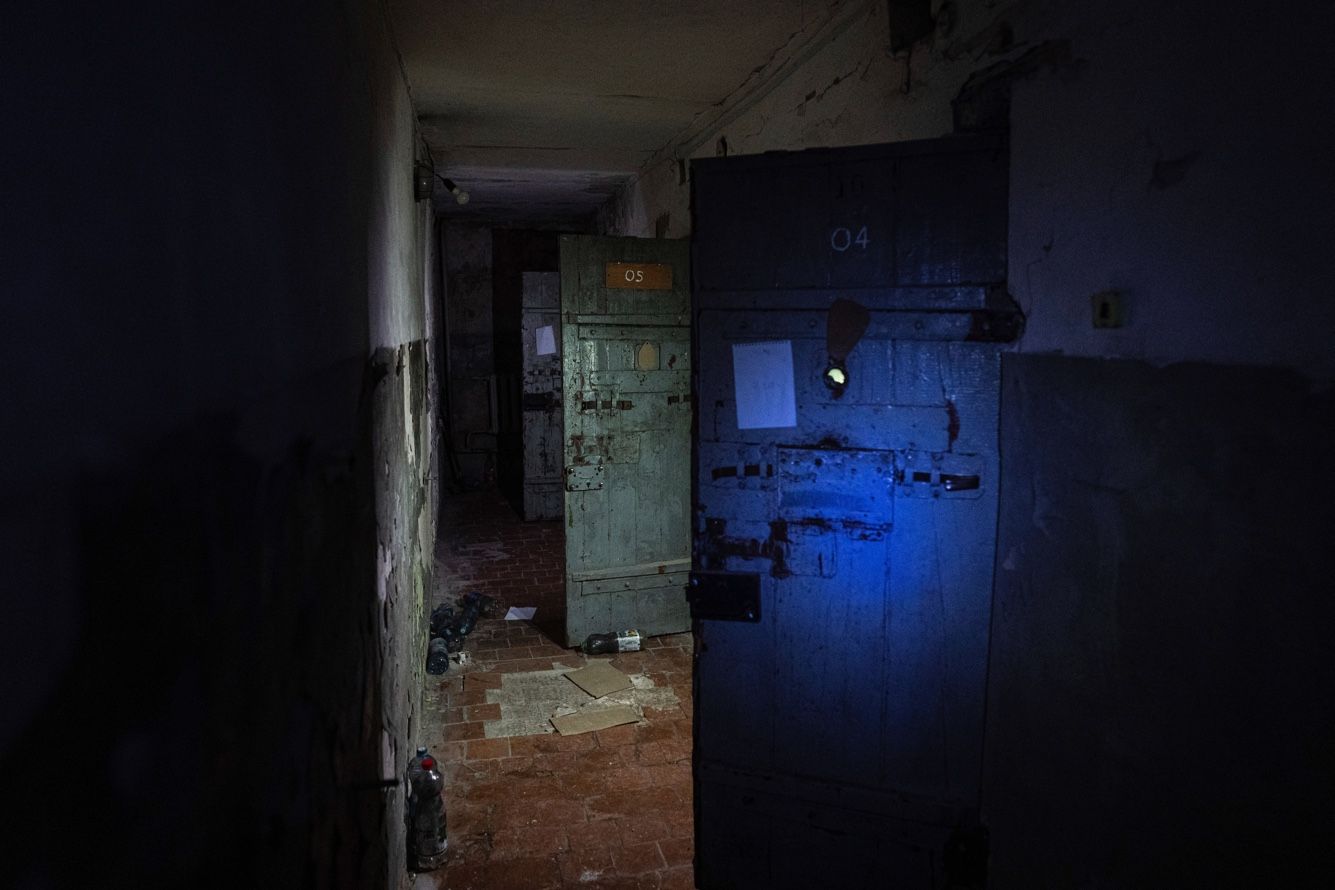
The city of raisins was captured by Russian troops shortly after the start of the Russian invasion of Ukraine. For six months of occupation, arbitrary detentions and systematic torture, which Russian troops subjected to Ukrainians, became part of the routine for local residents, writes Associated Press.
Journalists visited Raisins after his release. They established the whereabouts of 10 Russian torture and visited five of them. Among them were a deep hole in a residential complex with scratched dates on a brick wall, a dank basement prison, smelling of urine and rotten food, as well as a building of a medical clinic, police department and kindergarten.
AP journalists talked with 15 people who survived torture, and two families whose relatives did not return from Russian captivity. From these conversations it turned out that at least eight people died in Russian captivity. Seven of them were not related to the Armed Forces of Ukraine.
In addition, journalists visited the place of mass burial in the forest, one of three discovered after the retreat of the Russian army. People with tied hands were buried there. At least 30 bodies of those that were recently exhumed had obvious traces of torture, AP writes with reference to the Kharkov prosecutor's office. Journalists also saw hundreds of hastily chopped wooden crosses, most of the nameless. On one of them it was written that 17 Ukrainian soldiers were buried here.
The doctor who treated the wounded during the Russian occupation told AP that people regularly came to him with obvious traces of torture, including gunshot wounds of brushes and feet, fractures and burns, but no one wanted to explain the origin of these injuries. “Even if people came to the hospital, silence was the norm,” said the doctor Yuri Kuznetsov.
AP spoke with the 26-year-old Andrei Kotsar, the Armed Forces of the Armed Forces, whom journalists saw in the Izyumsky monastery in honor of the Peschan icon of the Mother of God. He said that he did not manage to serve in the army for a month, as the invasion began. In March, he was seized for the first time. Then the Russian military tied him and threw him into the trench, where he spent several days. Then they began to beat him: they beat with their hands, feet and a hammer on the knees. Since he could not provide any information, he was released, having previously taken the passport and military ID. “Nobody needs you. We can shoot you and bury you half a meter underground at any time, ”said one of the Russian military.
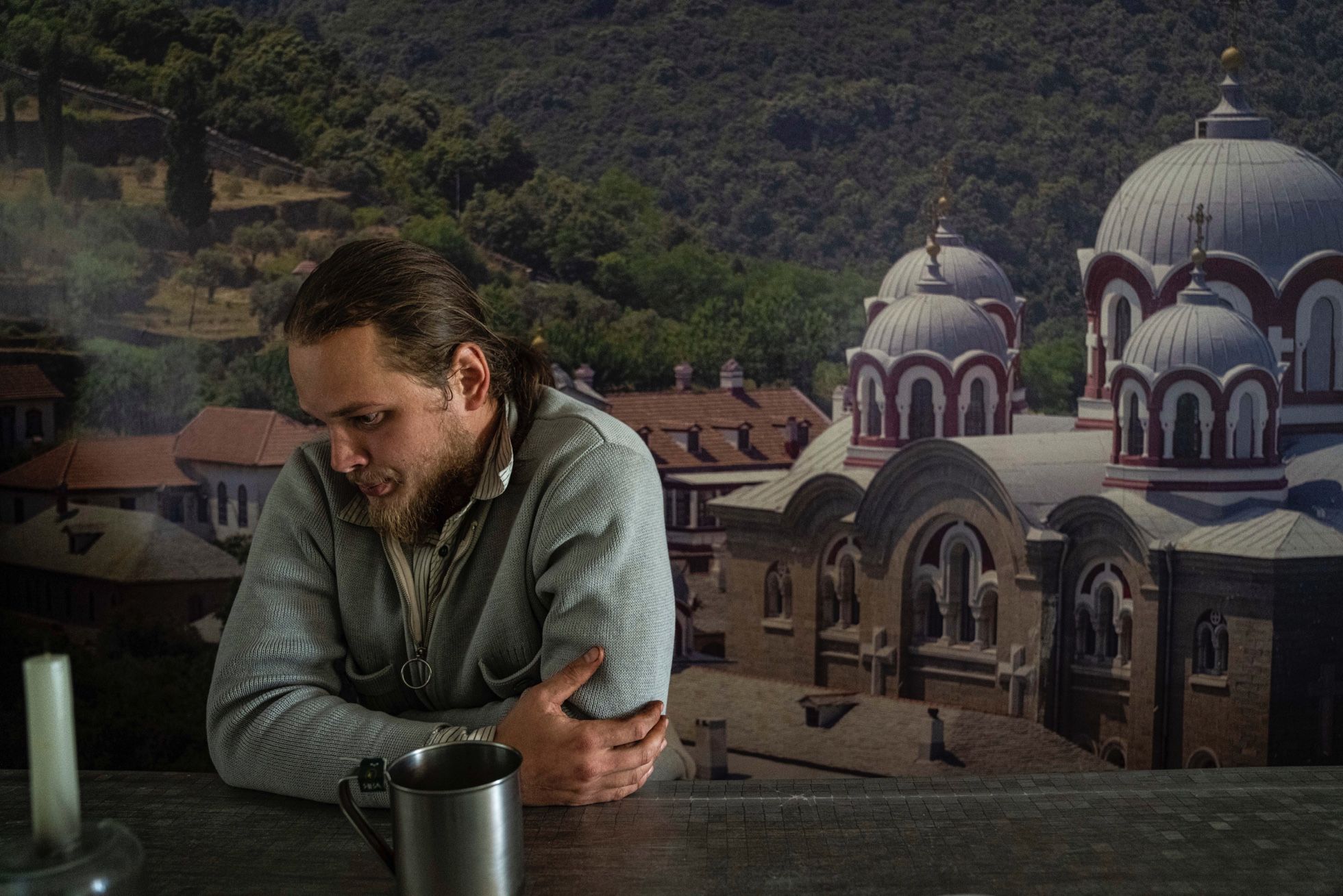
After liberation, the Cotsar decided to hide in the monastery. A few days later he tried to go into another shelter, but along the way he was detained by the Russian patrol. He was held in captivity for a week. “They used, I don’t know for sure, something like iron, maybe glass, rods, burned the skin a little bit,” said the Ukrainian military.
In July, the commander was detained for the third time. He was kept in garages next to the local clinic and again tortured, including using current. He spent several weeks in captivity, after which he was released again.
In the torture, where they mocked Andrei Kotsar, 38-year-old Nikolai Mosyakin also visited. He entered the service of the army after the start of the Russian invasion.
For the first time, Mosyakina was detained in the spring. He was thrown into a hole with standing water, put on handcuffs and hung for them. “They beat me with sticks. They beat me with their hands, they beat their feet, stewed cigarettes about me, burned with matches. Once they said: “Dance”, but I didn’t - then they shot my leg, ”said the former prisoner. A few days later he was landed at the hospital, demanding that he tell the doctors that he had an accident.
Soon Mosyakin was again detained and delivered to the building of school No. 2, where he was beaten with other prisoners. According to AP, at least two civilians died in this school. Later, Mosyakin was released, but a few days later they grabbed again. This time he was placed in a garage near the clinic. More than 12 people were kept with him.
Mosyakin said that there were four garages next to the clinic: they contained men, in one - women, and in the largest - with the window - the Russian military lived. Mosyakin and Kotsar told reporters that at night they heard screams from the garage where women were. AP writes, citing Ukrainian intelligence that women were regularly subjected to sexual violence.
According to Mosyakin, at least two torture were equipped in the clinic: one for torture, the other for torture with water. He went through both. There he also saw how Russian soldiers carried the bodies of the dead.
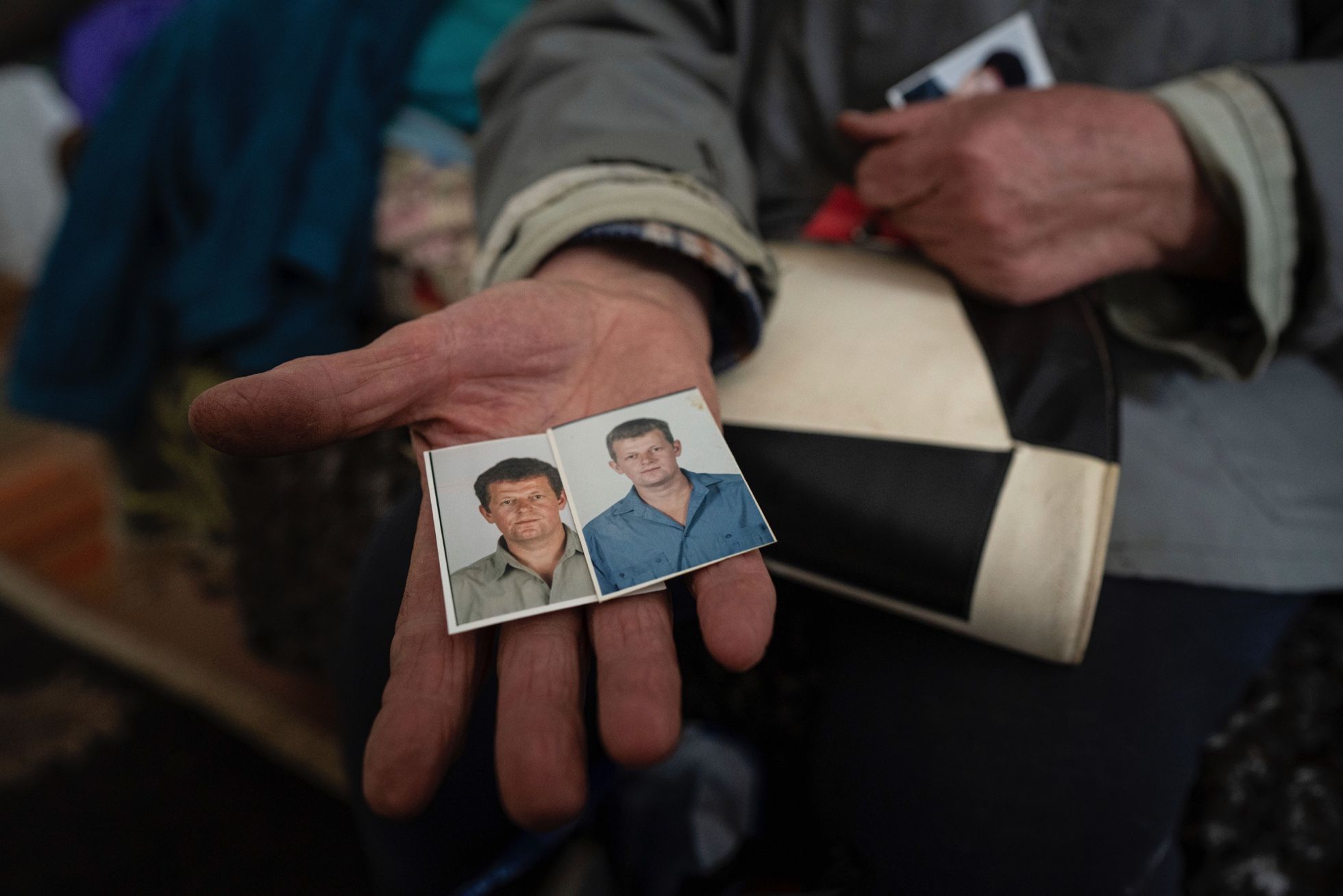
Three more people told reporters about the torture experienced to journalists on the basis of anonymity. The family of the deceased Ivan Shabelnik agreed to speak openly with AP - his body, along with the other two, was found in mid -August in the forest.
The last time the Shabelnik was seen on March 23, when he and his friend went into the forest for bumps for the kind of samovar. Later, one of the former prisoners told the Shabelnik family that Ivan was first tortured in the basement of a neighboring house, and later transferred to school No. 2.
The murdered Ivan Shabelnik was identified by a jacket. His face was mutilated beyond recognition, the ribs were broken, and his hands were shot. His sister took the journalists to his grave. “They tortured civilians just at will. There is only one word for this - genocide, ”she said.