
Translated material
The battleship Shadaev
As the head of the Ministry of Construction, unexpectedly became the main savior of Russians from mobilization, and what came of it
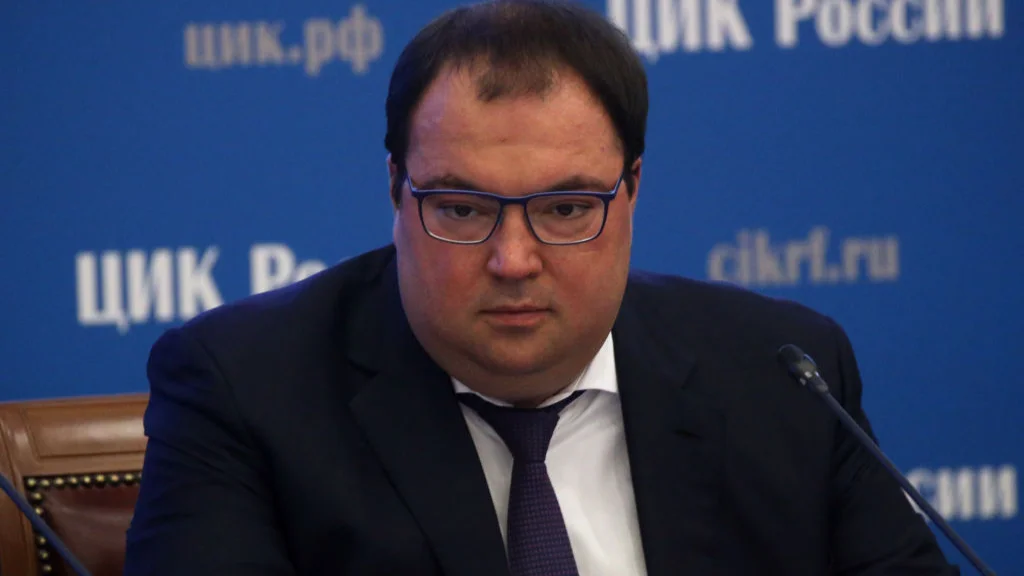
Last week, the criteria were known by the ITSHNIKS, employees of the banking sector and journalists working for the state can be exempted from mobilization. The Ministry of Digital Development published a complete list of specialties, the owners of which will be able to apply for a delay, and also launched a service for receiving applications for public services. The Mincifers became one of the first ministries to work on reservation (that is, temporary exemption from mobilization) for specialists from private business and government agencies. An important role in this was played by the head of the ministry-42-year-old Maksut Shadaev. “New newspaper. Europe ”tells his story and explains why it was not easy to agree with the Ministry of Defense, and the delayed mechanism as a result saves from mobilization every other time.
Over the first week of mobilization with questions, more than a million Russians turned to a special digital assistant at public services. Most often, the virtual assistant had to answer the questions: “Who can mobilize? What will help to avoid calling? " The helper robot is the name of Max. As the source of Novaya Gazeta says. Europe ”, close to the Ministry of Digital Development,“ for devoted ”by the robot with public services, they decided to name it, since this reduction on behalf of Maksut is in honor of Minister Maksut Shadaev.
For the Ministry of Digital Development, as well as for most Russians, the announcement of a formally “partial” mobilization was a shock despite the fact that the possibility of its introduction began to be publicly discussed at the very beginning of the war in Ukraine.
- On the first day, we did not really understand anything, everyone tried to work as usual. Only in the evening they began from the guys from the sector ( IT industry. - Approx. Ed. ) Messages to arrive that someone had already arrived, calls from military commissars, and so on, ”the source of Novaya Gazeta says. Europe ”in the ministry. - We realized that the mess is actually going on. They began to try to break through the reservation by analogy with the spring delay. The minister was very actively involved in this.
"Emergency was given by scooters"
-Recently, a rumor was held in the working chat that we arrived from the military registration and enlistment office in our business center. The hearing was not confirmed in the end, but by the time it became clear, all the guys were already urgently given on the screens and quickly left the office of a taxi, ”says Arina, an employee of one of the largest technological corporations in Russia ( surveyed by the New Gazeta. Europe, companies asked to anonymize their stories, so their names are changed. - Ed. ). -But a couple of days ago, my colleagues really arrived from the military registration and enlistment office to the business center, and the Eichars had to withdraw all the guys on the fire ladder, and then send them to the remotes until the end of the week.
For an IT sector, as in general for the Russian economy, mobilization has become another serious challenge of this year,
The partner of the agency, specializing in the research of the online rendil (preferred to remain anonymous.- Approx. Ed. ). In the spring, the first serious blow was already inflicted on a massive outflow of personnel from the country, as well as the loss of all foreign customers and sources of investment. Mobilization was a continuation.
- Companies now need to understand how to maintain the stability of the enterprise, when a number of employees sharply fall out of normal processes. Someone can run from the country, someone can mobilize, and someone will go hide from mobilization in the village. Now it’s very difficult to conduct business, key managers may not be in touch, ”the analyst argues.
Evacuated from the country began with entire companies. According to Kommersant sources, after the mobilization of employees from the country, the developers of the video game began to be exported. Some companies ordered charter flights for this. The interlocutor of the newspaper in the Minzifra says that they began to reject the employees in Ozone, as well as in Yandex.
Nevertheless, Arina Dmitry’s colleague says that they were perceived without panic mobilization. In principle, Arina agrees with him, if you forget about the case with an emergency shoot from the office. Almost immediately, all unscheduled meetings were held, a hot line was introduced for those who have already received a summons or "even worse." Now they promise to provide the necessary legal assistance to both employees and their relatives. However, the first days were still alarming.
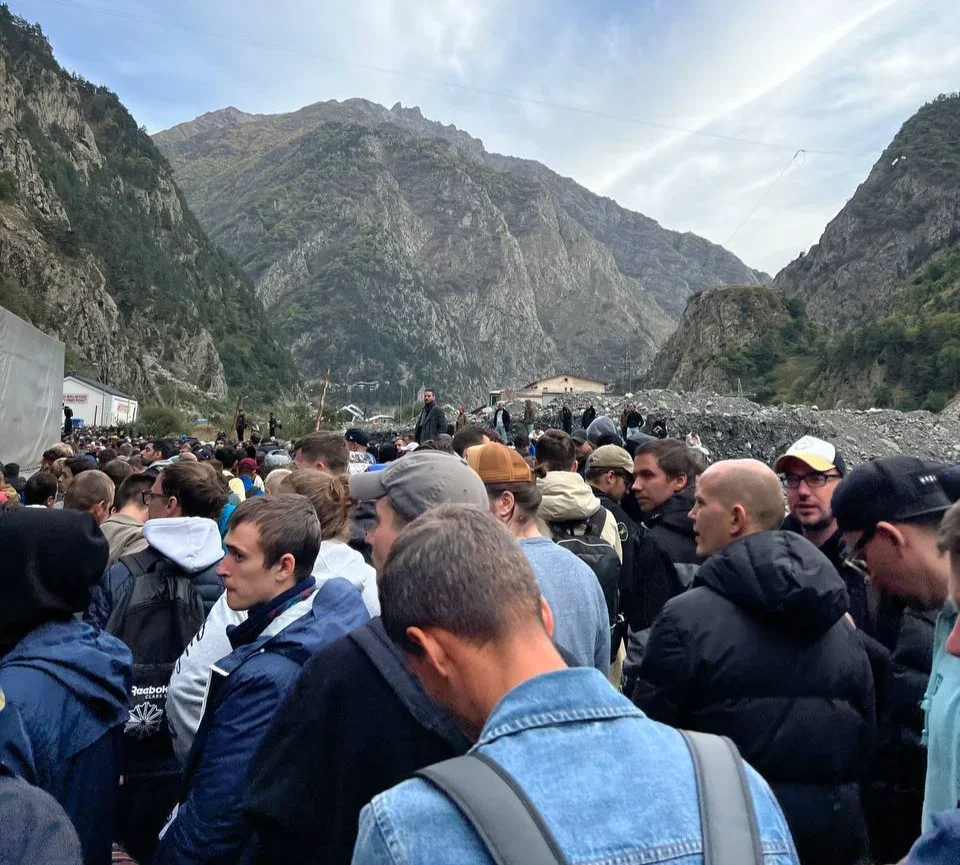
- At the beginning of mobilization, we were asked to once again not fuss and react. Those who want to leave were allowed to leave and work remotely, ”says Arina. - Since my company is very large, each manager could independently solve this issue for its employees. In some teams, the leaders said: "Take the roaning and leave."
Dmitry adds that it is difficult to evaluate the scale of the departure of his colleagues, since many work remotely, but in the first week his two colleagues left Russia, and the office was somewhat empty.
An employee of a large Russian bank Gulnara is also talking about a similar reaction. The girl says that after September 21, her boss wrote that she was ready to offer any help to all suitable for mobilization - not only for men, but also women with medical education, for example. Including monetary to leave.
Later, the company began to collect “reservation lists”, while they included all employees from the risk zone, regardless of education. According to Gulnara, so a guy from an analyst team who graduated from the circus school fell into the list, but has been working in IT for five years.
“Few people believed that the armor would really save the guys,” the bank’s employee notes. - The list was made and sent to the Central Bank, but just in case, they still asked not to live by registration and not come to the office. I believe that they reacted to everything very worthy. It seems to me that absolutely everything understands everything, and supporting the war, and even more so mobilization.
For smaller enterprises, mobilization turned out to be a shock. According to Maria, an employee of an accredited IT company, working with both private firms and state orders, even management panicked in the first days of mobilization at her work. It was difficult to navigate, even when it became known that the IT sector would have the possibility of booking.
- When the first information about the armor for IT -schools with education appeared, a bunch of questions immediately fell on the leadership: “What to do if the formation is non -core? What about those who are without higher education at all? " “And so on,” says Maria about the situation in the office. - What to answer was not clear, so the questions were simply ignored. There are still no response to many of them.
After that, the company decided to give only the information confirmed to the mincifers. During this time, many men in their company, especially those whose delay was in question, began to plan a departure from the country, some informed the authorities that they were going to quit. According to Maria, many at the last moment changed their minds, but a small part of the employees still left Russia. After the list of specialties, the situation became more stable, even despite the fact that the military enlistment office became interested in some of her colleagues.
- Today ( the conversation took place on September 28. - Approx. Ed. ) The company on the corporate portal published the news that fifty employees had come a summons, but no one eventually went to the front. In the same news, it was written what to do if you want a delay: how to get documents from the company, what to upload to public services and all that, - Maria describes the situation at the enterprise. - The leadership plans to fight for each employee, but as far as it turns out, is still unknown.
"We cannot beg the Ministry of Defense"
The government was unlikely to be satisfied with the declared mobilization. Civil ministries are directly responsible for the state of the Russian economy, so there is much better than in the Security Council or in the Kremlin, they understand what a blow to her. Partly due to the mass departure of people from the country. On September 25, the sources of "New. Europe ” estimated the number of men who left Russia in the early days of mobilization of 260 thousand people. On October 4, Forbes magazine, citing the presidential administration, said that from Russia at that time 700 thousand to a million people left for Russia at that time.
The fact that no one seriously believed in the reality of mobilization confirms the delay in the bureaucratic decision to release IT employees, banks and so on from sending to the front.
After the start of mobilization, the Ministry of Defense said that only working in the organizations of the defense and industrial complex will be able to receive reservation. ITSHNOVs had no privileges before ordinary citizens, a deferment from the call, which was knocked out in the government in the government in the spring, did not apply to mobilization. The fact that such a reservation is generally possible became clear from the statement of the Ministry of Defense on September 23, and the list of Brane from the Mincifra appeared only on September 27.
“In fact, it turned out that none of the ministries had worked mobilization plans,” says Ilya Shumanov, head of the Russian branch of Transparency International. - No one believed that mobilization could have been going on. Based on this, the whole procedure for preparing documents, assessing the risks from the fact that the industry is banned, began from scratch.
Source of Novaya Gazeta. Europe ”in the field of state digitalization compares the announcement of mobilization with the adoption of repressive laws in Russia, which, as a rule, come out with the most fuzzy formulations and can affect a very large number of people (for example, it was in the Yarovaya Package). Similarly, the president’s decree was written, according to which almost anyone could mobilize, despite the fact that mobilization was called “partial”.
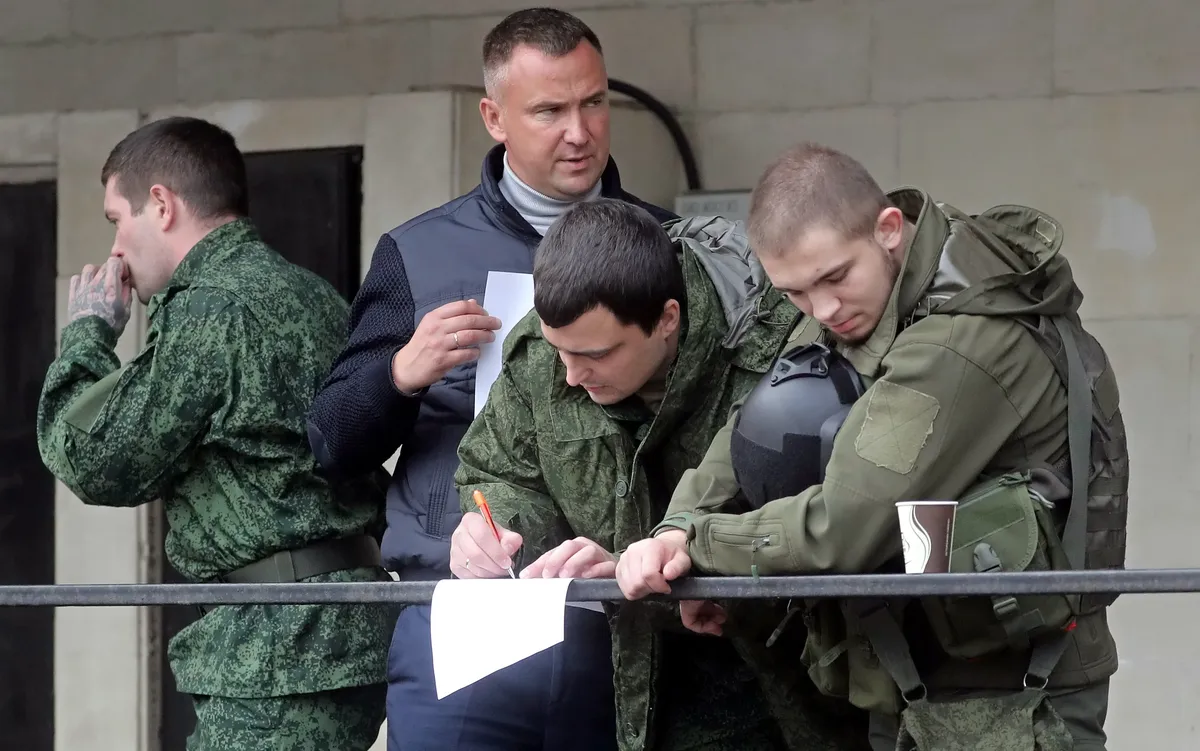
“After the adoption of such laws, a crowd of lobbyists is built, who come to the rulers and ask:“ Let's fix it here, let's correct us here, otherwise it hurts us very much. ” “You want to drink ten liters of blood from us, and let's drink only five, maybe at least a little old,” the newspaper’s source is ironic. - So it is with this decree of the president. All these certain categories were supposed to be executed immediately with the presidential decree.
Almost immediately, the leaders of large IT companies and the corresponding associations were in the line of the armor lobbyists, but Shadaev himself significantly invested in this story. According to a source close to the leadership of the Minzifra, the minister took the whole situation as a personal problem and practically did not sleep, while he was dealing with issues related to mobilization.
According to another source of the newspaper in the mincifers, direct negotiations with the Ministry of Defense began only after the intervention of Prime Minister Mikhail Mishustin. The very possibility of booking had to achieve the chain Maksut Shadaev-Deputy Prime Minister Dmitry Chernyshenko-Prime Minister Mikhail Mishustin. After the officials were able to achieve the introduction of armor for IT, the delay expanded to media and banks.
The final mechanism for obtaining armor implies compliance with four criteria:
-the company should relate to one of the four groups: enter the list of accredited IT companies, or a list of system-forming enterprises in the field of information and communication technologies (ICT) , or a list of communication operators , or the banking sector ;- the employee must have higher education “in the relevant specialties and areas of training”;
- the employee must be registered in the company for full time;
- Perform “critical functions”.
Now the list of accredited IT companies includes 26748 companies. It is predominantly included by companies from an IT sector, but despite the fact that receiving the main income from IT activity was about one of the main criteria for inclusion, banks, media, medical facilities, and even hotels could get into it. The possibility of accreditation was suspended on August 1, but at the beginning of this week the government developed a new procedure for inclusion in the register, the process should soon be resumed.
The list of system -forming enterprises in the field of ICT is an order of magnitude smaller, it has 91 company, including the largest players in the Yandex and VK market, as well as almost all state propaganda media. The boundaries of the other two groups, communication operators and banks are not formally defined in any way.
Few in the industry immediately realized what exactly means “critical important functions”, but, according to the interlocutor of the newspaper close to the Minzifra, the employees of the government agency on various informal channels reported that each general director should determine them. The Ministry of Defense will not check the importance of functions, even if office managers are included in the lists.
The discussed issue in the industry, judging by the chats of the ministry - more than 20 thousand people consist of one of them, was the need for higher education: not all important managers and specialists graduated from a profile university. As Shadaev himself wrote on September 24 in the Telegram channel “Grants and benefits for IT” ( the source of “Novaya Gazeta. Europe” confirmed that the user is the head of the Ministry of Civil Academy of Sciences. - Ed. ), The requirement to provide a university diploma was a difficult compromise. To “beg, to beg” the Ministry of Defense to leave for specialists a mandatory confirmation of only secondary education has not yet been able to. The maximum that could be achieved is to expand the number of specialized specialties.
As political scientist Ivan Preobrazhensky believes,
Negotiations could be difficult, because two Russia collided: on the one hand, modern and digital, on the other - analog, military.
People involved in the Russian military machine, according to Preobrazhensky, simply do not accept all these digital “bells and whistles” and do not consider them significant. War is important for them, and the war, in their opinion, is made by soldiers on the spot. The delay can be given to the maximum employee of the plant who produces cartridges (this was indicated in the mobilization decree of Putin).
As a result, the list of Minzifra, published almost a week after the start of mobilization, was 195 specialties. Of these, only 75 were in the March list of the ministry to obtain a deferment from the call, the remaining 120 proposed to include large IT companies and specialized associations in a few days of discussion (should be from the chat of the IT mobilization Ministry). At the same time, a significant part of the list of possible diplomas was not directly related to IT. For example, the list included design, trade, sociology, sound engineering of audiovisual arts, and even nuclear energy and heat -parasite. As Mediazona calculated, 71% of students are studying in the specialties indicated in the list of specialties. At the same time, there were no teachers, doctors, as well as specialties in the field of social work, philology, agronomy, tourism and others.
To receive armor, it is necessary to fill out an application for public services. If everything will be in order with the documents, the specialist will come to a message about the inclusion in the list on the deferral. After that, judging by the message, the agenda simply should not come. In case the subpoena nevertheless comes, in the notification from public services they immediately report which documents should be taken with you to the military registration and enlistment office.
Remote-electronic Mogilization
On the portal of public services, you can not only send an application for a delay, but also sign up for the front as a volunteer. It should be noted that in general, Russian digitalization has led to the fact that information technology in the country can quickly begin to use massively for repression.
So this happened in Moscow, where, in order not to raise social tension, the work on mobilization of the population was entrusted with “effective managers” from the Department of Information Technology (DIT) of the city ( about this “Novaya Gazeta. Europe”, a source in the presidential administration told and confirmed an employee of Dit. - Approx. Ed. ). The decision was broken by the mayor of the city, Sergei Sobyanin, looking at problems with mobilization in other regions. Now, according to the newspaper, Dit can make adjustments to the lists of those who should be issued a subpoena, and, in fact, helps the military commissariats in the future to deliver this agenda to the addressee.
The information that the Sobyaninsky Services in Moscow check the summons, and in the capital ’s military enlistment offices “city guys, correct mistakes” appeared in the telegram channel of Margarita Simonyan, however, without specifics.
In part, the transfer of the functions of the military registration and enlistment office to the information technology department may be due to the fact that Moscow digitalization in the current conditions can give scope for pressure on residents.
In recent years, diligent work of Dit has led to the fact that the city can be quickly turned into a “digital gulag”, where it is easy to “catch” those suitable for mobilization of citizens with the help of facial recognition cameras. About twelve such cases told the telegram channel "Caution, Moscow." According to media reports, in most cases, cameras worked in the entrances of residential buildings, after which the police checked the apartments and interviewed relatives. The Telegram channel Shot told about a similar incident. Правительство Москвы публично никак эту информацию не комментировало, но возможности у них такие, действительно, есть: камеры с распознаванием лиц уже не раз использовали для задержания московских активистов.
— ДИТ выступает как независимый игрок, который подчинен Московскому правительству и работает напрямую с Собяниным. Так как у них огромное финансирование и большие компетенции, от Минцифры они по факту никак не зависят, — рассказывает собеседник «Новой. Европа», близкий к Министерству цифрового развития. — В ДИТе работают специалисты реально топового уровня, которые очень много понимают в IT. Но они не видят для себя в этой работе каких-то моральных проблем. В связи с этим многие люди, связанные с государственным сектором IT, относятся к ним с настороженностью. Собеседник подчеркивает, что от разных людей из отрасли и в самом Минцифры слышал выражение «работаете, как ДИТ»: это означало, что задача выполнена эффективно, но этичность предложенного решения вызывает большие вопросы.
Телеграмма из Минцифры
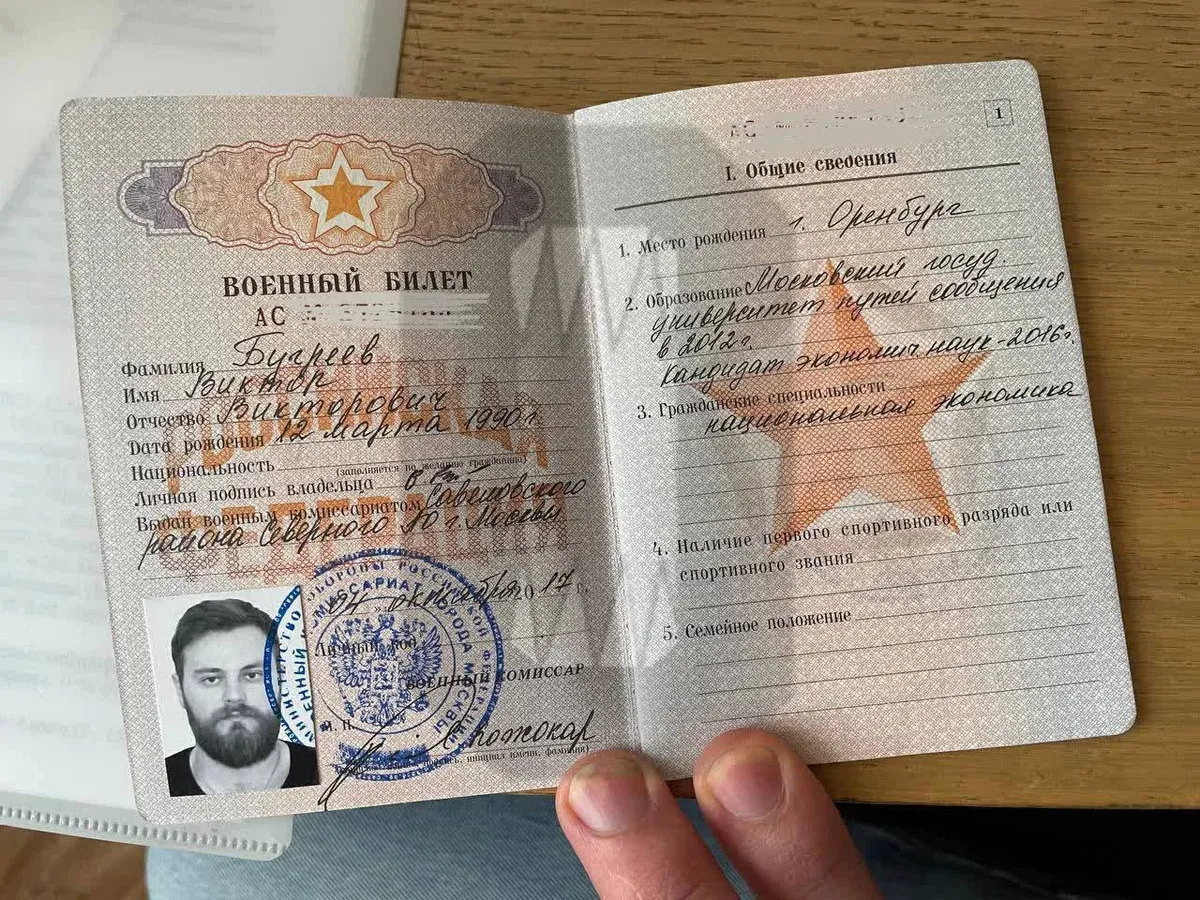
Повестки стали проблемой с первых дней мобилизации, в том числе и для IT-сектора. Уже 22 сентября стало известно, что в Москве попытались мобилизовать сотрудника «Сбербанка» Виктора Бугреева, который ранее даже не служил в российской армии и не проходил военную кафедру (после огласки стало известно, что для него «попытаются найти место» в «московской теробороне»). Чтобы как-то экстренно решить эту проблему, в Минцифры решили начать делать правительственные телеграммы и отправлять их в конкретные военкоматы со ссылкой на решение начальника Генштаба и просьбой не призывать конкретных людей из компаний, подпадающих под бронь. Телеграммы оформляют, если сотрудник смог предоставить фото повестки и подал заявку на Госуслугах. До получателя она должна дойти в течение суток. Все заявки обрабатываются вручную.
— На прошлой неделе ( разговор состоялся 2 октября. — Прим. ред. ) Максут написал много телеграмм. Не знаю, сколько именно, но несколько десятков точно, — говорит источник газеты в Минцифры. — Сколько из них точно сработало, мы тоже не знаем, но несколько успешных кейсов наша пресс-служба потом подхватила.
В чате Минцифры в первые дни писали об опыте успешных походов в военкомат с телеграммой от Шадаева, хотя в некоторых случаях военкоматы отказывались считать ее вообще за какой-либо документ ( газета не гарантирует, что эти истории правдивы на 100%. — Прим. ред. ). При этом уверенности до конца в действенности этого метода не было даже в министерстве: о том, что телеграммы могут не производить впечатления на военкомов, говорил сам Шадаев во время стрима в телеграм-канале Минцифры. В инструкции на случай вручения повесток сотрудники министерства оговаривают, что делать, если человек, подходящий под бронь, уже оказался в воинской части.
Прецеденты уже есть: так, на прошлой неделестало известно о мобилизации краснодарского IT-специалиста из «Мегафона» Василия Малиночки. Мужчина получил повестку на сборы перед началом мобилизации и в итоге был зачислен в армию. Несмотря на косоглазие, его мобилизовали как стрелка, а отпускать «на волю» долго не хотели. Поначалу не помогла даже правительственная телеграмма, но после огласки Малиночку пообещали вернуть домой. Схожий случай произошел и с сорокалетним волгоградцем, которому уже в военной части на телеграмму, подписанную Шадаевым, ответили просто: «Вы видели, кто это написал? Для нас этот ничего не значит» (после шумихи его отпустили ).
— Пиаром лечат пожары, — возмущенно оценивает введение брони исполнительный директор «Общества защиты интернета» Михаил Климарев. — В этом списке 195 профессий так и написано, что он «рекомендательный». Для кого он рекомендательный? Министерству обороны он, по определению, ничего рекомендовать не может, я даже не уверен, что Шадаев там с кем-то хорошо знаком так, чтобы была межведомственная связь. Так что для всей бюрократической вертикали его список — это профанация.
На отсутствие законодательной базы под этим решением обращают внимание и другие опрошенные «Новой. Europe »Experts. Как указывал глава правозащитной организации «Агора» Павел Чиков в своем телеграм-канале, «официальные сообщения» Минобороны сейчас — это только работа пресс-службы, а не нормативные акты, которые «сплошь для служебного пользования и секретные».
Климарев обращает внимание и на другой недостаток сборов списков на «бронирование»: практика может оказаться в результате просто опасной, если у военных на фронте вдруг будет недостаток кадров. Списки с ними уже есть.
— У них в войсках как раз проблемы: нет нормальных офицеров связи, не работает логистика, управления никакого нет. И Максут им подает перечень людей, которые буквально могли бы этим заниматься,
— сокрушается Климарев. — У людей будет надежда, они будут думать: «Вот я в списке, значит, меня не призовут». Придут в военкомат, их заберут, а они будут потом орать: «Товарищ Сталин, произошла чудовищная ошибка!» А это не ошибка, это премия Дарвина. Они же сами пошли в военкомат.
Человек из сферы: кто такой Максут Шадаев?
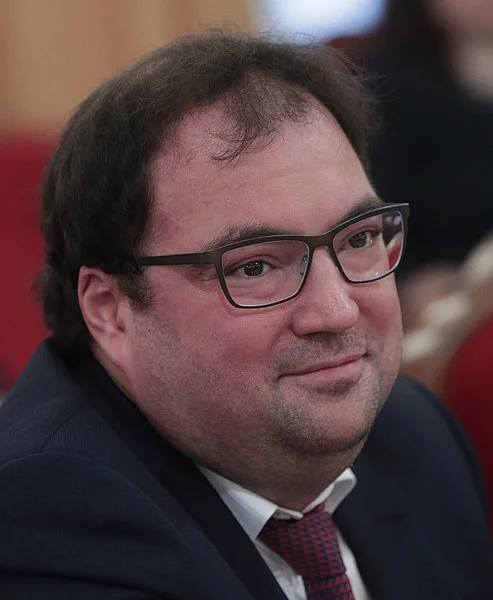
42-летний Максут Шадаев возглавил Министерство цифрового развития, связи и массовых коммуникаций в 2020 году вместе с приходом «технократического правительства» премьер-министра Михаила Мишустина. Interlocutors of Novaya Gazeta. Европа» называют Шадаева чиновником из сферы, часть своей карьеры он посвятил IT-бизнесу: в 2000-е начинал в топ-менеджменте ЗАО «Аррава интернет менеджмент» Ильи Пономарева, затем в холдинге IBS Group Анатолия Карачинского. В 2018-м Шадаев стал вице-президентом по цифровым платформам «Ростелекома», а в 2019 году возглавил «дочку» корпорации — «РТ Лабс», где стал ответственным за реализацию стратегических задач и проектов компании в сферах электронного правительства, образования, медицины и геоданных.
Система «государственной цифры», по словам Ильи Шуманова, была основным полем карьерного роста Шадаева, который работал не только в бизнесе. В середине нулевых Максут Шадаев пришел в команду министра связи Леонида Реймана — последнего из цифровизаторов, кто был ориентирован на потребности бизнеса, а не силовиков. Потом стал правой рукой руководителя администрации президента Сергея Нарышкина, где, в частности, занимался вопросами интернета и соцсетей, а после работал в правительстве Московской области на посту регионального министра и начал отвечать там за цифровизацию.
— В Кремле его хорошо знают, за это время он успел набрать и веса, и влияния. Зарекомендовал себя хорошим государственным менеджером,
да и на рынке он известен, — рассказывает Шуманов. — Но политическим субъектом за это время он так и не стал. На посту министра он даже не делал громких политических заявлений несмотря на то, что под ним по факту находится Роскомнадзор.
Собеседник «Новой. Европа», работающий в сфере цифровизации государства и близкий к главе Минцифры, называет Шадаева проектным менеджером топ-уровня с моделью поведения «европейского чиновника». За время своей карьеры он приложил руку к созданию портала Госуслуг, работал в группе «Электронного парламента», а в Подмосковье участвовал в разработке портала по сбору жалоб «Добродел» (который, как и другие похожие сервисы, славится скорее тем, что чиновники там только делают вид, что решают проблемы горожан) и создании проездной карты «Стрелка». При этом на работе Шадаев обычно ломал закостенелую, бюрократическую модель коммуникации: сам инициировал диалог, открыто общался с людьми в чатах и мотивировал на это других сотрудников.
Эту увлеченность Шадаев принес собой и в Минцифры, где продолжил заниматься преимущественно информатизацией государства даже несмотря на то, что это лишь одно из направлений, в котором работает министерство. Как рассказывает Михаил Климарев, Минцифры регулирует отношения со СМИ (с одной стороны, поддерживает пропаганду, а с другой — блокирует неугодные издания), а также устанавливает правила работы операторов связи. Это предполагает контроль установки СОРМ ( система технических средств для обеспечения функций оперативно-розыскных мероприятий. — Прим. ред. ), а также работу над «суверенным» интернетом.
— Шадаев в министерстве начал работать больше в направлении информатизации федеральных органов власти. То есть это большой отдел по починке компьютеров для всего правительства и не только, — говорит Климарев. — Работу по блокировкам, надзору в области связи он слил в Роскомнадзор, где этим руководит [глава РКН] Андрей Липов. Государственные IT ему интереснее.
О том, что цензура в России происходит хоть и с согласия Шадаева, но без его активного участия, говорят и другие собеседники «Новой газеты. Europe". Во многом это связано с тем, что еще до прихода Шадаева на пост министра Роскомнадзор существовал как самостоятельный орган и работал напрямую с администрацией президента и силовиками. Как говорит политолог Иван Преображенский, нынешний руководитель РКН не просто цензор, это человек, который в течение многих лет в администрации президента разрабатывал саму концепцию цифровой цензуры. Кроме того, по словам другого собеседника «Новой. Европы», в министерстве есть свой «смотрящий» от силовиков — замминистра Александр Шойтов, ранее служивший в Центре защиты информации ФСБ. В министерстве он отвечает за формирование государственной политики и информационную безопасность.
Несмотря на всю «либеральность» и открытость министра, первой инициативой Шадаева в правительстве стало предложение дать силовикам онлайн-доступ к конфиденциальным данным россиян без решения суда, в том числе к информации операторов мобильной связи, поставщиков интернет-услуг и банков. Пескову даже пришлось оправдываться за эту инициативу, а Шадаев потом разъяснял, что его неправильно поняли и речь на самом деле шла об уходе силовых ведомств от бумажного документооборота.
В остальном большая часть работы министерства и, в частности, Шадаева была сосредоточена вокруг реализации нацпрограммы «Цифровая экономика» — достаточно дорогой программы среди других нацпроектов ( в 2023–2024 годах на нее собираются потратить 256,2 млрд из федерального бюджета; для сравнения: нацпроект «Экология» в этот же период будет стоить 207,9 млрд. — Прим. ред. ). В основные задачи программы входит :
увеличить внутренние затраты на развитие цифровой экономики;
создать устойчивую и безопасную информационно-телекоммуникационную инфраструктуру высокоскоростной передачи, обработки и хранения больших объемов данных;
внедрить в государственные органы, органы местного самоуправления и организации отечественное программное обеспечение.
На посту министра Шадаев занимает должность руководителя нацпроекта. Курирует его вице-премьер Дмитрий Чернышенко.
Помимо реализации нацпроекта «Цифровая экономика» Шадаев запомнился на посту министра несколькими вещами, рассказывает собеседник «Новой. Европа», близкий к Минцифры. Для начала Шадаев перезагрузил систему налоговых льгот в IT-секторе (для этого и создавался реестр аккредитованных IT-компаний). Помимо этого он заразил желанием цифровизироваться в регионах министерства и ведомства, а в 2020 году, еще до начала пандемии, в субъектах страны начали назначать руководителей, ответственных за цифровую трансформацию. Минцифры, по словам собеседника «Новой. Европа», здесь выступило в качестве «методолога-координатора». Кроме того, он смог снизить влияние «большой тройки» операторов мобильной связи: МТС, «Мегафон» и «Вымпелком» и Tele2, а также сделать их более контролируемыми для решения политических задач, например, выдачи данных.
С одной стороны, «проектность» министра стала плюсом, с другой стороны — минусом. Так, по словам собеседника газеты из отрасли,
при Шадаеве министерство перестало работать как министерство: предлагать законопроекты, выпускать приказы, распределять финансирование.
— При Шадаеве далеко не все законопроекты Минцифры проходили и вообще появлялись с должным качеством. Законотворческая функция, с точки зрения внешнего наблюдателя, просела очень сильно. Люди, которые много лет занимаются информатизацией, к деятельности министерства сейчас относятся слегка брезгливо, — объясняет источник «Новой. Europe". — Многие считают, что пришла команда людей, которые ничего в этом не понимают, и новые юридические документы из Минцифры — это какая-то жуткая муть, не согласованная даже сама с собой.
Несмотря на это, неэффективным управленцем Шадаева назвать сложно, а эксперты даже сравнивают его с главой Центробанка Эльвирой Набиуллиной, хоть и оговариваются, что фигуры это разного уровня, министр всё же менее масштабен и не отвечает фактически за работу кровеносной системы российской экономики. Всё же у них много общего: как замечает Шуманов, они оба дистанцированы от политической «подковерной» игры, а политолог Иван Преображенский добавляет, что оба чиновника готовы хорошо выполнять обязанности, которые на них возложены, без оглядки на какую бы то ни было идеологию.
— Это люди, всегда готовые решать поставленные перед ними задачи. Для них главное — эффективно работать. То есть если к Шадаеву придут и скажут: «Завтра мы сбрасываем ядерную бомбу, а ты должен сделать так, чтобы после этого все российские сети и IT-сектор продолжали работать», — он возьмет эту задачу под козырек и станет ее реализовывать, — объясняет политолог.
The source of "New. Европа» из сферы цифровизации государства называет Шадаева профессиональным антикризисным менеджером.
— Сейчас на фоне остальных министров у него репутация подросла. Он, в отличие от министра культуры, министра здравоохранения, министра сельского хозяйства, хотя бы выглядит приличным человеком, — рассказывает источник газеты. — Сейчас даже музейные работники пишут Шадаеву просьбы дать брони их айтишниками. Не министру культуры, а ему, потому что так вероятность [что все получится] больше.