
Translated material
To calm Putin. Summit in Astana
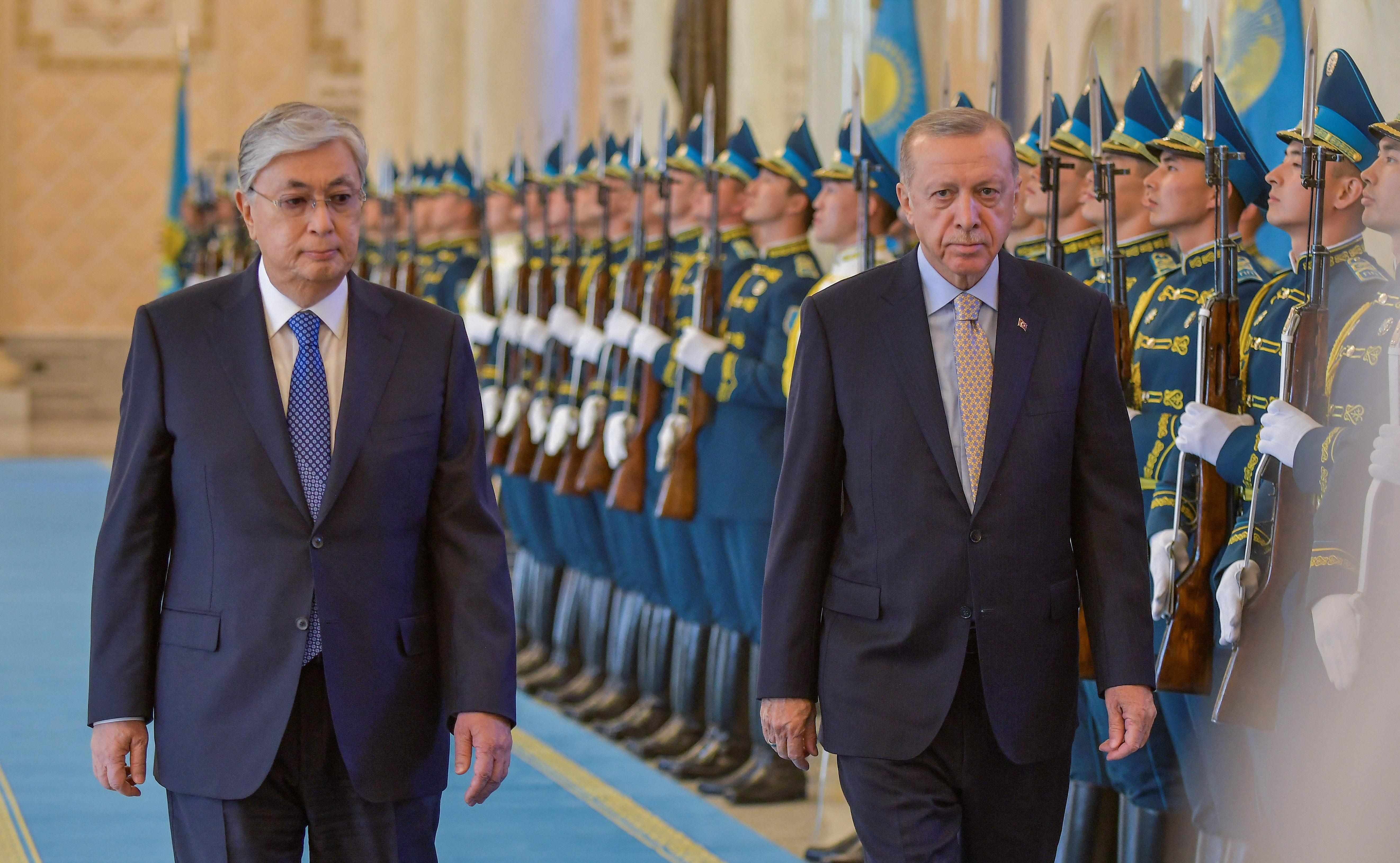
The UN General Assembly almost turned away from Russia, condemning the so -called "referendums" in the territories captured by the Kremlin . Putin darted to Astana , to the "allies", as he may think, at a meeting on measures of interaction in Asia. Which of them can he still rely on? And which of them can be counted on as the Savior of the world from Putin? Experts from Kazakhstan, Turkey and Belarus take part in the program: Dosym Satpaev , Togrul Ismail and Anatoly Lebedko . Presenter Elena Rykovtseva.
Video version of the program
Elena Rykovtseva: After the voting for Russia, Vladimir Putin, voting at the General Assembly of the UN, left for Astana to lick wounds. Today, experts from three countries who behaved differently on this vote. Türkiye condemned referendums, Belarus, of course, supported, Kazakhstan abstained. Let's see the plot about what was happening in New York.

Width PX Height PX
The url has been copied to your clipboard
No Media Source Currently Available
0:00 0:03:00Elena Rykovtseva: Three countries that have changed their position are not so few. You understand that Russian federal channels try to focus on those who voted against this resolution, and especially those who have abstained, try to explain this, of course, taking into service all kinds of techniques of the notorious non -consideration, which actually calls all this assembly the doll theater operating according to Washington’s direction. Leading federal channels are trying to add their colors to this performance.
Elena Rykovtseva: You understand that he is sitting in front of the hall, which he really calls slaves: you are slaves, went to you, you were intimidated and so on.
Three countries that have changed their position are not so few
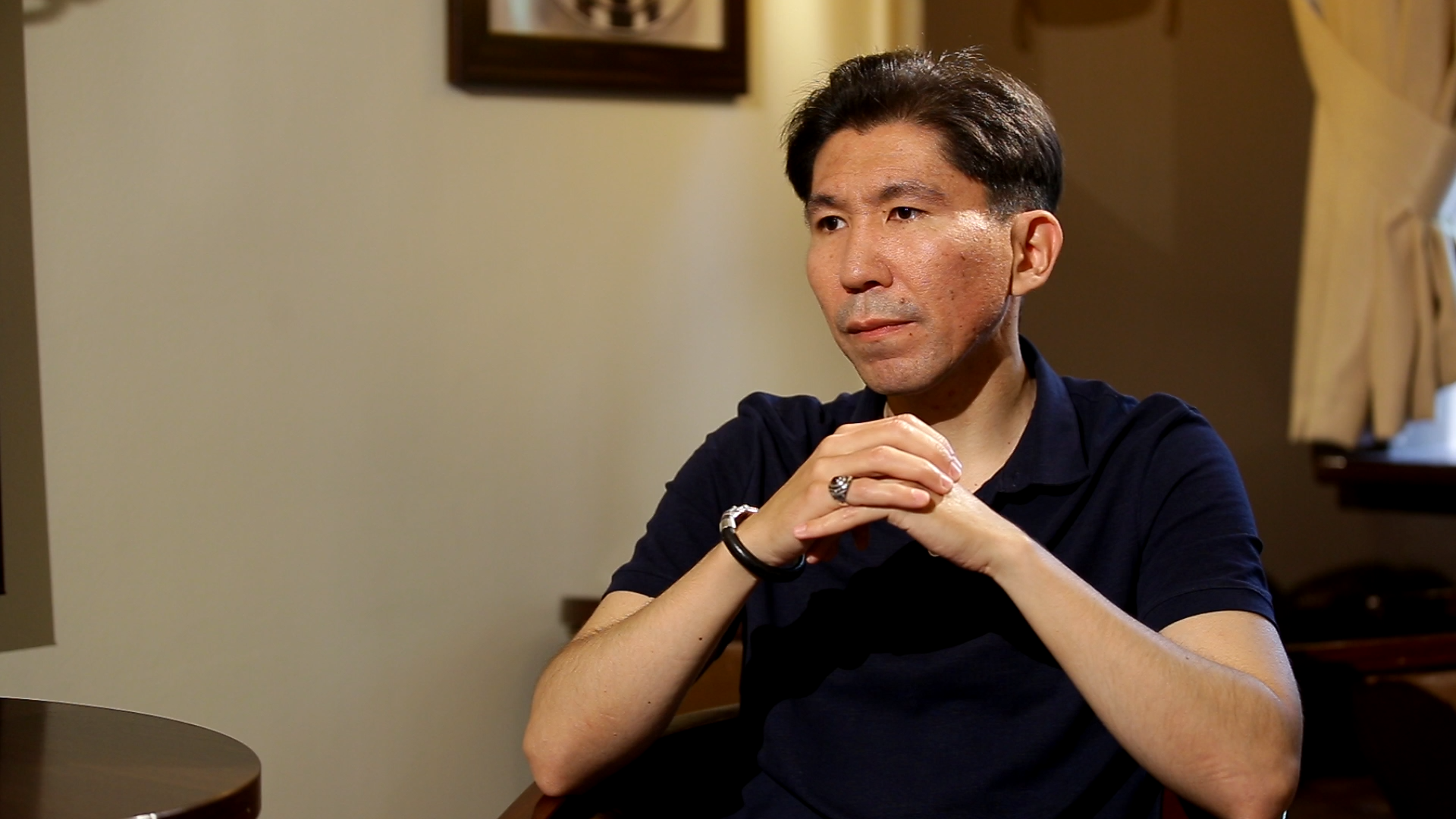
With us, the Dosy Satpaev , political scientist from Kazakhstan. The President of Kazakhstan can afford to abstain once?
Dosy Satpaev: Tokaev is now trying to sit on several chairs. Kazakhstani society is heterogeneous, there are a lot of supporters of Ukraine in the country, here very many negatively perceived Putin's arrival, especially after shelling by missiles of Ukrainian cities. Tokaev is trying to take a certain model of behavior, which is demonstrated by Turkish President Recep Erdogan, that is, on the one hand, he supports Ukraine, even demands to return the Crimea, and on the other hand, he constantly meets with Putin, offers his services as an intermediary. On the one hand, it was officially announced that Kazakhstan does not recognize the referendum of four Ukrainian regions, on the other hand, Tokaev invites Putin to Astana to three summites. We see that Tokaev is trying with all his might to use his experience of the diplomat. In Kazakhstan, it is not necessary to confuse the flexibility of the spine with diplomatic invertebrates.
Even many in Kazakhstan, who considered Russia a partner, understand that now it is the most toxic partner. For a long time this will not be able to continue, most likely, sooner or later the moment will come when Kazakhstan will need to decide what to do with the EurAsEC, to get out of there or not, what to do with the CSTO, which, in fact, has never demonstrated its effectiveness. We see that Kazakhstan is now trying to find some counterbans in relation to Russia. So far, Tokaev does not want to burn all the bridges in relations with Putin. This is evident at least by the fact that this year he met him quite often.
Elena Rykovtseva: And he meets him as a dear guest, although he holds a little distant. How do you generally regard the voting picture for Russia? What promises her this vote, which, of course, has no legislative effect?
Tokaev is now trying to sit on several chairs
Dosy Satpaev: In foreign policy, different resources play an important role. Putin and his click mainly use the military factor. You can take an example of other countries that are now claiming the status of superpower. The same China has a large arsenal of military power, soft power, economic power. We now see that Russia is gradually rolling into the status of a secondary and even third -stage player at a global level. This was well shown by the SCO summit in Samarkand, where criticism sounded to Putin even from those whom he considered as partners, such as India. Xi Jinping was quite restrained towards Putin's statements about his attitude to Ukraine.
Even many in Kazakhstan who considered Russia a partner understand that now this is the most toxic partner
By the way, at the summit, Putin did not even raise the Ukrainian topic, as he understands well that this Russian agenda is toxic, many no longer perceive it. This just suggests that, despite all these votes, the most important problem for Putin and Russia is as follows: the war in Ukraine inflicted a powerful reputation damage, not only in the eyes of the West (relations between the West and Russia were difficult). First of all, the most powerful reputation blow of Russia was inflicted in the eyes of many post -Soviet countries, especially the countries of Central Asia. Despite the fact that they meet with him, they are conducting conversations, the reputation of Russia as a military partner of the CSTO is strongly soaked because of military failures in Ukraine. Economic reputation is greatly tinned because of the sanctions and attempts of Russia to draw everyone into a "gray" parallel import. Putin's most important problem is that even in the eyes of those countries that once considered him as a partner, he is already a lame duck. Yes, they will talk to him, they will not quarrel with him, but some countries will no longer perceive him as an equal partner, and other countries as a guarantor of their security.
Elena Rykovtseva: Togrul Ismail is in touch with us. Your comments on this vote? In fact, the non -consent and these Russian officials also accused Turkey of voting at Washington’s direction. How is this perceived in Turkey?
Togrul Ismail: This opinion is not interested in nobody at all, Turkey acts independently. Since 2014, Türkiye recognizes the territorial integrity of Ukraine, does not agree with the annexation of Crimea and with other annexations. I think that the Americans have nothing to do with it, especially since we now have not everything with them in the frets.
Elena Rykovtseva: The Russian viewer was explained that absolutely everything to it, the Americans pressed on everyone. How do you evaluate the results of voting for Russia, how unpleasant are they to her, how painfully can she be treated?
Türkiye did not join the sanctions: they hit primarily to ordinary citizens, and not on the leadership of the country and oligarchs
Togrul Ismail: I think Russia is well aware of what the situation is in the world today, and the current vote does not really bother the Russian side. If it bothered, then practical actions would not be started. Today Russia is at a dead end. What they want is not quite. They cannot refuse, move, create normal conditions. For Turkey, the danger is that we are a neighboring state. Each time Türkiye is trying to establish relations, create certain contacts for the negotiation process, difficulties always arise. Each time, Russia increases pressure on Ukraine, thinking that the opposite side will go to certain concessions. This is not entirely true.
Of course, Türkiye did not cover its gates, airspace for Russia, did not join the sanctions, because our actions will be ineffective. We believe that sanctions as a long -term process hit primarily on ordinary citizens, and not on the leadership of the country and oligarchs. I think that if Russia thought that such votes were painful, it could act differently from the very beginning.
It is very important for Turkey to be an energy hub
Elena Rykovtseva: You said that sanctions are ineffective. Do you think that your leadership has a plan to somehow slow down Putin, somehow stop it in terms of these aggression, with which the Turkish leadership does not agree, judging by the vote at the General Assembly?
Togrul Ismail: We have a difficult situation. We are neighbors, first of all, it hit us ... For us, the most important thing is that military operations are suspended, at least, negotiation processes begin. Everything must be solved peacefully. A difficult process and a difficult situation, it is difficult to resolve. Our leadership is trying to somehow agree, clarify the current situation. Today's negotiation process: it was officially expressed so that there was no conversation about Ukraine, but in fact, before the trip, the Turkish president tried to create conditions for the Russian side to go on dialogue with the West, with Ukraine. This is a very difficult moment. On the other hand, of course, we are worried about the grain corridor, which is designed for 120 days, will end soon.
Elena Rykovtseva: This gas hub, which Vladimir Putin offers to your president, is such a flirting with him?
Togrul Ismail: There was a "southern stream" , which Russia considered a geopolitical project where Turkey was supposed to be out of the game. After the annexation of Crimea on December 1, 2014, Russian President Vladimir Putin suddenly said that there would be no “southern flow”, but there will be another stream, and this turned out to be a “Turkish stream” . For Russia, it was a geopolitical project, and Türkiye considers it as an economic one. Therefore, what Russia tried to achieve was failed.
At the current stage, Russia offers certain conditions. But for us, the most important thing (today the Minister of Energy also expressed this opinion) is to take into account economic calculations, geopolitical force majeure and so on how beneficial for us. For Turkey, a policy to be an energy hub is very important. We have such projects with Azerbaijan, there are other projects that have geopolitical significance. Now we are negotiating with Israel to transport Israeli gas to Europe. Russia can offer, but Türkiye will take into account its own interests, especially since we are part of the European Union, we have certain agreements, and we cannot violate them. In addition, we are NATO members. It is important for us that we, as a state, have a very serious possibility of dialogue between the warring parties: both with Ukraine and with Russia. Someone must do this.
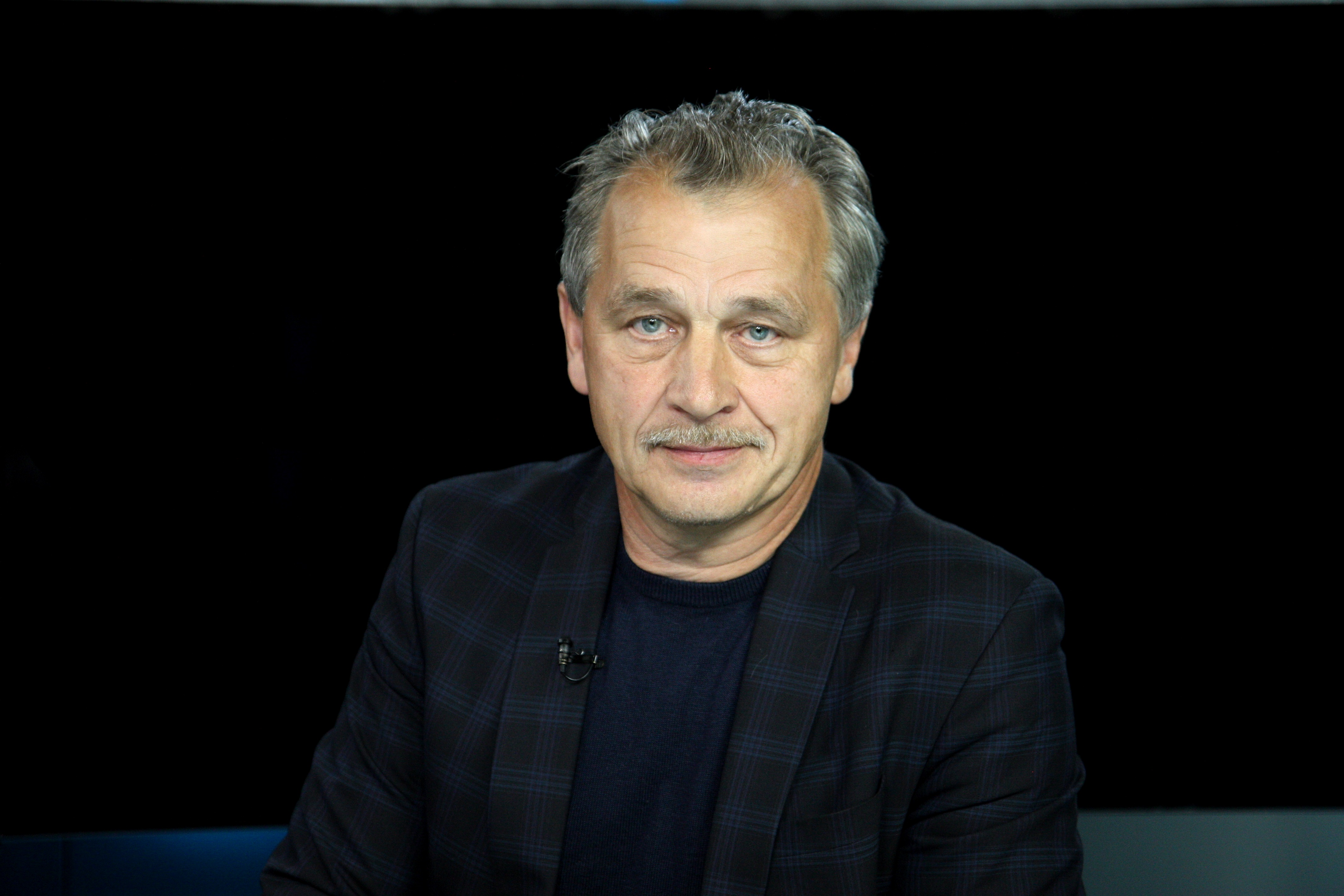
Elena Rykovtseva: Anatoly Lebedko is with us. Please tell me, your president is no longer rushing about, “ours and yours” will never be present in his politics, or does he still leave some bridges?
Today Lukashenko is in a position more than ever a short leash from Putin
Anatoly Lebedko: Firstly, not ours, and secondly, not the president. Thirdly, let's take into account that Lukashenko has a voting card to the UN. If there was an opportunity to vote to citizens of Belarus, the vast majority would have expressed their hands in support of the Russian war in Ukraine. These three very important points give an understanding of what is happening today in Belarus.
As for Lukashenko’s capabilities, yes, he had the best times when the tail was twisted by the dog, Lukashenko used the double blackmail strategy in relation to the Kremlin and to the West, and he managed to do this quite effectively. Today he is in a position as never before the short leash from Putin, and this leash gives him minimal opportunities for some strategy that would allow him to survive. Therefore, today, more and more often they say that Lukashenko finally lost subjectivity, has turned into a vassal of Putin, that he is satellite, a person who does not control everything in his own territory, especially if we take into account the fact that he offers Putin infrastructure for Russians, where they conduct military operations against Ukraine. The situation is threatening.
After a meeting in Sochi, Lukashenko suddenly surfaced at first in Abkhazia, and now we have already witnessed the voicing of the projects of the return of Russian troops to Belarus (it is clear that they will not obey either Lukashenko or the Belarusian generals). So the situation is very alarming, Lukashenko has a small space for maneuver, and for Belarusians this is the expectation of unpredictable actions. Voting to the UN attested that Russia had lost the status of superpower.
The situation is very alarming, Lukashenko has a small space for maneuver, and for Belarusians this is the expectation of unpredictable actions
Moreover, in my opinion, the most sensitive defeat is an indicator that Russia does not affect the processes in the post -Soviet space even on a regional scale. In fact, she has one predicted trusted ally in the person of the Belarusian ruler, and everything else goes into independent swimming. This, it seems to me, is the factor that says that it is not just a political vote, raising hands: this is evidence of Putin’s defeat not only in the war in Ukraine, but also in the post -Soviet space.
Elena Rykovtseva: Of course, this is impossible to calculate arithmetic, but if you yourself, on the basis of your analysis, gave such a figure as the percentage of Lukashenko’s decisions to let in Russian troops to his territory - this is his own desire, and what is the percentage of Putin's pressure?
Anatoly Lebedko: Of course, Lukashenko is interested in the fact that there are no Russian troops in Belarus so that there are two military facilities, but not military bases. The arrival of Russian troops is one of the next minimum consequences: they can get the status of the Russian military base, and this is a danger to the sovereignty, independence of Belarus. Therefore, he would prefer that there was a zero presence of Russian troops, but for Russia to share as much weapons as possible. If Russia supplied planes, complexes, for Lukashenko it would be the most profitable option. The military budget of the Belarusian army is 800 million, it is a little money, the cost of one S-400 complex. And Lukashenko is important to play muscles and show that he remains a cool guy. We remember his statements in three days to reach Kyiv, together with Putin to take a parade on Khreshchatyk. I think he would like to avoid the presence of Russian troops, because for him it is unpredictability and bad scenarios, but at the same time have military support at the arms level and financial support, to receive subsidies from the Kremlin.
Elena Rykovtseva: I will now show a survey of passers -by, and then we will ask our experts to imagine that they are also passers -by, that they took part in this survey. Today we asked Muscovites that in common among such countries that voted against, like Russia, Belarus, Syria, DPRK and Nicaragua, why five countries voted against the whole world.
Elena Rykovtseva: Dosy, what do you think that these five countries have in common? Professionally, politicalologically, explain to us.
Dosyy Satpaev: There, one woman in the survey mentioned "general political views." These are dictatorial countries, which, of course, have common views on the world, in their place in this world. Most of these countries are under hard sanctions. These are states that build their economy and domestic policy on the principle of a mobilization scheme. These are countries that can support the existing ruling elite only if they constantly look for internal and external enemies. They have no reason to break into some leaders in the field of economic, innovative development, their main task is to fight with all, with internal, often mythical enemies and constantly look for external enemies. This is what unites them.
These are states that build their economy and domestic policy on the principle of mobilization scheme
Elena Rykovtseva: Togrul, will you add something, some of their common features?
Togrul Ismail: Syria is now very dependent on Russia, in fact it is not an independent state. Russia acts actively, supports Assad. Belarus is also very connected with Russia, "in debt" is a union state and so on. DPRK - I see, there is anti -Americanism. By the way, Nicaragua is also associated with anti -Americanism. I think the most important thing is.
Elena Rykovtseva: Anatoly, imagine that you are our Moscow passerby: how would you answer the question of what in common has these five countries?
Anatoly Lebedko: I would say that these are ideological Siamese twins. These are people who are stuck in the past, each of them has a strong nostalgia for the past. Everyone has its own past, but it is the past, this is not a look forward. I would say that these are all politicians, sick with power. The diagnosis is very terrible, there is no antidote from it, they are ready to cling to power using any tools and mechanisms. They help each other to hold on to power, Putin somehow helps them to hold on to her, and this, of course, unites them. They also have a tendency to the uniform, all of them, one way or another, love the uniform. These are people with such thinking that they feel comfortable when they are fighting, it doesn’t matter with whom: inside their country - with parties, with opposition, with non -governmental organizations, or outside - with the same America, liberalism and other things. В нормальной цивильной жизни они чувствуют себя абсолютно некомфортно, им нужен мундир, военная риторика, им нужно мобилизовывать страну для отражения той или иной атаки или угрозы. Это их стиль правления.
Елена Рыковцева: Посмотрим сюжет о саммите, куда Владимир Путин, очевидно, бросился за поддержкой.
Токаев с января всеми силами пытался отделаться от образа марионетки, должника Путина за январь
Елена Рыковцева: Вы отлично знаете, что в России многие люди, которые настроены оппозиционно, антипутински, связывают с президентом Токаевым определенные надежды на то, что это человек, который способен то ли повлиять непосредственно на Владимира Путина, то ли, может быть, порвать с ним так, чтобы для Путина это явилось ощутимым щелчком. У вас лично какие виды на вашего президента по части влияния и воздействия на Путина?
Досым Сатпаев: На самом деле он может немногое. У меня возникает ощущение, что Путин не воспринимает его в качестве равного партнера, прежде всего, потому, что в январе, когда ОДКБ поддержало Токаева во внутриэлитной схватке, все понимают, что это была поддержка не ОДКБ, а Путина. Заявления Токаева в Питере касательно непризнания Донецкой и Луганской "народных республик" – это был месседж международной аудитории, в первую очередь западной. Токаев с января всеми силами пытался отделаться от образа марионетки, то есть человека, которым Путин мог бы управлять, некоего должника Путина за январь.
Когда началась война в Украине, Токаев стал понимать, что это определенная возможность, чтобы постепенно выправлять свой имидж, чтобы его не воспринимали а ля Лукашенко. Поэтому Токаев начал закидывать месседжи, которые должны были продемонстрировать некую его самостоятельность во внешней политике. Этот месседж был адресован и внутренней казахстанской аудитории, ведь после января очень многие казахстанцы не стали воспринимать Токаева в качестве самостоятельного игрока. Кстати, в казахстанском обществе до сих пор существует сильный раскол. Очень многие в Казахстане разочарованы Токаевым в связи с внутренней политикой. С другой стороны, сейчас Токаев всеми силами пытается балансировать между попытками быть рукопожатным на Западе, в глазах международного сообщества, и в то же время не поссориться с Путиным.
Тут есть еще чисто объективные причины, почему это происходит. Мы сильно зависим от экспорта нефти, основная наша нефтяная труба идет через Россию, свыше 80% казахстанской нефти идет в Европу именно через этот трубопровод. С февраля было несколько проблем, остановки трубопровода – это был серьезный удар по финансово-экономическому положению Казахстана. Токаев это тоже хорошо понимает, но несмотря на это, он делал заявления о том, что необходимо искать альтернативы. Кстати, вместе с Азербайджаном и Турцией. То есть он сейчас пытается сидеть на разных стульях, искать определенные возможности для того, чтобы его воспринимали в качестве человека, который может предлагать собственную повестку дня.
Кстати, саммит – это как раз попытка Токаева предложить повестку дня. Это некая площадка, где Казахстан является хозяином, эта площадка готова превратиться в более-менее работоспособную международную организацию, даже составить некую конкуренцию российскому влиянию на постсоветском пространстве. Я думаю, Токаев попытается усилить взаимодействие с ШОС и с Организацией тюркских государств. Когда он приглашал Путина в Астану, он таким образом пытался в какой-то степени быть неким посредником: я поддерживаю контакты с Путиным, имею с ним прямые взаимоотношения, в определенных случаях я готов предоставить территорию Казахстана и свои услуги в качестве посредника. Хотя здесь главную конкуренцию ему будет составлять Эрдоган, по-моему, у него будет больше возможностей для этого. Но, я думаю, Токаев как дипломат пытается всеми силами угодить всем.
Очень многие казахстанцы считают, что Путин – не тот партнер, с которым Казахстан должен связывать свое будущее
Трудно сказать, как долго это будет продолжаться. Но геополитическая ситуация в значительной степени ухудшается, Россия становится все более и более токсичным партнером, Путин все более и более изолируется как лидер своего государства. Рано или поздно Токаеву придется уже с этим считаться. Очень важно будет казахстанское общественное мнение по этому поводу. Ведь очень многие казахстанцы все-таки считают, что Путин – это не тот партнер, с которым Казахстан должен связывать свое будущее, и экономическое, и военное, и политическое.
Елена Рыковцева: 27 стран, которые принимают участие в этой встрече, – не такая уж комфортная компания для Владимира Путина. Большинство стран, которые присутствуют в Астане на этом форуме (11 из них представлены главами государств), голосовали за резолюцию ООН: Афганистан, Бахрейн, Бангладеш, Камбоджа, Египет, Кувейт, Ирак, Израиль, Иордания, Катар, Южная Корея, Турция и Объединенные Арабские эмираты. Воздержались из тех, кто приехал в Астану: Китай, Индия, Казахстан, Кыргызстан, Монголия, Пакистан, Шри-Ланка, Таджикистан, Таиланд, Узбекистан и Вьетнам. Соответственно, против резолюции в этой компании только Россия и Беларусь. Ваш президент, в отличие от российского, в двух пунктах своего выступления сказал, что важен мир в Украине и что нужно дипломатическое урегулирование. Он ставит это своей личной, персональной задачей. Как он может воздействовать на Владимира Путина, чтобы тот угомонился?
Тогрул Исмаил: Турция сейчас пытается добиться того, чтобы хоть каким-то образом, по крайней мере, вести диалог. The situation is very difficult. Для нас главное – это международное право. Мы всегда стараемся, максимально показываем, что для нас важна территориальная целостность соседних государств, поддерживаем этот вопрос. Президент страны – конечно, у него и его команды, может быть, очень много информации, которой мы не владеем, – но они постоянно пытаются вести диалог, встречаться на различных площадках, хоть каким-то образом показать, добиться или, по крайней мере, объяснить, в какой сложной ситуации находится Россия. Естественно, война у нас по соседству – это сложность и для нас. Я думаю, президент Турции, скорее всего, объясняет, что дальнейшее усложнение позиции, усиление российского военного присутствия будет связывать руки Турции тоже.
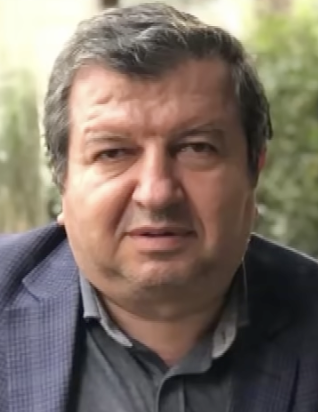
В конце концов, всему есть предел. Общественность Турции тоже недовольна этим. Поддержка Украины сильна, в основном общественность за Украину. Здесь речь идет о территориальной целостности соседнего государства, о международном праве, и общественность Турции чувствительна в этом вопросе. Есть рычаги, но насколько они будут эффективны, сказать очень сложно. Невозможно сегодня объяснить ту позицию, которую ведет Путин. С 24 февраля действия были очень непонятны. Все прекрасно понимали, что атака на Украину… В современном мире оккупировать территории такого государства, как Украина, при нынешней экономической ситуации в России – это практически как суицид. Путин принял такое решение. Для Турции самое главное, чтобы военные действия не продолжались – это ударяет и по нашей экономике, создает очень сложную обстановку. Тем более существует опасность от Запорожской АЭС и так далее, и это в первую очередь будет ударять по нашей стране. Мы и так экономически страдаем от этой войны в Украине.
Елена Рыковцева: Анатолий, у вас есть какие-то надежды на некие альянсы? Например, альянс президентов Казахстана и Турции. Какие у вас персональные надежды на мировых лидеров, есть ли они по части влияния, воздействия, остановки Владимира Путина?
Анатолий Лебедько: Если говорить об альянсах, то для нас сейчас как никогда важен альянс с Украиной. Светлана Тихановская, как безусловный демократический лидер Беларуси, озвучила предложение, обращенное к Владимиру Зеленскому, о том, что необходимо создавать такой альянс. Наши ожидания, как и жителей других стран, в первую очередь связаны с исходом войны в Украине. Для нас крайне важно военное поражение Путина. Если это произойдет, то это хороший шанс для деоккупации Беларуси. Сегодня Беларусь находится под двойной оккупацией – оккупацией режимом Лукашенко и оккупацией режимом Путина. Военное поражение Путина – это шанс и для всего мира, и в первую очередь для Беларуси, поэтому такой политический альянс нам сейчас очень важен.
Мы знаем, что Беларусь – одна из немногих стран, которая имеет эффективное подразделение, воюющее в Украине. Это война за будущее Беларуси в первую очередь. Понятно, что демократический мир должен объединяться. Мы знаем ту повестку дня, которую озвучил президент Зеленский, которую озвучивает вся Украина: это военная помощь. На сегодняшний день именно Украина реально останавливает Путина и дает шанс.
Военное поражение Путина – это шанс и для всего мира, и в первую очередь для Беларуси
Меня, конечно, удивляет, что делает Лукашенко в Астане. Понятно, что интересы Беларуси в других местах, в первую очередь надо было искать поддержку, экономические союзы в Европе. У нас рядом Евросоюз, богатейший регион и по покупательной способности, и по технологиям, там надо было присутствовать Лукашенко, если бы он был легитимным президентом, а не в далекой Астане. Я это связываю с тем, что ему просто не хватает международной повестки, Тихановская забрала у него 80% международной политики, и ему нужно демонстрировать своему немногочисленному электорату, что он что-то делает вне страны. Поэтому он и стремится, пусть это даже будет приставной стульчик где-то, в ШОС.
Елена Рыковцева: Он стремится в Азию, это саммит стран азиатского региона.
Анатолий Лебедько: Для белорусов это выглядит немного странно, но и объяснимо: если тебя не принимают в Европе, то, конечно, ты ищешь какие-то другие площадки. Иногда они выглядят очень искусственно.
Елена Рыковцева: Досым, как вы расцениваете призыв самоназначенного руководителя Херсонской области, который призвал власти России принять к себе население этого региона? What does it mean?
Досым Сатпаев: Коллаборационисты были всегда и везде. Вспомним Францию, Виши и так далее. Во всех странах это было, к сожалению, та самая "пятая колонна". Это все будет длиться до тех самых пор, пока Россия не потерпит поражение, и рано или поздно это произойдет. Кто-то тоже когда-то думал, что Гитлер пришел всерьез и надолго. Они же Третий рейх создавали на тысячелетия, искренне считали, что так и продлится, а просуществовали очень короткий период времени. Россия потерпит поражение, она уже терпит поражение в сфере экономики, в сфере своей репутации, она терпит и военное поражение – это уже видно всему миру.