
Translated material
Border zone. The history of the Ukrainian, who tried to save the mother -in -law in the occupied territories and fell into the hands of security forces from Russia
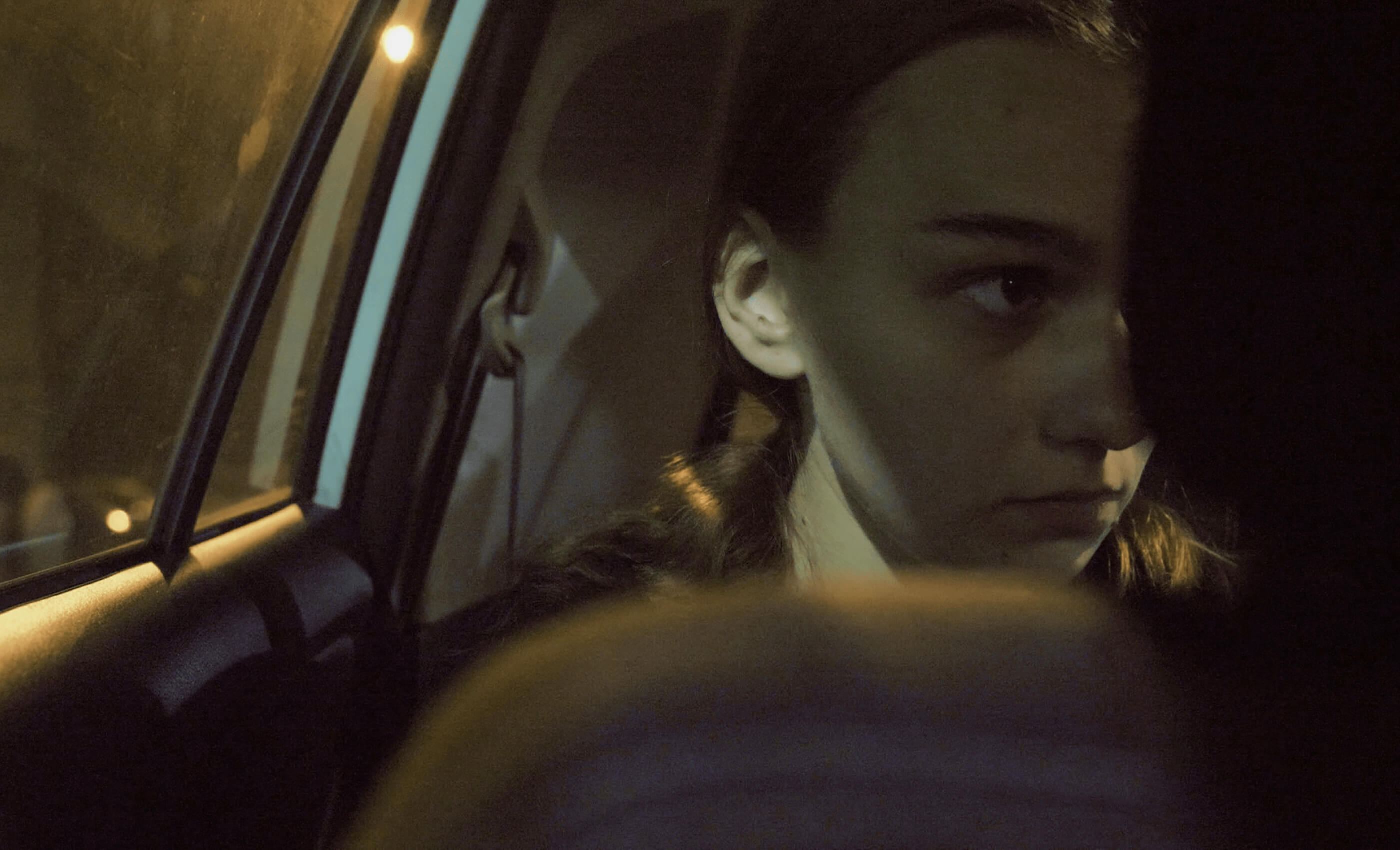
Anastasia Bortnik. Screenshot from the documentary "Border zone"
From the first days of the war, the mother -in -law of Anastasia Bortnik was under occupation - she lived in a psychiatric hospital in the village of Strelachi right at the border with Russia. Anastasia tried to organize her evacuation, but all attempts were breaking away. By mid -August, the girl desperate and decided to go after her - through Russia, it seemed to her that there was no other way left. She did not reach the Strelchie. This story is about what happened to the Ukrainian who fell into the hands of the Russian security forces, and how she managed to return home-“Mediazona” tells not only in this text, but also in the documentary “Borderline Zone” , opening a new column on our YouTube channel.
25 years, until February 24, she lived in Kharkov, studied there at the Architectural University and worked as a cutter. Her husband is a military personnel. He immediately found himself at the front, and Anastasia and his mother remained under shelling in Kharkov for some time.
“In early March, we left,” recalls Anastasia. “I had no strength to sit there and look at my mother, my mother was very difficult to give all this.” At first they thought to go to Germany, but from the Ukrainian border they were driving a Czech volunteer who offered to stay at home-so both ended up in Brno.
Nikolai’s mother is a disabled person, she lived in the Kharkov Regional Psychiatric Hospital No. 1, located in the village in the north of the region. The village is located right by the border with Russia, was captured immediately after the start of the invasion and remained under the occupation for more than six months.
All this time, Nastya and her husband tried to take the mother -in -law from the hospital, but no one managed to organize the evacuation of doctors and patients: they did not miss the Ukrainian volunteers, scammers took money and disappeared. “Hundreds of patients, mentally unhealthy people. Problems with provisions, a question with heating. Winter is already soon, but it is simply not there. They have no gas. The doctors stayed there, at first they prepared food on fire for so many patients, ”Bortnik describes the situation in the hospital at the end of summer.
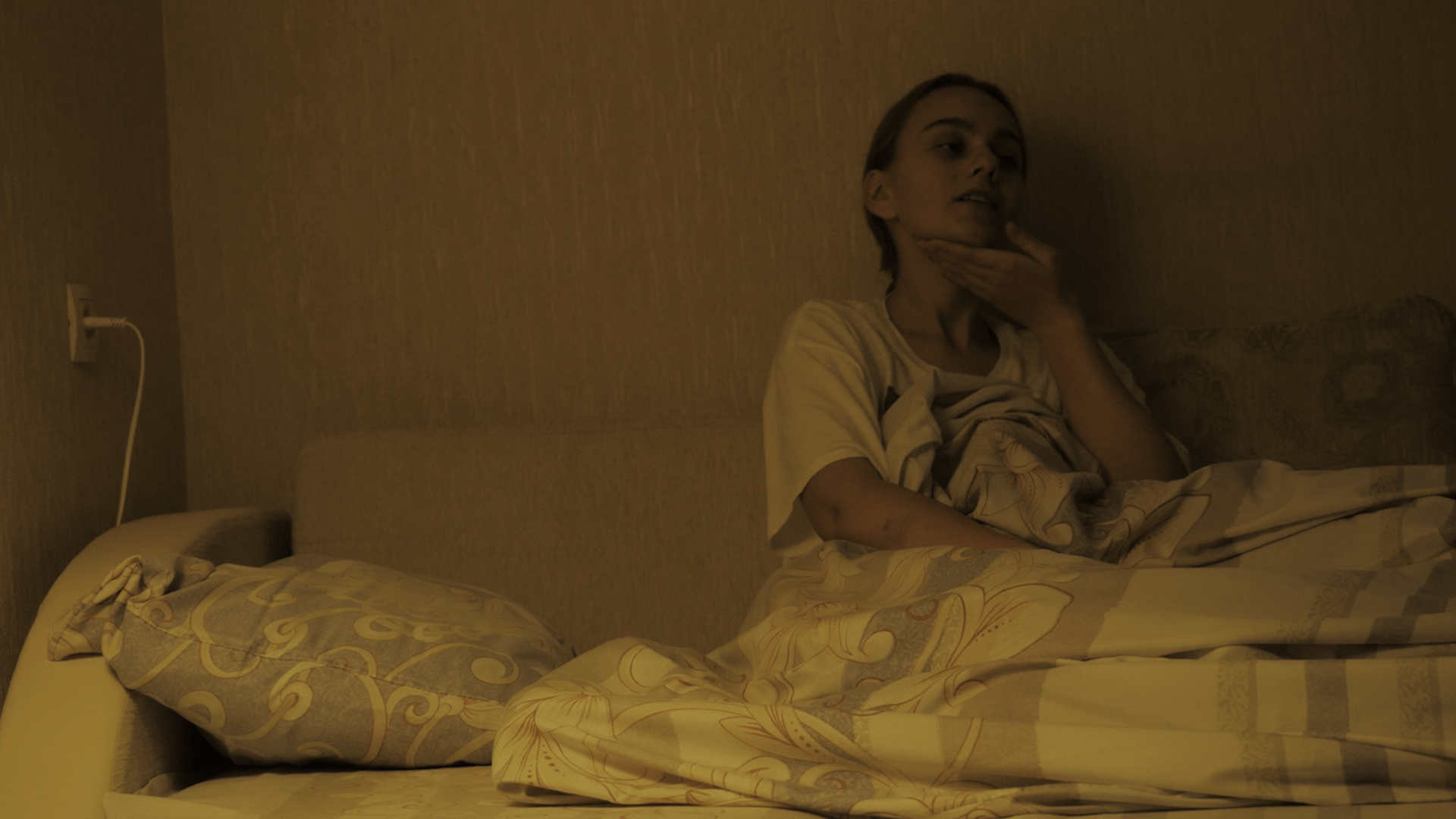
Anastasia Bortnik. Screenshot from the documentary "Border zone"
The girl tried to contact the volunteers from Belgorod, closest to the Strelchikh of the Russian city. The inhabitants of the occupied village advised her to turn to, this volunteer gathered a "Army of Beauties" around her.
The Russian military passed them to the occupied territories even at the time when activists frankly supporting the war disappeared there. Of some other projects - both Russian and Ukrainian - they told Mediazone that it seems suspicious to them. Some publications even claim that the “Army of Beauties” is connected with the Russian special services. The “beauties” themselves categorically deny such suspicions, calling them “hints and speculations”, they emphasize that “from April to this day, thousands of people have received and continue to receive help” from the movement.
In the occupied Strelchye about the “Army of Beauties” they really spoke with gratitude. “I was looking for different options to pick up my mother -in -law, I wrote just to everyone. And I probably dropped this number of Nadin seven people: that she is good, she will help, ”says Nastya Bortnik.
In the "Army of Beauties", the girl recalls, she was told that if she wants to pick up the mother -in -law, she should come to Strelchye through Russia herself. “Come yourself, we will coordinate you, but take it yourself,” the Ukrainian retires their words.
My relatives and friends dissuaded her to go to Russia, explaining that it was unsafe, but Nastya did not listen - she had not seen another opportunity to save her mother -in -law: “I was already desperate, freak out and went, because there was no one to ask for help.”
Felix call
In mid -August, Anastasia Bortnik left the Czech Republic, through Poland hit Belarus, from there to Russia and went to Belgorod. Russian border guards, the girl recalls, interrogated her for six hours, were interested in all the contacts and photos on the phone, but still missed.
She says that in Belgorod for about a week she lived with other Ukrainians in an apartment rented by volunteers from the Nadine team, until she received a message from them with the coordinates of the place from where the bus was supposed to start in the occupied villages of the Kharkov region. The girl went there.
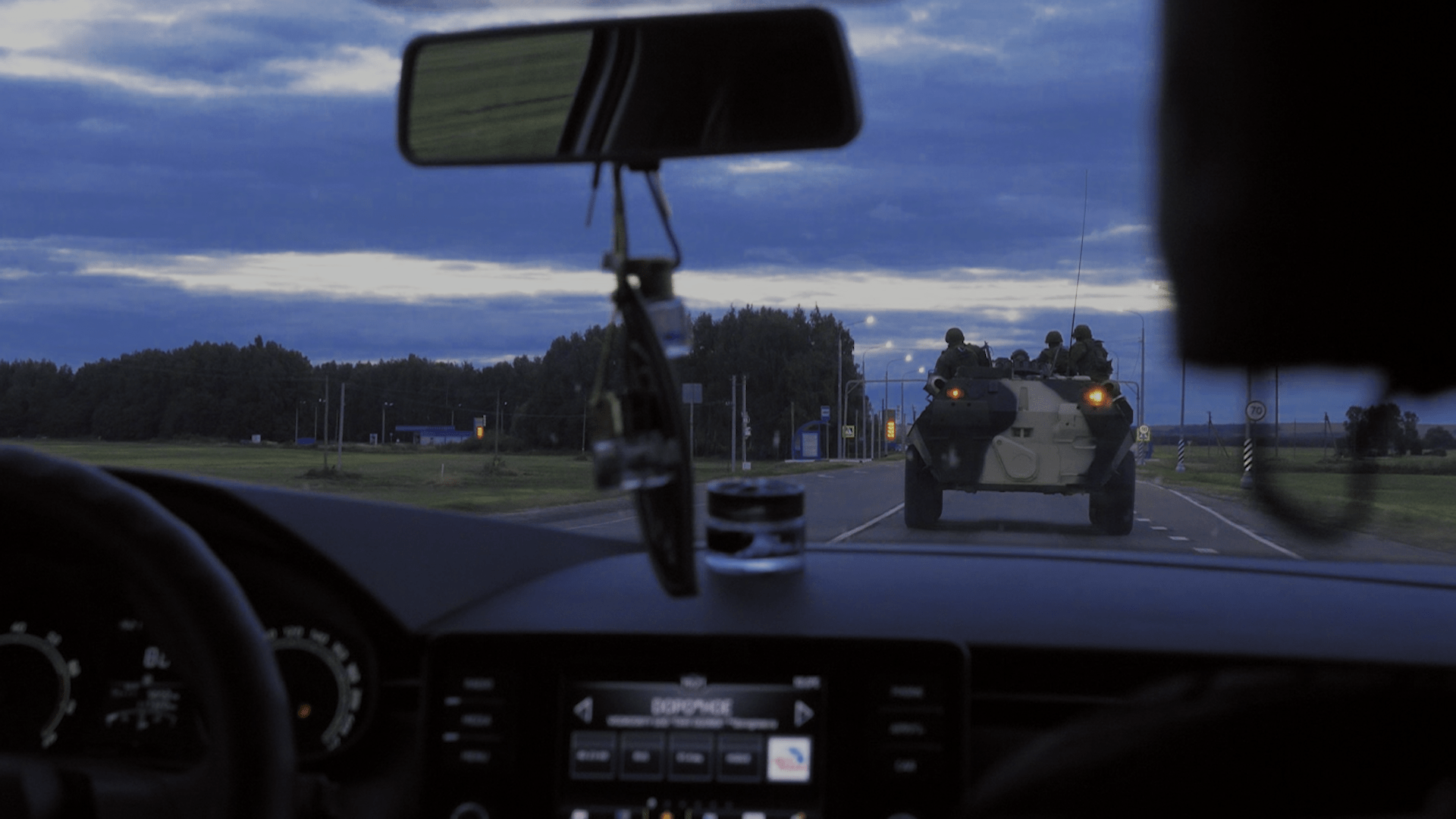
Russian armored personnel carrier on the road near Belgorod. Screenshot from the documentary "Border zone"
On August 26, her husband Nikolai, who was then at the front, received a video call from Nastya's number - he had a record of this conversation. In the frame, except for the girl, he sees two men in camouflage and balaclavas. Only one of them leads the conversation, a person with a call sign.
“Your girlfriend will not leave here, she’s everything,” he announces. - But if you cooperate with us, everything will be fine with you, and you will be money, and the woman will be with you, and everything will be. And if you do not cooperate with us, consider that you decided it. We will send her to the front of the guys, will help, clean, clean and help the guys who have been sitting without women for several months.
Starting with these threats, the man in a mask tries to find out from Nikolai where he serves. He answers with general words. From time to time, a person in a balaclava beats Nastya, she screams.
- Speak, fucker, fucking!
Balaklava beats the girl again, she screams and cries.
“Speak if you want her to remain intact.”
Nastya sobs.
- Can you hear me? He repeats.
“I hear you,” Nikolai answers.
“Enough ...” the girl screams inaudibly. - Just say!
“Can you hear me?” - once again says Felix.
- How much money do you want, perhaps how much money do you want to let it go? - Exciting, trying to persuade the kidnapper Nikolai. - I have a kopeck piece, treshka, I will throw you through me! She was traveling to pick up my mother.
- Yes, enough! - screams Nastya.
- Can you hear? - repeats the man.
- Yes, I have nothing to tell them! What will I tell them? What am I a soldier? What will I tell them? I don't know what they want!
For some time, Felix falls asleep with questions, trying to find out what he is doing in the army and on which section of the front he serves. Or, for example, who is in their “special” detachment - this question puts a Ukrainian soldier at a dead end.
- Who? Repeat. I don't know this. Who is this?
- A special department.
- We do not have such a department. We do not have a special department.
- How not? Who oversees the troops?
- We have no special department. We don't have that.
- Do you have a curator?!
They beat Nastya, now the second man. Blows and screams are heard.
- Stop! She prays.
“I don't understand what you are talking about.” What is a specialist? - asked Nikolai. The cries of his wife are heard again. - What is this special?! We don’t have one. I don't know any specialists. Maybe you, Russians, have some special forces!
Nikolai also breaks into a scream.
“It all depends on your answers,” after a while the man repeats the mask. -If some answers are wrong ...
Groups again.
- If they are correct. Your title, name, surname, patronymic, title.
Scream again.
-I'm a soldier-operator.
- Wait, I don’t hear. Do not yell, bitch, fucking, - the man turns to Nastya. - Do not yell. I will strangle, fuck. So, repeat.
The conversation quickly comes to a dead end, Nikolai's answers do not arrange a man in a mask.
“You need to shorten your tongue, fucking,” he says. - As I understand it. Let me cut off this part of the tongue.
Strong blow and scream. Another blow, then a few more blows in a row.
- Ay! Ah! Ah!
- Well, do you like it? - Felix's voice sounds enough.
- No, of course, I don't like it.
“Now I’ll cut a piece of the tongue, you know that it“ comes to ”talk,” he moves away. - Will it be normal?
“You are a sadist, as I understand it?”
- Do you hear me?
“I hear you,” Nikolai answers.
-I restore Soviet power in the fascist-Nazi territory. I am the largest denazifier of the Nazis, fuckers. Do you know how many people went through my hands and how much will pass?
“But you get peace around the world.” And freedom to people. So that people live happily, as in the Soviet Union, - Nikolai is trying to understand his logic.
- Yes, peace. Because you ... listen to me. Because you allowed a clown in power. The jester of the pea.
Nikolai interrupts him:
-My wife is trying to save my disabled mother.
- ... and made a war.
-What does any clowns have to do with it?! She is trying to save my disabled mother, who is in the war zone!
For a while, silence occurs.
“That is ...” the man begins in a mask.
Nastya screams.
“That's it ...” she groans again. - Now there is no place for your! - The girl switches to an illegible scream. - Just take me! Do not be a moron!
- Sunny, I told you not to go. Because…
“Listen, specific point questions are asked you,” Felix interrupts him.
“Yes, you understand what,” the girl shouts. -Do something!
She screams again. The call is interrupted.
Search and meeting at the insulator
After this call, relatives began to look for Anastasia. Her mother contacted volunteers and human rights defenders who help Ukrainians who have appeared in Russia. “There were two scenarios,” the human rights activist Roman Kiselev argues. - Either she had to be formalized as a prisoner of war, and then we would not find her anywhere. Or it should have been designed in quality, well, for example, administratively detained. We had such a practice. ”
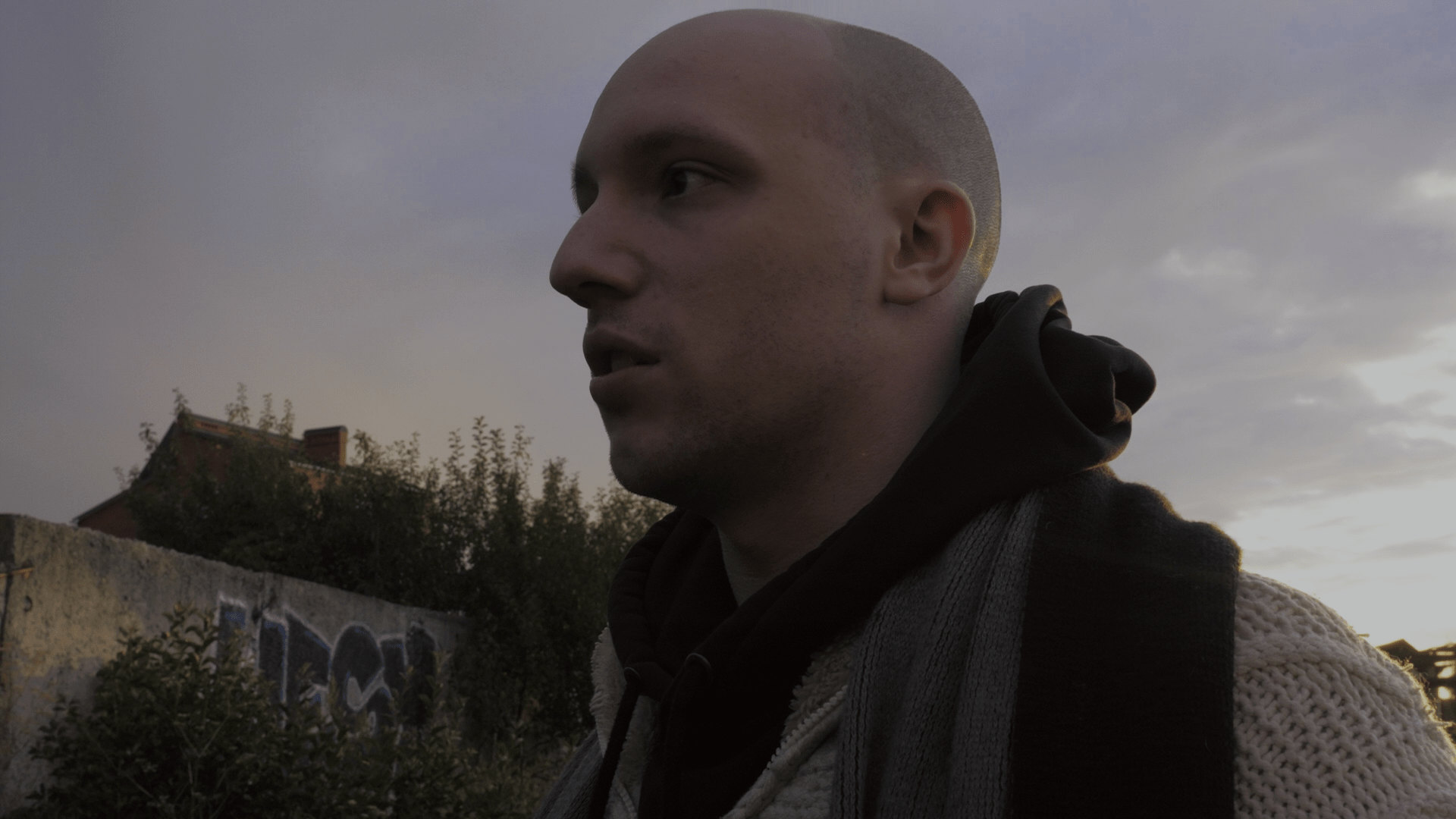
Human rights activist Roman Kiselev. Screenshot from the documentary "Border zone"
Human rights activists knew that in the border areas of Ukrainians they were often sent under administrative arrest under invented pretexts. The security forces in Russia have generally take such an opportunity that, not formally violating the law, to retain the people of interest (for example, while there is an informal test or traces of torture are healing).
On the website of one of the ships near Belgorod, a decision was quickly found in the case of Anastasia Bortnik. The court arrested her late in the evening on August 27, the day after the video call to her husband. It is said that on August 26, patrol police noticed a citizen of Ukraine, who had “obvious signs of drug consumption: pale skin color, expanded pupils, slowed down, answered a sharply changing mood, while the smell of alcohol was absent”. The police took the detainee to the hospital for a medical examination, but the girl refused to pass it.
In court, Anastasia Bortnik pleaded guilty, and the judge appointed her ten days of arrest to use drugs by a foreign citizen. This administrative article is not used too often in Russia, but in the border Belgorod, the security forces, apparently, considered it very convenient for the factory of cases against citizens of Ukraine (Mediazona discovered another and a half of such arrests from the beginning of the war).
The arrest was supposed to end on September 5 at 22:10. The volunteers decided to meet Anastasia near the temporary detention center on the outskirts of Belgorod, where she was sent to serve his arrest. But first, a lawyer went to the girl (he was invited by “Rus Sitting”). Nastya is cautious, but still talked with the defender.
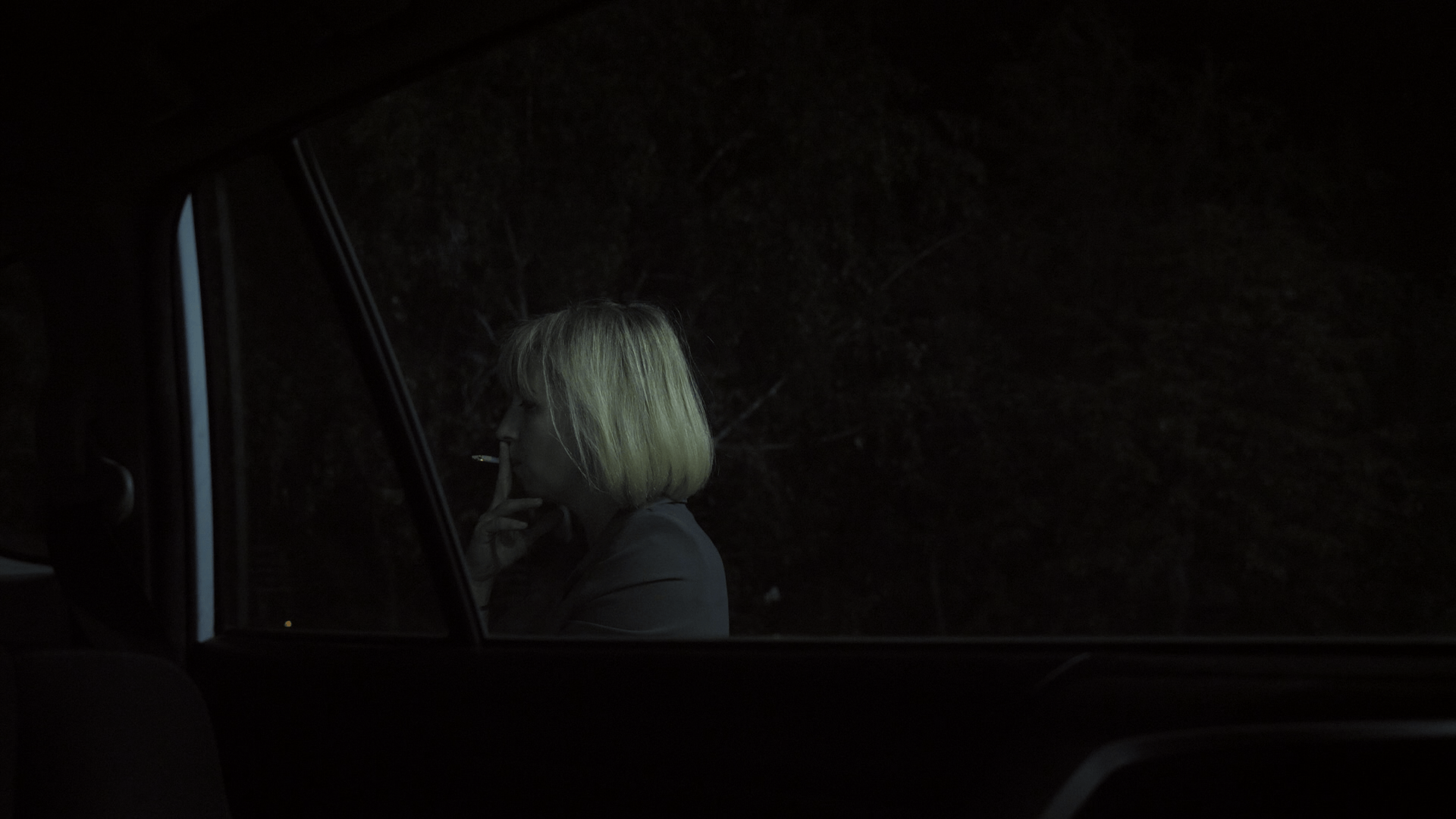
Lawyer Katerina Markova. Screenshot from the documentary "Border zone"
She spent a few more days in the isolator at the police department in the Belgorod district on the outskirts of the city. By the evening of September 5, volunteers with lawyer Katerina Markova came there, they were afraid that they could once again detain the Ukrainian at the exit.
Near the department there was already a car with people in camouflage and masks - what the human rights activists were so afraid of. But, seeing the lawyer, the security forces were clearly confused and began to call someone.
“When a lawyer appears, this always brings confusion into the situation,” says Roman Kiselev. -Because this is still a person with an official status, who is also protected by law. And I think they decided not to steam and leave the situation as it is. ”
Leaving the department with a lawyer, the girl turned into masked people - and immediately recognized those who tortured her ten days ago.
How to get to the occupied territories
Sitting in the apartment on the outskirts of Belgorod, Nastya, a fragile girl with reddish hair, calls up with her mother, who all these days did not find a place in the Czech city of Brno.
“Mouse, I love you, Bunny, I love you,” her mother reassures her.
“And I love you, moms.” Forgive me, please, ”Nastya sobs.
- Mushechka, I love you too. What is there, to wash, what do you have to eat?
- Everything is fine, everything is, do not worry.
- The drug addict is small, you are my drug addict.
Both laughs in relief, recalling how ridiculous the court arrested the girl. Having finished talking with his mother and the Czech, who sheltered them at the beginning of the war, Anastasia tells what happened to her all these days.
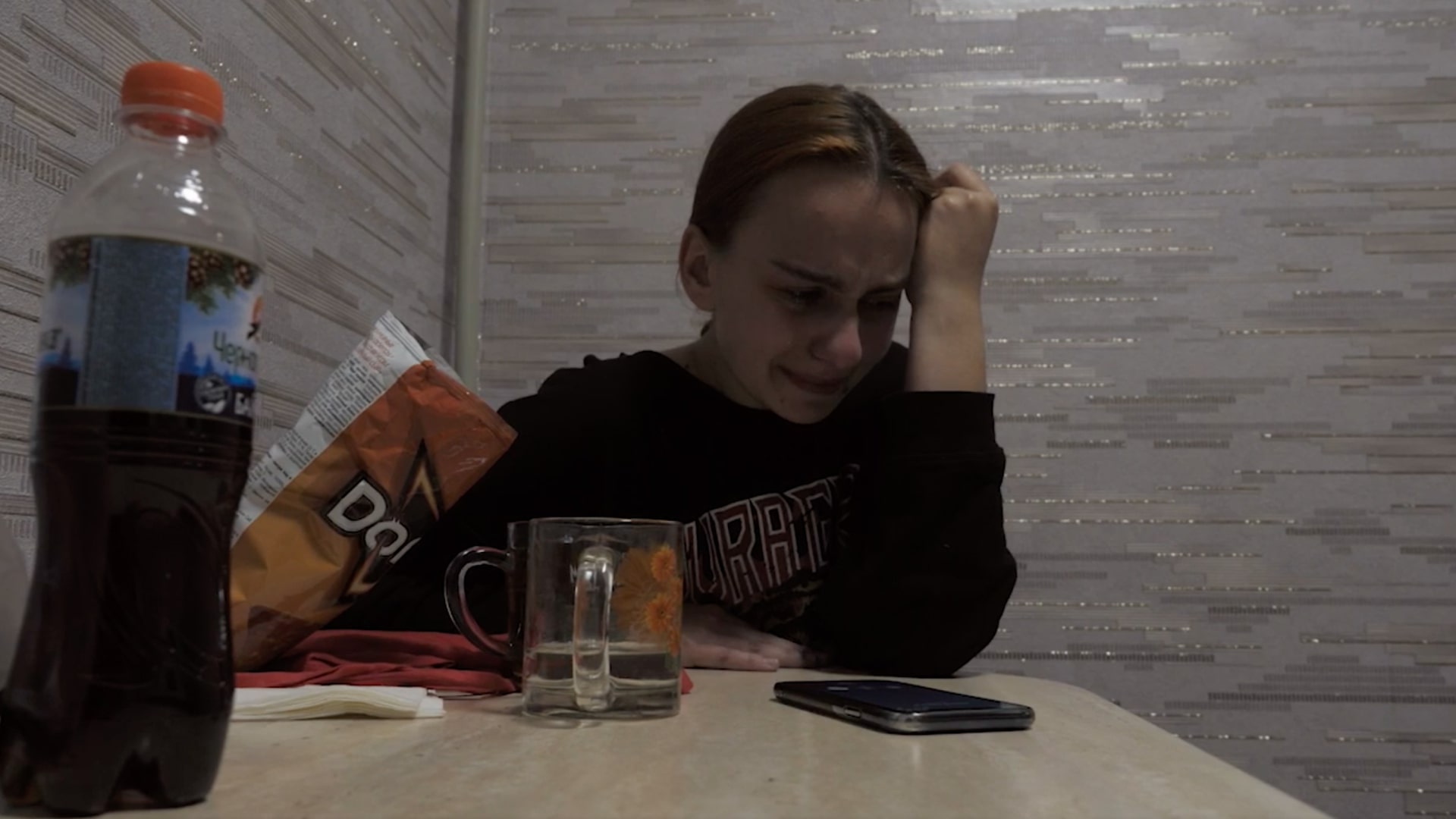
Anastasia Bortnik. Screenshot from the documentary "Border zone"
“It was my initiative completely, everyone was against it,” she says about her trip. “But what will stop me?” I did not think that everything would turn out so. I didn't think at all. It was more like a joke more, especially when they put on my head on my head. ”
She got to Russia on August 16. On the border with Belarus (rode through Gomel), the FSB officers studied her phone for a long time and asked everything, but missed. The border guards, according to Anastasia, understood that her husband was a military man - she did not expect that she could hide it.
Perhaps the volunteers from the "Army of Beauties", who told the Ukrainian, that she had to come to Russia also knew about this. According to the girl, she did not tell them directly about the profession of Nikolai, but on questions I realized that they were guessing.
Nadin from the “Army of Beauties” calls this assumption far -fetched: “Anastasia Bortnik in correspondence with me and the“ Army of Beauties ”never indicated that her husband is a military personnel. And any person crossing the border in such difficult times as now, and having relatives involved in the army, must understand that they may well be interested in the structures responsible for the security of the country into which a person is traveling from. ”
There was another oddity with these volunteers, says Anastasia. Even in the Czech Republic, according to the Ukrainian, she contacted them and asked if they could take the mother -in -law from the archery to Russia. “I received the answer from them that the mother -in -law is completely in poor condition, that she did not remember her son, she didn’t want to go anywhere and that her attending physician refused to evacuate,” the girl says. - I tried to find out with whom specifically they talked, the name of the doctor. But no one said this surname. I wrote to the head physician, and she told me that the volunteers were in the hospital and was not close. ”
Having spent the night in Bryansk, Anastasia the next day got a bus to Belgorod. There she spent six days in an apartment rented by the volunteers of Nadin: “This is just a rented apartment, there were four people from the Kharkov region, three men and a woman. There, it turns out, grandfather has been living for two months now, he does not have documents with him at all. And how would he hang. These volunteers do not say anything that it will be next to him. Well, in principle, there are such volunteers, I have not seen any of them in the face. The rest of the refugees with whom I talked, no one saw them in the face, they simply provided housing, and that’s all. ”
The “Army of Beauties” says that Anastasia is mistaken: “Without documents in an apartment rented by the“ Army of Beauties ”(rental cost of 40,000 rubles), two men lived at that time. One of them is the same grandfather who, after some time, went to Switzerland, the second is the man who left for Belgium. Again, we have all documents about how we helped these and other refugees with the restoration of documents. Everyone in this apartment regularly provided assistance, both with payment of rent, and with the purchase of food and everything necessary for living. ”
Communication took place in correspondence. A few days later, Anastasia says, they wrote to her that from Oktyabrsky, a village near Belgorod, there will be a bus to the Kharkov region. “These transportation was organized by a local businessman [from the Kharkov region], he had buses so that they would not idle, he began to drive them from Cossack Lopani to Oktyabrsky,” says the Ukrainian.
The plan was as follows: to get to the Strelachnya on this bus, there to pick up the mother -in -law in the hospital, a couple of days later to return to Belgorod with her and transport it to Europe from there. Anastasia tried to agree with the volunteers from the “Army of Beauties”, “So that I would go with them so that I would not go alone, but they would not consider such options.”
She was thrown off the point - in the village of Varvarovka there is a temporary placement for refugees and the post of Ministry of Emergencies, where you need to register to get into a part of the Kharkov region occupied by Russia. Anastasia Bortnik went there.
“There is a woman-police woman, she checked the documents, asked the purpose of the visit,” the girl recalls. - Why, when, how much? Such, ordinary questions, without fanaticism. She registered me. This woman allowed me the entrance, indicated that the bus was waiting for at such and such an hour. ”
While she was waiting for the bus, two policemen approached: “They asked me to move aside with them, to talk. They asked again my phone. They were confused by the screenshot of the tags on the map. ” According to the girl, this was the same screenshot with a point on the map, which was sent to her by volunteers from Nadin - a point where she was supposed to be registered.
Полицейские попросили ее подождать, и через полтора часа приехал мужчина в штатском (Анастасия считает, что это был сотрудник ФСБ). «Много чего спрашивал, — вспоминает она. — Кто я, кто мой муж, еще какие-то родные, это все он писал на листочек. Потом опять попросил выйти».
Вскоре подъехал белый автомобиль с четырьмя мужчинами в военной форме без шевронов и с балаклавами на лицах. «Меня просто усадили в машину, кинули мои вещи в багажник, — рассказывает она. — Мне надевают на голову мешок. Я спрашиваю: "Что происходит? Зачем это?". Меня просят просто закрыть рот, и все, меня куда-то везут, все довольно агрессивно».
Допрос с мешком на голове. «Спрашивали о Путине, если ответ не устраивал, били»
Минут через 15–20 ее привезли на место: «По ощущениям, это какая-то то ли школа, то ли офис, потому что меня вели как будто между партами. Заводят в какое-то помещение, садят на стульчик. Со мной начинает общаться какой-то мужчина. Сначала довольно вежливо».
Девушку с мешком на голове расспрашивали, куда она ехала, кого она знает в Украине, почему у нее мало фотографий на телефоне. Если ответы не нравились, ее били.
«Возле меня сел мужчина, один из тех, кто нас вез, у него была пластиковая бутылка с водой, — рассказывает Настя. — И, собственно, этой бутылкой били меня по голове. Душили. Потом, когда он порылся в моих вещах, они нашли маленький нож сувенирный, этим ножом гладил по горлу, по телу, потом просто так тыкал. Потом еще у них был пистолет, видимо, потому что им тыкали меня в грудь».
Такой допрос, по ее ощущениям, продолжался два-три часа: «Если они не верили в ответ, что я здесь как бы без всяких злых намерений, то били. Спрашивали о власти, о Путине, если их ответ не устраивал, то били. Если ответ был какой-то, не знаю, короткий, не развернутый — били».
В один момент, вспоминает она, рывшийся в вещах мужчина попросил ее сложить вещи обратно и «поздравил — сказал, что я положила в сумочку пять грамм героина».
«Увидели, что я не реагирую, сказали, что, видно, какая-то у меня подготовка специальная, — усмехается Настя. — Но какая подготовка, просто если тебя долго бьют по голове, тебя героин не так сильно волнует в твоих вещах. Немножко не та ситуация была, чтобы меня расстраивал героин в моей сумочке. Меня беспокоило, что меня могут убить».
Когда вопросы закончились, люди в балаклавах решили позвонить ее мужу-военному, хотя Анастасия и говорила, что тот вряд ли сможет взять трубку. Она говорит, что, несмотря на реальные удары, все выглядело как «театр для запугивания мужа»: «Перед звонком они спросили, есть ли мне во что переодеться. Полазали в моих вещах, нашли там футболку и штаны. Они перед этим сделали мне отсечки на одежде и в процессе видеозвонка просто ее порвали, чтобы как бы запугать, убедить в своей серьезности».
Она вспоминает, что пока Феликс разговаривал с Николаем, другой мужчина вывел ее из кадра: «Он сказал мне, что все, не плачь, смотри: я бью бутылкой, и ты кричишь. В этот момент бить по-настоящему перестали. Просто он сидел, на ушко шептал: "Кричи громче. Скажи то и то". Вот он дал мне одежду, дал мне прикрыться и как бы сидел, шепнул на ухо, успокаивал меня, чтобы я не плакала. Какой-то сюр начался, стал меня обнимать, пытаться успокоить. В общем, не знаю, что это было и для чего».
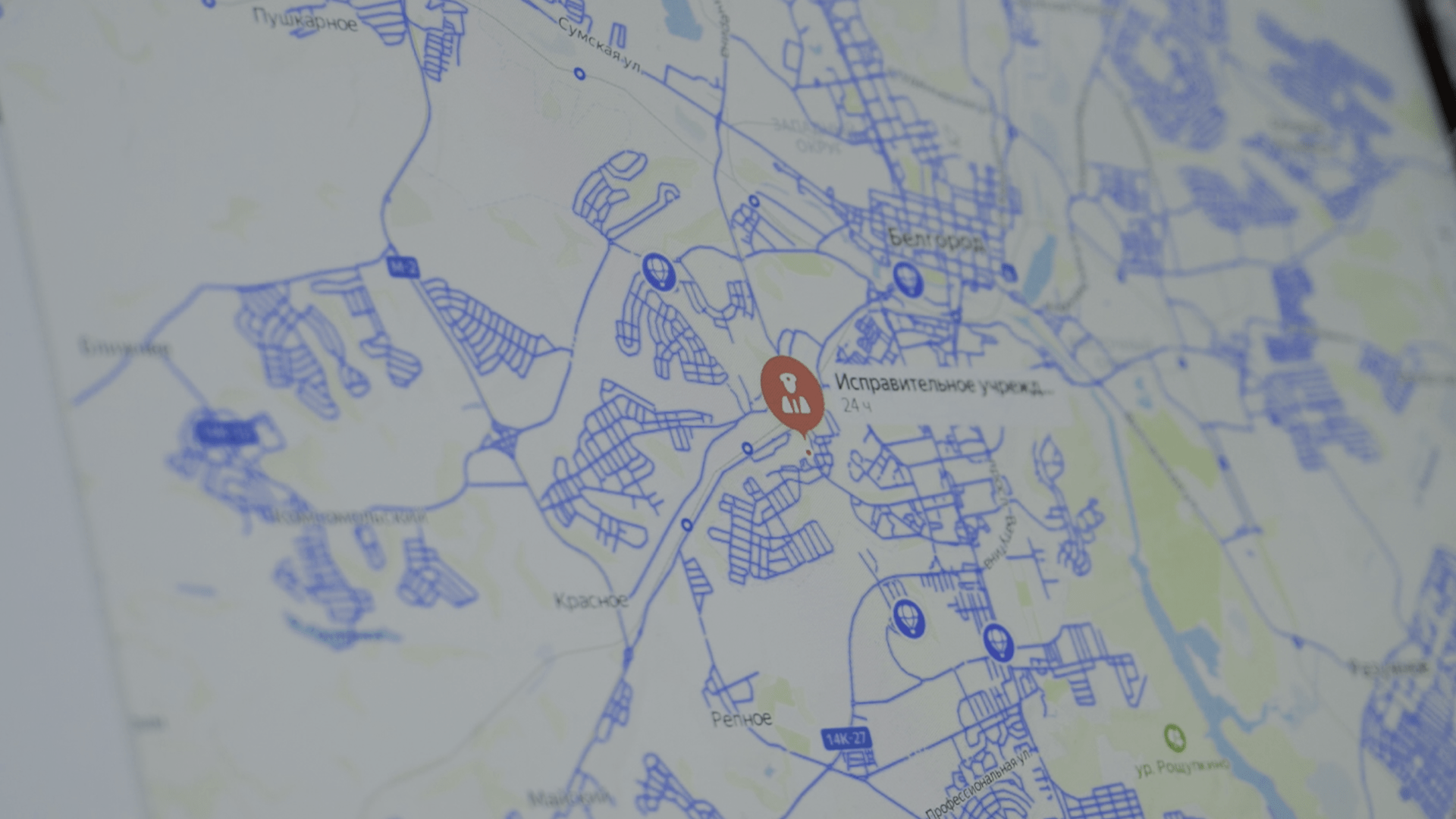
Геолокация изолятора временного содержания в Белгороде. Скриншот из документального фильма «Пограничная зона»
После завершения звонка Настя попыталась выяснить, что ждет ее дальше: «Меня интересовало, не застрелят ли меня где-то и не бросят ли меня в канаву. Я пыталась это выяснить, но мне сказали, что сейчас есть два варианта. Либо тебя сейчас везут в камеру-одиночку в СИЗО, либо тебя сейчас везут в лагерь для военнопленных. Начинают смеяться, что тебе там вряд ли понравится с вашими хохлами, что там… Начали вести речь о насилии, все в таком духе. Ну, в общем-то, пришли мы к тому, что меня везут все-таки в СИЗО, что я там ожидаю. Чего ожидаю, не сказали. Телефон не вернули. Меня куда-то повезли, вывели из машины и тогда уже сняли мешок, как я понимаю, перед начальником отделения полиции».
Десять суток «политической мадам»
Человек, перед которым силовики сняли с головы девушки мешок, представился ей Денисом Игоревичем Лаптевым — это один из руководителей отдела полиции по Белгородскому району, того самого, где Анастасию найдут потом волонтеры и правозащитники.
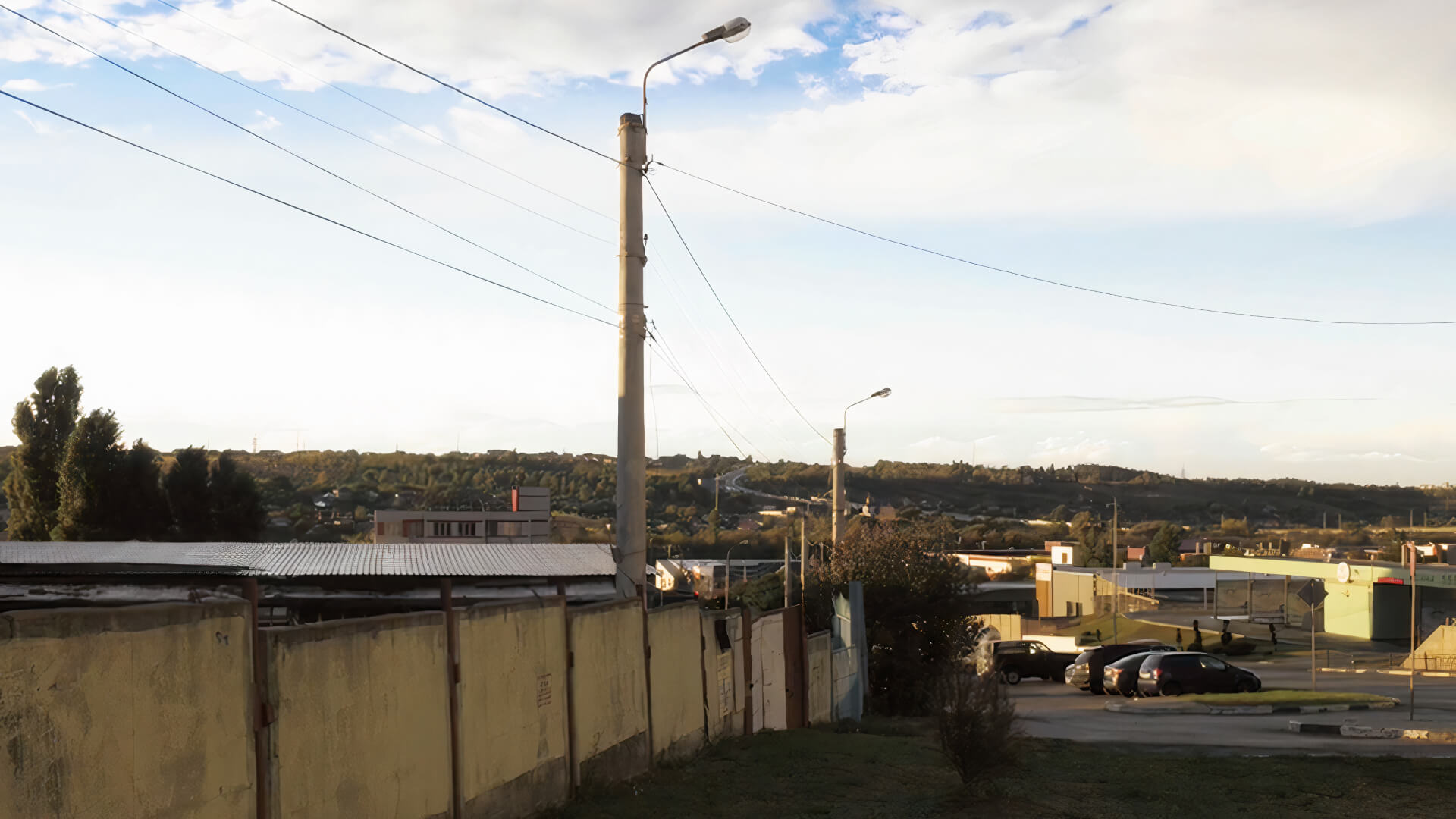
На территории местного отдела полиции по Белгородскому району. Скриншот из документального фильма «Пограничная зона»
« Попросил меня не плакать, — вспоминает встречу девушка. — Сказал, что тебя сейчас здесь трогать уже никто не будет. Сказал, чтобы я ни в коем случае не соглашалась на медосвидетельствование. Чтобы меня было за что посадить».
Отказ от освидетельствования дал силовикам возможность составить протокол по . She nodded. После этого уже сотрудники полиции повезли Настю в Центральную районную больницу в Белгороде. Медики, по ее словам, прекрасно понимали, что происходит, и называли ее «политической мадам»: «Я так поняла, что я у них такая не первая и совсем не последняя. Что у них частенько бывают украинцы в таких ситуациях».
Из больницы Анастасию вернули обратно в отдел, составили протокол об употреблении наркотиков и отказе от освидетельствования, а потом по видеосвязи провели заседание суда: «Я перед этим пыталась спросить их, а что мне, собственно, говорить? Потому что я толком не понимала, а за что меня садят. Полицейские сказали, что судье уже, скорее всего, позвонили, она ничего спрашивать не будет».
Видео включали с телефона, ей кажется, это был Zoom , «связь лагала ужасно». Но судью ничто не смутило. «Это у нее заняло буквально минутки три, — рассказывает девушка. — Она сказала, что все ясно, ожидайте решение. Меня обратно повели в дежурку ждать, и часа через полтора мужчина привез документы с решением. В котором было сказано, что меня на десять суток закрывают».
Настю отвели в подвал, видимо, в изолятор временного содержания. «Там описывают еще раз мои вещи. Там сидела девушка. Но они записали не все мои телесные повреждения, записали только пару ссадин. У меня были следы на горле от того, что меня душил тот мужчина. У меня за ухом была довольно большая шишка и синяк, их тоже не записали. У меня на руках были синяки, потому что я пыталась закрыть голову», — вспоминает украинка.
Ее посадили в отдельную камеру. Все эти десять суток она пыталась упросить хоть кого-то из сотрудников дать ей телефон, чтобы она могла сообщить родным, что жива, но никто не решился.
Сотрудники намекали Анастасии, что одним сроком дело может не ограничиться: «Про других украинцев мне рассказывали дежурные из ИВС, что у них бывали тут разные люди, вплоть до того, что была беременная девушка. Украинка тоже. Тоже, как я, в таком плане. Рассказывали, что тут сидел мужчина месяца два, наверное, просто потому, что у него был в телефоне контакт военного ВСУ.Говорили мне, что твой срок может быть неоднократным. Морально меня подготавливали, что, смотри, может быть, ты отсидишь и будешь еще раз сидеть».
Все эти дни ее мысли занимали две вещи: люди в масках, которые грозились прийти к ней на разговор, и отобранный мобильный телефон. «Потому что мне объяснили так, — говорит украинка. — Смотри, если сейчас принесут телефон, то все хорошо, ты выйдешь, пойдешь по своим делам. Если нет, может быть немножко по-другому. Может быть, сейчас тебя опять заберут и будут с тобой дальше общаться. И, скорее всего, ты вернешься обратно сюда».
Люди в масках так и не пришли. Телефон ей так и не вернули.
3 сентября, после того как родные начали искать Настю и о ней узнали правозащитники, в ИВС пришел адвокат. Это было неожиданностью не только для полицейских, но и для девушки. «Она мне какую-то записку тайную передала от мужа, от мамы, — говорит Анастасия. — Но я понимала, что там нет ни слова, какого бы не было в моем телефоне. То есть это уже можно было бы налепить, придумать как-то. Но я все-таки доверилась ей в этой ситуации. А не было другого выхода».
Так что Анастасия уже не удивилась, когда вечером 5 сентября на выходе из отдела ее снова ждала защитница: «Меня взяли за руку. Я увидела, что у выхода под деревом стоял один мужчина в маске. Это, очевидно, был тот, который меня вез. По правую сторону тоже стояли два человека, очень похожие на тех, кто меня возили и со мной общались и били меня. Один из них сразу отвернулся, который был ближе к дверям, а остальные просто стояли. Общались между собой немножко в стороне. К счастью, отбирать меня они не стали».
«Было страшно, но как-то уже, что ли, безразлично, — замечает она. — Потому что, пока я сидела… ну, честно, страшные мысли в голове летают, ты себя уже хоронишь. Потому что, ну, черт его знает, что у этих людей в голове».
Liberation
«До сих пор нет ощущения, что это все реально. С момента, когда я села в машину [с людьми в масках], у меня ощущение реальности в принципе пропало», — признается Настя, пока едет из Белгорода в Беларусь.
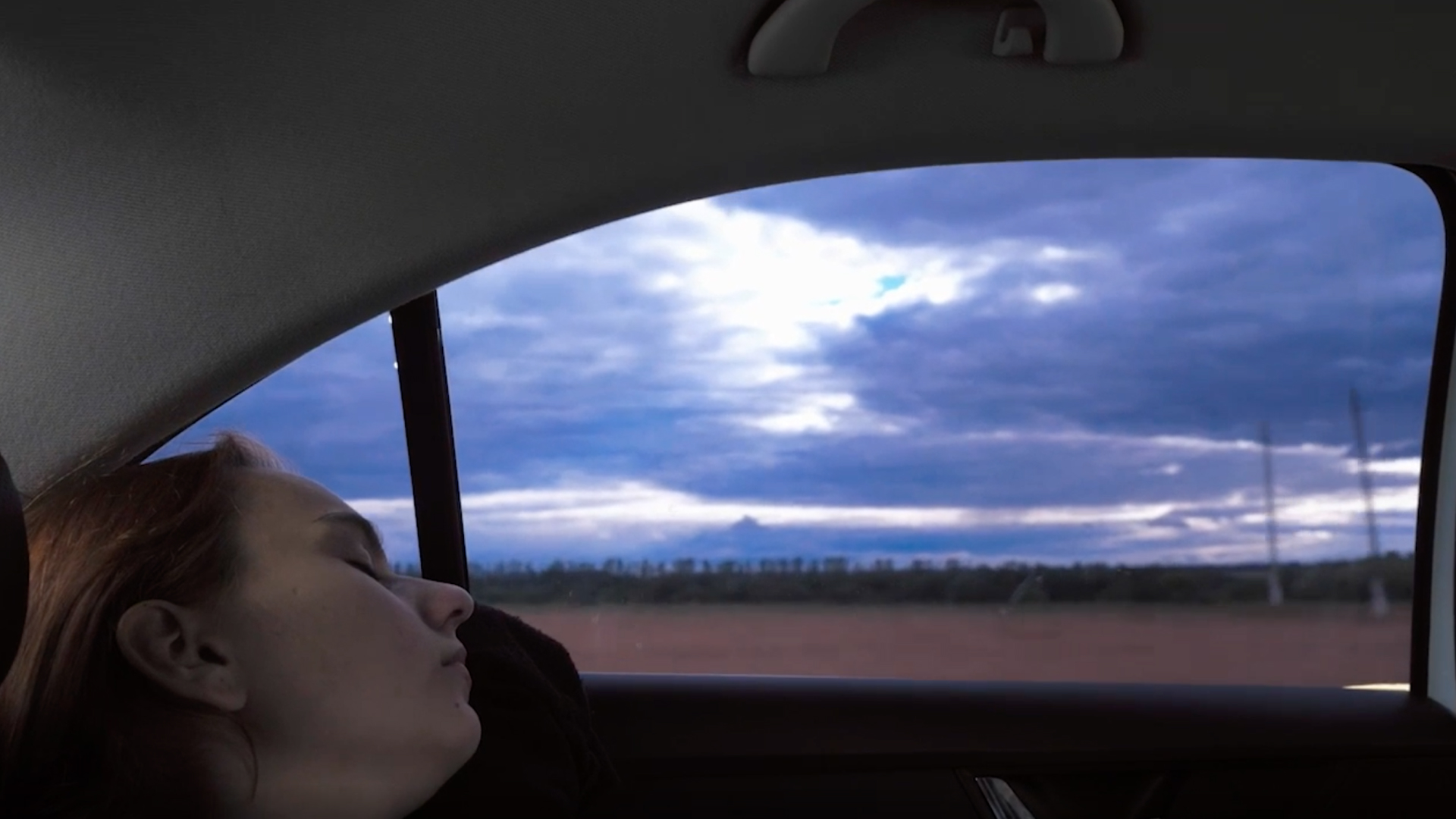
Анастасия Бортник. Скриншот из документального фильма «Пограничная зона»
Ей стало спокойнее, когда она наконец смогла поговорить с мужем (сразу после освобождения они связаться не смогли): «Вот тогда меня уже отпустило. Потому что меня клинило, я очень сильно переживала, я же понимаю, как это было с его стороны, как это он видел [во время видеозвонка]».
Через Беларусь Настя попала в Европу и вернулась в Чехию как раз в те дни, когда украинская армия начала контрнаступление под Харьковом. После бегства россиян было освобождено и Стрелечье, куда девушка безуспешно пыталась попасть во время оккупации.
Через некоторое время сотрудники психиатрической больницы, где находилась ее свекровь, начали эвакуацию пациентов. Во время одной из попыток колонну обстреляли , погибли четверо врачей. Но 21 сентября пациентов все же вывезли , Настя вернулась в Украину и наконец увидела свекровь, которую пыталась спасти с первых дней войны.
Editor: Dmitry Tkachev
Обновлено 20 октября в 16:36 . В тексте исправлены некоторые формулировки, касавшиеся деятельности белгородских волонтеров из «Армии красоток». Также в текст включены их комментарии, которых изначально не было в материале, поскольку перед публикацией мы не связались с этими волонтерами. Мы приносим за это извинения «Армии красоток» и нашим читателям.