
Translated material
"Each experienced mockery and beatings." Nine circles of the camp hell poet Zabolotsky
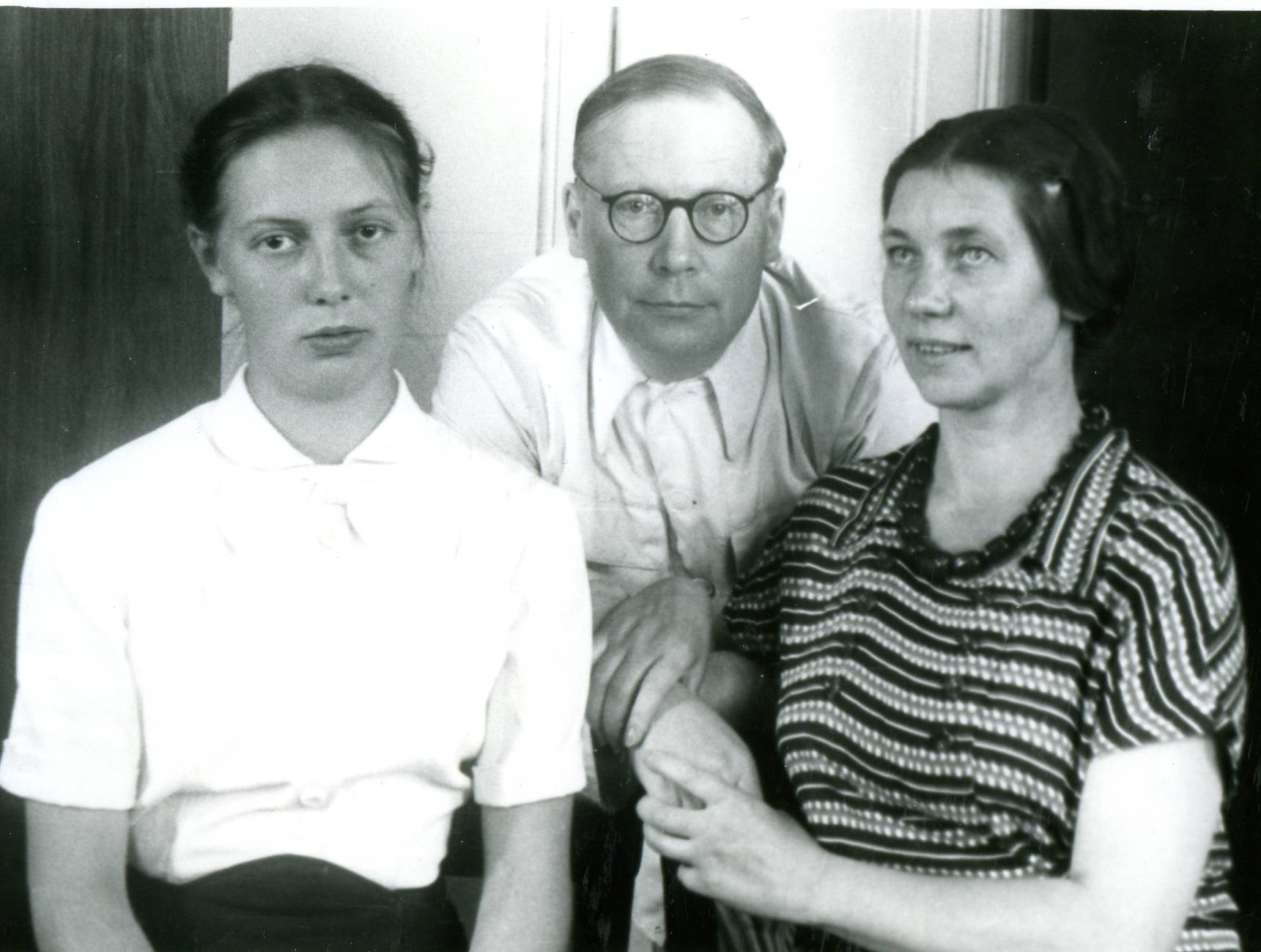
October 14 - Memorial Day of the poet Nikolai Zabolotsky. He passed away 55-year-olds, in 1958, 11 years after liberation from the Gulag. However, the poet failed to wait for rehabilitation - he was rehabilitated posthumously, April 24, 1963 .
In early February 1939, the poet Nikolai Zabolotsky arrived at the stage lasting more than two months, to the Far East, to the so -called Komsomol shipping, from where he was sent to the eastern railway camp, the place of serving the sentence. The prisoners of this camp built the Komsomolsk-Ust-Sneman road, which was part of the BAM. So the poet became a roller of the forest.
The poet and the most famous representative of the literary circle of the Oberiuts ( Oberiu, the unification of real art is a group of writers and cultural figures who worked from the 1927 to Leningrad from the 1927 to Leningrad ), Nikolai Zabolotsky is known as the translator of “Igor’s regiment”, the author of many philosophical verses, including the famous lines “do not allow your soul to be lazy!” And the text, which formed the basis of the famous song "Fascinated, bewitched."
It is much less known for his piercing biographical narrative about the Stalinist camps. The innocently condemned during the years of large terror, Zabolotsky went through the Gulag, having lost his health in foresters, quarries and sulfur lakes. But he did not break, did not pass anyone on interrogations, returned home and talked about the experience. Memory of Nikolai Zabolotsky is celebrated in mid -October. His descendants shared their memories with the journalist Siberia. Reali.
Zabolotsky spent 8 years old in the Stalin camps. All these years, his support was Catherine's wife, whom Chukovsky Korney called the "guardian" Zabolotsky. “This, eagerly, is one of the best women that I met in life,” the poet Evgeny Schwartz will write in his diaries.
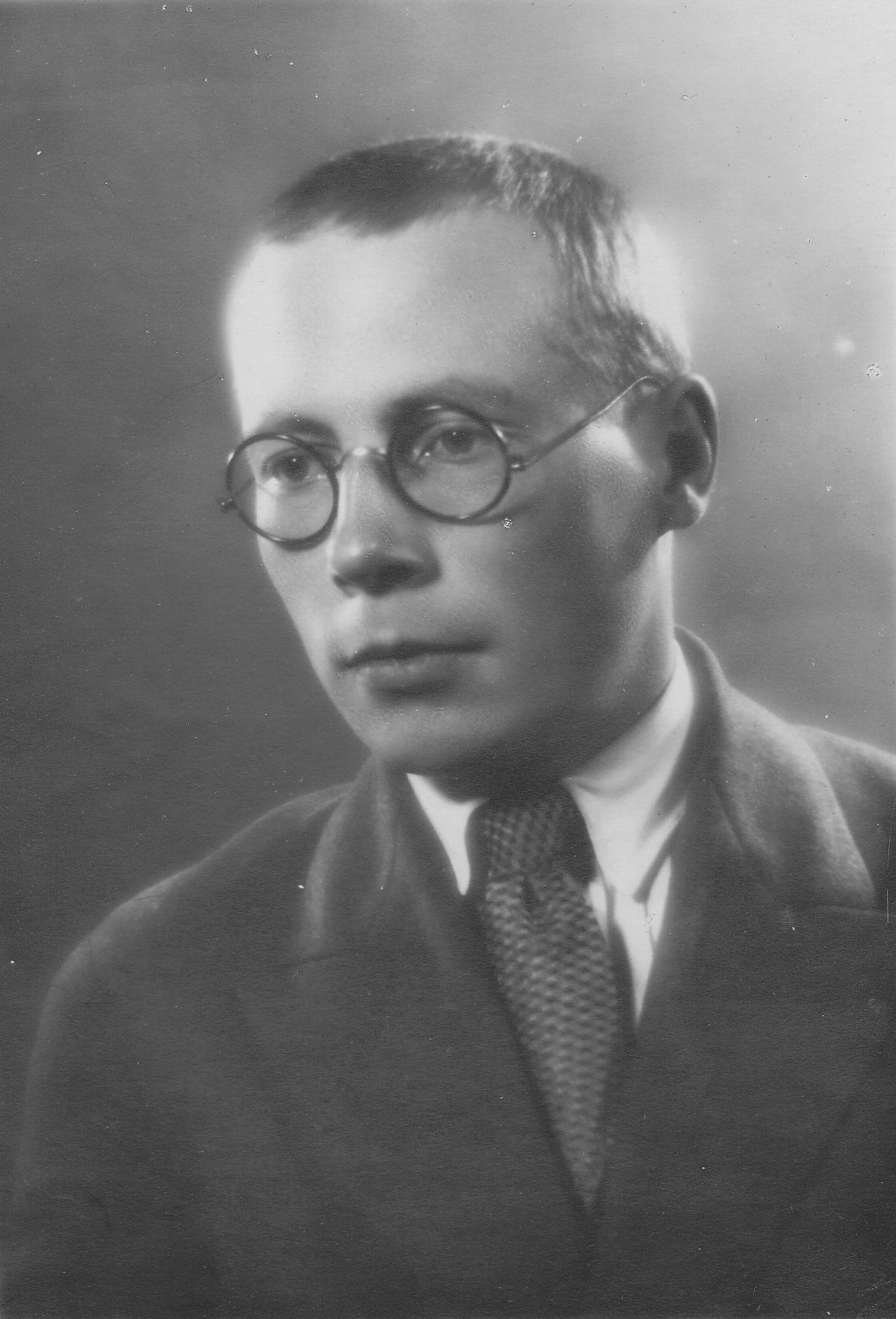
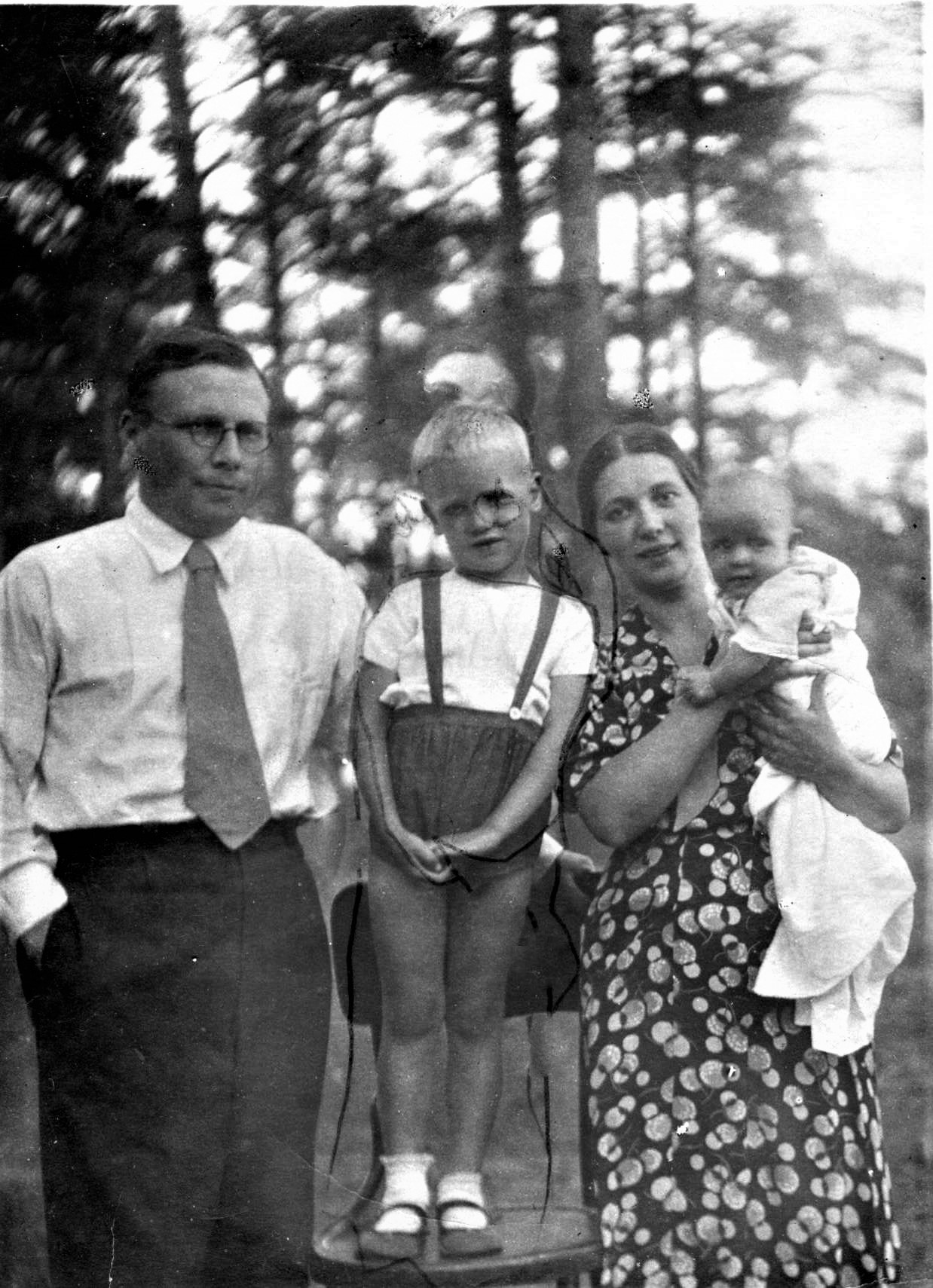
Before a meeting with Ekaterina Zabolotsky, according to the memoirs of his friends, “scolded women fiercely,” claimed that the family was a burden, and had a reputation as a cynic and a feminine. And suddenly in 1930, the 27-year-old poet marries Ekaterina Klykova, a graduate of the pedagogical institute, a teacher of Russian language and literature.
In January 1932, Zabolotsky was born the first -born - the son of Nikita. In April 1937, the daughter of Natalya was born.
From the book of Chukovsky's memoirs "About what I saw":
"His wife Katerina Vasilievna was ready for his sake for any deprivation, for any feat. At least such was her reputation in our circle, and for many, many years she confirmed this reputation with all her actions. In the first years of their life together, he was not only poor, but simply a poverty; and she, from the two tiny children, had to grab a lot of deprivation. By the mid-thirties. Nikolai Alekseevich began to earn a little better, they had housing in Leningrad, everyday life was getting better;
They came for Zabolotsky on March 19, 1938.
From the book of memoirs of Nikolai Zabolotsky "The History of my Conclusion":
"Two suitcases of manuscripts and books were taken away. I said goodbye to my family. The youngest daughter was at that time for 11 months. When I kissed her, she first rolled:" Dad! "We went out and went through the corridor to the stairs. Then the wife with a cry of horror caught up with us. We broke up at the door."
"The action of the constitution ends at our threshold"
Zablotsky was to become part of a large demonstration process over Leningrad writers.
From the book of Nikita Zabolotsky "Fire flickering in the vessel ...":
"The case of Zabolotsky was indirectly connected with the defeat of the" right "Bukharin opposition and with the general attitude to find specific evidence of the bow of this opposition with the Trotskyist pests supposedly existing in the country. They decided to imitate the exposure of such a Trotskyist-Bukharin group among the Leningrad writers."
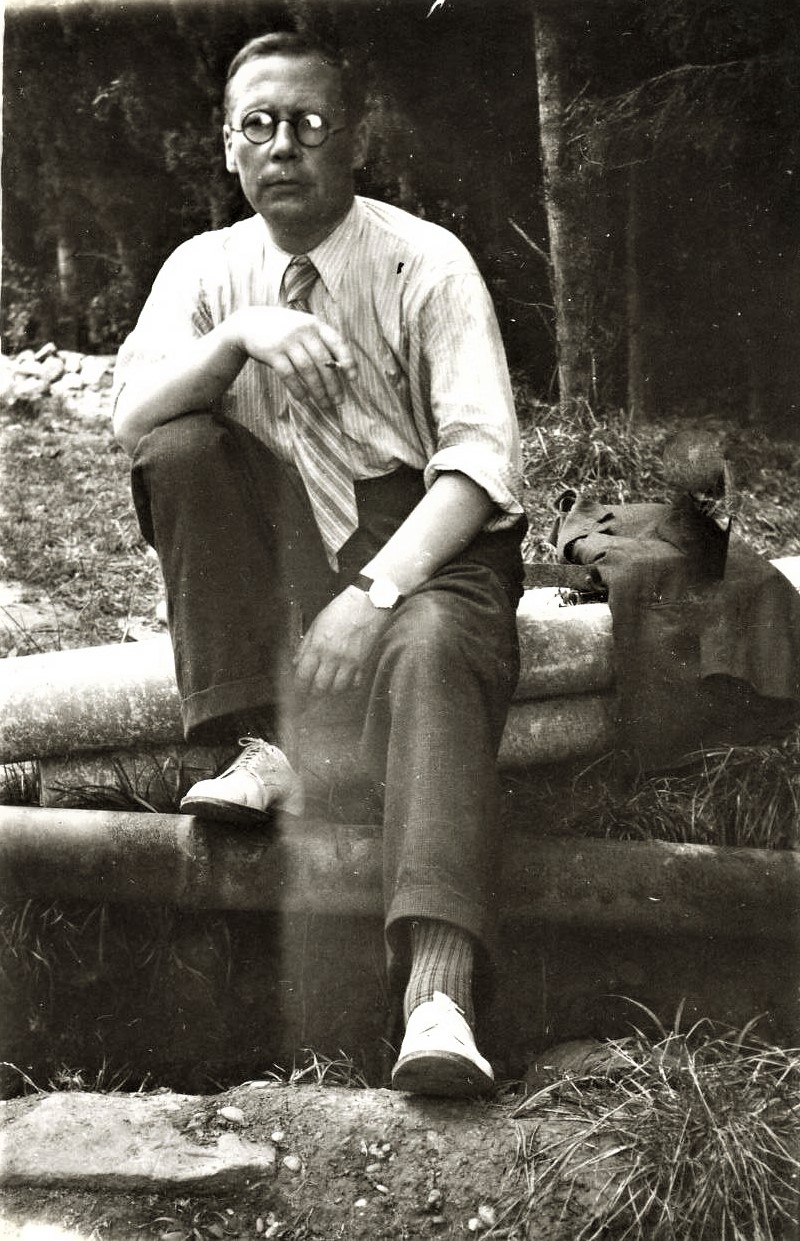
“The conclusion of Zabolotsky was part of the so -called“ writing ”, fabricated by the NKVD,” explains historian Vladimir Gromov . - It began with the arrest of the poet Benedict Livshits (Russian poet, translator and researcher of futurism. - Approx. SR) , taken into custody on October 25, 1937. Under torture, he testified that gave the foundation for the arrest of a number of poets and writers. The confession was signed by the poetess Elena Tager (Russian poet, prose writer and translator, memoirist. - Approx. SR) , which helped the NKVD fabricate the existence of a certain counter -revolutionary organization,
From the book "History of my conclusion":
“I was brought to the house of preliminary conclusion (DPP). ... The interrogation began, which lasted about four days without a break. Following the first phrases, abuse, scream, threats were heard. ... Investigators insisted that I confessed my crimes against the Soviet regime. Since I did not know these crimes, it was clear that I had nothing to confess ...
I protested against illegal arrest, against rude circulation, screams and battle, referred to the rights with which I, like any citizen, possess on the Soviet constitution.
“The action of the constitution ends at our threshold,” the investigator answered mockingly. ”
Zabolotsky read out the inconsistent testimony of Livshits and Tager. In response, he demanded a confrontation, but he was refused this.
“They didn’t give me food. They didn’t allow me to sleep. Investigators replaced each other, I sat motionlessly on a chair in front of the investigator-for a day in a day. Behind the wall, in a nearby office, at times, someone’s frantic cries were heard. My legs began to swell, and on the third day I had to break the shoes, since I could not tolerate the pains in the feet. I strained all my strength in order to answer reasonably and prevent any injustice against those people who were asked about me. ”
From Zabolotsky, they sought evidence for the key figure of the whole case - the then chairman of the board of the Union of Writers of the USSR Nikolai Tikhonov. The information about Fedin and Marshak was persistently imposed.
"I woke up with unbearable pain"
The investigation needed new pressure tools on Zabolotsky. Therefore, the NKVD proposed literary criticism to Nikolai Lesyuchevsky to analyze the work of the suspect.
From the recall of Lesyuchevsky about the poems of Zabolotsky:
"In 1929 ... The book of poems by Zabolotsky" columns "came out. In this book, Zabolotsky gives a“ image ”distorted through the crooked mirror“ Image ”... Judges, grimaces, trying to cover his true position. But this position is clear. This is the position of a person hostile to the Soviet life, Soviet people who hating them, i.e. actively struggling against him by means of poetry. "
Zabolotsky did not specify anyone.
"On the fourth day, as a result of nervous tension, hunger and insomnia, I began to gradually lose the clarity of reason. I remember, I already shouted at the investigators and threatened them. There were signs of hallucinations: I saw a continuous movement of some figures on the wall and parquet floor of the office. I recalled how I was sitting in front of the whole synclite of investigators. I was not afraid of them and despised me. Now it is difficult to determine my then condition, but I remember, I felt inner relief and my triumph in front of these people who could not make me a dishonest person. "
Having lost patience, investigators switched to beatings from exhausting interrogations.
"There was a heavy iron bunk in the chamber. I pulled it to the lattice door and propped her door handle to her back. So that the handle did not jump off the back, I screwed it to the bed with a towel, which was on me instead of a scarf. I was caught by my tormentors. They rushed to the door to promote the towel, but I grabbed the Schwabra, which was standing in the corner and, and I grabbed it. Using it as a peak, he soon drove away from the door of all the jacks. The doctors were subsequently surprised how my insides remained intact - traces of tortures were so great. "
Probably, Zabolotsky was needed by the investigation, and in their right mind, so that he could speak at the upcoming public process.
“I woke up from unbearable pain in my right hand. With my hands wrapped back, I lay a bunk screwed to the iron crossings. One of the crossbars crashed into my hand and unnecessarily tormented me. ... Then, like through a dream, I remember that some people were plunged under my arms around the courtyard ... When my consciousness returned to me again, I was already in the hospital for insane.”
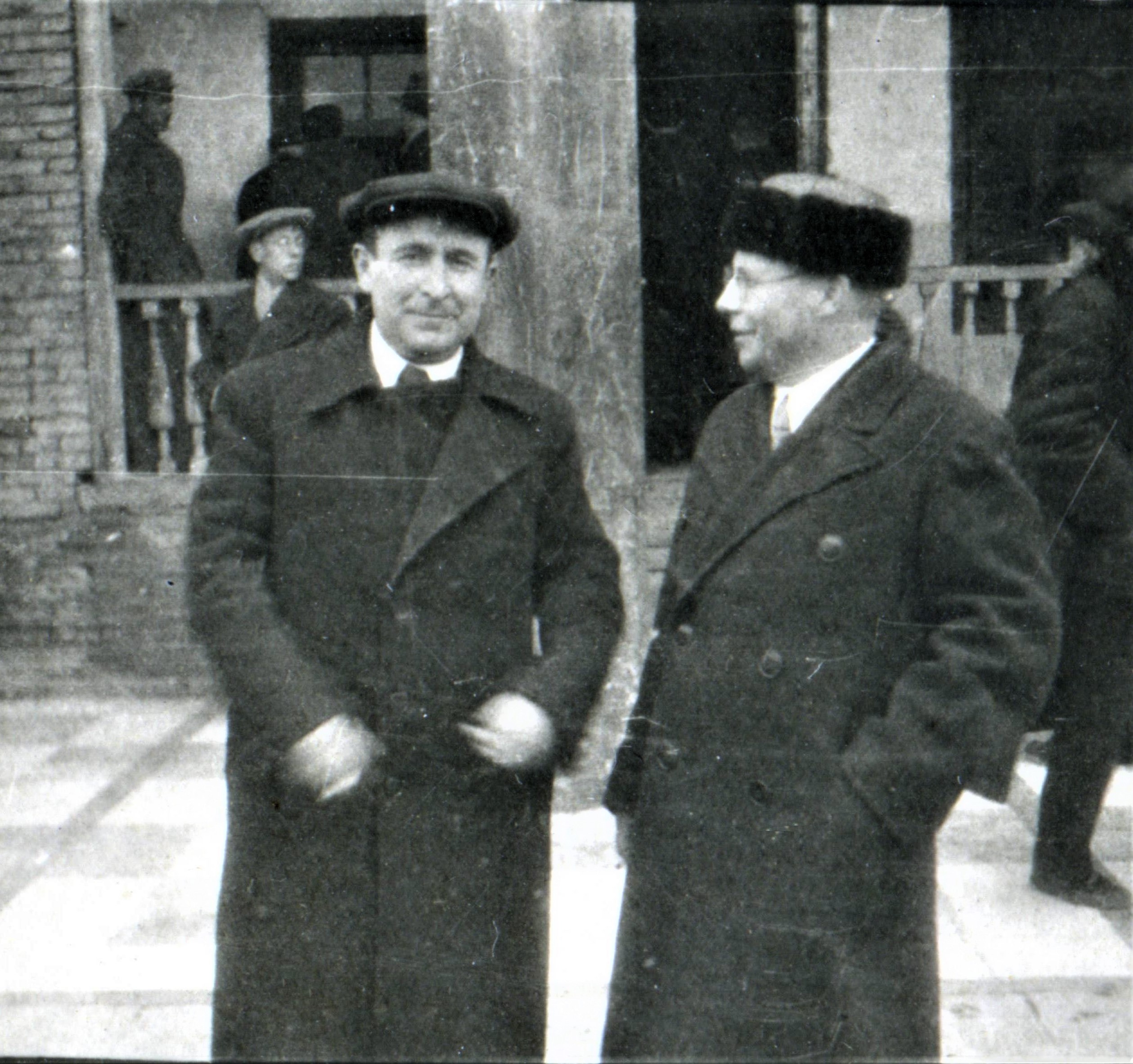
In the prison hospital of the Institute of Judicial Psychiatry, Zabolotsky managed to recover a little after bullying and beatings.
"My condition was difficult: I was shocked and brought to insanity, but physically exhausted by torture, hunger and insomnia. ... A few days later I began to come to my senses and realized with horror that I had a quick return to the house torture."
From the hospital ward Zabolotsky was transferred into a cell, a designed person for 12-15, in which about a hundred prisoners were sitting.
"Interrogations began at night, when the entire multi -storey set on Litein Prospekt was illuminated by hundreds of lights and hundreds of sergeants, lieutenants and captains of state security, along with their assistants, began the next work."
- The writer's case began to crumble. This is also traced by the dynamics of sentences. The first arrested were almost completely sentenced to the highest degree of punishment. The translator Wilhelm Zorgenfrey, Proseik Yuri Yurkun and poet Sergei Dagaev were shot, - says Vladimir Gromov. - Benedict Livshits was executed, and Elena Tager was sentenced to 10 years in camps. However, many of the writers, who were later arrested on the basis of their testimony, managed to survive, since it became clear: it was not possible to build a large demonstration process. Zabolotsky, who did not slander either himself or his friends, was also able to avoid the execution, which the charges initiated to him were drawn to. When making a sentence, apparently, they took into account that the poet did not admit guilt. In September, 38th he was awarded five years of camps.
"Icicles licked from our own fumes"
Since the arrest, Zabolotsky had never seen his wife and children, I did not know that they were like them.
From the book of Chukovsky's memoirs "About what I saw":
"The situation of Katerina Vasilievna became a desperate, catastrophic. The wife of the arrested" enemy of the people ", she was deprived of all rights, even the right to mercy. She was soon sent from Leningrad, providing the opportunity to live only in the most deaf province. And she chose the town of Urzhum of the Kirov region - because this town was the birthplace of her husband. She lived there in terrible poverty ..."
Zabolotsky was sent to the stage throughout the country, to the Far East.
"At many stations, due to severe colds and unusual authorities, it was impossible to supply people even with water. Once we almost did not receive water for about three days and, meeting the new year, 1939 somewhere near Lake Baikal, we had to lick black, nimble icicles, overwhelming on the walls of the wagon from our own evaporates. This New Year's feast will not be able to forget until the end of my life ... Life has turned into life. A purely physiological existence, deprived of spiritual interests, where all the cares of a person came down only to die of hunger and thirst, not to freeze and not to be shot, like a closed dog ... The lucky one who managed to save his wearing things from the criminals, the loss of things meant almost faithful death in the road. The echelon, not reaching the camp. "
Three months later, the stage arrived in Komsomolsk-on-Amur, where the prisoners had to build a BAM. Zabolotsky was appointed to the 15th branch of the East of the NKVD in the village of Start 40 km from the city. The work is hard - to bring down the forest.
From the book of Nikita Zabolotsky "Fire flickering in the vessel ...":
"They tried to work with all their might, but none of the new arrivals could fulfill the norm, and you won’t fulfill the norm - you will die from hunger. They did not cope with the task 300 grams of bread and a scoop of liquid balance. For people who worked in the cold, such rations foreshadowed soon exhaustion and dystrophy."
From the letter of Zabolotsky to his wife dated December 29, 1939:
"I already wrote, dear Katya, that you don’t have to send parcels anymore, you need to save the little that you have left, and I am not sitting here."
Zabolotsky knew: his wife herself was hardly possible to feed the children.
From the diaries of E. Schwartz:
“In the summer of 1939, the expulsion was recognized as illegal. Katerina Vasilievna returned. ... For two years we lived side by side, and there was no case that she complained about fate. And she worked all day. She knitted blouses to order, then knitting in her hands. They came in the due date of the letter from Nikolai Alekseevich. And Katerina Vasilyevna read them. The children grew up, silent and restrained, as if slightly bent over what fell on their family, and Natasha, then funny, then sobbing. "
"He says that he will never write poetry again"
From Lesoval Zabolotsky was transferred to an even more difficult work - into a stone quarry, where he was to divide the fate of camp "prestige". Zabolotsky saved a happy case.
The Nizhneamursky camp needed a drawing to work at the project bureau.
From the book of Nikita Zabolotsky "Fire flickering in the vessel ...":
"When the prisoners were announced before the draftsman needed, Zabolotsky instantly realized that he had a wonderful opportunity to get rid of the murderous work in his career. Once in the Urzhum real school, he painted and drew well, always had a tendency to graphics and now decided to take a chance. He took a step forward and confidently said:" I am a drawer. "
It was impossible to check his abilities at once, since his hands were swollen and wounded. He could not hold a flight department or compass. While his hands were leaving, Nikolai Alekseevich mastered the specialty of the drawing. Good people helped. The employees of the project bureau understood that their new comrade was not very knowledgeable in drawing business, but did not give him out and in every possible way helped to master the new profession. "
Transfer to the design bureau has become a salvation. Zabolotsky even had the forces of creativity. It was at this time that he composed the poems “Nightingale” and “Forest Lake”, but was able to record them only after liberation, from memory.
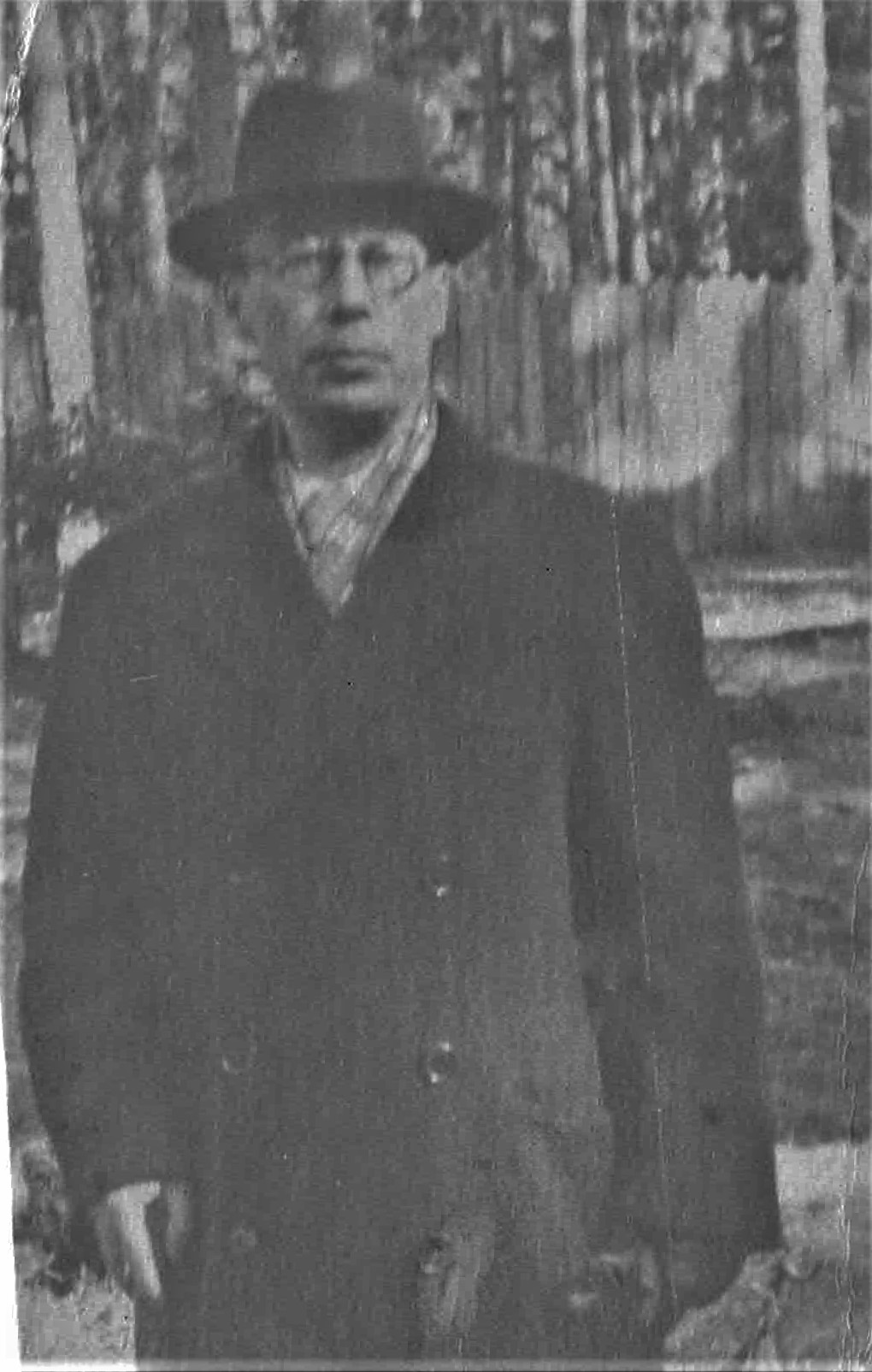
After the prisoners, they ordered to transfer through the Amur. When the next batch of prisoners began to be loaded onto the barge, the head of the project department of Vorontsov with a cry and swearing pulled out of the general order of his former subordinates.
From the book "Fire, flickering in the vessel ...":
"The barge with the party, from which Vorontsov pulled out his employees, drowned with all the prisoners. Zabolotsky was sure that she was sunk on purpose, and believed that he, like the whole department, owed his life to Vorontsov. It was a cold -blooded, cruel destruction of people Nikolai Alekseevich until the end of his days."
Work in the project bureau now seemed to be a lost paradise. Zabolotsky crushed a stone by the Hungari River for laying the railway.
From the book of Nikita Zabolotsky "Fire flickering in the vessel ...":
"In the taiga - a vile, mosquitoes, flies. On the way from the zone to a quarry - the bullying of the guards. They went in order to accompany armed shooters with dogs. On the road there was a huge, non -drying puddle. When the whole column was in a puddle, the team sounded:" Stay! Lie down! "Lie down in dirty cold water." Get up! Lie! To get up! ” - and so on until the convoys are in their power. Sometimes a crack was heard from the column:“ Have you learned from the Gestapo? ” -“ Who said? ” - a menacing sound of a rifle shutter.”
I exhausted overwhelming work, and it became more and more difficult to fulfill the norm every day. But Zabolotsky again saved the case: for laying the oil pipeline, designers were needed, and former employees of the project bureau were transferred closer to Komsomolsk.
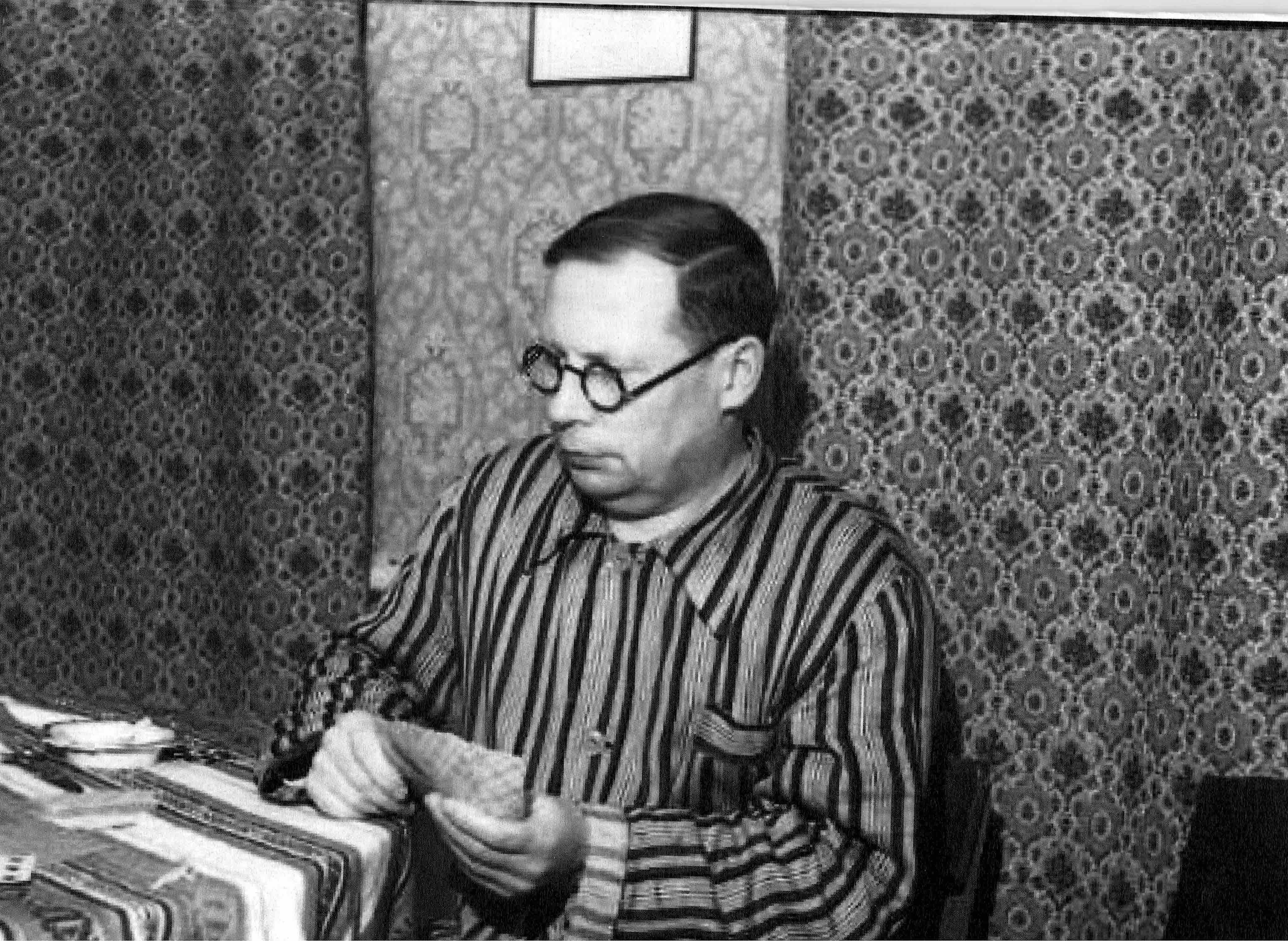
From the book of Nikita Zabolotsky "Fire flickering in the vessel ...":
"They still lived with criminals, ate extremely poorly, often went to the common work-poured the forest, loaded it into wagons. Many, returning to the zone from work, rushed to the cesspools of the Barack-Diningova and rummaged there in the hope of finding something edible."
Zabolotsky was most tormented by not hunger, but fear for the fate of relatives. Several months have passed since the beginning of the war, and he did not receive a single news from his wife.
"We remained to die!"
How to survive with young children and without earnings in the blockade Leningrad - this task Ekaterina Zabolotskaya had to solve one.
- Before the start of the blockade, the grandmother promised to take a program to the camp. She collected precious cereals. And all. The blockade closed. It became clear that the matter is bad, ”says Ekaterina Kaverina , a biologist, the granddaughter of Nikolai and Ekaterina Zabolotsky. - A quote from my grandmother: "We remained to die!" Это ей стало полностью ясно, когда она, выйдя из дома, обернулась и увидела намерзшие желто-коричневые водопады по внешней стене дома на месте всех лестничных клеток. Бабушка взяла таз и высыпала в него все крупы из непринятой передачи. Тщательно перемешала их. И перемерила эту смесь маленькой белой эмалированной кружечкой. И стала каждый день варить кашу из одной такой кружечки смешанной крупы. Потом перешла на пол-кружечки. Потом эта крупа закончилась, но продержаться это помогло. Отдельно она сохранила немного манной крупы на случай, если кто-то из детей тяжело заболеет. Это позже позволило выходить маленькую Наташу. Еще у них были откуда-то отруби, они их варили и ели. Потом уже и отрубей не было.
– Блокадную жизнь я помню с 11 декабря 1941 года, – рассказывает Наталья Заболоцкая , дочь Николая и Екатерины Заболоцких. – Тогда мы перебрались в квартиру Шварцев, наших любимых друзей. Вернее, в кухоньку, где была печка-буржуйка. Потому что остальное все промерзло. А в кухоньке были вверху антресоли, куда забрасывали детей. Сначала были интересные рассказы брата о совсем маленьком человечке, который невидимкой у него жил где-то за пазухой. Играли в закладки. Их вырезали из книг "Витязя в тигровой шкуре", а книги сами – в печку. Потом ослабели, и лежали внизу одетые, под одеялами. Думали только про еду, но говорить об этом было запрещено. При коптилке – пузырек с фитилем. Окно в полном затемнении.
Екатерина не знала, что с мужем, жив ли он.
Из книги Никиты Заболоцкого "Огонь, мерцающий в сосуде…":
"И сквозь кольцо блокады Ленинграда чудом прорывается открытка Заболоцкого от 14 ноября 1941: "Миля Катя, я здоров и на старой работе. … Жду твоего письма. Последнее было от 5 июля". В самое трудное, жестокое время, в рождественский день 7 января 1942 года, опухшая и обессилевшая от голода Екатерина Васильевна увидела эту открытку в почтовом ящике ленинградской квартиры. Как же весть от мужа обрадовали и поддержала ее и детей!"
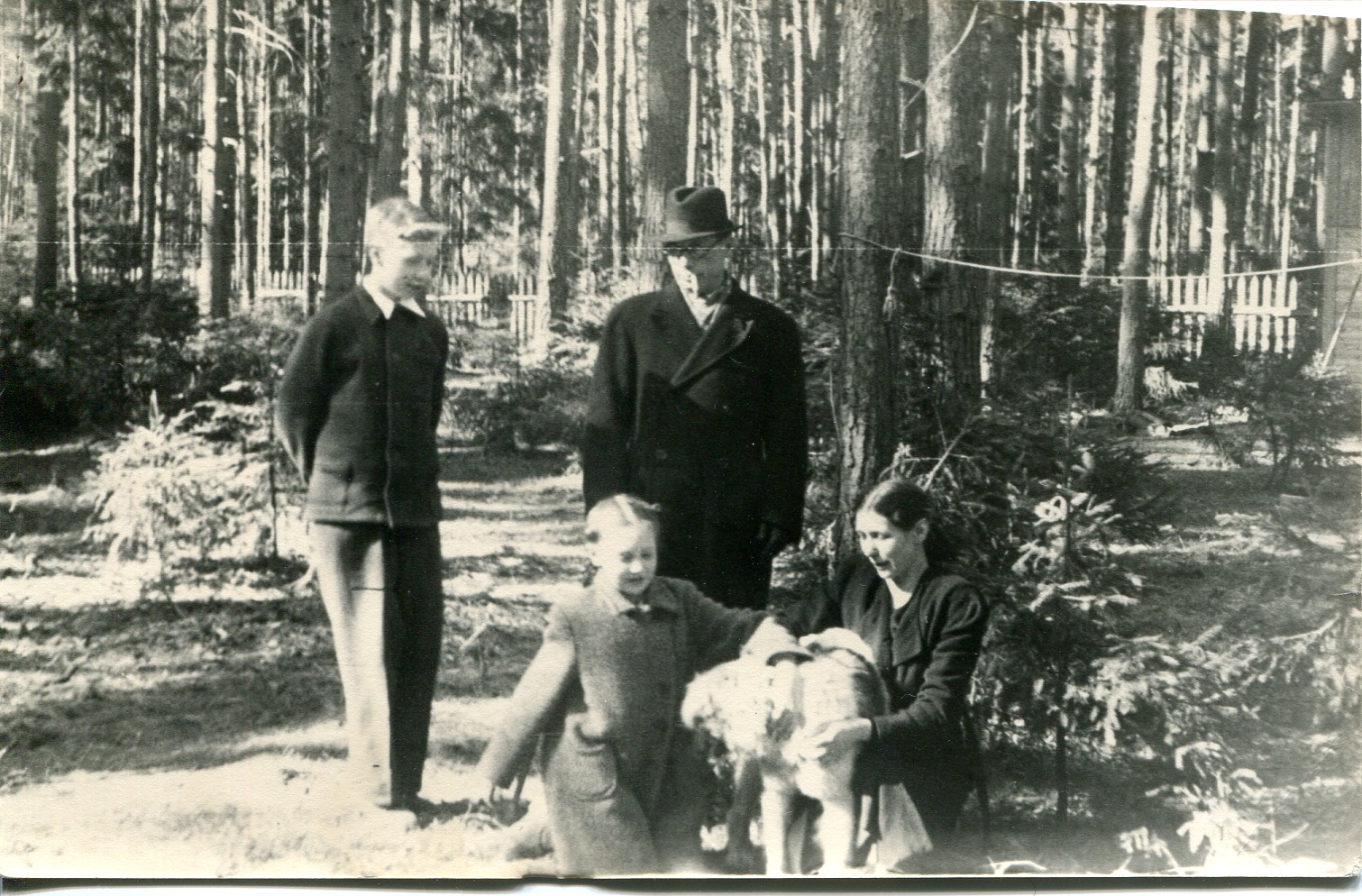
После очередной бомбежки Заболоцкие лишились крыши над головой.
– Мы сначала ходили вниз, в подвал, в бомбоубежище, а потом уж не обращали внимания на сирену о воздушной тревоге, – вспоминает Наталья Заболоцкая. – И вот при одном из полетов – грохот, сотрясение, дым, стекла… Это был взрыв снаряда, угодившего в батарею под окном в соседней комнате. Все бросились на лестницу, я на руках у мамы.
Друзья Заболоцкого по писательскому цеху добились, чтобы его родных включили в списки на эвакуацию. Семья Заболоцкого эвакуировалась по ледовой Дороге жизни и попала в специальный медицинский стационар при ткацком льнокомбинате в Костроме.
– В стационаре женщины беседовали о еде. И одна из них воскликнула: "Девчонки, берите бумагу и записывайте! Я сейчас вас научу печь самые лучшие пирожки с капустой!" Бабушка записала и всю жизнь их пекла, – рассказывает Екатерина Каверина. – Я знаю, что бабушкины пирожки у каждого человека самые вкусные, но эти были совершенно особые. И капуста, и тесто. Самая вкусная вещь на свете.
Восстановив силы, Екатерина решила вернуться в уже знакомый Уржум, где ей согласились дать работу в детском интернате.
– В Уржуме мама работала воспитательницей в интернате, где были ленинградские дети, потерявшие родителей. Было тяжело. Дети несчастные, голодные, все мечтали убежать и, конечно, найти родителей. Уголовные порядки, воспитатели жестокие. Маму, скорее, любили, но не слушались. Она читала детям обработанное отцом издание "Тиля Уленшпигеля", и ее прозвали Катлиной. Она была всегда с иголками-нитками, пришивала им пуговицы и пр., приучала мыться. А мы оставались с братом. Я ненавидела детский сад. Брат ходил в школу, хозяйничал и меня воспитывал. Не голодали, но все-таки я помню мечту продать своего плюшевого мишку и накупить хлеба и постного масла вдоволь, – вспоминает Наталья Заболоцкая. – Заботами мамы мы были всегда домашние, чистенькие дети. Она читала нам стихи отца, но на это было меньше времени, чем в 1938–39 годах, когда мы были в Уржуме как ссыльные – семья "врага народа". "Безумного волка" я помню с тех пор. В интернате бывали редко. Там мне нравились самые хулиганы, к нам они относились хорошо. Not beaten.
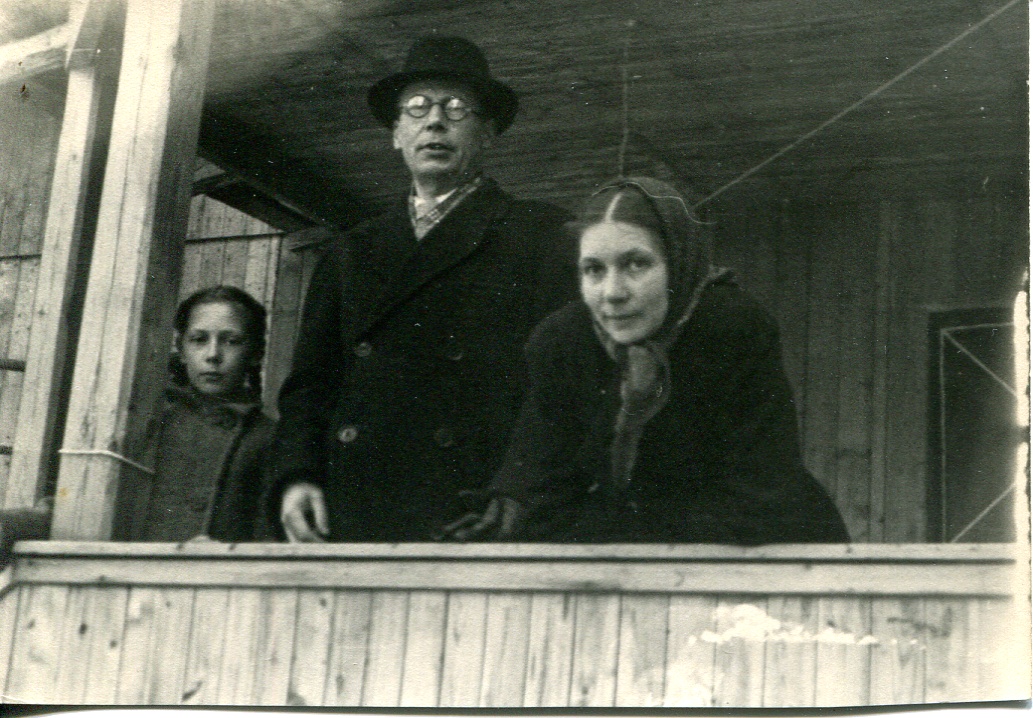
– В году, наверное, 1989-м, я сопровождала бабушку на какое-то мероприятие в Ленинград, – вспоминает Екатерина Каверина. – И там к ней подошла женщина, обучавшаяся в том интернате. Бабушка удивилась, это было неожиданно. Дама говорила с бабушкой с огромной благодарностью и любовью. Бабушка обеспечивала эвакуацию этого интерната, если я ничего не путаю. В общем, куда-то их везли на грузовике. И в кузов влез пьяный мужчина и полез к девочкам. Бабушка защищала их. У нее была черная шапка-ушанка с какими-то разорванными клочьями или свисавшим мехом. И мужчина этот кричал: "Уйди, черная, страшная! Тебя не хочу, вот ее хочу!" Чудом ей удалось спасти девочек, ничего не случилось. Эвакуация была страшнее блокады в бабушкиных снах.
"А надо, надо было оставить кошке!"
В марте 1943 года пятилетний срок Заболоцкого закончился, но заключение продлили до конца войны. В мае лагерь перевели с Дальнего Востока в Алтайский край – теперь он назывался Алтайлаг. Заболоцкого определили чернорабочим на содовый завод, где под палящими лучами по колено в насыщенном растворе углекислого натрия зэки вычерпывали содовую жижу.
Истощенный, с распухшими ногами, Заболоцкий не продержался бы здесь. Снова спасла профессия чертежника – чудом удалось получить работу в управлении Алтайлага. Там он постепенно окреп и даже смог вместе с товарищами развести небольшой огород, где они выращивали огурцы, помидоры, дыни, тыкву и картошку.
Из письма Заболоцкого жене от 28 ноября 1943 года :
"О посылке ты не беспокойся, родная. … На жиры не траться, лучше пусть детям. Я не голоден и выгляжу неплохо".
18 августа 1944 года, через 6 лет и 5 месяцев после ареста Заболоцкий был освобожден по ходатайству Управления Алтайлага.
Из письма Заболоцкого жене от 29 августа 1944 года :
"Моя милая Катя! Уже 10 дней прошло после моего освобождения, и я только теперь могу написать тебе письмо. … По постановлению Особого Совещания в Москве я был освобожден 18 августа с оставлением здесь в качестве вольнонаемного до конца войны (освобожден по директиве No 185 п. 2). Не исключена возможность, что в дальнейшем я попаду в Армию, но пока оставлен здесь и оформлен в должности техника-чертежника, с окладом 600-700 рублей в месяц и снабжением, которое следует по должности".
– 1 сентября 1944 года пришло сообщение о том, что, согласно директиве, отец "расконвоирован", т. е. получает право жить вне зоны и передвигаться без конвоя, однако обязан подчиняться лагерной дисциплине и работать в лагере. При первом замечании – становится по-прежнему зэком, опять возвращается в зону. И получает право выписать к себе семью. Это была огромная радость, мы отмечаем день 1 сентября как праздник и теперь, – рассказывает Наталья Заболоцкая. – Мама не боялась никаких трудностей – жить близ зоны, передвигаться вместе с лагерем и пр. Отец же настаивал не спешить и соединиться уже после предстоящего переезда лагеря в Караганду, сократив мучения для семьи. Однако мама победила, и вот мы встретились в ноябре 1944 года. Мне было так радостно и легко, я увидела того папу, к фотографии которого обращалась за защитой 8 лет. Наконец мы все были вместе… С тех пор на долгие годы самый мой страшный повторяющийся сон – о том, как черные силы растаскивают нас неминуемо, неизвестно куда.
– С 18 августа 1944 года отец как "директивник" получил право снимать жилье в ближнем селе Михайловское. К приезду семьи ему удалось снять часть "грязноватой избушки на краю села", отгороженную печью. С другой стороны печи жила хозяйка с кошкой. Хорошая старушка, но на нас ей приходилось ворчать – мы прыгали на сеновале с балки. Однажды – о, радость! – она дала нам объесть кости от студня. Мы съели их почти целиком. А надо, надо было оставить кошке! – вспоминает Наталья Заболоцкая. – На нашей половине у печки были у окна столик и ведро с водой для умывания. Вдоль стены две кровати для родителей и нас с братом. Под нашей кроватью на холодное время жили барашки и козленок. Барашки болели чесоткой, поэтому их раздали колхозникам по дворам на зиму. Я убирала за барашками старательно. Козленок сжевал Никитин кожаный ремень. Жили, однако, мы счастливо и мирно, хотя отца почти не видели. Его рабочий день – с 7 утра до позднего вечера.
В Михайловском Наталья впервые пошла в школу.
– Однажды я написала "Сталингад", пропустив букву "Р". Устроили мне процесс, позорили всерьез. Я молчала, – вспоминает Наталья Заболоцкая. – Конечно, никаких разговоров о репрессированных родителях в школе или с друзьями у нас не было и не могло быть. "Сидели" многие, и это не обсуждалось.
"Эти двое дошли и донесли продукты голодным семьям"
В марте 1945 года весь Алтайлаг перевели в Караганду. Заболоцкого назначили старшим техником-чертежником проектного отдела при управлении Сараньского строительства ИТЛ НКВД.
– Для семей вольнонаемных и "директивников" выдали теплушку с нарами и чугунной буржуйкой. Ее топили круглые сутки, но холод был нестерпимый. Наша семья располагалась от входа справа, там же дальше – семья Гаврилы Михайловича Зотова с двумя мальчиками. Нары слева тоже были заполнены. Люди хорошо и мирно ладили. А мы, дети, еще хорошо помнили жуткие теплушки при эвакуации из Ленинграда. Рай на фоне ада. В этой же теплушке на запасных путях мы все жили месяца два, – рассказывает Наталья Заболоцкая. – Прошла лютая зима с буранами. Однажды отец с Зотовым чуть не погиб в буране, возвращаясь к теплушке по занесенной снегом дороге. Но эти двое дошли и донесли продукты голодным семьям. Окоченевших, их раздевали и отогревали как могли. Так мы дожили до первой весенней капели, когда солнышко пригревало у стенки вагона.
Лишь к лету семья Заболоцких смогла переехать из теплушки в подобие нормального жилья.
– Нам выдали отдельную комнатку в саманном домике, полную насекомых. Соседи – симпатичный ссыльный профессор с женой, оба немцы. Там мы прожили лето 1945 года. Пустая степь вокруг без деревьев – только шары перекати-поле, редкие колючки, чахлый карагач. Песчаные бури-суховеи – самумы – сбивали с ног, песок забивал нос, уши. Ветер, гоняя по твердой степи камешки, обкатывал их, и мы собирали эти шарики, иногда прозрачные, кварцевые. Летом трудно было достать воду – мелеющие колодцы запирали их владельцы, – вспоминает Наталья Заболоцкая. – Мы много болели. Никита, стоя с карточками в очереди за хлебом, потерял сознание. Посаженная родителями картошка выросла горькой. Но однажды папа принес с работы премию в мешочке – настоящие огурцы! Как праздник, я запомнила и 7 мая, выходной, когда казахские девочки увели меня в степь – прекрасную, весеннюю, с тюльпанами.
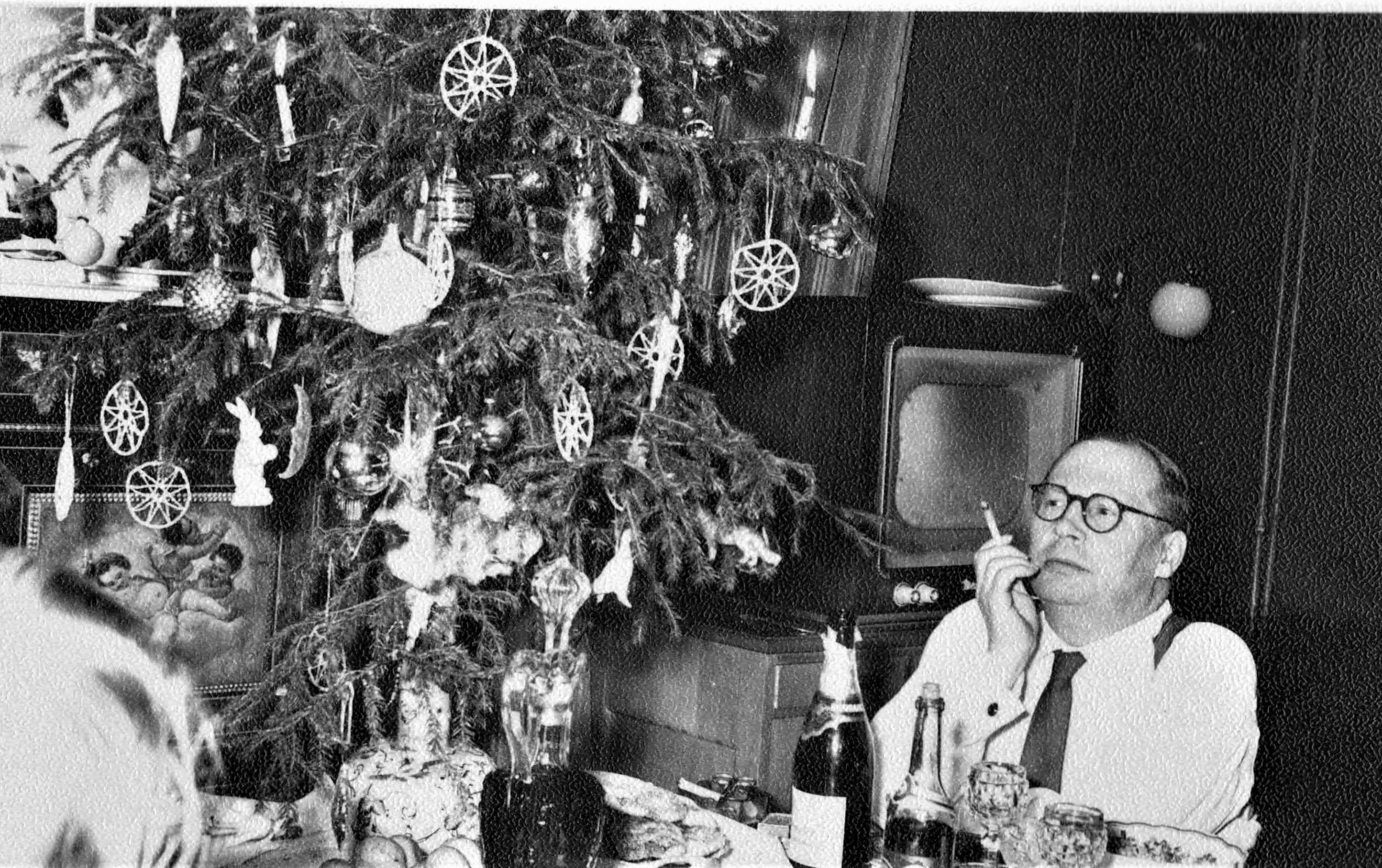
В Караганде у Заболоцкого впервые появилась возможность снова писать.
– Ночами, после изнурительной работы и длинного пути домой, отец стал работать над переводом "Слова о полку Игореве". Столом ему служила прекрасная лиственничная доска, она же была и кроватью. Угол одеял отгибался – и раскладывались бумаги. Это, конечно, был подвиг и доказательство не убитого таланта, – говорит Наталья Заболоцкая. – Отец вернулся к любимому труду после почти 8 лет испытаний – вместо 5 лет, определенных специальной тройкой.
Однажды Заболоцкий предложил коллегам задержаться после работы и послушать отрывки из "Слова о полку Игореве".
Из воспоминаний архитектора Александры Белавиной, коллеги Заболоцкого по проектному отделу управления "Сараньстрой":
"Николай Алексеевич читал великолепно, так, что все мы слушали его "Слово…", затаив дыхание. Когда Заболоцкий ушел домой, поблагодарив нас за внимание, наш начальник Баранов восхищенно сказал: "Вот это поэт! – и спросил: – Место ли ему здесь, за чертежными столами? – и сам же ответил: – Он должен быть в Москве, рядом со своими коллегами-писателями". … А еще он предложил написать письмо от имени коллектива управления "Сараньстрой" тогдашнему председателю правления Союза писателей СССР Н. С. Тихонову о том, чтобы Заболоцкого использовали в Москве по его основной профессии – писателя, а "Слово о полку Игореве" опубликовали в одном из столичных изданий. Все сослуживцы Заболоцкого горячо поддержали это предложение. Этот документ сыграл поворотную роль в жизни поэта. Под самый Новый год, 31 декабря 1945 года, в управление Сараньстроя поступила телефонограмма Тихонова о вызове Николая Алексеевича в Москву".
Осенью 1946 года в журнале "Октябрь" был впервые напечатан полный перевод "Слова о полку Игореве" в переложении Заболоцкого. Слава снова вернулась к поэту, он получил разрешение жить в Москве. В том же 1946 году его восстановили в Союзе писателей.
Однако подорванное лагерями здоровье было уже не вернуть. В 1954 году у Заболоцкого случился первый инфаркт. Понимая, что времени у него осталось мало, Заболоцкий, забыв о привычной осторожности, начал писать "Историю моего заключения". Но завершить успел лишь первую часть о следствии и этапе в Востоклаг.
– Из лагерных писем семье отец сделал подборку "Сто писем 1938–1944". Это, очевидно, остаток частично реализованного замысла продолжить "Историю моего заключения", – уточняет Наталья Заболоцкая. – Туда же относится и очерк "Картины Дальнего Востока", созданный во время заключения и пересланный в письмах Степанову и жене.
Заболоцкий написал и несколько стихотворений о пережитом, в том числе "Где-то в поле возле Магадана", ставшее каноническим текстом о лагерях. Рассказ о замерзших от холода зэках заканчивается строками:
Не нагонит больше их охрана,
Не настигнет лагерный конвой,
Лишь одни созвездья Магадана
Засверкают, став над головой.
14 октября 1958 года Николай Заболоцкий умер после второго инфаркта. Похоронен на Новодевичьем кладбище. Реабилитирован посмертно 24 апреля 1963 года по заявлению вдовы. "Ангел-хранитель со светящимся взором – вот кто была Катерина Васильевна для Заболоцкого", – сказал о ней Чуковский. Похоронив мужа, она полностью посвятила себя детям и внукам.
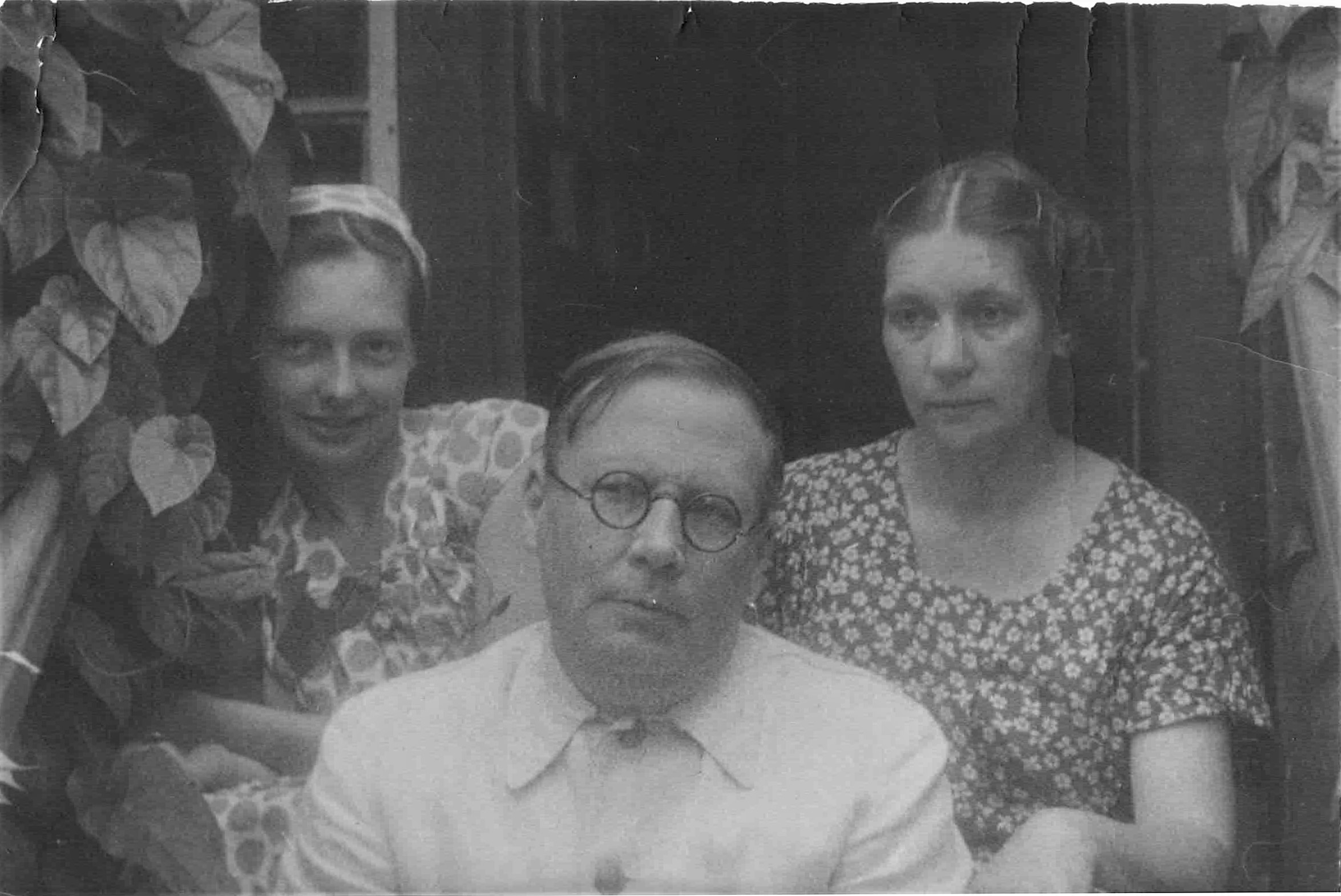
– Мама рассказывала, что бабушка, придя с работы, сначала ложилась, подняв ступни на подушечку (бабушка и потом всю жизнь была вынуждена очень бережно укладывать ноги на ночь). А потом, когда ногам становилось полегче, говорила: "Сейчас я – как ветер!" Это значило, что она стремглав переделает все домашние дела. Потом, закончив все работы, садилась с чашечкой кофе, и никто ее не беспокоил, пока она пила кофе, – говорит Екатерина Каверина. – Бабушка прожила 90 лет и всю жизнь носила на руках свою Наташеньку и ее дочерей.
Наталья Заболоцкая стала фармакологом. Сын поэта Никита Заболоцкий, кандидат биологических наук, автор биографических и мемуарных произведений об отце, скончался 12 декабря 2014 года в возрасте 82 лет.