
Translated material
Leningrad, a place of power
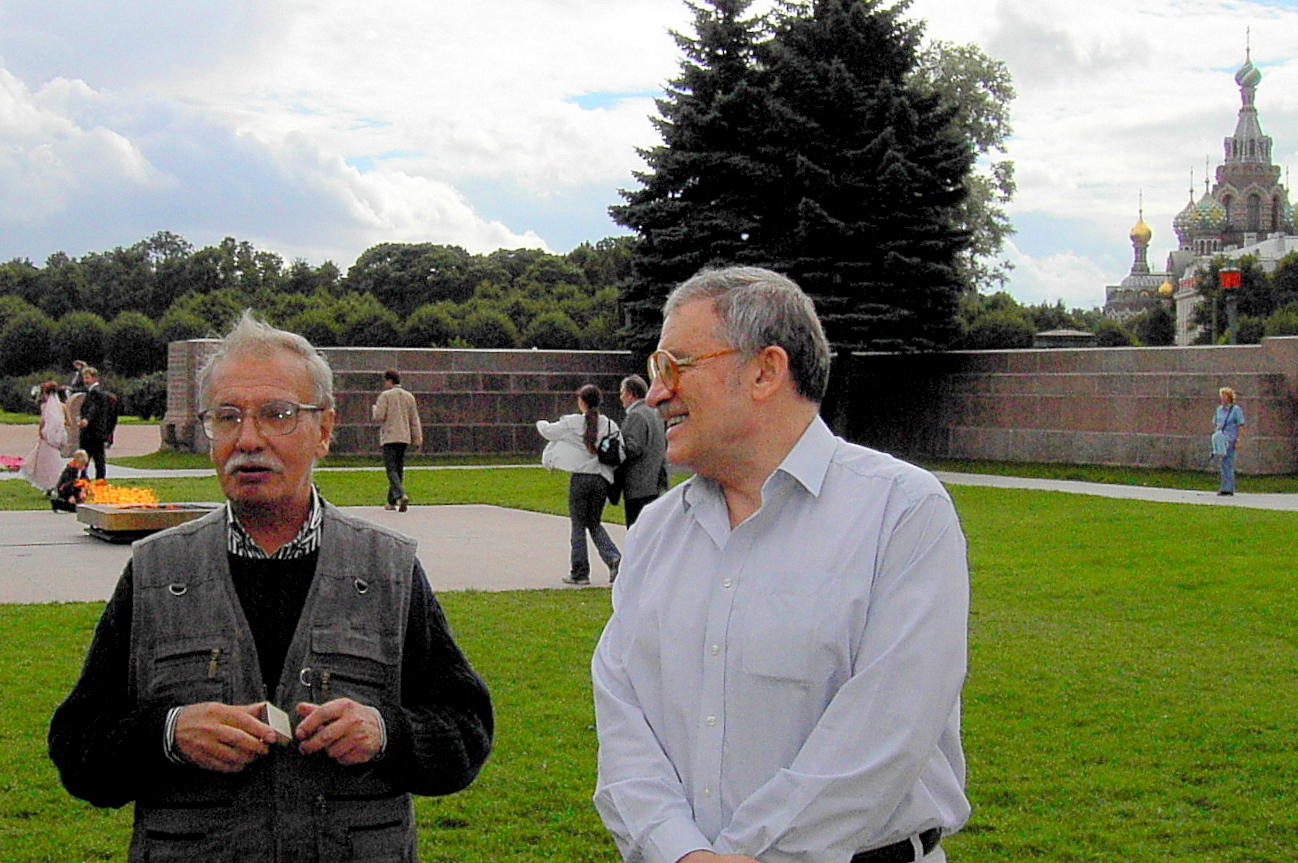
Writer and historian Alexander Goryanin - about his old love and "continuity of St. Petersburg." The head of the memories

How to get around the lock?
Read>Alexander Goryanin: Leningrad (then, in 1957, Leningrad) became my first love in my 16 years-an age, ideal for first love at first glance, no matter what object it was turned to. Later, the Leningrad friend explained this to the phenomenon of “sleeping on a summer night” - whom you will be the first to see by awakening, in that, they say, you will fall in love. But in it was the Leningrad pride or even the arrogance said in it: that I (or someone else) could see in the life of the one hundred before, say, on Palace or Senate Square?
In fact, I did not see anything that I would not see before in the pictures and in the cinema. Moreover: the copper horseman was half as much as I represented, and the Peter and Paul Bell tower did not rest against the sky at all. But all this did not matter. The bell tower could be at least half as much. Love is a feeling of little explanation.
For me, it all started with geographical maps. I always adored them. Before the war, his father graduated from the Faculty of Geographical, the war did not allow him to take place in this field, but the gigantic "atlas of the commander of the Red Army" turned out to be mine, and I leafed through him for hours, solving the hidden meanings. The coastal line of Lake Onega’s hands was capriciously wringing, the ax of the peninsula Kanin was preparing to cut the football of the island of Kolguev, and the Neva sagging between Ladoga and the Finnish Gulf was a rope in her lower position, and I was looking for a long time where the girl, her mistress hiding.
The attractiveness of St. Petersburg, of course, begins with its location
The attractiveness of St. Petersburg, of course, begins with its location. Is it possible not to evaluate this almost mirror symmetry of the coast of the Gulf of Finland with the island of Kotlin exactly on its axis-symmetry is deceptive, because they are not at all similar to each other in the granite-horseman world of the Karelian Isthmus and the world of mixed forests on the glacial Morens of the Prinev plain? When I see this last meridian, to which the Atlantic reached here, I see a powerful Delta of the Neva, which gives the outflow of the excess of water of our two great lakes, the river is so short, but exceeding the full -flow of the Rhine and the Dnieper, the memory of that very first love rolls on me.
In the summer, Petersburg gives the impression of a much more southern city than the Globe assures us. I remember how it struck at the first acquaintance: after a protracted approach to the city, when spruce, birch and mountain ash with aspen suddenly plunged into the crushed chestnuts, which were just bloomed outside the window! The venerable thickness of the oaks delighted, many were clearly in a hundred. It is difficult to comprehend: they were spared in the blockade, burning beautiful tables, chairs, buffets, parquet in the bourgeois. When you see the gigantic, well -washed willows that reflect the waters of the Big Nari where it branches, streaming of the stone, Elagin and Krestovsky Islands; You see well -groomed visas, in the density of the crowns of which, it seems, you can’t stick a fist; You see linden, ashs, maples, the so -called pyramidal (and in fact candle -like) poplar - in Tauride and Summer, Lavra and Shuvalovsky, in dozens of unknown kindergartens, along the streets and channels; You see Persian lilacs, roses, tulips - you begin to doubt that this drowning (sorry for the stamp) in luxurious greenery the city stands at the latitude of the Greenland Cape Feral.
Apparently, from the very foundation of St. Petersburg, the departure from the hyperborean appearance was ploted, and the plan was brilliantly successful. But this city is not very designed for winter perception and it can only be very white, on a sunny day, and so that each twig to be circled by hoarfrost.
I came to Leningrad, and then to St. Petersburg a lot of times, but only once managed to spend the whole summer in a magic city, and this was the summer of unlucky happiness. It never happened to repeat it, but maybe this is right - no need to devalue the holiday. For three months, it seems, one rain, a violent and cheerful rain, the rest of the time the sky was blue and perfectly blocked clouds piled up in it.
Everyone lives in his weather and in their life scenery
The sea smelled even far from the sea and from the Neva, their life cycles passed, showing the city of tons of Pooh, a jasmine, lilac, rosehip, linden bloomed and smelled along their turn, and along the abandoned (then) Yekaterinhof Canal, thick from drunks, hung a glass on each bitch. When I shared his enthusiasm with a former classmate in late autumn, it turned out that we were in Leningrad at the same time, but the weather, according to him, was lousy all the time, poured without ceasing, how to live there at all. Probably, we were both right, just everyone lives in his own weather and in their life scenery.
Farewell to my former comrade, the Parthian arrow is displayed: "It is not for nothing that this is a city on the bones!" Then I was not in the subject and I had nothing to object to him, and I had long lost his sight, otherwise I would have shared the news unpleasant for him. "Petersburg on the bones" turned out to be the same fairy tale as "Potemkin villages". It does not rely on historical documents, or on church or cemetery books, only on hostile memoirists. In the papers of the "Chancellery of Buildings", lists of the same employees from the same places are repeated from year to year. People were protected: there was a shortage of workers. Judging by the fact that at 10 workers there was one co -coat in terms of shelter, they fed abundantly. The provinces were obliged to send a certain number of quitral peasants, this was called a deployment, but freedomed people immediately reached for the city. The Great Construction entracted earnings. Petersburg was in addition to a magnet for fugitives of all kinds, and the authorities, in need of working hands, turned a blind eye to this. There was a case of the mass death of a thousand builders of Oranienbaum and Strelna in the summer of 1716 from a outbreak of dysentery. And on the construction of Nevsky Prospekt, 3262 workers worked in the same season, 27 died. This is even lower than the norm of natural mortality of that era. Already 14 years after the laying of St. Petersburg, the need for the exposure disappeared. Further, the city was built by civilians.
And - congratulations! - Petersburg will not go under water
And - congratulations! - Petersburg will not go under water, contrary to the conviction of those whose gloomy eyes are turned not only into the past, but also to the future. I am about people who believe that the waters of the Gulf of Finland will be flooded by our northern capital. The Swedish geologist Arvid Hyugb has long proved that after melting the glacial shield of a two -kilometer thickness, which crushed Scandinavia and its environs on the earth's crust with its trillions and trillions of tons, a slow (millimeters a year) the compensation rise of the earth's crust began, it lasts today and will last in human scale forever. The mouth of the Neva, by the Hygoboma, rose in 10 thousand years by 50 meters. Actually, looking at the map, it is already clear: when the mouth rises, there is a delta (Neva, Nile, Lena), when it lowers-an estuarium (Thames, Hudson, La Plata). The slow rise continues, and in combination with the dam (thanks to those who conceived and created it!) This will provide Petersburg - at least for the next 100 years - protection from the sea invasion. And in a hundred years we will come up with something else.
Those whose curiosity did not stretch beyond well -known streets do not know at all at all, who did not walk from the powder through the Okhtinsky dam to the Saconovsky hospital, from lakes to Kolomyagi (Blok loved these places); Who could not lure such names as Turukhtani Islands, an airfoil, Porcelain colony, a paper channel.
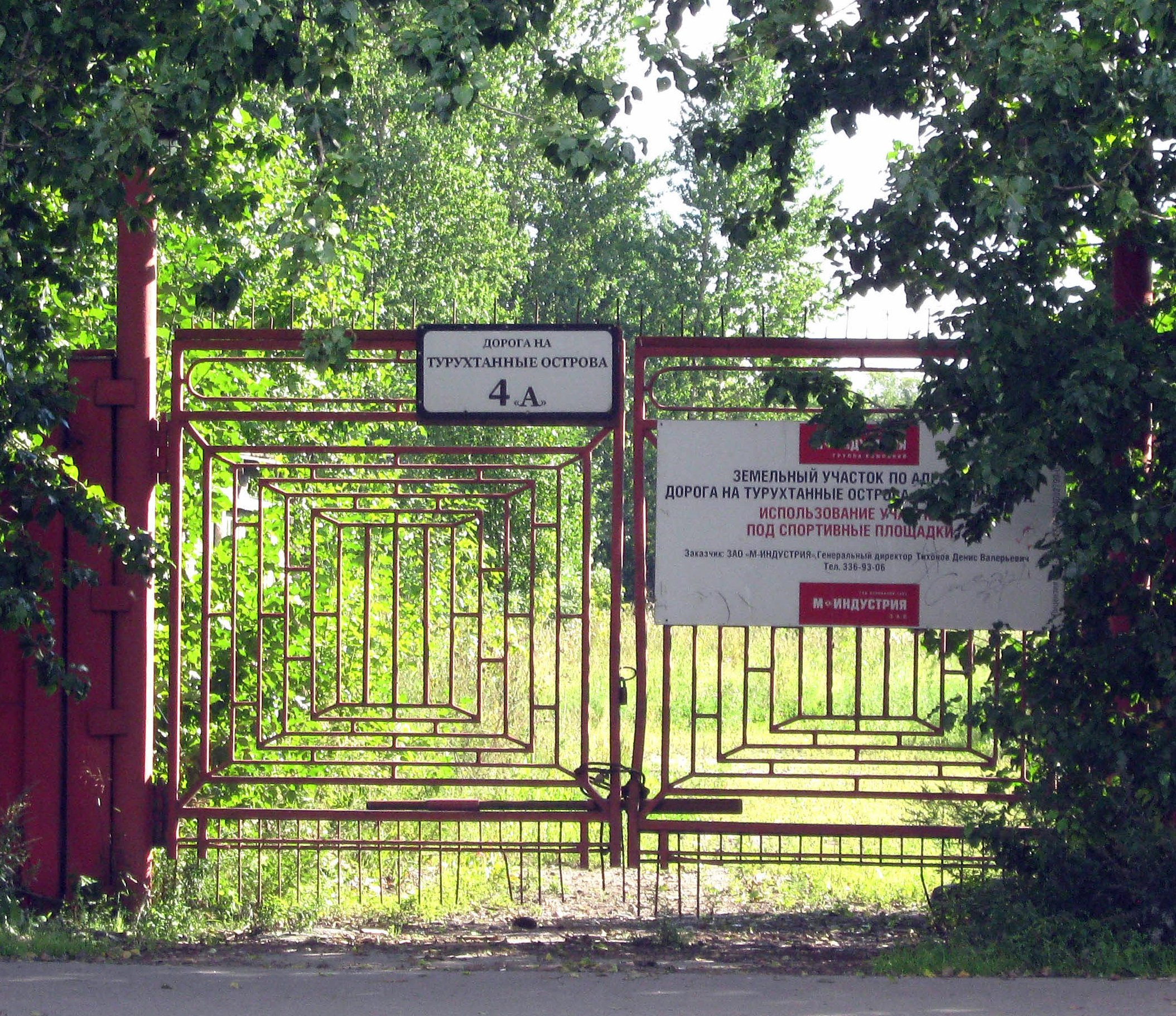
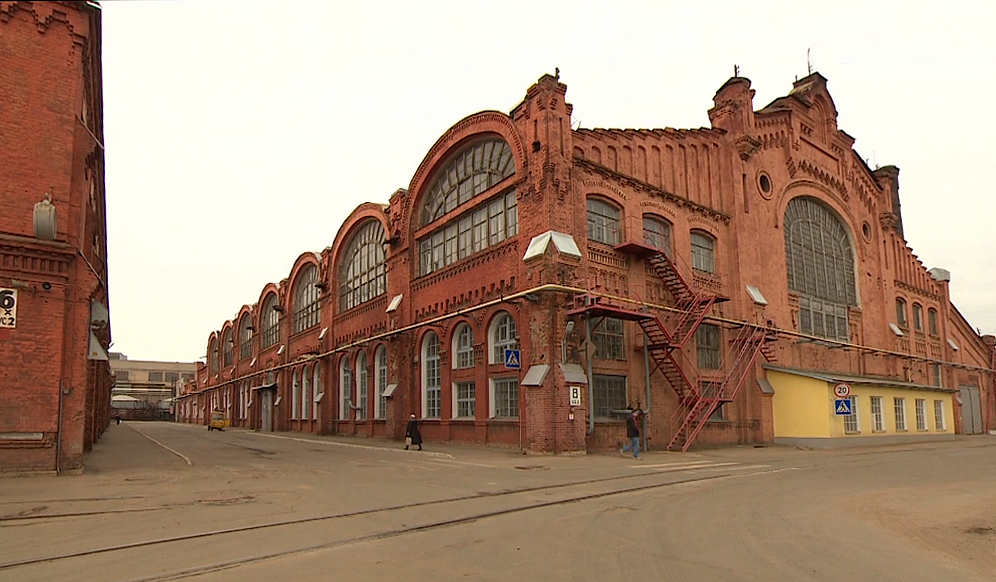
I am insanely interesting and insisted, beautiful, non -parallest parts of the city - its cemeteries, wastelands, old industrial architecture, small rivers and lakes - all these buckles, monasteries, cockroaches, red, special burning world - but this cannot be explained to those who do not have a tendency and taste for such things. Today, much of this is well -groomed and licked, there is no longer a small black cereal on the grass - either coal or soot, and this is fine, but I will always miss that abandonment, those burdocks and a special smell of the sun warmed up by the sun.
I am glad that I was not born here, that grew in Central Asia - in a different world in every sense. I would not have such an acute feeling of St. Petersburg, if I perceived it in the process of cognition of the world, I took it for granted, and therefore not causing joyful amazement. My dream of many years was to move here, only the psychological impossibility of living in the city named Leningrad stopped. The very name of the person who destroyed historical Russia is sickening for me. The happiest day for me was the one when Petersburg returned the inhabited name.
Nevertheless, there is one good act even for Lenin: the communist capital moved out of here. I can imagine what "palaces of the congresses" and VDNH, what new arbates would have buried here, how much it would be destroyed beyond the fact that all these Zinovievs and Kirov, Zhdanov and Tolstikov managed to destroy. We will not underestimate them - they worsed the city stronger than it might seem to seem a cursory gaze, and in addition, many beautiful buildings, even formally survivors, became similar to the raggers, are mutilated by extensions and alterations. I remember the early impressions from which my heart was naked: the general rolled temple, which has become a warehouse, inclined tin canopies over the climbs into the basements, the door from the lining instead of the front entrance (the ghost of the manager is perplexed: “What?”), The ridiculous laid windows, with nothing more consistent superstructures and truncation. The evidence of its former wealth and strength, signs of life, shot on an unprecedented even for this city, did not want to fit into an uninvited environment.
Together with historical Russia, its capital was destroyed. More precisely, its world was crushed as a structure of life, but the physical shell survived more or less, the city remained in its place, with its Neva, marquis puddle, seagulls, long summer days and white nights, floods, the botanical garden, embankments, bridges, houses, channels and even a good half of the temples remained.
I remember that I persuaded myself to a young man: after all, there are places where looking (or leading the camera) in a strictly defined direction, we can decide that everything is excellent. A person is able to forget for a minute even about his grave loss. Something St. Petersburg remained in the very output place of Leningrad-maybe the magnetism of the place that, according to art historians, felt even people felt even people who dismantled the Roman forums for the construction stone in the Middle Ages. Dirt, desolation, dilapidation could not kill the beauty of the former capital, but this beauty more often pierced the heart with sadness than joy. In recent years, a lot has been restored and shone, revealing the losses brighter, but also inspiring hope.
Some of the constructed in Soviet times is not without charm
Some of the built in Soviet times-and not only in the twenties and thirties, as it is customary to think-is not without charm. For example, modest and quite human closed two-three-story quarters, sometimes with fountains (though always dry), erected immediately after the war on the outskirts of the then. They were, although simplified, but still an attempt to embody the idea of a city city, with which the whole of Europe rushed at the beginning of the twentieth century. Some of these quarters survived (with holes), for example, in the new village-on Dibunovskaya and adjacent streets. But this is due to the modesty of the phenomenon - do not count. In general, for thirty-five years, the time of amazing architects, some era of eunuchs reigned. Over all these years, almost nothing has been built in Leningrad in Leningrad, which would not cause a toothache with its appearance, exception can be counted on the fingers. I’ll keep silent about sleeping areas. Fortunately, the city budget did not give Soviet Palladio and Brunelles to ruin a lot of what could be ruined in Leningrad. In particular, to guess (if I didn’t miss something) an undeveloped and very sweet piece on the Neva for Smolny. Some reserves survived at the city nucleus. Everything could turn out to be much worse for him.
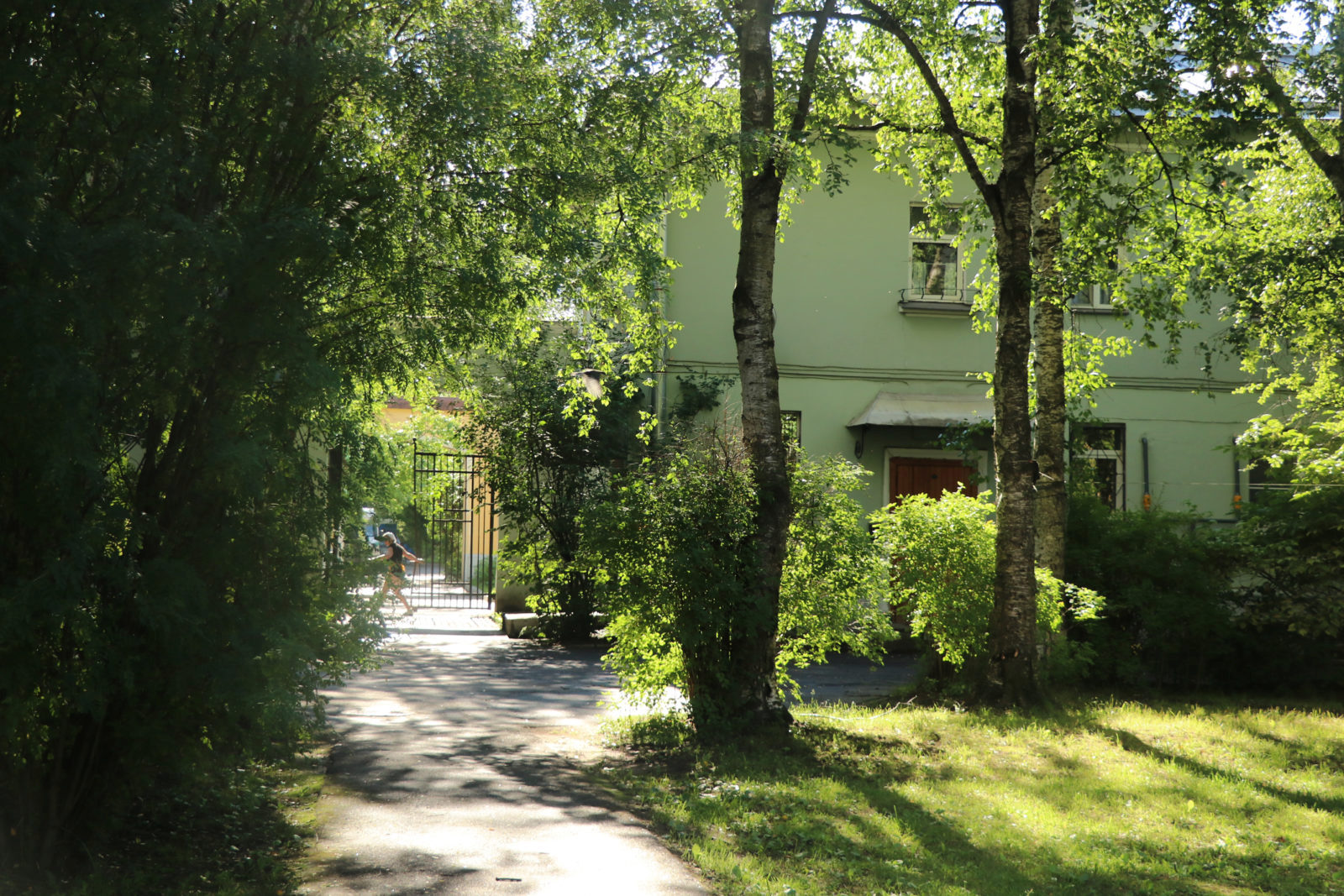
Since a sweet piece is mentioned. In the distant years, I adored this kingdom of Vodokanal. You go along the Tauride street past the gigantic greenhouse (in the pre -Soviet times there was a permanent exhibition of flowers), crossing the unknown Voinov (trellis) and find yourself in a sloping - rarity in St. Petersburg! - Lane. On its left side there was a modest club of the water station, where it was possible to befall some forgotten films that were not found anywhere. For example, "Niels's journey with wild geese." Not a cartoon! Swedish, game, father Nielsa played by Max von Sudov. The pure joy of the spectacle of Swedish castles, cities and groves from a bird flight is still unforgettable. Funny: in a couple with Niels, I remembered the French film directed by Albert Lamoris "Journey on the balloon." A professor with a grandson fly over Belle France: locks, fields, groves, cathedrals, cities, rapture. As a cinema lover, on every visit to Leningrad, I made up for some gap, which seemed unbearable to me. It seems like the English "Tiger Bay", with almost Soviet, as it turned out, the plot.
Everyone was amazed why not a single facade was really addressed to this island of space
After the club, the lanes wrapped up to the right, hinting: "You will not regret it." The houses of the centuries were presented here by their black deaf inside out, which seemed huge. Perhaps the houses were only five -story, but you know the height of old St. Petersburg ceilings. In one of the firewalls, in the most illogical place, a crookedly window was cut out and the imagination camera immediately made a sharp collision ("Rapid"?) From a pike with a gas station for this evil window. Something in the spirit of the film "Seagulls die in the harbor", seen here. I brought friends here, and everyone was amazed why not a single facade was really addressed to this island of space, immediately starting to come up with any macabric stories.
Then the juicy herbs of the wasteland, not fenced as a whole, were spread. With high fences, only what was related to the city water supply was surrounded. One could go to the Neva (the embankment was not yet laid along it) and, going to the right, to get through some expressive red-brick ruins into the territory of the Smolny Monastery.
Today, with the help of Yandex and Google, these places can be examined from the sky -high carpet. The wasteland on the inversion of the Neva seems to have not yet been built up, but the rest seems to have changed so much that I would not dare to a nostalgic walk. In my memory, everything stands in its place, but it will immediately and without pity is erased by a new picture.
There are places with a strange light and a strange echo. Gogol did not invent anything
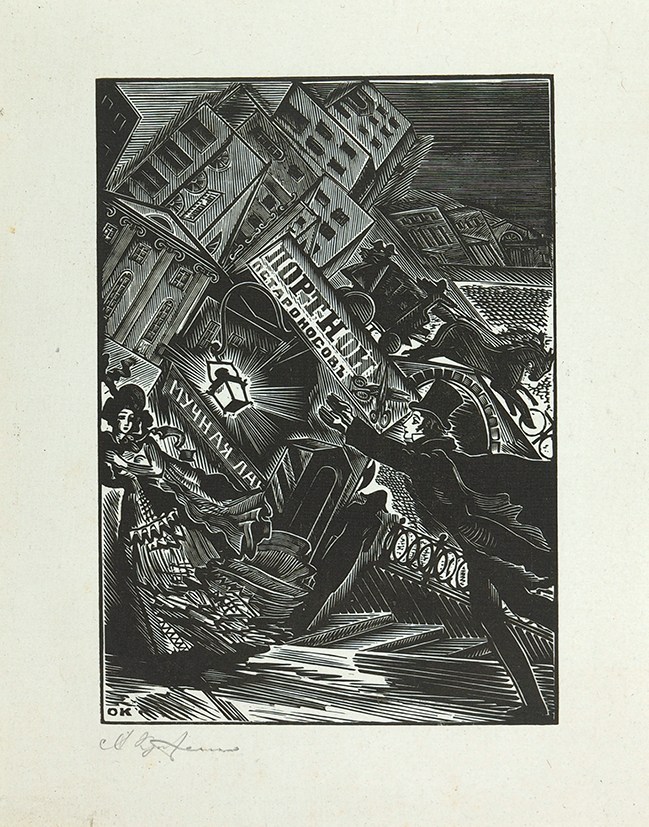
For the plain, not at all ancient, and did not know the spontaneous development of the city in the northern capital, surprisingly many strange places. In each of them, only peer and listen, the mysterious one is in-somewhere just a little, and somewhere very powerful. There are places with a strange light and a strange echo. Gogol did not invent anything: " Karlets with galloping horses seemed immovable , the bridge stretched and broke on its Rk , the house stood the roof down , the booth fell towards him , and the halberd of the sentry , along with the golden words of the signs and painted scissors , seemed to be on the very eye 's eyeless eye . "
The entire hare island, no doubt, is the island of secrets. But there is a chance to physically feel this secret, it seems only when the Peter and Paul Fortress is deserted. In the old years, you could walk around the fortress at night. For some reason, few knew about this. Even my St. Petersburg friends refused to believe that this is possible. Unloved liberty was explained simply: a dozen small residential buildings were preserved inside the fortress walls.
I know this took place in Moscow. In the former monasteries and other unexpected places, even in the historical museum (much more unexpected!), Residents lived for decades. After the victory of the proletariat, city apartments were very quickly compacted by the winners, and the people began to vigor in the remaining buildings. The new government was afraid to throw out the "class of loved ones" to the street - the audience was violent - so they legalized their stay, and then they settled indefinitely and sparingly. But the case of Petropavlovka is still different: there are various kinds of residential buildings for staff and service staff already in the 18th century.
(In the 80s-if not earlier-the legitimate residents of Petropavlovka were already obliged to meet their guests at the entrance to the fortress in the evening, and those to have a passport. Now the citadel is settled, which is probably right, but I am glad that this did not happen in my time.)
On a rather deaf October night, between the Neva Gate and the Grand Duke's tomb, something close to the Gogol vision pierced me completely
It is impossible to forget the night walks of the fortress with beautiful companions. How to describe this feeling - strange, but not frightening - that all this, to the smallest detail, was already one day? Or what about waking up? Один раз, не в белую ночь, а в довольно глухую октябрьскую, между Невскими воротами и великокняжеской усыпальницей меня и вовсе пронзило нечто близкое гоголевскому видению, но описать не берусь.
Несомненная загадка присутствует на Петроградской стороне, в треугольнике между Каменноостровским проспектом, улицами Рентгена и Льва Толстого. В каком-то месте Конного переулка по загривку обязательно пробегает резкий холод. Мистических мест полно на Васильевском: Тифлисская улица (между прочим, ее ни в советские, ни в последующие времена почему-то не попытались переназвать Тбилисской); чем-то похожая на лондонские "мьюзы" улица Репина шириной менее 6 метров, где по ночам слышны странные звуки, сдавленные крики, шорохи. А еще Шкиперский проток и Галерная гавань. Не буду продолжать, ибо наверняка у кого-то мистические места совсем другие, а кто-то и вовсе не верит в подобные глупости.
С той поры, когда я юнцом впервые попал в Ленинград, и в последующие десятилетия большинство бытовых вещей, какие мне доводилось видеть, – мебель, письменные и столовые приборы, занавеси, ламбрекены, скатерти, посуда, карнизы, этажерки, полки, ширмы, коридорная плитка, настольные лампы, абажуры, рамки для фотографий, фарфоровые выключатели, ванночки для младенцев и прочее – продолжали оставаться дореволюционными. Этот культурный слой был просто обязан быстро сходить на нет, но не подавал признаков капитуляции. Крепким же оказалось наследие, если страшная война и полвека бедствий не смогли его разбить, износить и промотать. Не до конца преуспели и следующие полвека.
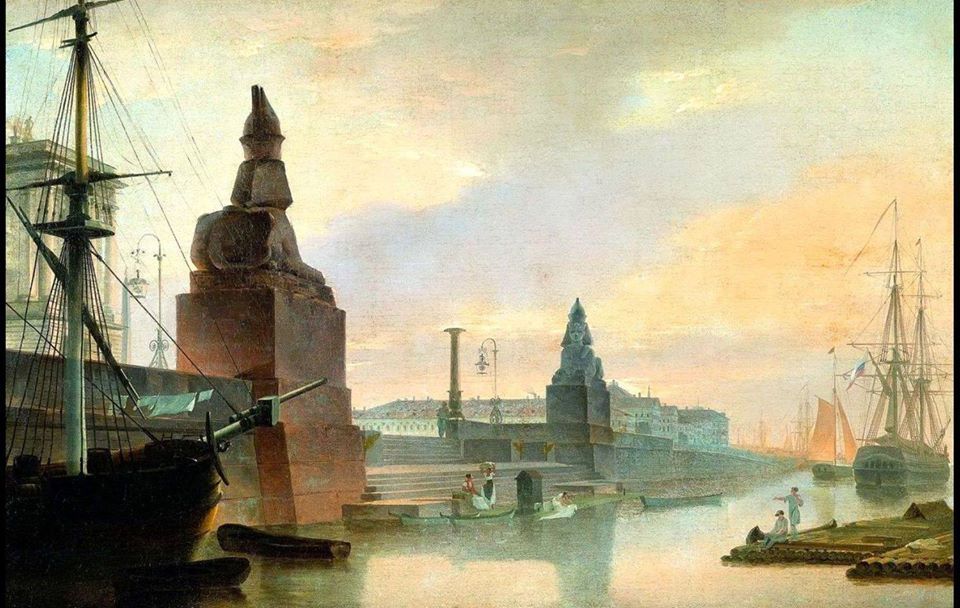
Эта подробность – отражение куда более важного. Стойким оказалось главное наследие. Волны переселенцев, миллионы простонародных выходцев из других краев почти заместили прямых наследников и потомков. Это замещение подпитывает мазохизм рыдальцев о Петербурге. Всем, наверное, доводилось слышать и читать о городе с вынутой (вариант: пересаженной) душой, о городе-призраке, городе-декорации. Жизнь смеется над подобными умствованиями. Петербургский дух, переселяясь в новых людей, продолжает оставаться особым. Так церковь использует священное мирро, привезенное из Святой Земли чуть ли не при Всеволоде Большое Гнездо, 800 лет назад, всякий раз доливая обычного масла, едва сосуд опорожнится наполовину. Это продолжается веками, и святости не убывает. Так не убывает и упрямое свободолюбие петербуржцев.
Однажды, лет 30 назад, я вдруг ощутил непрерывность Петербурга
Уяснить простые вещи не всегда легче, чем сложные. Однажды, лет 30 назад, я вдруг ощутил непрерывность Петербурга. Мой друг и величайший знаток города ныне покойный Володя Герасимов (он, кстати, из самой простой семьи) водил нас с женой "по распутинским местам", пересказывая по памяти из журналов "Былое" и "Красный архив" чьи-то мемуары и жандармские сводки. У большинства людей прочитанное теряется в малоупорядоченной куче, а он помнил всё, ибо любой единице информации его память находила точное место на пересечении осей пространства и времени – "где" и "когда". Неподалеку от Витебского вокзала мы подошли к дому со следами былой красоты, и Володя процитировал донесение агентов наружного наблюдения начала декабря 1916 года о том, как "старец" приехал сюда ночью на таксомоторе, долго трезвонил в звонок и в нетерпении разбил стеклянную вставку в двери. "До сих пор новую никак не вставят", – добавил Володя. И действительно, левое стекло – толстое, фацетное – было на месте, а правое заменял неискусно выпиленный кусок фанеры.
На миг я остолбенел: 1916 год, время за пропастью, что-то вроде пермского или мелового периода, если не протерозоя, оказалось всего лишь вчерашним днём. Посреди Ленинграда!
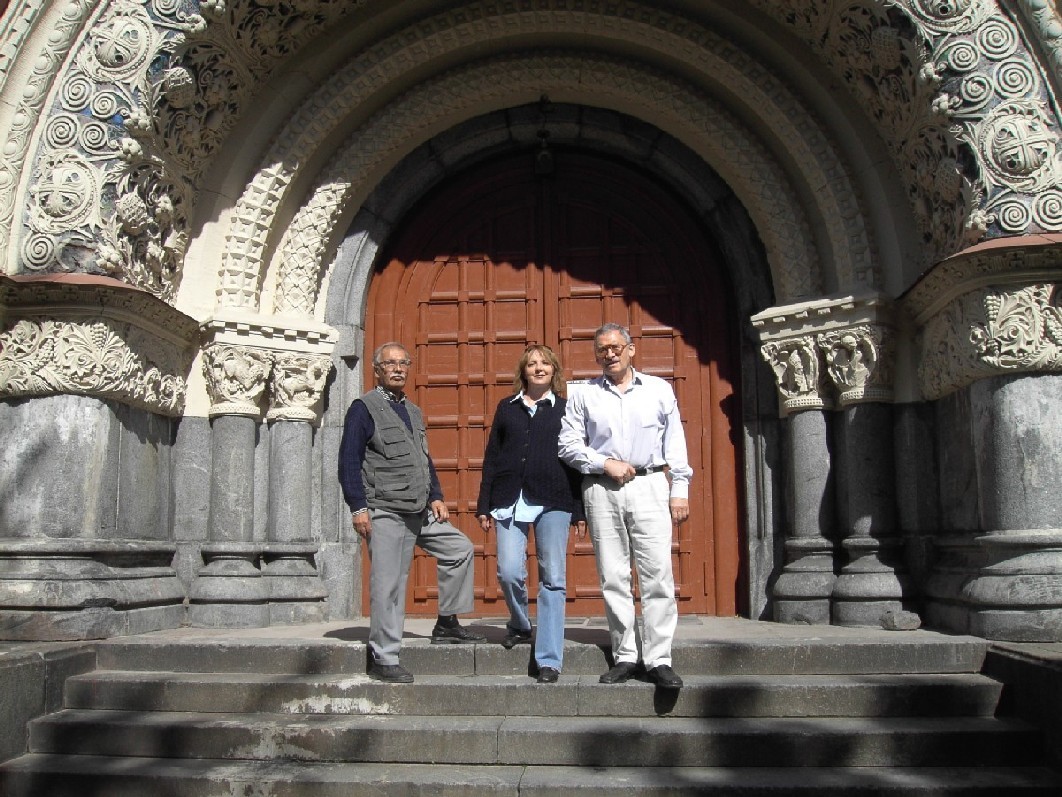
Герасимов, конечно, шутил, хозяева дома имели уйму времени на починку, целых три месяца или даже одиннадцать. Это уж потом наступили такие особые десятилетия, когда и более простые, чем вставка фацетных стекол, задачи стали неподъемными. Миг остолбенения прошел, и – о чудо – пропасть, преодоление которой всегда требовало от меня психологического усилия, сомкнулась без шва.
Правда, пришла другая крайность. С той поры, читая воспоминания о начале века, я слишком легко переселяюсь в тот, ушедший мир, и, по мере приближения 1914-го или 1917-го, всякий раз начинаю надеяться: а вдруг на этот раз, именно в этой книге, все повернется иначе? И эта надежда живет до последнего мига. Вот мемуары "Четыре трети нашей жизни" Н.А. Кривошеиной, урожденной Мещерской. Вечером 25 октября 1917 года мемуаристка слушала оперу "Дон Карлос" с Шаляпиным в переполненном театре Народного Дома на Кронверкском (в ленинградскую эпоху – кинотеатр "Великан"), после чего поехала к себе на Кирочную трамваем, они тогда ходили мимо Зимнего как позже – троллейбусы. " В окно трамвая я увидела Зимний дворец : много людей , рядами и кучками стояли юнкера , горели костры , несколько костров , и все было удивительно чётко . Мне казалось , что я даже разглядела некоторые лица юнкеров … как - то особенно чётко и близко появились молодые лица у яркого ближнего костра ; один юнкер чисто по - российски охлопывал себя руками …" .
Это описание в очередной раз внушило мне сумасшедшую надежду: а вдруг сейчас произойдет что-то непредвиденное, дьяволов замысел поскользнется на какой-нибудь банановой корке, что-то предпримут – наконец! – генерал Алексеев, генерал Черемисов, странный полковник Полковников… Или поезд со 106-м Финляндским полком изменника Свечникова сойдет к чертовой матери с рельс где-нибудь у Белоострова… Но нет, продолжение безжалостно: и из этой книги, всего страницу спустя, я в тысячный раз узнаю, что костры юнкеров горели недолго – в эту ночь произошел большевистский переворот.
В 1919-м, в декабре, 24-летняя тогда мемуаристка сумела уйти по льду Финского залива за кордон, жила во Франции, но в 1949 году вновь оказалась с мужем и сыном на родине, сперва в Ульяновске, потом в Москве. Еще двадцать пять лет спустя супруги Кривошеины эмигрировали вторично.
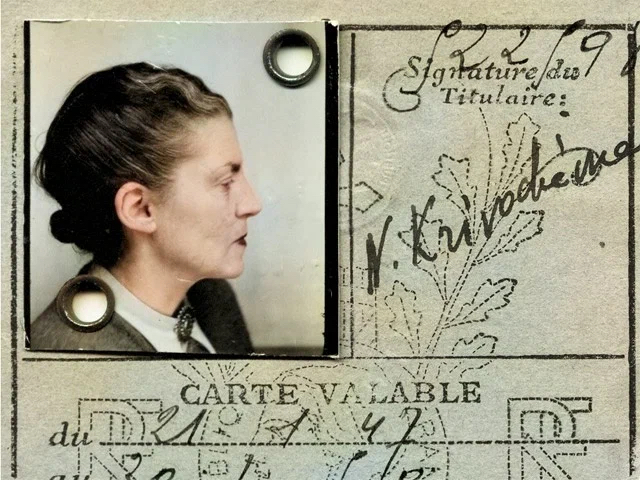
Не буду пересказывать замечательную книгу, упомяну одну подробность. За четверть века Нина Алексеевна так и не решилась посетить Ленинград. Воспоминания о сказочном городе ее юности и родном доме на Кирочной были ей слишком дороги, чтобы дать их перечеркнуть какому-нибудь жуткому подъезду, пропахшему мочой и кошками – таких, свидетельствую, было в то время полно на улице Салтыкова-Щедрина (так Кирочная называлась в ленинградское время). Я был знаком с Кривошеиными с 1967 года и помню разговор на эту тему.
Добавлю в скобках: мне говорили, что упомянутый дом на Кирочной какое-то время назад выкуплен, отреставрирован, обновлен и снова радует своей красотой.
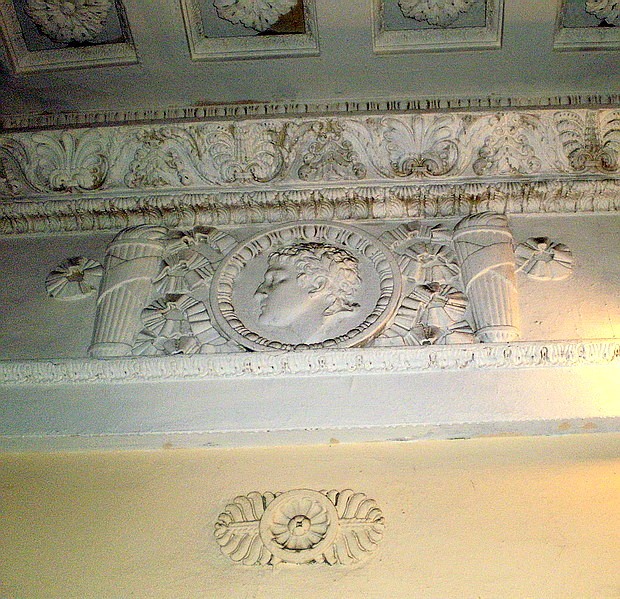
Признаюсь: этот город на Неве – еще одна, отдельная и полноценная моя жизнь, хотя я провел в нем в сумме едва ли два года. Как нам объяснил мудрый и мрачный Кастанеда, у каждого свое место силы. Правда, человек может прожить долгую жизнь, так и не найдя свое места силы, не догадываясь о нем.
На одном из сетевых форумов прочел письмо "Лиды" (кажется, из Аргентины): "Как вспомню Питер, начинаю плакать, и все мне вокруг противно". Кажется, это не просто ностальгия. Слезы и отвращение к окружающему могут говорить о том, что Лида страдает от невозможности припасть к своему месту силы. Ей точно не следовало уезжать так далеко и необратимо.