
Translated material
Wild Gunboat

We usually look at Kanonersky Island from top to bottom - from the car window, driving along the WHSD.
When you stand on the island itself, under this “cyclops”-WHSD, it seems as if the life of modern St. Petersburg is passing by. And the city lives somewhere there: it is alien and uncomfortable, like in films about a space post-apocalypse.
And here, on Kanonerka, low-rise peeling Stalin buildings coexist with administrative gray boxes in the style of Soviet constructivism. Here and there you can see houses built before the revolution. Eclecticism…
There is a point of contact in our family’s history with the island. In 1941, my grandfather worked at the Kanonersky shipyard. During one of the bombings he was shell-shocked, and as a result he was evacuated to Arkhangelsk. At the end of our walk, the island will give us a souvenir as a keepsake.
The long Kanonersky Canal, the berths of which until (recent events) were lined with small and large ships, has been the only passage to the ports of St. Petersburg since the end of the 19th century. By the way, the inspirer and investor in the construction of the canal was the famous engineer and industrialist Nikolai Putilov.
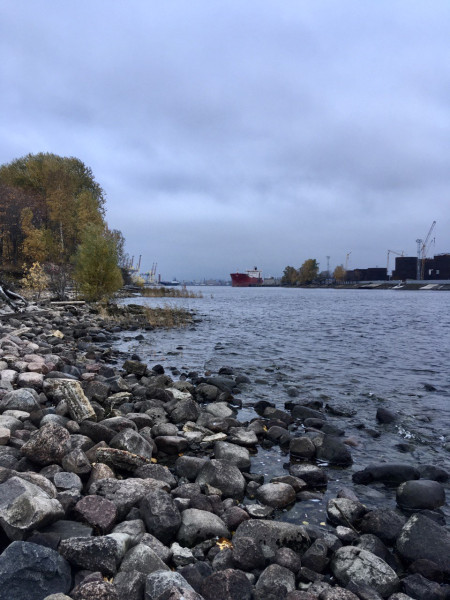
Before, life on the canal was in full swing: cruise ships and numerous ships, hurrying to unload or repair, passed through it into the very heart of the city. To pass through the canal, the principle of “reverse movement” was used: ships were launched into the canal in “packs”, and previously one could observe how a queue of two to three dozen ships accumulated before entering the canal, which then entered the canal in a caravan.
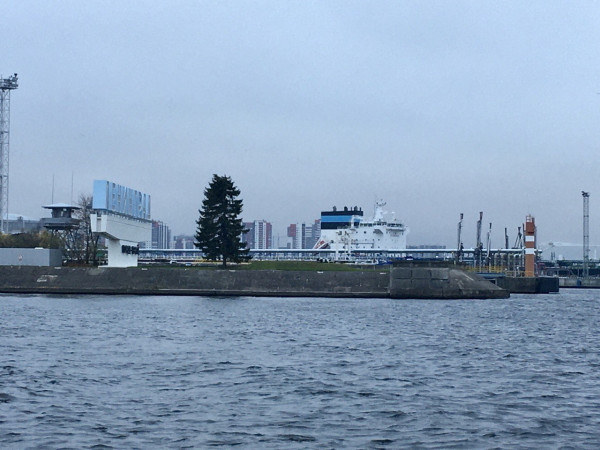
It's sad here now. The ships remaining in the canal look pitiful, and nothing reminds of its former greatness, except for the huge letters “LENINGRAD” at the entrance to the canal from the sea.
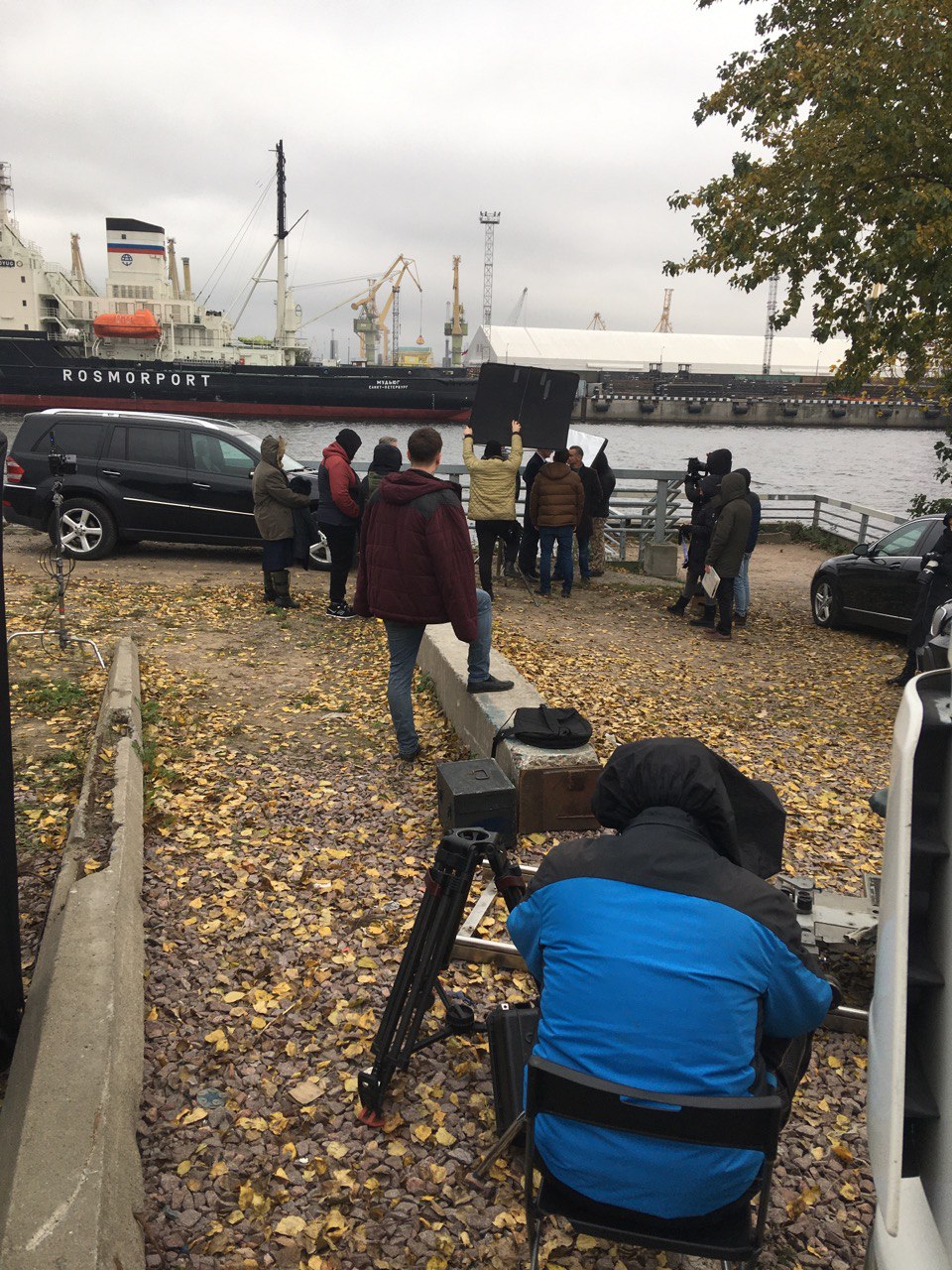
Let's move on. They're making a film. Judging by the tense faces of the actors and the abandoned set filled with large black cars, it will again look like “gangster Petersburg.”
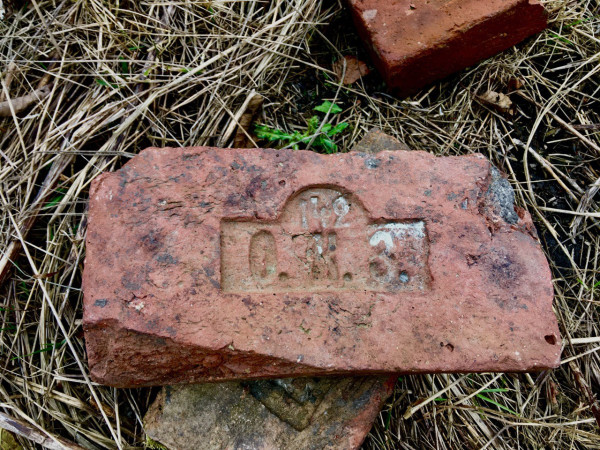
The canal ends with a stone dam - a three-kilometer spit, poured back in the 1870s onto a natural granite cape. For backfilling, boulders were used, which were taken from the bottom during the construction of the canal, as well as bricks brought from all over St. Petersburg - just construction waste for the majority of those walking along the spit.
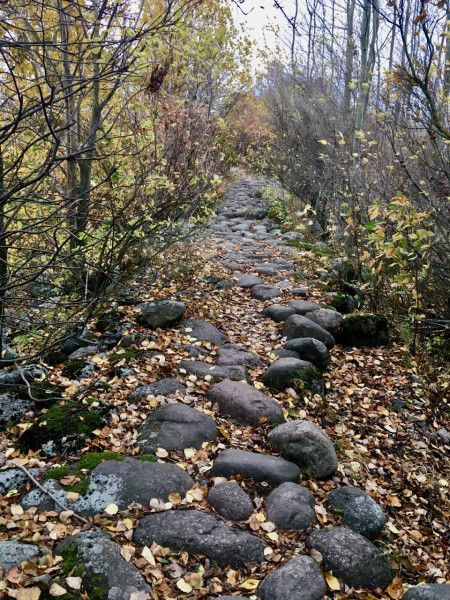
We couldn’t resist and took two with us: Father Grigory carried them all 3 km along the spit back to the car. "ELISEEV" and "O.K.Z." (“Oranienbaum Brick Factory”) will keep the memory of Kanonerka in our home.
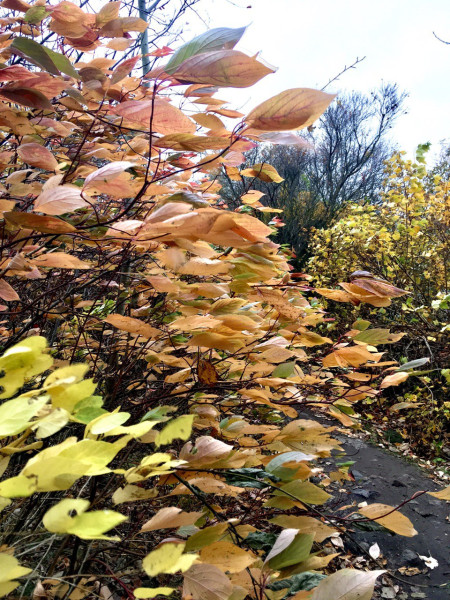
Wind. It seems like it never stops blowing. Tree leaves always seem to grow horizontally to the ground. On the day of our walk, the wind was warm, despite the gloomy October weather.
Here, at the tip of Kanonersky Cape, it smells of the sea, the sea is all around: on the left is Peterhof, Kronstadt is directly visible (from which the Kanonerka took away the main cargo turnover at the end of the 19th century), on the right are Vaska, Kukuruzina and the modern areas of “alluvium”.
The city is behind. The sea is ahead. We yearn for the sea... We yearn for the country... We yearn, but we are strengthened by the sea wind on the wild tip of Kanonersky Island.