Date
Author
Александра Надеждина; Анна Иванова
Source

Preserved copy
Translated material
"Our past has not passed anywhere." Exhibition of samizdat
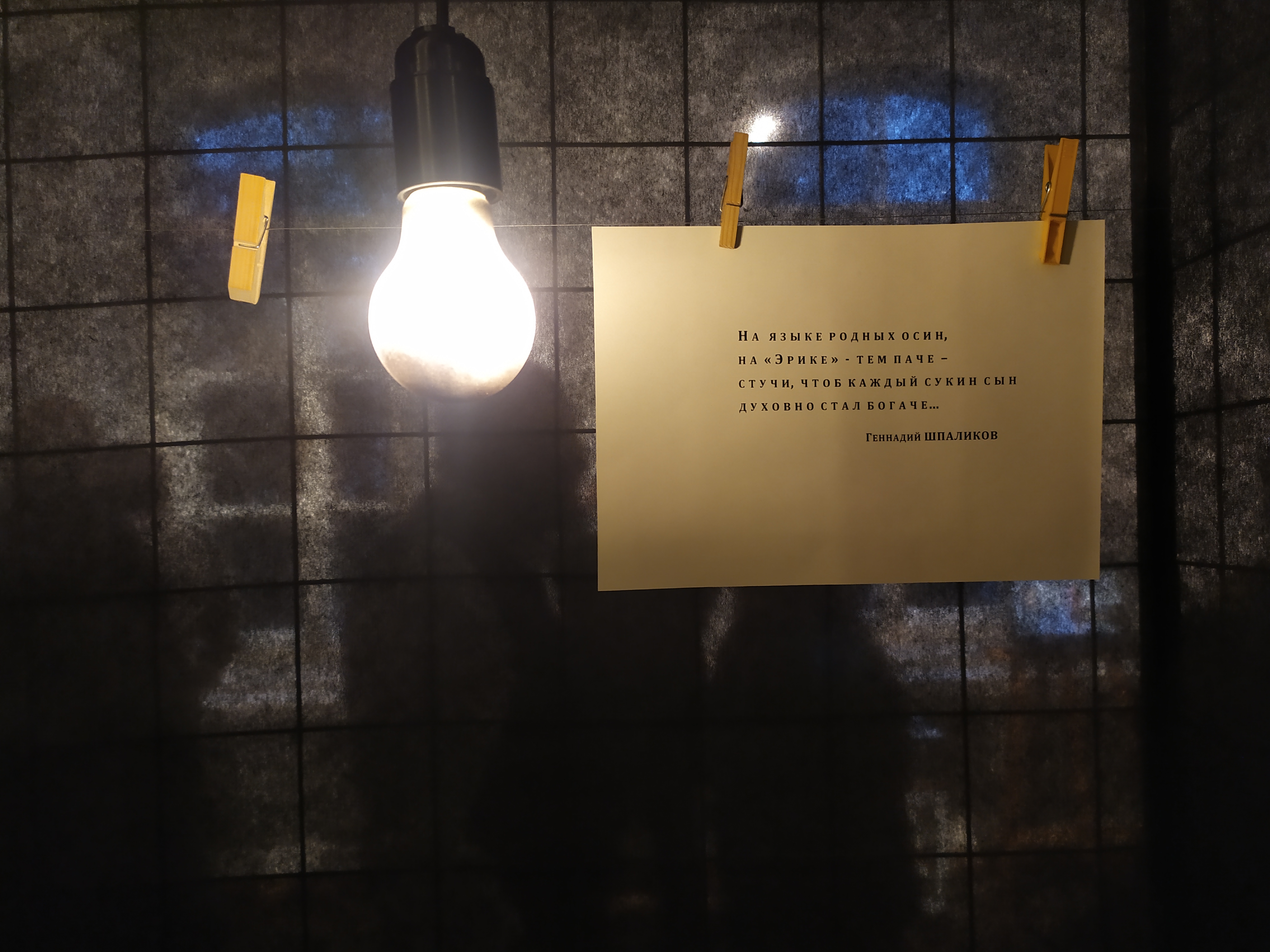
In St. Petersburg, in the Anna Akhmatova Museum in the Fountain House, the exhibition “Erica takes four copies ...” dedicated to the samizdat phenomenon in the USSR. It would seem that the exhibits of the exhibition are talking about the times of those who have departed. But in fact, in the conditions of the current censorship and suppression of all freedom of speech in Russia, it is obvious that samizdat is not only about the past , but also about today's day. The correspondent of North. Realia visited the opening of the exhibition.
In the 70-80s of the last century, the centers of spiritual life in the country often became boiler rooms, where the so-called "renegos", "parasites" and other elements objectionable to the Soviet regime were arranged for stokers. Here in boiler houses, the then dissidents often met, read, and sometimes propagated samizdat, and, as usual, argued about the fate of Russia.
“We worked in the same boiler room with poets Vladimir Erle and Vladimir Hanan on the central telephone node,” says poet Boris Lichtenfeld , poet, published in Samizdat magazines in the 1970–80s. - We often ordered the printouts of the texts of interest to us on all three. For example, once I asked to print the “rhymeed nonsense” by Vladimir Ufland, in the other - a novel in the verses of the “meeting time” of Boris Kupriyanov. I also had a friend at the institute, Natasha Lesnichenko-Volkhonskaya, she was the wife of the artist and subsequently State Duma deputy Julia Rybakova, and used to work as a secretary for Konstantin Kuzminsky ( poet, literary critic, a well-known figure in the Leningrad underground.-SR ) and sometimes made a copy for us. Suddenly she calls in the middle of the night: you need to urgently meet. And so, at midnight on the street I met and Rybakov somewhere. It turns out that Rostislav Evdokimov-Vogak ( poet, dissident.-SR ) had a search, and Natasha urgently handed me the magazine “Clock” with Roman Kupriyanov, so that if they came to her, he would not be confiscated ( Evdokimov would be arrested then, he received a term, but he did not give testimonies to anyone except himself.-SR ). And now the book is published, it can be read. At first it was published in 1989 in Paris, and then reprinted here in Russia, on my initiative, along with other verses called “Calligraphy of Time”.
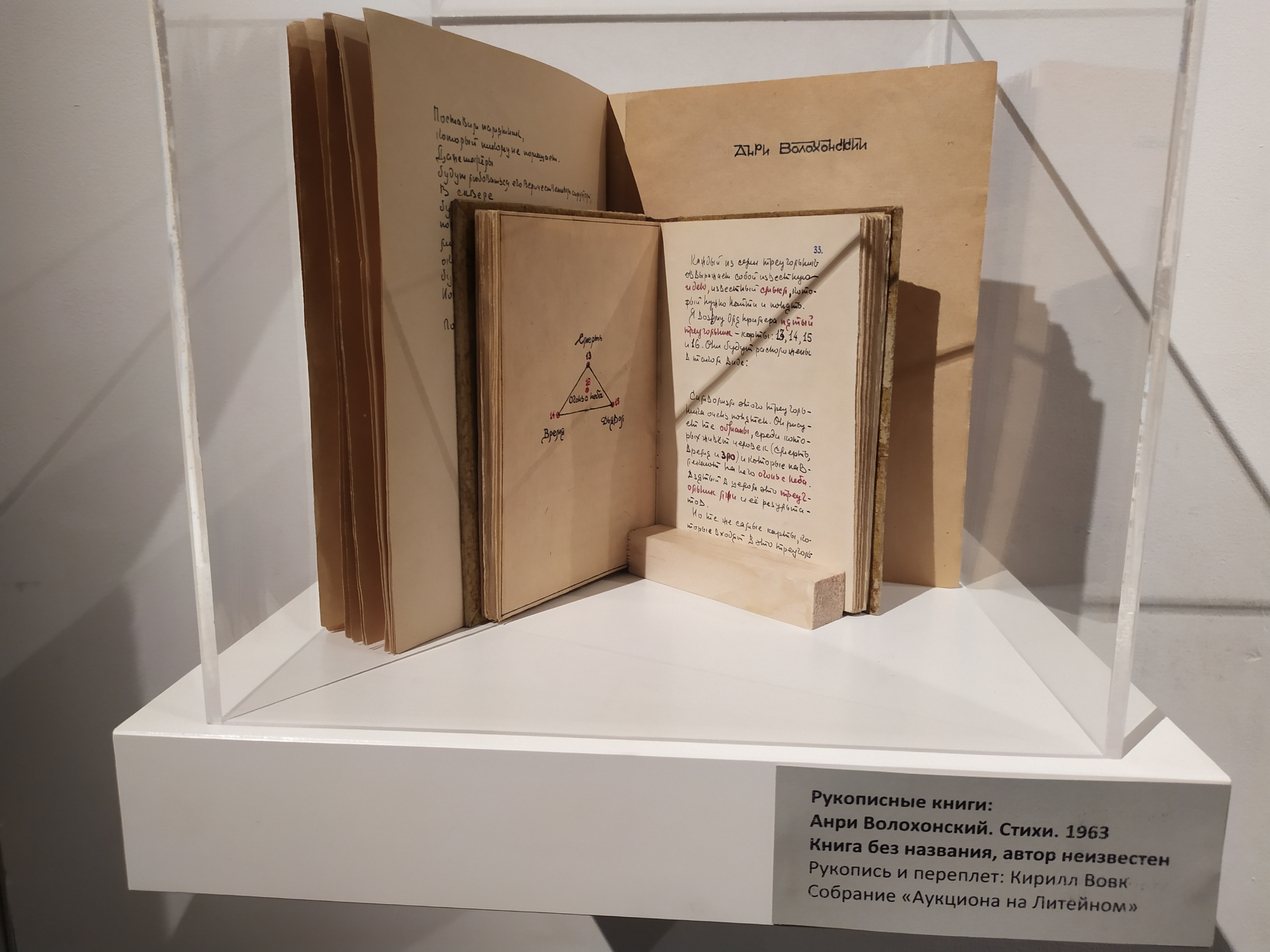
Behind every leaflet, book, magazine at the exhibition is an almost detective story. The organizers are immediately stipulated that to completely imagine such a voluminous phenomenon as samizdat (plus “Tamizdat” - what was published abroad) is simply impossible. These are thousands and thousands of names - not only authors and publishers, but also distributors, guardians, readers. And oddly enough for visitors, but the fact-this exhibition, like any museum event, was born not yesterday and not in response to any specific events, but was planned and created for the past year and a half, systematically gathered in private collections. What is called, ideas are worn in the air. It’s just that some can embody them in time.
“These yellow leaflets that we passed on to each other in the corridors of the Philfak,” says Nina Ivanovna Popova , president of the Friends of the Friends of the Museum Akhmatova,-gave some amazing space of freedom, dialogue with someone invisible and absolute happiness. It was the youth of the century, the youth of the spirit, it was hope. When I read them, it seemed to me that if everyone had read it, if it had become possible, life had changed. We know that this did not happen. There are Akhmatova words that she said in 1956, that two Russia, when everyone returned from the camps, will look into each other's eyes-the one that was planted, and the one that sat. This is an illusion, this did not work. This exhibition has a tragic dimension, which consists in the fact that this did not work out. But still: "Erica takes four copies."
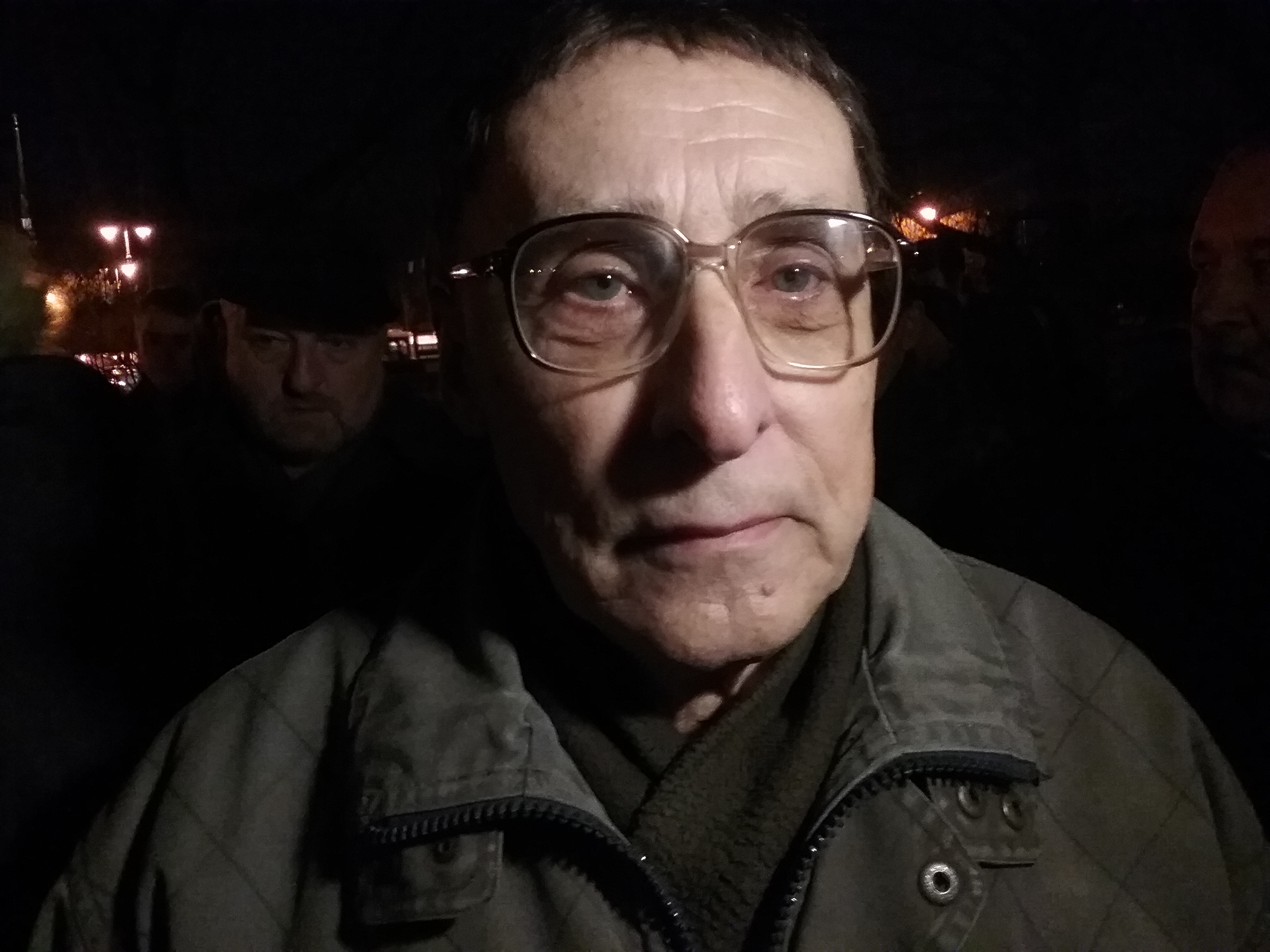
Vyacheslav Dolinin , a former political prisoner, member of the editorial board of the magazine "Sowing" , publisher of the "Information Bulletin" of a free inter-professional association of workers (SPU), a member of the NTS (the People’s Labor Union of Russian solidarists), says: the one who wanted to read samizdat had to observe a conspiracy.
“Copies were usually handed over at home, in a personal meeting,” recalls Dolinin. - The passion for samizdat began through a passion for literature. For the first time with Samizdat, I got in touch at 16 years. At first it was poetry, mainly the Silver Age-Mandelstam, Gumilev, Tsvetaeva-otherwise it was not to get acquainted, the books of the early 20th century and Tamizdat were inaccessible. Well, the first samizdat, which I myself began to spread, is a transcript of the process over Joseph Brodsky in 1964. I myself did not know how to print, but I found those who, out of interest and enthusiasm, were ready to help. In response to the copies that I gave to read, I also got something.
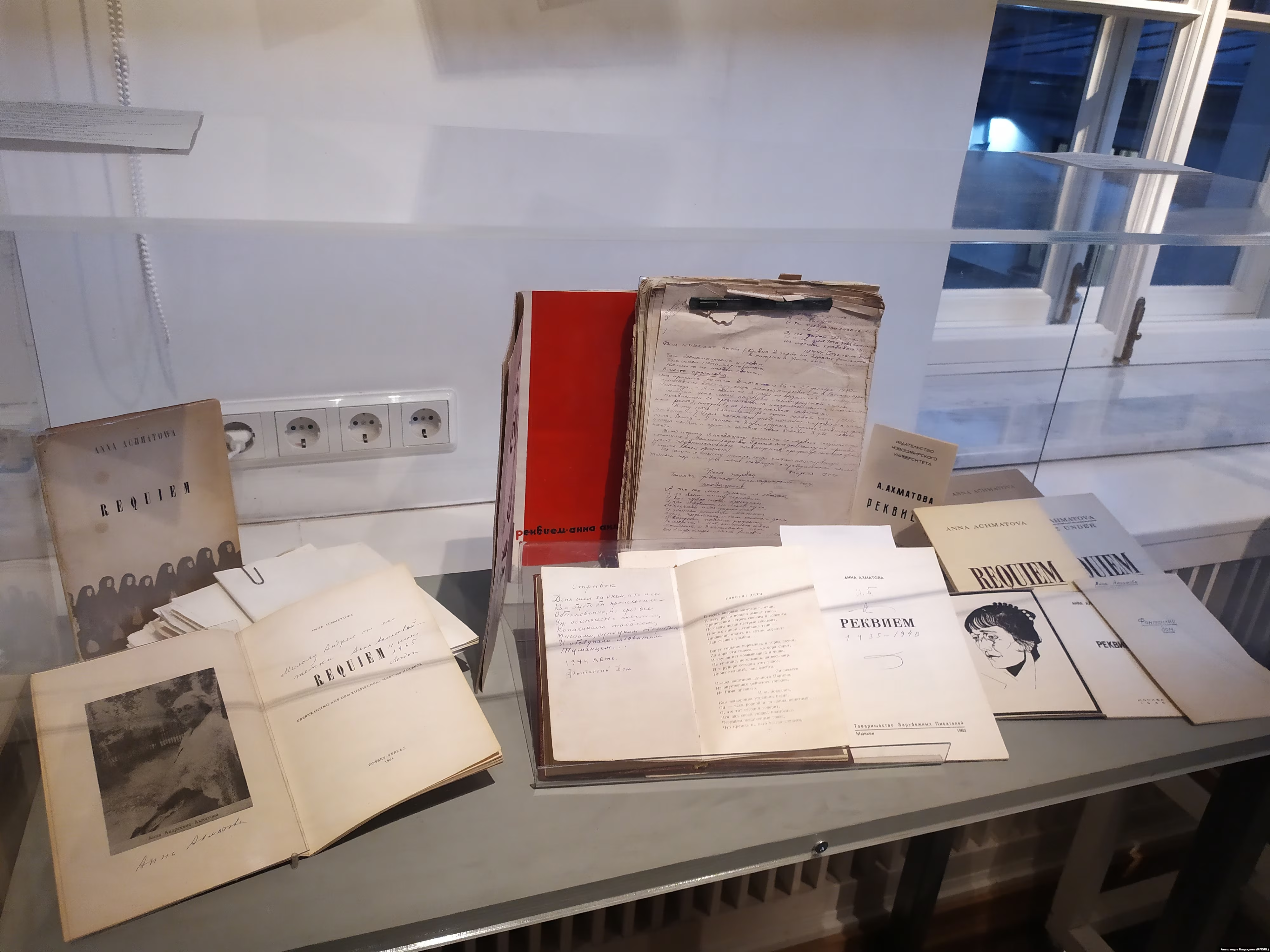
For Samizdat it was possible to suffer seriously.
“Gradually, I began to read the political, religious, human rights samizdat - and this was already dangerous,” says Dolinin. - When since 1980 Rostislav Evdokimov and I began to publish the "information ballot" of the free inter -professional association of workers (STO), the conspiracy became even more severe. The previous edition of the ballot was put, and we did not even know then what room they stopped on, we started with the tenth. But in fact, our predecessors stopped at the sixth! All that concerned the ballot, Rostislav and I did not even discuss aloud, and even more so on the phone, only wrote when meeting on paper, and then stacked the leaves with an accordion and burned in an ashtray. The authors wrote only under pseudonyms or simply without signatures.
According to Vyacheslav Dolinin, the ballot was distributed in about 10 cities of the USSR.
-Couriers from Frankfurt-on-Main, who were called the “eagles” came to us, then there was the headquarters of the People’s Labor Union of Russian solidarists ( the political organization of Russian emigration, which published the magazines “Sowing” and “Branes”.- SR ), and exported samizdat. Couriers also did not come empty - they brought magazines, books published in the West, as well as encrypted letters that we answered. The courier had no recorded addresses, names, contacts with him, everything was only in memory. Otherwise, the KGB could install the addressees. Couriers knew how to detect surveillance - if they saw a “tail” behind them, they did not go to the meeting. How exactly we passed the manuscripts - I am not ready to tell who knows, this can still be useful. The KGB could not catch our couriers. Over 30 years, about a thousand walkers across the border and back were committed in the USSR, and the cases of failures were single. In 1981, we transferred the editorial portfolio to Moscow. But in 1982, both us and the Moscow editorial office of the ballot were arrested. In total, 20 people were arrested at that time-someone got the deadlines, others were in a mental hospital, someone was able to emigrate.
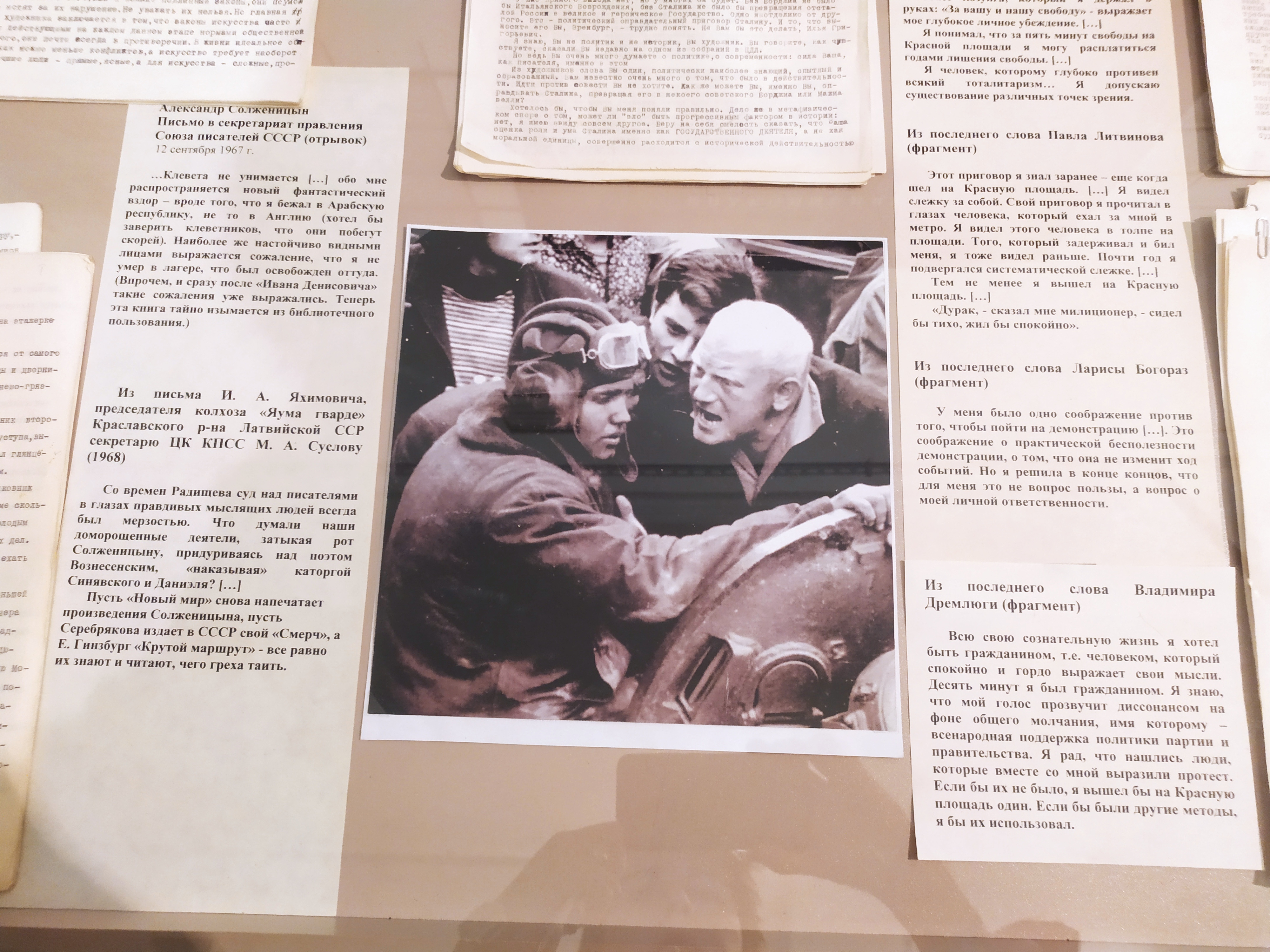
Vyacheslav shows his photo in a series of others, on the wall of the museum. A strange, frozen facial expression contrasts with other living, laughing faces.
- This photograph was shot in the camp, before that stage into exile. There was one only jacket at all, a white shirt and a tie, and now all the prisoners were photographed in turn, against the background of a white sheet.
The famous St. Petersburg local historian and guide Irina Verblovskaya is a prisoner of the Gulag, who had been in prison and camp for five years for “complicity in anti -Soviet agitation” together with mathematician and dissident Revolta Pimenov. Irina Savelyevna says that she has the most respectful and deep attitude towards Samizdat: “Because in Samizdat there was real work without regard to the authority.” At the same time, Verblovskaya, who read a lot of samizdat texts, tried not to store them at home.
- I myself went through the gulag, was then a careful person and remained in power all the time “on the fly”. And now I'm not sure, talking on the phone that I’m talking only to my interlocutor. The theme of Samizdat did not exhaust itself, censorship exists, and this exhibition shows us our past past.
The poet Elena Pudovkin was published in the Samizdat magazines “Obvodny Canal”, “Clock”:
- Samizdat gave us the opportunity to at least get acquainted with each other's texts, to outline his circle of readers. I went to Samizdat, if I may say so, naturally - when I was supplanted from officially published poets, when I became interested in the KGB, when I went to work in the boiler room to write what I wanted.
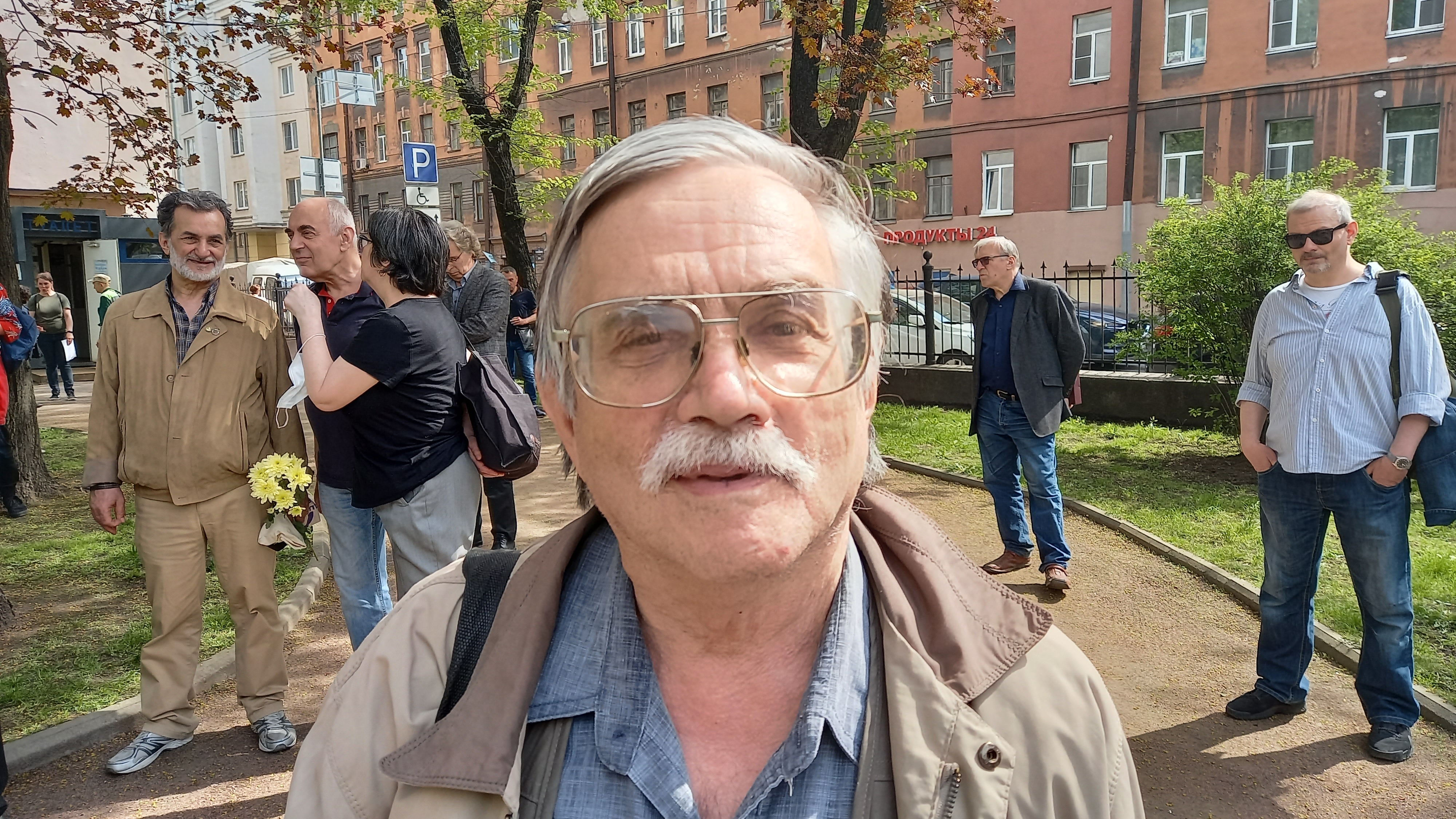
The poet Sergei Stratanovsky , who published in the 1980s the magazine “Obvodny Canal” with Kirill Butyrin, also believes that today it is very important to recall Samizdat:
- Because then, thanks to him, we won our piece of freedom. Samizdat was part of such a huge phenomenon as the “second culture”. There was also a periodical-it was presented very little here-both religious and philosophical seminars and unofficial exhibitions that were organized in apartments or generally in nature. Thanks to all this, the environment was formed - we realized that we are not alone, there are like -minded people, both writers, artists, photographers, musicians. Today Samizdat tells us that freedom needs to be fought.
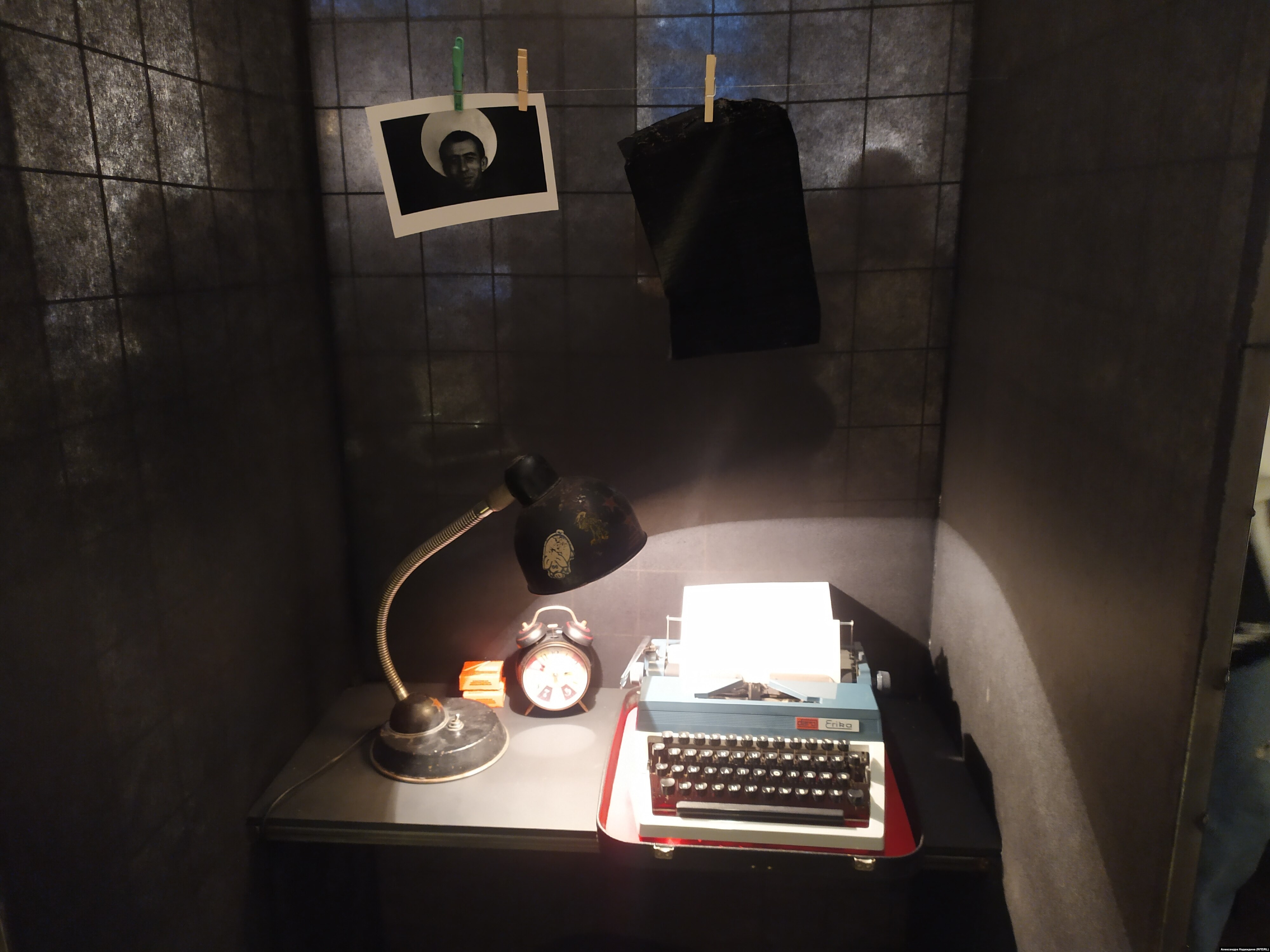
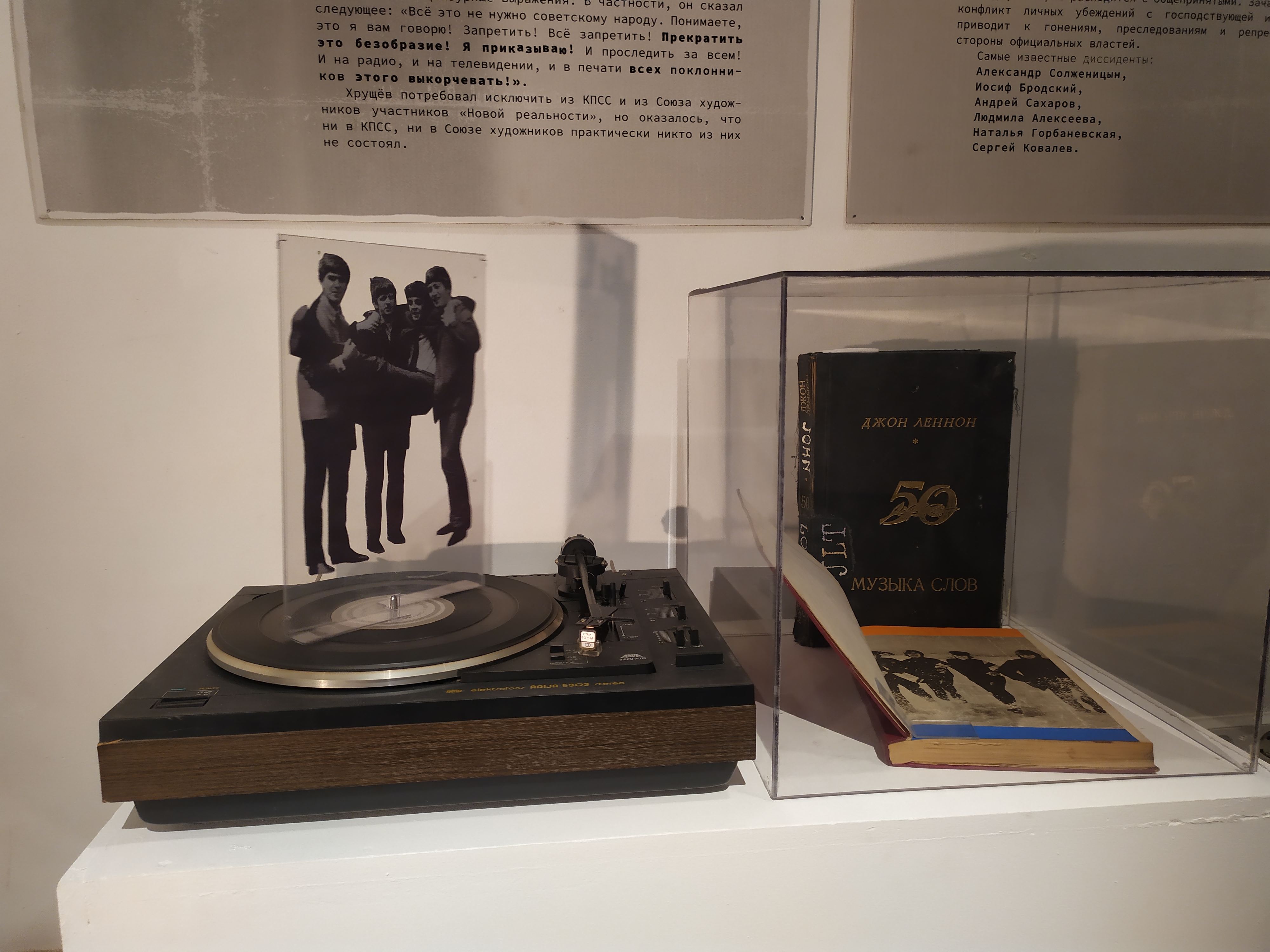
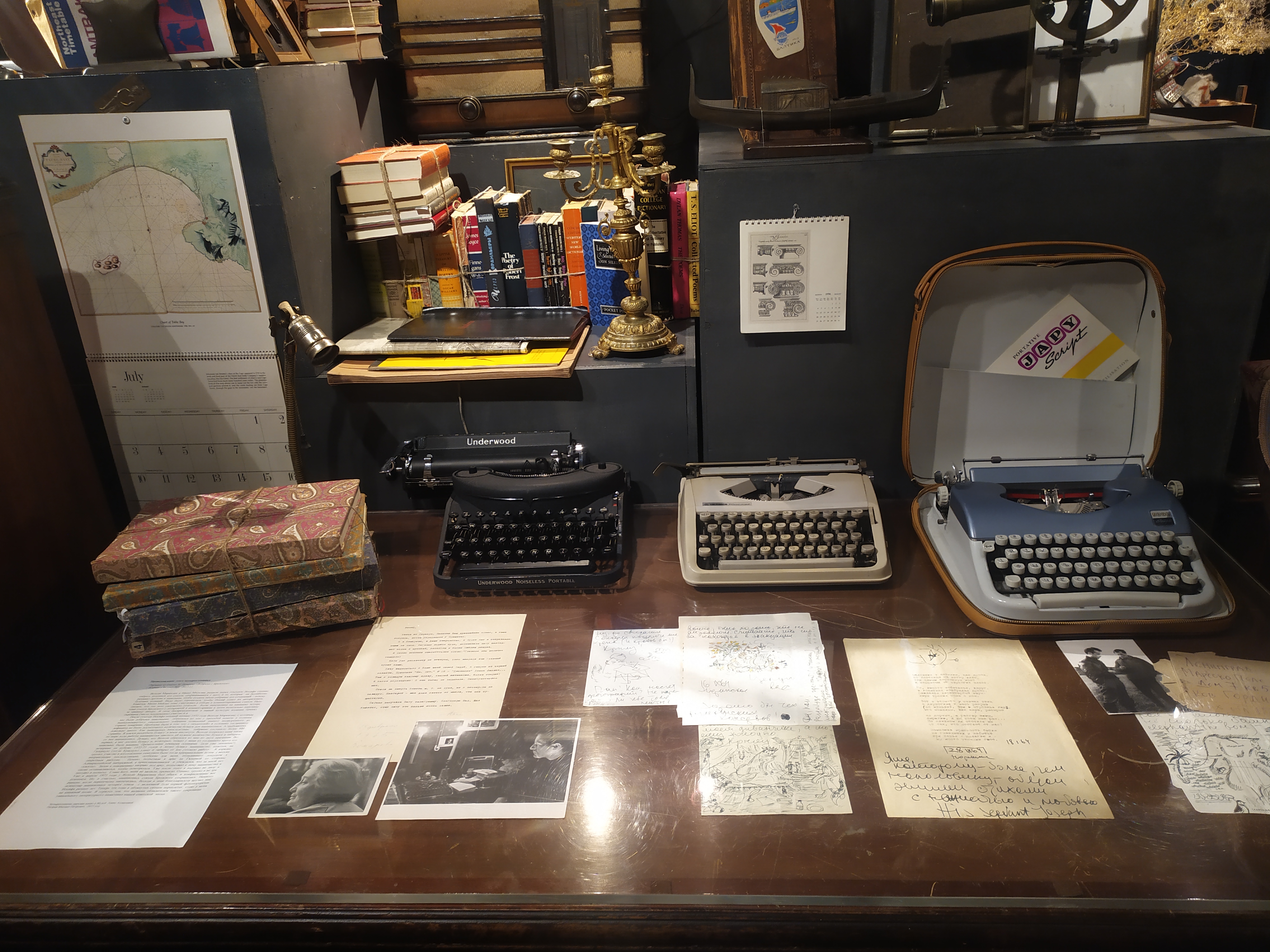
Emil Kaplyush , an exhibition artist, created a parody of a modern office - several rooms designed for one person, each of which has a workplace: a table, chair, lamp and the very main character of samizdat - a printing machine, Erica or another. In this micromy, where there are only you, your text and the knock of keys (even without going to the Internet), you can completely immerse yourself in what you read and rewrite, whether it be the verses of Mandelstam or Brodsky, Roman Bulgakov or Nabokov, or maybe the next political prisoner ... in this strange office, with carbolite lamps and tone chairs ( Michael Tonet - founder - founder - founder The legendary furniture firm ), there is a “red room” for photographs, and players with “bones” plates ( the slang name of home -made records made on X -ray pictures. - SR), and homemade magazines that managed to go out for decades, and manually rewritten collections of poems.
“Everything is told here as if the children should come,” Emil Kaplyush explains. - I checked - at twenty -year -old, thirty -year -old, forty -year -olds, and for everyone there were unknown words that seem very simple to our generation. But they disappeared somewhere. For them, the “thaw” is just the time of the year. And so here on the walls is our naive dictionary of concepts.
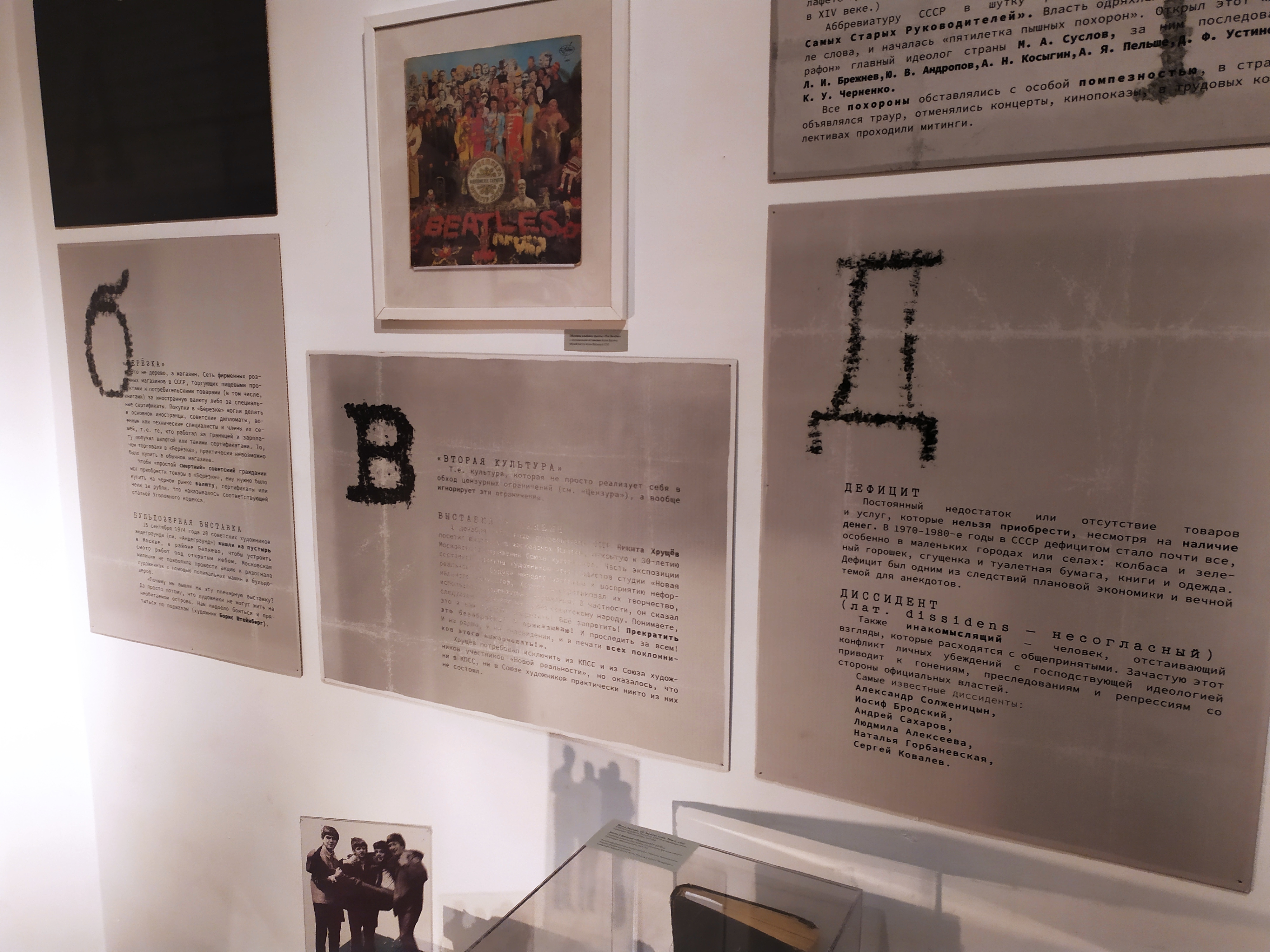
We read. “Birch” is a store where there could be outfitted goods for currency. It seems that we are now doing this via the Internet, but this is also not for everyone - you need to have a card of a foreign bank, use special delivery services, in general, elite entertainment. “Tea mushroom” - now it is again in fashion, just from a three -liter jar has moved to a bottle with a fashionable label of a “comable” label. “Dissenters (or dissidents)” - here it seems that nothing has changed, but the words “carriage” and “muffler” can be thoroughly forgotten - and then their meaning will explain the samizda vocabulary. "C - censorship" is a concept that is too relevant today, which is repeated from all sides, however, filling in different meaning, so it is always useful to turn to the original meaning.
However, perhaps Emil Kaplyush somewhat exaggerated the difference in generations, and they are closer to each other than they seem. Moreover, social networks and messengers in a sense can be considered as a modern reincarnation of samizdat. In any case, today, when there is no independent press in Russia, it is worth remembering that several generations of Russian writers and poets, including Joseph Brodsky, became known precisely thanks to Samizdat and that non -certificate journalism was born in Soviet times. The exhibition "Erica takes four copies ..." - as well as about apartment exhibitions and concerts and about dissident traffic in the USSR.
The exhibition will last until December 11.