
Translated material
The Kremlin has limited media appearances by a group of military deputies
Duma generals are on the Kremlin’s “stop list”
The presidential administration asked state media to quote less from a group of State Duma deputies who spoke on military topics, Vorstka found out
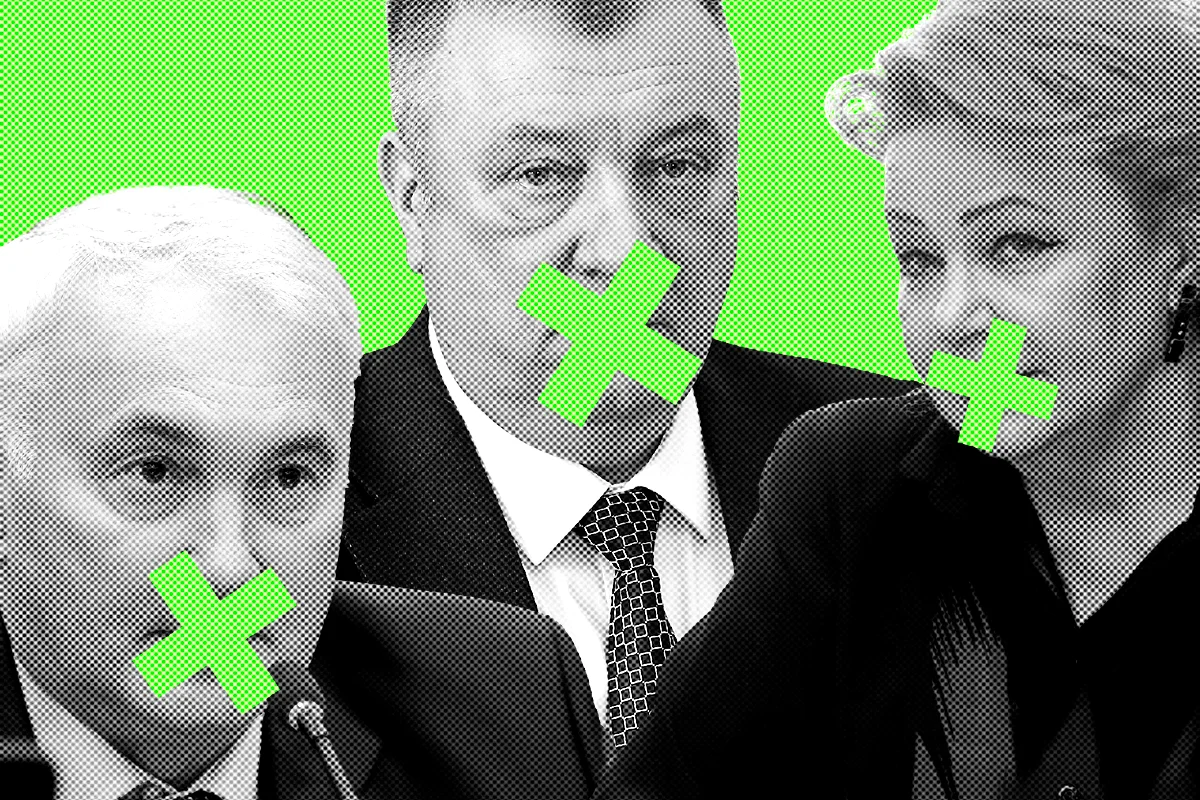
The list of deputies who should not be featured too much in publications includes the head of the Duma Defense Committee Andrei Kartapolov, deputies-generals Andrei Gurulev, Viktor Zavarzin, Andrei Krasov and the head of the Committee on Women’s Affairs Nina Ostanina. All of them, according to the Kremlin administration, allow themselves excessive independence in their statements and criticism of the Russian troops.
In order not to miss new texts from “Layout”, subscribe to our telegram channel
"Information dishonesty"
Representatives of the bloc of the first deputy head of the presidential administration, Sergei Kiriyenko, gave instructions to state media regarding the quoting of some State Duma deputies. The parliamentarians included in the list have repeatedly spoken out about the course of the war, including casting the Kremlin in an unfavorable light , an interlocutor close to the lower house told VERSTKA. In this regard, it was decided to quote them “only from [news] agencies and in minimal quantities if the news agenda requires it,” said an interlocutor in one of the media outlets that received recommendations. “Instructions come to us from the [Kremlin’s] public projects department, from [the head of the department] Sergei Novikov,” he explained.
Such demands were received by media belonging to the Rossiya Segodnya group (which includes numerous publications, radio and television channels, including RT), Rossiyskaya Gazeta and VGTRK (this group includes the TV channels Rossiya-1 and Rossiya-24, Radio Rossii, radio station Mayak and other assets). According to a source close to the State Duma, recommendations to reduce citations of these parliamentarians were also given to other large, but not state-owned, media. He clarified that “the curators in the case of each media outlet separately decided” whether it was worth contacting its management with such a request and, if so, in what form. Representatives of editorial offices and channels were asked to keep these recommendations secret, noted Vorstka’s interlocutor.
The mentioned deputies “were included in the toxic list” because of their statements, mainly concerning the course of the war, partial mobilization and provision of the front. “After the start of mobilization, and indeed since February [the war between Russia and Ukraine began on February 24], an information strategy for the authorities was not developed,” explained one of the interlocutors of Vestka. “ Everyone was commenting on who was doing what, the Kremlin did not have time to give instructions .”
That is why, the interlocutor claims, a number of parliamentarians managed to make statements that were extremely unpleasant for the presidential administration, as well as “comment on what they do not know and what does not concern them.” Such “informational dishonesty” greatly damaged the federal authorities, since due to the tensions that arose due to the war in society , people began to “react very sharply” to many statements in the media , “without understanding who said it, why they said it.” Among other things, deputies began to promise staff rotation and criticize government officials, which is unacceptable, he is sure.
Who talked about what?
The head of the Defense Committee of the State Duma, Kartapolov (before moving to the State Duma, was the Deputy Minister of Defense), in a recent commentary to RBC, admitted the possibility of personnel decisions due to complaints from those mobilized. “The fact that this information is appearing is good. Because this makes it possible to make decisions faster,” the deputy said. — It’s good that the problem is being solved, it’s good that there is a very prompt response to these problems, but it’s bad that these problems appear. All these cases will be investigated and the necessary decisions will be made, including personnel decisions.”
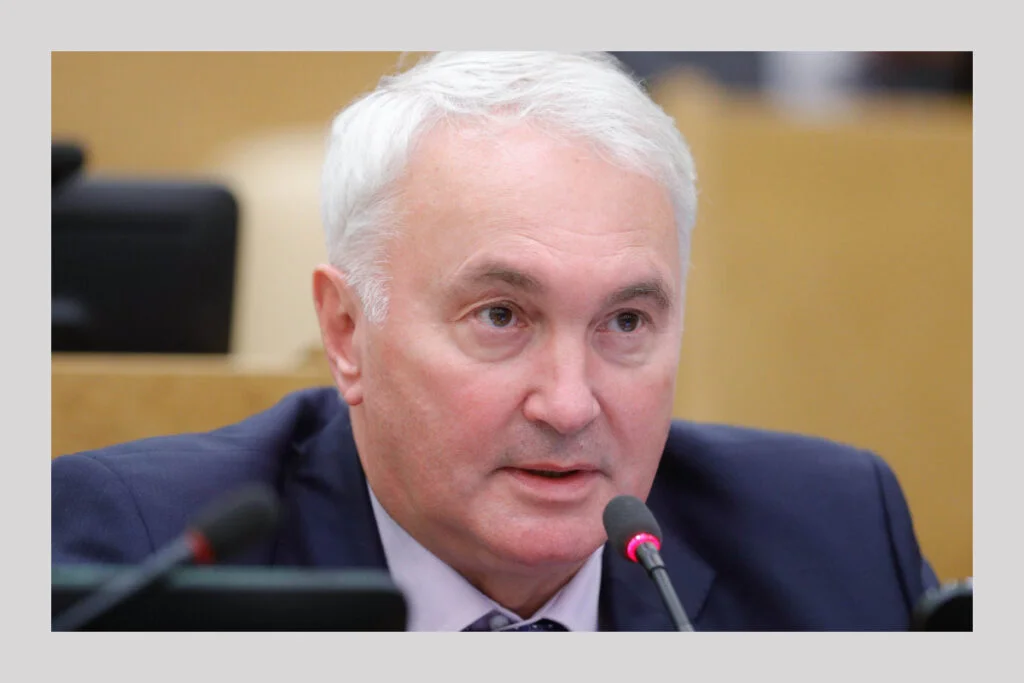
The head of the Duma committee should not have announced a change of personnel, much less promised it, the interlocutor of “Vestka” is sure: Kartapolov simply does not have such powers, and his words are “guesswork and some kind of his own feelings.” Promising personnel decisions is the prerogative of the Kremlin and the government, “but not of the deputy, which is why he was put on the stop list,” the source emphasized.
Also in early November, Kartapolov, as reported by Izvestia, co-authored a bill to develop criminal penalties for draft evaders . Although the authors of the initiative spoke of their readiness to submit it to the State Duma, later United Russia stated that the bill had lost its relevance. The Kremlin did not like this bill: according to the presidential administration, it “rocked the boat” and further frightened people who were already stressed due to mobilization.
Gurulev, Krasov and Zavarzin supported the statements of the head of their committee and made their own statements. Gurulyov, according to Vorstka’s source in the state media, “has really gotten loose lately.” “After the surrender of Liman, he began to openly scold the Ministry of Defense,” the interlocutor recalled. It was Gurulyov, together with the head of Chechnya, Ramzan Kadyrov, who criticized the commander of the Central Military District, Alexander Lapin, for the loss of the Ukrainian city.
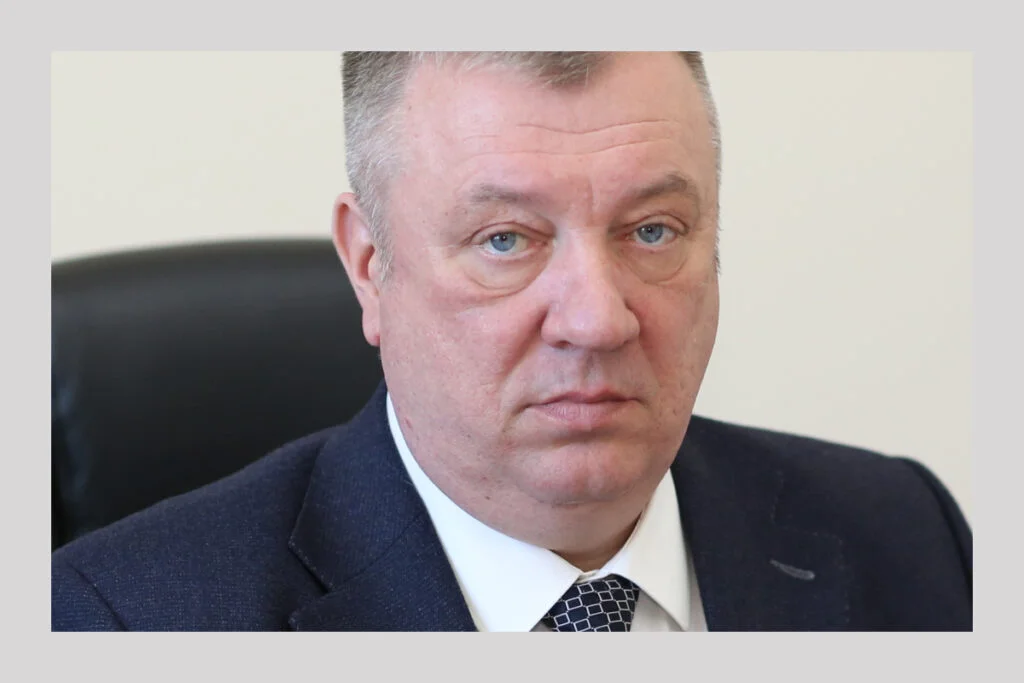
The line of criticism itself was chosen correctly, argues a source close to the State Duma , but after that the deputy’s “lid was blown off” and he began to speak out too sharply against the military leadership . He also found himself at the center of a scandal when, in his Telegram channel, he announced the disappearance of 1.5 million sets of military uniforms from the warehouses of the Ministry of Defense. Subsequently, in a conversation with students of Transbaikal University, the deputy said that law enforcement agencies were now dealing with this matter.
Deputy Zavarzin criticized Kadyrov's idea to send his sons to the combat zone. “Kadyrov, of course, is a military general, a leader. The Chechens fight well here and are good at training reservists. But children are categorically not subject to conscription by law, the law is from the age of 18, and now those who have served and have a military specialty are being mobilized,” he recalled. - They didn’t serve. Let the children study, prepare, and the fact that the Chechens are fighting guys and serve well is clear, I know many of them.”
“Verstka” wrote about the growing authority of the Chechen leader and that Putin’s entourage listens to him. The head of Chechnya negatively assessed the deputy’s statements addressed to him: Kadyrov considered that the deputy was “mindful of his own business,” says a source from Vorstka.
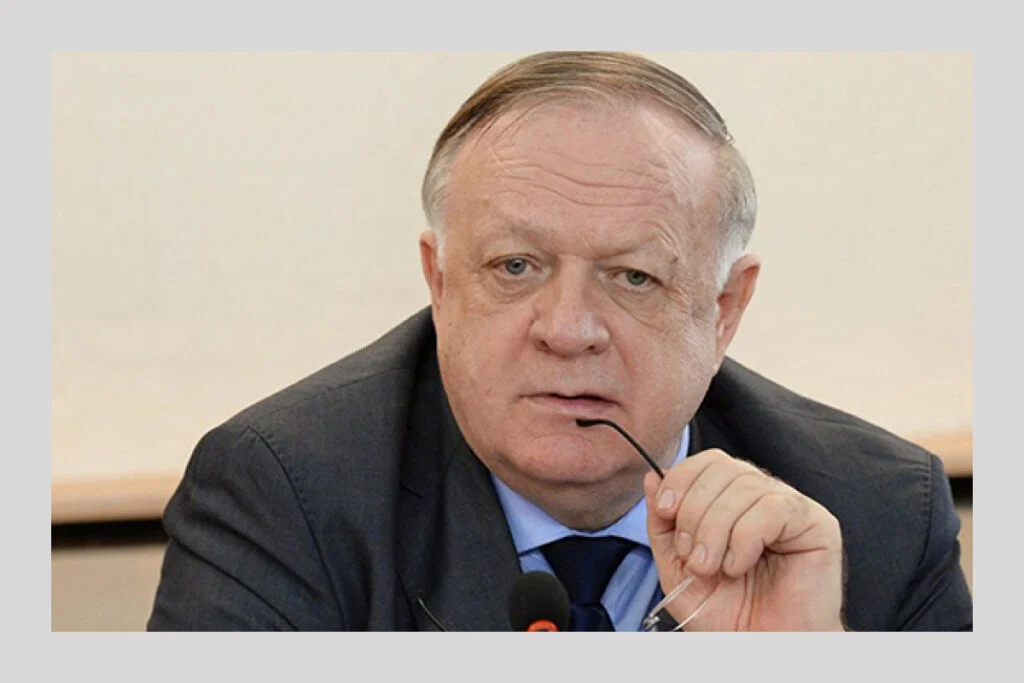
Also, deputy Zavarzin, during his press conference in October, spoke about failures and shortcomings of mobilization. Her move was criticized by many, but the parliamentarian “went a little too far” with his criticism, the Kremlin thought, the publication’s source said.
Andrei Krasov, appointed by the State Duma as coordinator of political processes in the annexed Zaporozhye region, should not have spoken out about the ban on returning to Russia for figures who left the country since the beginning of mobilization, according to Vorstka’s interlocutors. “This is essentially a betrayal of the interests of our country. To preserve the state, we must protect ourselves, among other things, from such categories of citizens of the Russian Federation,” he said. - They chose the Western world, green candy wrappers. Let them continue to fight for the interests of those states where, in their opinion, it is sweeter, more satisfying, more democratic. And the Russian Federation, having rallied around Vladimir Putin, must say “no” to these figures.” The deputy also called those who left “the first rats” fleeing “from a ship that is not yet sinking.”
The presidential administration negatively assessed the very fact of criticism of the Russians who left, and the mention of Russia as “a ship that is not yet sinking.” “So he might start to drown? Why say that? — the interlocutor of “Vestka” is perplexed. “He [Krasov] is in good standing, but why say such and such.”
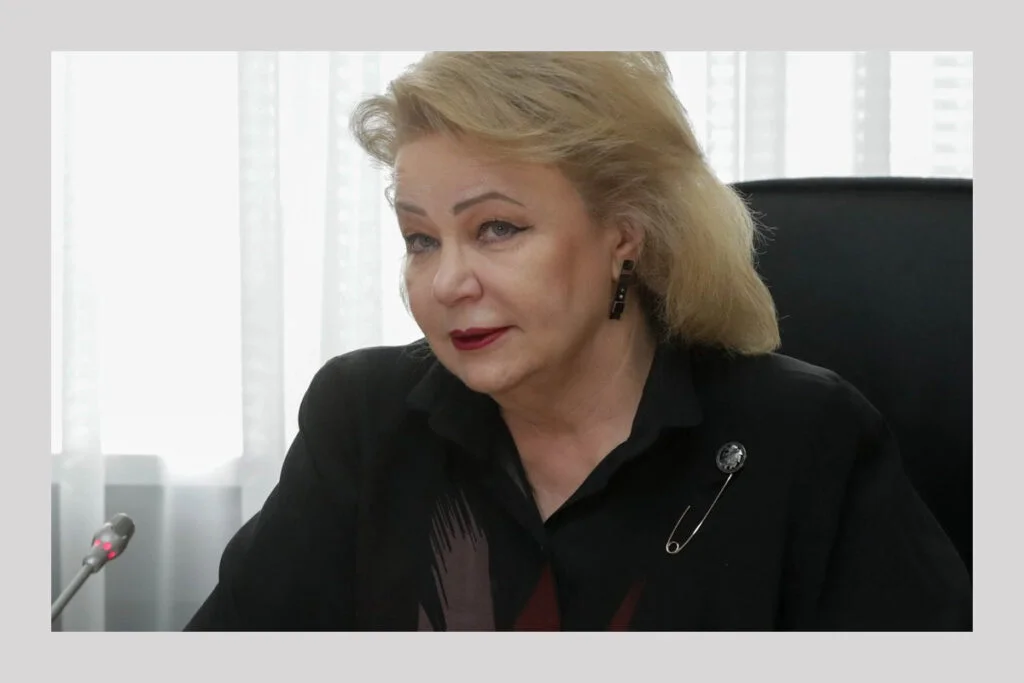
The Kremlin’s dissatisfaction was also caused by the active representative of the Communist Party of the Russian Federation in the State Duma, Nina Ostanina, head of the Committee on Family, Women and Children, who “for some reason” began commenting on the progress of mobilization. At the end of October, she announced the imminent end of the mobilization that began on September 21. “Nobody asked for it,” emphasized Vverstka’s interlocutor close to the lower chamber. “She shouldn’t have gotten into it, she’s on the family committee, it’s not her topic .” Earlier, Vedomosti wrote that she could lose her place as head of the committee due to “unethical behavior” after she announced a number of decisions allegedly taken by the Ministry of Defense. According to the publication, “Ostanina dealt incorrectly” with Deputy Defense Minister Nikolai Pankov, speaking in his Telegram channel about an agreement allegedly reached with him on the exemption from partial mobilization of the fathers of two children, whose wives are 22 weeks pregnant. Ostanina herself denied this information.
The source also did not rule out that the list of “toxic” parliamentarians could be expanded in the future.
Cover collage: Rim Saifutdinov
Editorial "Layout"