
Translated material
Why is the UN Russia not a decree
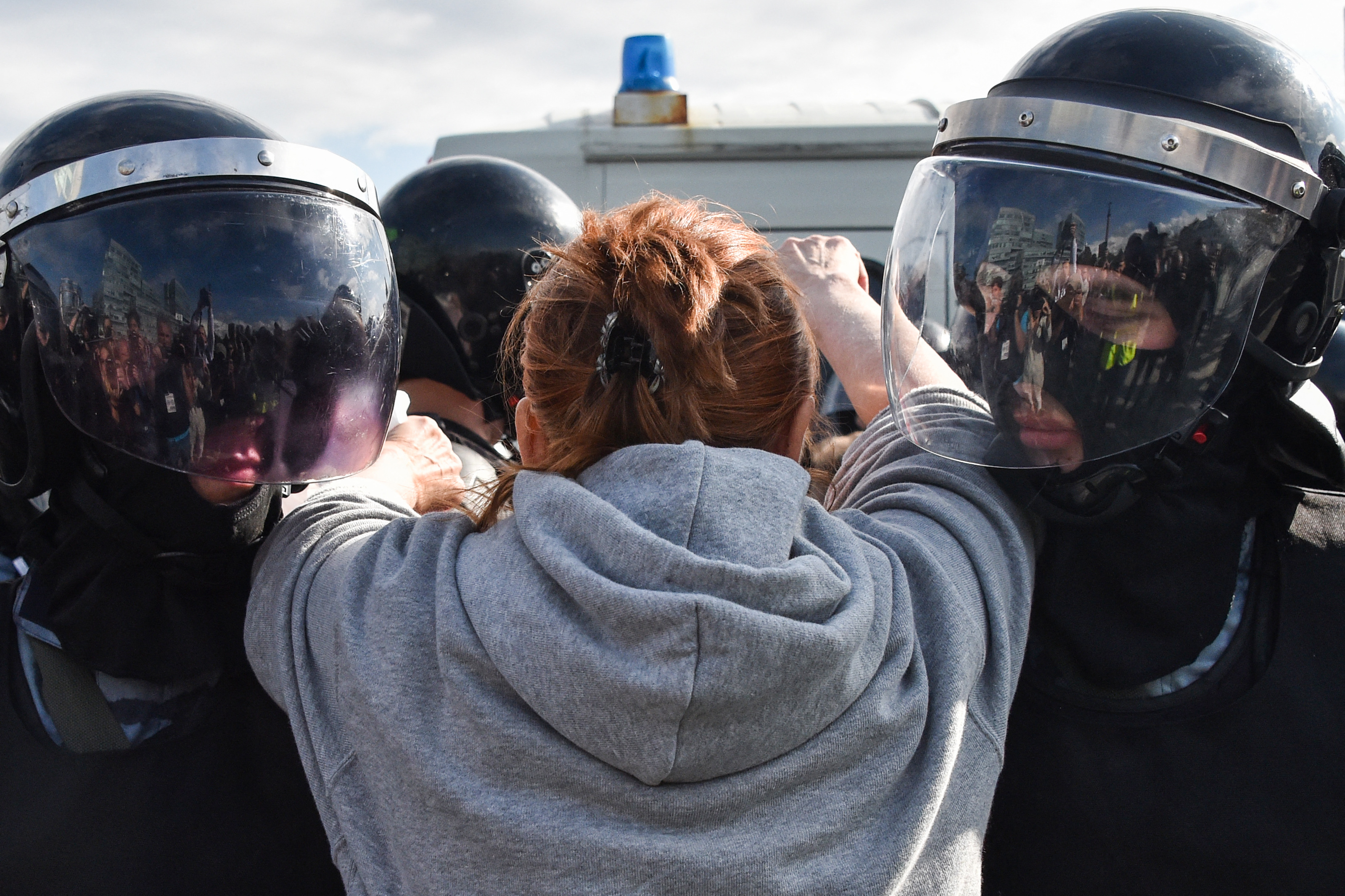
The UN Human Rights Committee published the final comments on the state of human rights in Russia.
From Russian pharmacies, medicines disappear , including from the list of vital and most important drugs.
The court in Moscow arrested by the end of the year the opposition activist Mikhail Kriger, a participant in the Solidarity movement.

Width PX Height PX
The url has been copied to your clipboard
No Media Source Currently Available
0:00 0:53:41 Download the media fileVideo version of the program
Laws need to be canceled
The laws on "fakes" and discrediting the Russian army can be canceled, to refuse the preventiveists and the use of the person recognition system. The UN Human Rights Committee recently published the final comments on the state of human rights in Russia, for several days ahead of the publication of the Ministry of Justice of the Ministry of Justice on the results of monitoring law enforcement in Russia for 2021. This is a rather vast document. It simultaneously gives an assessment of how decisions of the European Court of Human Rights are carried out in the country, for example, and efforts to preserve cultural monuments.
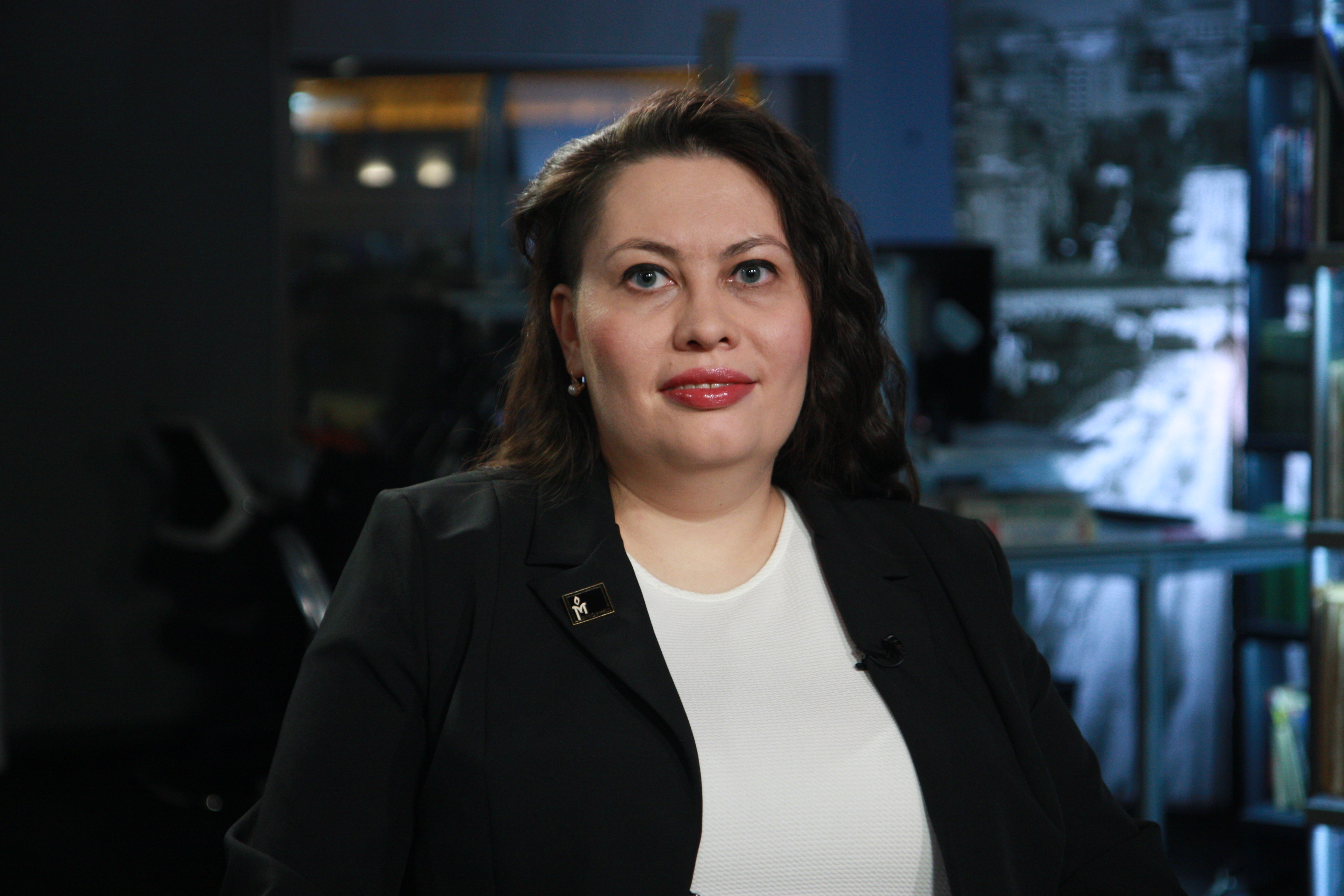
Initially, the UN Human Rights Committee intended to consider the official report of Russia on compliance with the International Covenant on Civil and Political Rights as of 2019. Then there was still no full -scale war with Ukraine , within the country there was much more loyal to dissenting laws and Russian politicians as a whole were more ordious. The USSR civil and political rights pact ratified back in 1973, and according to the rules every four years, the country should report on its observance. This time, Russia sent its report to the UN, but refused to discuss it. Comments the member of the Council of the Center for Human Rights "Memorial" Tatyana Glushkova .
Laws on "fakes" and discrediting the Russian army can be canceled, to abandon the preventive detentions of activists
Tatyana Glushkova: This is an unprecedented situation in the history of the committee, when the state submitted a report, but did not appear for consideration. The official reason was called so - "restriction on moving to Europe for Russian airlines." The Russian authorities also abandoned the online mode. This situation speaks primarily about Russia's attitude to the Committee and its recommendations.
As for the content of these recommendations, I do not think that Russia's non-survey somehow influenced them. Information about what is happening in the country and abroad due to the activities of the Russian authorities in a public space is more than enough for the Committee to make its opinion.
The first is about observing human rights during an armed conflict in Ukraine. The Committee recalled that the obligations to fulfill the Pact exist during the armed conflict. The second is a state of freedom of expression in Russia, which in recent months has undergone such an attack on the part of the state that we can talk about stripping this field. And the third is the persecution of opposition politicians, journalists, human rights activists in various forms, from attempts to criminal cases. Attempts by the poisoning of Alexei Navalny, Vladimir Kara-Murza, criminal cases against Kara-Murza, journalists Ivan Safronov and Maria Ponomarenko, lawyers Ivan Pavlov and Dmitry Talentov are mentioned. Here are three recommendations that the Committee considers the main ones.
Other recommendations regarding, for example, the suppression of freedom of assembly or freedom of associations using laws on foreign agents, about undesirable organizations are no less important. Or, for example, recommendations on the terrifying situation with domestic violence and a call to Russia to adopt the relevant legislation. The state of human rights in Russia is such that it is very difficult to find a sphere where there are no problems.
Maryana Torocheshnikova: With us, the head of the international practice of the Human Rights Group "Agora" Kirill Koroteev and lawyer analyst at the public verdict of Ani Agagylyan .
Cyril, what is the remark of the UN Human Rights Committee to the Russian authorities especially valuable, from the point of view of observing human rights? And is there something really important in the recently appeared report by the Ministry of Justice?
The state of human rights in Russia is such that it is very difficult to find some sphere where there are no problems
Kirill Koroteev: Of course, it is much more interesting to read the text from the Human Rights Committee: there is a very detailed analysis and a fairly wide selection of topics. And in the texts of the Ministry of Justice we see a bureaucratic paperwork: a lot of text, but there is little sense. Many decisions of the ECHR have not been fulfilled for decades. The Rakevich case of 2003, according to forced hospitalization in psychiatric hospitals, appears in the report of 2022 as still unfulfilled. There is another "beautiful" phenomenon - a ban on leaving for persons admitted to GOSTYNA. Here, the decision mentioned in the 2018 report was preceded by several more decisions, starting since 2006, and there was even a political obligation of Russia to cancel this ban when it joined the European Council in 1996. Accordingly, all the time that Russia was in the Council of Europe, it has not fulfilled this obligation.
Maryana Torocheshnikova: Why is the emphasis in the reports of the UN Human Rights Committee and the Ministry of Justice of Russia that the latter is so retreating from real problems?
Kirill Koroteev: The Ministry of Justice does not even formally have independence and impartiality: it is an executive body, he represents the position of the state. The Human Rights Committee are independent experts, respectively, in their impartiality we can doubt a little less than in the same qualities of the Ministry of Justice.
Maryana Torocheshnikova: The Public Verdict Foundation submitted its alternative report to the UN Human Rights Committee, like several other Russian organizations. Ani, how do you assess the difference in the perception of what is happening of the Ministry of Justice and the Human Rights Committee?
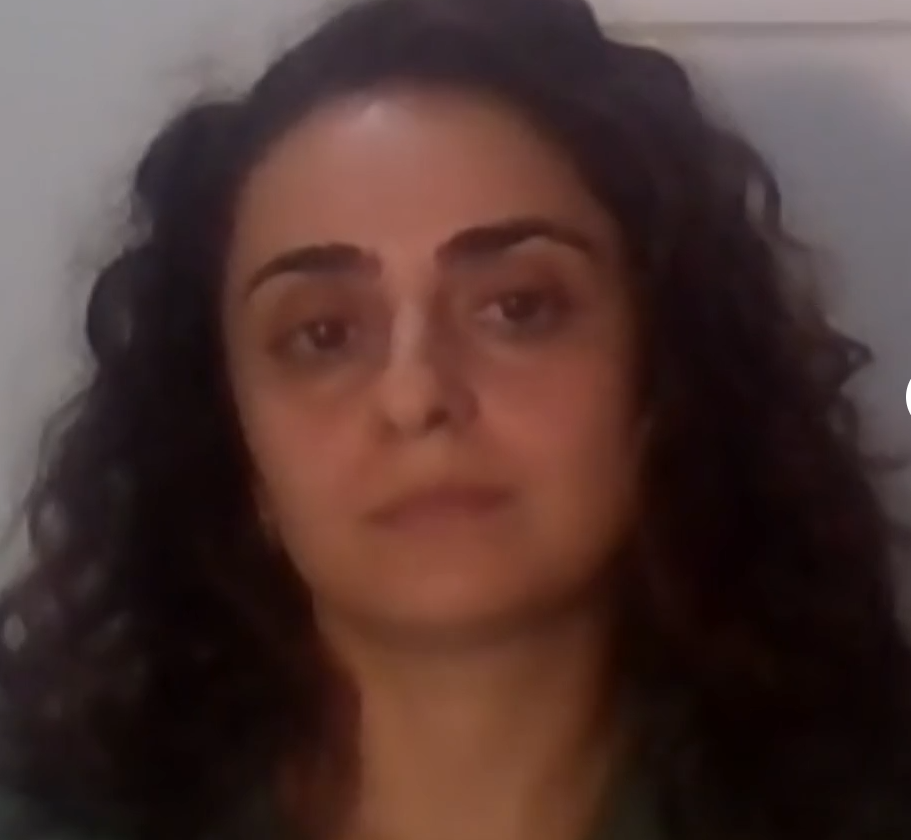
Ani Agagylyan: It is wrong to compare these two institutions. The Human Rights Committee proceeds from what information is provided to him, including non -governmental organizations, and the Ministry of Justice is not an independent body. There is not only a bureaucratic problem, but rather a reluctance or lack of resources for deepening into a problem. In the report of the Ministry of Justice, even the global problem of torture does not rise. For example, they submit reports on how many decisions the Constitutional Court made in 2021, how many of them are supposedly at the stage of execution, and they have no numbers about the implementation of the ECHR decisions.
The Ministry of Justice does not even formally have independence: he represents the position of the state
Maryana Torocheshnikova: Russia now fundamentally refuses to fulfill the decisions of Strasbourg made after March 16 this year, when it was expelled from the Council of Europe. Nevertheless, the Ministry of Justice gives an assessment of the execution of previous decisions, lists them in his report and says that "now how much time has passed, but for some there is still no law, nothing is being done." In general, even complains on some wires. Is it a two-faced or some kind of inertia? Or did they forget that the ECHR is now kind of like a decree to the Russian government?
Ani Agagululyan: No, no one has removed the obligation to monitor the implementation of the ECHR. They continue to do this, and we will continue to watch how they do not fulfill the decree.
Maryana Torocheshnikova: Kirill, in your opinion, is now for Russia the recommendation of at least some international bodies or its own ministries, especially in terms of observing human rights, have at least some kind of meaning?
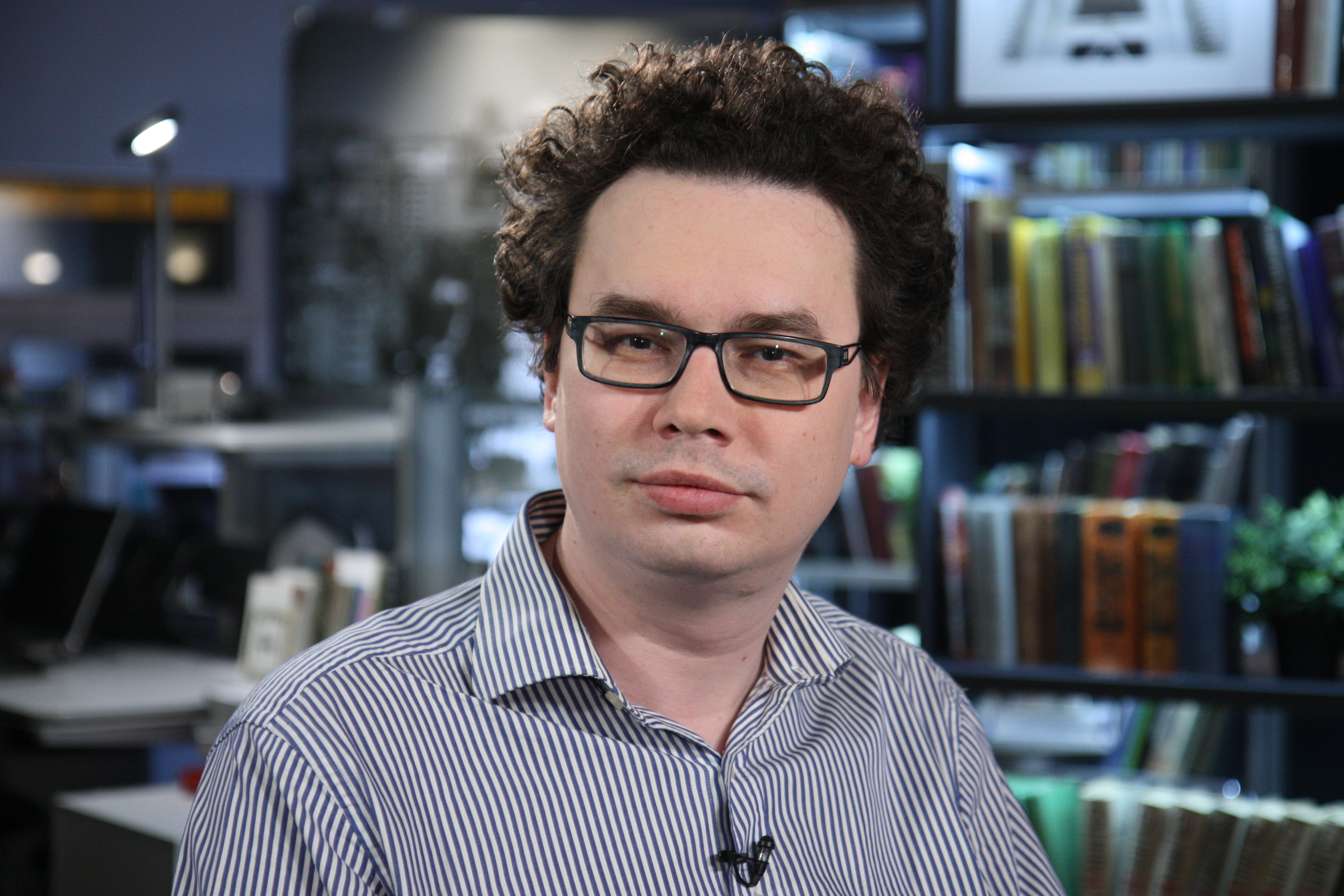
Kirill Koroteev: No, no. Unfortunately, the final comments of the Human Rights Committee are already eighth. They have never been seriously accepted by either the Russian Federation or the Soviet Union. And then and now, when you are trying to refer to them in the courts, the courts simply do not answer anything. By virtue of international law, all decisions of the ECHR are required, even those that Russia has already refused to execute. The problem is the complete absence of any will for greater observance of human rights in the country, guaranteed by the Constitution and international treaties.
Maryana Torocheshnikova: Is there someone who can now force the Russian authorities to fulfill all these recommendations, international treaties and the conventions that Russia itself signed?
Kirill Koroteev: Citizens of the Russian Federation, which make up its multinational people are the only source of power in the country. All the changes that took place or at least were discussed were the result of serious public pressure.
Where is the medicine?
All the changes that took place were the result of serious public pressure
Medits disappear from Russian pharmacies. Problems with medicines for people with psychiatric diagnoses, diabetes, some types of cancer, HIV and other diseases are reported. The other day, officials were forced to make excuses due to the lack of some antibiotics in pharmacies. In the Ministry of Health and Roszdravnadzor they say that they are closely monitored by the reserves of drugs, and they either deny the deficit altogether or explain in seasonal demand.
Here is the commentary of the President of the League of Defenders of Patients Alexander Saversky .
Alexander Saversky: When all this hype associated with a special operation began in April, people swept everything. I asked a question (I have tens of thousands of subscribers): What kind of drugs are not? Ten names flew to me, I pierced them with remote pharmacies and found them all there. Suddenly in September one complaint, the second, the third! I asked a question again. And suddenly 79 items fly to me. I checked them in remote pharmacies. But at first I checked in the state registry of medicines, because I look-one in the pharmacy is not, there is no other ... 29 of them were not in the register: it means that these drugs that people are looking for are simply not the right to contact Russia.
The most terrible situation with prednisolon, a sudden drug used for strokes and heart attacks
Another 28 drugs were not in remote pharmacies. And this is a very bad sign: it means, most likely, they are really inaccessible. Moreover, eight of them turned out to be from the list of vital (Zhnvlp). These are quite serious and cardiological, and psychiatric drugs. And now, a month has passed since the moment I sent all this to the Ministry of Health, but so far I have not received any answer.
Against this background, there are more and more complaints. Patients with Parkinson's disease are literally enough mass appeals today, a dozen drugs on oncology are no longer in the public domain. And I would not explain this precisely by sanctions, because not a single company has officially left Russia yet and supplies have not been stopped. It seems to me that several processes that have passed in the country for many years simply fell simultaneously.
Why do drugs disappear from the state registry? Indeed, among them there are drugs that continue to be produced in other countries. Patients complain: "For the thyroid gland on the market, there is only L-thyroxin and euthyrox. They do not suit us, we need drugs of choice, there are no" side effects ", good effect." Patients are forced to bring them from abroad, and semi-legally, and if the drug is not registered in Russia, then this may be up to criminal liability. And the question arises: why did you release good, effective and safe drugs from the state registry? To create criminal liability?
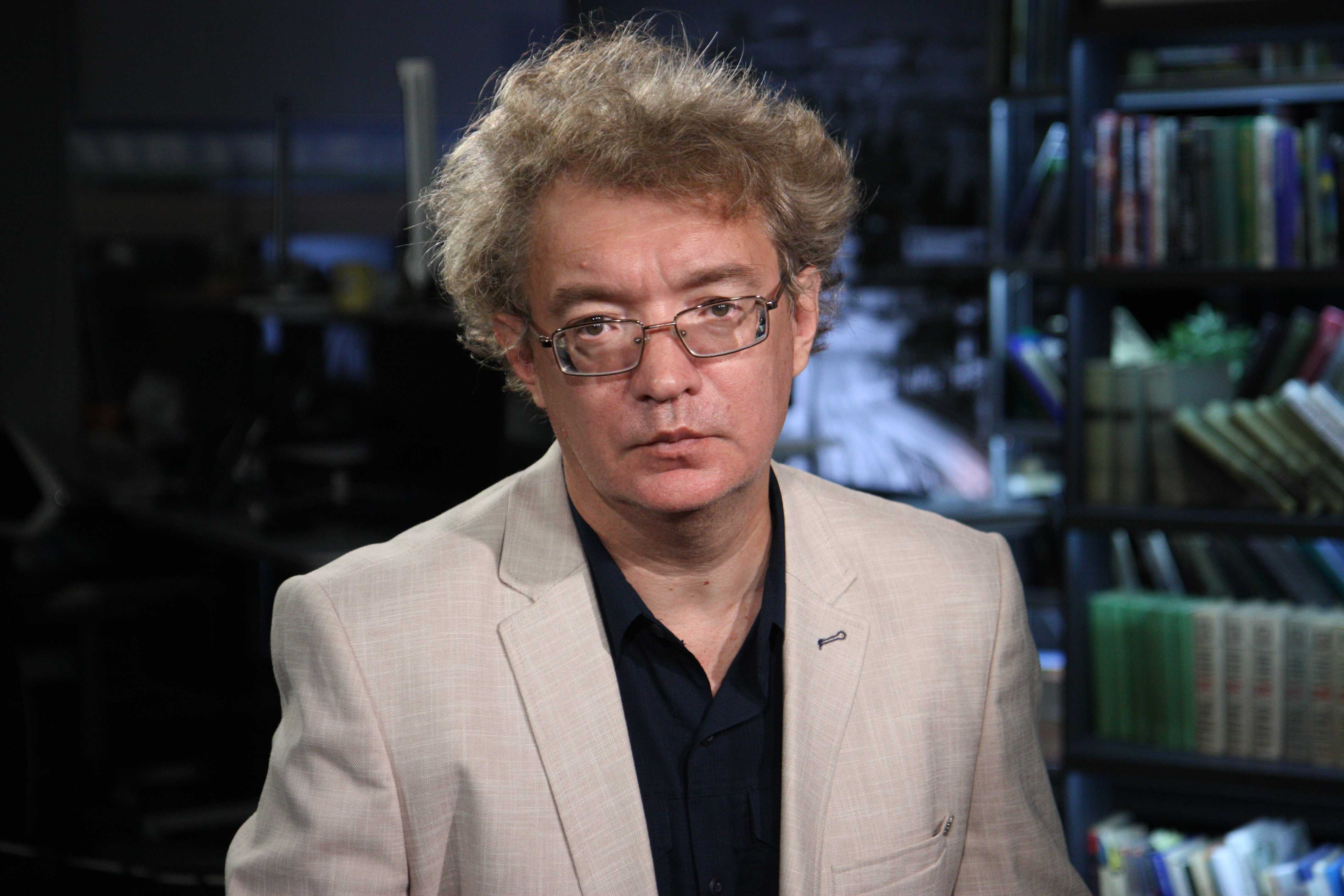
The second colossal problem. Prices rose something like this: if in 2010 there were 60% of drugs with a price of 50 rubles in the Russian market, now only 18% are left. The fall is more than three times! The cheapest drugs are washed out, and it is precisely because of pressure on the list of vvolp: in the same place the state holds prices, but because of this, the drugs generally leave the market, since the manufacturer becomes unprofitable to produce them. The raw materials are in dollars, and the FAS says: "No, you produce at the same price as in the past and the year before last."
But the most terrible situation arose with prednisone - this is a sudden drug used for strokes and heart attacks. In April 2019, doctors and patients suddenly began to say that this medicine was not. In July, the Ministry of Health publishes the first press release: "We do not know what the problem is. The need is two million packs, and it is completely closed, production is two million packs." Pharmacies immediately react: "We do not know where you have a prednisone, but we do not have it." And only in October, that is, six months later, the Ministry of Health gives an additional press release: "The need is really 2 million, and 1 million 600 is produced." And this press release ends with a wonderful call to make prednisone. This is all the public administration that we saw!
All problems arose due to improper regulation, which was originally
We just don’t know what we really have, but what not! Last week, the Federation Council discussed the problems of the so -called parallel import, when, regardless of permits, the state allows us to import the necessary goods from other countries. The issue of drug support was discussed, and the Ministry of Industry and Trade says: "We have no problem, all positions are normally closed, so we do not even discuss the parallel import of medicines." I ask them: "How do you know what they are?" Only in August of this year, 55 drugs, trade names were excluded from the State Register. And many do not yet declare that they are ready to leave the registry, they are simply not produced. But I did not hear the answer. The fact is that in Russia the need for drugs is unknown to the federal center, because there are no forms of statistics on the constituent entities of the Russian Federation before the Ministry of Health on the needs and state of drug support.
There is a register, but not all manufacturers in time report the suspension of production. The state looks like a traffic controller who is at the intersection and thinks that all cars in the city should drive past him, and he will tell them where and how to go. But this is not at all like that! Creating regulation, the state underestimated that the medicines would simply stop producing, especially in the conditions when problems with raw materials occurred. While we do not have a flurry associated with sanctions, we do not see any problems from large companies at all. All problems arose due to improper regulation, which was initially, and now we will rake its consequences. While market regulation remains, we will walk like a minefield, not knowing which medicine will disappear tomorrow and how to be treated.
The arrest of Mikhail Kriger
The court in Moscow arrested by the end of the year activist Mikhail Kriger, participant in the Movements "Solidarity", "Nemtsov Most" and the Memorial near Moscow. He is accused of justifying terrorism for a post on Facebook of two years ago. Mikhail Krieger has long and consistently opposed the war with Ukraine, including participating in pickets and rallies in Moscow.