
Translated material
"They are just dense"
Kinovad Num Kleiman - about the fault of cinema in what is happening in the country, about the old and new "shelf" and attempts to find guidelines
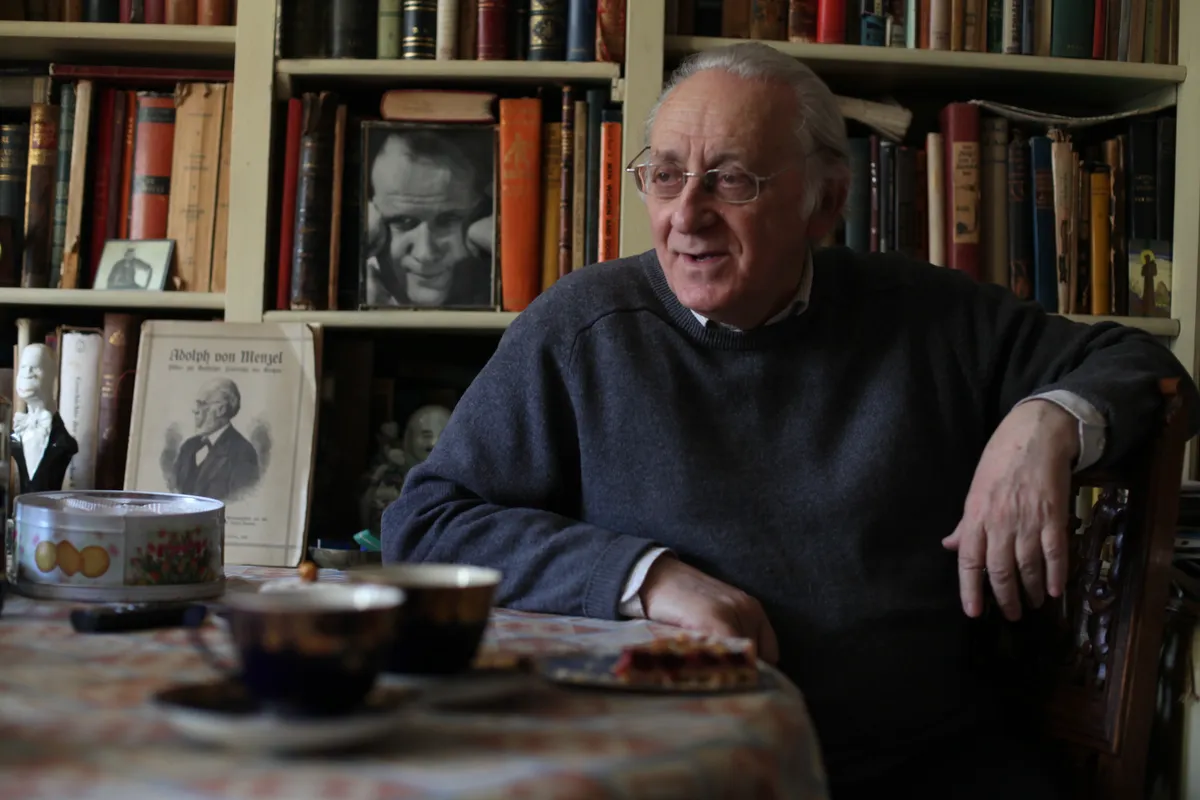
- Naum Ikhilievich, “guns shoot”, and the State Film Fund begins the archival cinema festival ... Do you think museum should not be silent for this time?
-In fact, the saying is not true, because the muse can speak differently, but they always say. Even when they are silent. The ancient Latin proverb “when they are silent - scream” - that very case.
- And we can say the opposite: when the muses are silent, the guns begin to speak. It seems that the muse was silent for too long, without raising serious discussions in society.
- It’s just that sometimes we don’t hear them, and many years later we find out that important prophecies missed the ears. I remember that in Soviet times it was believed that all poetry took place somewhere, then it turns out that everything was: both poets and poetry. Nothing disappears: sometimes the river goes underground, and then comes to the surface.
- Your program “Problem films of the problem era” at the II Moscow International Festival is just such a river. You do not take the Golden Age - the twenties with the discoveries of Eisenstein, Feksy, Pudovkin, Kuleshov - and the beginning of the shower thirties. Then all these revolutionaries shot relatively modest, quiet paintings, which the current wide audience is not even aware of. It seems that their authors tried to match the time ...
- And their films were recognized as failure.
- And “one”, and “ice”, and “general line”, and “horizon” - modern paintings with expressive heroes. Take at least the horizon. This is the surname of a poor watchmaker who dreams of life in beautiful distant America and disappointed in capitalist paradise.
- All these paintings are significant today. This is a transitional movie when the criteria change. Yesterday's - seem outdated, the new ones have not yet settled. And what does not correspond to established ideas is declared failure. This is not a new phenomenon in the history of art, when Bach is forgotten, then it suddenly turns out that Johann Sebastian Bach was more significant than his sons. The same thing with Shakespeare, who, it turns out, is not quite a barbarian, but something else. And cinema must be reviewed. It is not to question the films, but by the criteria by which they were tried. To understand why these paintings were a necessary link in the development of cinema, and sometimes they ran far forward. With this program, we wanted to say that it is impossible to make a sentence to art: tomorrow there may be a different point of view and another assessment.
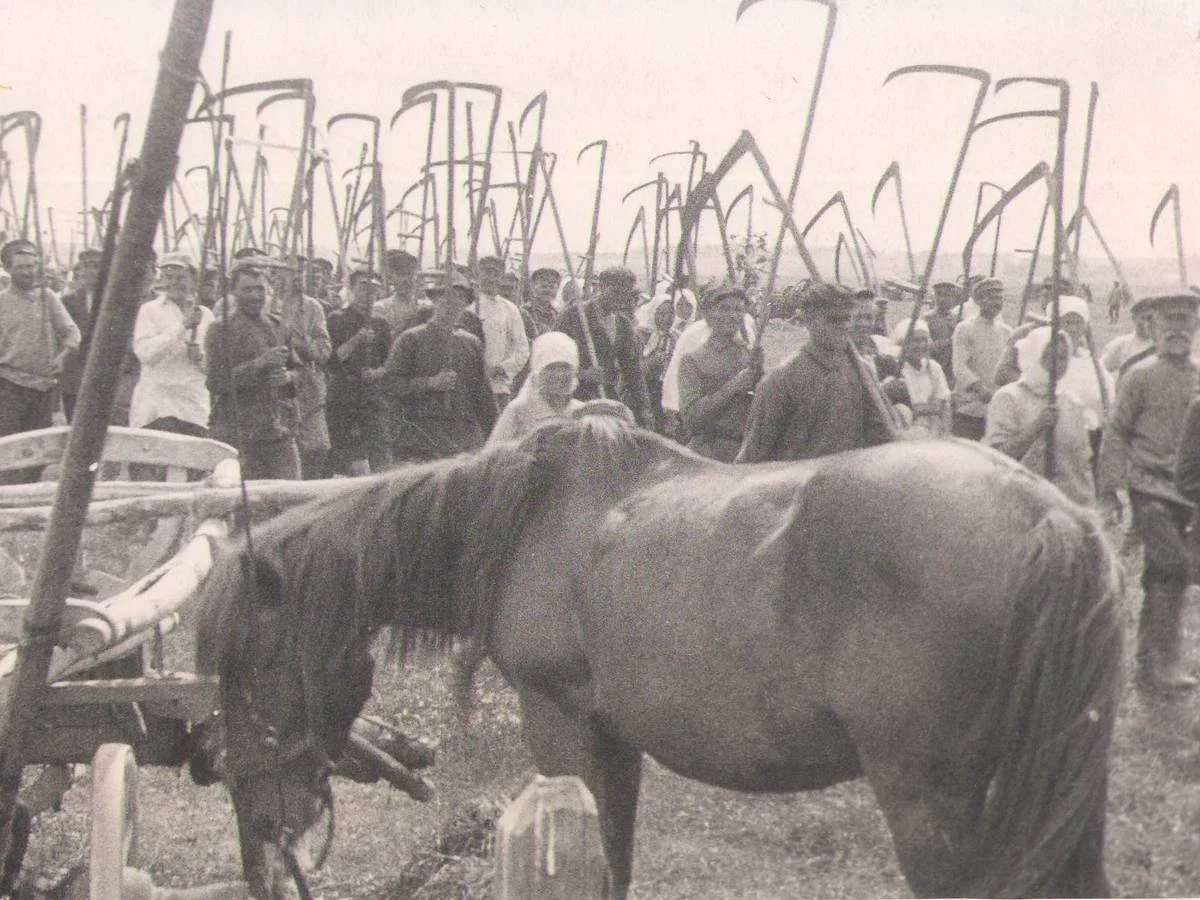
- But the dramaturgy of many paintings is based on a tough ideological skeleton: for example, the fight against kulaks. We know what the price of this struggle was really. Is there any harmful cinema in this talented cinema?
-Firstly, no one could even imagine how to get around with the kulaks. And when we watch this movie today, we understand that collective farms were not met with open arms, the legend was debunked that all the peasantry was happy to support collective farms ...
- Like the Hasmless peasant Martha from the Eisenstein “General Line”.
“But Martha is not from the collective farm.” The fact of the matter is that the film spoke of something else: collective farms are included in the titles of the film "Stalin", but in fact, Eisenstein Martha Lapkin organized a cooperative. This is the Chayanovsky form of cooperation, where the property of peasants on land, on cattle, on cars and on labor products remain. Very similar to future Israeli kibbuts. And Barnet, who, it would seem, is not Epic, made the film “Ice” about the contradictions of the era.
The picture with such a nicer, even tragic intonation allows other eyes to look at the dispossession process. This is not the subordination of the artist of ideology, in my opinion, but an attempt to understand the context of what is happening.
- And at the same time to see that this period in the history of cinema is not the “twilight of the gods”, as they called him at that time.
- Rather, an attempt to “gods” to find new landmarks. The same applies to the Fekses who left their experiments, have not yet come to the trilogy about Maxim. Their painting “One” belongs not to the 30th with all its system, it completes the 20s.
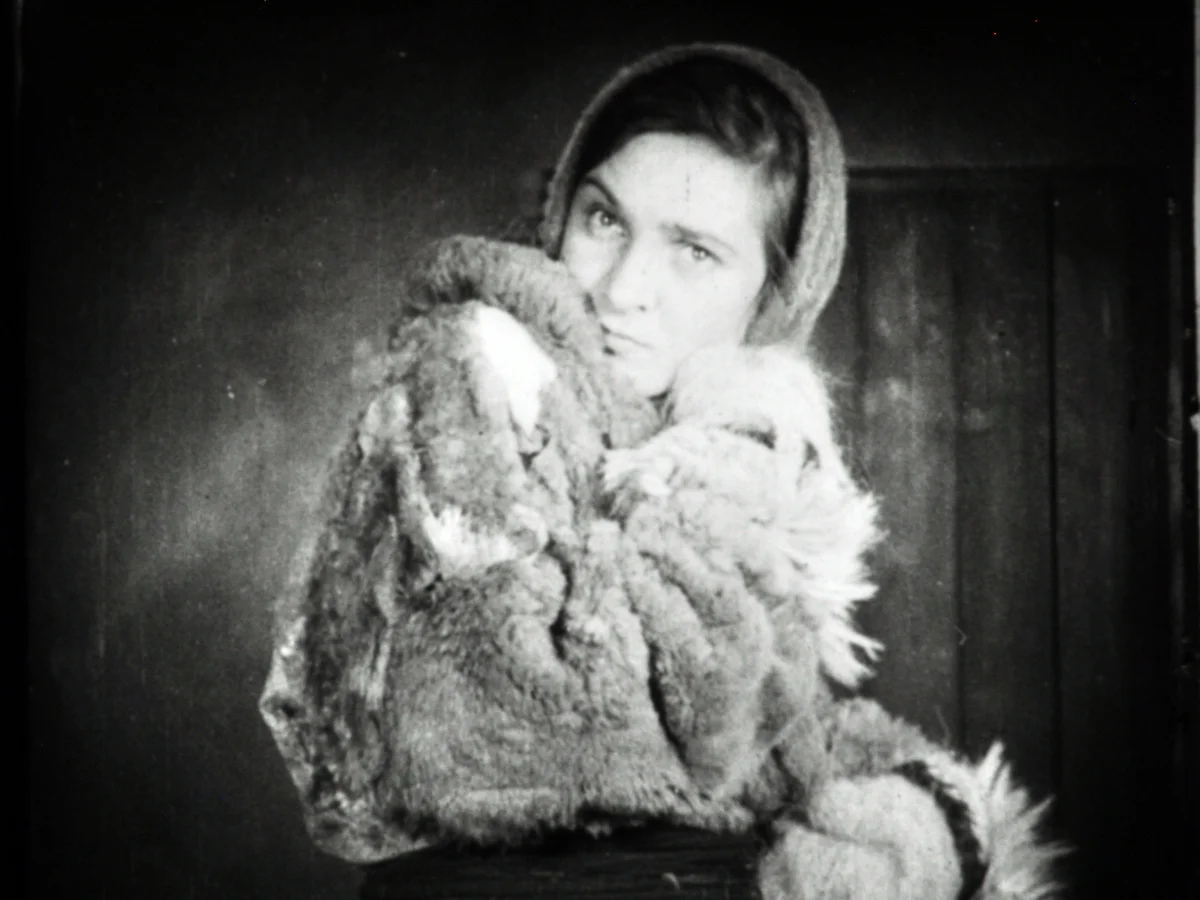
- “One” is a film with air, amazing attentiveness to the characters. Especially to the heroine - a metropolitan student who is sent to teach shepherds in Altai. So many nuances, as if the directors were filmed "thaws." She also predicted the “first teacher” by Konchalovsky.
- This is another dimension - prediction. Why today you can see that these films overtook their time, looked far ahead. Pudovkin's “simple case” is broken out from an ideological measurement into a personal one. Combat comrades, husband and wife - diverge: it turns out that there are other grounds for love and hatred, not only class.
- We live in a special country where life is circling with repeating loops. And today, harsh ideological attitudes are again: "Who is not with us is against us." How to be filmmakers when the matter of their life turns into an ideological front?
- I do not think this is an ideology. There is no ideology, there are only pulled ideologems from the old ideology that has long been fucked. And ideologems are temporary. They just don't have to follow.
-For some reason, there are always those who want to actively participate in this.
- Well, it always happened: there is always a person who wants to immediately make a career and make himself personal happiness in a dubious field. And what? We know a lot of examples that these are all quickly fading ... not flowers, weeds.
- In that movie there was a myth, faith in a fair bright future. Today the myth is in demand today. What do you think, than the mythology of the current cinema-the heroization of the past, the feat-differs from the myth of the 30s in the films that you show?
-Well, firstly, this is the border of the 20s and 30s, where the myth of the revolution, which is really directed into the future, and not in the past, is still alive. This is the difference between these two myths.
Those were futurists who dream of a beautiful, fair future, and these are trying to construct a certain simulacra from an adamant past - without any idea about the future. This is a stillborn mythologist.
-That is, they were Modern innovators, and these are archaic?
- No, they are just dense. Archaic is still based on a deep tradition, on a system of views. And here are separate thoughts pulled out of context, which the systems do not make up, and therefore the machine does not go.
- I do not quite agree with you. The design from the mythology works. At the beginning of the tenths, the new doctrine of Russian culture initiated by Medinsky as a special civilization with special values, separately from the Western world, was represented. And we see what this led to.
-Similar doctriners are hackers, they are not scientists, not even artisans. And they are not generated by ideology (system of ideas), but an artificial “concept”, consisting of a set of three or four one-dimensional thoughts. Such mimicry can give any masterpieces under ideology. While in revolutionary mythology a number of masterpieces grew up. What is it connected with? The humanistic message was preserved, the ideas of freedom, equality, and fraternity were breaking through prohibitions and censorship - this was a legacy of the humanistic traditions of world culture, including Russian literature, painting, music. The current imitators do not have a humanistic message - only greed and swagger.
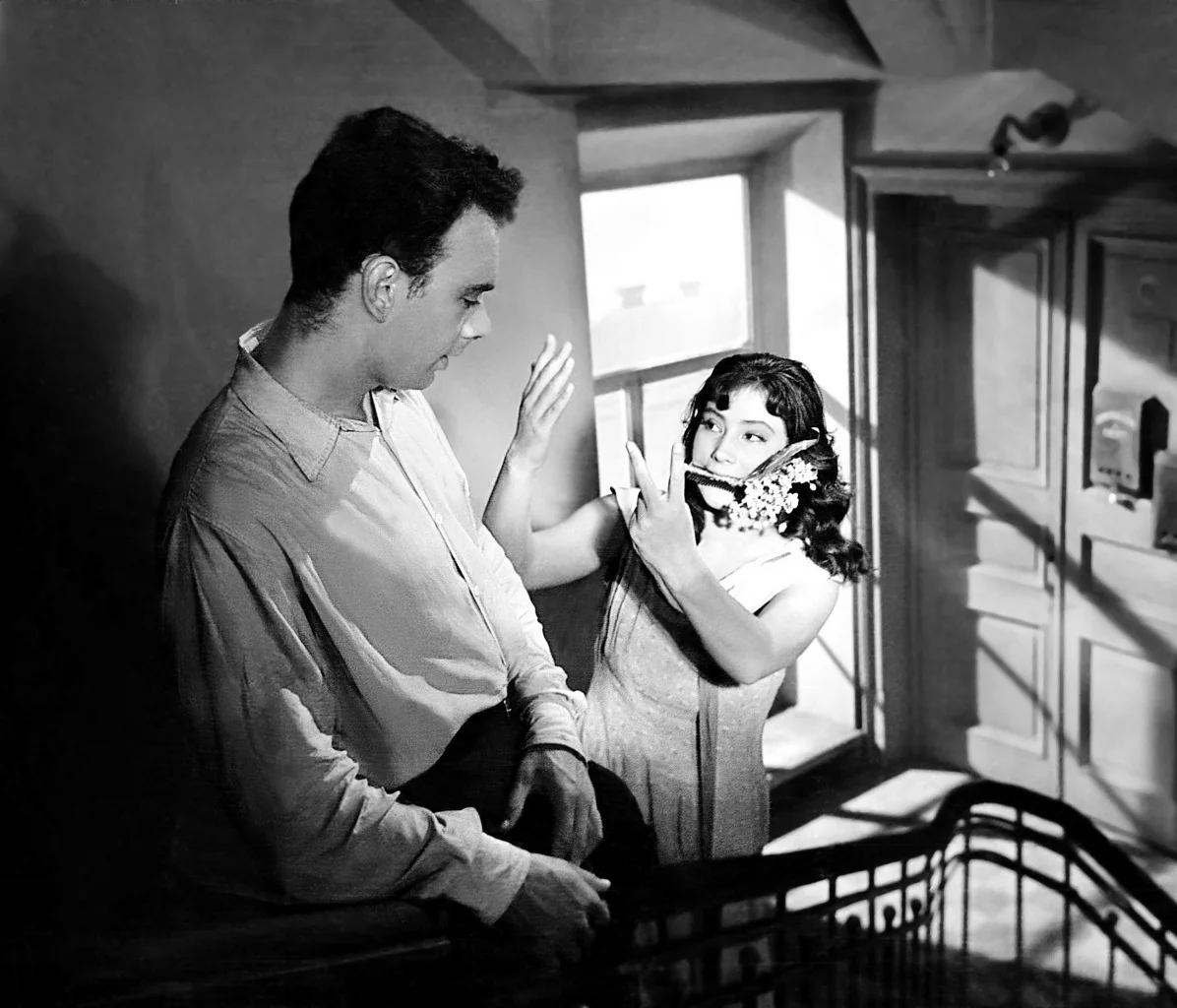
- The most powerful paintings of the Soviet era were antimilitarian messages. And the “outskirts” of Barnet, and “Cranes” fly, Kalatozov, and “Forty -First”, “Ballad of the Soldier” Grigory Chuhrai. And in general, can cinema call for violence?
- No, never. Real art has never called for violence. Could show the horrors of war, like Goya. The art of a militaristic character ceased to be art, turning into an agita - to help, say, the reigning house or government click, or when it was already difficult to survive the defeat, it became a crutch. Any militaristic art can be a crutch, nothing more. But this is a sign only that the state is wounded, crippled, became an incompetent disabled person.
Any epic (from “Gilgamesh” to “Shakhnamy”), any classical tragedy - ancient Lee, Renaissance - are based on crying for the victims of the war of peoples and enmity of people. Is the Iliad - not crying for the dead heroes of both warring parties, in fact - according to the dying civilization? It would seem that objectified, as if devoid of fresco addictions. But no, nothing like that. There are equally mourn the heroes (patron, Achilles, Hector), and kings, and ordinary Trojans, and Greeks ... The whole epic poem is the heiress of mourning crying, which were the result of wars, but it does not call for war at all.
- “The Word about Igor’s Regiment” is based on ritual memorial crying.
- Certainly! This can be seen in all cultures: in the West, and in the east, and in antiquity, and in modern times ...
- But traditionally, during hostilities, art helps the front.
- Art protects the human beginning on the side that struggles for this. Note that Nazi Germany could not produce a single masterpiece.
- But what about Leni Rifenstal?
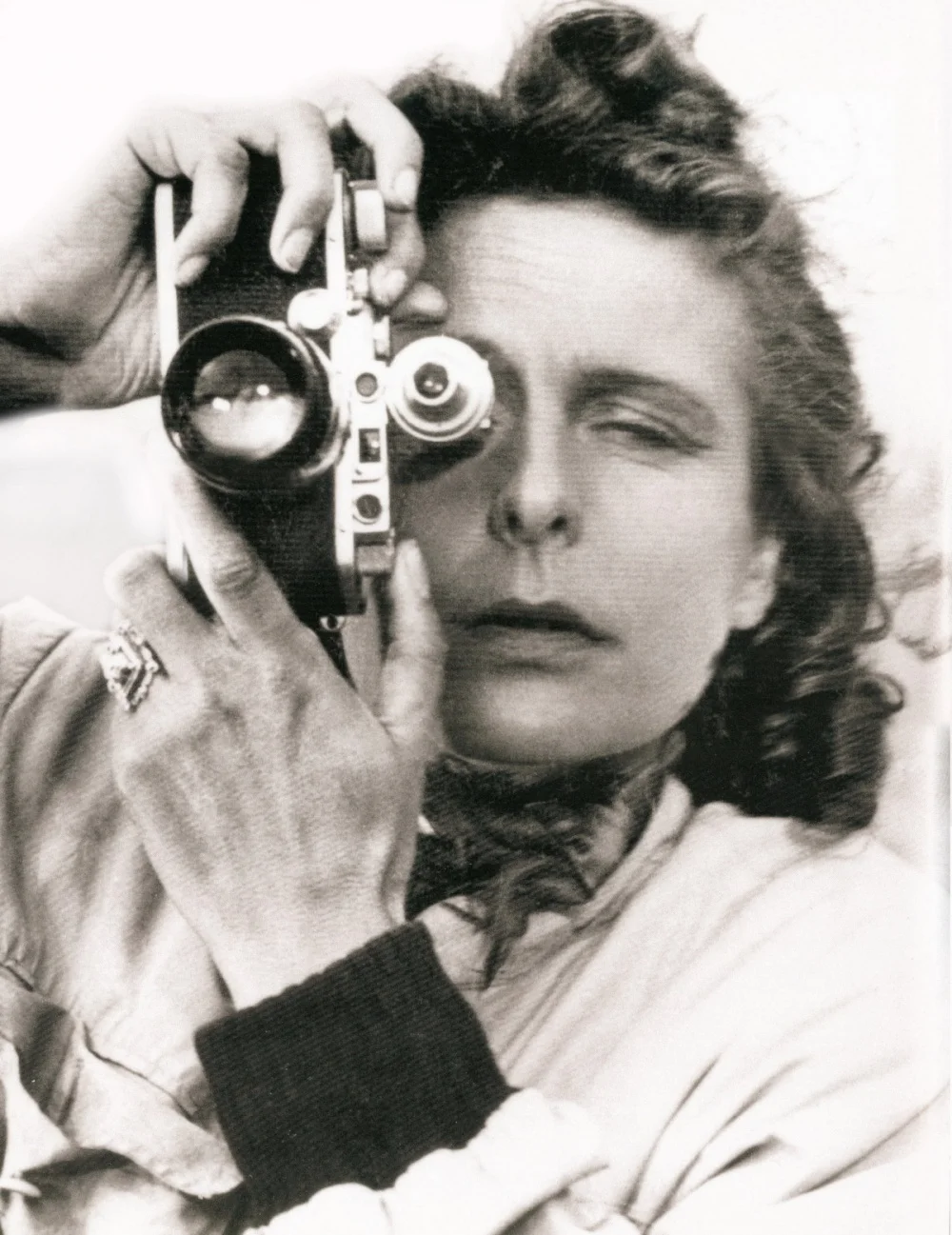
- And who is Rifenshtal? The impudent imitator, she simply grabbed Eisenstein's “Potemkin’s discoveries” - the rhythm of the mounting style and graphic image. But at the same time, she unfolded the camera and sided with not innocent, unarmed sacrifices, who were killed, but to the side of the punishers who walk along the Odessa staircase: in the “Triumph of will” she sings a militaristic car that bears death. In Olympia, Walter Routtmann, the author of the masterpiece “Berlin is a symphony of the big city”, was standing behind her, and the plastic of her film is based on the style of silent German films about sports, in particular, “The Way to Power and Beauty” (1925), Wilhelm Prager. Rifenshtal as a director is a clever epigon, she turned out to be inside out other people's discoveries. Capable, of course. Many were capable of, but they did not create anything outstanding.
Even the only film of the Third Reich, which can be called a masterpiece - “Munchausen” (1943) - was created according to the script of Erich Kestner, in fact the anti -Hitler opposition, in the credits of the not indicated.
- Hamsun was called a flute in the hands of the Nazis.
- And what did he create after he supported the Nazis? Everything was significant before he became infected with a “brown plague”.
- Previously, the cinema was “mass art”, but today it is either mass or art. Moreover, there are fewer art. Can it disappear even?
- The true does not disappear and does not disappear, this is the law of preservation of aesthetic energy. Now they say that the “Oedison principle” defeated the “Principle of the Lyumier brothers”. Lumier and Edison created two systems of perception of a moving image: Edison looked at each viewer into his kinetoscope, throwing a coin there, and the Lumier made a projection in the hall for many spectators. For some time, the cinema of Lumier defeated Edison. Then a TV appeared, then a video, now they are watching a movie on a computer or mobile phone - “On Edison”. But it turns out that all these series (and those who just kill time and good ones) still create a virtual “team of people who looked” ... This is dispersed, but still collectiveness: people look alone, but exchanging opinions (“What is there in the last series of Boris Khlebnikov?”), Discuss the series in the networks. This is a collective, it would seem, loner, but these are millions of spectators. And good TV shows have long been a real movie, but not novels, but novels. On the other hand, collective views are being revived. Throughout the world, film clubs began to appear again, and by interests: a movie about nature, about women, about gender problems, science fiction. Collective views have acquired other forms: synematerates work, specialized clubs are developing ... However, cinemas collect considerable income.
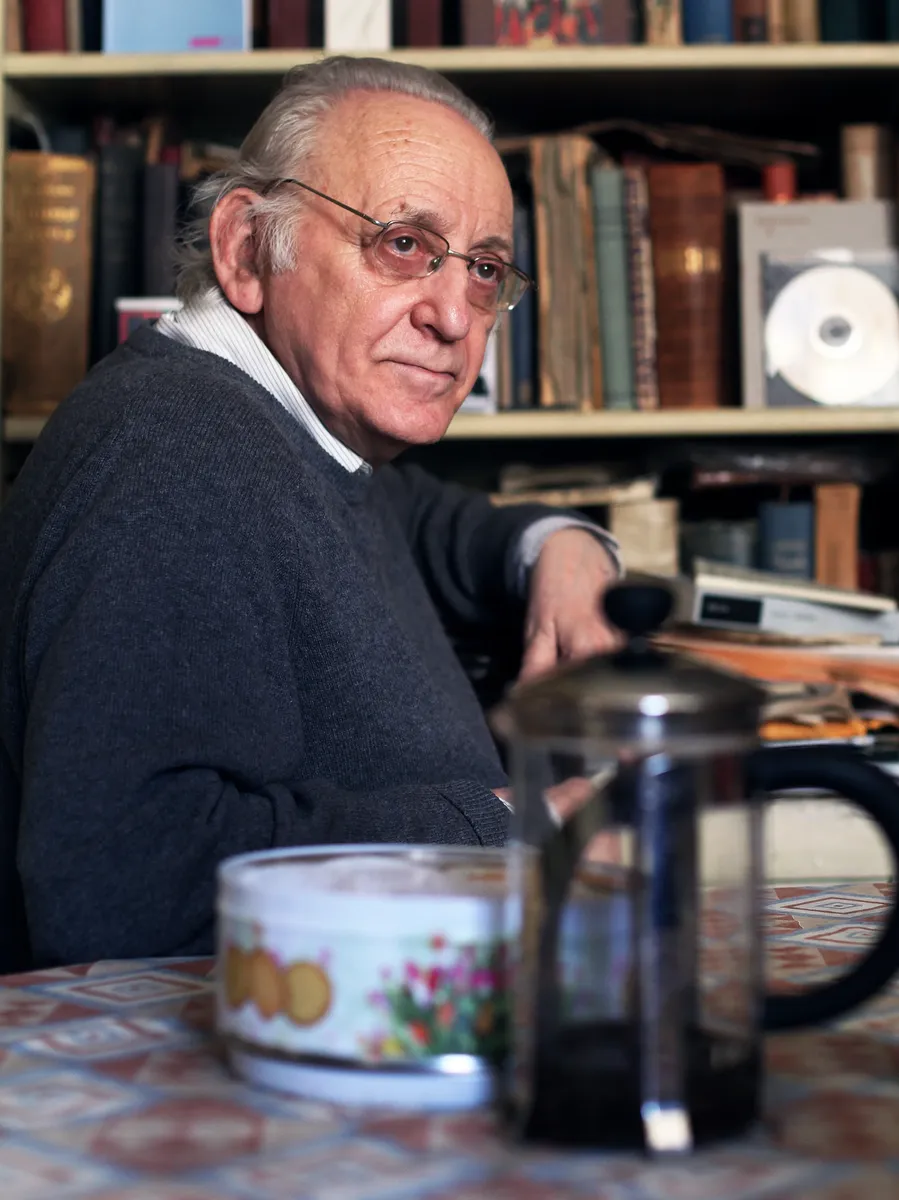
- I just returned from St. Petersburg from a conference dedicated to Balabanov. It turns out that the young audience is interesting not only to watch a movie, but for several days to listen to reports, ask questions.
-The guys from Tula, Arkhangelsk, Yekaterinburg, who are watching a movie, show me, ask what else to watch, begin to shoot themselves ... that is, a new phenomenon arises, the creative audience gives some other tonality views ...
- Maybe in dramatic times, people have a desire to gather, speak, and just hug each other.
- This is an attempt to find a common denominator. The need for the existence of civil society. In a situation where, outwardly, the society, it would seem, is disconnected and destroyed, nevertheless it is formed and exists at least at the level of such neural connections.
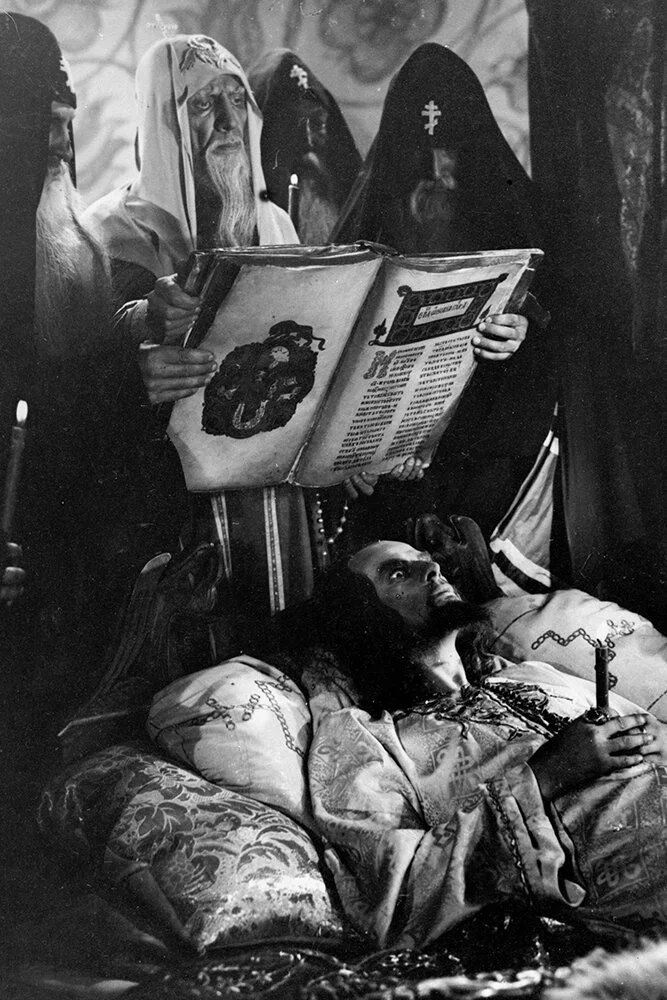
- I want to ask you about a story that you can, as it seems to me, to study with the help of subtle cinema settings. Sometimes a game cinema tells us a million times more than a chronicle, newspapers. For example, “Ivan the Terrible” Eisensteinovsky or “Mother” by Pudovkin. We begin to understand something important about time. Not only about the times of the oprichnins or revolution, but also about the times in which these paintings were shot.
- Each work of art is actually a multi -valued formula under which we substitute our new readings. One way or another, this applies to Pushkin, and Shakespeare, and Sophocles. It turns out that they talk about their time and about future times.
- No chronicle will immerse me in the air of the Khrushchev thaw, like Khutsievsky, Spalikov paintings.
-I once read literature about the time of the Popular Front in France, I was interested in what was happening there on the eve of World War II, when it seemed that France could become the “left” republic, the “antidote” of the fascism of Italy and the Nazism of Germany. The comedy Rena Cleor and Jacques Fader, and especially the films of Jean Renoir, helped to feel her atmosphere: his “Marseille”, for example, seems to be about the French Revolution of the 18th century, but he clarifies a lot in the era of the Popular Front of the twentieth century. The same with our history. When it became clear that time has been subjected to a new test and revision of previous ideals and hope that the world is changing fatal, the best old films can explain us to the then and enlighten us today.
- I want to ask: it seems to you, is there any guilt of cinema, the fault that Mikhail Romm felt after his trilogy singing Lenin, is there a cinema guilt in creating new ideologies that are spreading today?
- I think that the cinema itself is not to blame for anything, unless the evil intent or impudent speculation is laid down in the films ... The cinema lived for a long time a sense of power and the inappropriate boundaries of its art - the only, seemingly adequate life itself. But such pride was not confirmed: the movie should not exaggerate its "adequacy". No art can claim the exhaustion of reality, like any science, “accurate” or “humanitarian”.
Only a set of sciences and arts, along with theology and ethics, philosophy and state-public practice, gives a reliable sensation and understanding of time.
- If you are ready for work of understanding. And if you are an ordinary person, you are constantly shown films with Gelovani - a delightful Stalin in a white tunic - you begin to love him as a movie star. And that means this movie sows not good, not eternal ...
-Unfortunately, not only cinema, but also the songs “About Stalin’s wise, dear and beloved” ... I remember how we were forced to sing all this at school ... Well, of course, in some brains, and in some were dispelled like a dream. A month after the death of the “leader of the peoples,” his cult began to melt as an absolute maxim. Of course, on filmmakers (as well as on figures of any art) there is a moral responsibility for the result of his work. I will never forget, like Mikhail Ilyich Romm, while working on his last documentary (who, after his sudden death, was completed by Marlene Khutsiev and Elem Klimov under the name “And I believe”) told me that the night before, he dashed one episode, which looked very believable, and the next day a new material was discovered, and the episode was completely mounted. Again he looked like "the truth itself." Mikhail Ilyich exclaimed bitterly: "How terrible art we are doing!"
- And then the artist focuses on moral and aesthetic boundaries, recognized by himself?
- Ethical - not borders, but, say, internal attitudes, but aesthetic boundaries - yes, they are. And there must be an understanding that you are not the Lord God, you cannot scoop the ocean of reality. It seems important not to exaggerate the possibilities of art in general and its own in particular: it is not absolute. No matter how we repeat the “Cinema - the most important of the arts”, no matter how my dear Sergei Mikhailovich Eisenstein claims that the movie is the legal heir to all muses. I must admit that the cinema cannot convey what the static still life of Surbaran or Morandi carries: you look and imbued with such an experienced that no film will give you. Nothing will replace this property of painting: color, smear, chiaroscuro, composition. When you listen to Bach, not a single film will give you such a mental films as “Passion in Matthew”.
— Ну а если, например, Бах звучит в космическом пейзаже «Соляриса» Тарковского — они словно заключают высший союз.
- Certainly. Но музыка включена в контекст, она не звучит сама по себе. Андрей Арсеньевич взял Баха в помощники и очень опирался на него, чтобы создать у зрителя нужное настроение — вернее, состояние души.
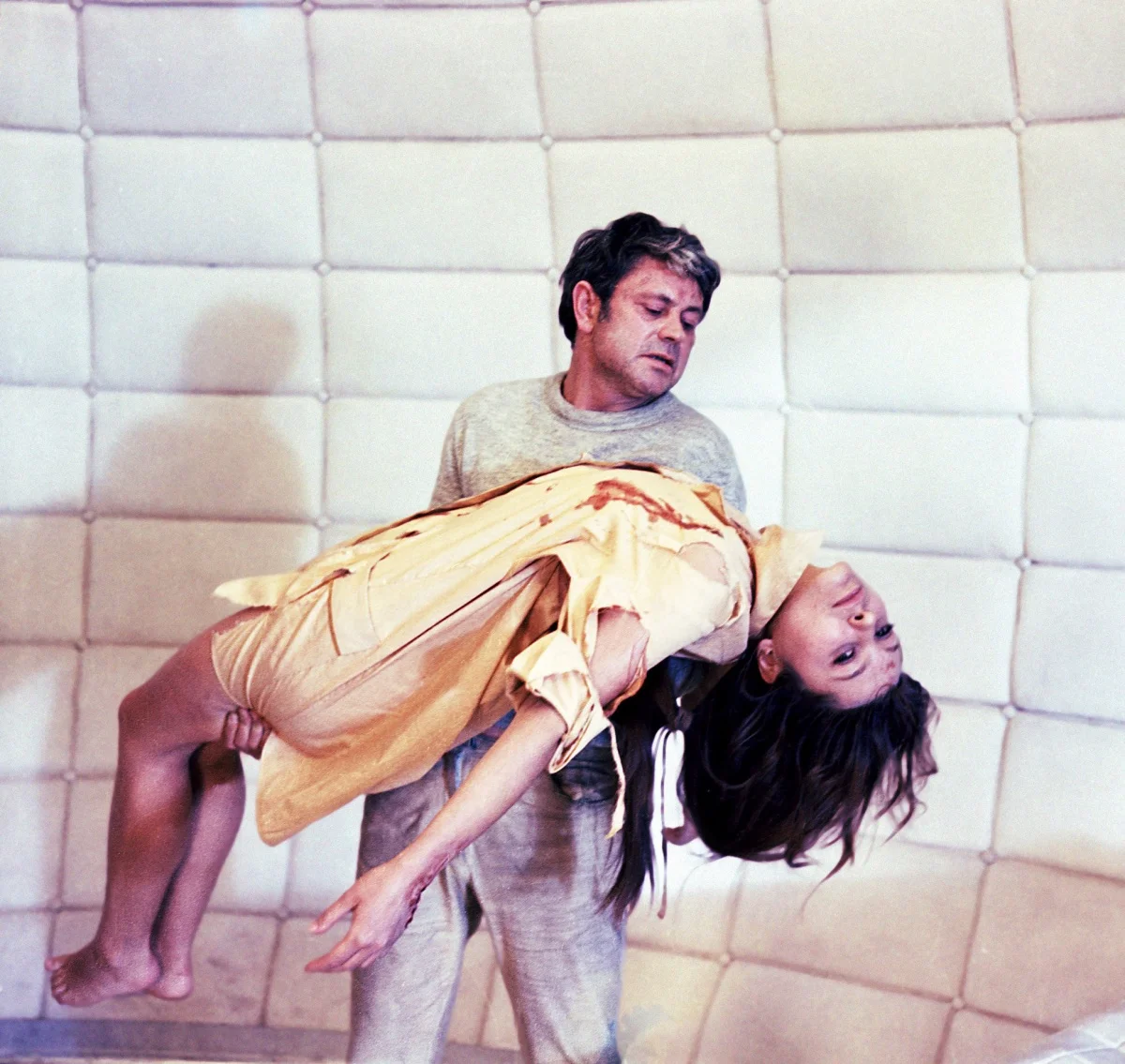
— В самые разные времена некоторые режиссеры считали, что кинематограф способен изменить мир. Такие, как Лоуч или Дарденны, и по сей день так считают. Насколько это утопическая идея?
— Это опять же вопрос степени. Конечно, смешон абсолютный максимализм: весь мир изменить — нет, не может, а что-то в мире изменить — может и должен. And this happens. Мы знаем, как итальянский кинематограф спас фактически нацию, внушив ей надежду. После поражения Италии в войне замечательный драматург и режиссер Чезаре Дзаваттини предложил спасительную идею: по радио читать имена всех итальянцев подряд, чтобы они воспрянули духом… Чтобы знали, что они есть на свете — и они замечены. Кинематограф неореализма сделал фантастическую вещь: показал достоинство в несчастье, в беде, в падении, в трагедии заблуждения и поражения, он помог возродить достоинство нации, показать нравственное содержание обычного человека, а не каких-то выдуманных «героев». В Германии после войны кино не сразу обратилось к корням национальной трагедии, оно как будто затаились, лишь немногие (Штаудте, Койтнер) пробовали понять истоки нацизма, принесшего миру катастрофу мировой войны. Только через четверть века поколение Клюге, Шлендорфа, Маргарете фон Тротта, Херцога, Фасcбиндера и многих других пришло к осмыслению и к покаянию, спасительному для нации.
— Мы знаем, что во времена застоя была «полка», но в советскую эпоху ссылали и запрещали фильмы за смыслы. Сегодняшняя новая «полка» — это самые разные, подчас совершенно безобидные картины и сериалы. Просто их авторы либо уехали, либо что-то написали в соцсетях антивоенное. Все повторяется как фарс, даже «полка». Как вы считаете, несет ли кинематограф ущерб от того, что большой пласт фильмов изъят на время?
— Конечно, это всегда ущерб. Бывают ведь не только идеологические запреты, но и диктат моды. Что произошло с Шекспиром? Его пьесы с «горами трупов» в финалах вроде бы на время устарели, а милые, добрые мелодрамы Бомонта и Флэтчера были востребованными, их ставили вместо трагедий. Потом пришла эпоха милого, нарядного Рококо, потом — время рационального Просвещения (как раз в эту эпоху Вольтер именовал Шекспира «варваром»).
Но Шекспир, Бен Джонсон и прочие елизаветинцы не исчезли, а ушли под землю, как реки, и текли в будущее. Они вышли на поверхность в эпоху романтиков, которые их вернули миру и укоренили в истории навсегда. Так происходит с любым искусством.
Вспомните, иконопись исчезла при Петре. Это же не советская власть ее запретила. Петр привез из Европы светское искусство, и по многим причинам икона стала лишь предметом культа, перестав называться искусством до конца XIX века! Странно представить себе, что Пушкин не знал ни творений, ни даже имени Андрея Рублева (в то время оно было упомянуто один раз в «Истории» Карамзина, в примечании, что Иван Грозный повелел всем писать «Троицу», как Рублев). Вместе с Рублевым культура России на рубеже XIX и XX веков обнаружила целую московскую школу иконописи, да еще новгородскую, псковскую, тверскую школы, потом ярославскую, северные письма… И стало возможным прикоснуться к огромному явлению мировой культуры, увидеть отличие русской иконы (и фресок) от греческой, византийской, сербской, болгарской… И ведь это богатство не только вынырнуло в виде самих икон и фресок, но и обернулось революцией Малевича, обновлением Матисса, открытиями Петрова-Водкина — и, кстати, кинематографом Эйзенштейна и Тарковского (у каждого в своем контексте).
— Вы говорили, что наши нынешние проблемы и трагедии копились веками. Но тогда это прекрасное оправдание для политиков: мол, такова логика развития событий.
— Нет, это не значит, что никто не виноват. Политики виноваты в том, что делали ставку на ошибочные решения, принимавшиеся в течение многих веков. В каждой эпохе были важные развилки, куда двигаться. И тот же самый Александр I мог бы идти по линии реформ Сперанского, а пошел в другую сторону. Александр II, воспитанник Жуковского, начал реформы, но не успел их продолжить.
Александр III с самого начала был реакционером и не видел никакой альтернативы сильной власти. А Николай II во время революции 1905 года обязан был принять действенную Конституцию, но фактически обманул всех, и переворот 1917 года — во многом его вина.
Конечно же, виноваты люди, которые в каждую эпоху выбирают тупиковый путь. Но нужно понимать: нынешняя ситуация не является результатом воли одного человека. Есть целый ряд травм и предубеждений, глубоко укорененных, нам надо будет ими переболеть. Думаю, что наша главная проблема — создание полноценного гражданского общества в конституционном сотрудничестве с эффективным государством, которого сейчас, по сути, нет, оно имитировано избыточным набором институций с противоречивым законодательством, а общество превращено в бесправную общность подданных. Придется всем миром решать, что с этим делать.
— Вместо консолидации общества — тотальное недоверие всех ко всем, которое воспитывалось на протяжении многих лет.
- Certainly. Помню, как это было во времена Сталина. Нас уже в школе приучали к тому, что мы окружены врагами. Не только за рубежами страны. «Врагами народа» были и политические заключенные, и так называемые спецпереселенцы. Почему мы — ссыльные — враги, чьи мы враги? Соседям по улице? Соседу по парте? Идея была укоренена, думаю, с очень ранних времен и не только у нас:
вспомним, что формула «враг народа» есть даже у Ибсена. Но у нас она определяла государственную политику.
— Да, так называется его известная пьеса с актуальной идеей о том, что большинство не всегда право. Но при этом, когда начиналась большая беда, люди помогали друг другу, делились кровом и едой с эвакуированными. Вот и сейчас: с одной стороны, доносы, c другой — люди помогают обездоленным.
— Потому что человеческое начало может затаиться, но никуда не исчезает. Лучшие качества человека пробуждаются в беде. Почему люди во время войн не болеют, например, простудой? Мокнут, мерзнут и не болеют гриппом.
— Стрессовая ситуация поддерживает иммунитет…
— И еще это моральное внутреннее противостояние. Разве удивительно, что и сейчас стали проявляться не только худшие, но и лучшие человеческие качества, желание идти навстречу другим людям? Другое дело, что у нас потеряно ощущение цели. Вот это действительно трагедия — ощущение себя как потерянных в тумане, в тотальном обмане: нас надули в 90-е годы, и значит, любое будущее — тоже обман.
— Когда будущее — обман, значит, его нет. Чем можно обнадежить людей, боящихся заглядывать в будущее?
— Я думаю, что полагаться можно только на одно — человеческое начало. Помните, у Булгакова Иешуа говорит: «Злых людей нет на свете, есть только люди несчастливые». Над ним смеются. «Добрый человек», — обращается он к прокуратору, и за это его избивает Крысобой. Но Иешуа стоит на своем. Думаю, что даже в самые мрачные времена жизненно необходимо верить в то, что человек добр по природе, и это убеждение надо в нем пробуждать — как велел поэт — лирой. Мы ключевое слово «воспитание» выкинули на помойку, подменив его словом «образование». Вера в Добро — мощнейшая сила, она способна` спасти этот мир, захлебывающийся от злобы, жестокости, равнодушия и насилия.