
Translated material
War and compensation. The world is increasingly difficult to control warming
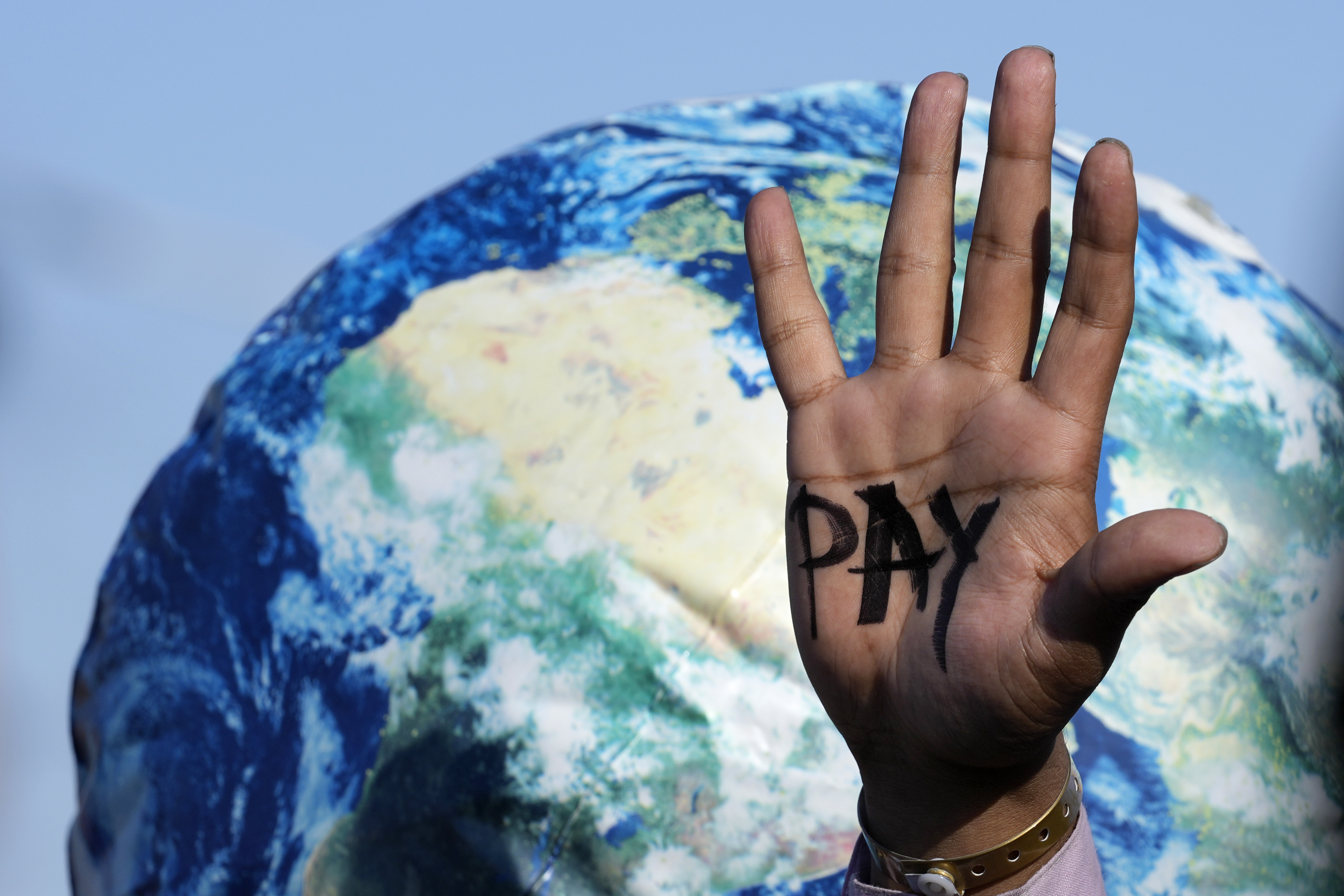
Last Sunday, the 27th annual climate conference of the UN ended in the Egyptian resort town of Sharm-Ash-Sheikh-it took place against the backdrop of the Russian invasion of Ukraine, and the war, its influence on energy and climate, became one of the topics of the discussion.
The main task of annual climatic conferences is to evaluate the current pace of global warming, adjust plans to reduce greenhouse gas emissions and formulate new approaches and tasks to combat climatic changes. Almost seven years have passed since the adoption of the Paris Climate Agreement, which was essentially a reincarnation of the previous similar agreement - the Kyoto Protocol.
The main result of the Paris Agreement was the decision to prevent the end of the current century of increasing the global temperature by more than 2 ° C compared to the level of the pre -industrial era. Moreover, the countries - participants in the agreement pledged to do everything possible to limit the rise in temperature within 1.5 ° C. The fact is that with global warming at 1.5–2 ° C, the modern climatic system still remains relatively stable, although in slightly different realities than modern ones. This is shown by both model experiments and the results of climate reconstruction relatively recent eras that we can consider as the climatic analogues of our future. By analogy with these eras, we can, for example, assume that a temperature increase of 2 ° C, although it will cause the complete or almost complete melting of the Greenland Ice Shield, but will be insufficient to melt Antarctica, where the main world supply of ice is concentrated. But if, due to the melting of the Antarctic Ice Shield, a huge mass of fresh water enters the world ocean, then a complete unbalancing of the modern climatic system may occur. The fact is that the modern climatic system with its characteristic hundred-thousand-up periodicity of the glacial-mezzanine crossings has finally formed relatively recently, only about 600 thousand years ago, and from that moment the global temperature never exceeded the values noted in the Parisian agreement as the maximum limit.

To achieve this goal, the Paris Agreement formulated measures and plans to reduce anthropogenic emissions of carbon dioxide into the atmosphere since 2020. At the same time, each country determines the obligations to reduce emissions for itself on a voluntary basis. From this moment, each annual climate conference is almost a reference to the Paris Agreement, as it considers plans to fulfill its decisions. After the previous, 26th conference, which last year in Glasgow, the countries should have adjusted their climatic strategies and submit their new plans for the current conference in Sharm Absch.
This year, the 27th Climate Conference of the UN was planned in Egypt for the period from November 6 to 18. But in reality, it lasted longer than expected. The situation turned out to be so complicated and tense that the debate, according to its final decisions, ended only on Sunday morning, November 20. The conference was attended by more than 20,000 representatives of more than 190 countries who were supposed to submit their updated plans to achieve the goals of the Paris Agreement. It was attended by American President Joe Biden, German Chancellor Olaf Sholts, French president Emmanuel Macron, Chairman of the European Commission Ursula von der Lyain and others. Despite this authoritative composition, many experts evaluate the results of the conference as disappointers, mainly due to the inability of the international community to agree on many key positions.

In essence, the conference should have been devoted to the revision of plans for climate policy and the consideration of new obligations to reduce the emission of CO2 in order to maintain warming within the notorious 1.5 ° C. However, only less than 15% of all participating countries really revised their climatic strategies. Moreover, not all of them took on new obligations to reduce the emission of carbon dioxide. Perhaps it is precisely because of the difference between the expected changes in the plans and the insignificant result that many conference participants expressed disappointment, strongly doubt that the bar at 1.5 ° C is achievable for humanity. As a result, the intergovernmental group of the UN experts to change the climate came to the conclusion that the global temperature by 2100 could increase by 2.5 ° C, and this is taking into account modern efforts in climate policy. To some documents adopted at the last KS-26 conference in Glasgow, such as a declaration regulating forest cutting, too few new signatures joined.
Very important and unexpectedly sharp topics discussed at the summit, became:
- Compensation payments for climatic damage that strong and wealthy industrial countries must pay poorer developing countries;
- The war in Ukraine and its consequences in the form of an energy crisis and an increase in tension in world politics.
According to the first of these two questions, which, incidentally, was not the main on the agenda of the conference, managed to achieve relative success. The so -called group 77 (G77), an interstate organization created under the UN in 1964 to protect the interests of developing countries, actually pushed compensation payments contrary to the resistance of industrial giants. As a result, it was decided to create a fund for compensation for losses and damage to countries affected by climatic disasters. Simply put, large industrial players should take off and pay money to lagging countries, since as a result of their economic activity, the emission of greenhouse gases increases and exacerbates global warming, from which weak developing countries suffer, most of which are located in the so -called Global South.
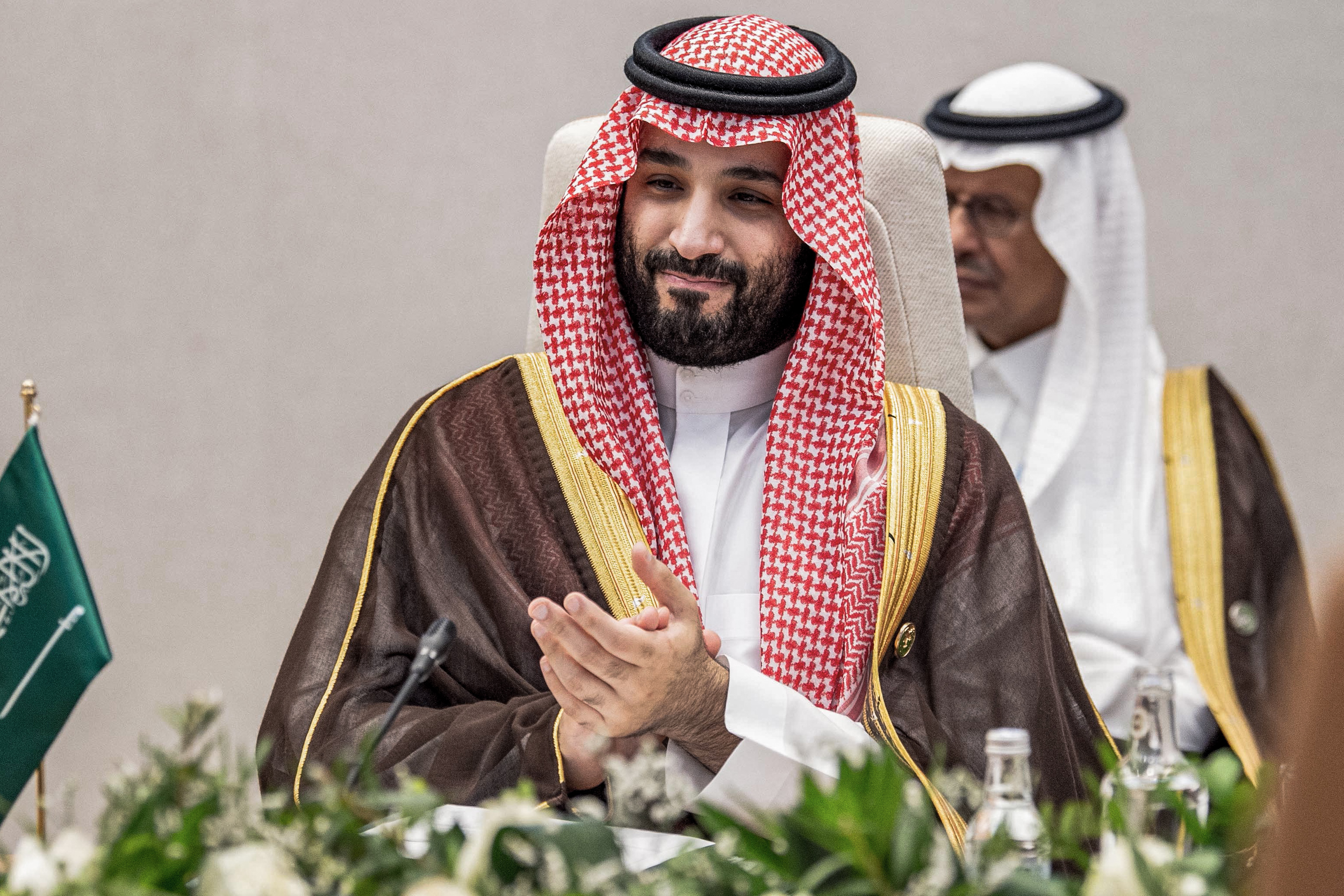
But to create this fund, one very serious condition must be fulfilled. Namely, the statuses of countries with large incomes that are still related to the group of developing ones should be revised. First of all, we are talking about China, Saudi Arabia and Russia. All these countries have a large income from the extraction of fossil fuel, and from the point of view of climatic realities, they are not victims, but violators. On the sidelines of the conference, it was discussed that if several decades ago, the main manufacturers of greenhouse gases were the most developed countries of the Global North, the situation has changed since then more than two times more greenhouse gases than the United States, and India is more than two times more than Japan. But neither China nor India are ready to fork out in favor of their neighbors suffering from drought, floods and fires caused by a global climate change. (By the way, the Supreme Leader of China Xi Jinping did not award the conference with his presence.) This gives rise to a logical question: who should be a donor for the new fund, and who will apply for compensation. In addition, now experts are concerned that money can be laundered through such a compensation fund, and therefore they offer to make its activities as transparent as possible. How exactly the Fund will work, the decision to create which the conference adopted is still unclear.
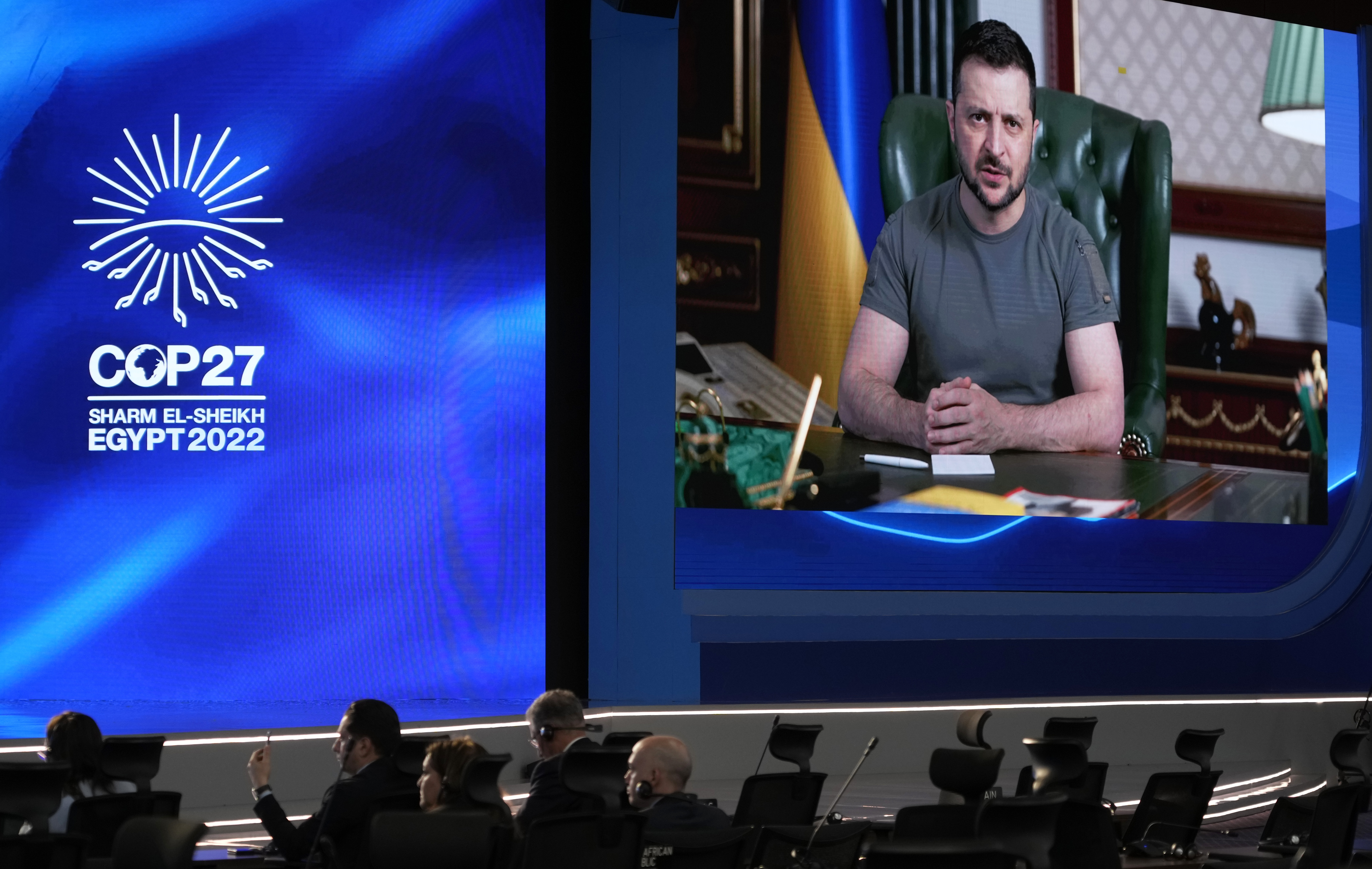
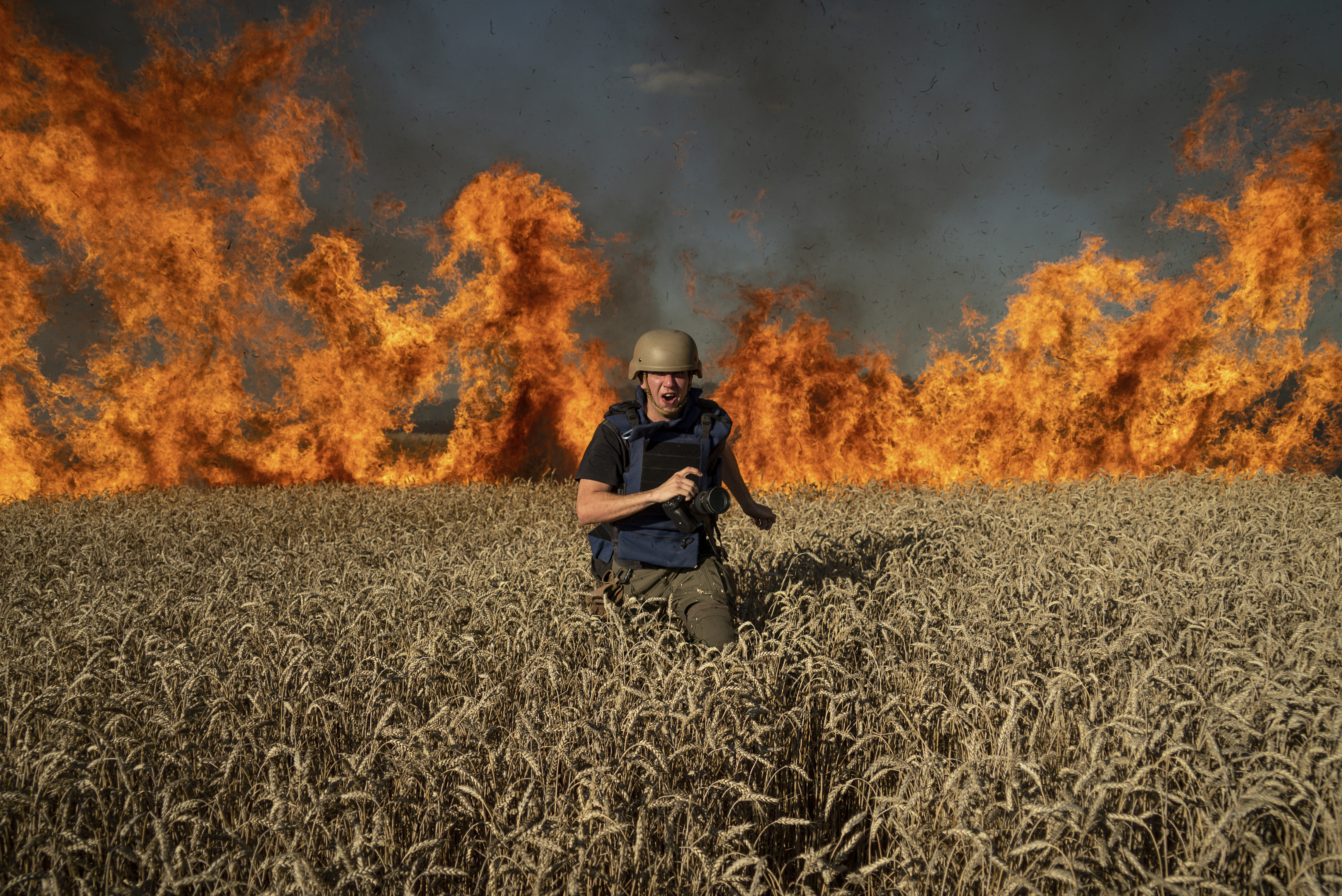
As part of the second topic, the war in Ukraine, questions were raised about the hydrocarbon trace of the war. The emissions related to military operations are significant, but usually not taken into account in the general calculations of the issue, and this aspect has not yet been presented at the UN climatic conferences. Bloomberg provides data obtained by the initiative group under the leadership of the Ukrainian researcher Olga Gassan-Zade, according to which the emission of greenhouse gases as a result of the war in Ukraine amounted to 100 million tons of CO2-Equally, which is equal to the annual emission of countries such as Columbia or Bangladesh. This value takes into account the emissions associated with the movement of refugees, fires, military operations, as well as a leak on the Northern Stream gas pipeline. But at the same time, the share of greenhouse emissions that will be accompanied by the restoration of the destroyed territories was not yet taken into account. And it may be significantly higher than the issue that took place directly during hostilities. On the sidelines of the conference, it was also discussed that in military activities, both in military and in peacetime, there may be 5% of all greenhouse emissions, which exceeds the total effect of aviation and shipping.
In addition, Russian military aggression in Ukraine exacerbated the global energy crisis, which began in 2021 as a result of the Covid epidemic. As a result of a reduction in Russian export of energy exports, oil prices and especially for gas last summer have grown very much, and despite the correction later, they remain high that the inhabitants of Europe have already felt. Therefore, the need for a turn towards renewable "green" sources of energy has become even more obvious. But such a U -turn takes time. Perhaps it will now happen much faster than earlier, but in the meantime many countries are forced to return to the use of coal extremely dangerous for the ecology.
At the same time, there was no significant decisions to reduce the emission of carbon dioxide at the conference, although this was precisely what was its central task. Countries that receive most of their income from the extraction and sale of fossil fuel did not support the idea of replacing it with other, environmentally neutral springs.
This year it became obvious that climatic policy now needs to be adapted to new world realities. It was difficult to come to joint decisions on a global climate policy earlier, now, during a great war in Europe and the energy crisis, this turned out to be practically impossible. The development of a climatic strategy, in which almost all countries of the world participate, is a unique and only project that unites people in achieving a common goal. While this project is stomping on the spot, nature does not wait and does not spare people especially. The last summer was a record hot with droughts throughout Europe, with waves of heat, forest fires and drying out full -flowing rivers, while a flood that flooded a third of this country and forced about 33 million people in Pakistan.
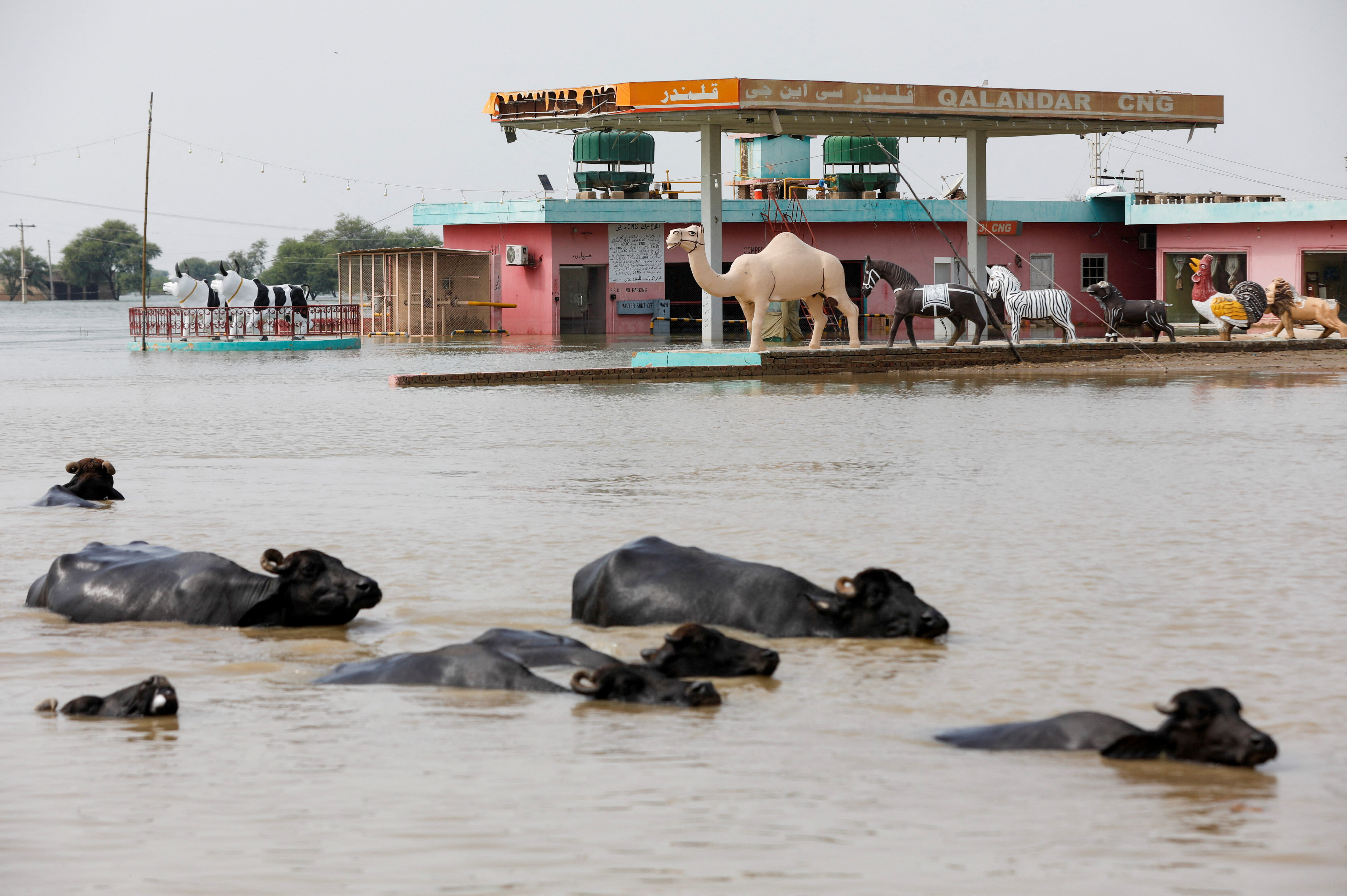
If humanity cannot agree and keep warming within two degrees, we have to be in completely new climatic realities, against which the current weather anomalies will seem insignificant.