Date
Author
Фабрис Депрез, Павел Дорогой, Айлиш Харт
Source

Preserved copy
Translated material
The Russians are gone. The water remained
Medusa publishes a report from Demidov-the Ukrainian "village-Hero", which was flooded in the spring of 2022 to stop the offensive of the Russian troops
Nine months ago, shortly after the start of a full -scale invasion, the Ukrainian military destroyed the dam on the Irpen River to stop the advance of the Russian troops. Irpenya’s vods reached Demidov, sat 40 kilometers north of Kyiv - they flooded dozens of houses and flooded the marshy lands, which half a century ago dragged the Soviet authorities. The Russians could not gain a foothold in the Kyiv region and retreated at the end of March. But the water remained. With the approximation of winter, the temperature began to fall, and the locals are afraid that the musty water will freeze and destroy the foundations of their houses. In addition, unpredictable winter weather can provoke another flood. At the request of The Beet, the French journalist Fabris Fabris and the Ukrainian photographer Pavel the road went to Demidov to see the consequences of the flood, which helped save Kiev.
This report was written specifically for The Beet - the new English -language weekly newsletter "Medusa". She studies a large region from Budapest to Bishkek and offers a new (not Moscow -centric) look at him. The authors and editors of The Beet are local and international journalists. To read the new issues of The Beet, subscribe to the newsletter - this is on this page or using the form at the end of the material.
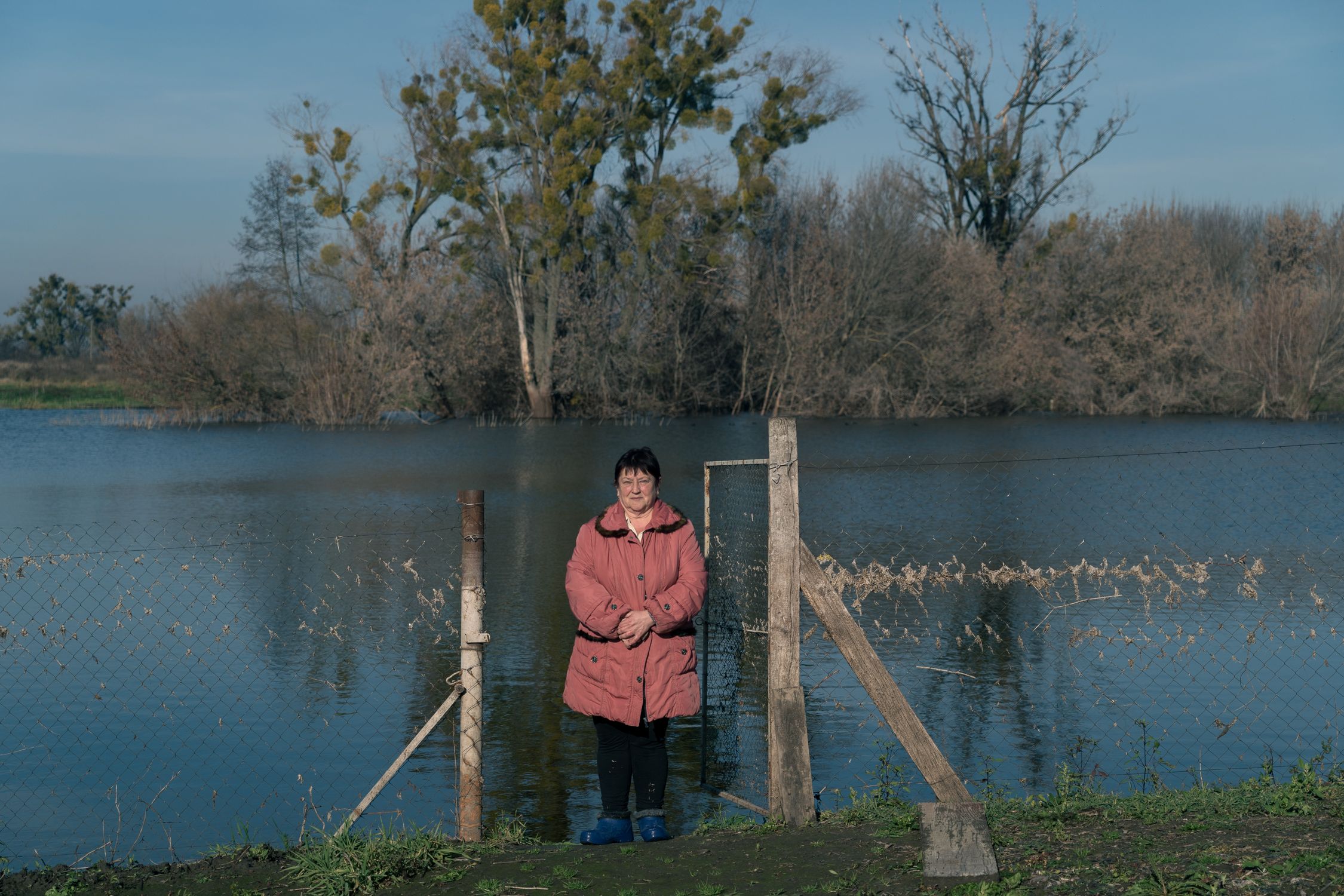
In early November, Svetlana Marchenko noticed that water appeared in her garden again. A 57-year-old resident of Demidova, sat 40 kilometers north of Kyiv, had already encountered this situation nine months ago. To slow down the advance of the Russian troops, the Ukrainian military in the first hours of a full -scale invasion blew a dam on the Irpen River, built near Demidov.
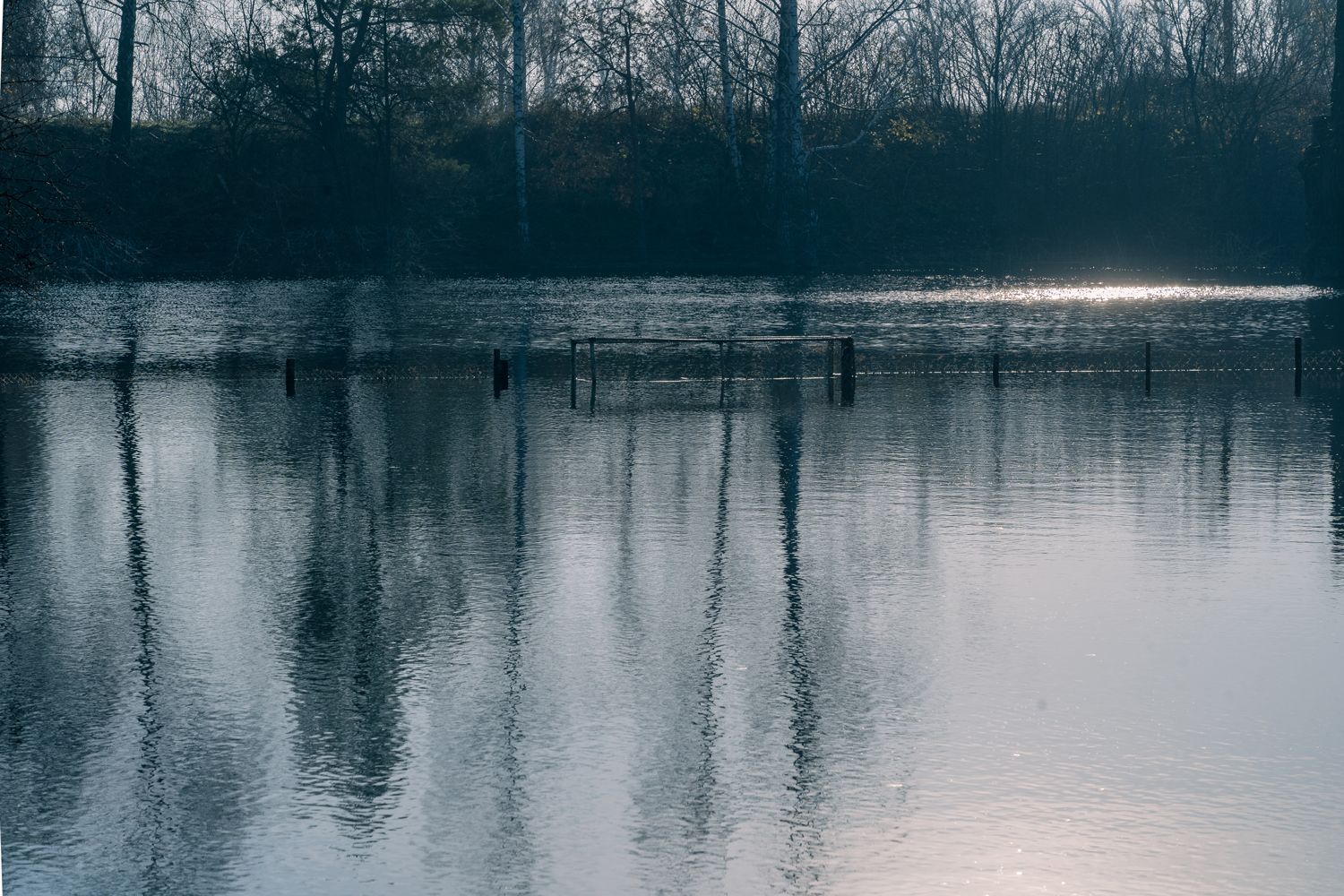
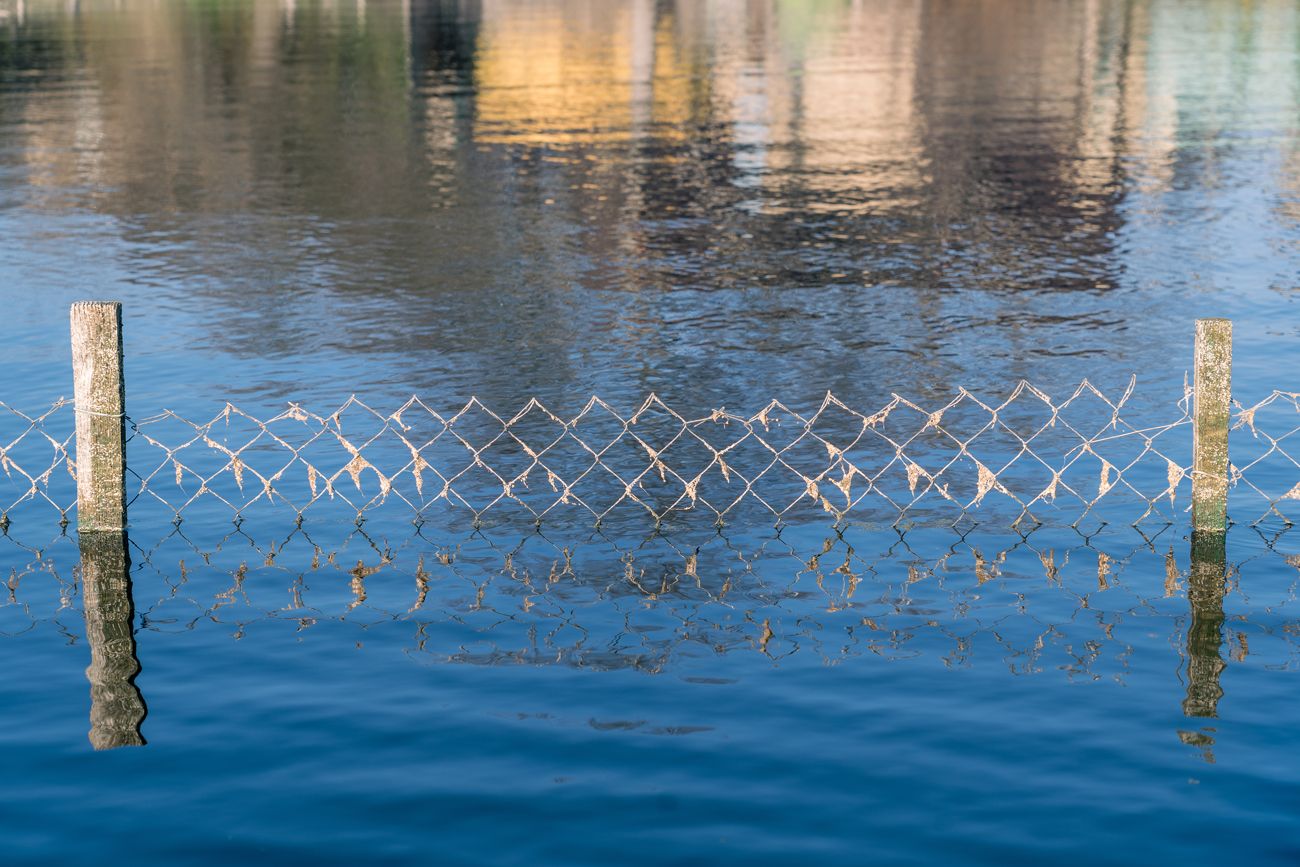
And although the water receded a little in the summer, there is still a lot of it left - as if immediately behind the fence, protecting Svetlana’s garden, an impressive river flows. “And now, it seems, the water is rising again,” says a resident of Demidova. She points to small green leaves breaking through the viscous moist ground: “I planted this strawberries because I thought that there would be no more floods. But the water returned, but there is no help from the authorities. ”
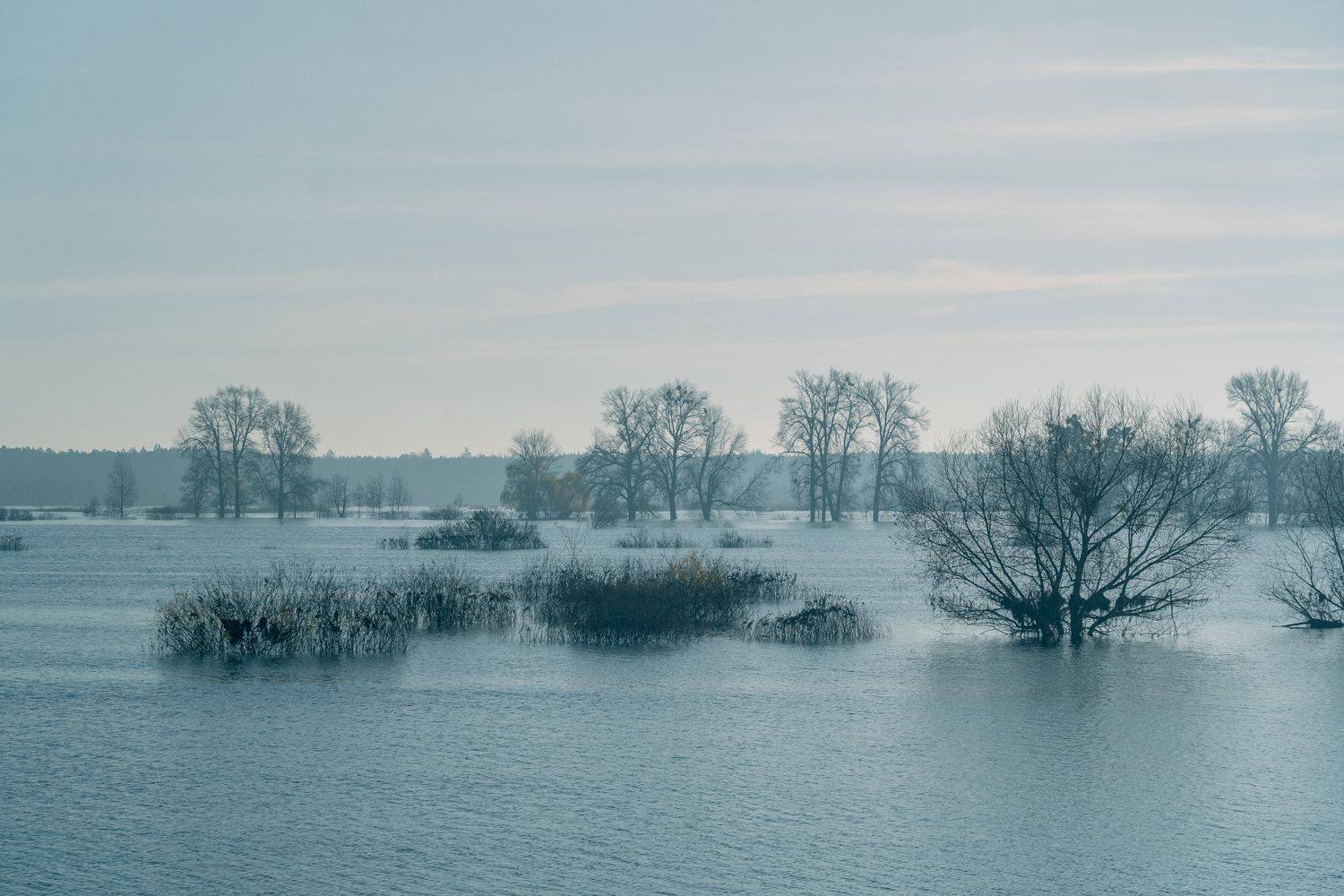
The decision of the Ukrainian military to destroy the dam on the Irpen River on February 25 inscribed the name of the village in the history of war and in the history of Ukraine. First, the tops were flooded, which the Soviet authorities drained in the 1960s, after which the water quickly reached Demidov, flooding about fifty houses. Despite this, most Ukrainians appreciated the bold step of the Armed Forces, thanks to which Demidov is called "Hero-Heroi."
But since the last Russian military left the village, more than seven months have passed, and local residents cover anxiety and discontent: they are still forced to fight the consequences of floods.
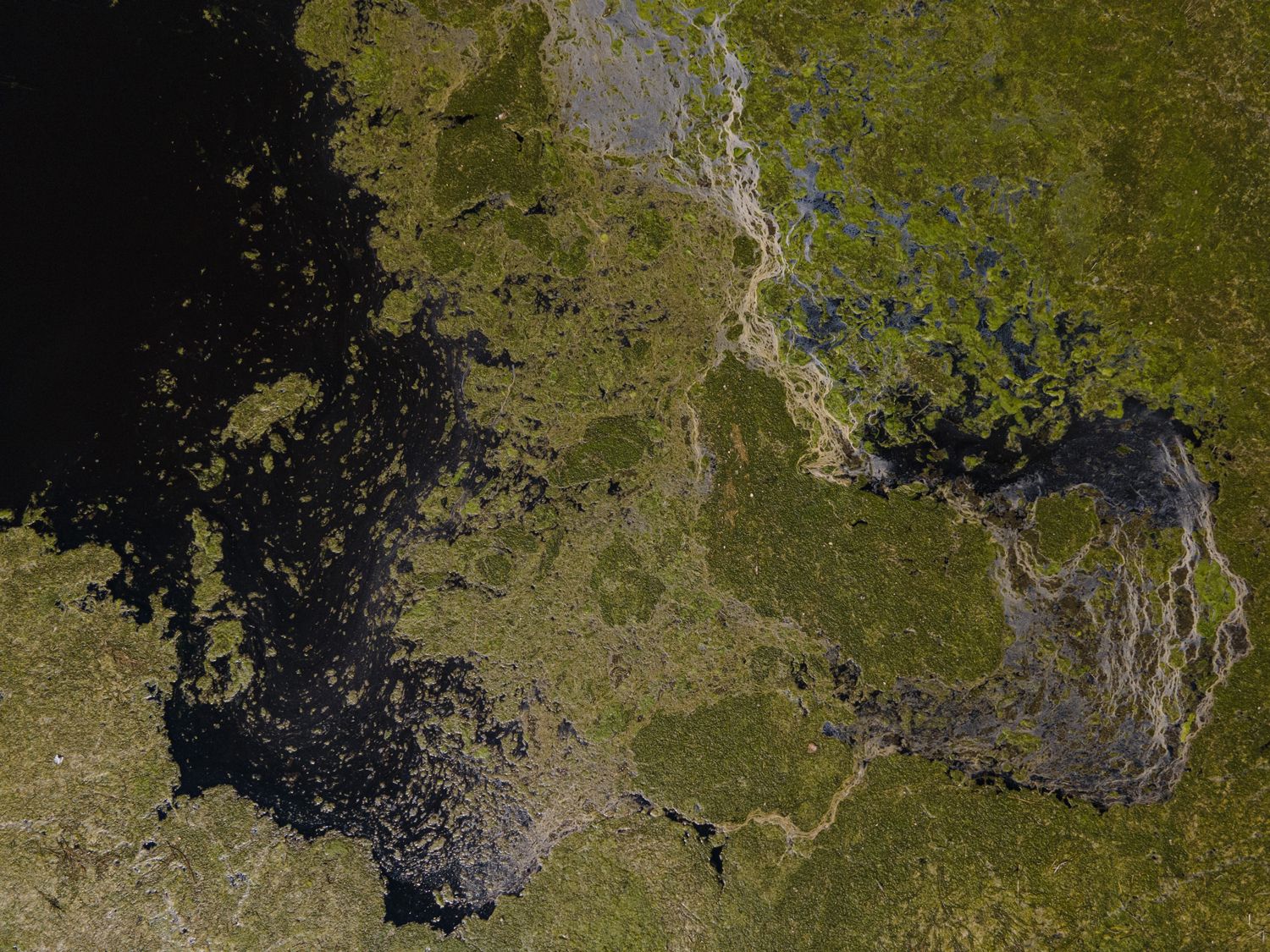
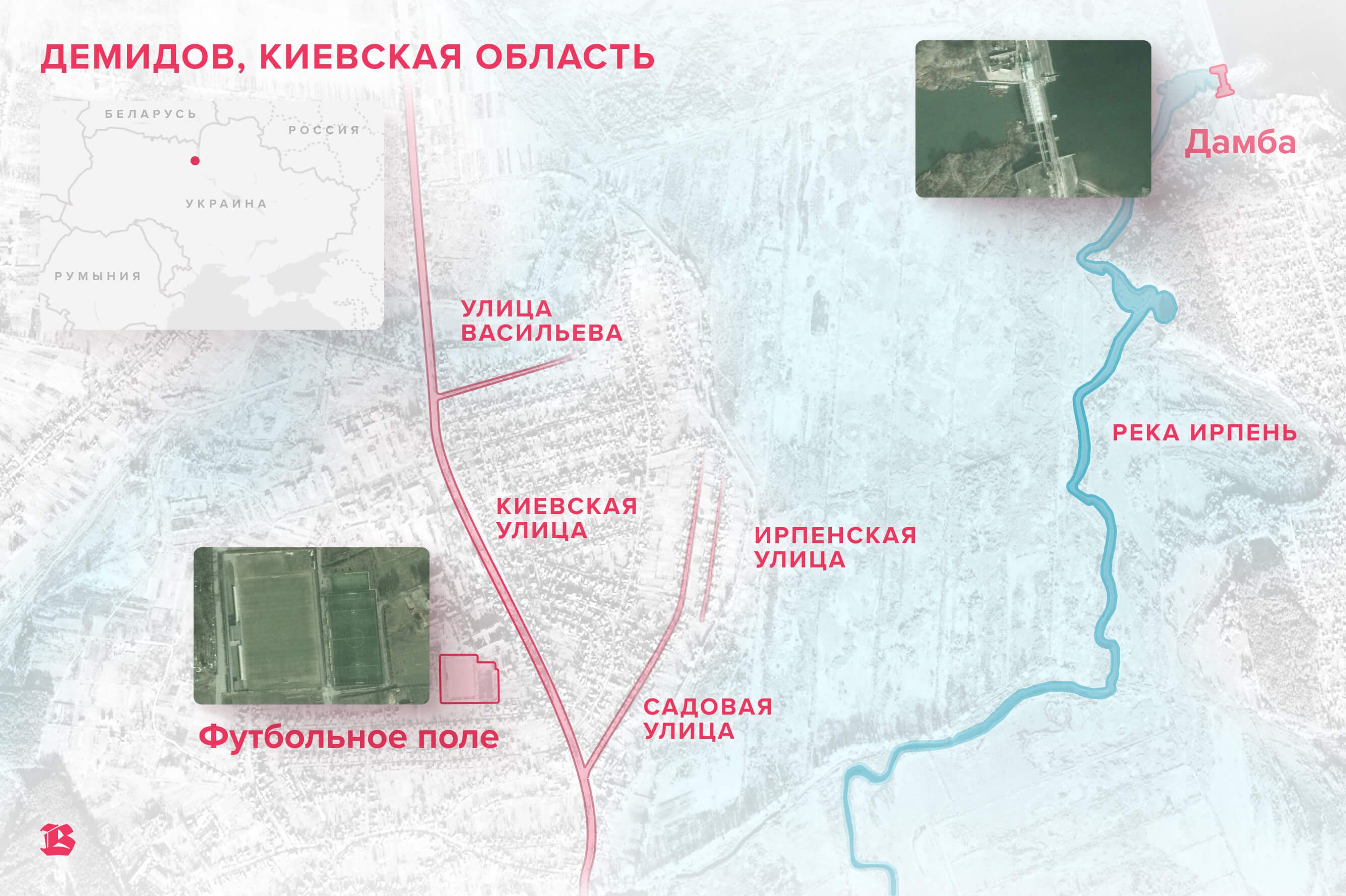
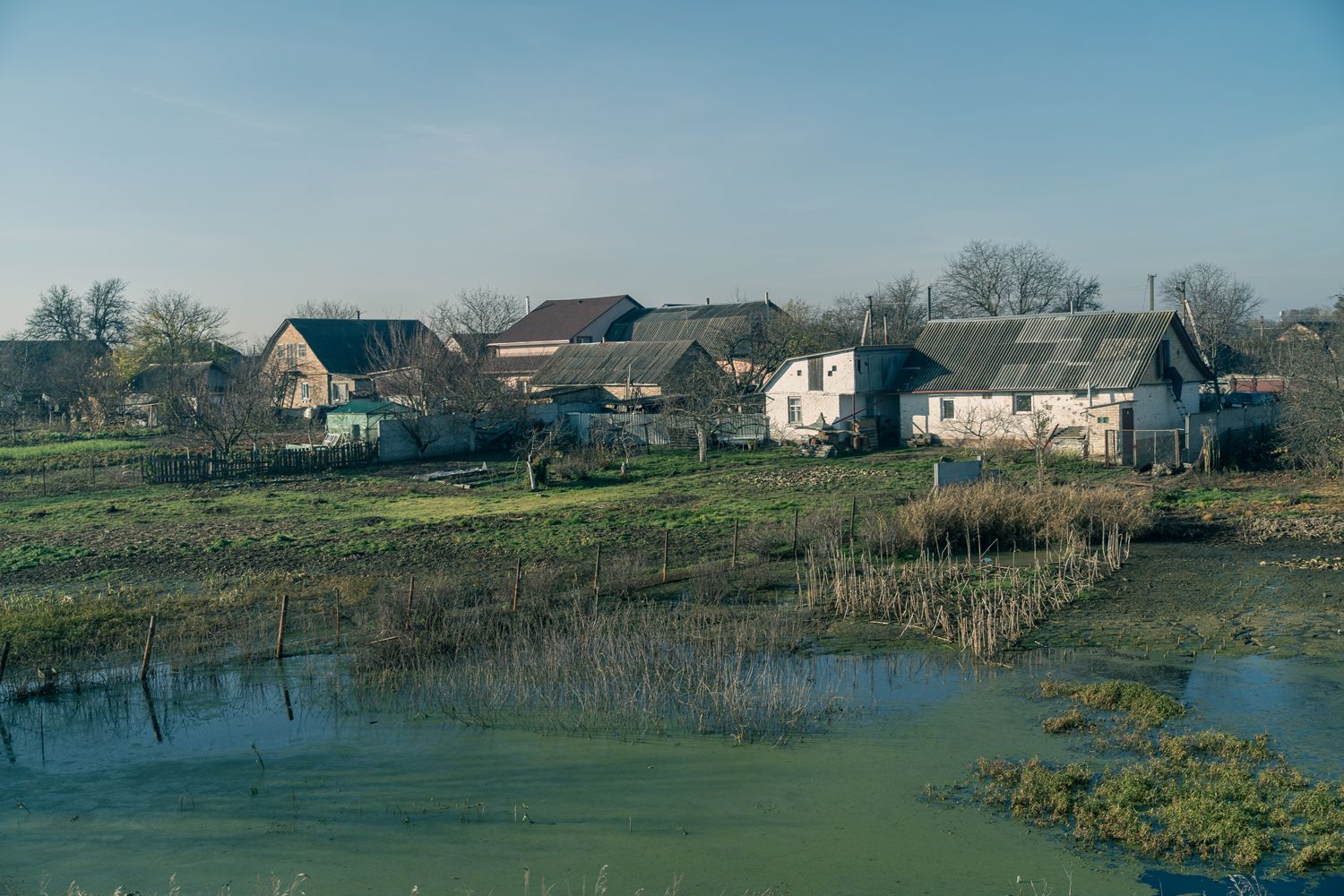
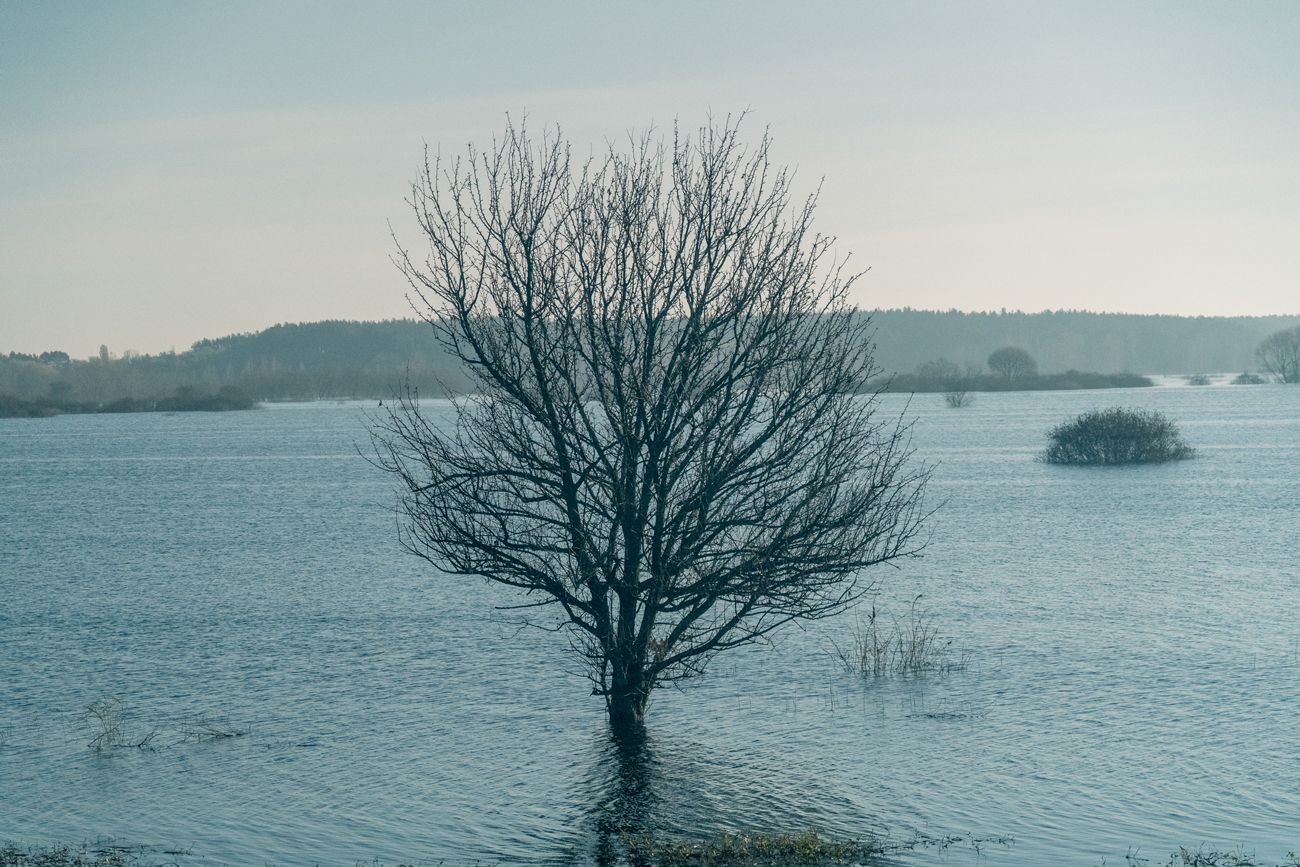
The Beet correspondent visited Demidov twice - at the end of October and early November. By that time, the water for the most part receded from the village itself, but around the vast stripes of flooded earth were still visible around. Dam, located along the eastern side of the village, did not allow the water to reach Demidov, because of which a large lake formed with trees and bushes protruding from it. “Previously, there was grass, cows, people walked,” says a local resident Andrei, who caught fish for shallows. “It used to be better.”
"They put tanks next to the playground"
The flood touched all the inhabitants of Demidov-but differently. To the west of Kievskaya Street - the main road in the village - private and multi -storey buildings remained not touched by water. Seven months after the retreat of the Russian troops, even traces of war are invisible here. The Russian occupation is only reminiscent of the broken windows of the building on Kievskaya Street, where the rocket fell, and fresh asphalt in the place of the crater; A burned car covered with fabric; The word "bomb shelter" on the wall of the building on the central square of the village.
Unlike other cities of the Kiev region, such as Bucha or Irpen , Demidov was not so badly affected by hostilities. “When the war began, we sat in the basement for two weeks. It was scary, ”recalls a resident of Demidov Victor. - 200 meters from my house - a playground. They put the tanks next to her and began to shoot. ”
The football field in the western part of the village remained almost untouched, so at the end of October they were able to hold a match between the teams of the second division from the Kyiv region and Nikolaev (a city in southern Ukraine, which for months was on the front line).
“Life here is the same, but there is no work and money,” says Victor with bitterness. He is “50 with a penny” years, and he does not want to give his last name, because his family lives in the occupation in his homeland, in the Luhansk region.
Victor is a former professional football player. He watches the match and recalls the beginning of April - the first days after the Ukrainian military freed the village. “I returned one of the first. <...> When he entered the house, there was a feeling that he was abandoned. As in Chernobyl, ”says Victor. - The house did not hurt, but the street was empty, the village was empty. <...> There was neither light nor people. ”
While Victor says, air alarm is triggered, and players have to leave the field. Victor’s wife, he said, is still afraid of the new offensive of Russia from the territory of Belarus ; She was also frightened by Kamikadze drones , which in October flew through the village towards Kiev. The flood did not affect Victor's house, and he does not plan to leave - "only if the electricity is completely chopped off."
"The house can crack"
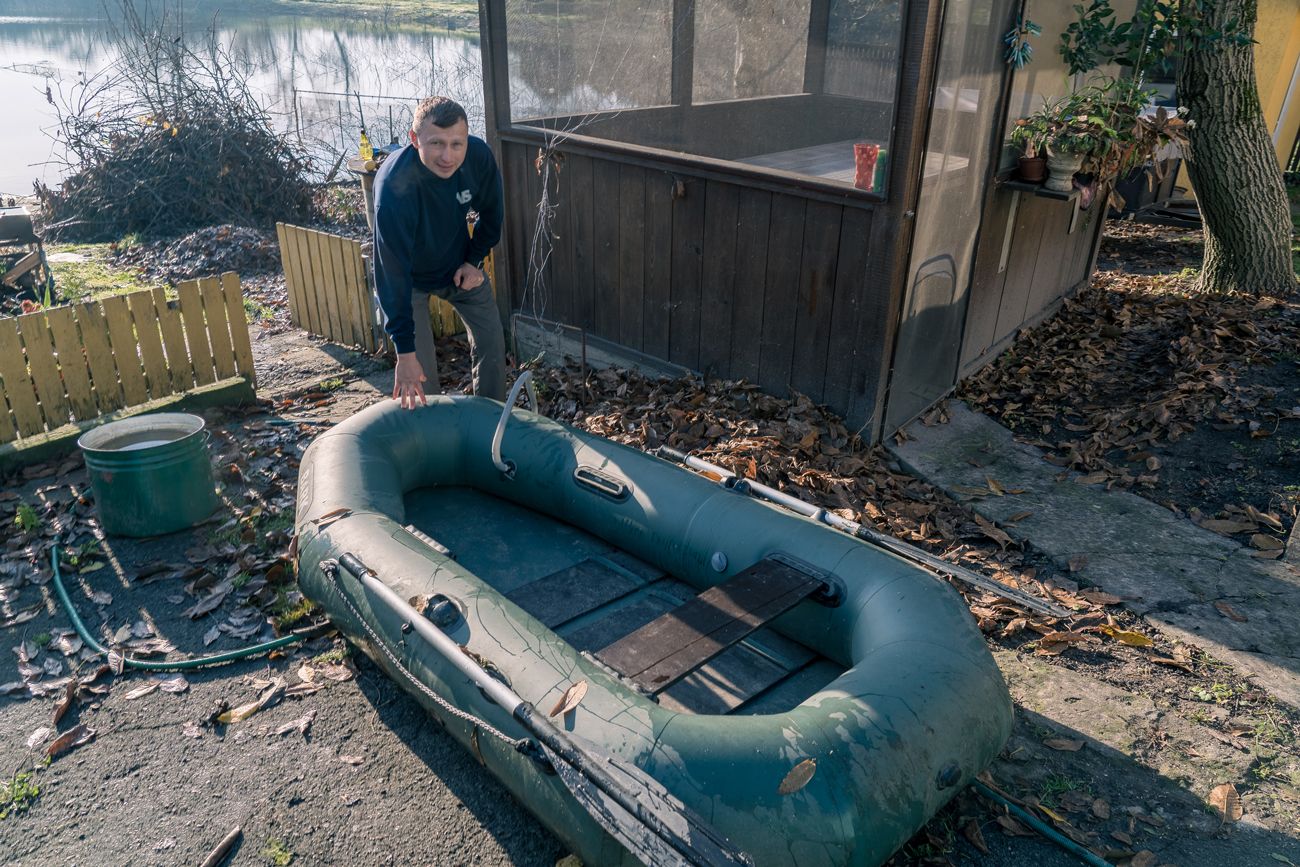
Frequent shutdowns of electricity - a consequence of the continuing Russian missile strikes on the energy infrastructure of Ukraine - are not so worried about Vladimir Artemchuk. His house, located immediately behind the dam, is one of the most affected by the flood. The basement is still flooded, and rolled hoses lie near the front door.
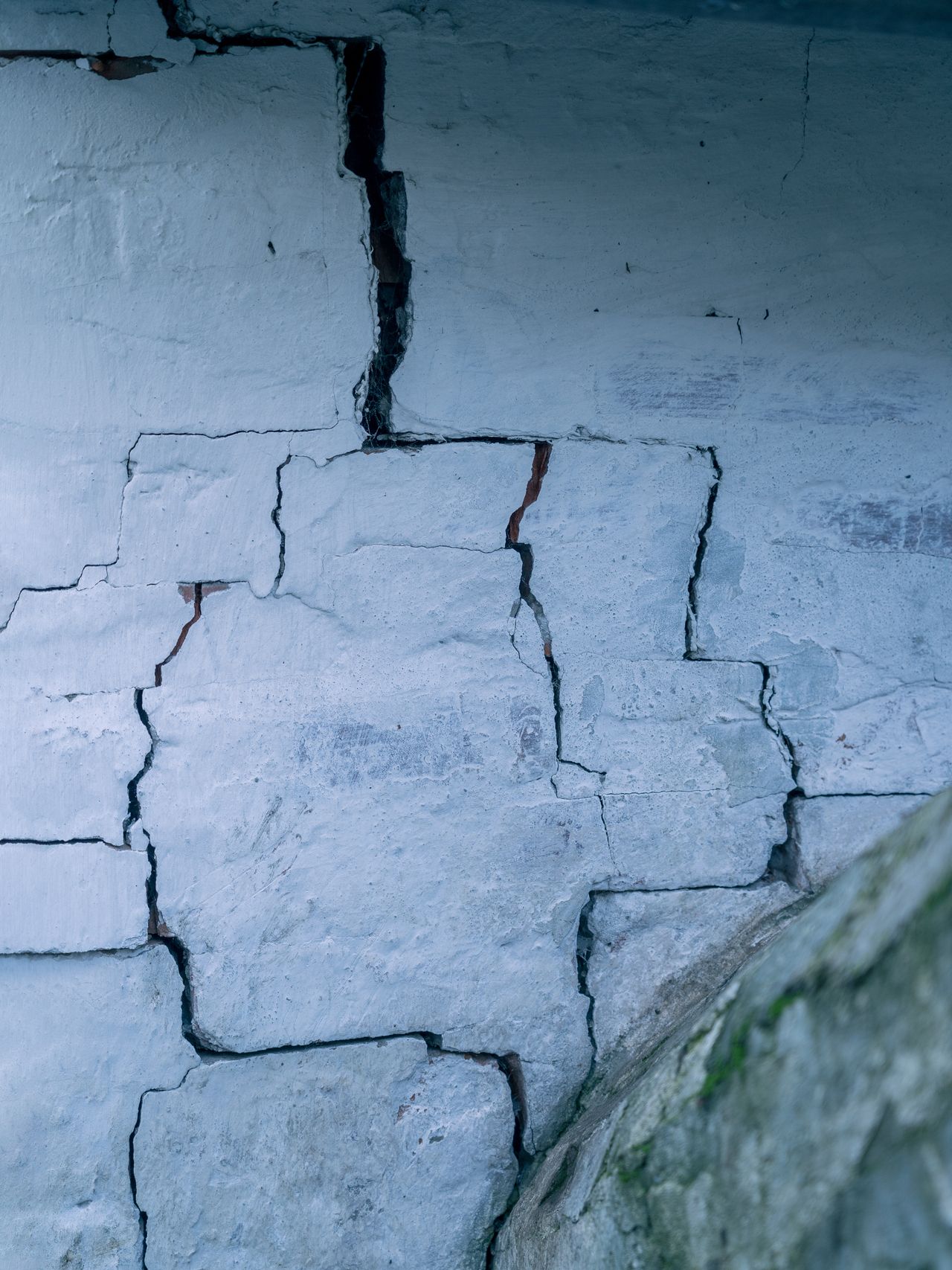
“Electricity is periodically turned off, every time for eight hours,” explains Artemchuk, standing in front of his house on Irpenskaya Street. “But this is not the worst.” I am afraid that the house can crack. It was built in 1955, and his foundation is weak. At home, they hold well, but mine ... not really. "
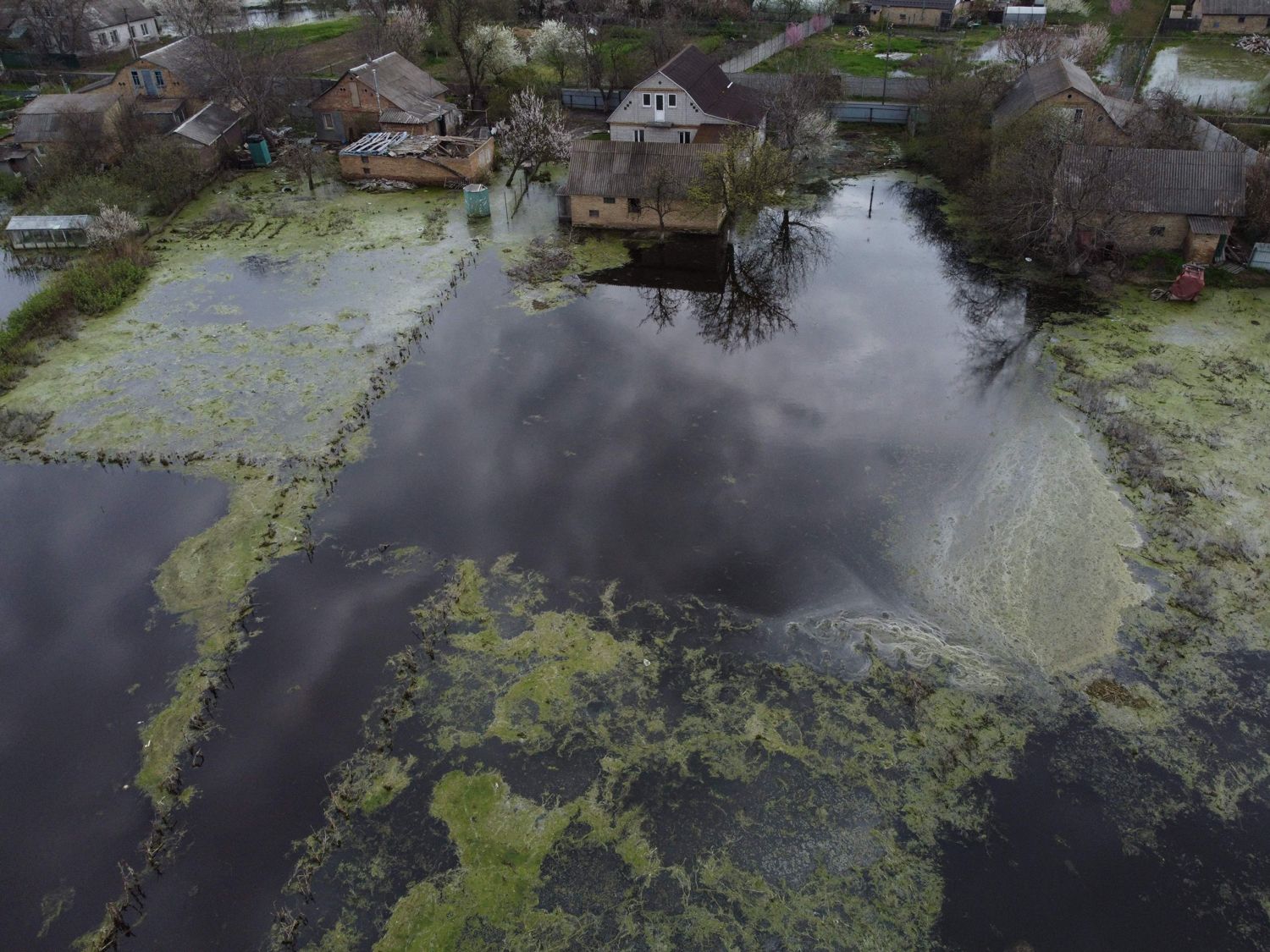
Bizarre houses on the streets of Irpenskaya, Sadovaya and Vasiliev flooded the flood especially strongly, and now they can simply collapse: the basements and cellars in these buildings have been filled with water for nine months.
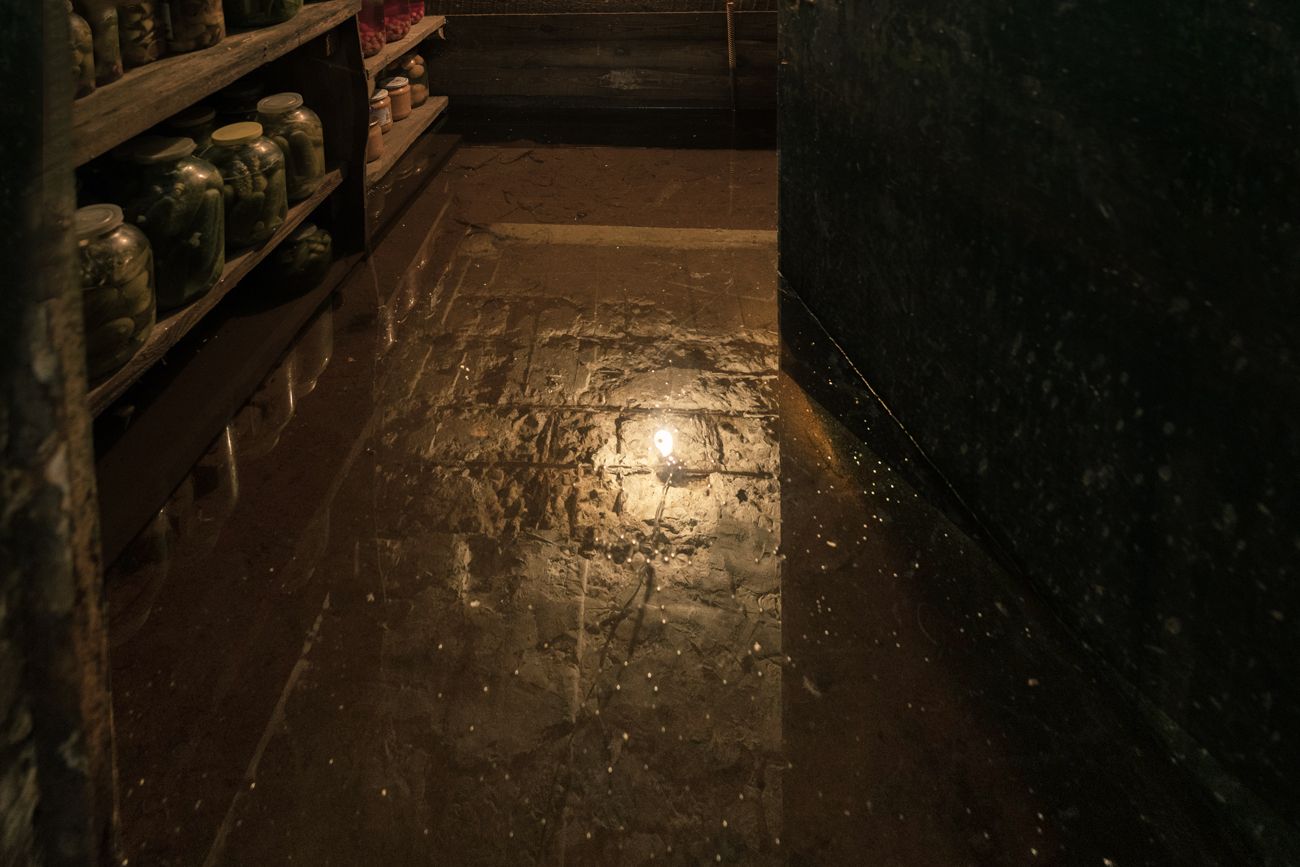
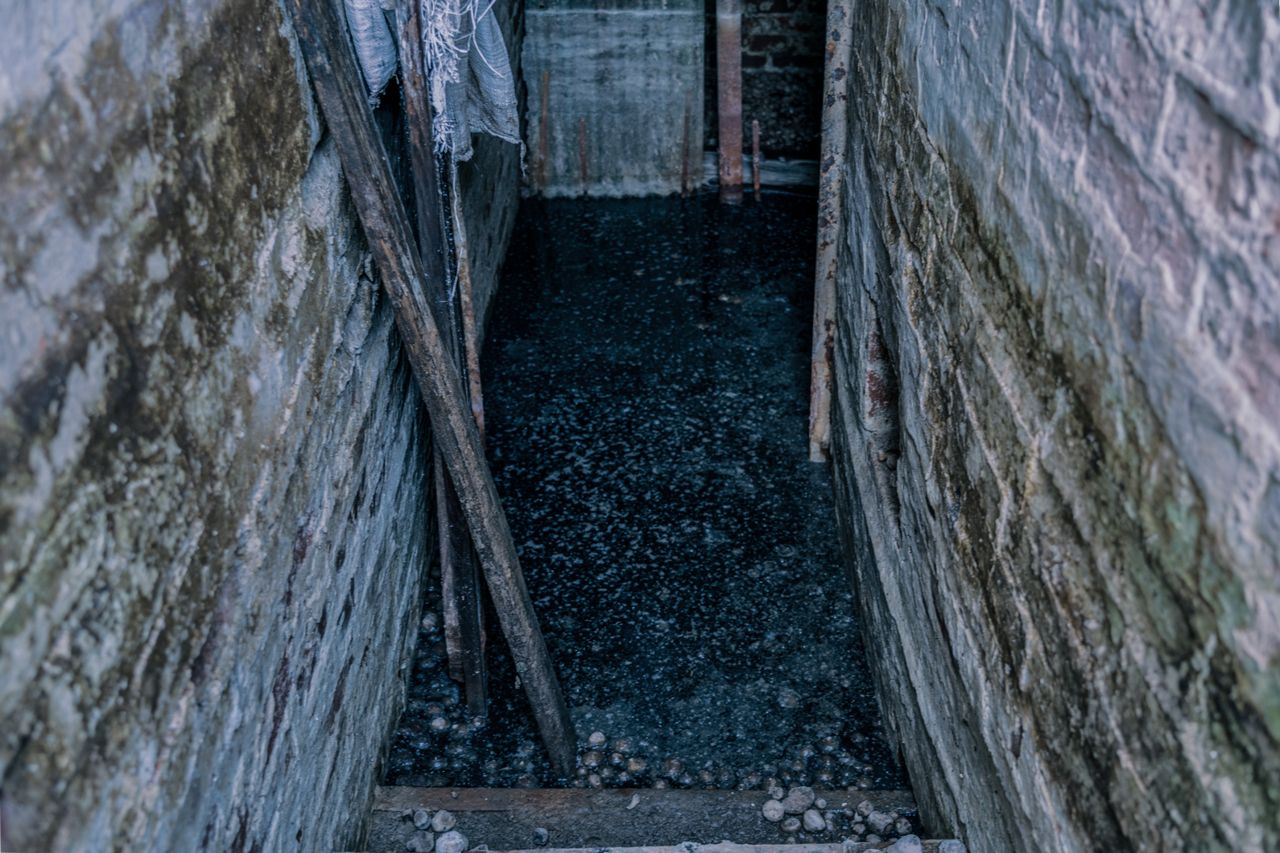
“In March, about ten people with children hid here from shelling,” says Vladimir Kostyuchenko, showing The Beet correspondent next to his garage, which is now filled with water, “only the upper two steps are visible. “It is useless to pump water, it returns,” he adds.
In the first weeks of November, the temperature in the Kyiv region remained at +10 degrees. “But when frosts begin ...” says Vladimir, and instead of finishing the sentence, he depicts the sound of an explosion.
Like Svetlana Marchenko, whose basement was also completely flooded after the invasion, Vladimir Artemchuk is afraid that in winter the water level will rise again. “Since August, we have electric pumps issued by local authorities. But they have been working without stopping for three months. When the first frosts come, we will have to get them and the water will come to our homes again, ”he explains. - We pump water every day. It’s like trying to block the water flowing from the tap with a sponge. ”
* * *
The situation in Demidov is an example of what happens after the victory in the battle.
None of the villagers, with whom the correspondent of The Beet spoke, criticized the decision of the Ukrainian military to blow up the dam. On the contrary, many were proud of the role that their village went to the defense of Kyiv. “I think - yes, it had to be done, just now ...” - Svetlana is stammering and looking thoughtfully towards the reservoir next to her house.
Few local residents expected that after nine months they still had to fight the consequences of that decision. And now people, having received 20 thousand hryvnias of compensation (about 33 thousand rubles or 485 euros), feel forgotten. “There is not much time left before the winter, and the basements on Irpenskaya and Sadovaya streets are flooded with water. Raw houses. We have gas heating, but it is expensive . Therefore, you have to burn firewood, ”says Svetlana.
She concludes with longing: "If one of the local authorities lived here, they would not let the water go up to this level."
Text: Factory is discharged
Photos: Pavel Dear
Editor: Ailish Hart