
Translated material
Victor Pelevin - 60 years old
The rating of all 20 novels, compiled by Galina Yuzefovich. From the worst to the better
On November 22, writer Viktor Pelevin turned 60 years old. At the request of Medusa, the literary critic Galina Yuzefovich compiled his own rating of all his novels - from those that seem completely unsuccessful to the works that will forever remain in the history of Russian literature.
20. Horror helmet: Creatff about Tesey and Minotaur (2005)
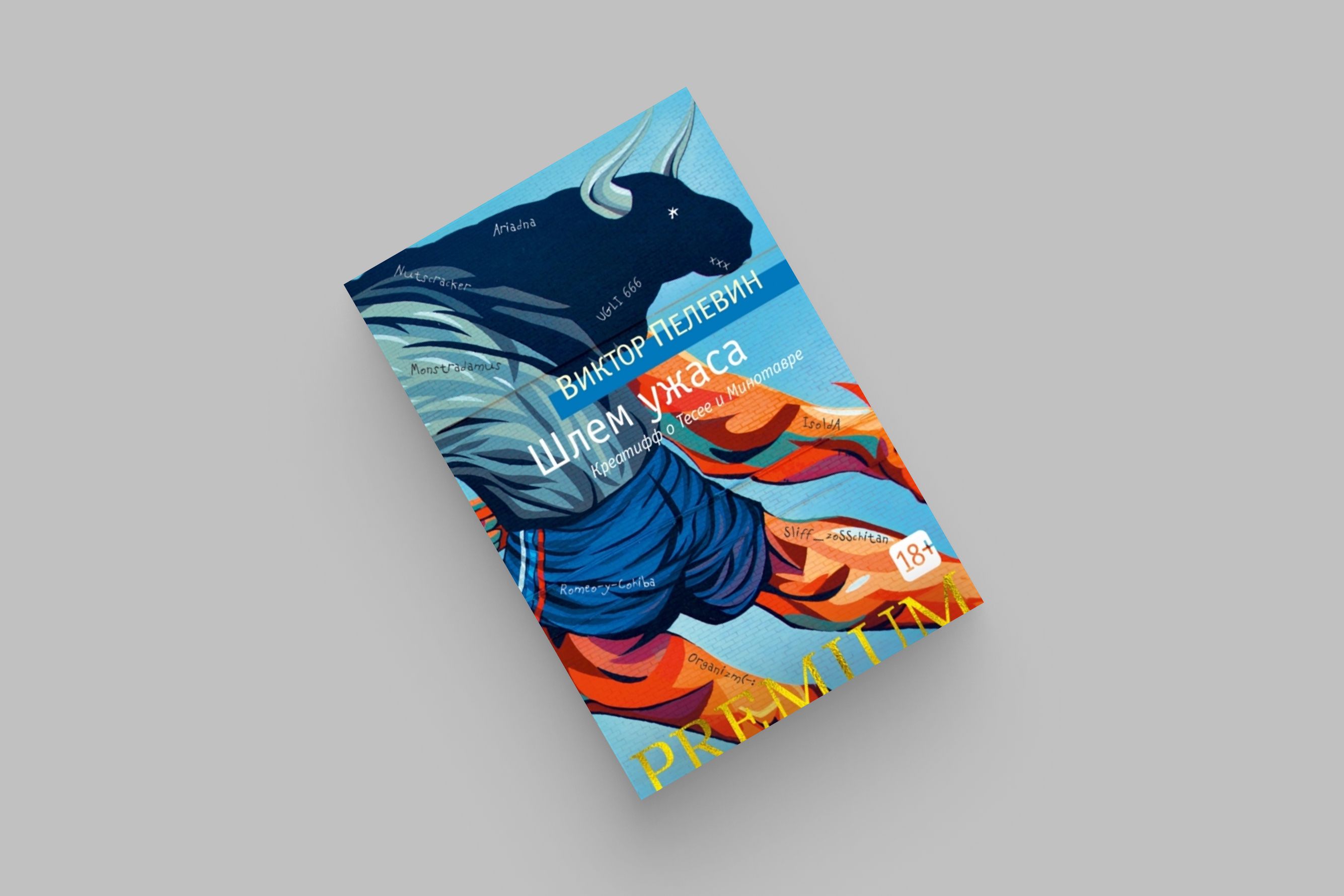
A small novel (or rather the play) was released as part of the international project "Myths" of the English publishing house Canongate. As a scenery for his remake of an ancient Greek legend about Tesae and the Minotaur, Pelevin chose the space of Internet chat. A lot of archaic “Padonkovo” slang, jokes and realities that are relevant for 2005, empty philosophical chatter, and a cherry on the cake is a disappointing meaningful ending.
19. Wounder (2015)
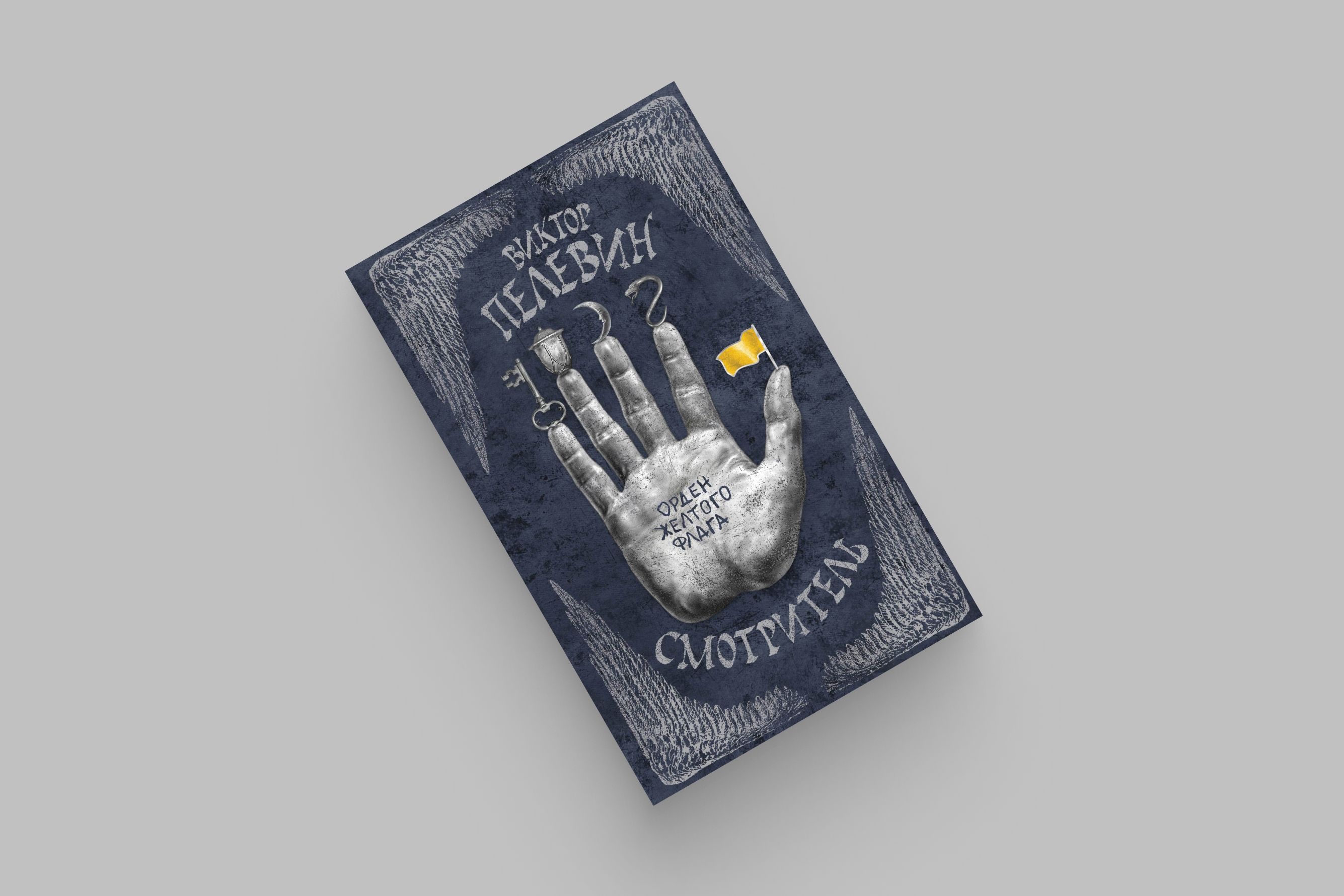
A novel crossing the biography of Paul I, an alternative story, the philosophy of subjective idealism and mysticism in the spirit of Carlos Castaneda. The most unfinished (two successful jokes on nearly 700 pages), one of the longest (as many as two volumes) and Pelevin’s least dynamic book.
18. Art of light touches (2019)
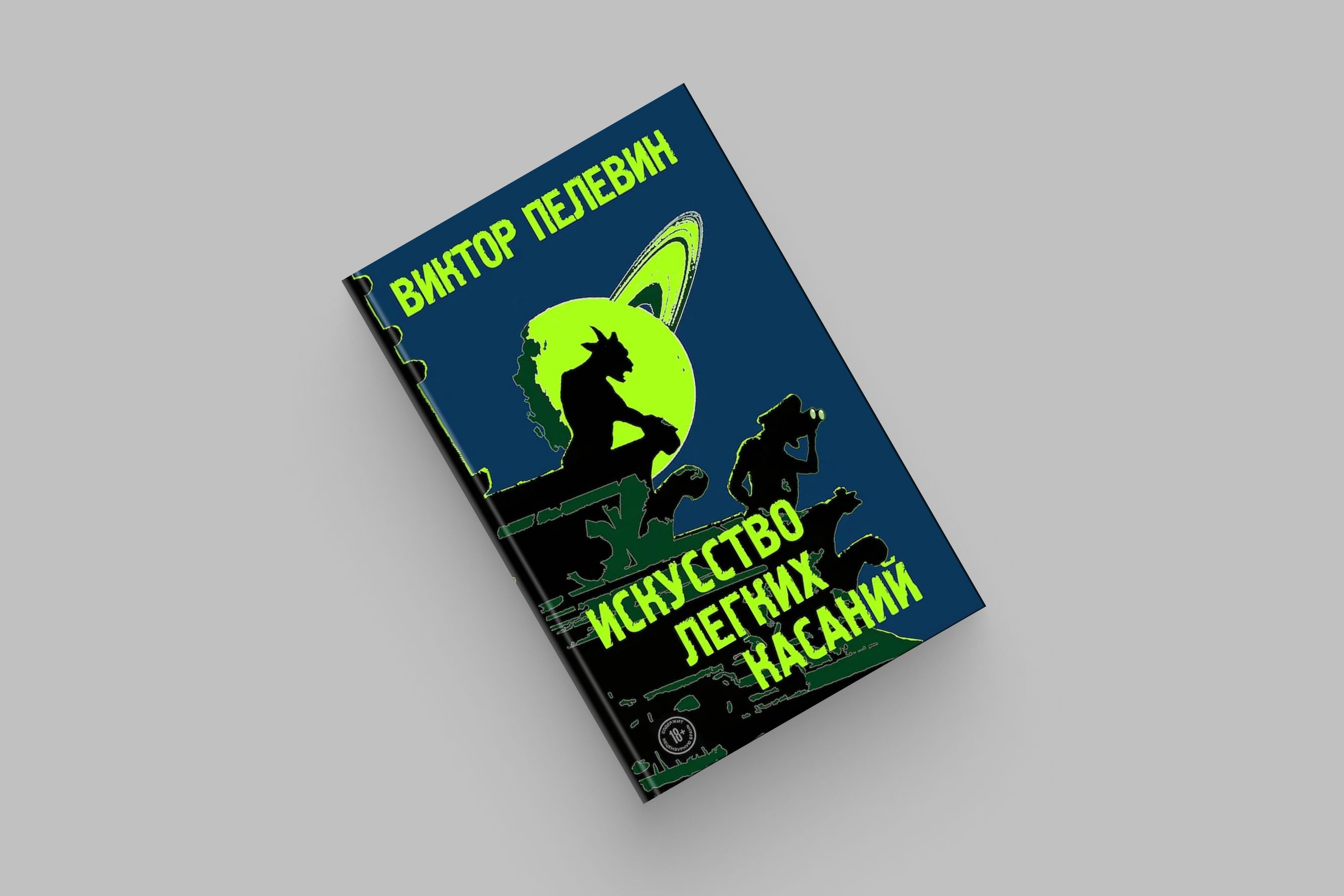
The title story of the collection of the same name is built as a digest of a “fashionable novel”, the plot of which is spinning around the mysterious poisoning of General GRU. Trying to reveal the crime, the involuntary witness of which he became, the hero-story-cabin passes through scientific conferences, French brothels, underground tombs, and ends with dangerously close acquaintance with the “Russian hackers” and their methods.
Choosing a key event (or concept) of the year, Pelevin is rarely missed, but the “art of light touch” is an example of an annoying miss. The topic of hackers did not particularly excite anyone even in 2019, and today it looks like a gray -haired archaic. Add to this a confused, ill -conceived plot - and you can skip this story with a clear conscience. Good news: the other two texts included in the collection (the stories “Iakinf” and “Fight after the Victory”) are much better than the actual “art”.
17. Empire V. The story of a real superman (2006)

The first novel of the “vampire” series, which is introduced for Pelevin, the concept of glamor (demonstrative consumption) and discourse (its pseudo -intelligent understanding and criticism) as two fundamental principles of human life. An interesting setting and powerful cosmogony, which, unfortunately, is completely exhausted: there is no vivid story in it.
16. Batman Apollo (2013)
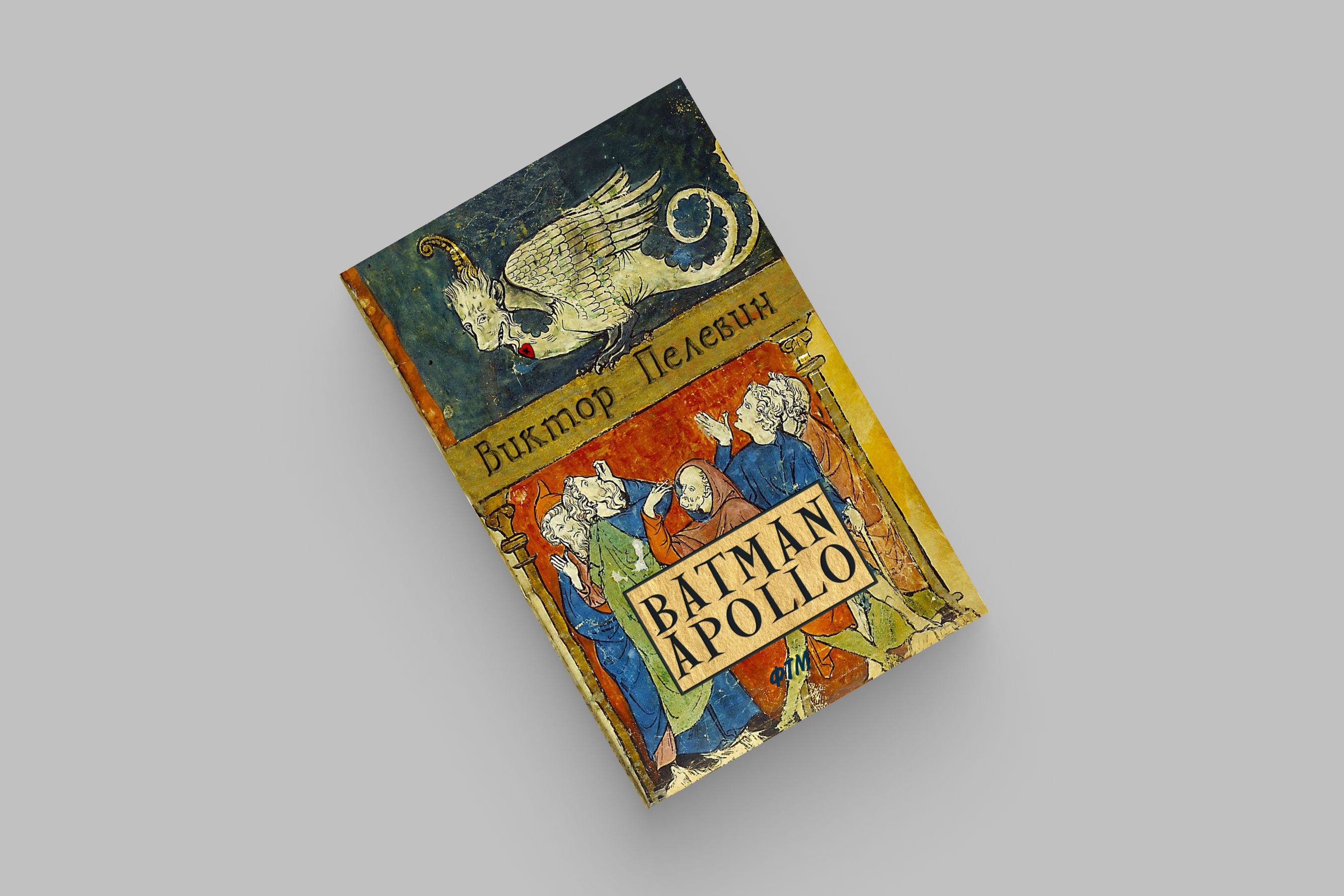
The continuation of the Empire V novel, in which the story of the young vampire of the frame, familiar to us from the first book of the cycle, receives a sudden and effective Harry Potter vaccination. The world of vampires is overgrown with details and gains depth, and the plot dynamics is provided by “school” and partly romantic adventures in the Dracula Castle, where the hero arrives at the courses of vampire qualifications.
15. Love for three tskerbrins (2014)
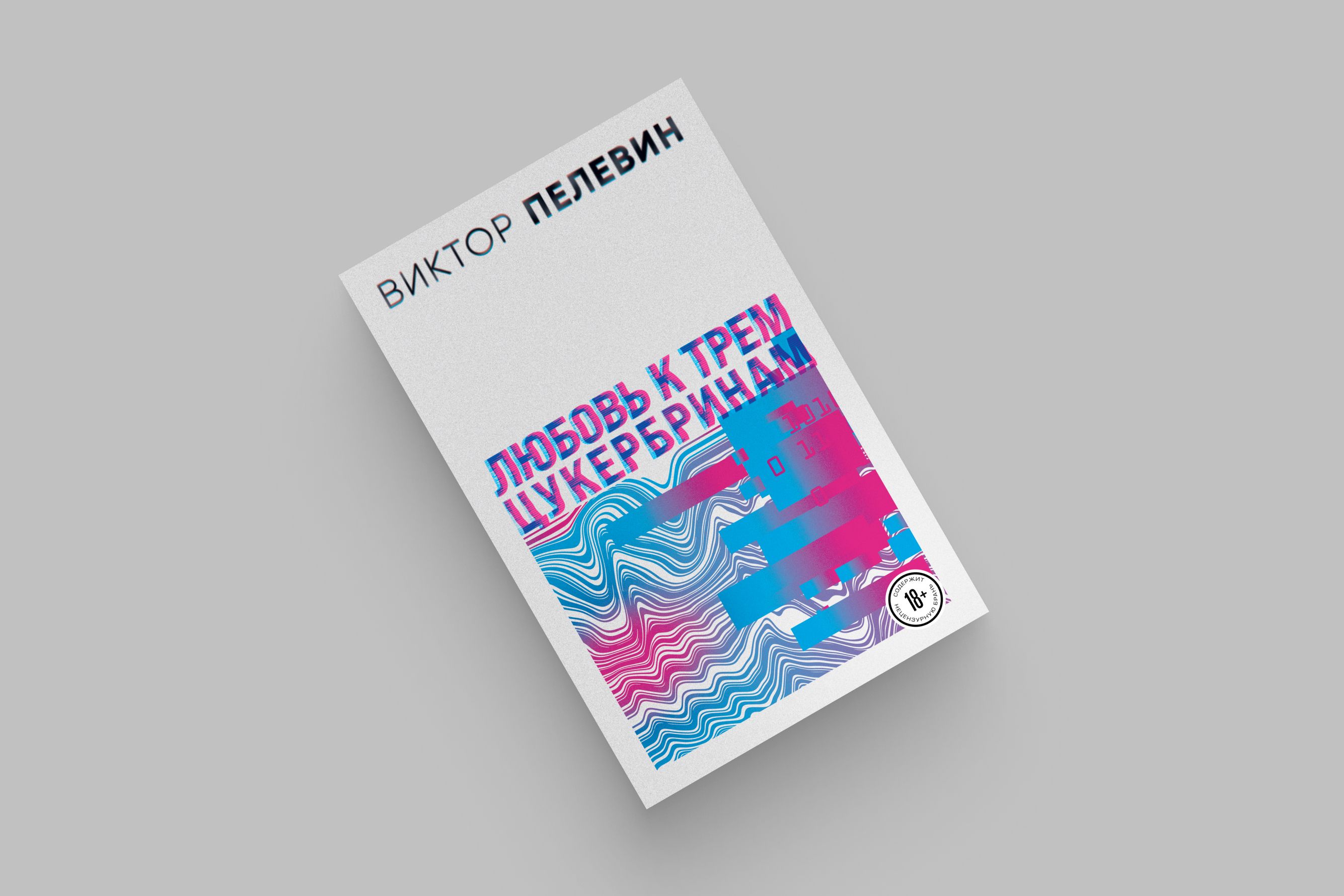
“Love for Three Tsuckerbrins” opens a new stage in the work of Viktor Pelevin: from that moment on, his novels turn, in fact, into the annual ballots of moods in society, as well as everyday life, morals and intellectual poetry. This time, in the focus of Pelevin's attention, the event in Ukraine, the triumph of social networks, tolerance as the main social trend and terrorism as almost the main trend is political.
14. T (2009)
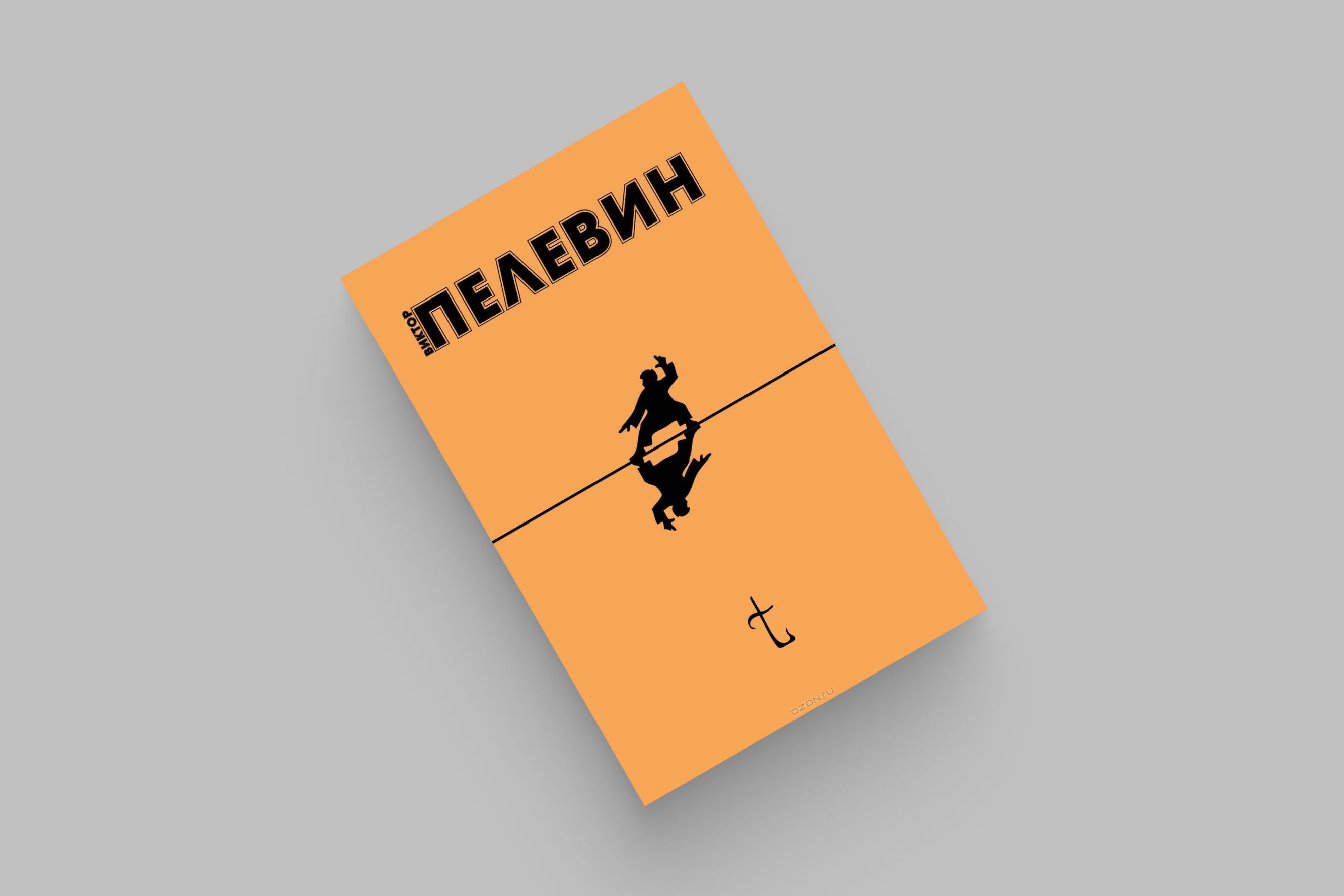
The leitmotif of this metaphor novel is the relationship of the author and the hero, the creator and creation, the predestination and freedom of will. The Martial Art Martial Arts “Non -Susp” (reduction from “non -resistance to evil by violence”) Count T runs from the Yasnaya Polyana from relatives and at the same time from the gendarmes to get to the Russian mystical Shambhala - Optina Deserts. However, in the course of spiritual wanderings, T, it is necessary to find out that he is not at all as free as he used to think, to get acquainted with his creator and find out that he also has a creator.
A complex and beautiful author’s thought suffers a little from a sluggish and confused presentation, but many shortcomings compensate for the famous duel on the axes between the count T and F. M. Dostoevsky, as well as the delayed fans of fans to “Chapaev and the Void”.
13. Numbers (2003)
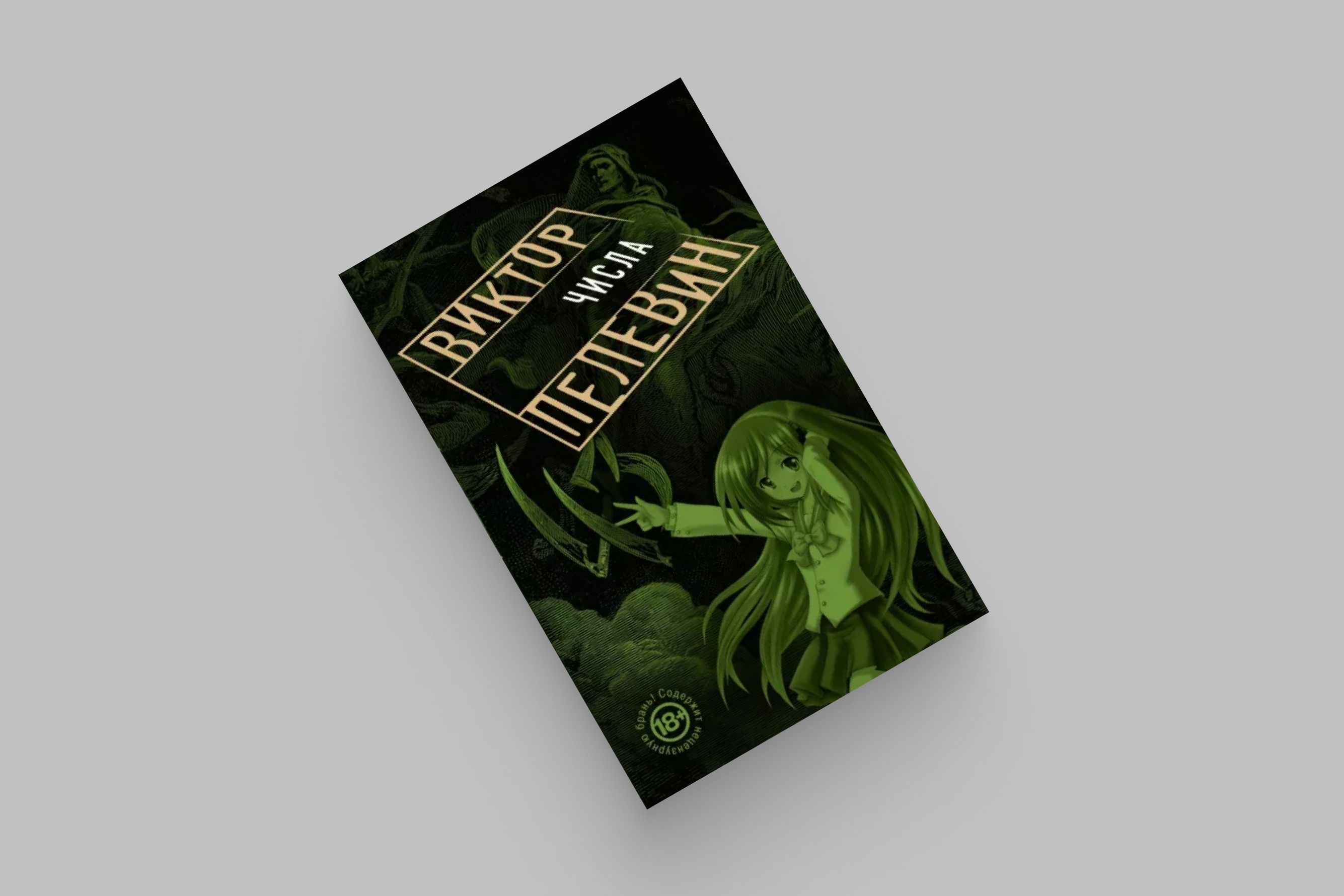
The smallest novel by Victor Pelevin is, in fact, not even a novel, but an integral part of the collection "DPP (NN)". From childhood, the banker of Stepa is eagerly worships 34, and in an adult state enters an irreconcilable fight with a competitor who has chosen the number of 43 into the patrons. The most “numbers” are similar to the previous novel - “Generation P”: the same luxurious puncture (and therefore not always understandable today without comment) and a constant feeling Kaputnik on the edge of the abyss of existential despair.
12. The invincible sun (2020)
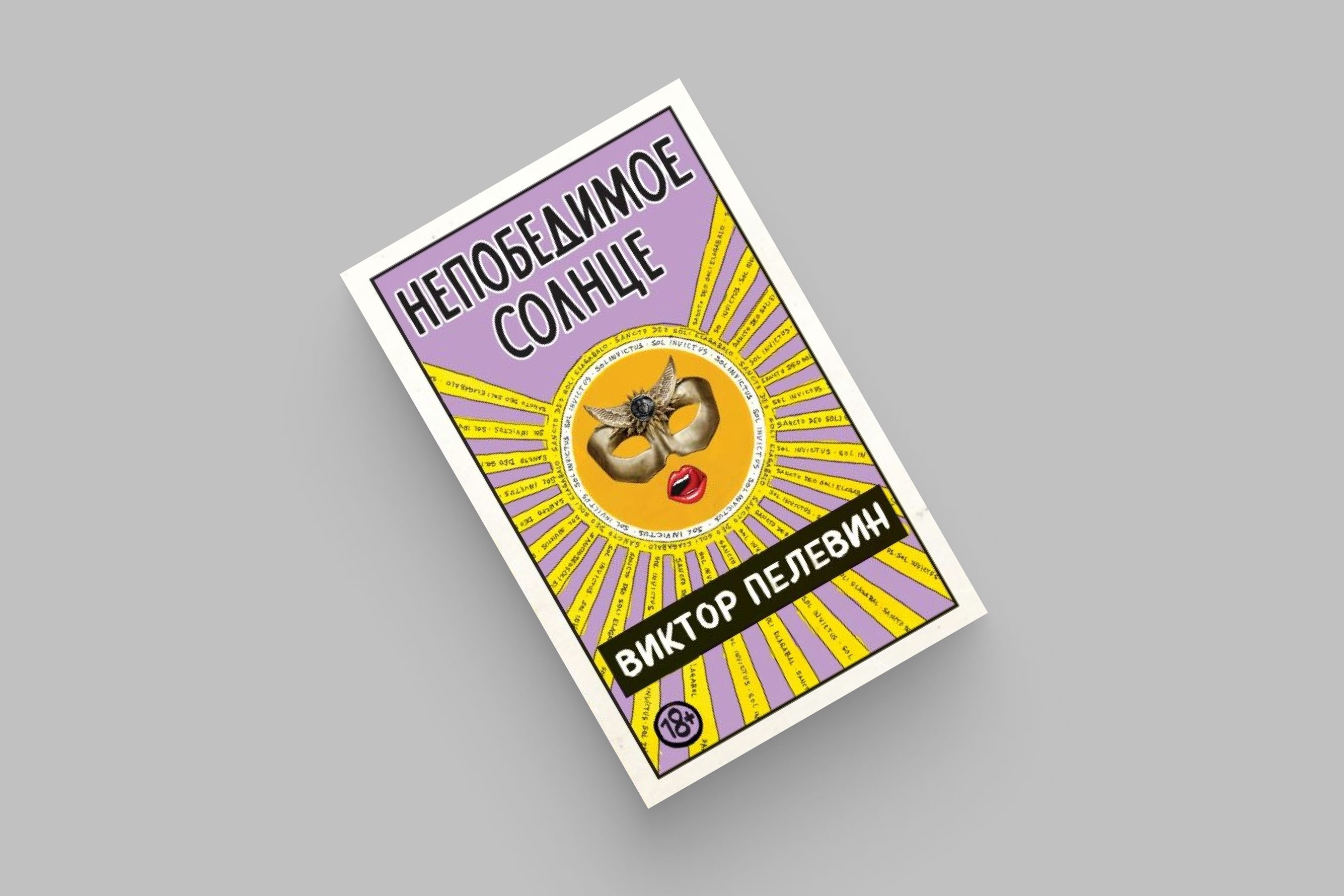
Usually, the writer passes his literary and analytical annual to the publishing house in the spring to see the light in the fall, but in 2020 there was an incident. When work on the novel has already joined the final phase, Covid struck, which even Pelevin could not predict.
As a result, the book, obviously, had to be rewritten at the last moment, somewhat artificially “pouring” the passage into it about the Roman emperors Karakalla and Eglabal. Covid still turned out to be supplanted somewhere on the periphery, but, behind the dedicated ancient Roman Sun, the Dan-Braunovsky standards of fascination with the protracted ancient Roman line, and as a pleasant bonus, is extremely rare for Pelevin a charming and energetic main character, described if not with love, without ordinary hostility and depreciation for the author.
11. Secret views on Mount Fuji (2018)
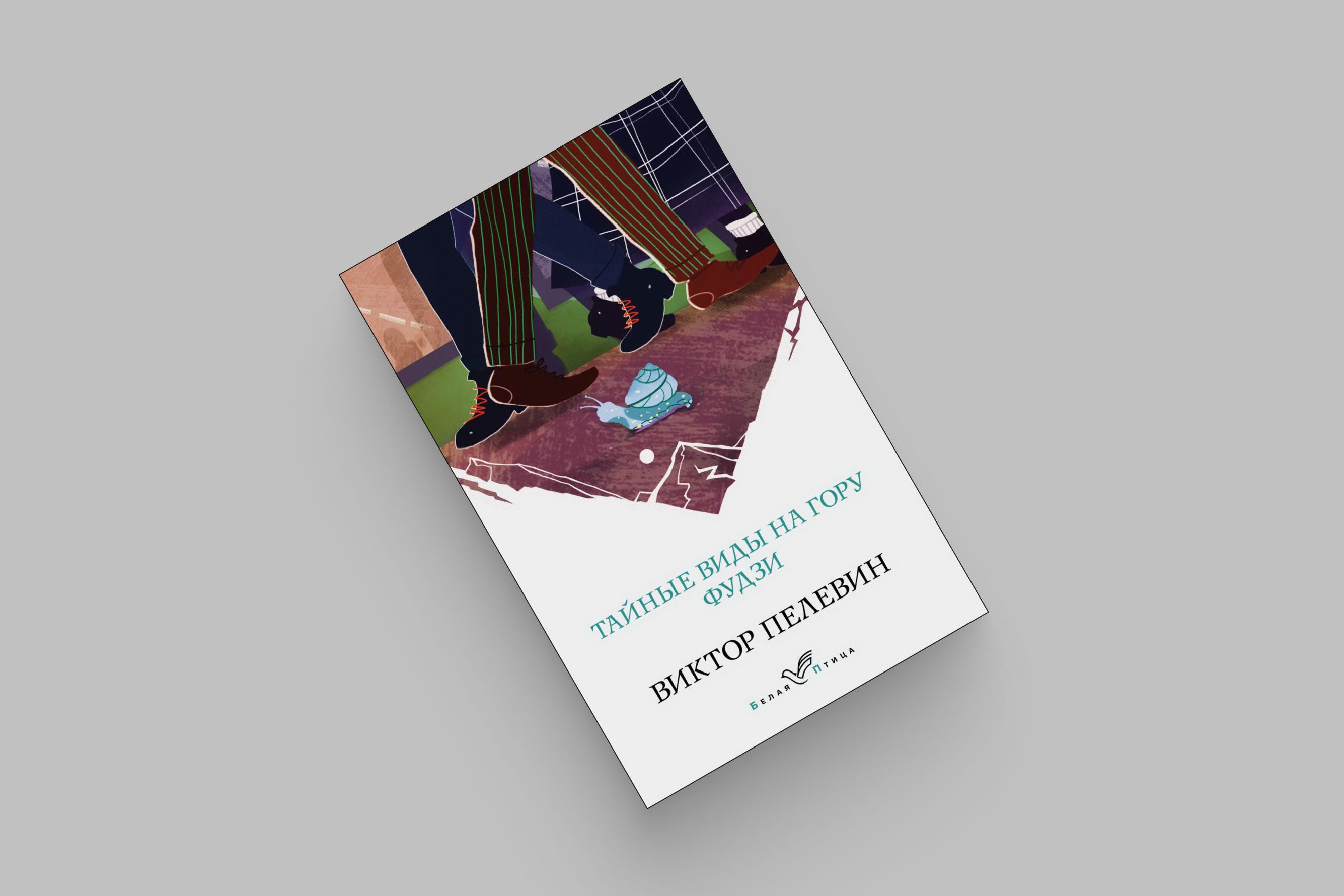
The philosophical and most perhaps the Buddhist from the time of “Chapaev and the Void” Roman Viktor Olegovich, focused around the ideas of tolerance and movement #Metoo. It should be noted that Pelevin’s underlying hostility towards women in this novel comes to the surface and acquires a mystical justification: it is endowed with the dark power over the world in “Secrets” that becomes the main obstacle to the man in achieving nirvana.
10. Mafusail lamp, or the extreme battle of Chekists with Masons (2016)
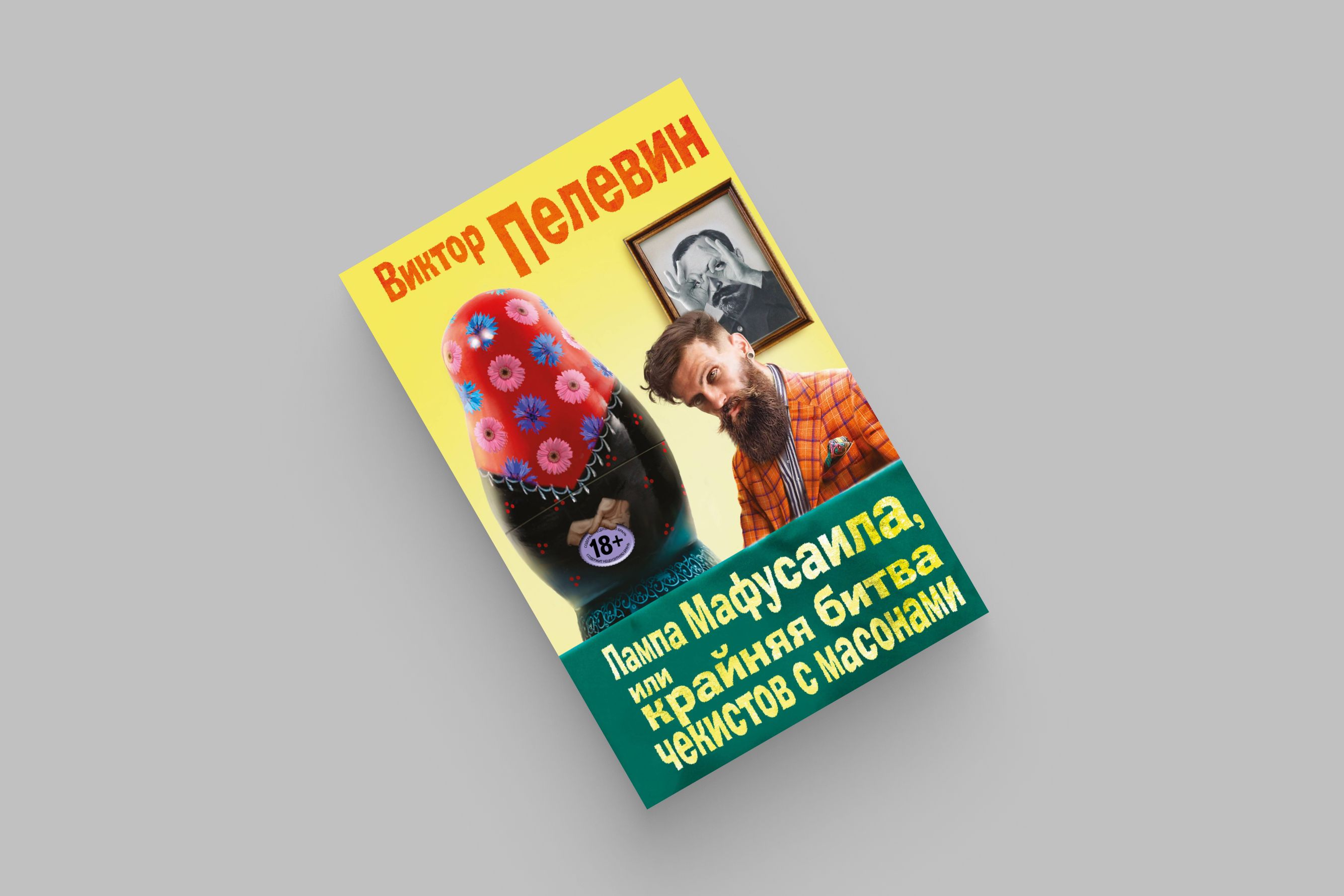
As well as “Secret Views on Mount Fuji”, “Lamp” dates back to the latest period of Viktor Olegovich’s work, when each novel is an overview of everything important over the past year, and therefore its content is most easily restored by keywords. This time these are “finances”, “liberals/patriots”, “Russian national idea”, “past and future”.
The novel breaks down into several semi -salt novels, the most memorable of which is the story of an office clerk, as a result of a certain mystical experience of the beginnings to experience sexual attraction to wood and becoming a dendriosual.
9. Generation P (1999)
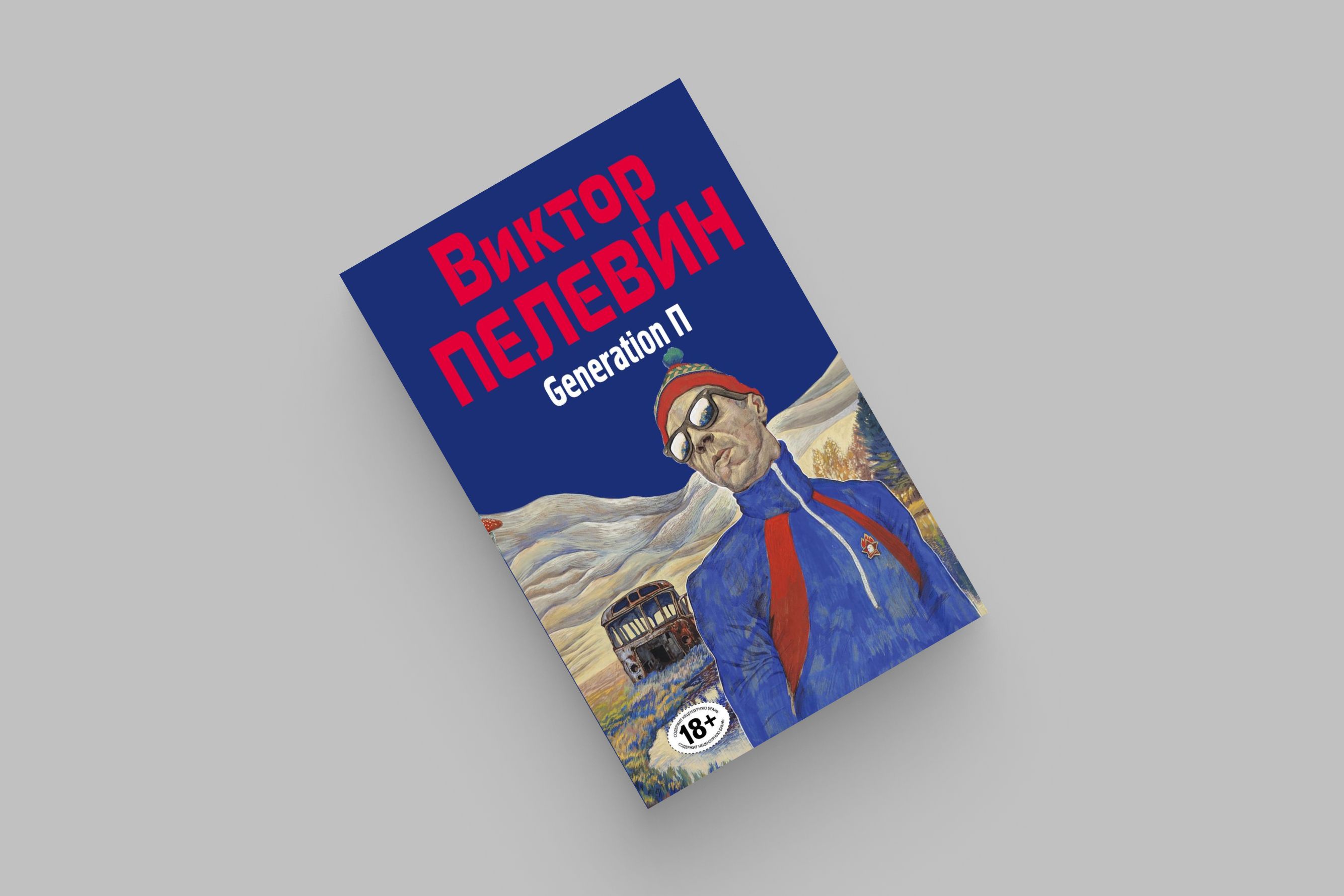
A novel who made Pelevin from a niche intellectual author of a literary star of an all -Russian scale. Without exaggeration, the most funny and most topical book of the writer, who put in domestic folklore almost more memes and sustainable revolutions than “Woe from Wit” by Griboedov.
The history of the copywriter of Vivillen Tatar, from the production of advertising through the rarefied area of political PR slowly ascending to the heights of esoteric knowledge, accumulated all the branded techniques of Pelevin, which he will work out in the future. The only drawback is that all acutely actual books, today “Generation P” is read not so much as an artistic text, but as a historical source, and much in it is already incomprehensible without a lengthy comment.
8. OMON RA (1992)
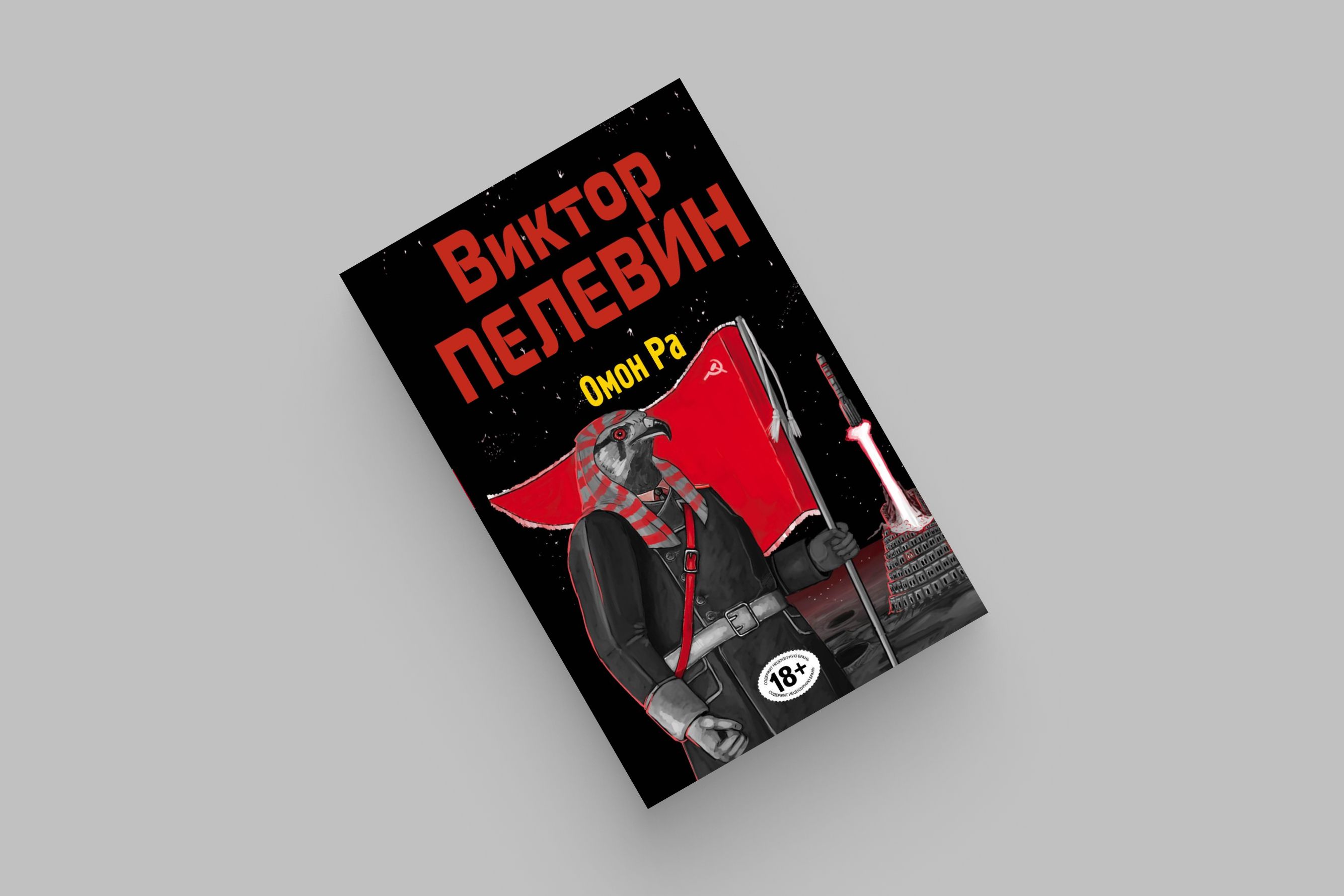
The first (and almost as compact as “numbers”) novel by Viktor Pelevin, written at the breakdown of eras and is a piercing requisition on cosmic romance and the entire Soviet ideology as a whole. A boy named OMON (call sign - RA) enters the flight school. Alexandra Maresyev discovers that everything he knew about his homeland was not true. Opening more and more layers of lies in the hope of finding a solid foundation under them, he falls into the void and understands that there is no support: all Soviet reality, so stable and reliable in appearance, was a falsity from above.
7. Transhumanism Inc. (2021)
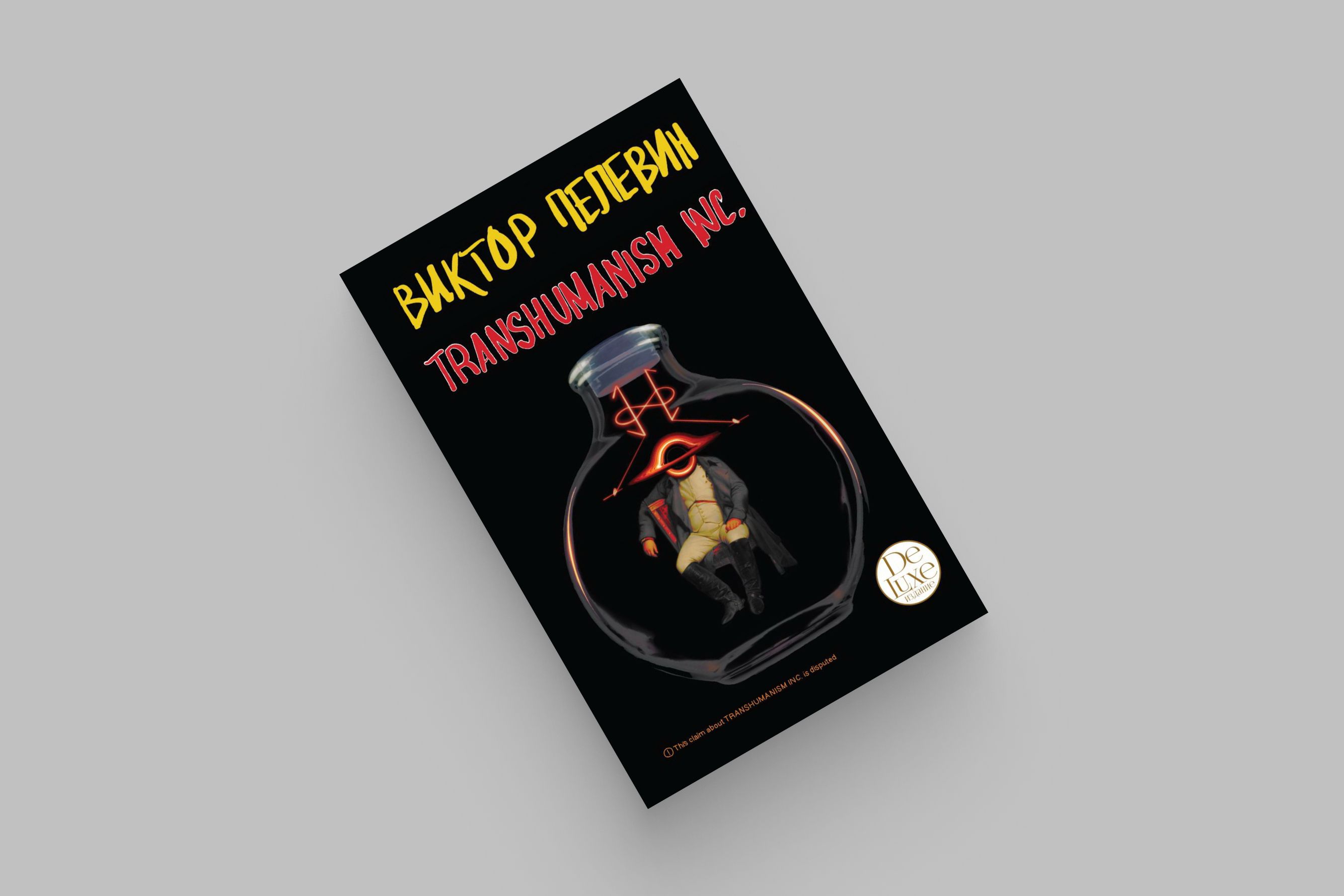
A collection of stories united by a common surroundings explores the topic of digital immortality. In the world of the near future, the brains of the powerful of this world do not die at the time of physical death, but are transferred to special “banks” - located deep under the ground of the brainstorm. From there, from the illusory world of virtual reality, its dead, in fact, the inhabitants continue to control the world of the living.
The stories included in the collection offer an impressive palette of genres - from allusions to the manga comics to a touching story about cats (of course, not without the second bottom), but a charming stem over the Russian classic alternates with an acute political satire. Separately, I would like to note that the year before the start of the war with Ukraine, Viktor Olegovich uses the word “special operation” in the book exactly in the meaning in which we know it today, and puts it in the mouth of Sheikh Ahmad, a character practically indistinguishable from Ramzan Kadyrov.
6. Snuff (2011)
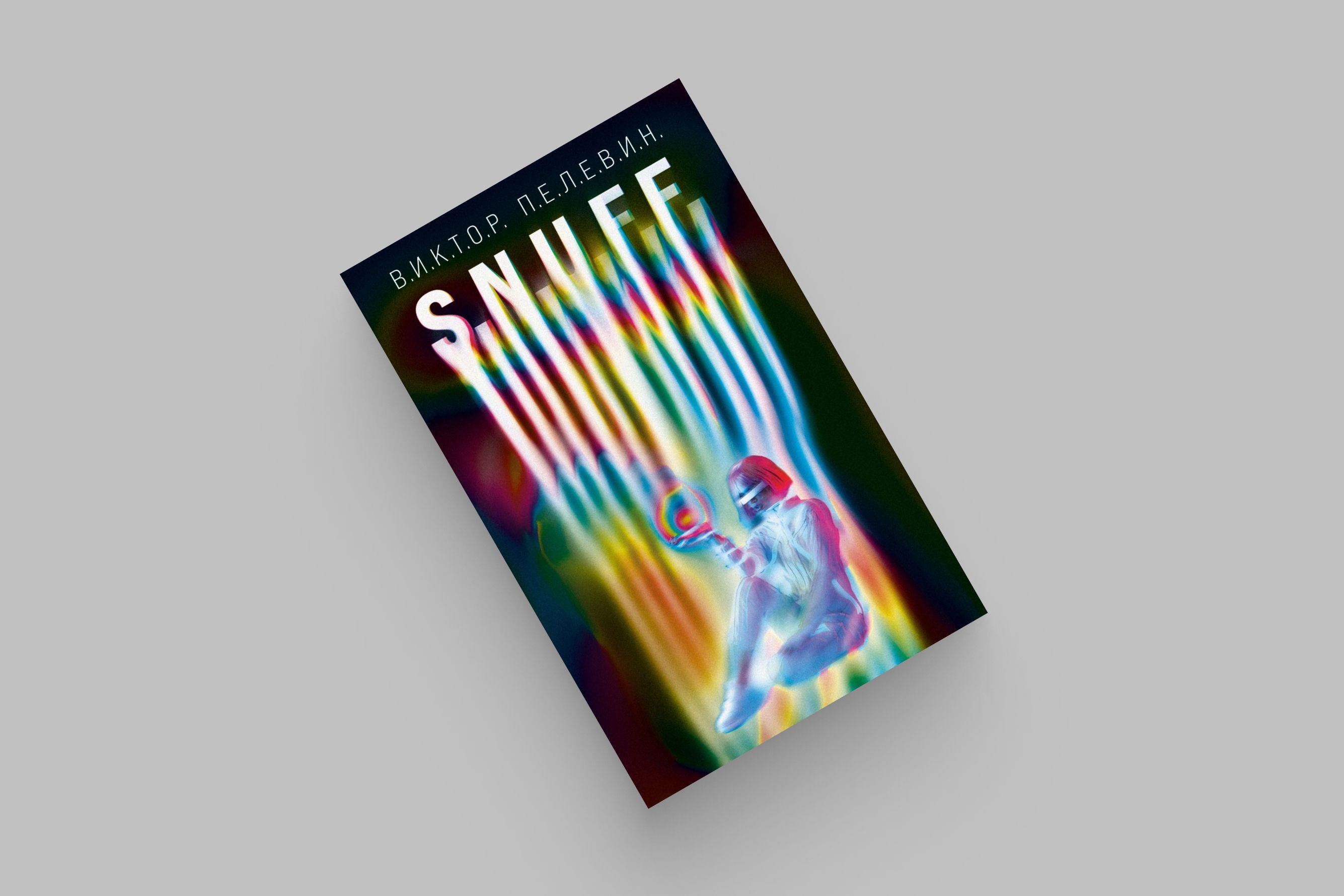
The novel is often called prophetic, since in it Pelevin, as it might seem, predicted today's events in Ukraine. In fact, this, of course, is not so: the conflict described in the novel, if something is similar to the one that we experience today, then only at the level of a very abstract and bitter metaphor.
The world described in Snuff is torn into two unequal parts. The “civilized” “off-shara” soars above the ground, and wealth, cynicism, high culture and personality rights flourish there. The surface of the Earth-the so-called urkain-is inhabited by poor, rough and ignorant "orcs", suitable, according to the civilized inhabitants of the off-Shara, except for the role of cannon fodder in ritual wars. In addition to the recognizable Pelevine techniques (playing words, hidden and obvious references to the present, Buddhist motifs, objectivation of women), Snuff has something beyond the scope of the program that is mandatory for the writer: an unkind sad and thin, charming self -irony.
5. IPhuck 10 (2017)
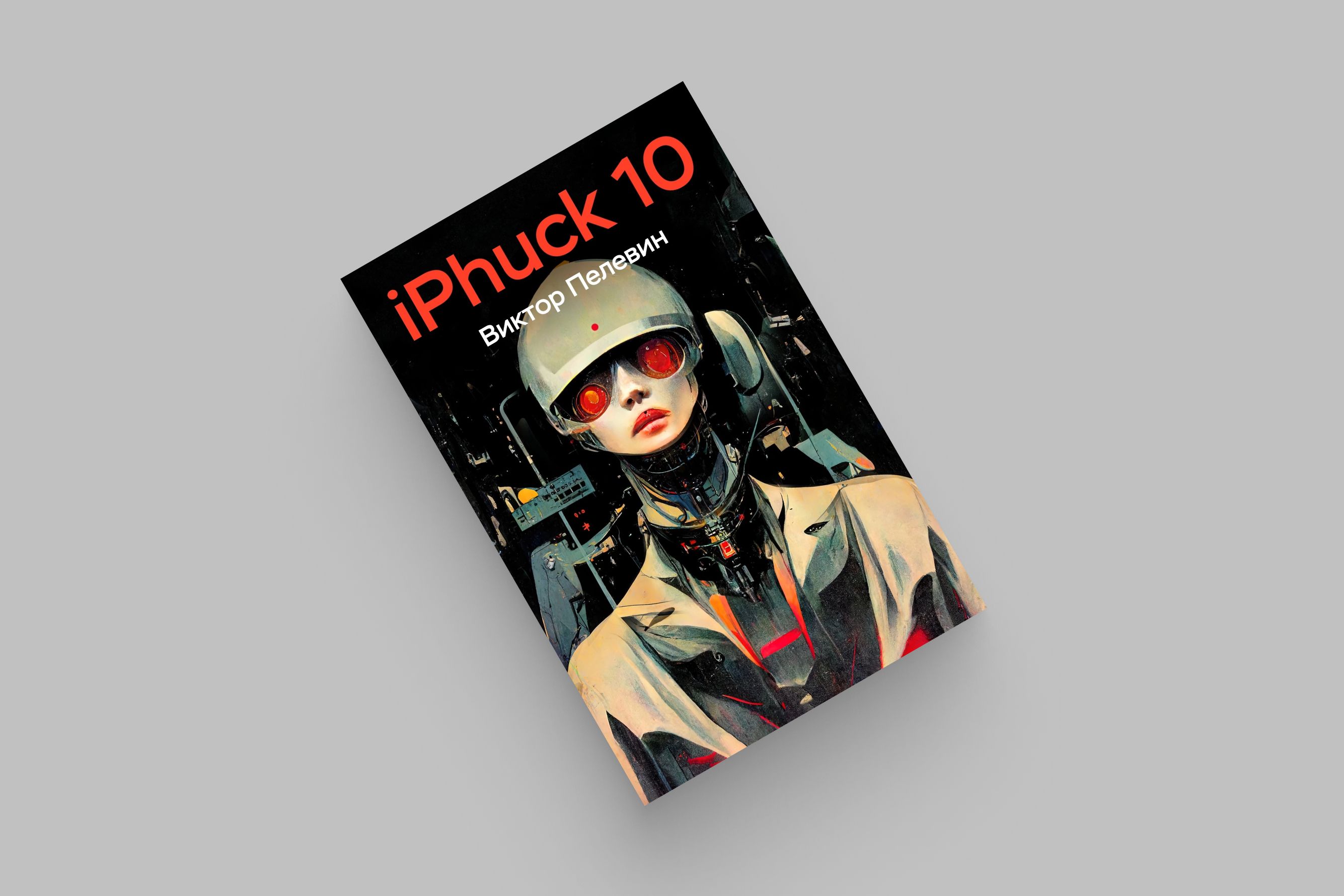
And again, the easiest way to reconstruct the content of the novel by his keywords: artificial intelligence, gender (and with it family, sexuality and all this is connected), the existence of art in the modern world.
Heroes-the literary and police algorithm Porfiry Petrovich and his client, art critic and curator of Marukha Cho-are involved in the detective investigation as partners, but each of them conducts its own secret game. Having perfectly practicing all the binding and push -ups for the detective genre, Pelevin at the same time builds a very realistic and slender model of the future. And if in 2017 this picture seemed alarmist, today, perhaps, it can be called encouraging with some reservations. Even this gloomy future is favorably different from the one that is loosened from the day of today.
4. Chapaev and Void (1996)
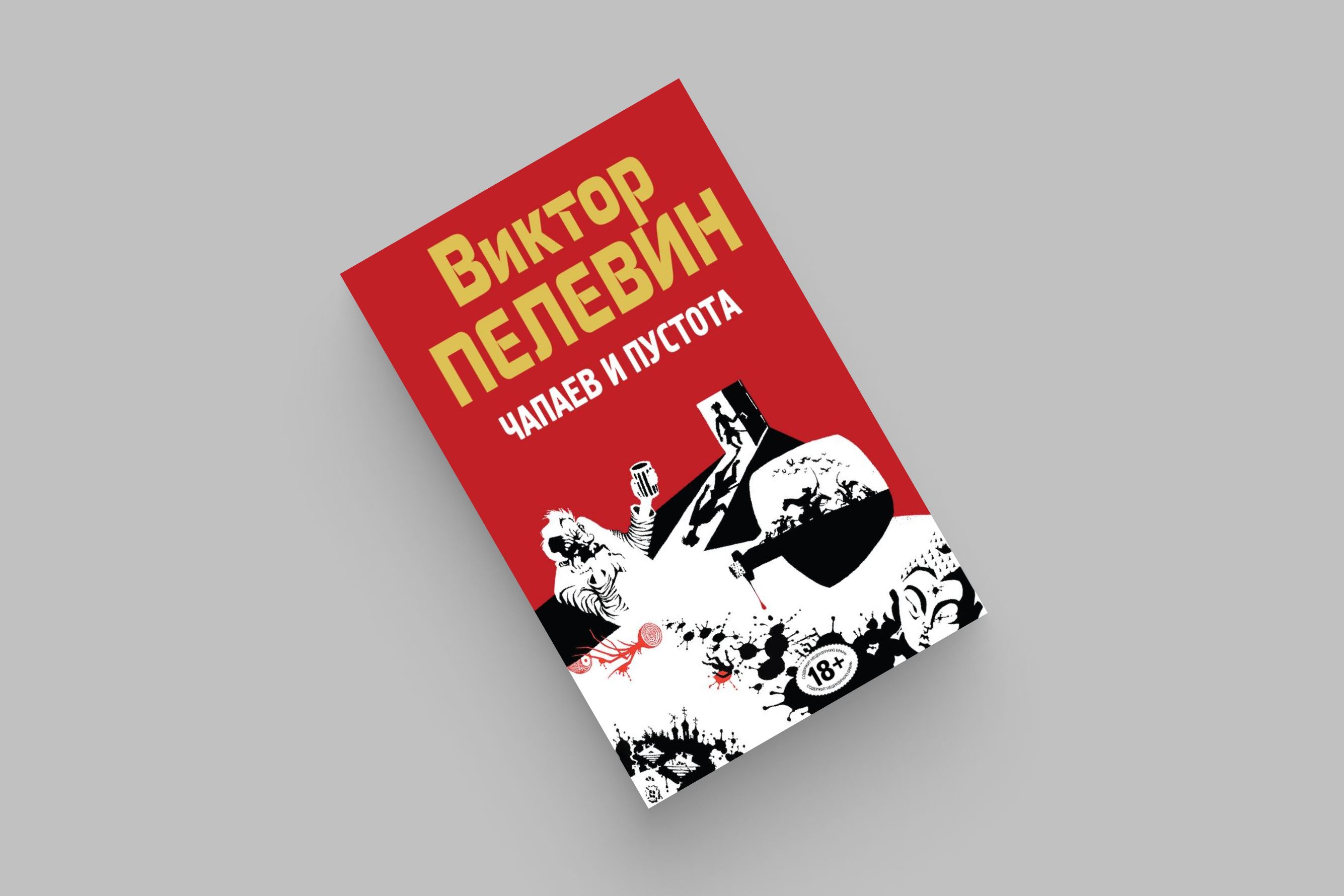
“Chapaeva and Emptiness” is considered to be the main novel by Pelevin, a kind of invariant of all his subsequent texts. In fact, it is here that the writer’s deep interest to the east and eastern mysticism is first manifested, his method of ironic rethinking of the relevant through transcendental and ancient is formed, the system of linguistic jokes is formed, and all this is in the purest, original and perfect form.
The problem, however, is that at least two (out of four) plot lines of the novel, alas, are pretty outdated and need explanations. In a word, the problems are approximately the same as the Generation P, but in a slightly easier form: not so much the self-prime novel as a priceless source on the history of the Russians of the 1990s.
3. Life of insects (1993)
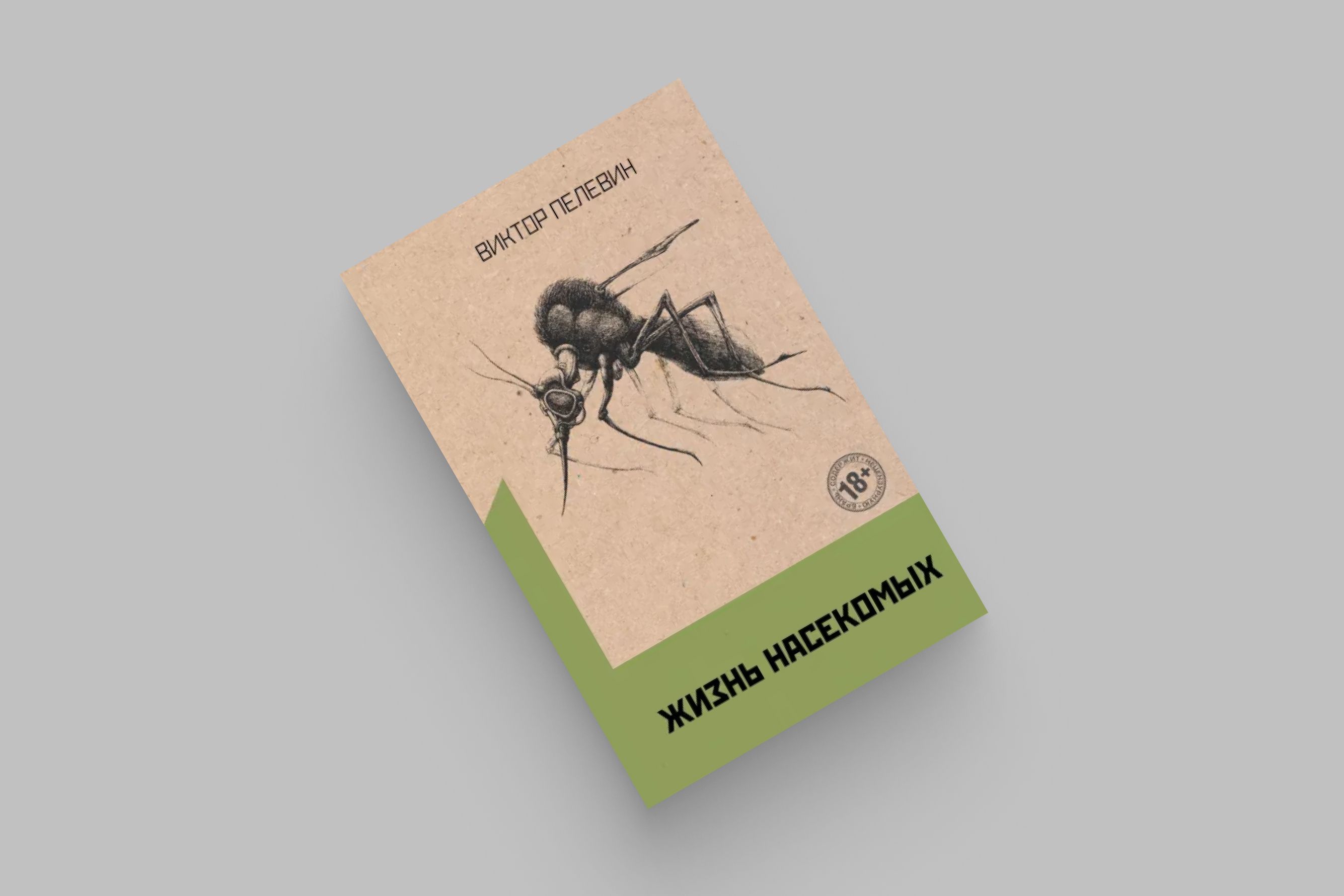
The least attached to the current realities, and therefore the least outdated novel - or, rather, the novel in the stories - Pelevin. All his heroes (recognizable human types, equally characteristic of any era, but in this case localized in the early 1990s) have two hypostasis at once: human and arthropod, insect that are not opposed to each other, like Kafka, but inextricably linked and complemented by each other. A powerful philosophical message and a truly virtuoso performance.
2. KGBT+ (2022)
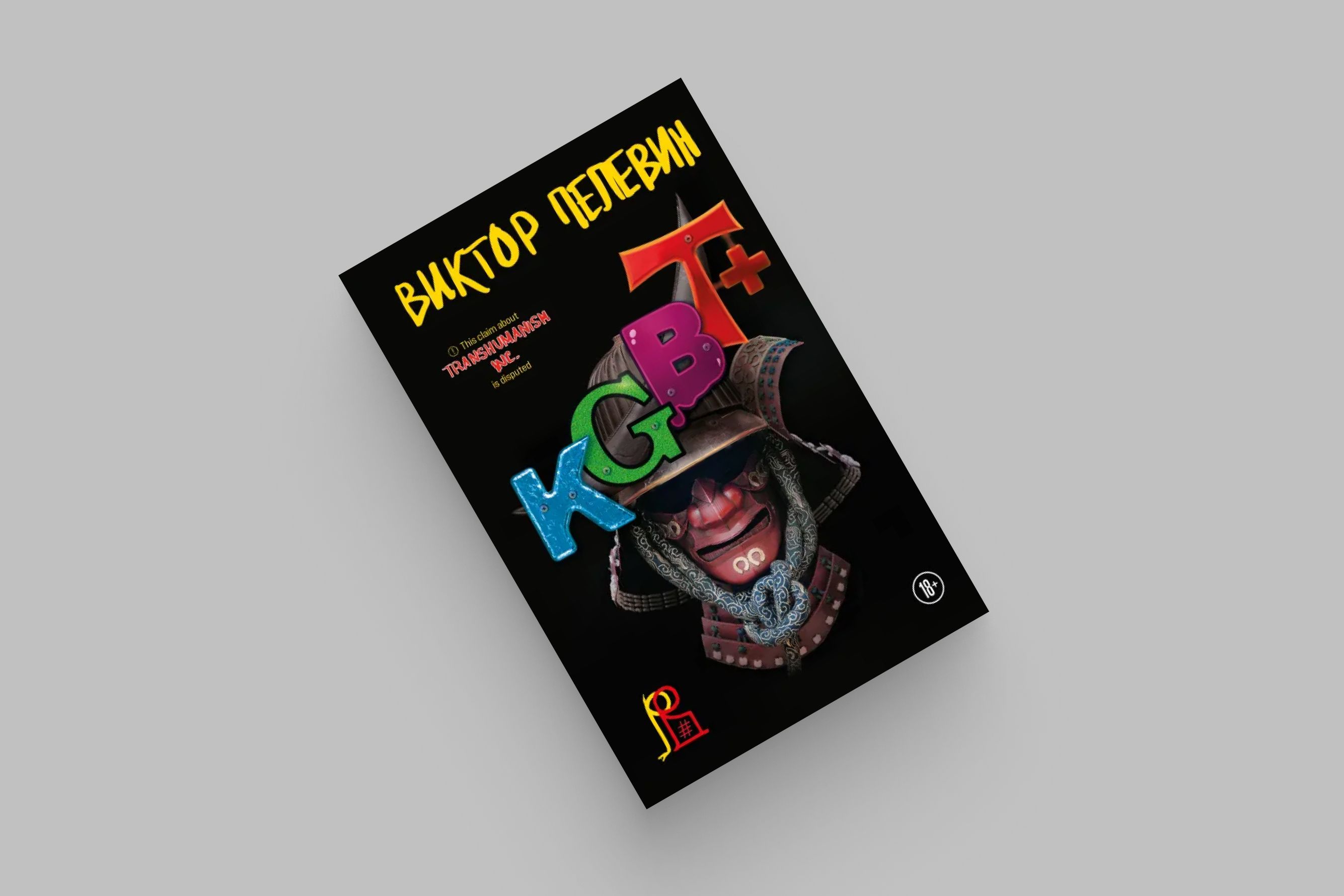
Perhaps come out this novel in any other year, its effect would be less. But in 2022, the story of the “Supervisor” (an analogue of the rapper from the near future) with the nickname KGBT+, which first fell into a dangerous binding with the participation of international gangsters, and then to the “Bank” (following Transhumanism Inc., the current novel transfers us to the world of “digital immortality”) - exactly what is needed. Clearly recognizable, in Pelvinsky ambiguous and at the same time, unlike many other writer books, who does not sin with tedious self-reproaches, KGBT+ performs the three most important functions that we are looking for in the novel today: entertains, unites and morally supports its readers.
1. The Holy Book of the werewolf (2004)
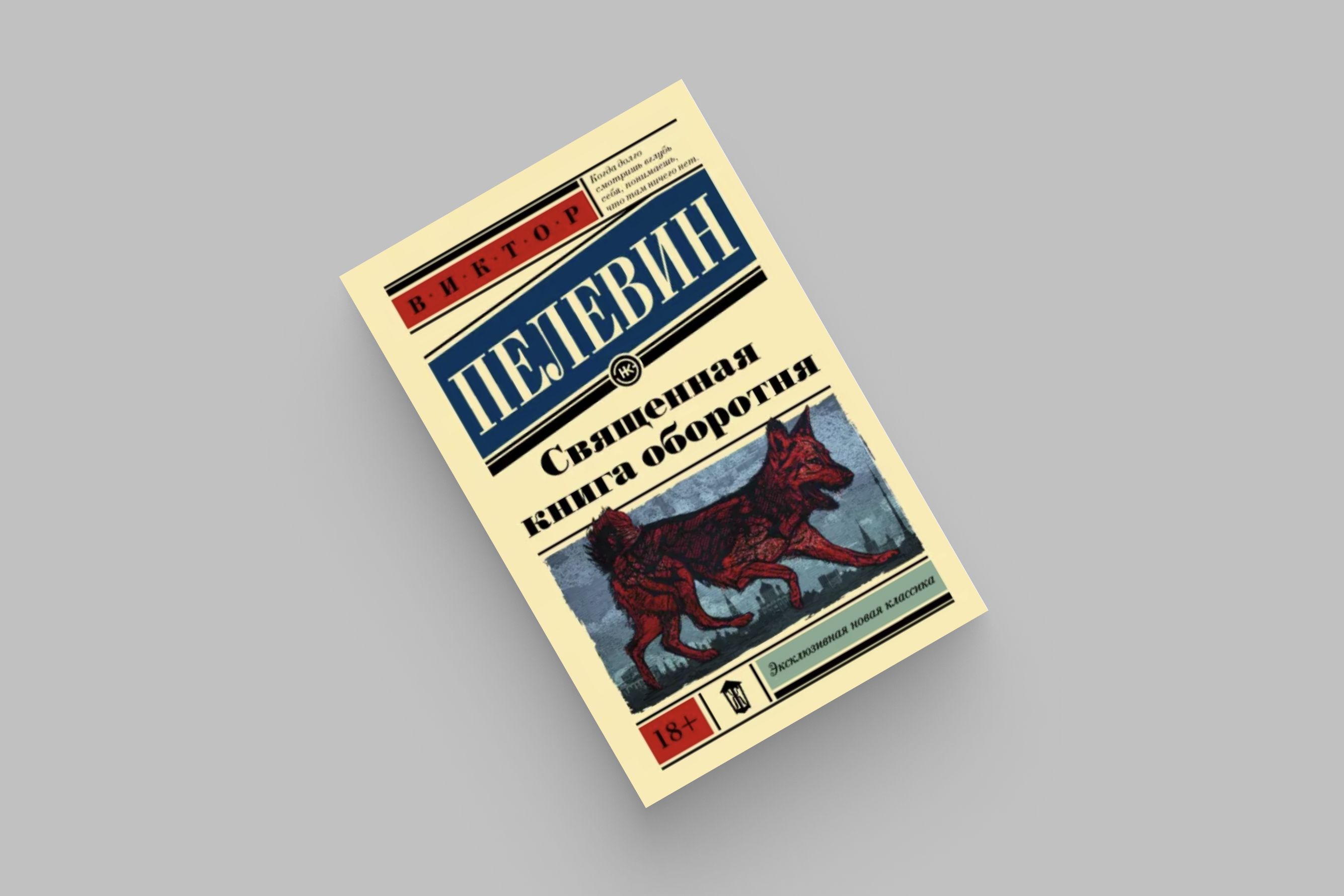
The most delicate, simple and sad novel by Viktor Pelevin, devoid of acute relevance and therefore an almost unquenchable time of time, as well as by a wide margin of the best love story in his work. The relations of the main characters-the werewolf foxes named A Huli and the Werewolf in the uniform, the young General of the FSB-unfold against the backdrop of the vigorous impoverishment of the Russian land, the decay of the usual (although far from impeccable) way. The lyrical, musical (it is no coincidence that the first edition was attached with the tracks that sound in the novel) and the truly touching “The Holy Book of the werewolf”-the best text of Viktor Pelevin from the point of view of literary skill and, in general, one of the radiant peaks of the Russian prose of the 21st century.
Galina Yuzefovich