
Translated material
Delusions of greatness
Why are the Russians to talk about the power of the empire are ready to live with totalitarianism? Explains political analyst Sergei Shelin
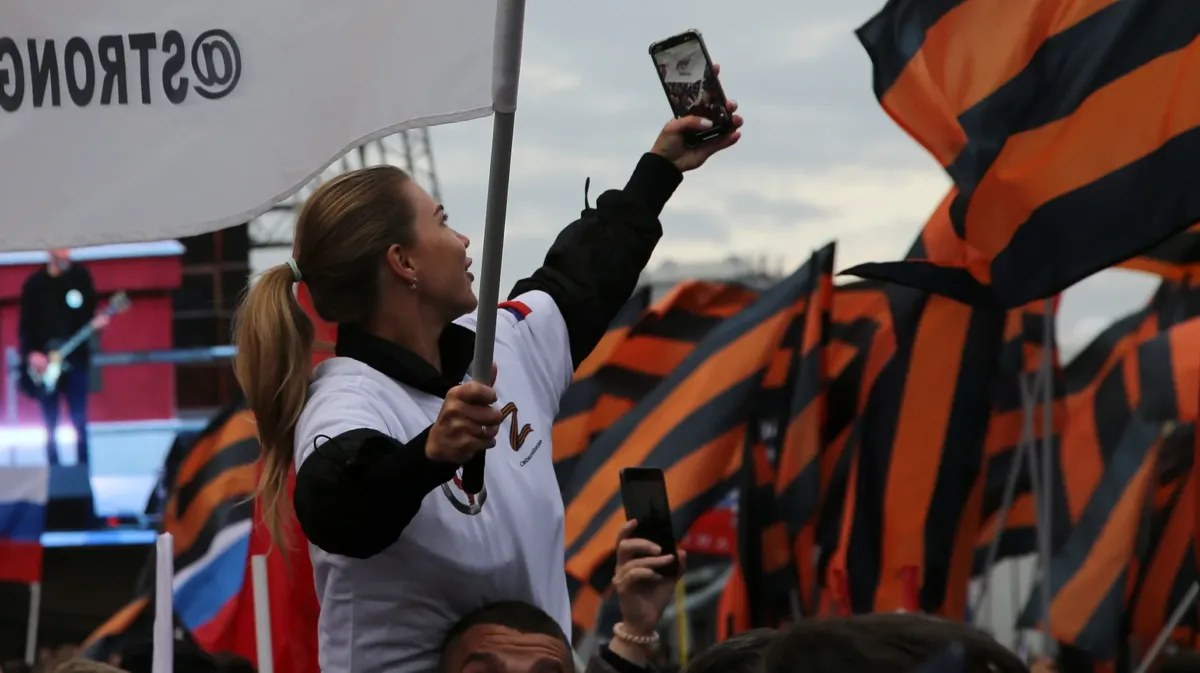
When the rain TV channel, in the recent past, Russian media, lost a license in Latvia, in Russia this caused a very violent reaction. The supporters of the Kremlin and his wars rejoiced indescribably, the opponents discussed, among other things, that the citizens of the country who unleashed the war were deprived of the right to freedom of speech not only at home, but everywhere in the world. Journalist, publicist, political analyst Sergei Shelin draws from these events a parallel into the past of another European country, whose citizens experienced this in the 20th century twice.
Sergey Shelin
journalist, publicist, political analyst
-Sergey, what does it mean, in your opinion, the story that happened to the Rain TV channel? Are all the Russians who left due to the war in such a shaky position?
-This story means that some illusions that in Europe are always glad to be any opponents of Putin is too. So after all, they were always unnecessary. But let's nevertheless cleanse this discussion of 99 percent of its participants-from those who are not journalists or spectators of the rain. If you leave the rest, it turns out that the confident majority of journalists and all the spectators of the rain consider the decision of the Latvian regulator unreasonable and unfair.
- But don't you have to look at this story “uncleaned” to see the situation of all Russians, and not just journalists?
- I think, even in Latvia, the alignment is not so heavy for the "rain". And if all this happened somewhere in Germany, then no one would cut off the “rain” from cable networks. The story, of course, is sad, but it is also a combination of unsuccessful circumstances. Of course, the attitude to Russia in the world creates such an optics, but I do not think that this would apply to any native of Russia. Russia has compromised itself, more than ever in its history. But not we, Russians, are the first. The Germans had to go through the same thing in due time. And in the same way it went to Europe and even in America to German antinacist emigrants. The echo of the Nazis crimes was given everywhere.
- Yes, Russia is now often compared with Germany. But what exactly would you compare it - with Germany of the First World War or World War II? With the end of the German Empire or with the end of the Third Reich?
-We had the “Weimar Republic” still in the past, these are our 1990s. And the current Russian regime, of course, is trying to be totalitarian, but in Russia they are not doing much of what the Nazi regime has done. However, our dissimilarity with him has a more sad side: unlike the then Germany, within Russia there is no alternative institutions, practices, and skills in the reserve. Therefore, when this regime ends its existence, there will simply be nothing to build new Russia from.
- When this regime is over, there will be many people who are annoyed, frustrated by its end, and they will surely want a revenge. Does this association cause this associations with the Germans of the Weimar Republic?
- Here I agree with you. If the failure of another imperial attempt is not realized as natural, so let's repeat it.
- "Can we repeat"?
- Alas. But in Germany there were alternative practices and structures, they can be listed. Starting from the Catholic and Lutheran churches, which did not fully cooperate with the Nazi regime, and ending with the ideas about local self -government, taxation, and many more.
And when the Nazi regime fell, the Germans had something to rely on. There were alternative practices in the reserve. And in Russia they are not. Maybe I'm mistaken, but I don’t see them.
That is why the desire of the sovereign revenge is possible: people will have nothing to grab onto. And this will create an occasion for them to want to “repeat” again and again.
- And what alternative institutions did Germany have at the end of the First World War?
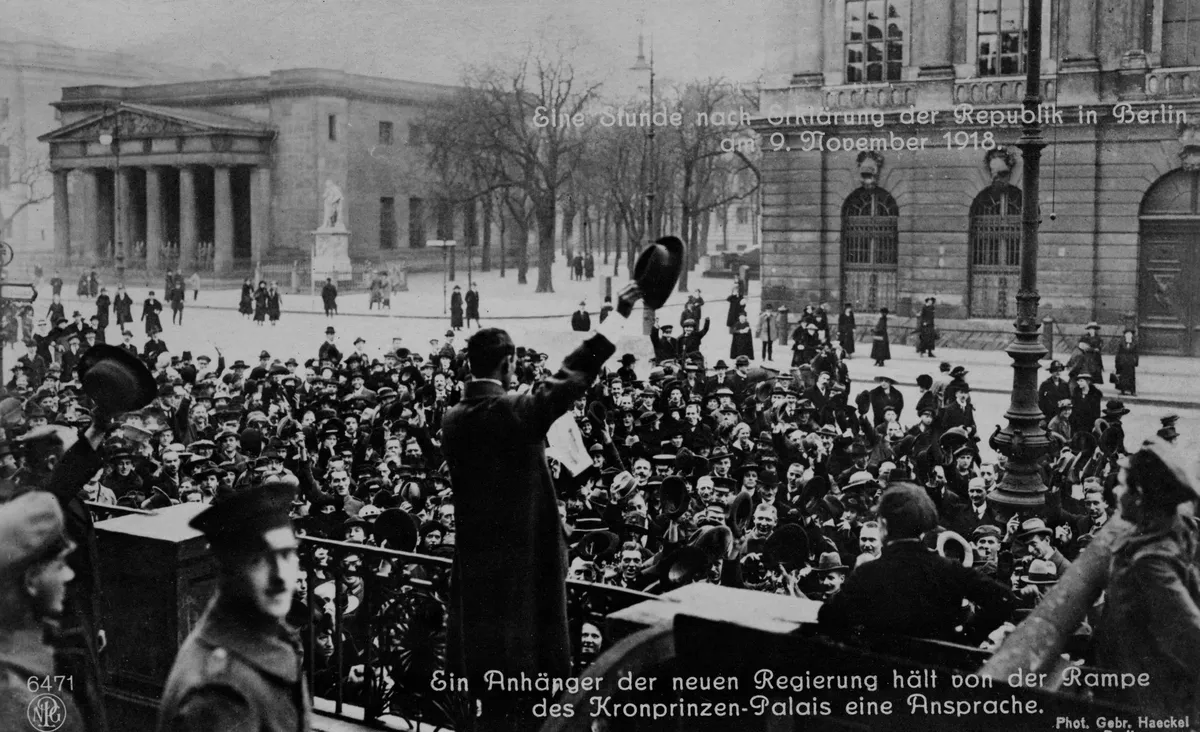
- A lot. The Reichstag of 1918 was a real parliament. Let it be not very good from today, but there were a lot of social democrats, Catholic centers and liberals who took power. The Weimar Republic was not a pre -doomed project. She could survive. Only by about 1930, three years before the victory of the Nazis, it became clear that the republic would die.
And what about Russia? There is no parliament. Church? The current Russian Orthodox Church is an analogue of “German Christians” (Deutsche Christen, a movement created by the Nazis, I.T. ) , which existed in the 1930s in Germany, and not at all a Protestant and Catholic mainstream that was there. With the church in Russia, everything is so bad that it cannot be a support for people. Local government? It is also destroyed. Everything that arose briefly was destroyed.
- In Germany, institutions existed, but it still did not help her?
- Once it did not help, but the second time, after the Second World War, it helped. But in order to build a peaceful and prosperous country, the prerequisites were even after the First World War, they simply were not realized. But in Russia today I don’t even see any prerequisites.
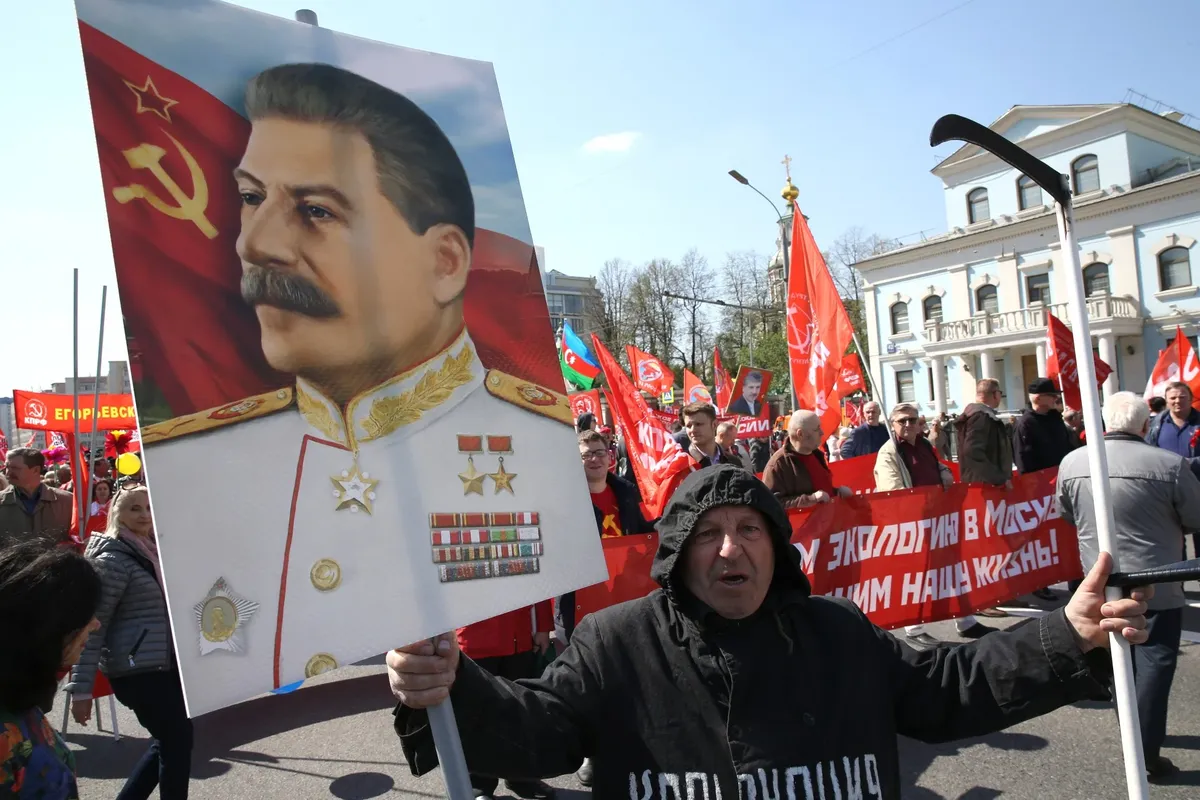
For example, ask the average Russian person: what does he think about taxes? And he does not think anything about them. He is generally not aware of them, unlike a Western person. But he has an opinion about Stalin. It doesn’t even matter - good or bad, but he has an opinion about Stalin. He has an opinion about the “Immortal Regiment”, there is an opinion about the Second World War, which he calls only the Great Patriotic War, and so on. In other words, a Russian person in the head simply does not have any alternative ideas about how a normal democratic country with regional and urban interests is arranged, with discussions about taxation, with a democratic agenda.
We are talking about things not only of narrow political. Who is Conrad Adenauer? This is a long-term chief burgomaster Kyulna, he left local officials. He came out of Catholicism - was a fiery believers. And who in Russia could play such a role? A religious figure - no, because the supreme priest of the Russian Orthodox Church is an absolute screw of today's state machine. I’m trying to imagine who it could be ... Well, perhaps, Evgeny Roizman as a representative of local interests. But in Germany there were many of them, but we have one.
- Why one? There are many representatives of the opposition ... True, they all either left or sit, well, so Roizman under arrest.
- The courage of the opposition that remained in the country is admired. But can they become representatives of their interests in the eyes of citizens? Even if citizens become citizens and are aware of these interests? The only one who could be like that to some extent-Alexei Navalny is associated with him at least an attempt to create a new national project in Russia, in the 2010s he tried to do this. After the 1990s, when the first national project of Yeltsin-Gaidar arose and soon failed, only Navalny was the next one. But he also does not succeed. Naturally, I really want his torment to stop, to be released. And he always wished him political success. But I can’t say that he achieved them.
-Actually, ordinary people, if you ask them on the street, will tell you that they really do not like Navalny. TVs in houses are not working in vain.
- Still, I hope that this dislike is transient. Remember with what neglect the ordinary people treated Andrei Sakharov back in the mid-1980s. But literally in a few years everything was transformed, and in Moscow, at least in the late 1980s, he was revered as a saint. Such changes sometimes occur rapidly.
- Does this mean that everything can be also easily adjusted with the help of a TV, including those shortcomings in the thinking of our people that you remembered?
- If we assume that people can be reconfigured with propaganda as you like, then this is a very gloomy consideration. It turns out that today they set up one way, and tomorrow they turned the switch - and reconfigured to another? And then back? That is, they told people to love someone-they love, they said to hate-they hate? I hope this is not entirely true. More precisely, this is not at all.
-Didn't this happen to the Germans in the early 1930s?
- The Germans had sovereign emotions and were so extremely strong. They were extremely strong before the First World War, during the First World War and after it. They were strong under the Social Democrats, I mean-under the first President of the Weimar Republic Friedrich Eberte.
But besides these thoughts, they had other ideas: about a normally organized social life. About taxes, about mutual assistance, about the installation of self -government - and so on.
These considerations have always been with them. And later they were able to prevail over their thoughts about sovereign. When, as a result of defeat in World War II, they became convinced how terrible it was when their country was destroyed, millions of people were killed or expelled from their former places. Although in Nazi crimes the post -war Germans, unlike the current ones, were not so repented.
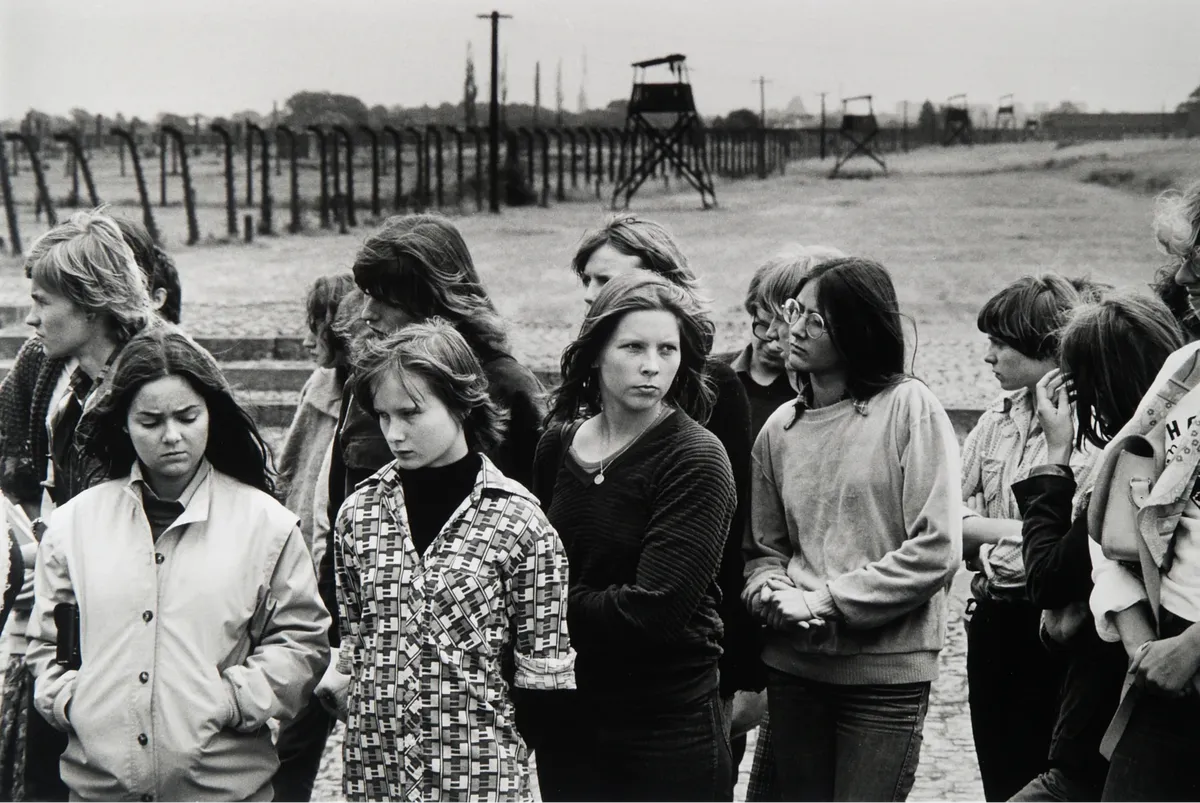
- They did not repent at all. The Americans brought lovely German old women to the former concentration camp so that they saw that they were creating a regime, the old women looked and said: you deliberately arranged it all, in fact, it could not be like that.
- But in the heads of the Germans, then the main thing happened: horror arose before militarism, before imperial projects. These projects were associated with something nightmare, with the destruction of life. And then they turned to simple things. The song was popular: "Work, work, build your house, look at the girls later." And it was fine, it benefited, and the democratic structure of Germany in a few years became strong and stable, because it gave people what people wanted. And repentance came later, to the next generation.
- Only this did not happen in itself. Germany had to live under the occupation, and the winning countries were quite very dipped in the Germans in their muzzles in the deed. In Russia, for an attempt to tell what was happening in Buch, Ilya Yashin received eight and a half years.
-The lack of prospects that someone will impose normal rules of life to Russia, further complicates the forecasting of some good options. Yes, and those who want to take a chance is somehow not visible. But the main thing is that Germany was much more ready to become another. And, by the way, Japan too. But when the Americans came to Iraq and tried to impose democracy there, little came of it. Although there are now other orders, not at all the ones that were under Saddam.
- In Libya, an attempt to instill democracy generally led to the fact that Libya was gone.
- Libya was a fairly artificial association of tribes - so it broke up. So Russia can break up, now they are discussing a lot about this, and something like this cannot be completely excluded. After all, empires sometimes tend to break up. The Russian power in four hundred and a little years broke up three times. The last time is in our memory. And with China, this happened regularly.
But empires have the habit of reviving after a while. With such an attempt, we are now present.
-Why, nevertheless, the Germans at the end of the 1910s had ideas about how the institutions should work in the state, and the Russians of the 21st century, after ten years of life in democracy and twenty more in like democracy, did not appear?
- Because Germany and Russia have a completely different story, different background. Germany is a lot of different countries with unlike traditions, and there is now a Germany on the site of these countries. And in Russia, if its imperial history from the 15th century, from Ivan the Third, has always been a centralized state that crushed everything for itself. We can call this imperial, sovereign, but there is a very successful designation: "the state of the authorities." When a Russian begins to talk about some public affairs, he always takes them to the authorities, and not to his own interests. And this is terrible. Because if the regime falls, everything can go again in the same circle.
Compare this with Ukraine. She was very similar to Russia only thirty years ago. And now there is a national state. The national state can give rise to democracy, although without a guarantee. And the empire is not generated by democracy in principle.
I use the expression “national state” not in ethnic, but in the civilian sense: this is a country in which there is a political nation. In the USA, with all the variegated ethnic composition, just a national state. And in Russia, where three quarters of the population have one ethnic origin, there is no idea about national interests, about national civil values.
And again I will say about the attitude of our fellow citizens to taxes. After all, twenty years ago, there were discussions in Russia how to be with personal income tax - tax on individuals. This is the most obvious tax for the payer, which also goes to the local treasury, regional or municipal, and not to the center. It would seem that citizens should be very interested in knowing where and what their tax goes. And in the Ministry of Finance it was discussed: let people themselves expel from the earnings of personal income tax, then they will be interested in how much and what they pay for. But this idea did not pass. And, most importantly, people themselves did not demand this.
The Summer company pays personal income tax on behalf of its employees, and the employees themselves do not want to know about it, they are interested in something else. And this is one of the main differences between Russians and Europeans.
And then we are surprised that we attacked Ukraine.
- Why then did Ukraine become a national state? So many years of general history, for so many years we lived together, all “poured from one barrel” - Soviet. And also a big country. Why did they succeed, but we do not?
- From the very beginning, Ukrainians were more predisposed to national construction. And this related to them with Latvians, Estonians and Lithuanians, only in Ukraine it was done more slowly. The Ukrainian tradition is not an imperial tradition, they were only attached to the empire. Assimilated Ukrainians in Russia are exactly the same imperials, but Ukrainian-Ukrainian, regardless of tribal origin, turns to a tradition that is not imperial, so the national state can be built on it. And in Russia there is no other tradition except imperial. The problem is not that Russians have some kind of “gene of imperiality”, but simply in the minds people have no other social values.
Russian literature is often called imperial and quotes from Dostoevsky, but with the help of the same quotes you can prove imperial and English literature and French, take at least Kipling. But in the heads of the French and the British there were other examples, the Germans also had them, although to a lesser extent. And the Russians in the heads, when it comes to some kinds of public things, there is simply no pattern except the imperial. They are always ready to talk about Stalin, and much less often - about who to hire for garbage collection and for how much.
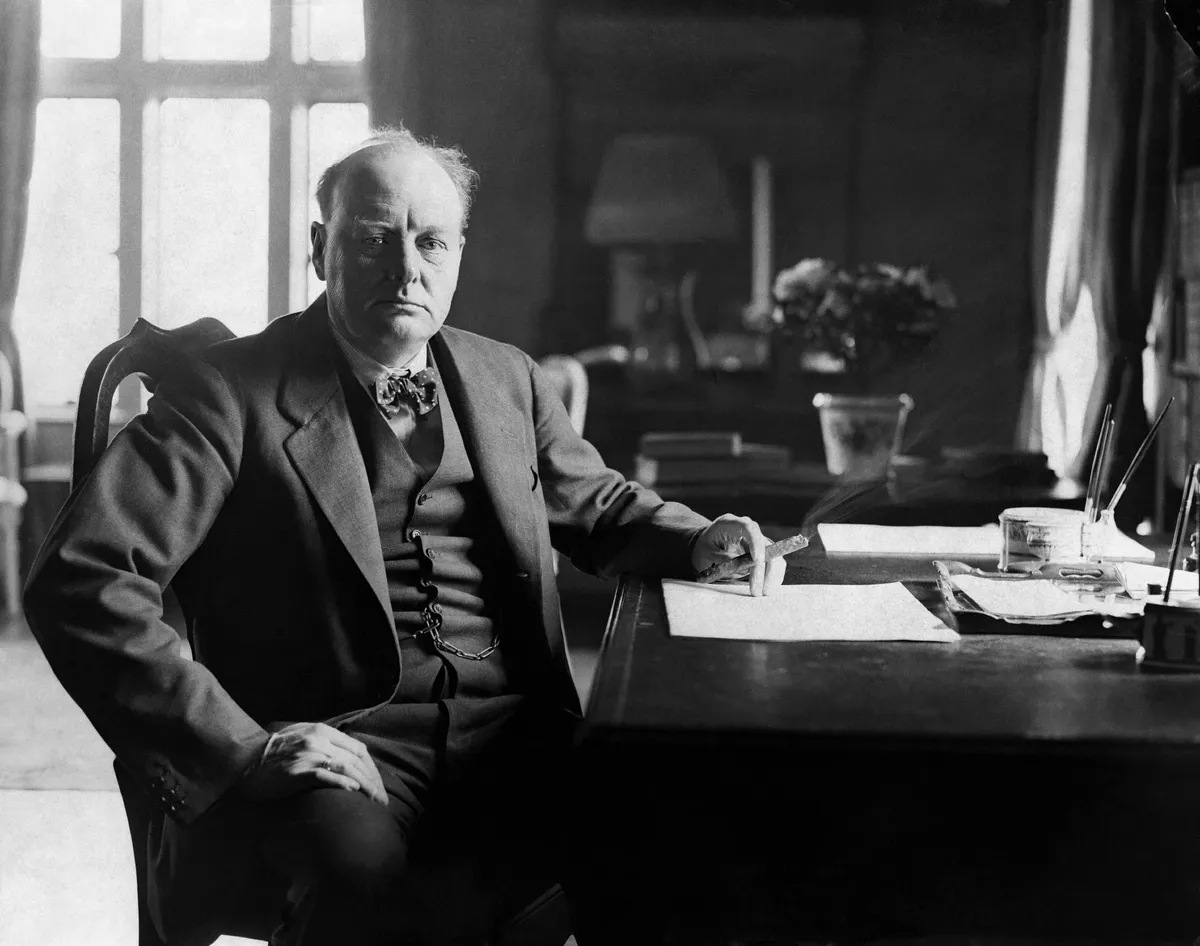
-Churchill said: "I have not become the Prime Minister of His Majesty for that in order to preside the liquidation of the British Empire." Empires always did not want to abandon traditions, but then they understood that the moment came. Why does Russia continue to cling to the "former colonies" even after 30 years?
- The UK was an empire in the sense that it owned numerous overseas dominions and colonies. But in Britain itself there has long been a democratic national state. Churchill is a double load. He was both an imperial when he turned to overseas possessions, and a democrat, when he turned to England, to the metropolis. And in Russia there is no such metropolis. More precisely, in Russia, the Metropolis is a power machine, and the “colony” is the Russian population, which is exploiting the Metropolis.
- Then is it right to call Russia right at all? The empires not only exploited the colonies, they had some kind of mission in relation to them, carried some kind of civilization-the “burden of the White Man”, since you remembered Kipling, and all that. And what did the Russian state do for its “colonies”?
- The state car said to its subjects: I take on the obligation to win and conquer, here is my mission. And now, when it turns out that it does not really cope with this mission, for subjects you have to compose all sorts of exotic explanations, and every day different.
- And in this place, the “colony” should arrange a “uprising of sipaev”, rebel.
- Russian subjects can rebel in two ways. They may require a free and independent life-as the Baltic countries once did.
And they can rebel because this empire turned out to be bad, fake, carry a new, real one that will show everyone a mother to Kuzkin. Unfortunately, such a threat exists.
— А если бы в конце 1980-х дело было так: не республики откалывались от СССР, оставляя Россию, а наоборот — Россия откалывается от всех и пытается что-то у себя вопреки всем построить, тогда здесь не проявлялись бы имперские традиции?
— Знаете, лет тридцать назад я надеялся, что России, раз уж она осталась одна, без остальных союзных республик, все-таки не останется другого пути, кроме как превращаться в национальное государство. Хотя бы по остаточному принципу. It was a mistake. Оказалось, что РФ, уяснив, что остальные отпали, просто захотела их вернуть.
— Может быть, мы плохо видели, что происходило с людьми вокруг? Нам казалось, что все вокруг разделяют наши стремления к демократии, а людям с голодухи советской просто хотелось колбасы?
— Дело ведь не в колбасе. Империя требует, чтобы ей приносили жертвы. Россияне сейчас довольно терпеливо относятся к тому, что жизненный уровень снижается и будет снижаться дальше. И даже мобилизация — большинство смирилось и с ней. Люди действительно согласны многим поступиться ради империи. А вот ради прав и свобод они на жертвы не готовы. That's what is terrible. И не потому, что люди плохи или глупы, а просто нет у них представлений о том, как важны гражданские ценности.
— Когда кончилась Первая мировая война, немцы считали, что у них победу украли. Они считали, что их армия — самая великая, и она действительно долго побеждала, а потом вдруг хлоп — и Компьен, капитуляция, Версаль.
— Немцы почти поголовно сочли, что внешние и внутренние враги их перехитрили.
— Вам это ничего не напоминает? Вторая армия мира, Киев за три дня, парадная форма в грузовиках — и вот уже «потерян» Херсон.
— В этом действительно есть сходство с немецким восприятием именно Первой мировой и того, что было после. Одно дело — унизительный разгром, когда твою страну оккупируют чужие солдаты. Это сразу расставляет точки над i. А когда тебе рассказывают, что просто какой-то враг, какой-нибудь условный телеканал «Дождь», ударил ножом в спину — отсюда и неудачи, или — испортили всё проворовавшиеся генералы, а были бы другие, не воровавшие, всё было бы иначе, вот тогда люди начинают искать объяснения внутри своей имперской парадигмы. Они не говорят, что империя — это плохо. Они говорят: империя — это хорошо, просто ее плохо защищали, надо теперь защитить хорошо. And this is very sad.
— Печально, потому что от таких вещей для Германии в 1918 и в 1945 годах зависело: захочет она повторить — или придет в ужас от содеянного. О сегодняшней войне на Западе некоторые говорят, что надо найти вариант, при котором Россия сможет не чувствовать себя проигравшей, а Путин сохранит лицо. Не приведет ли такая «недопобеда» к тому, что надо всё это как-то переиграть, «перевоевать»? Это не превратится в итоге в бесконечную историю для России?
— Я бы сказал — в длительную историю. Нынешний режим в России очень жизнеспособен. Он способен выдержать фактическое поражение и сохраниться, а неудачи представить как победы. Они ведь и сейчас каждый день говорят о том, как что-то присоединили, как «Азовское море стало русским». Но самое печальное не это, так ведет себя любой самовластный режим. Самое печальное, что большинство россиян ждут именно этого.
— Почему тогда вы говорите, что это история длительная, а не бесконечная? На следующем витке «можем повторить» ведь и повторится, и так это будет продолжаться по спирали.
— По спирали невозможно идти бесконечно. Нет ни одного режима, который живет вечно. Когда-нибудь и этот сойдет со сцены. Но действительно такое «неполное» поражение дает ему возможность продлить существование на неопределенный срок.
— Это если исходить из представления о том, что режим формирует страну. Но разве у нас не страна фактически сформировала себе режим, который ее вполне устраивает? О Путине всё время говорят, что он прекрасно чувствует нужды и чаяния народа и делает ровно то, что народ хочет. Не значит ли это, что следующий режим будет таким же?
— То, что именно режим формирует страну, в России очень давняя традиция, повторю — с XV века.
Народ воспринимает режим как погоду, которую надо просто принять. Он не считает, что у него есть право построить себе какой-то другой.
В каком-то смысле это всё-таки симфония народа и режима, здесь нет такого, что плохой режим — хороший народ, хороший режим — плохой народ. На сегодня в головах у людей нет ясных альтернатив.
— Откуда эти альтернативы возьмутся, если за тридцать лет не появились?
— Ничто не мешает на это надеяться. But not today.
— Сейчас часто говорят: этот режим рухнет. А как вы представляете себе это обрушение? Что мы увидим?
— Такого разгромного поражения, как потерпела Германия, сейчас не предвидится. Сама по себе Украина не имеет достаточно ресурсов, чтобы разгромить российскую армию, это исключено. Максимум — Украина отобьет свои территории. Поэтому чем меньше ошибок будет дальше совершать этот режим — тем дольше сможет просуществовать.
Нападение на Украину было гигантской ошибкой, самой большой ошибкой путинского правления. Но до этого Путин правил довольно удачно для себя. Можно представить, что новых ошибок пока не будет, и почему бы тогда этому правлению не продлиться? Экономическая политика в России рациональна. На уровне продвинутого дилетанта Путин разбирается в макроэкономике, и его опора на специалистов в этой сфере принесла плоды. Столпами его системы оказались вовсе не фээсбэшники, которые ни с чем не справляются и только врут, и не вороватые генералы. Столпами оказались бывшие системные либералы, которые руководят экономикой и финансами, ведут рациональную политику, поэтому РФ чувствует себя довольно уверенно. Так она и дальше будет уверенно себя чувствовать. Даже под санкциями.
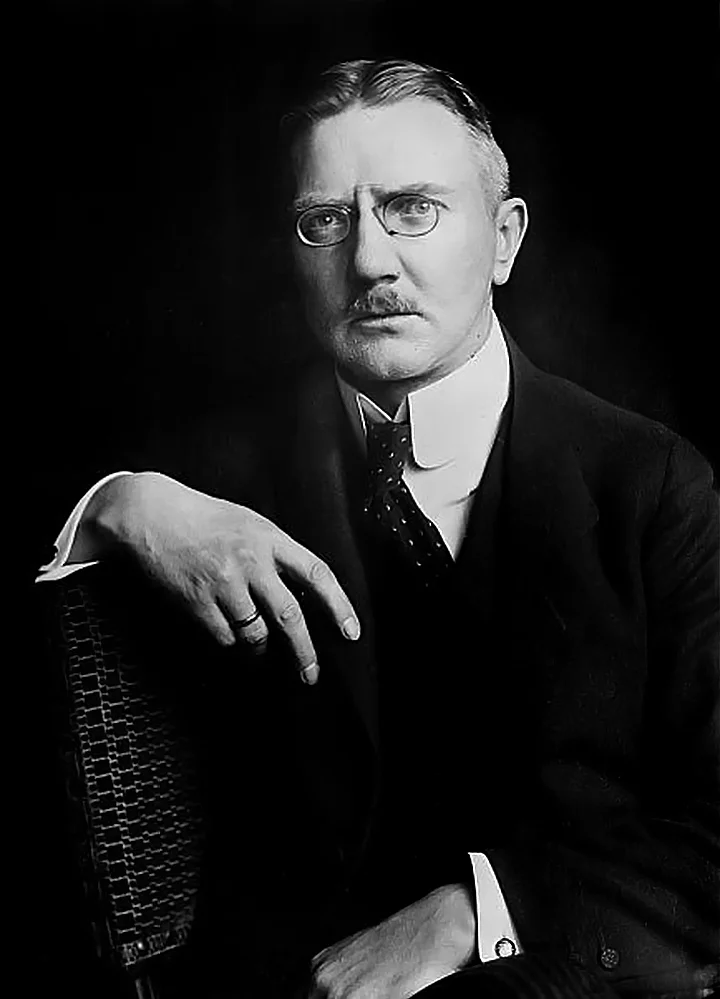
— А помните, был такой председатель Центробанка Ялмар Шахт? Вытаскивал экономику Германии после Первой мировой войны и был вполне себе либералом.
— В том-то и дело, что Ялмар Шахт вышел на сцену еще во время Веймарской республики. Он начинал как член Немецкой демократической партии, в 1923 году возглавил тамошний Центробанк, стал успешно бороться с гиперинфляцией, обеспечил твердость валюты. Это реальные заслуги.
-That's it. Благодаря в частности его «экономическому чуду» немцы очень поверили, что «могут повторить».
— Да, потом он стал пламенным националистом, в начале 1930-х начал поддерживать режим, хотя, по мере того как режим ужесточался, Шахт начал от него отходить. Похоже, похоже.
— Все-таки что может произойти с нынешним российским режимом? Может ли народ его «перерасти» — как это произошло в Беларуси, или, как в 1980-х, найдется кто-то, кто начнет менять его изнутри?
— Мне кажется, изнутри могут быть лишь какие-то временные послабления. Ведь и те, что произошли в 1980-х, как мы теперь видим, тоже оказались временными. Сколько-нибудь устойчивые перемены возможны, только если изменятся общественные установки народа. В приватной жизни россияне — вполне нормальные люди, примерно такие же, как все, и хорошие, и плохие. Но как только заходит речь о каких-то общественных вещах, о государстве, так начинает казаться, что говоришь с сумасшедшими.
— Как это может измениться? Нужна смена поколений — или могут сработать, как когда-то с немцами, объяснения, убеждения?
— Не столько объяснения, сколько личный опыт. Переубедить человека могут не чужие слова, а только жизнь. А вот когда его начинает переубеждать жизнь, тогда он ищет слова, которые это объяснят. Слова журналистов будут интересны только тем людям, которым уже приоткроется какая-то правда. А пока этого не произошло, слова бесполезны.
Мобилизация ведь уже затронула людей — и они начинают понемногу думать. Это заметно хотя бы по снижению популярности такой фигуры, как Шойгу. Неадекватный и бездарный во всех отношениях руководитель. Фигура вообще-то комичная, если бы всё это не было так печально. Но он и Лавров были кумирами. А сейчас замеры опросных служб показывают, что люди начали разочаровываться. Уже видят, что Шойгу провалился. Примерно так это и работает. Все слова уже сказаны. Теперь только практика может убедить людей, что война — это страшно, это плохо, это гибель.