
Translated material
"In our time, it is indecent to be free." Why did Baron Witte survive the Soviet regime
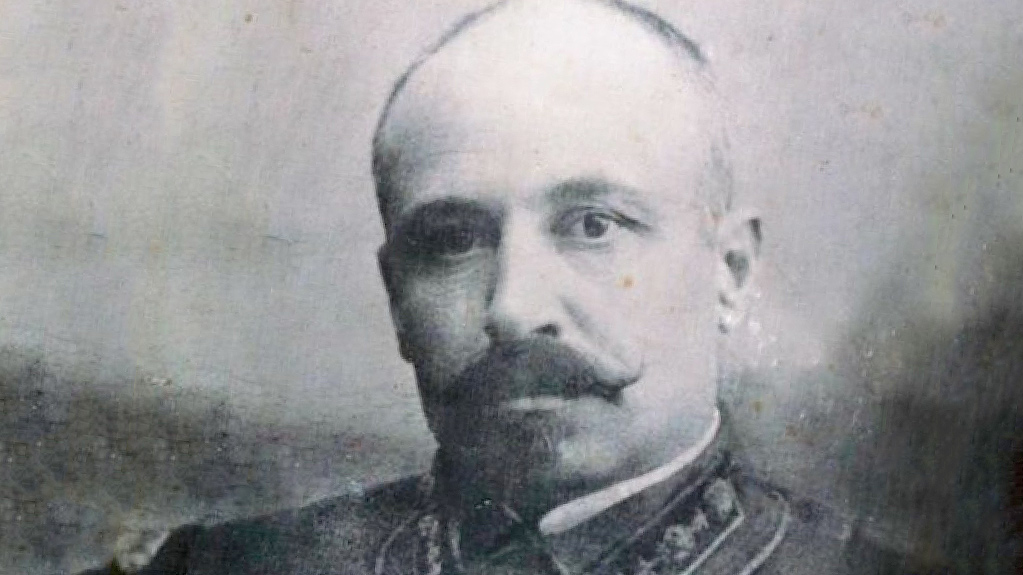
The Dutch surname de Witt became famous in Russian history thanks to S. Yu. Witte, the builder of the Trans -Siberian Railway, the Reformer of the Financial System and the Chairman of the Cabinet of Ministers during the revolution of 1905–1907. Appearing in Russia under Peter the Great, de Witta became the Russian barons of Witte and served the Romanov dynasties until its end, before the renunciation of Nicholas the Second in March 1917, with the advent of the Bolsheviks, they all became the "class enemies" of the new regime. All the more surprising, the story of Peter Witte, whom this regime spared for very unusual reasons.
In the camera of the Novonikolaevsky Cheka, where Peter Alexandrovich was imprisoned in 1921, it was fantastically dirty - the premises of the teemed in their lice. But, being a man of a scientist and, moreover, a student of Mendeleev himself, Witte, with the help of improvised means, carried out a disinfection of the camera and this saved not only himself, but also other prisoners.
From his Dutch ancestors, he inherited a Protestant attitude to work as the highest human virtue. Baron Witte worked all his life without turning his hands. During the Holodomor, he cooked sugar from plant juice, sewed clothes and shoes, made furniture and himself was surprised that he was still alive and free, although he did not hide hatred for the Soviet regime and personally Comrade Stalin.
At the same time, Witte honestly worked in Soviet institutions with a degree in agricultural chemistry (diploma of the Moscow Imperial University, 1898) and lived up to 78 years.
After the miraculous liberation from the Cheka prison in 1922, he tried to leave the USSR to Poland or Mongolia, where he had a large plot of land, but quickly realized that he would not let him go abroad and humbled himself.
Didi and Bibi
About the family of Witte and about the distant fate of Peter Alexandrovich and his loved ones, his great -grandson Vera Vinn tells.
- In his family he had a nickname - Didi, and his wife, Vera Pavlovna Krasovskaya - Bibi. I was named in her honor, says Vera Winn.
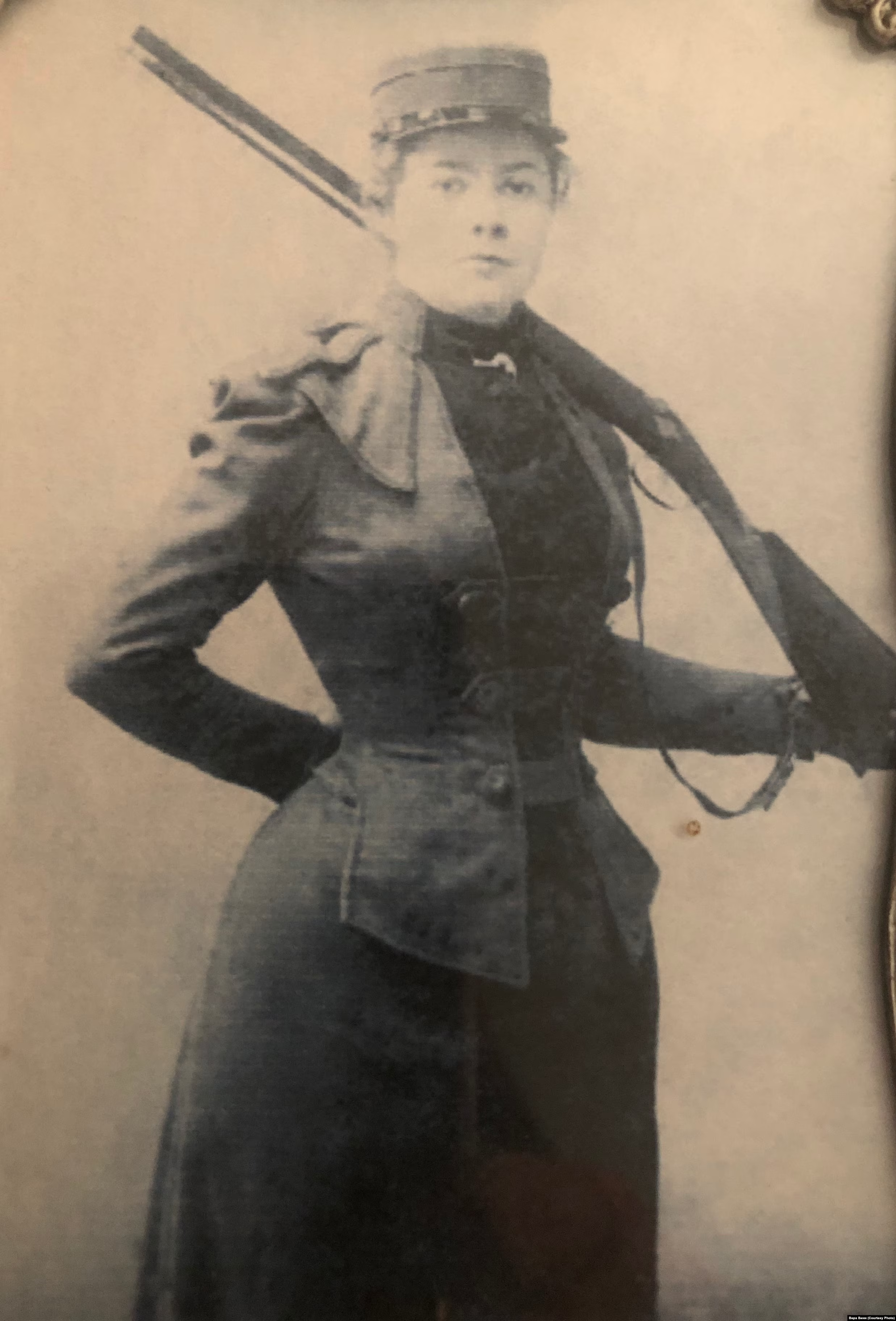
- Pyotr Alexandrovich is a relative of Sergei Yulievich Witte, chairman of the Council of Ministers of Russia during the time of Nicholas II?
-Regarding kinship with the prime minister in the family, there have always been conflicting opinions. American relatives claimed that Sergey Yulievich Witte was Didi cousin, but my grandmother believed that Sergei Yulievich was not a relative to us. Because our Witte is from the barons, but Sergey Witte is not.
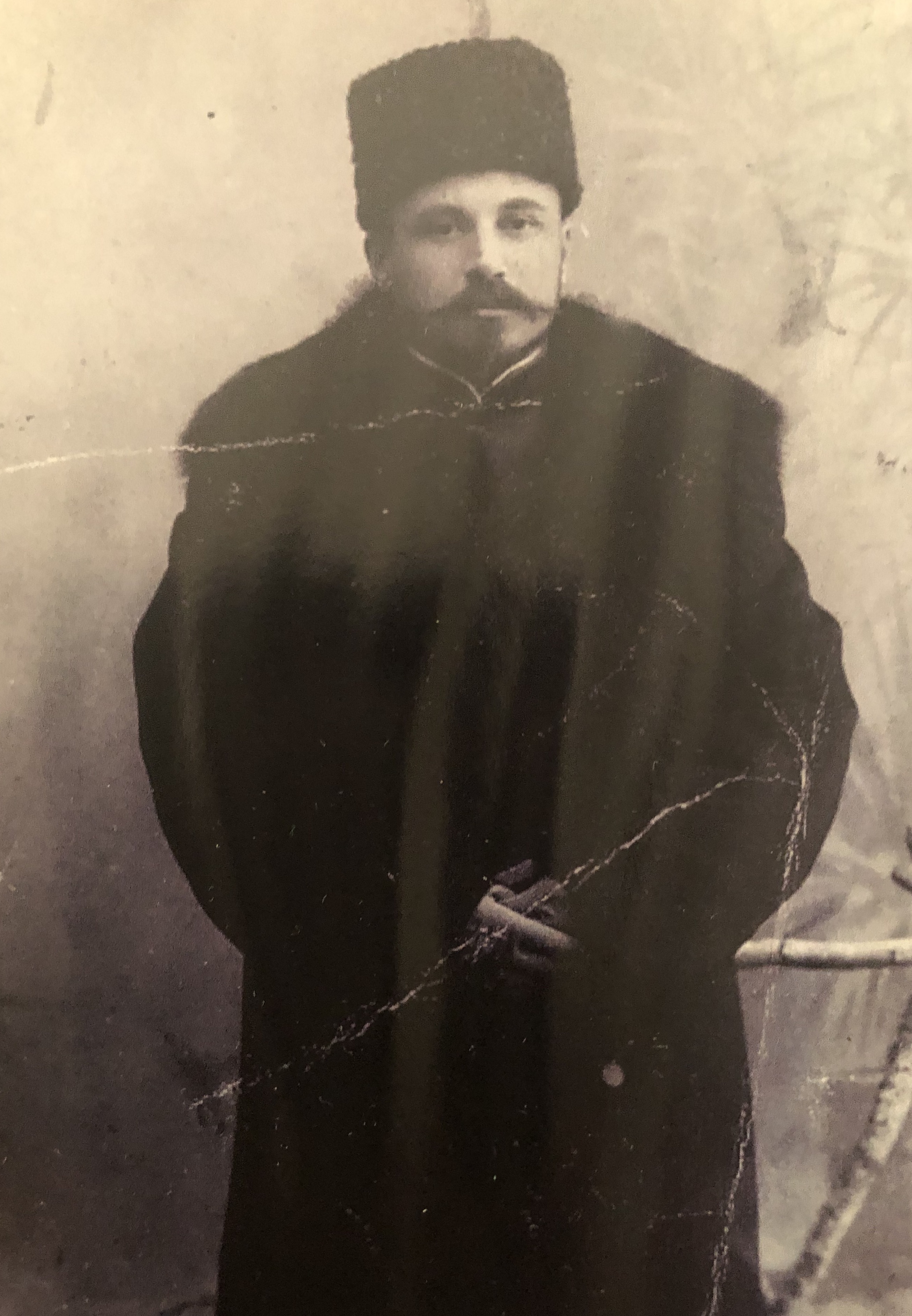
- What do you know about the origin of the family de Witt and when your Dutch ancestors appeared in Russia?
- Grandmother said that in our genealogy, the famous brothers Yang and Cornelius de Witt were listed. After the orange played them in the Hague in August 1672, their families moved to Germany, where they changed the surname de Witt to the German Lad and became Witte, from there some branches of the pedigree tree spread around the light.
In Russia, Witte appeared 300 years ago. They fought, served, worked for the good of Russia. The grandmother played the Netherlands a little in the family - the girls on the occasion of Dutch costumes, loved the books of Dumas “Black Tulip” and Mary Dodge “Silver Skates”. Grandmother sewed my mother and sister Aunt Natasha Dutch hats. Grandma’s brother Alexander (Shurik) during the second arrest in 1937 he called himself a Dutchman ..
- And how did Peter Alexandrovich meet with Dmitry Mendeleev?
- In 1898, Didi graduated from Moscow State University with a first degree diploma with a degree in agronomic chemistry. It was a relatively new science. The founder of agricultural chemistry in Russia was Mendeleev. Grandma and other relatives said that Didi studied with Mendeleev. I don't know what it means. Perhaps Didi consulted with Mendeleev when writing a diploma. It is known that Mendeleev wanted to recommend that Didi be recommended to the post of teacher of the university, but did not do this, because Didi stuttered, and Mendeleev reasoned that the professor would not come out of him. True, then, when Didi himself became a professor, he did not stutter in front of the students.
After graduating from the university, Peter Witte worked on the study of soils in the Volyn province, participated in the expedition to irrigation in the south of Russia, was in charge of the Mikhailovo Irrigation Station in the Don Region, since 1901 he headed the Tingutinsky experienced irrigated plot in the Astrakhan province, having turned it into an oasis in 15 years. In 1913, Baron Witte found funds for the construction of an agricultural school for Kalmyk children, built and headed the construction commission created for the construction of the main building of the school and other necessary services.
Mongolia. Ungern. Arrest
- Part of the life of your great -grandfather was connected with Mongolia. It seems he was even going to settle there forever?
-Indeed, he leased a lot of land for a period of 99 years, in Urge, which is now called Ulan Bator.
The history and materials of the expedition on the study of Mongolia 1914–1917. In Russia, they began to study relatively recently. Initially, the expedition organized by the Department of Agriculture was headed by the famous Mongolved Sergey Andreevich Kozin, but he soon transferred the leadership of his friend and deputy baron Peter Alexandrovich Witte.
First, Peter Alexandrovich went to Mongolia, and after him his wife Vera Pavlovna (in the girlishness of Krasovskaya) and the children. There were six children: Ksenia, Boris, Alexander, Elena, Irina and Vladimir. True, the eldest Ksenia soon returned to Petrograd, where she studied in the courses, but until the February Revolution she came on vacation, which she left interesting memories.
The expedition to study the mantleloli consisted of several parties. In his memoirs based on the diaries that she kept since 1900, Ksenia recalls these parties, which “... were well equipped with soil scholars, geologists, botanists, geodesists and economists. Parties were sent along the developed routes ... In one of the parties in which my father was attended, I took the assignment. The plankton of the rivers and the shooting in the side cuts ... All the parties were perfectly equipped with the father in Petrograd, and the rest was made in place, that is, in Urge There was a riding horse with a saddle, to which the necessary things were attached to the case, there was a cup and a spoon, there was also an exhibit of exhibits, there was a small handbag from a notebook with a notebook, a notebook and a compass of 12 camels, which brought equipment, tents and everything necessary in special flat boxes for the boxes Backders "(from the memoirs of Ksenia Petrovna Shumakova from the archive of her granddaughter Ksenia Borisovna Shumakova). Among the materials collected by the Witte expedition were descriptions of guard, an administrative map, cartograms of the spread of Mongolia forests, meterological data, materials on the possible use of the surface, on feed performance, geological collection, herbarium.
Simultaneously with the leadership of the expedition, Witte worked in the government of Mongolia - since December 1916 he was a financial adviser to the Mongol government responsible for organizing the country's state property. Witte began to quickly implement the necessary reforms. He created the Reform Committee, in which representatives of all departments of the Mongol government were supposed to participate, conducted the first census of the population and livestock in the history of Mongolia, monetary reform, and opened the famous brown coal deposit in the Nalai Valley.
In 1915, Baron Witte discovered the ruins of the Sardagiin-Chide monastery. "This monastery on the high slopes of the Hantai mountains ( 1500–2500 meters above sea level) was built by Dzanabazar in 1654–1680. According to the instruction of his main spiritual teacher, Panden-Lama IV Lobsan Chikegen (1570–1662) .... Peter Witte, an extremely educated person, gifted and detailed, believed. He used the special confidence of the Supreme Hutuhte of Mongolia-the Bogdo-Gagen of the Eighth, probably, the Mongols considered him a representative of the noble family of Darkhanov, since he masterfully owned various crafts and even kept a blacksmithing in the working office (from the book: Syrtypova S.D. Buddha Akshobia in Mongolia. "Orientalism" . 2 (4): 817-837). Indeed, Baron Witte enjoyed the great respect of the Mongols, who called him Holzin-Nomon, that is, the "bald gentleman" (the Mongols of Lysin is a sign of wisdom, and Witte really bald).
During the Chinese occupation of Mongolia (October 1919 - February 1921), Baron Witte continued his activities for the benefit of Mongolia and its people. He headed the establishment of the first power plant in the history of Mongolia. To do this, an electric generator was ordered in Germany, delivered to China and from there through Gobi on 62 camels to Mongolia.
After Roman Ungern-Sternberg broke the Chinese garrison in Urga, thereby putting the end of the Chinese occupation in Mongolia in early February 1921, Baron Witte became an adviser to the supreme ruler of Mongolia Lama Bogdo-Gagen VIII.
- In the spring of 1921, by the way, exactly a hundred years ago, Baron Ungern freed Mongolia from the Chinese occupation, whose Asian division stormed URGU. As far as I know, Peter Alexandrovich had to personally meet this person. What traditions about the baron are preserved in your family?
-About the crazy Ungern-Sternberg and the atrocities created in Mongolia according to his orders are well known. They are described in Boris Volkov’s memoirs “On Ungern”, other eyewitnesses testified to them. Boris Volkov was a Kolchakovsky intelligence officer, a talented poet and writer, memoirist, publicist. In addition, he was the first husband of the daughter of Baron Witte Elena, who was called “Princess Gobi” in Mongolia for her ability to jump on a horse and shoot perfectly. By the way, all Witte were magnificent horsemen and - except Irina’s youngest daughter - excellent hunters. Baron Witte himself shot without a miss “from the hip”.
To avoid the fate of many Russians, brutally killed by the Ungernians, involuntarily helped him not only his high authority among the Mongol nobility and ordinary Mongols, but, of course, professionalism - Ungern needed good, experienced specialists.
Baron Witte and Ungern personally met four times. The last time Witte unsuccessfully tried to advise Ungern a trip to Soviet Russia.
If the bandits of Ungern discovered that Witte had Jews, neither Peter Alexandrovich, nor his family members would have survived in their “consular house”. Hitler Ungern destroyed the ideological and practical predecessor of Hitler.
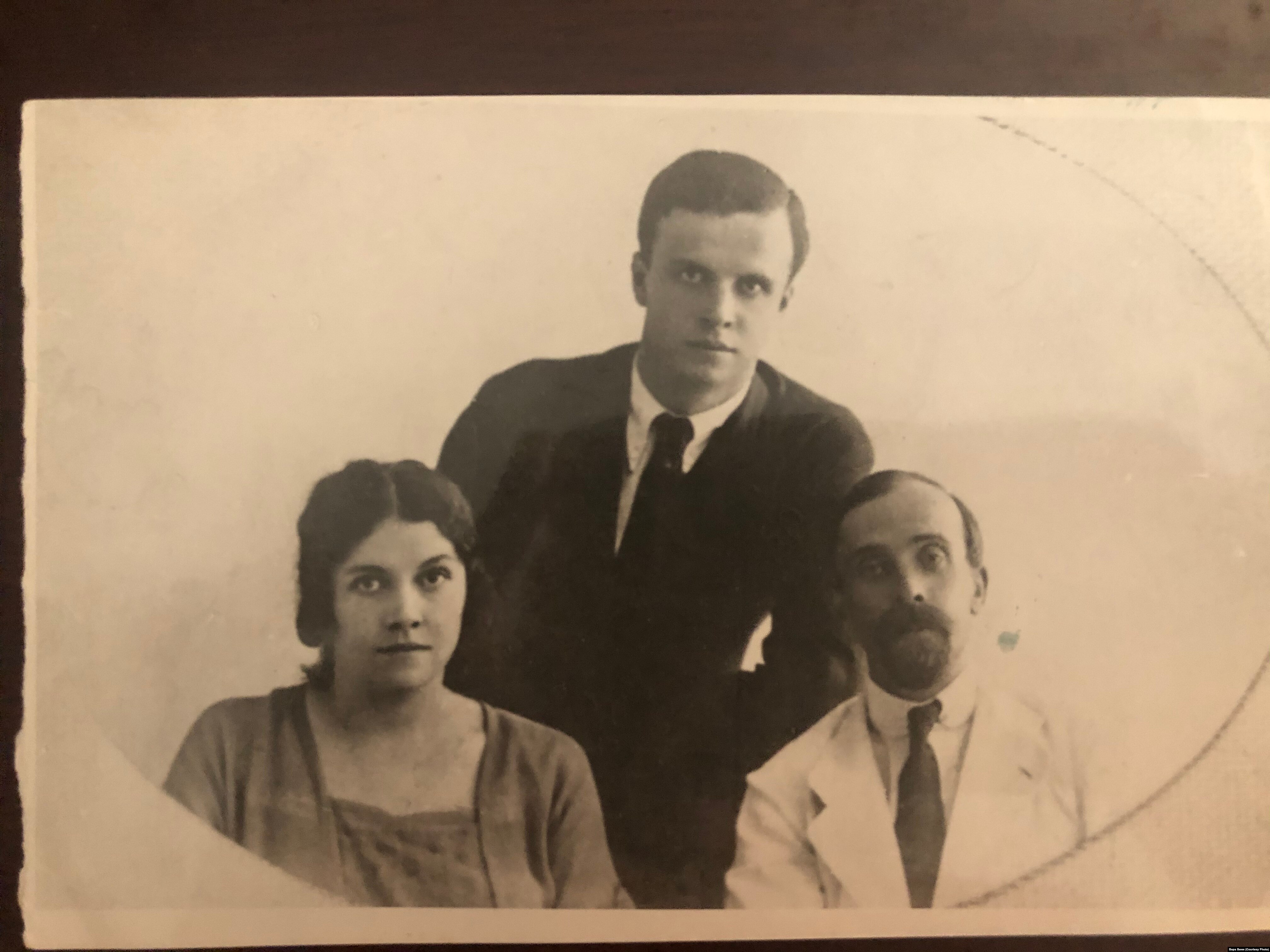
- What happened to your great -grandfather after the Red Army came to Mongolia?
- After the defeat of Ungern, in December 1921, the Reds broke into the consular house in which Vitte lived, and after the search they arrested Peter Alexandrovich. During the search, not only valuable things, photographs, letters were taken, but also an old genealogy tree, moisting in Holland, where Witte wore the surname de Witt.
Didi was arrested and, along with other prisoners, were driven under the escort in Novonikolaevsk. He recalled that when we approached the rich Siberian villages, the guards said: “We will move away, and you scold the Bolsheviks.” The arrested people did it, and people took them food. The guards took most of this food to themselves, but the arrested got something.
In the Novonikolaev prison, where Didi was placed, it was dirty and cramped. Antisanitarian conditions: fleas and other insects. Didi disinfected the clicks of the chamber with boiling water from the kettle, and then smeared them with a mixture of overwhelming from the walls of lime, water and bread. I washed the floor and set the camera on the camera.
- What did the Cheka accused him?
- He was kept in prison without trial and investigation. He even wrote a statement asking him to finally charge him and judge. At some point, the head of the Special Department of the 5th Army Matvey Berman ( founder and chief of the Gulag.-SR ), who was popularly called the “Blood Boy,” began to call the arrested for interrogations. Among the arrested were Jews that Didi helped and whom he hid from the Ungernovites. After the interrogation, Berman released them to freedom. Leaving, they said: “Do not worry, Peter Alexandrovich, you will also be released soon.” Indeed, the “bloody boy” soon called Didi. And he released him and seemed to even give out some kind of security letter. Didi then said all his life: "Jews saved my life." Probably so it was.
- What happened to other family members after your great -grandfather was arrested?
- After the arrest of Didi, his sons Alexander, Boris and Vladimir, my great -grandmother Vera Pavlovna and my grandmother Irina moved to China. Boris and Alexander for the last money, 300-400 dollars, bought a Buik car and began to transport passengers and goods on it through the goby desert. Sometimes they had to shoot back from the bandits (grandmother called them hunhus). Pretty soon their business began to flourish - they had a garage of five American cars! The house was a servant, a gardener, a cook. We talked with the British and the local Chinese nobility. Grandmother recalled dinners for 200 people in the homes of wealthy Chinese.
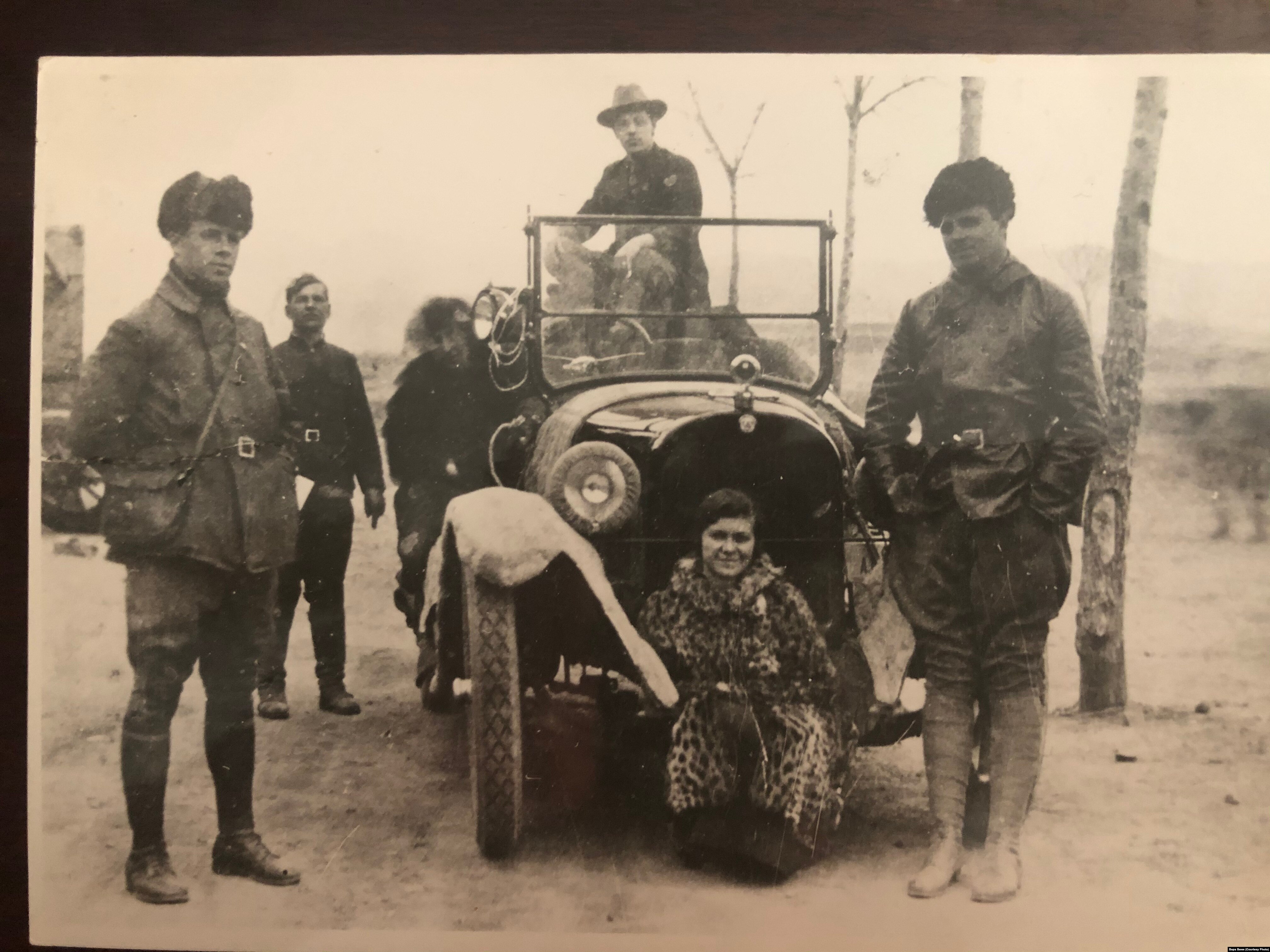
Elena, the eldest daughter of Didi, with her husband Boris Volkov fled to China even earlier.
Boris Volkov was the Kolchakovo reconnaissance officer and the enemy of Ungern. He was also a poet, journalist and memoirist. In a very interesting, but, unfortunately, still not published by the Roman Conscript to Paradise, based on the real events of the First World and Civil War and stored in the archive of the Huver, Boris describes his meeting with Lena, their marriage, his life in the Witte family in Urga. He loved Lena very much and gently treated Witte's family. He wrote that the time spent with them was the happiest in his life.
Lena and Boris lived in China for some time and left for America. There they had a son, but soon the family broke up. Lena left Boris to Gragori Silvermaster , who was a prominent economist, a very smart person and ... a Soviet agent, the head of the largest spy network in the history of the United States, consisting of high -ranking American officials.
I can’t imagine how Gragori managed to convince Lena that the Bolsheviks from whom she escaped, in fact, good guys, but Lena helped him in everything. I called Lena Lena. She - first with her husband, and then one - came to Russia almost every year, but I found out that she was a Soviet spy in America after her death.
- You said that your great -grandmother and other relatives of Peter Alexandrovich remained abroad after his arrest. How did they reunite?
- After liberation from prison, Didi tried to return to Mongolia to continue his work. Of course, he was not allowed to return to Mongolia, and he went to Novocherkassk, where his daughter Ksenia and her husband Boris Apolonovich Shumakov already lived and worked. In Novocherkassk, Didi was appointed head of the Persian experimental station of the Don Institute of Agriculture and Land Reclamation (Chkhim) and a teacher of the Chichim. Bibi with younger children - Irina (my grandmother) and Volodya came to him at the end of the NEP in Novocherkassk. My mother and other relatives recalled that every evening after work and dinner, Didi gathered his grandchildren and neighboring children around him and told them a story about children who fell on a uninhabited island. How they survived. How they learned to find and cultivate edible plants, tame animals, build a house, find minerals, melt metal and make tools from it, etc. It was a story with continuations, and often adults also listened to it with interest.
The senior grandson of Didi Apollo Borisovich Shumakov recalled how during the Holodomor of the early 1930s (he was also in Novocherkassk), he and Didi gathered maple syrup, made sugar from him and exchanged for other products. Didi knew how to make soap from clay and some plants. Once he found a torn parachute in the field and sewed shoes for the whole family from it. He knew how to do a lot with his own hands and treated all people very well, regardless of their beliefs. Only Stalin he hated. At the end of his life, he spoke about this and even shouted, although his grandmother begged him not to do this. Soon after Didi and Bibi died, my grandmother and mother moved from Novocherkassk to Moscow, where my grandmother got married a second time.
“If you have so bad in America, but we have so good, move to us!”
-In your memoirs, you write that Elena Witte-Volkova-Silvermaster came to your Moscow almost every year. That is, communication with emigrants was not forbidden to you?
- I think that the role was played by the fact that the Soviet authorities knew about who Lena (Hellen) and Greg Silvermaster were. They began to come to us since 1963. Probably, on that visit, Greg showed the Order of the Red Star, which was awarded in 1944. Но они срочно прервали свою поездку и улетели обратно в Штаты сразу после того, как убили Кеннеди. На следующий год они опять приезжали, и в том же 1964-м Грег умер. После этого Лена приезжала одна. Не каждый год, но почти каждый. Чаще всего как переводчица какого-нибудь советско-американского мероприятия, вроде всемирной конференции церквей за мир.
– Какие у неё были взгляды? Она работала на советскую разведку по убеждениям?
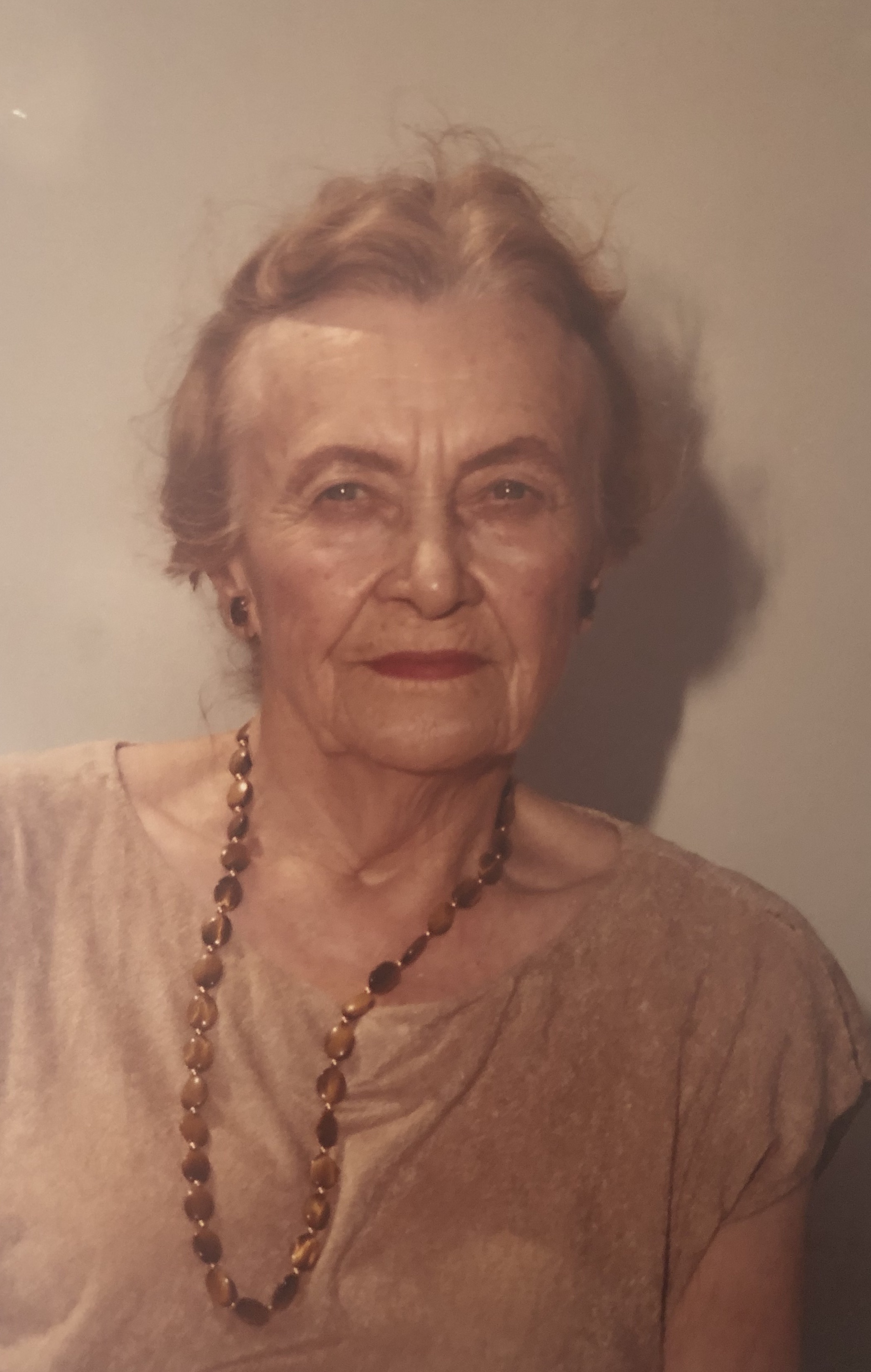
– “Баба Лена” была настроена весьма просоветски. Объяснять ей, что в СССР жизнь совсем не такая, как ей кажется, было бессмысленно. Мы с ней на эту тему не раз сцеплялись. Конечно, она работала на советскую разведку по убеждениям. Тогда, в 20–50-е годы многие западные интеллектуалы и люди искусства обожали СССР и преклонялись перед Сталиным. Группа Сильвермастера состояла из американских чиновников высокого ранга, представляющих различные департаменты. Они тоже работали из убеждений. Да что там чиновники. Ближайшим соратником президента Рузвельта был Гарри Гопкинс (Harry Lloyd Hopkins), которого подозревали в работе на СССР, но подтвердились эти подозрения только после того, как в в рамках операции Venona в 1980 году были наконец дешифрованы донесения советской разведки, перехваченные до и во время Второй мировой войны. В 1995 году эти донесения были в основном рассекречены. Конечно, если бы их расшифровали вскоре после того, как они были перехвачены, Грег и Лена Сильвермастер не отделались бы легким испугом после того, как всю советскую сеть сдала их курьер Элизабет Бентли. Впрочем, это другая история.
После 20-го съезда КПСС многие из восторженных поклонников СССР поменяли свои взгляды, но не баба Лена. При этом она была настоящей великосветской дамой. Меняла туалеты и драгоценности раза два, а то и три в день. В Нью Йорке у нее была ложа в Метрополитен-опера, она знала интересных людей, дружила с Жаклин Кеннеди, они любили вместе “ходить на шопинг”.
– Несмотря на это, она всё равно верила, что будущее за социализмом?
– Однажды в 1974 году баба Лена приехала в Москву, никого не предупредив. Взяла такси в аэропорту и велела ехать в свою любимую гостиницу “Украина”, где попросила номер. Однако номеров не было. Лена понятия не имела о том, как мы жили! Она попросила портье куда-нибудь позвонить и заказать ей номер в другой гостинице, но из этого тоже ничего не вышло. Тогда она позвонила мне. И мы вместе жили недели две, пока она не уехала в Новочеркасск, где гостила тем летом и моя бабушка.
Мы с Леной много разговаривали, гуляли, пытались попасть в Пушкинский музей на Мону Лизу (не попали). Она даже позвонила в Комитет Советских женщин, с которым у нее были какие-то дела, они там заохали и стали присылать за ней “Чайку” с шофером. Но я с ними не ездила. Где-то была ее фотография на Красной площади с какими-то советскими тетками, которых приставили к бабе Лене.
Я ей часто говорила: “Если у вас в Америке так плохо, а у нас так хорошо, переезжай к нам!” Правда, в тот свой приезд, пожив со мной и походив со мной в наш угловой гастроном, она, кажется, немного охладела к СССР, но виду не подала.
Диди иногда говорил, что в “наше время неприлично быть на свободе”
– Кто из ваших предков является для вас "главным героем"? Чья судьба волнует вас больше?
– Главным героем, конечно, является Диди. Судьба Александра (Шурика), расстрелянного в 1938 году, волнует меня больше всех. Первый раз его арестовали в Улан-Баторе, куда его под каким-то предлогом выманили из Китая в августе 1930 года. По дороге он познакомился с двумя женщинами, женами каких-то крупных советских деятелей. Они ему сказали (я рассказываю со слов бабушки): “Саша, Вам ни в коем случае нельзя в Москву. Если Вы попадете в руки НКВД, они Вас в покое уже не оставят никогда. Вы погибнете. Мы отвлечем внимание Ваших конвоиров, а Вы сходите на ближайшей станции и исчезайте, перебирайтесь обратно в Китай, куда угодно, но никогда больше не объявляйтесь под своим именем. Мы дадим Вам денег, еды, только бегите”. Но Шурик сказал: “Почему я должен бежать, как преступник? Я ничего против советской власти не сделал. Они там разберутся и меня отпустят”. Как его ни уговаривали, он стоял на своем. Тогда эти женщины дали ему подушечку, в которую зашили куски сахара, и сказали: “Вас привезут, скорее всего, на Лубянку. Будут там держать без суда и следствия. Тогда объявляйте голодовку и потихоньку сосите этот сахар”. Так оно и получилось. Шурика держали в тюрьме без суда и следствия, и этот сахар пригодился. Шурику тогда дали 3 года. Когда его арестовали во второй раз 23 октября 1937 года, он был уже женат на женщине по имени Надя, и у них была дочка Ирочка лет пяти. Шурику дали срок "без права переписки", что означало расстрел. Мы не знаем, что случилось с его женой и дочерью. Наверное, жена не брала его фамилию. Я думаю об этом каждый день. Как его вели на расстрел. Как он умирал. Что стало с его женой и дочкой? Выжили ли они?
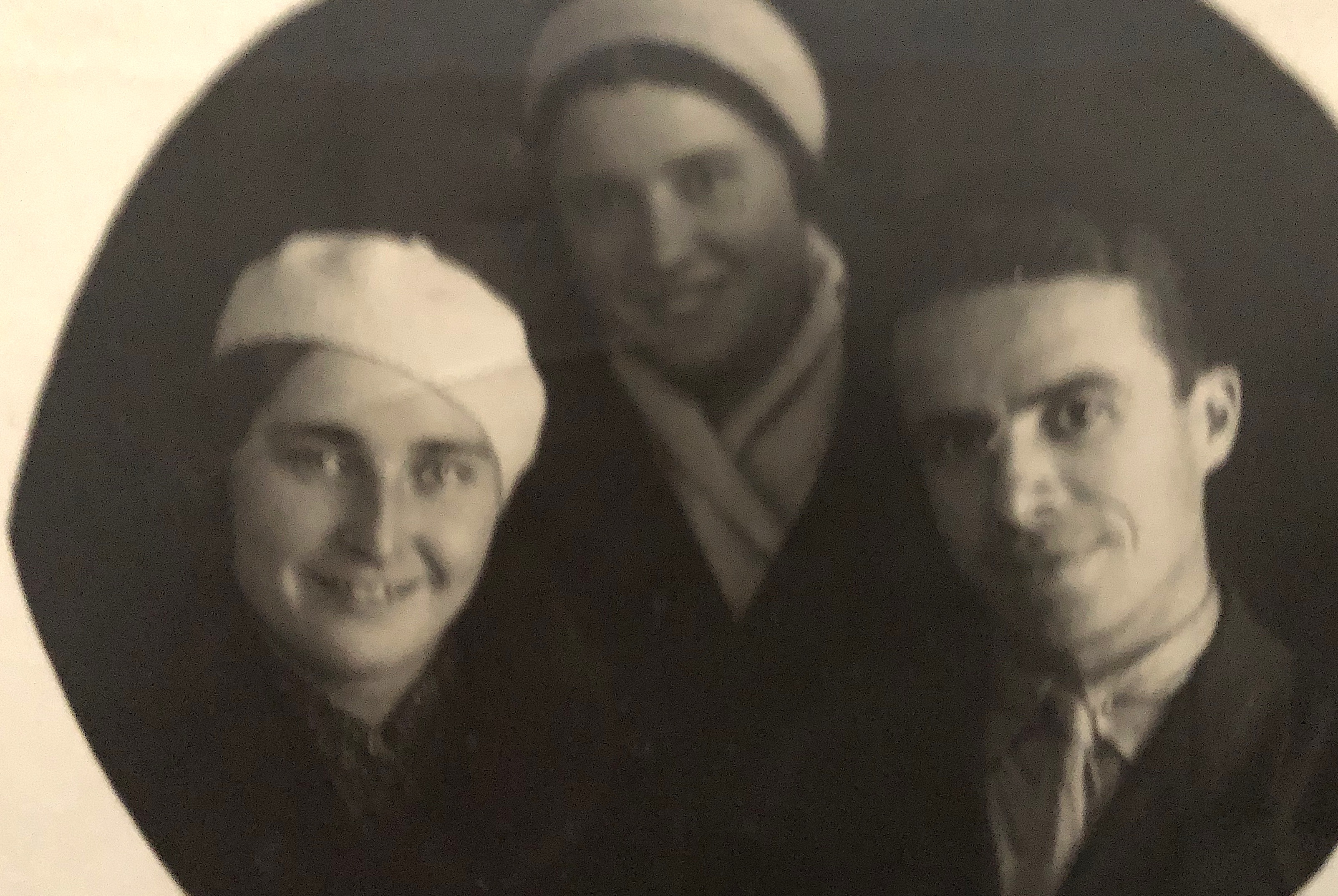
– Как вы думаете, почему в годы Большого террора пострадал только Александр Витте (Шурик)?
– Этого никто в семье не понимал. Бабушка рассказывала, как они не засыпали ночами, ожидая ареста, как они "перекрестились", когда началась война ("Значит, не будут больше арестовывать"). Диди говорил, что "в наше время неприлично быть на свободе". Бабушка умерла до того, как я узнала и поняла, почему они выжили. Это, я полагаю, произошло потому, что Лена работала на советскую разведку. Вероятно, когда повторно арестовывали Александра, этот факт еще “органами” не учитывался. Переехав в США в 1990 году, я в один прекрасный момент совершенно случайно напала на Venona Files” о которых я уже упоминала. Из них среди прочего я узнала, что советские агенты часто слали в Москву сообщения о том, что Лена (кодовое имя “Дора”) волнуется о своей семье, спрашивает, как они, хочет передать какие-то вещи и так далее. Про Александра, расстрелянного 10 января 1938 года, они ей лгали, что он в армии. Возможно, они делали фотографии членов семьи и пересылали Елене в США. Но фотографии Александра они сделать, конечно, не могли поскольку они его уже убили. То есть они решили не трогать семью их очень ценного агента Доры. Узнай она, что с ее любимыми близкими что-то не так, она могла бы очень разочароваться в советской системе и сдать всех, как это сделала Элизабет Бентли в 1945 году. Конечно, я была в шоке, когда узнала, чем занималась Лена. Я была очень зла на нее за то, что она работала на один из кровавейших режимов в истории человечества. С другой стороны, если бы не это, меня бы и моих родственников не было бы на свете. Надеюсь, ее работа на СССР не привела ни к чьей смерти. Во всяком случае, свидетельств тому я нигде не видела.
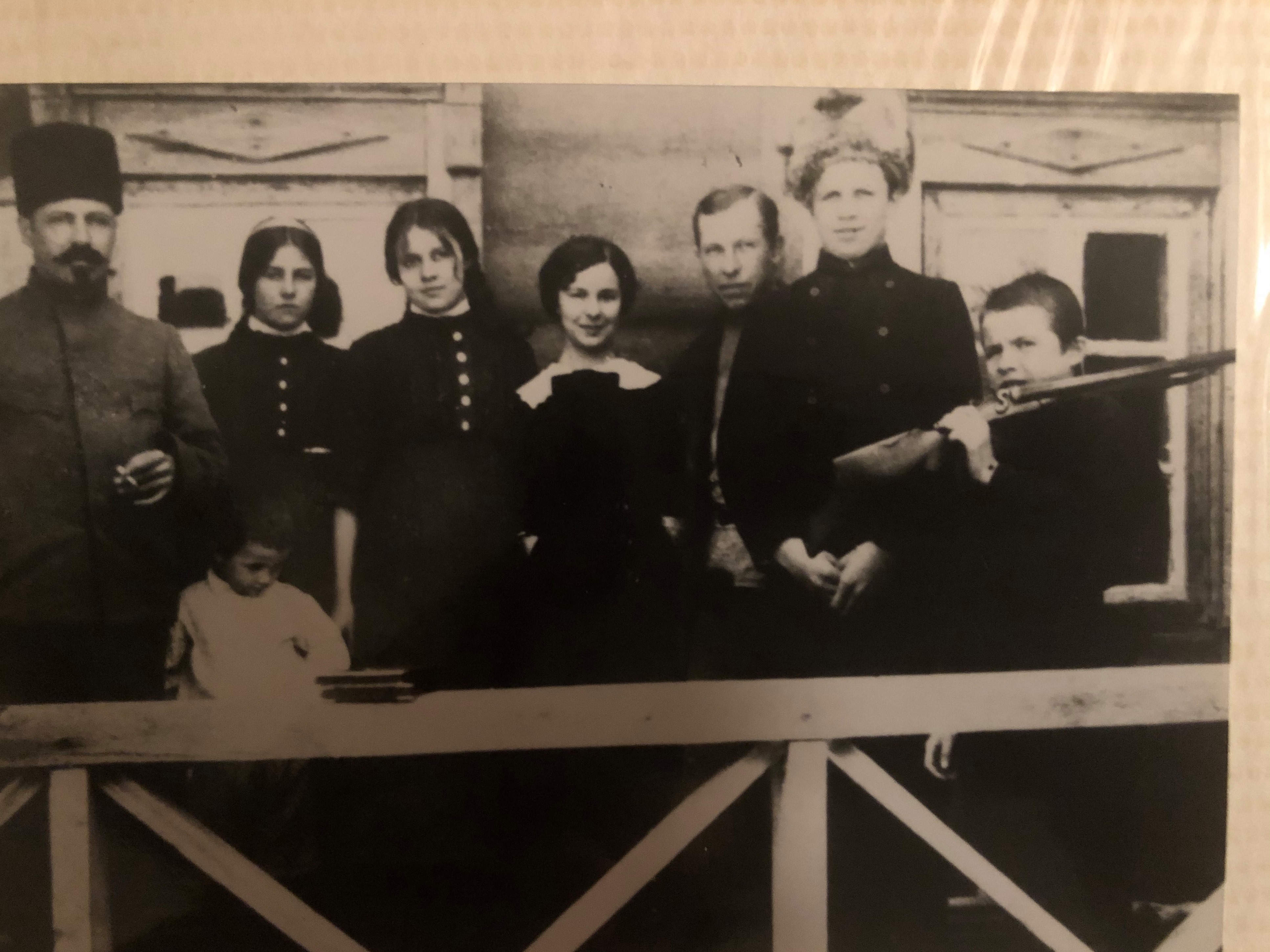
– Семья Витте – старинный дворянский род. Те люди, которые много работали на благо страны до революции и всё потеряли после 1917 года. Как вы думаете, возможно ли в России восстановление справедливости по отношению к дворянству, путем реституции, осуждения большевизма или каким-то ещё образом?
– Ленин по-прежнему лежит в Мавзолее, в сердце страны на Красной площади. Сталину в России сейчас ставят памятники. По-моему, вместо осуждения большевизма и коммунизма идет противоположный процесс.
Я не понимаю, что значит восстановление справедливости по отношению к дворянству. А по отношению к крестьянству? К казачеству? К купечеству? Дворянство не пострадало больше всех, оно страдало точно так же, как и все остальные, включая рабочий класс. Конечно, в СССР дворяне (и не только они) вынуждены были скрывать свое происхождение. В этом смысле справедливость восстановлена – сейчас в стране обнаружилось немало дворян, и они совершенно свое происхождение не скрывают. Restitution? Don't know. Вряд ли это возможно и уместно.
The Russian authorities blocked our site. To continue to read the publications of Siberia. Realities, subscribe to our telegram channel .