
Translated material
"The vile gang of shamans and their minions brutally killed Comrade Petukhin." How the indigenous peoples of Siberia resisted communism
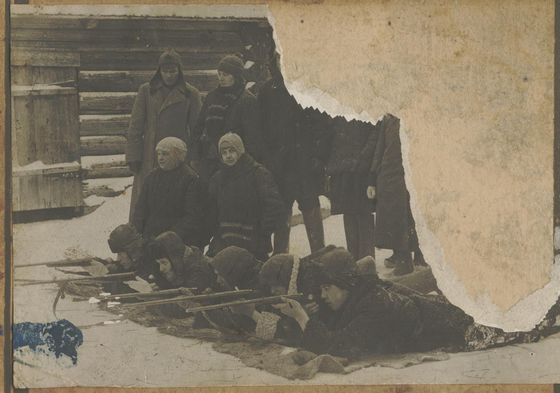
At first, the Civil War almost did not affect the extreme north of the former Russian Empire. While white, red, anarchists, Czechoslovaks, regionalists and others with fiercely killed each other in the name of the bright future, the northern outskirts of the country lived just like centuries and millennia ago. Aborigines mined the beast, bird and fish, bred deer, and made traditional rites. But soon the new Soviet government actively took up the elimination of traditions and foundations of indigenous peoples.
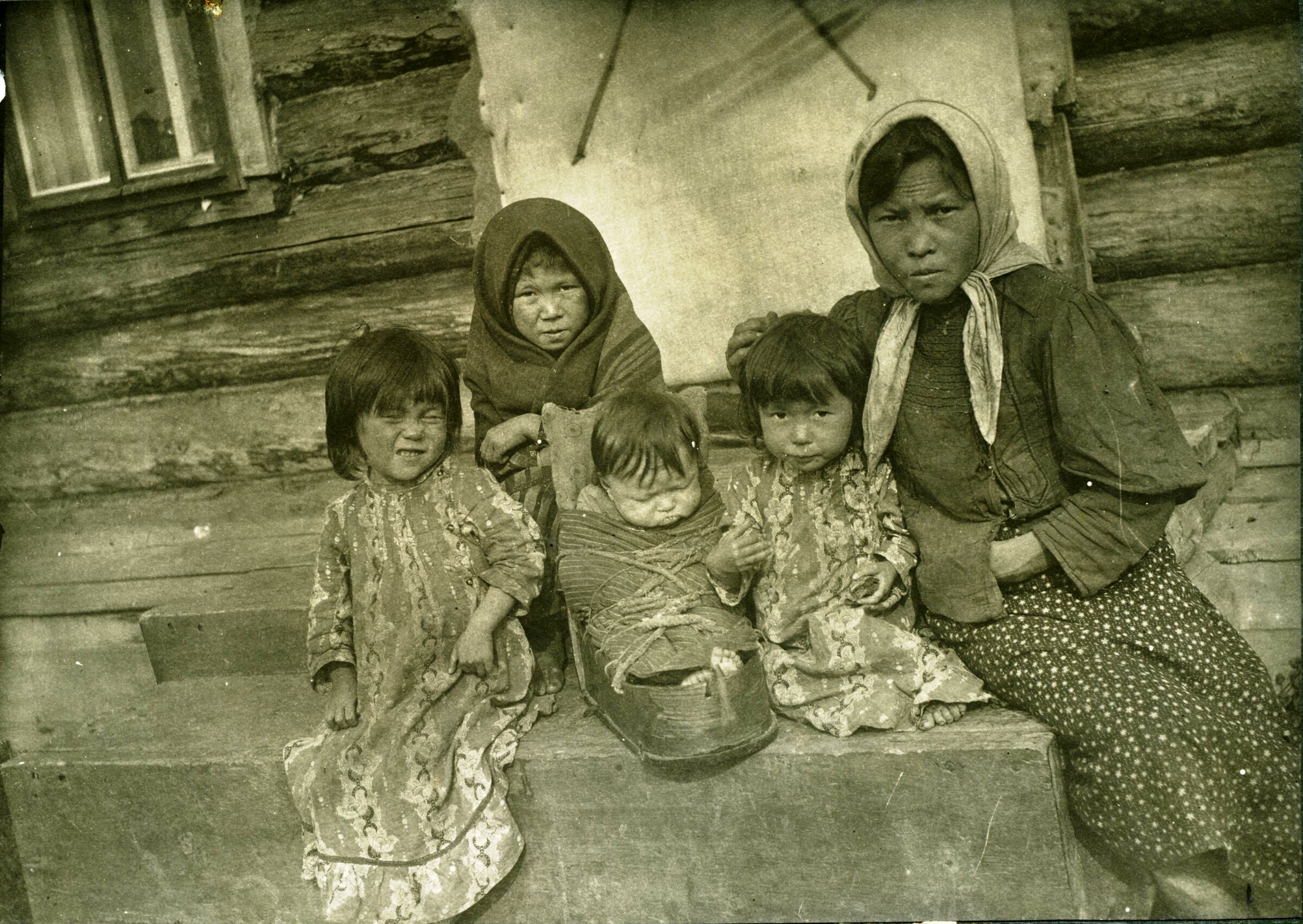
After the inclusion of Siberia in Russia, Khanty and Mansi, without abandoning their gods and perfumes, accepted Orthodoxy and began to queue to conduct either bear games, then Christmas services. On the hunt, the bow was replaced by a gun, and in the kitchen, birch bark Tuees gave way to metal bowls on the shelves. In the first decade of Soviet power, the north Aborigines continued to believe that the White Tsar still rules them. But then everything began to change. The merchants who supplied men with fire devices, weapons and tobacco disappeared, and women - manufactory, flour and jewelry. The skins for which all this used to be obtained before, the new government began to be removed as a surplus. Fishing sands ( places of fishing. - S.R ), which previously belonged to the Aborigines and served as an important article of the income of the Khanty and Mansi farms, were nationalized and declared state property ... The hostility to the new government led to the participation of the Aborigines in the anti -Bolshevik uprising of 1921-1922. And after a decade, in 1931–1934, Khanty and Nenets with weapons in their hands tried to defend their right to cultural identity during the so -called Kazym uprising .
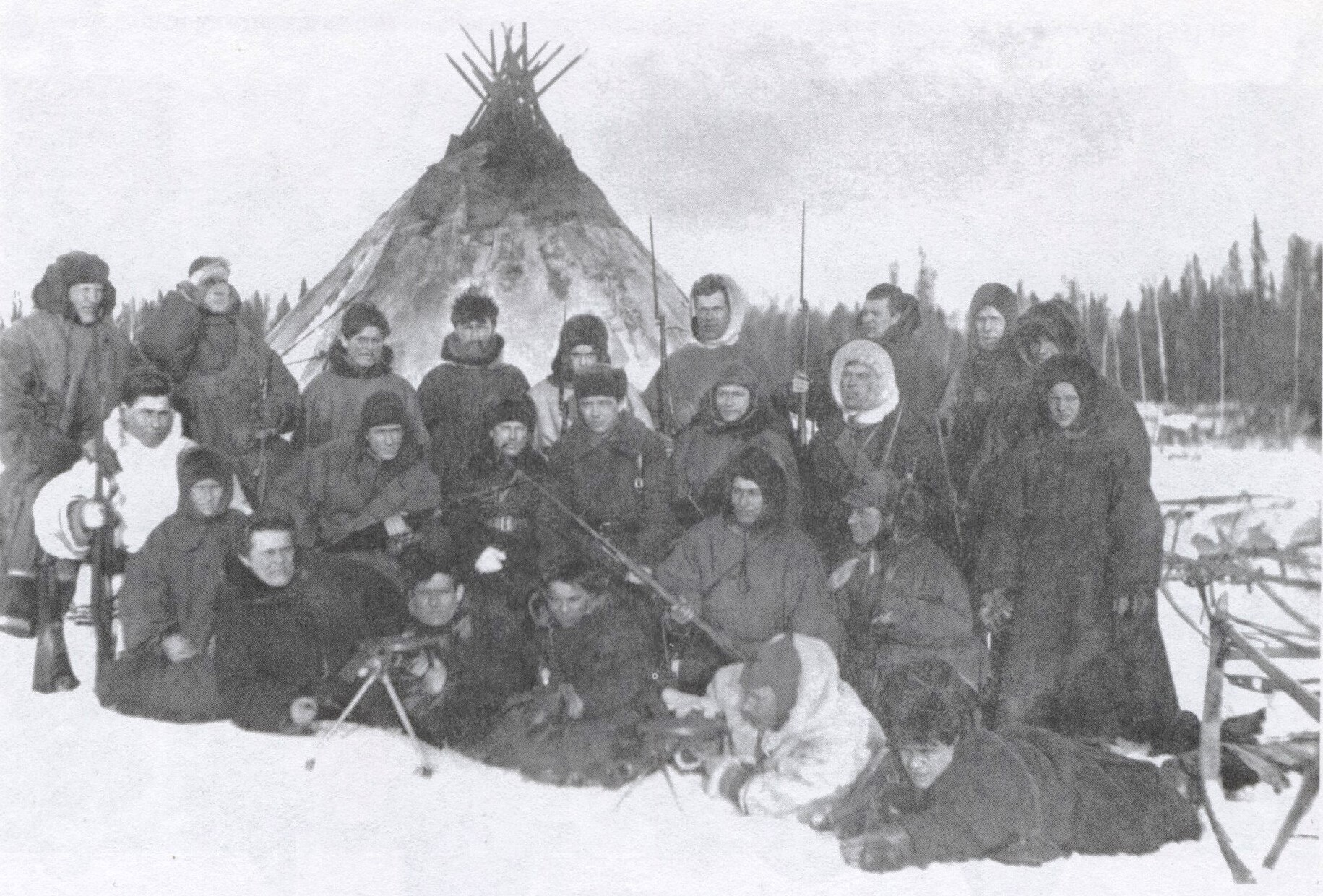
But these massive, bloody suppressed armed performances were single. Basically, the opposition of the aggressive policy of the new power on the indigenous breakdown of the "backward and primitive" world of Siberian Aborigines took the form of latent resistance: in each camp and in every yurt ...
Lenin dismissively dropped: "To the north ... from Tomsk ... Patriarchate reigns, semi -wild and real wildness"
In the early 1920s, Lenin dismissively dropped: "To the north ... from Tomsk ... Patriarchate reigns, semi-wild and real wildness." This ideological postulate was the starting point for the activities of agitprop fighters. At the same time, mediators of the bright future did not differ either a wide horizons or knowledge of the rules of interethnic communications. They most often only retreated the task set by the leader: "To eliminate the remnants of patriarchal-feudal relations and go to socialism, bypassing the stage of capitalism."
To do this, it was necessary to replace the traditional social institutions of the peoples of Siberia with new - socialist. And if the carriers of the "patriarchy", "semi -wildness and real wildness" do not realize their chance, then replace the forcibly! New authorities were created, writing was invented, the so-called "picking up" was carried out, women were forced to give birth in hospitals, and children were taken from their parents and sent to boarding schools ...
But there were not enough personnel. As a result, the doctors taught northerners not only of personal hygiene rules, but also to gardening, and school teachers had mandates of authorized people in fishing and fulls. As a result, on the camp in one person appeared “the sower of the rational, kind, eternal”, and “agitator, Gorlan-Glavar”.
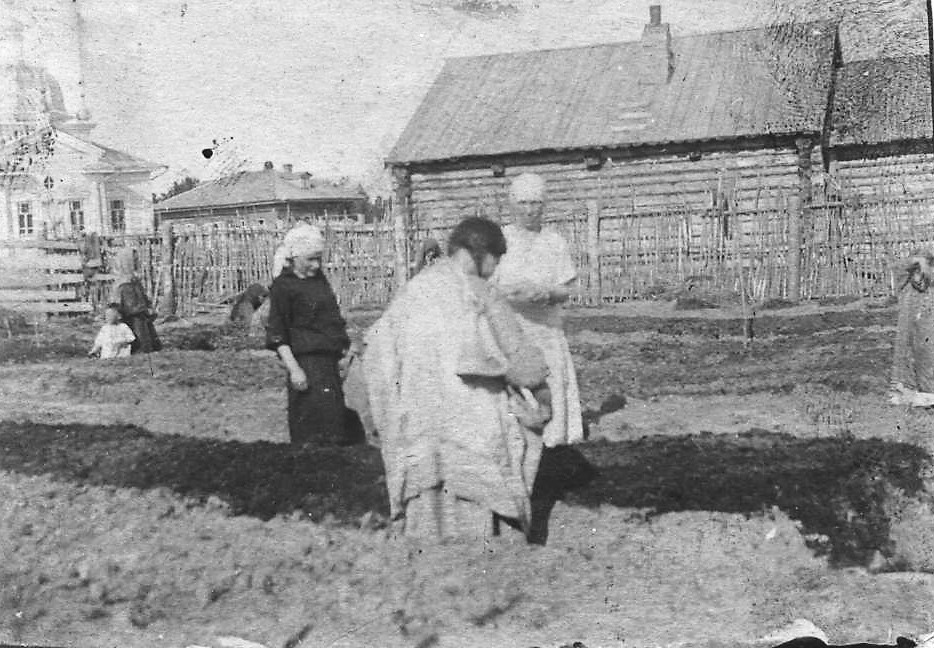
Here is a fragment of the memoirs of the young girl N.I. Silina, abandoned to Mansi of Northern Sosva, not only in the status of a teacher, but also in the rank of an authorized person in fishing:
"There was a case when I got scared. We arrived at the sacred lake, spread out the canopy in which they saved from mosquitoes. There were so many that the abandoned scarf was in the air. Here the old man is more humble and says:" Well, let's show how best to catch the fish. "I think:" I looked at them! " Speak: "The nets are already in the boat, sit down and you are in the boat, drive away from the shore, let the nets into the water and wait until the fish falls, and it will surely fall. When it is time to pull out the network, you know better than me. They sent me not to fish, but to control. Every day I have to give information how much your collective farm passed the fish. "I looked at each other, scolded in their own way, but went. We didn’t get a lot, but I came alive. I didn’t go fishing anymore ..."
Not everyone was so lucky. In December 1933, a collective farm craft arrived at the Holy Lake Num ("God's Lake"), previously always closed to fishing. Locals took this as a desecration of sacred space. Their usual world was destroyed. And they considered their enemies not Kremlin ideologists and not party officials, but those who complied with their orders. They fought with them in all possible ways. Local residents strangled members of the fishing brigade with ropes.
The inhabitants of the river also fell into these millstones of cultural confrontation. Vakha is a young teacher Maria Petukhina and a group of local khants (mainly from the Prasny family). Everyone had their own truth. And none of them could retreat. Evidence of this is the unique archival document we found in the archive-the verdict of the District Court of the Khanty-Mansiysk National District of January 7-15, 1941:
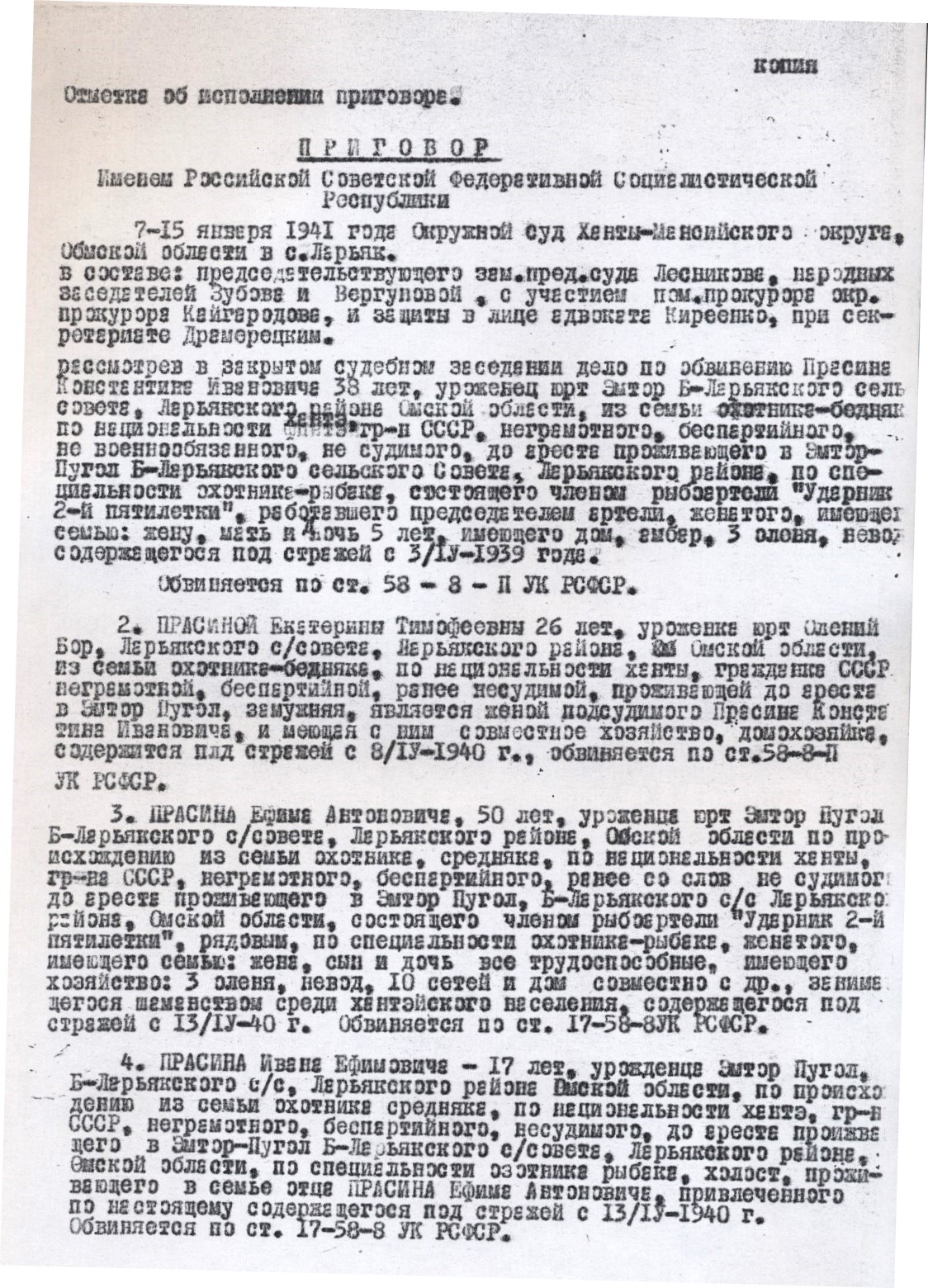
" Having examined the materials of the preliminary and judicial investigation, the Okrsud established:
In October 1938, the Laryak Department of Public Education in B [Snow]-Larksky s/s Emtor's yurt, Petukhina, Maria Semenovna, was sent to eliminate illiteracy among the Khantay population. Upon arrival in Emtor-Kugol Petukhina, Maria Semenovna as a member of the Socialist Society set her own task to attract all the inhabitants of Emtor-Kugol to teach literacy, for which she herself directly went to each yurt, spoke individually with each illiterate in order to attract and liquidate illiteracy.
T. Petukhina, as a liquidator of illiteracy, in addition to this main work, also provided practical assistance in fulfilling the plans of fishing and furs, actively spoke at the meetings and entrusted a sharp criticism against those who did not want and opposed the implementation of state plans.
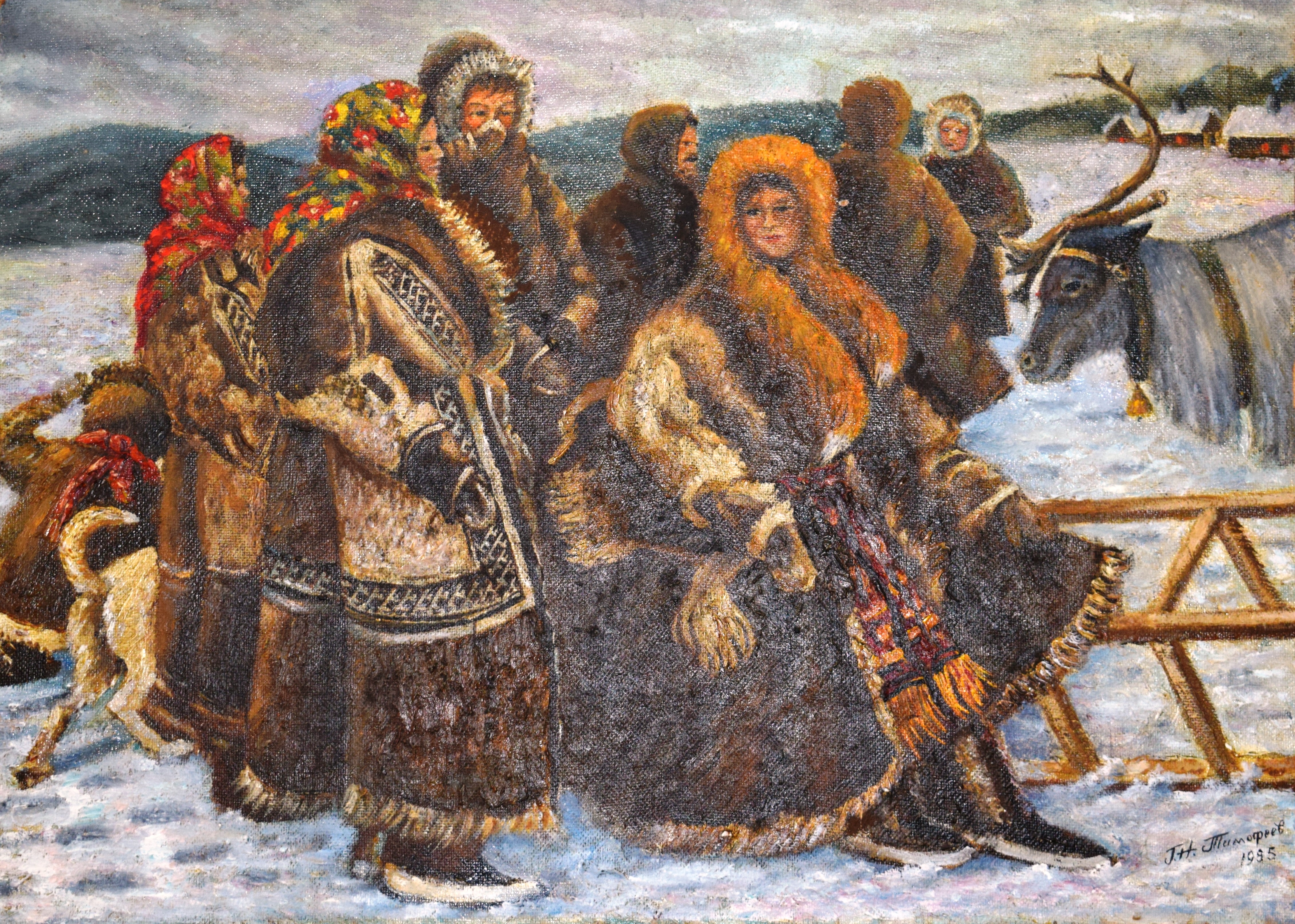
Some residents of Emtor-Boogol, seeing in Comrade Petukhina M.S. active member of the socialist society in the conduct of the cultural revolution and other state. events among the Khantay population, and in order to expel her, they began to counteract her in every possible way in conducting the elimination of illiteracy, did not attend studies, insulted in every possible way, tried to beat, threw up tables on which Comrade Comrade Petukhina M.C. She was engaged in illiterate, but comrade Petukhina courageously transferred all this and continued her honorable, entrusted work - eliminated illiteracy among the Khantay population, despite the fact that she almost did not receive any help, which she asked.
Comrade Petukhina, as an activist, was admitted to the Lenin Komsomol and on the day of March 8 was supposed to receive a Komsomol ticket at a solemn meeting.
The vile shake of shamans, killers and their minions from March 6 to 7, 1939 brutally killed Comrade. Petukhina Maria Semenovna by strangulation
But the vile shake of shamans, killers and their minions from March 6 to 7, 1939 brutally killed Comrade. Petukhin Maria Semenovna by strangulation. Murder and mockery of comrade Petukhina was in the following circumstances:
Upon the arrival of the liquidator Petukhina to Emtor, some inhabitants at once began to bully over her, Shaman Prasin G.S. (now the deceased) Ocho spoke among the khants that “we don’t need to study, and the liquidator should be driven from here” - the accused of Prasin Ekaterina Timofeevna supported him, who ... repeatedly threw the tables on the street on which the rooster with illiterate, tried to beat the rooster, in February 1939 she grabbed the ax, which she tried to be the ax, which she tried To cut down Comrade Petuhia, but due to the fact that Petukhina jumped over the bed and ran away to another yurt, remained not slaughtered.
On March 5 and 6, 1939, a group booze was organized in the house of Prasin ... Prasin Konstantin and his wife Catherine caught
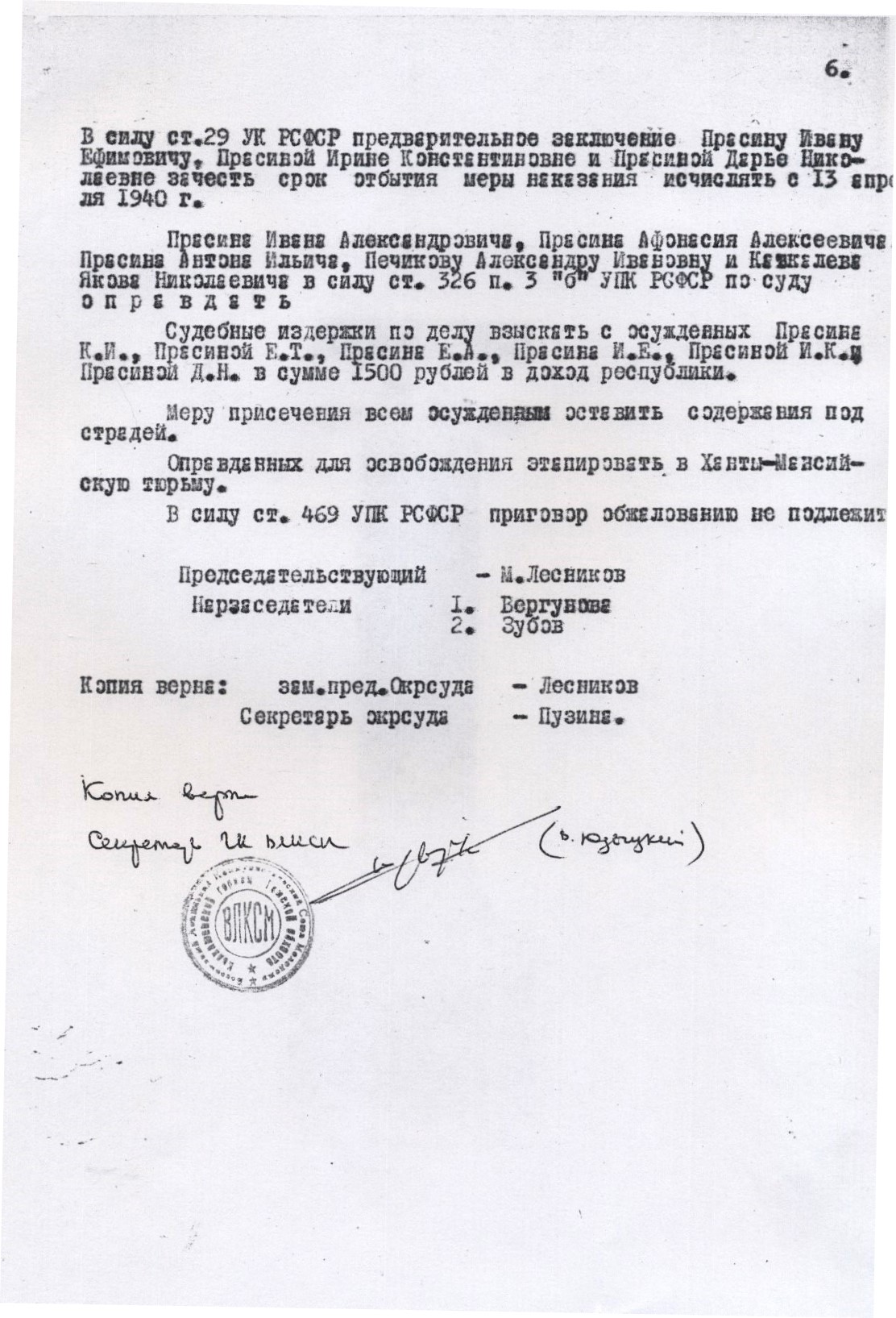
Petukhin on the street began to beat her. Petukhina escaped from them and immediately ran to B [olshi] Larak at a distance of 12-15 kilometers. Fearing responsibility, Prasina Catherine told her husband that "today I threw the table to a petukhina, she immediately began to write something, now she went to the village council and will declare us, we must catch up and kill her." The Shaman Prashin, who was present at the same time, immediately supported Catherine, immediately harnessed the deer and on one sled, Shaman Prasin G.S., Shaman Prasin E.A. And the owner of Prasin Konstantin went to catch up with Petukhin. Having caught up with her without reaching the [olsh] Laryak about three kilometers, caught her away from the road by 80-100 meters, all three brutally killed her by strangulation,
those. The crime committed by Prasin Konstantin Ivanovich, Prasina Ekaterina Timofeevna falls under a sign of Art. 58–8 - II of the Criminal Code of the RSFSR ".
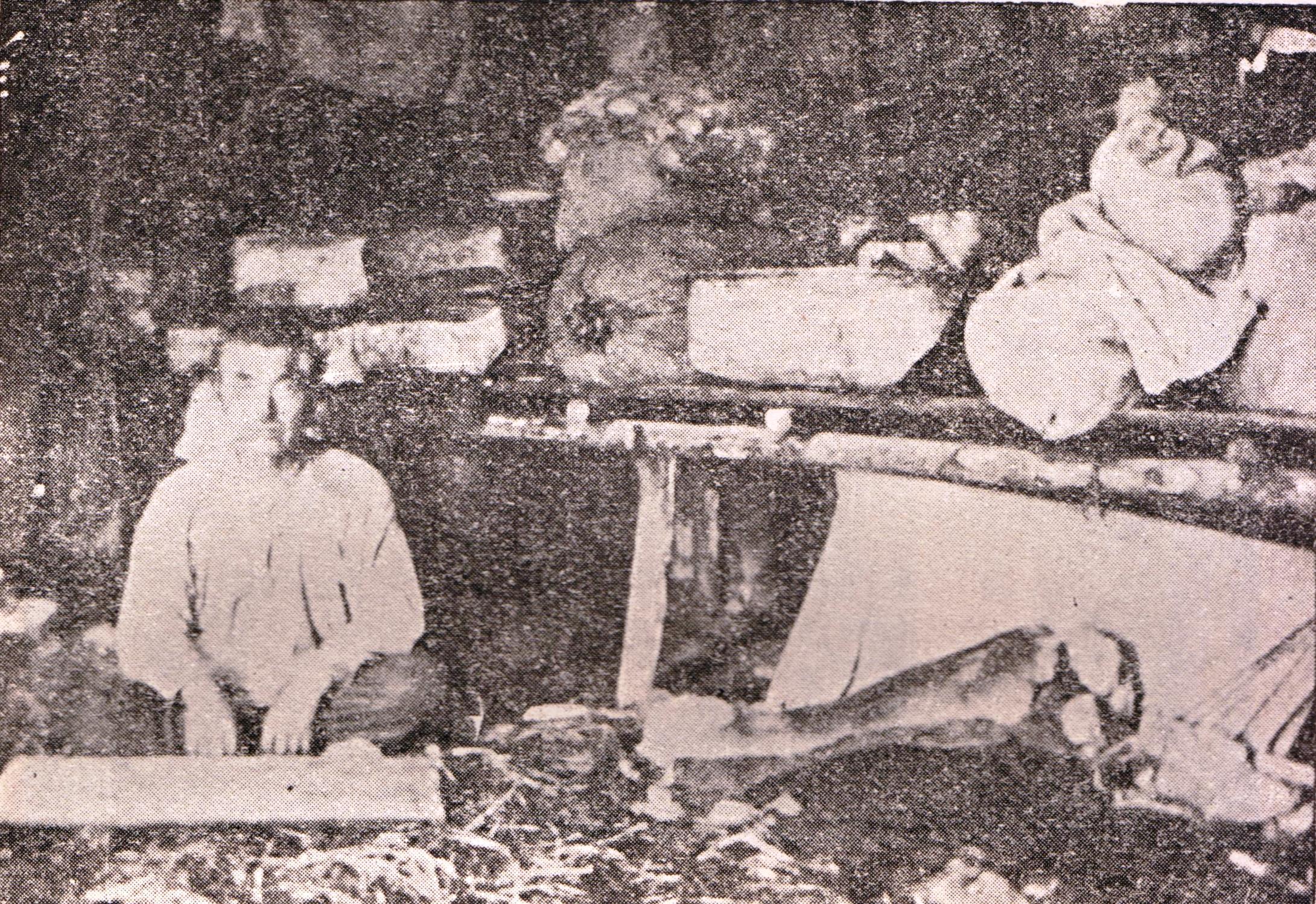
The spouses of the Prasins were sentenced to the highest degree of punishment - execution. Maria Petukhina became one of the last victims of the struggle of Soviet power with the centuries of the indigenous peoples.
In Soviet times, one of the schools in Laryak was named Maria Petukhina.
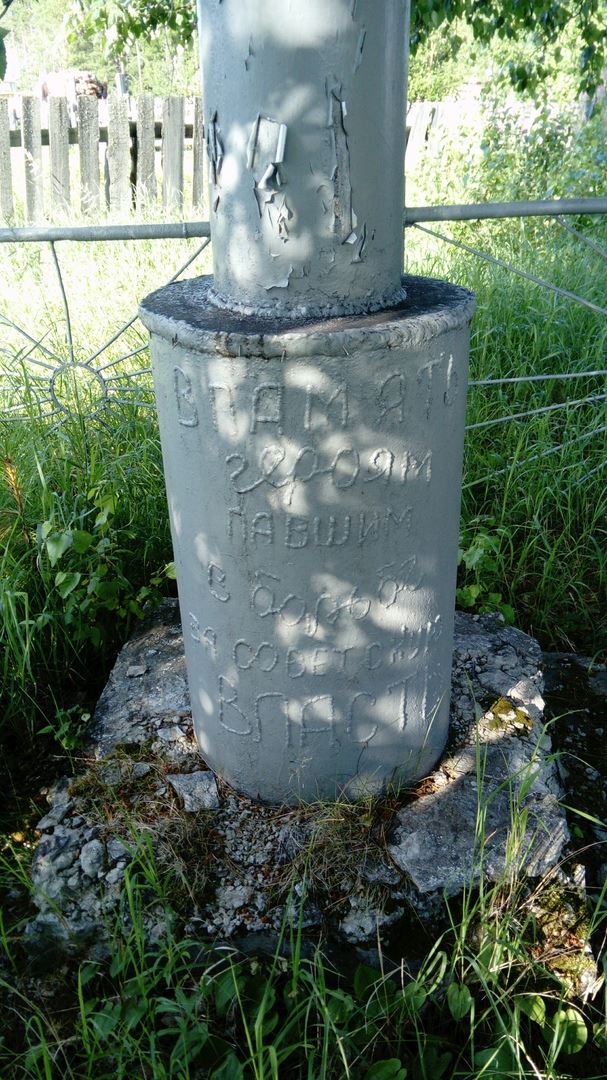
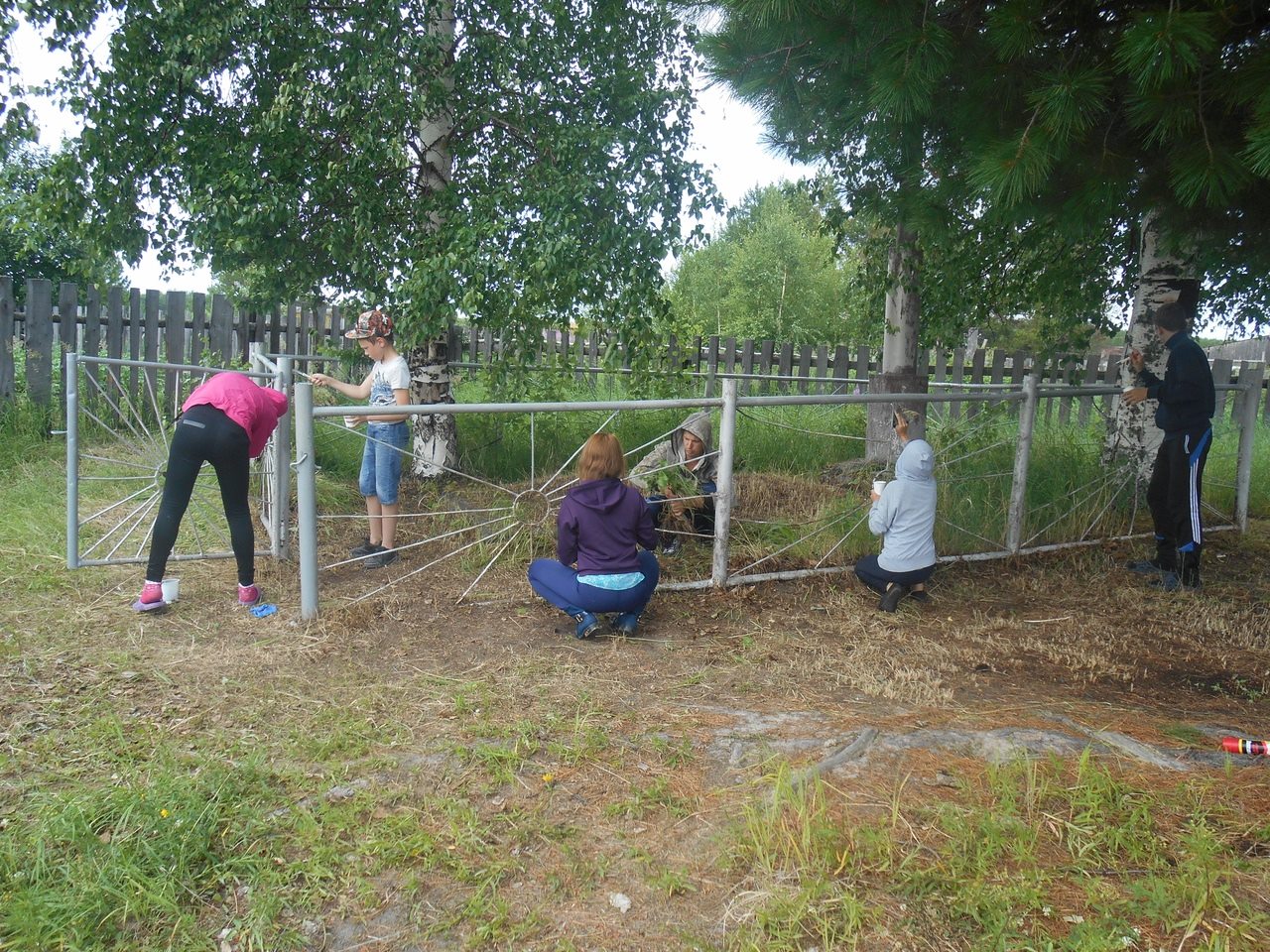
“In our local schools, today there are such patriotic lessons in which children write works about her,” says Zinaida Sigilietova, director of the local museum-estate of the merchant Kaidalova. - Here in Laryak they remember this story. She walked near the village to get a Komsomol ticket and the Komsomol icon. She was found near Yurt Emtor-shirt frozen and tormented in the snow. The grave of Maria Petukhina is in Laryak today. There is a small fence there, but the administration wants to ennoble this grave, make a good fence. They say that next year it is planned in the budget. Schoolchildren take care of the grave. There we also have the grave of those who died during the anti-Bolshevik West Siberian uprising in 1921. In Laryak, as elsewhere, there were then those who advocated Soviet power, and those who were against. I am not entitled to condemn the revolution, I have no right to condemn some uprisings against the Soviet regime. I did not live at that time. But be that as it may, this is our story with you, it cannot be crossed out, we honor it. And who was right then, who was wrong, who was good, who is not - how can I judge?
The remains of the former cultural identity and detachment from the life and problems of the "Russians" (including the state) have always been preserved among indigenous northerners. In the Narymsky Territory they love to talk about the fact that back in 1941, the Selkups allegedly said to each other: "Moscow is to hell with her. But the Kargasko (the center of the district populated by the Selkups of the district. - SD ) will not give the Germans to the Germans." After the war, the front-line soldiers again released traditional braids, which the Aborigines men wore for a century. The metropolitan guests, not familiar with local specifics, were surprised at the sight of men in a tunic, with medals on the chest and two braids on their heads. And ethnographers talked about "shamans with a party party."
The Russian authorities blocked our site. To continue to read the publications of Siberia. Realities, install the VPN services we approved: Nthlink , Psiphon , Lantern , Orbot . All of them are free and safe! If one of them stops working, turn on the other.