
Translated material
How the Ukrainian army conquered the Kharkov region and Kherson
The Washington Post spoke about the most successful counterattacks of the Armed Forces of Ukraine, collecting evidence of the participants in these events
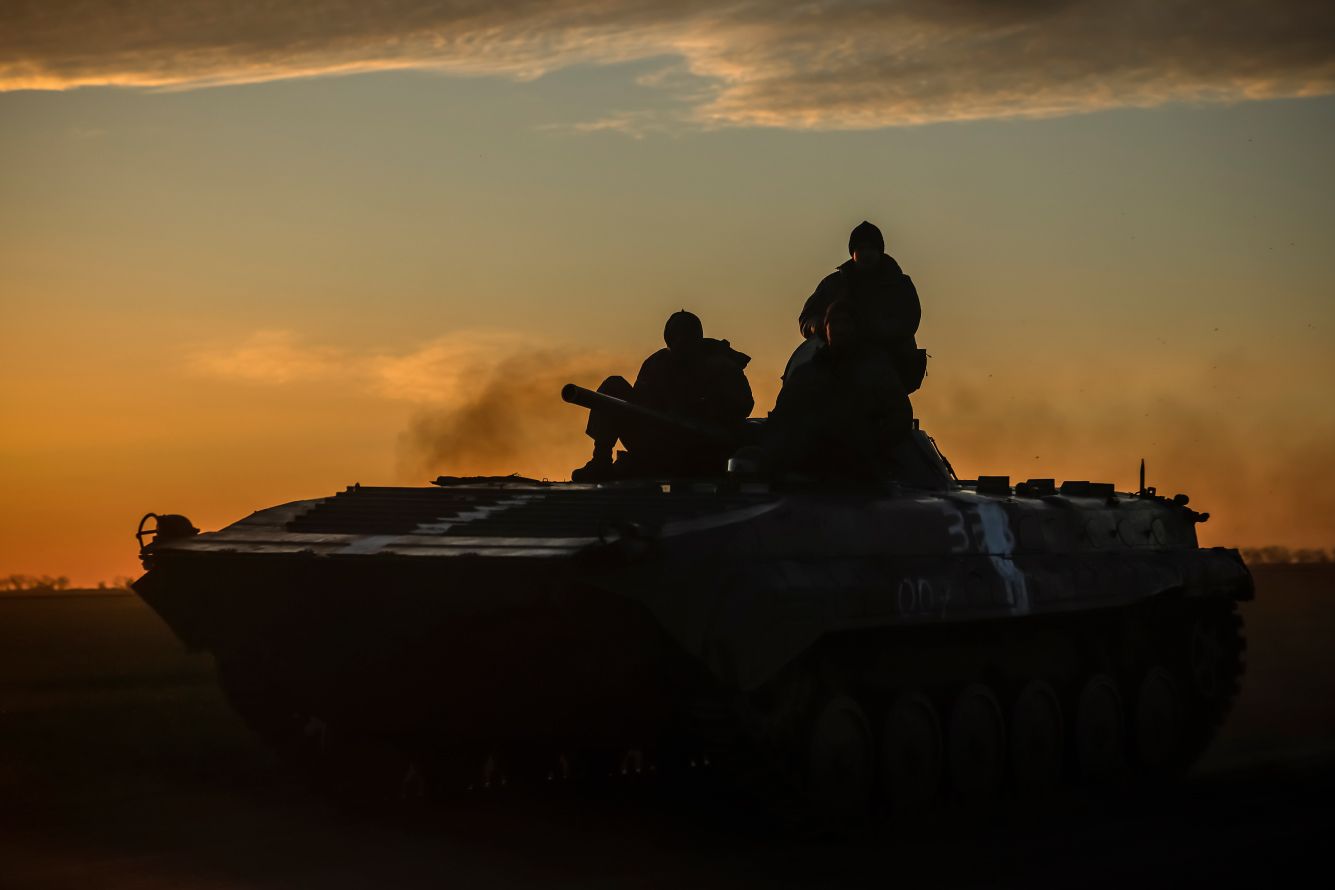
In September, the Ukrainian army liberated most ofthe Kharkov region , and in November returned to Kherson . For the Armed Forces of Ukraine, these victories have become the largest since the end of March, when Russian troopsretreated from the north of the country, from the Kiev, Sumy and Chernihiv regions. The Washington Post talked with more than 35 sources, including officers of the Ukrainian army, Kiev officials and officials from the USA and the EU to describe how exactly the APU managed to conquer the Kharkov region and Kherson. "Medusa" retells this text.
The Armed Forces of Ukraine were realized in the spring that the Kharkov region is a suitable direction for the counterattack
Colonel General Alexander Syrfa, commander of the Ground Forces of the Armed Forces of Ukraine, even in the spring of 2022, realized that the part of the Kharkov region captured by Russia with strategically important cities in Izum and Balakley could become a weak point of the Russian army. The geography of the terrain and the location of the Russian forces prompted him to the idea that raisins and Balakli can be conquered by a quick blow, cutting off the troops of the Russian Federation from reserves in the Belgorod region and forcing them to retreat under the risk of encirclement.
At the beginning of the war, the command of the Russian army turned raisins into a fortress: about 18 thousand soldiers were placed in the city and nearby settlements. “The enemy thought that since so much effort was concentrated in Raisins and they stood even more behind the Russian border in the Belgorod region, one must be crazy to try to hit the middle and split [these forces] in two,” explained Syrfa. That is what he wanted to do.
By August - including due to detailed intelligence received from the United States - the general knew that the number of Russian troops in Raisins was reduced at least and that the most experienced fighters were sent to Kherson, the conquest of which was publicly announced by Kyiv. Syrus planned a counterattack, the key role in which was to play the speed of maneuver. “Everything depended on the first day - how far we can break through,” he said.
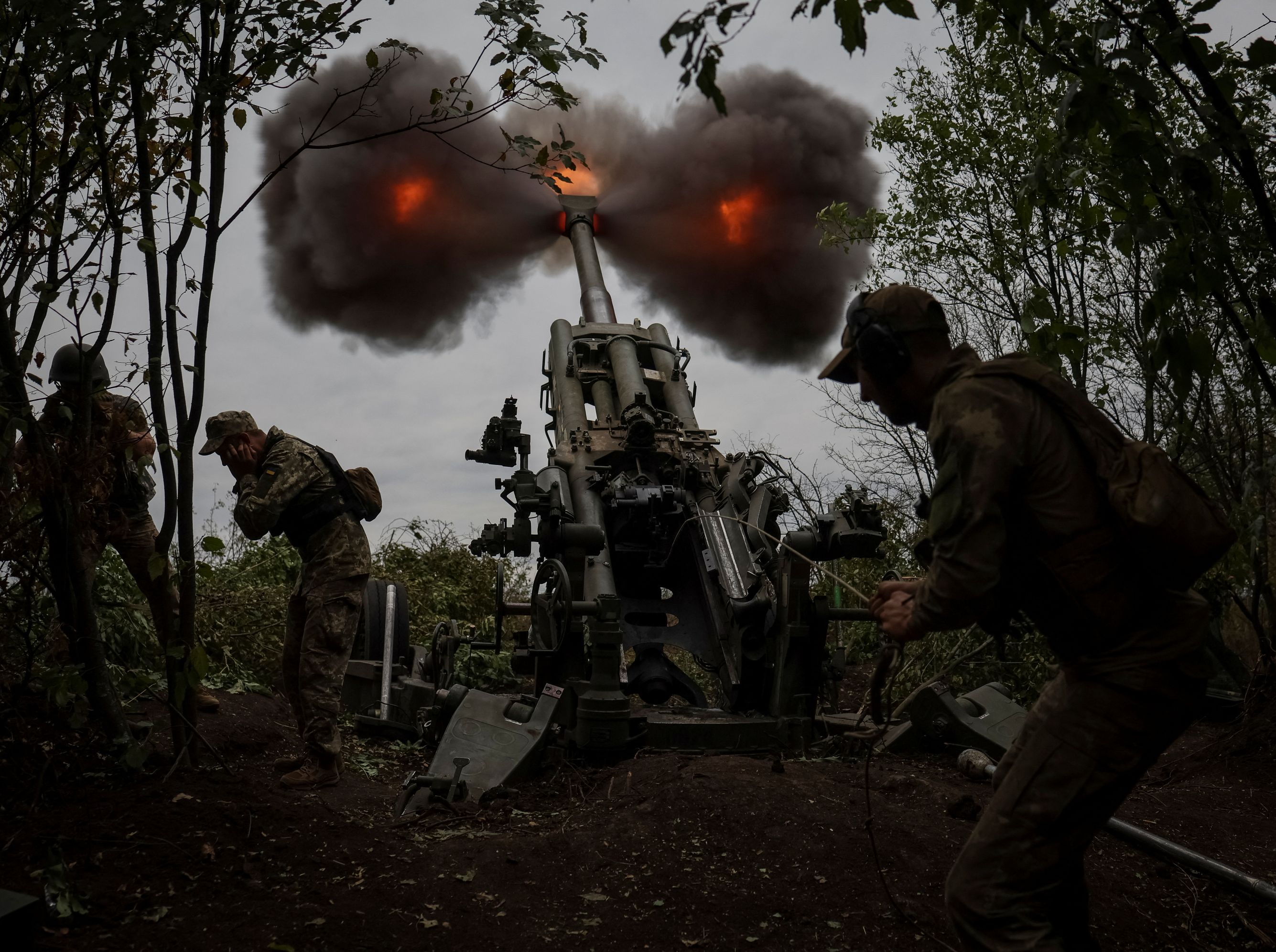
The problem was a lack of artillery and shells. The units that were supposed to participate in the counterattack received valuable M777 howitzers removed from the hottest points in the east of the country (some of them arrived at the night before the attack), and additional drones that can accurately explore goals and save artillery ammunition (in just five days of active advance in the Kharkov region, 32,500 shells were spent - this is a lot for the absence of absorption).
Preparations for counterattacks took place in strict secrecy, but in Russia they realized that the Armed Forces of Ukraine were planning something. However, there was no response action. Syrfa believes that due to the bureaucracy, the information either did not reach the command of the command quite high enough, or they did not pay attention to it. He instructed to bring pontoon bridges in the area of Izuma to force the Russians to think that the Armed Forces of Ukraine were planning a frontal attack on the city, and gave the order to advance in the Balakli area.
Ukrainian troops easily took raisins. Russian soldiers fled from there. But in the estuary they resisted
On September 6, the Armed Forces began a massive artillery shelling of Russian positions. A few hours later, a unit led by a 21-year-old officer named Oleg (he refused to give his last name, as his parents live in the occupied territory-in Starobelsk in the Luhansk region) and other Ukrainian units went on the offensive. “We broke through the front line, and the enemy began to panic. We immediately attacked all the advanced positions - the length of the front line was huge - and everywhere there was a breakthrough, ”Oleg said.
On the first day, he and his company of about 100 people went 17 kilometers and reached the village of Volokhov Yar. According to plan, on the seventh day, they had to take a position north of the raisins. But a day earlier, Oleg was informed that the Russian units were fleeing, so he and his company could enter the city. When they reached the center of raisins, what they saw struck. Wabled tanks, ready -made howitzers, filled gas trucks - all this was abandoned.
Oleg called his parents. Father was very surprised that his son is in raisins. Oleg promised that he would soon be in Starobelsk. It was only partly a joke - it really seemed to him that he could soon be at home - 120 kilometers from raisins. But when in a week he received an order to move towards the estuary in the north of the Donetsk region, it became clear that everything would not be so simple. Near the village of Korovius Yar, his company fell under the fire of Russian tanks; Five people died, 12 were injured. The village managed to take, but the offensive no longer seemed easy walk.
Oleg’s unit moved south and took a position in the Liman area. As in Raisins, Russian troops were practically surrounded there, but, unlike raisins, they fought. “Everything that they had, all their artillery, tanks, everything beat right for us, for us, for us,” Oleg recalls.
On October 1, the Ukrainian military entered the estuary.
“They asked for our advice. We answered: “Hey guys, you are going to bite more than you can chew” ”
In July 2022, Ukrainian officers arrived in Germany in order to hold military games together with their colleagues from the USA and Great Britain - this is the name of the imitation of battles or entire campaigns to verify certain military concepts. The Armed Forces then planned a large -scale counterattack in the south of the country, which includes a breakthrough to the coast of the Sea of Azov in the Zaporizhzhya region, which would cut off Russian forces in the south and east of Ukraine.
Military games have shown that this is an unrealistic plan. “They asked for our advice. We answered: “Hey guys, you are going to bite more than you can chew.” This will not work, ”said the unnamed representative of the Pentagon. Later, the same advice was repeated by representatives of the White House in conversations with the office of Vladimir Zelensky. The Ukrainians obeyed the Council and focused on a less ambitious goal - the conquest of Kherson.
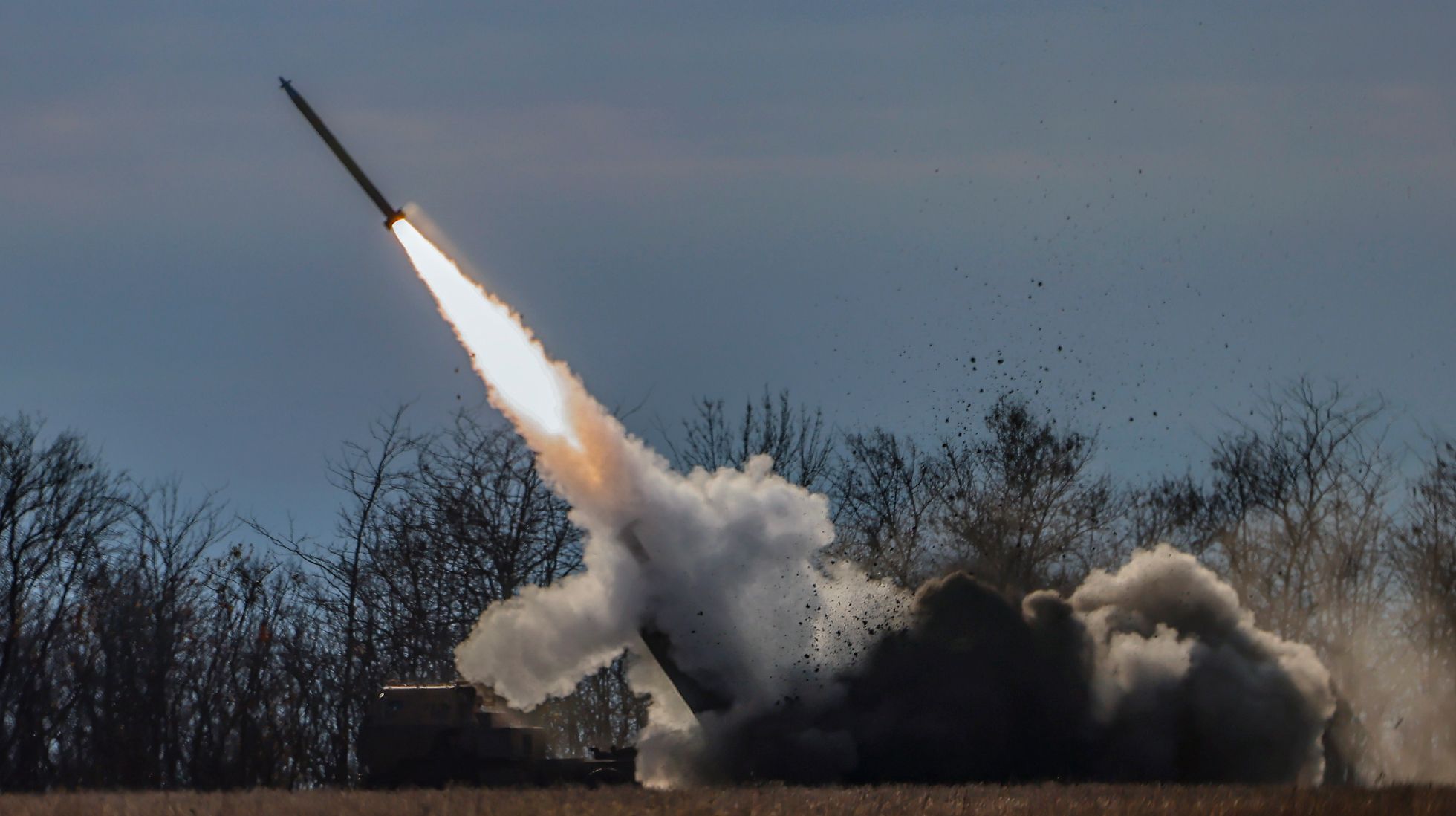
The commander of the operational command of the South of the Armed Forces of Ukraine, Major General Andrei Kovalchuk, who was entrusted with this operation, had to defeat Russian forces in Kherson-and at least force them to retreat. He instructed to beat Himars from the MLRS at the supply lines of the 25,000 Russian group in Kherson on the Dnieper: the automobile and railway Antonov bridges and the highway, which runs through the Damine of the hydroelectric power station in the new Kakhovka. This caused damage to the logistics of the RF Armed Forces, but did not destroy the supply completely.
Another problem was the defense lines that Russian troops managed to build in the Kherson region (including transferring troops from Raisins). In early September, a 32-year-old company commander named Yuri and his soldiers received the task of approaching New Kakhovka so that the city would fall into the zone of Ukrainian artillery fire. They encountered two lines of Russian fortifications, where tanks were hidden in the ditches, and the destructive force of Russian aviation, which threw them with high -explosive bombs. “When we had direct hits by positions, there was nothing left of people,” Yuri described the effect of these bombing.
Due to the initial failures of the Armed Forces of the Armed Forces near Kherson, the commander of the operation was replaced. In Kyiv, this was not advertised
The Armed Forces suffered heavy losses. By October, the situation was stabilized, but in Kyiv they were unhappy with the pace of advancement. Instead of Andrei Kovalchuk, the brigade General Alexander Tarnavsky was appointed to command the Kherson operation, who was the deputy of Syresky at a counterattack in the Kharkov region. These personnel permutations were not advertised in order not to give a reason for the gloating of Russian propaganda. Tarnavsky used a reception already tested in the Kharkov region - he chose an unobvious place for the attack.
They became a section of the steppe northwest of Kherson. Colonel Vadim Sukharevsky, commander of the 59th motorized rifle brigade, was responsible for him. Overcoming fierce resistance, its people broke through the front line, trying to get to Kherson so that it could be shot from the artillery of the crossing through the Dnieper. “The struggle went on literally for every meter,” said Sukharevsky.
On the night of November 9, his brigade approached the village of Green Guy, from which Kherson was within the reach of artillery fire. Ukrainians began to beat on crossings on the Dnieper. But the Russians by that time had already begun a retreat. The pressure of the Armed Forces forced them to leave, but it was not possible to pursue and defeat their Ukrainian army. Sukharevsky explained this by the fact that the abandoned territory was greatly mined: in some places, mines were installed a meter from each other.
Vladimir Zelensky arrived in Kherson on November 14 - a few days after the liberation of the city (although his environment considered this trip very dangerous - Russian artillery was located several kilometers per Dniprom). Alexander Tarnavsky stood next to him on the central square of the city. “I was amazed at the people I saw. All their faces, there was simply happiness on them, ”he said.