
Translated material
Dad who left himself
In the Vatican, Pope Benedict XVI died at rest. Bibleist Andrei Desnitsky tells what role he played in the history of modern Christianity
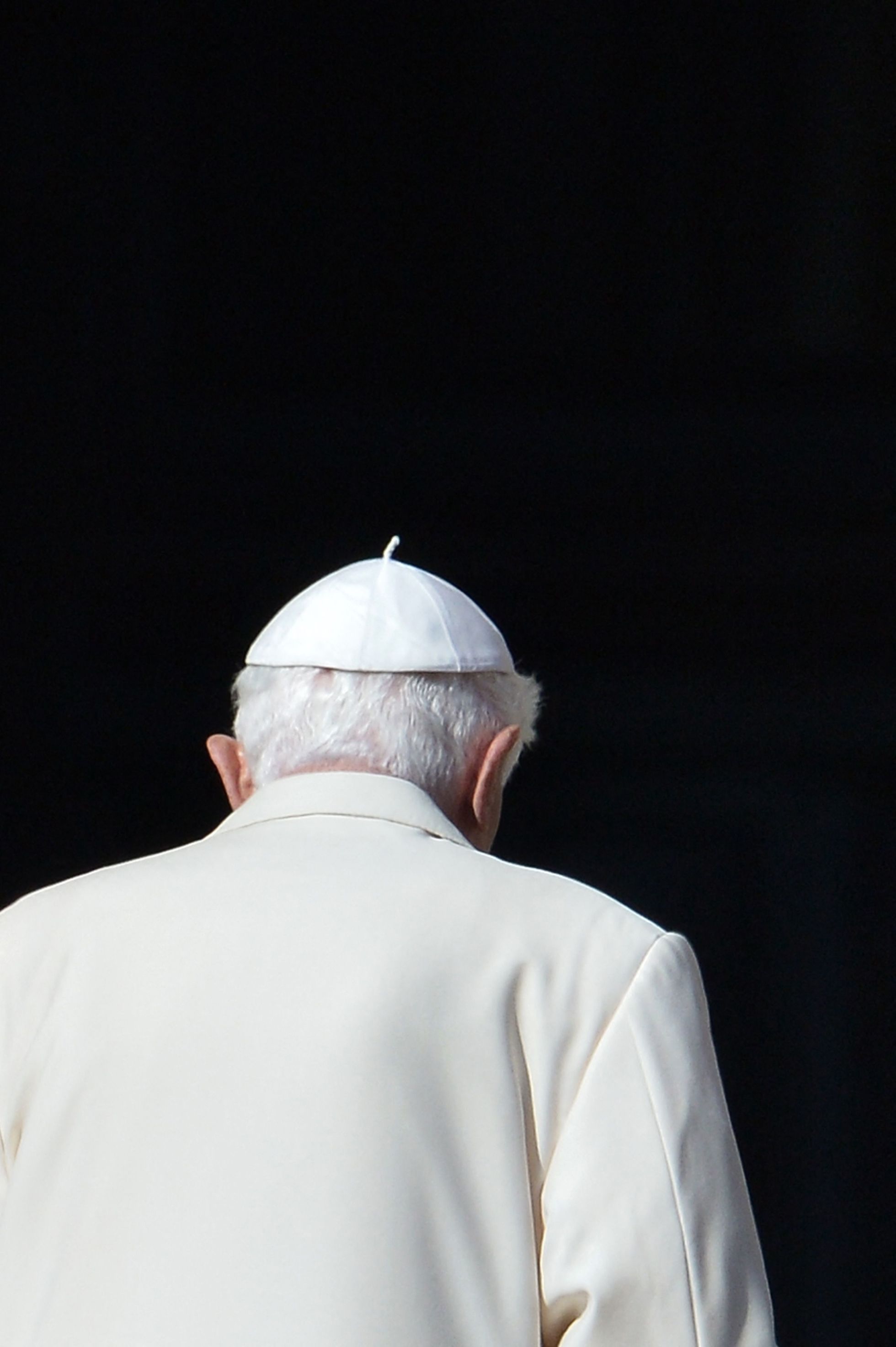
On December 31, the Holy See reported the death of the Pope at the rest of Benedict XVI. He was 95 years old. Benedict XVI-in the world, Joseph Alozu Ratzinger, was elected dad in 2005 and renounced the throne in 2013, explaining his decision to deteriorate health. At the request of Medusa, the Biblianist and Professor of the Russian Academy of Sciences Andrei Desnitsky talks about the influence of the pontiff on the history of modern Christianity.
The Roman dad at rest Benedict XVI is not one of those people who are remembered in a bright media picture or a whip expression. But he, of course, played an important, albeit not such a noticeable role in the history of modern Christianity as his predecessor on the Papal throne John Paul II (already famous in the face of the saints), in which communism in Eastern Europe collapsed and the world unrecognizably changed.
Cardinal Joseph Alozu Ratzinger, who became a new dad after the death of his famous predecessor in 2005, did not think to compete with him in glory. And he even chose the standard name Benedict for the papes, being the sixteenth in this row (only the name John was found even more often).
Until that moment, the entire biography of Cardinal Ratzinger passed as if under the ancient motto "nothing." He was born in a Catholic family in Bavaria in 1927, a boy visited the Hitler Youth and served in parts of the air defense, so he did not even sit in a prisoner of war camp. After the war, he received the theological education, slowly and confidently walked along all steps of the career of a scientist priest up to the Cardinal San. In 1981 he headed the holy Inquisition ... More precisely, the congregation of the doctrine of Vera , as it became known as a hundred years ago. And he remained in this position until the election of the pope.
In fact, the role of Benedict XVI with a charismatic predecessor was to maintain unshakable foundations of faith. It was considered to be a conservative. Indeed, while he remained in power, and there could be no speech in the Vatican about the abolition of celibacy (mandatory celibacy for the Catholic clergy). Not to mention the ordination of women or the recognition of same -sex unions - it is these issues that are usually considered a kind of markers of Catholic conservatism, since in many Protestant denominations all this has long been allowed.
Moreover, Benedict removed church excommunication from the bishops-traditionalists who did not accept the reforms of the second Vatican Cathedral-and for this a shaft of criticism fell on him on the left. But Benedict here rather acted as the unification, sought to overcome the existing split inside Catholicism before it is rooted in new generations.
No, he was not obscurantist and rather continued the course chosen by his predecessor to open communication with the whole world - not forgetting, however, to clarify what the difference between Christianity and Islam (which already caused a flurry of criticism from Muslims).
But the most loud scandal of his pontificate, of course, was associated with the cases of violence of children from the Catholic priests that have opened. Benedict was reproached for unwillingness to agree with the obvious. And at first the church authorities really tried everything to be replaced under the carpet. But in the end, dad found the strength to admit that these cases were not single, and publicly apologize to the victims.
However, his most important words remained, I believe, unnoticed. Although they were written and published even in Russian translation. As already mentioned, Cardinal Ratzinger received a solid theological education, but in itself it means little. At one time, Vladimir Solovyov suggested that the Antichrist will receive the degree of Tubingen University for his innovative work on exegetics ; And when Ratzinger was invited to give a lecture on modern exegetics in New York, he began it with this example. He (such an example seemed important to him), he cited in his book about Christ.
Yes, yes, Roman dad wrote not about anyone else than Jesus. Not about any German or Italian world, not about traditional values, not about the intrigues of other countries and faiths against the only correct denomination-but about the main character of the Gospel, about the Church founded by him and that all this means today for us. What new could he say about him after so many books that filled out the wards of the Vatican library? Probably, no other in the world has been written so much over the past two millennia.
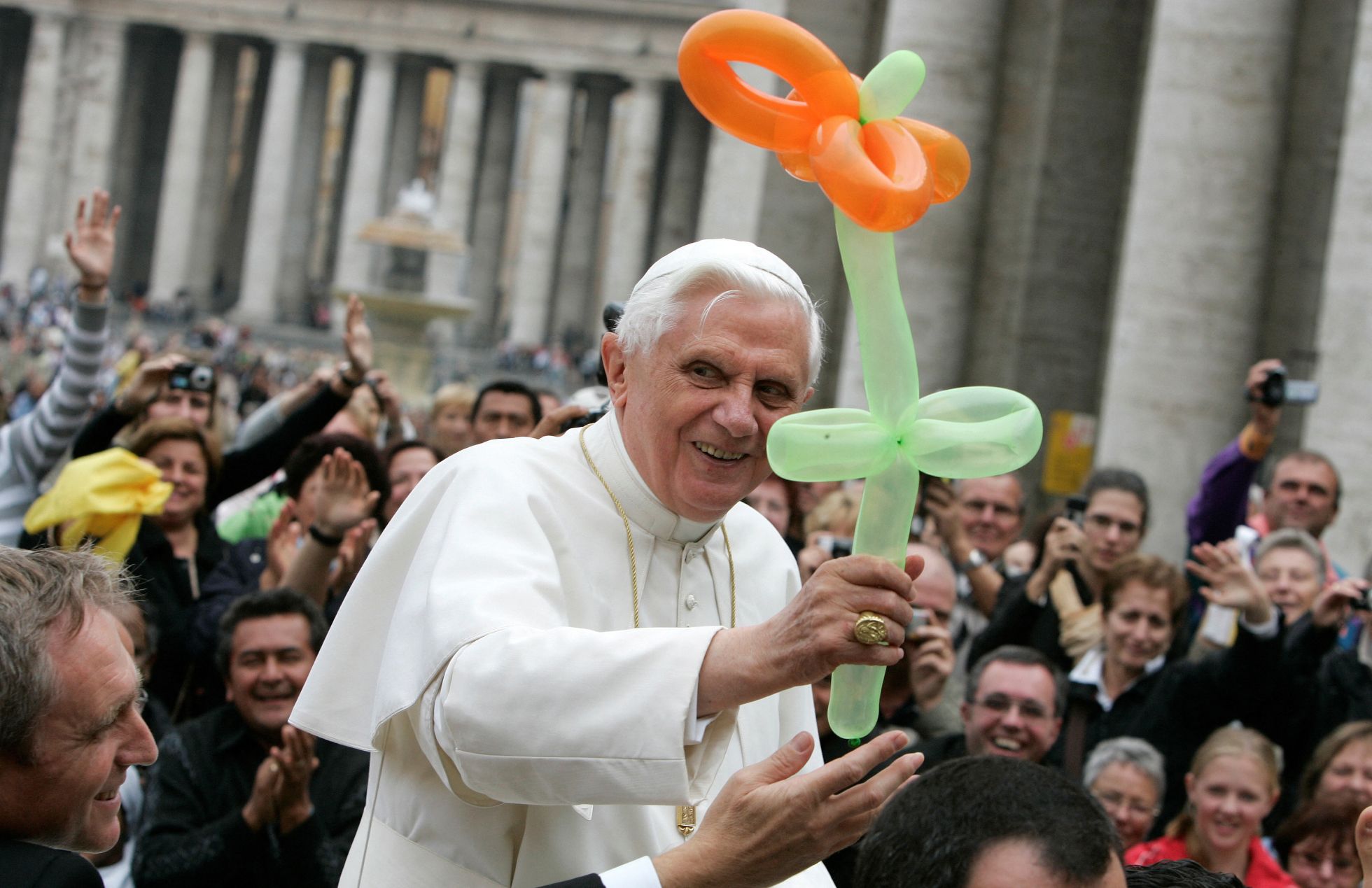
But in the 20th century it turned out that many old answers to questions about the main thing ceased to arrange people. The same ultra -dedicialists from whom Benedict took off his excommunication decided to simply not notice it, but he could not afford this. New challenges, new philosophical models and new social roles, the new data of science, finally - all this required an answer. And Benedict was looking for him at the desk and at the university department. His books are an honest attempt to reconcile the traditional faith with new intellectual trends. Perhaps not for everyone these considerations will sound convincing, but it is extremely important that he expressed them. The conservative in everything related to church everyday life, in the field of thought he was perhaps one of the most innovative Roman dads.
Benedict was elected Roman dad at the age of 78, and not to say that his age prevents him from cope with his duties. Still, after eight years, he renounced the throne (the third case in the history of the papacy and the only one in the new history). It would seem that it prevented him from transferring the most troublesome duties of younger cardinals and maintaining supreme power? Maybe the most important lesson that he taught to the flock is that there is no need to hold on to his throne?
The current Pope Francis, the Jesuit from Latin America, was replaced by him. Although his views are far from identical to Benedict's eyes, they got along very well until the very last days of Benedict's peace. In the end, they were united by faith and the desire to serve as a Catholic Church rather than to rule over it and subjugate it to your loved one.
“We believed in the love of God” - this is how a Christian can express the fundamental decision of his life. ” Joseph Alozu Ratzinger, Pope Benedict XVI, clearly confirmed these his words with his whole life. Requiescat in Pace .
Andrey Desnitsky