
Translated material
Global fracture
Olaf Sholts explains changes in Germany's foreign policy and offers a path that will help to avoid a new cold war
From the editorial office
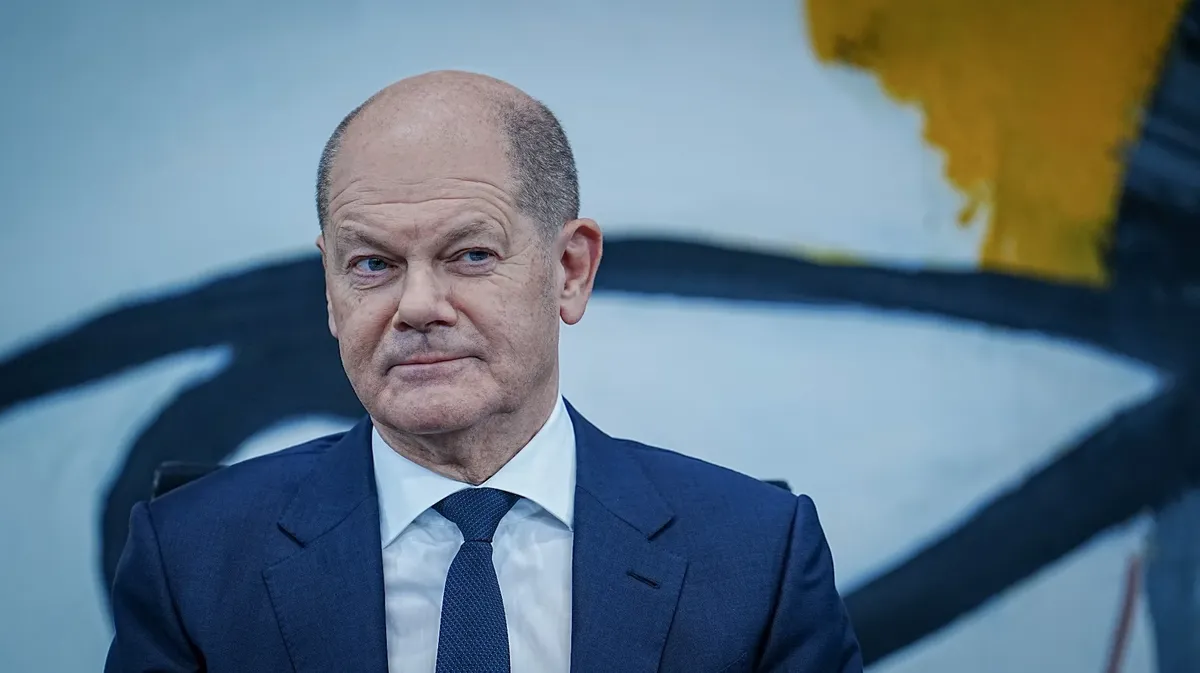
The foreign policy of Germany in 2022 has seriously changed. Berlin had to abandon the principles that seemed unshakable after 1945: low state expenses on defense and security were sharply increased, before that Germany refraining from participation in conflicts carried out the supply of German weapons to Ukraine, due to the sanctions policy, Berlin’s previously revised cooperation with Russia was fully revised. German Chancellor Olaf Sholts published several texts in which he tried to talk more about his view of changes taking place in Germany and the world, including explaining the reasons for his business visit to China in November this year, which caused criticism of both German politicians and his EU colleagues.In a detailed article for Foreign Affairs, published in mid -December, Scholz summarizes the changes that occurred in Germany during 2022 and explains why he personally and his government made those decisions that so sharply changed the country's foreign policy. The editors of Novo-Europe thanks colleagues from Foreign Affairs and the press bureau of the Federal Government of Germany for the opportunity to translate and publish this material with insignificant reductions.
A turning point in the world occurs in the world, an epochal tectonic shift. The aggressive war of Russia against Ukraine put an end to the previous era. New forces are formed and revived, including economically strong and politically confident China. In this new multipolar world, different countries and management models compete for power and influence.
In turn, Germany does everything possible to protect and strengthen the international order based on the principles of the UN Charter. Her democracy, security and prosperity depend on the mandatory observance of general rules. That is why the Germans intend to become a guarantor of pan -European security, to bring bridges within the European Union and protect the multilateral principle of resolving global problems. This is the only way for Germany to successfully overcome the geopolitical faults of our time.
The global turning point (Zeitenwende) goes beyond war in Ukraine and European security. The central question is as follows: how can we, Europeans and the European Union, can remain independent actors [in foreign policy] in an increasingly multipolar world?
Germany and Europe can help protect the international order based on the rules, not succumbing to the fatalistic opinion that the world is doomed to divide again into competing blocks.
The history of my country imposes a special responsibility for the struggle with the forces of fascism, authoritarianism and imperialism. At the same time, the German experience of a split into two countries during an ideological and geopolitical confrontation gives us a special understanding of the risks of a new Cold War.
The end of the era
For most of the world, three decades, which have passed after the fall of the "iron curtain", have become a period of relative peace and prosperity. Technological progress has created an unprecedented level of cooperation. Growing international trade, global supply chains and cross -border exchange of people and knowledge brought out more than a billion people out of poverty. But the most important thing is that many brave citizens around the world have shifted dictatorships and power of one party. Their desire for freedom, dignity and democracy changed the course of history. Two destructive world wars and a huge number of suffering - in many ways, through the fault of my country, followed more than four decades of tension and confrontation in the shadow of possible nuclear destruction. But by the 1990s it seemed that a more sustainable world order was finally found.
The Germans could consider themselves lucky. In November 1989, brave citizens of East Germany destroyed the Berlin Wall. Only 11 months later, the country was reunited thanks to far -sighted politicians and support for partners in both the West and in the East. Finally, “what is connected with each other can grow together,” as the former German Chancellor Willy Brandt put it shortly after the drop of the wall.
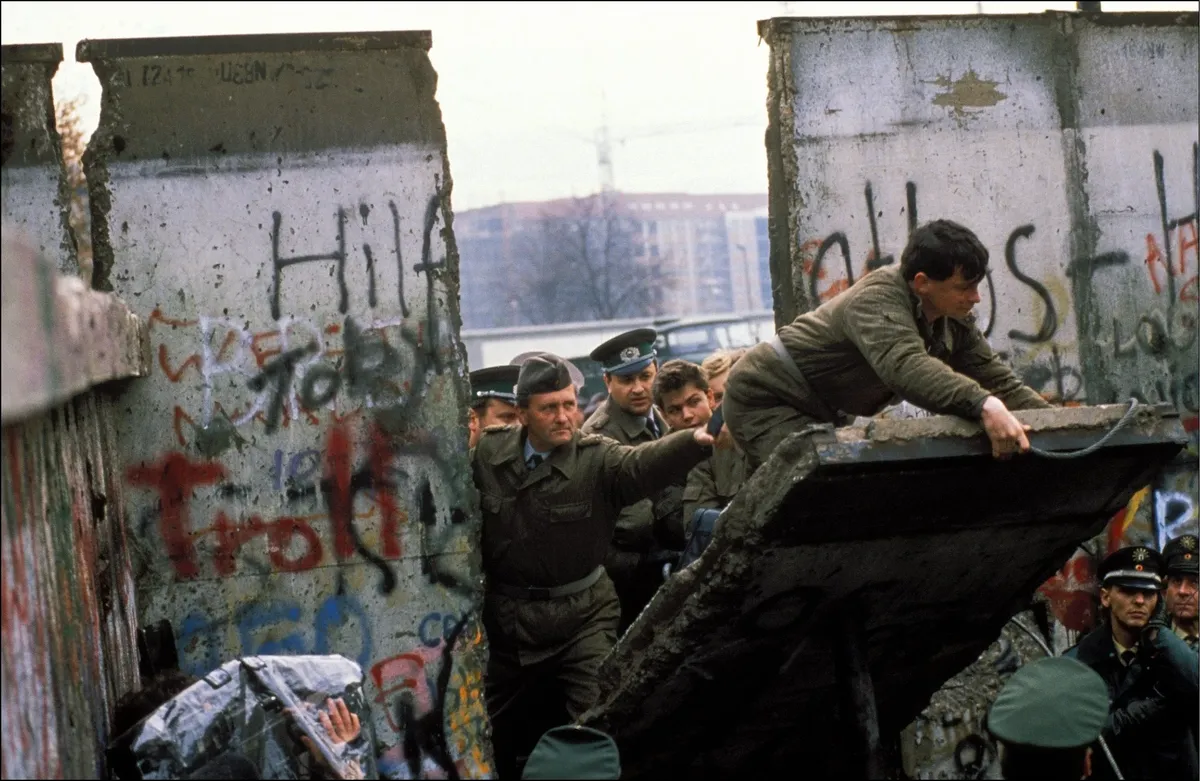
These words belonged not only to Germany, but also to Europe as a whole. Former members of the Warsaw Treaty chose to become allies in NATO and join the EU. “Europe is one and free”, according to the formulation of George Bush Sr., then the then president of the United States, no longer seemed likely hopeless hope. In this new era, it seemed possible that Russia would become a partner of the West, and not the enemy, as the Soviet Union was. As a result, most European countries reduced their armies and cut out defense budgets. For Germany, the reason was simple: why contain the large defense forces numbering about 500,000 soldiers, if all our neighbors are friends and partners?
The focus of our security and defense policy quickly shifted towards other relevant threats. The Balkan wars and the consequences of terrorist attacks on September 11, 2001 , including the wars in Afghanistan and Iraq, increased the importance of managing regional and global crises. However, the solidarity inside NATO remained unshakable: the attacks on September 11 led to the first decision to use article 5, the regulations on the mutual defense of the North Atlantic Treaty, and for two decades, NATO forces to shoulder have fought with terrorism in Afghanistan.
German business circles made their own conclusions from the new course of history. The fall of the Iron Curtain and the increasingly integrated world economy discovered new opportunities and markets, especially in the countries of the former Eastern Bloc, as well as in other countries with a developing economy - in particular, in China. Russia with its huge reserves of energy and other raw materials has established itself as a reliable supplier during the Cold War, and it seemed reasonable, at least at first, to expand this promising partnership in peacetime.
However, the Russian leadership, which experienced the collapse of the former Soviet Union and the Warsaw Treaty, made conclusions that were sharply different from the conclusions of leaders in Berlin and other European capitals. Instead of considering a peaceful overthrow of communist rule as an opportunity for more freedom and democracy, Russian President Vladimir Putin called him "the largest geopolitical catastrophe."
Economic and political upheavals in some parts of the post-Soviet space in the 1990s only aggravated the sense of loss, which many Russian citizens still associate with the end of the USSR.
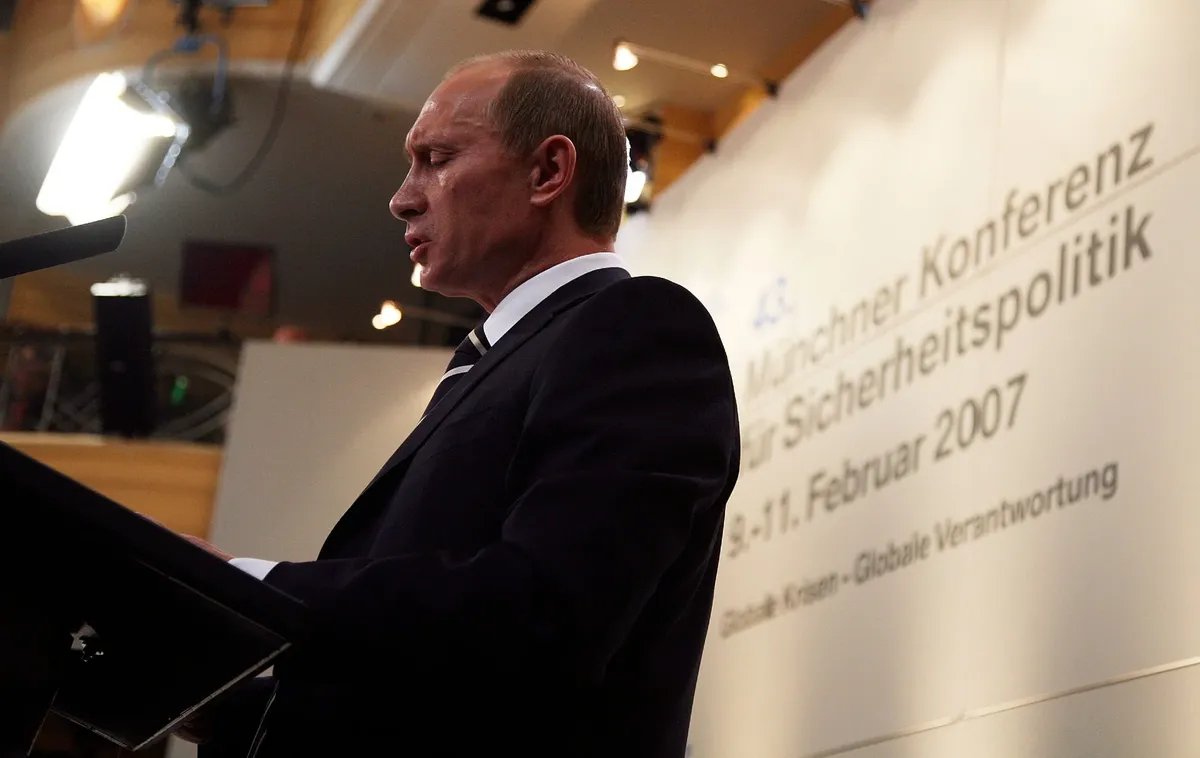
It was in this environment that authoritarianism and imperialist ambitions began to revive. In 2007, Putin made an aggressive speech at the Munich Security Conference, ridicuating the international order based on the rules as a simple instrument of American domination. Next year, Russia began the war against Georgia. In 2014, Russia occupied and annexed Crimea and sent its troops to some areas of Donbass in eastern Ukraine, which is a direct violation of international law and its own contractual obligations of Moscow. In subsequent years, the Kremlin violated arms control agreements and expanded its military potential, poisoned and killed Russian dissidents, suppressed civil society and also carried out brutal military intervention in order to maintain the Bashar Assad regime in Syria. Step by step, Putin's Russia chose the path that took it further from Europe and further from the peaceful order based on cooperation.
The empire makes a response blow
During the eight years that followed the illegal annexation of Crimea and the beginning of the conflict in the east of Ukraine, Germany and its European and international partners on the Great Seven focused on maintaining the sovereignty and political independence of Ukraine, to prevent further escalation from Russia, restoring and maintaining peace in Europe. As an approach, a combination of political and economic pressure was chosen, in which restrictive measures against Russia were combined with the dialogue. Germany, along with France, participated in the so -called Norman format, which led to the Minsk agreements and the relevant Minsk process, which called for Russia and Ukraine to take on the termination of fire and take a number of other steps. Despite the failures and the lack of confidence between Moscow and Kiev, Germany and France supported the process. But the revisionist policy of Russia has made the success of diplomacy.
The brutal attack of Russia on Ukraine in February 2022 was the beginning of a fundamentally new reality: imperialism returned to Europe.
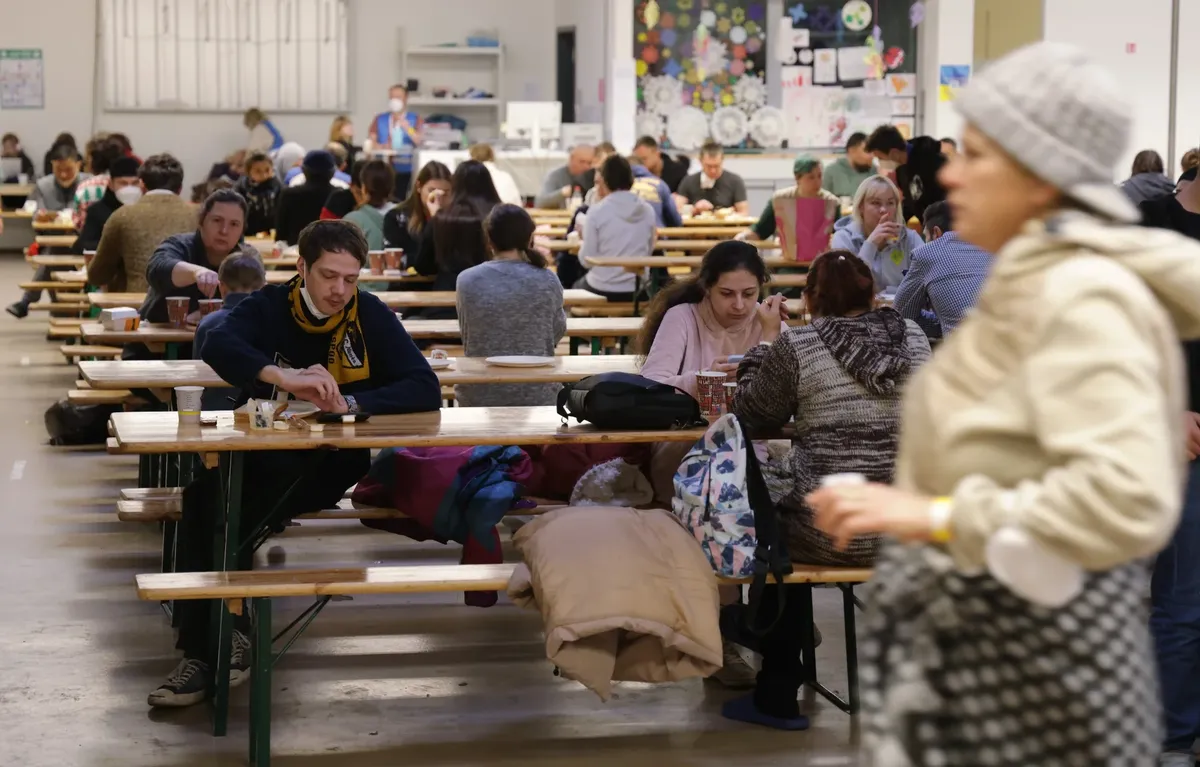
Russia uses one of the most terrible military methods of the twentieth century and causes inexpressible suffering to Ukraine. Tens of thousands of Ukrainian soldiers and civilians have already died, many were injured or injured. Millions of Ukrainian citizens were forced to leave their homes in search of asylum in European countries; One million of them was in Germany. Russian artillery, missiles and bombs turned Ukrainian houses, schools and hospitals into ruins.
But the consequences of the Russian war go beyond the borders of Ukraine. Having given an order to attack, Putin destroyed the European and international security architecture, the creation of which has gone for decades. Under the leadership of Putin, Russia violated the basic principles of international law enshrined in the UN Charter: a refusal to use force as a means of international politics and respect for the sovereignty and territorial integrity of all countries. Acting as an empire, Russia now seeks to force the boundaries by force and again divide the world into blocks and spheres of influence.
Europe is stronger
The world should not allow Putin to achieve its own. Revanschist imperialism of Russia must be stopped. The main task of Germany at this moment is to act as one of the main guarantors of security in Europe, investing in our armed forces, strengthening the European defense industry, strengthening our military presence on the eastern NATO flank, as well as training and the equipment of the Armed Forces of Ukraine .
The new role of Germany will require new approaches, and the national security strategy that my government will accept in a few months will reflect this fact. Over the past three decades, decisions regarding the security and armed forces of Germany have been made against the backdrop of peace in Europe. Now the main question is what threats we and our allies should resist in Europe, primarily from Russia. These include potential attacks on the territory of the Allies, Cyberwalls and even the possibility of a nuclear blow that Putin threatened .
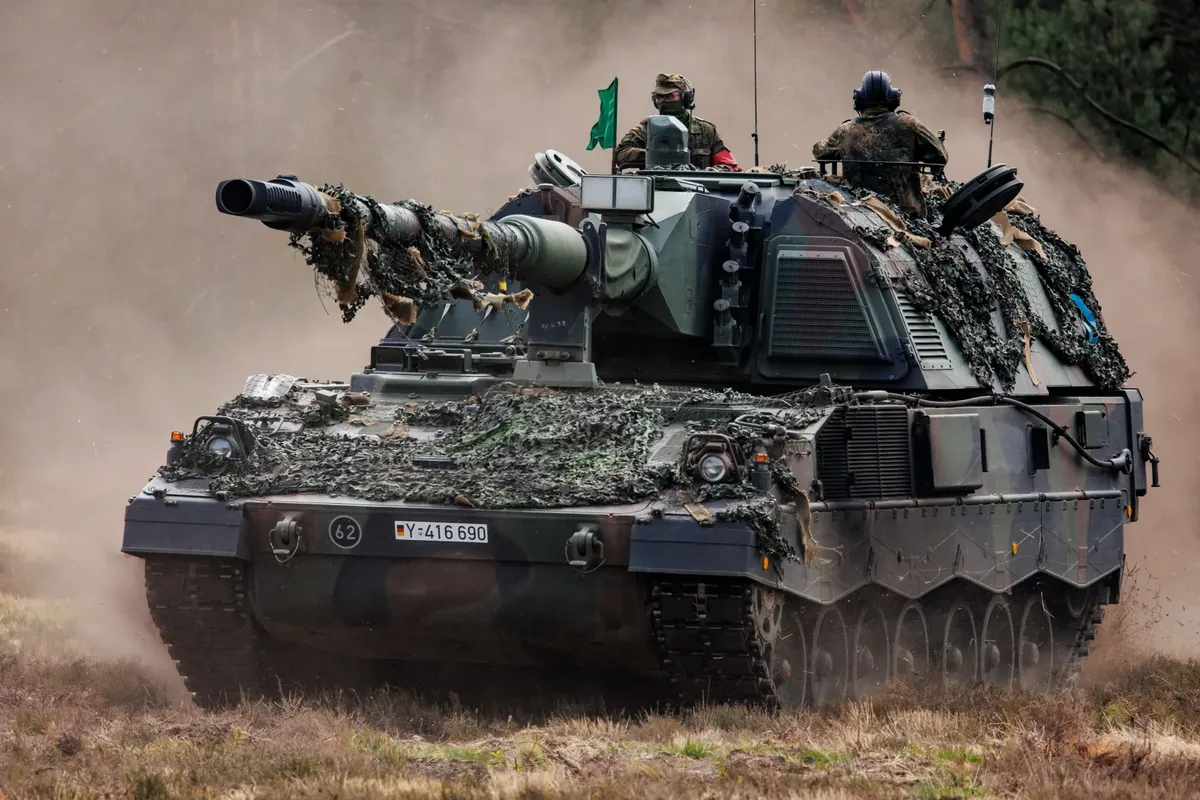
NATO has been and remains a vital element for the confrontation of these challenges. US President Joe Biden and his administration are worthy of praise for creating and investing in strong alliances around the world. But a balanced and stable transatlantic alliance also requires that Germany and Europe play a more active role. One of the first decisions adopted by my government after the Russian attack on Ukraine was to allocate a special fund in the amount of about $ 100 billion for better equipment of our armed forces. We even changed our constitution to create this fund. This decision marks the most sharp change in Germany’s security policy since the creation of the Bundeswehr in 1955. The goal of [reforms] is the Bundeswehr, on which we and our allies can rely. To achieve this goal, Germany will invest 2% of GDP in our defense.
These changes reflect new thinking in German society. Today, the vast majority of the Germans agree that their country needs an army capable of and ready to restrain opponents and defend themselves and their allies. The Germans support Ukrainians who protect their country from Russian aggression. From 2014 to 2020, Germany was the largest source of private investment and state assistance for Ukraine. And after the start of Russia's invasion, Germany increased the financial and humanitarian support of Ukraine and helped coordinate international response measures, being the chairman of the G7.
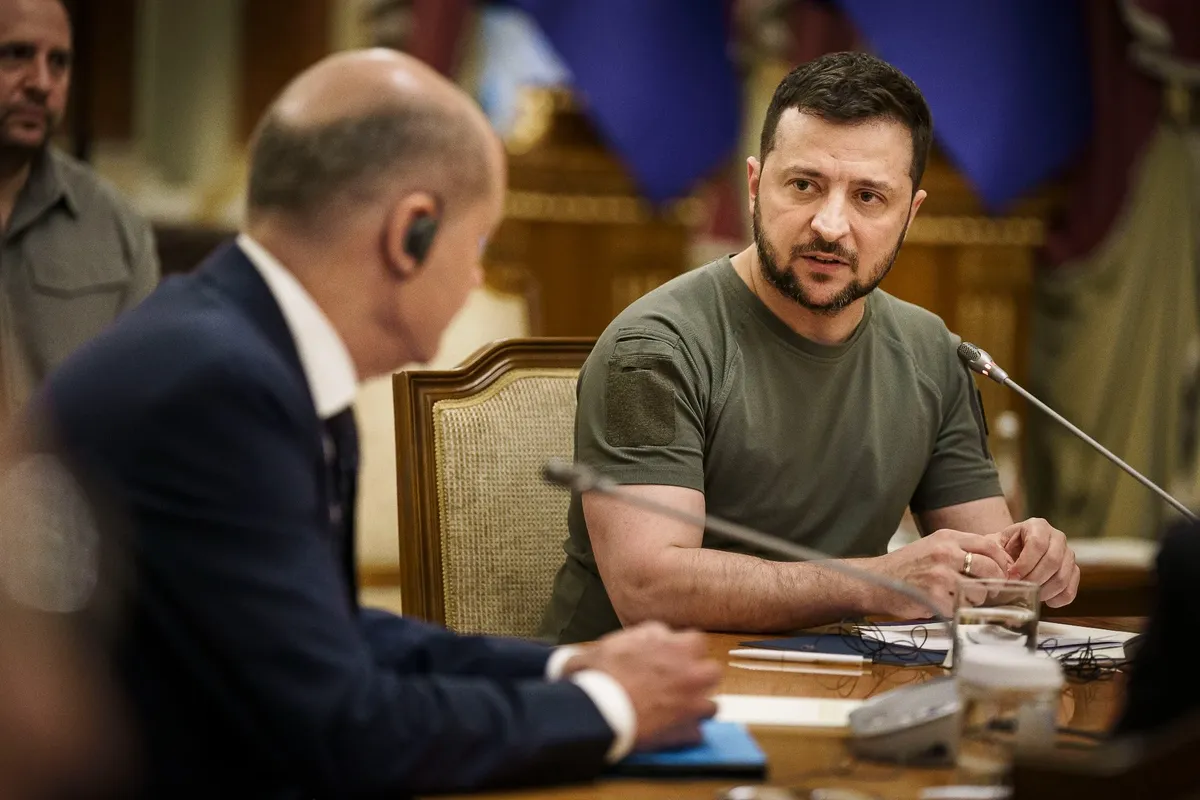
The global fracture also forced my government to reconsider the established principle of German policy regarding the export of weapons for decades. Today, for the first time in the recent history of Germany, we supply weapons to the war that is waged between the two countries. During the exchange of views with the President of Ukraine Vladimir Zelensky, I made it clear to understand one thing: Germany will continue its efforts to support Ukraine as long as it is necessary. Today, Ukraine needs the most in need of artillery and air defense systems, and this is what Germany supplies in close coordination with our allies and partners.
German support to Ukraine also includes anti -tank weapons, armored personnel carriers, anti -aircraft guns and missiles, as well as counter -battery radar systems.
The new EU mission will offer training up to 15,000 Ukrainian troops, including up to 5000 - a whole brigade! - In Germany. Meanwhile, the Czech Republic, Greece, Slovakia and Slovenia pledged Ukraine about 100 Soviet main combat tanks; Germany, in turn, will provide these countries with repaired German tanks. Thus, Ukraine receives tanks that Ukrainian troops know well and have experience in their use and which can be easily integrated into existing schemes of logistics and maintenance of Ukraine.
NATO actions should not lead to direct confrontation with Russia , but the alliance should convincingly restrain further Russian aggression. To this end, Germany significantly strengthened its presence on the eastern flank of NATO, strengthening the NATO combat group led by Germany in Lithuania. Germany also sends troops to the NATO combat group in Slovakia, and the German Air Force helps control and ensure the safety of airspace in Estonia and Poland. The German Navy participated in NATO actions to contain and defense in the Baltic Sea. Germany will continue to fulfill its obligations by agreement of NATO on the joint use of nuclear weapons, including by purchasing F-35 double-use fighters.
Our message to Moscow is extremely clear: we are determined to protect every centimeter of the NATO territory from any possible aggression. We will fulfill the obligation of the Alliance, which states that the attack on any ally will be considered as an attack on the entire alliance. We also made it clear to Russia that its recent rhetoric against nuclear weapons is reckless and irresponsible. When I visited Beijing in November, President of China Xi Jinping agreed that the threat of nuclear weapons was unacceptable and that the use of such a terrible weapon would cross the red line. Putin should remember these words.
Among the many miscalculations of Putin is his bet on the fact that the invasion of Ukraine will lead to an exacerbation of relations between his opponents. In fact, the opposite happened: the EU and NATO are now stronger than ever before. Nowhere is it manifested as brightly as in the economic sanctions that Russia is subjected to . From the very beginning of the war, it was clear that these sanctions would have to be used for a long time, since their effect increases every week. Putin must understand that no sanction will be lifted if Russia tries to dictate the terms of the peace agreement.
All leaders of the G7 countries praised Zelensky’s readiness for a fair world, which respects the territorial integrity and sovereignty of Ukraine and guarantees Ukraine the possibility of protecting itself in the future. In coordination with our partners, Germany is ready to achieve agreements to maintain the security of Ukraine as part of the post -war peaceful settlement. However, we will not agree with the illegal annexation of Ukrainian territory, poorly disguised as fictitious referenda. To put an end to this war, Russia must withdraw its troops.
Good for climate, bad for Russia
The war of Russia not only united the EU, NATO and G7 in the confrontation of its aggression; она также стала катализатором изменений в экономической и энергетической политике, которые нанесут удар по России в долгосрочной перспективе, и дадут толчок жизненно важному переходу к чистой энергии. Сразу после вступления в должность канцлера Германии в декабре 2021 года я спросил своих советников, есть ли у нас план на случай, если Россия решит прекратить поставки газа в Европу. Ответ был отрицательным, несмотря на то что мы были в опасной зависимости от поставок российского газа.
Мы сразу же начали готовиться к худшему сценарию. За несколько дней до тотального вторжения России в Украину Германия приостановила сертификацию газопровода «Северный поток — 2», который должен был значительно увеличить поставки российского газа в Европу. В феврале 2022 года на столе уже лежали планы по импорту сжиженного природного газа с мирового рынка за пределы Европы — и в ближайшие месяцы на побережье Германии начнут работу первые плавучие терминалы СПГ.
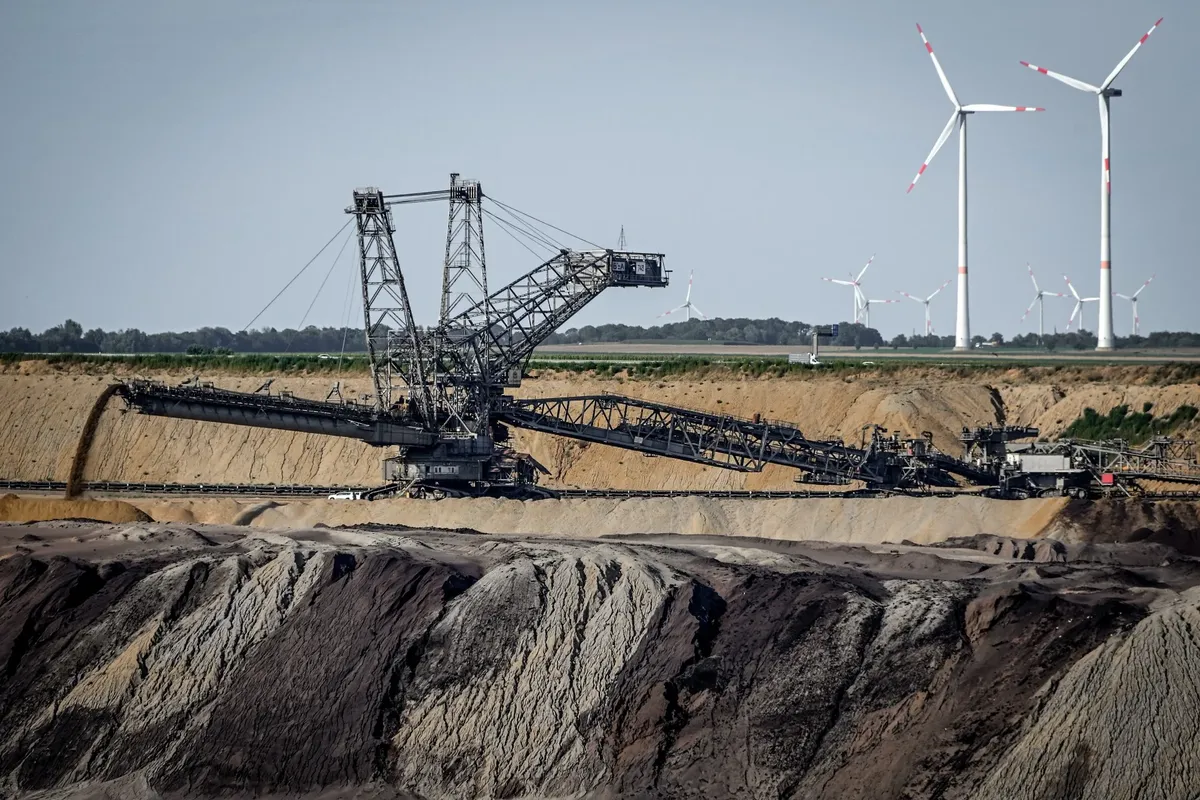
Худший сценарий вскоре сбылся, поскольку Путин решил использовать энергетическое оружие, сократив поставки в Германию и остальную Европу. Но Германия уже полностью отказалась от импорта российского угля, а импорт российской нефти в ЕС скоро прекратится. Мы усвоили урок: безопасность Европы зависит от диверсификации поставщиков и маршрутов энергоносителей и от инвестиций в энергетическую независимость. В сентябре диверсия на газопроводе «Северный поток» еще раз подтвердила этот тезис.
Для преодоления возможного дефицита энергии в Германии и Европе в целом правительство Германии временно возвращает в сеть угольные электростанции и разрешает немецким атомным электростанциям работать дольше, чем планировалось изначально.
Сегодня наши газовые хранилища полностью заполнены, тогда как в прошлом году в это время уровень заполнения был необычайно низким. Это хорошая основа для того, чтобы Германия и Европа смогли пережить зиму без дефицита газа.
Российская агрессия показала нам, что достижение этих амбициозных целей также необходимо для защиты безопасности и независимости Европы. Отказ от ископаемых источников энергии приведет к росту спроса на электроэнергию и «зеленый водород», и Германия готовится к такому исходу, значительно ускоряя переход на возобновляемые источники энергии, такие как ветер и солнце. Наша цель: к 2030 году не менее 80% электроэнергии, потребляемой немцами, должно вырабатываться из возобновляемых источников, а к 2045 году Германия достигнет нулевого уровня выбросов парниковых газов, или «климатической нейтральности».
Худший кошмар Путина
Владимир Путин хотел разделить Европу на зоны влияния и разделить мир на блоки великих держав и вассальных государств. Вместо этого его война послужила лишь укреплению ЕС. На Европейском совете в июне 2022 года ЕС предоставил Украине и Молдове статус кандидатов и подтвердил, что будущее Грузии связано с Европой. Мы также согласились, что вступление в ЕС всех шести стран Западных Балкан должно, наконец, стать реальностью — цель, которой я лично привержен. Именно поэтому я возродил так называемый Берлинский процесс для западных Балкан, который призван углубить сотрудничество в регионе, сблизить его страны и их граждан и подготовить их к интеграции в ЕС.
Важно признать, что расширение ЕС и интеграция новых членов будут трудными; нет ничего хуже, чем дать миллионам людей ложную надежду. Но путь открыт, и цель ясна: ЕС, в котором будет более 500 миллионов свободных граждан, представляющих самый большой внутренний рынок в мире, который будет устанавливать мировые стандарты в области торговли, экономического роста, изменений климата и защиты окружающей среды, в котором будут располагаться ведущие научно-исследовательские институты и инновационные предприятия — семья стабильных демократий, пользующихся достижениями социального государства.
Пока ЕС движется к этой цели, его противники будут пытаться вбить клинья между нами. Путин никогда не принимал ЕС в качестве независимого политического актора. ЕС — союз свободных, суверенных, демократических государств, основанных на верховенстве закона — является антиподом его империалистической и автократической клептократии.
Путин и другие будут пытаться настроить наши собственные открытые демократические системы против нас, проводя кампании дезинформации и злоупотребляя влиянием. Европейские граждане придерживаются самых разных взглядов, а европейские политические лидеры обсуждают и иногда спорят о правильном пути вперед, особенно во время геополитических и экономических вызовов. Но эти характеристики наших открытых обществ — особенности, а не ошибки; они являются сутью демократического принятия решений. Однако сегодня наша цель состоит в том, чтобы сомкнуть ряды в важнейших областях, в которых разобщенность делает Европу более уязвимой для иностранного вмешательства. Решающее значение для этой миссии имеет все более тесное сотрудничество между Германией и Францией, которые разделяют одно и то же видение сильного и суверенного ЕС.
В более широком смысле ЕС должен преодолеть старые конфликты и найти новые решения. Европейская миграционная и фискальная политика являются тому примером. Люди будут продолжать приезжать в Европу, и Европе нужны иммигранты, поэтому ЕС должен разработать миграционную стратегию, которая была бы прагматичной и соответствовала его ценностям. Это означает сокращение нелегальной миграции и в то же время укрепление легальных путей в Европу, в частности, для квалифицированных работников, в которых нуждаются наши рынки труда. В части бюджетной политики ЕС будет использовать фонд восстановления, призванный [в том числе] решить проблемы, вызванные высокими ценами на энергоносители. Евросоюзу также необходимо отказаться от эгоистичных практик в процессе принятия коллективных решений, устранив возможность отдельных стран накладывать вето на определенные меры. Поскольку ЕС расширяется и становится геополитическим игроком, быстрое принятие решений будет ключом к успеху. По этой причине Германия предложила постепенно распространить практику принятия решений большинством голосов на области, которые в настоящее время подпадают под правило единогласия, такие как внешняя политика ЕС и налогообложение.
Оборона в воздушной и космической сферах — одна из областей, в которой Европе необходимо срочно добиться прогресса. Именно поэтому в ближайшие годы Германия будет укреплять свою противовоздушную оборону в рамках НАТО, приобретая дополнительные возможности. Я открыл эту инициативу нашим европейским соседям, и результатом стала программа Европейского противоракетного щита, к которой в октябре прошлого года присоединились еще 14 европейских государств. Совместная противовоздушная оборона в Европе будет более эффективной и экономически выгодной, а кроме того является ярким примером того, что значит укреплять европейскую опору в НАТО.
НАТО является главным гарантом евроатлантической безопасности, и ее сила только возрастет с присоединением к ней двух процветающих демократических стран, Финляндии и Швеции. Но НАТО также становится сильнее, когда ее европейские члены самостоятельно предпринимают шаги к большей совместимости своих оборонных структур в рамках ЕС.
Вызов Китая и не только
Агрессивная война России, возможно, и привела к глобальному перелому, но тектонические сдвиги [в системе международных отношений] лежат гораздо глубже.
Многие считают, что мы вновь стоим на пороге биполярного мирового порядка, который приближается вместе с новой холодной войной между США и Китаем. Я не сторонник этой точки зрения. Мы наблюдаем конец исторической фазы глобализации, которая ускорилась из-за внешних потрясений — пандемии COVID-19 и войны России в Украине — но не полностью стала их результатом. Во время этого периода Северная Америка и Европа пережили 30 лет стабильного роста, высокого уровня занятости и низкой инфляции, а США стали решающей мировой державой, и эта роль сохранится за ними в XXI веке.
Но на этапе глобализации после Холодной войны Китай также стал игроком мирового масштаба. Рост Китая не является основанием для изоляции Пекина или ограничения сотрудничества, но и не оправдывает его претензий на гегемонию в Азии и за ее пределами. Ни одна страна не является задворками ( backyard — прим. пер. ) другой — и это относится как к Европе, так и к Азии и любому другому региону. Во время моего недавнего визита в Пекин я выразил твердую поддержку международному порядку, основанному на правилах, закрепленных в Уставе ООН, а также открытой и справедливой торговле. Совместно со своими европейскими партнерами Германия будет продолжать требовать создания равных условий для европейских и китайских компаний. Китай делает слишком мало в этом отношении и заметно повернул в сторону изоляции и отхода от открытости.
В Пекине я также выразил обеспокоенность растущей небезопасностью в Южно-Китайском море и Тайваньском проливе и поставил под сомнение подход Китая к правам человека и индивидуальным свободам. Соблюдение основных прав и свобод никогда не может быть «внутренним делом» отдельных государств, поскольку каждое государство-член ООН клянется их соблюдать.
Свобода, равенство, верховенство закона и достоинство каждого человека — это ценности, которые не являются исключительными для Запада. Они разделяются гражданами и правительствами во всем мире, а Устав ООН подтверждает их в своей преамбуле как основные права человека. Однако авторитарные режимы часто оспаривают или отрицают эти права и принципы. Чтобы защитить их, страны ЕС, включая Германию, должны более тесно сотрудничать с демократическими странами за пределами Запада в традиционном понимании. В прошлом мы стремились относиться к странам Азии, Африки, Карибского бассейна и Латинской Америки как к равным. Но слишком часто наши слова не подкреплялись делами. Это должно измениться. Во время председательства Германии в G7 группа тесно координировала свою повестку дня с Индонезией, председательствующей в G20. Мы также привлекали к нашим обсуждениям Сенегал, который председательствует в Африканском союзе; Аргентину, которая председательствует в Сообществе государств Латинской Америки и Карибского бассейна; нашего партнера по G20 Южную Африку; и Индию, которая будет председательствовать в G20 в следующем году.
В конечном итоге,
в многополярном мире диалог и сотрудничество должны выйти за пределы зоны демократического комфорта.
Новая Стратегия национальной безопасности США справедливо признает необходимость взаимодействия со «странами, которые не принимают демократические институты, но, тем не менее, зависят от международной системы, основанной на правилах, и поддерживают ее». Мировые демократии должны будут работать с этими странами, чтобы защитить и поддержать глобальный порядок, который связывает власть с правилами и противостоит ревизионистским действиям, таким как агрессивная война России. Эти усилия потребуют прагматизма и определенного смирения.
Путь к демократической свободе, которой мы наслаждаемся сегодня, был полон неудач и ошибок. Тем не менее, некоторые права и принципы были установлены и приняты много лет назад, в том числе основной принцип, согласно которому ни одна страна не может силой захватить то, что принадлежит ее соседу. Соблюдение этих фундаментальных прав и принципов должно быть обязательным для всех государств, независимо от их внутренних политических систем.
Периоды относительного мира и процветания в истории человечества, такие как тот, который пережила большая часть мира в начале эпохи после Холодной войны, не должны быть отклонениями от исторической нормы, в которой правила диктует грубая сила. И хотя мы не можем повернуть время вспять, мы все же можем повернуть вспять волну агрессии и империализма.
Сегодняшний сложный, многополярный мир делает эту задачу еще более сложной. Для ее выполнения Германия и ее партнеры в ЕС, США, G7 и НАТО должны защищать наши открытые общества, отстаивать наши демократические ценности, укреплять наши союзы и партнерства. Но мы также должны избегать искушения вновь разделить мир на блоки. Это значит, что нужно приложить все усилия для создания новых прагматичных партнерств. В сегодняшнем плотно взаимосвязанном мире цель продвижения процветания и свободы человека требует иного мышления и иных инструментов. Развитие этого мышления и этих инструментов в конечном итоге и является целью глобального перелома.