
Translated material
New Russian demons
The Ukrainian director shot the series “13 Clinical” about the Russian hospital, where patients are expelled by demons
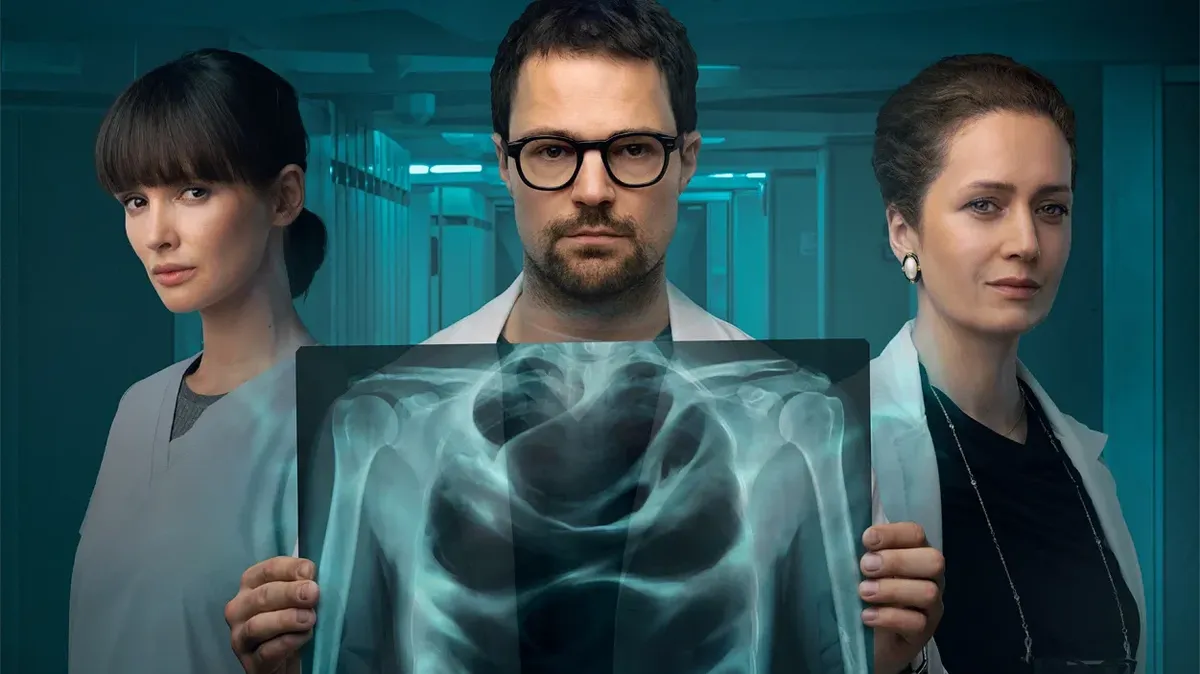
Mystical series is the cultural phenomenon of Russia in recent years: from "vampires of the middle strip" to the "catering unit". Until recently, they were escapated pleasure: the series about paranormal phenomena in Russian realities with a comedic note did not ask uncomfortable questions and carried away. A noticeable exception of the rules was the recent “end of the world”, where mysticism has become a convenient form for allegories and a new word in the ezopian language. Against this background, it is curious to look at the “13 clinical” procedure: the Ukrainian director Klim Kozinsky saw in Russia something in the literal sense of the Devilsky word.
"You also do not leave your place until you die?" - asks the head physician the patient. In her history, the brain tumor, like the doctor, has a contract with otherworldly force. The hospital in which the girl lies, the 13th clinical, unusual: in the walls of the Soviet Research Institute, made in the best traditions of modernism, expel demons. This is a team of doctors, consisting of Danila Kozlovsky, Victoria Isakova and Paulina Andreeva. Kozlovsky is played by the surgeon Kirill: his hero himself is not only a doctor, but also a patient. There are no healthy people in this hospital at all, even the staff is sick with something: each of the employees is obsessed with something. The fusion of mysticism and everyday procedure was funny and fascinating: the hero of Kozlovsky is ridiculously and cynical, struggling with demons on the operating table, and the head physician in which Lucifer sits is a touching embodiment of the Russian budgetary. The devilry, crossed with the Russian reality, has become a confident comedic technique: a demoniac doctor is more human than a healthy official who is authoritarly supervising the hospital.
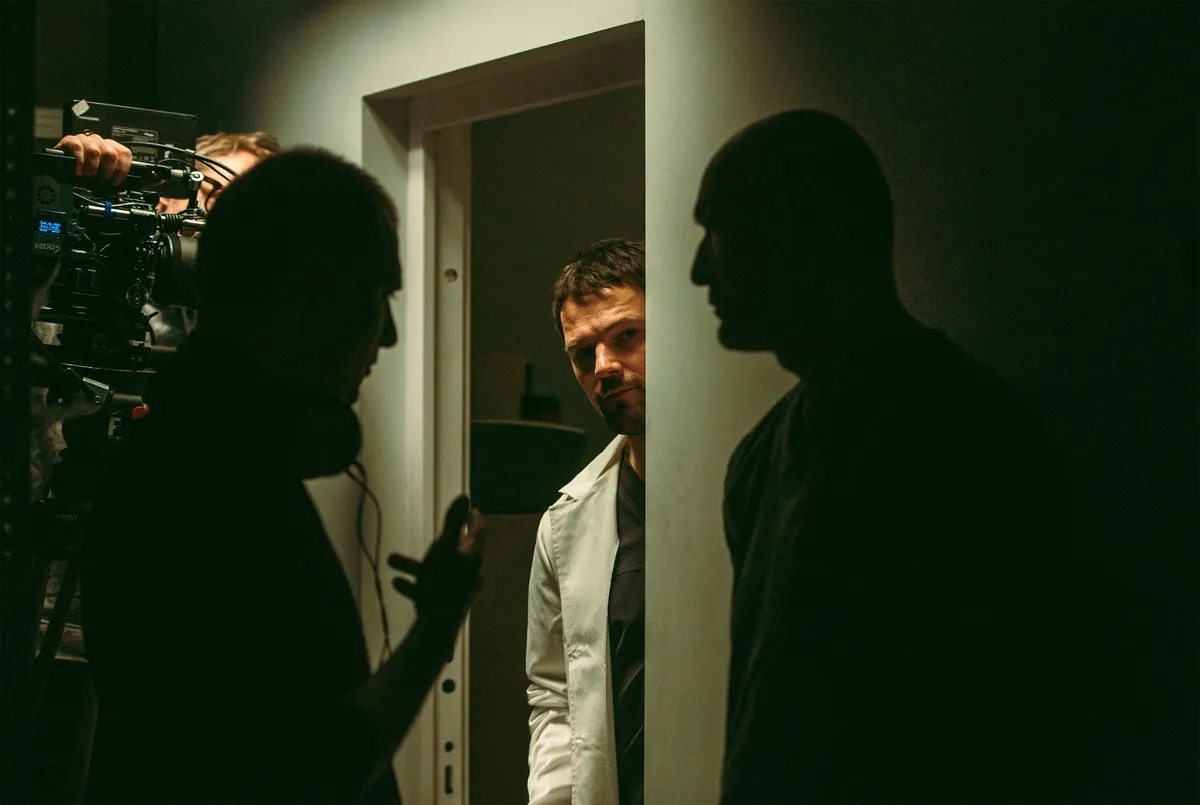
Actual issues sometimes subjugate the surround on the screen: we see a lesbian who cannot accept its identity and almost dies from destructive doubts. Her demon is not an identity, but a law on propaganda and "scrapers." The director with medical pedantry peers not in the symptoms of problems, but in their root: this is a fear of being yourself, a public stigma and mass indifference.
“This is a fairy tale about Russians,” says Klim Kozinsky. - About what demons live in Russians and how these demons manage a person. For example, in the second series there is a demon of succubus: we think that the patient is a traitor, and this is about sexual identification. A person is subject to pressure and cannot take place inside as a sexual unit - a very Russian problem now. This is hidden in the series: after all laws came into force, this story could not be told how it was originally conceived.
“13 Clinical” not only raises public problems, but also fully corresponds to the spirit of modern series. “Dr. House” and “very strange things” were mixed here, from which state secret institutions, synth-pop and, of course, monsters, migrated in the suburbs.
Nevertheless, Klim Kozinsky tries to dig deeper: many diagnoses, for example, have become a biblical reference. In one series, Cyril operates on a pregnant woman, affected by Velial, - in the fallen angel, in another fights Lucifer, in the third expelled from the girl of Sukkub. From a distance, the plot of the series is completely reminiscent of the Gogol's “Night before Christmas”: a savvy protagonist beats evil spirits and helps people.
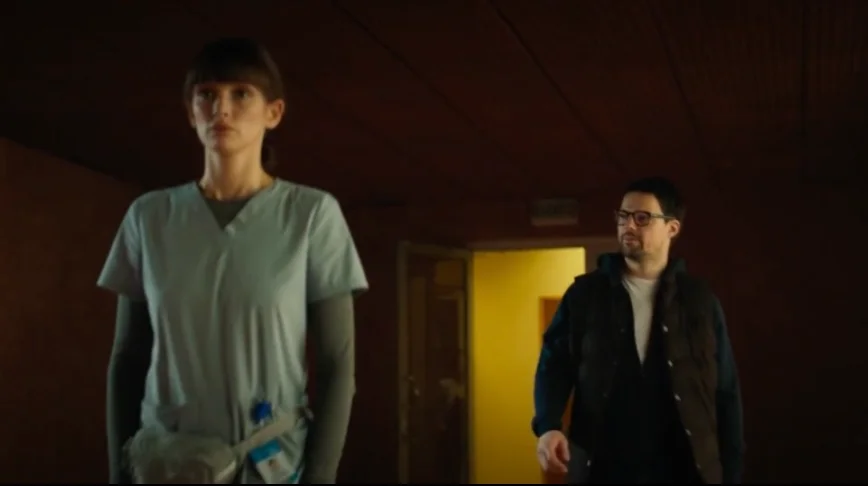
In between exorcism, operations and MRI, Kirill flirts with a nurse - then the series turns into a roma stretched by a roma, which is not very interesting to follow. And the point is not in the acting game Danila Kozlovsky (it is very convincing), but in the fact that this storyline is crumpled and hasty. The author overestimates the picture with events, characters and symbolism-and in the 8th series you are lost.
The finale turns into a painful puzzle and in vain attempts to remember what happened in the last series. And it began for health: a curious idea, the strong operator work of Henry Meder and rare anti -war overtones - Danila Kozlovsky drinks from a mug with the inscription "For the world". But the director himself, according to him, did not strive for some political relevance.
“War is war,” says Klim Kozinsky. - I have nothing to add to what is happening now and what is being said about it. Will I return to Ukraine? Life will show.