
Translated material
About the immortal jellyfish
Dedicated to the General Prosecutor's Office and the Ministry of Justice. All coincidences are not accidental. Application "Novaya Gazeta"
From the editorial office
The New Gazeta supports colleagues, we consider the decision of the Prosecutor General’s Office inappropriate and unfair, and we demand to immediately cancel it. Medusa is immortal, it cannot be banned!Chernilevsky V.E.
10/20/13.
In this paper, a discussion and a critical analysis of research work on Medusa Turritopsis Nutricula is carried out.
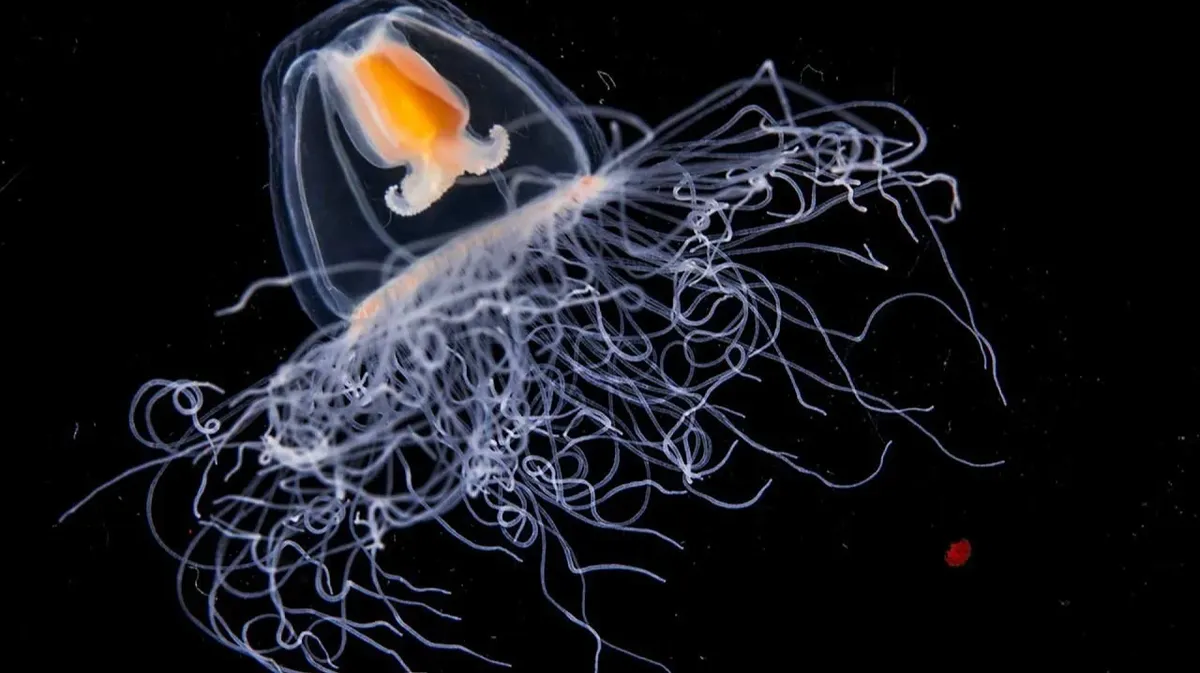
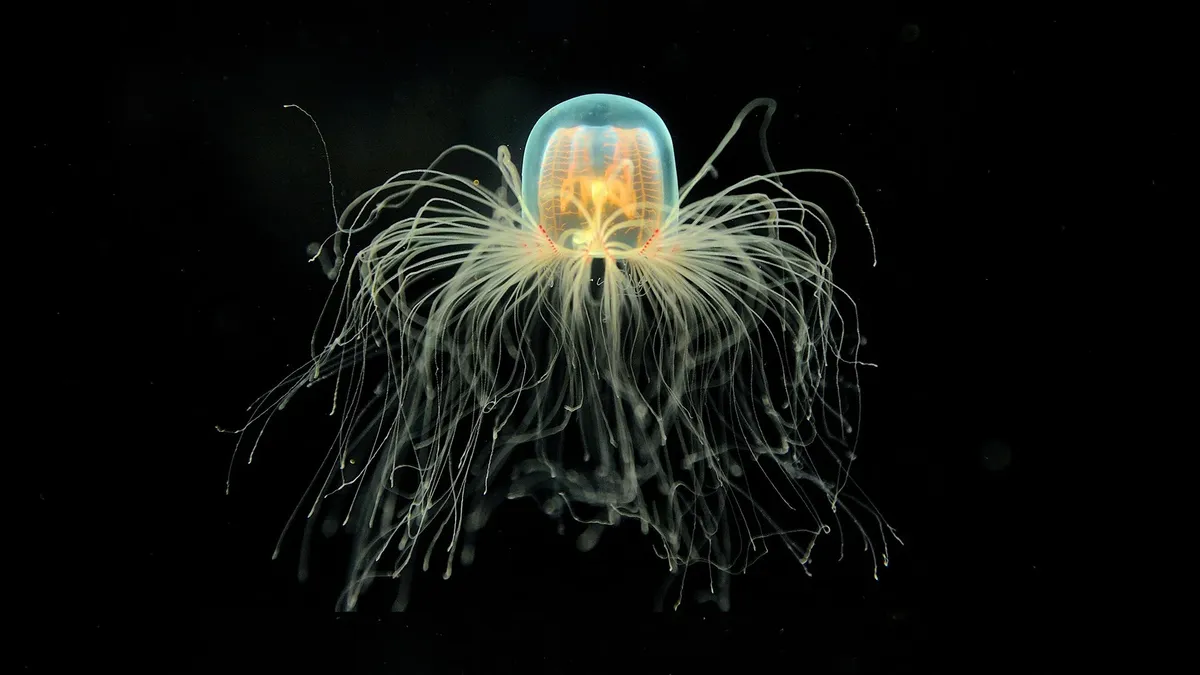
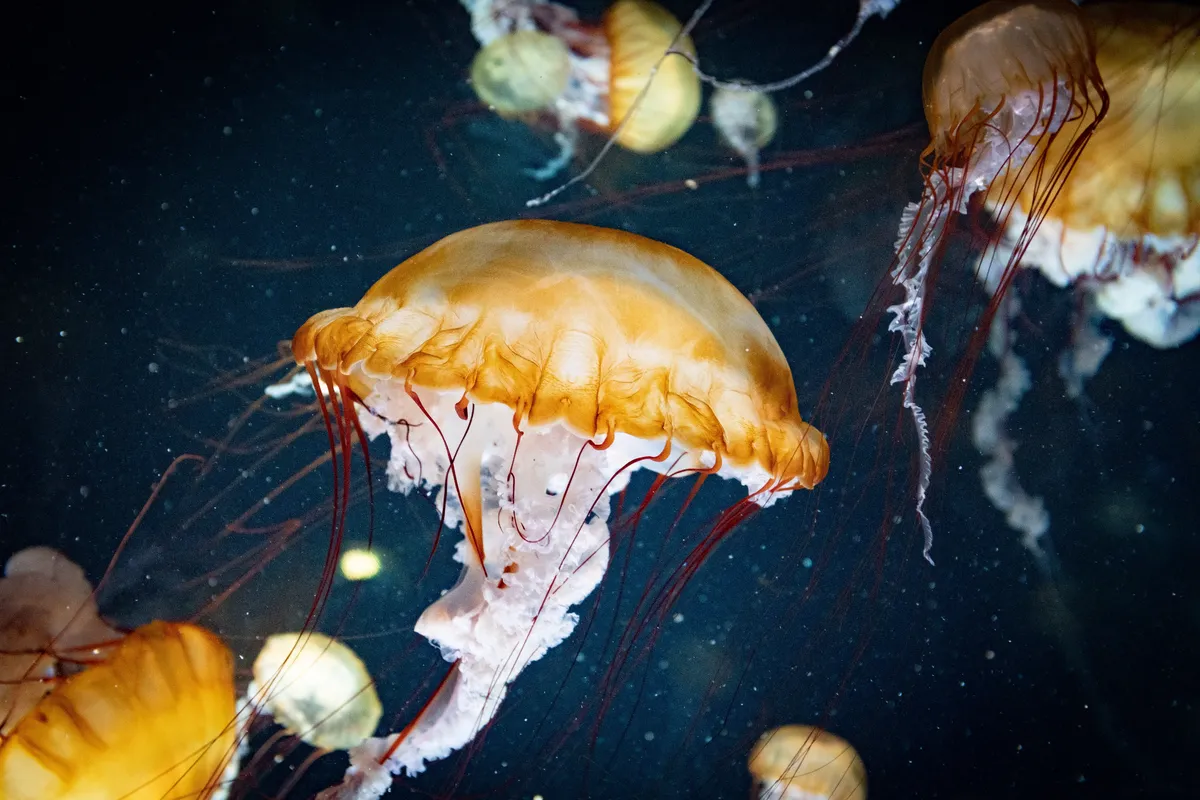
The Turritopsis nutricula jellyfish, which is considered the only immortal creature on the planet, was under the close attention of scientists in connection with the problems of aging and extending human life. Its immortality is explained by the fact that, unlike most types of jellyfish, which after participating in the reproductive cycle die after reaching puberty, T.Nutricula can again turn into a young individual and can repeat this cycle endlessly. T. nutricula is even considered the only immortal look among all multicellular.
There is a series of works in which researchers themselves give such a conclusion about immortality T.NUTRICULA. These works allow you to analyze the results from the point of view of general biology, aging biology and the possibility of extending human life [1-6.10-11].
General information about jellyfish
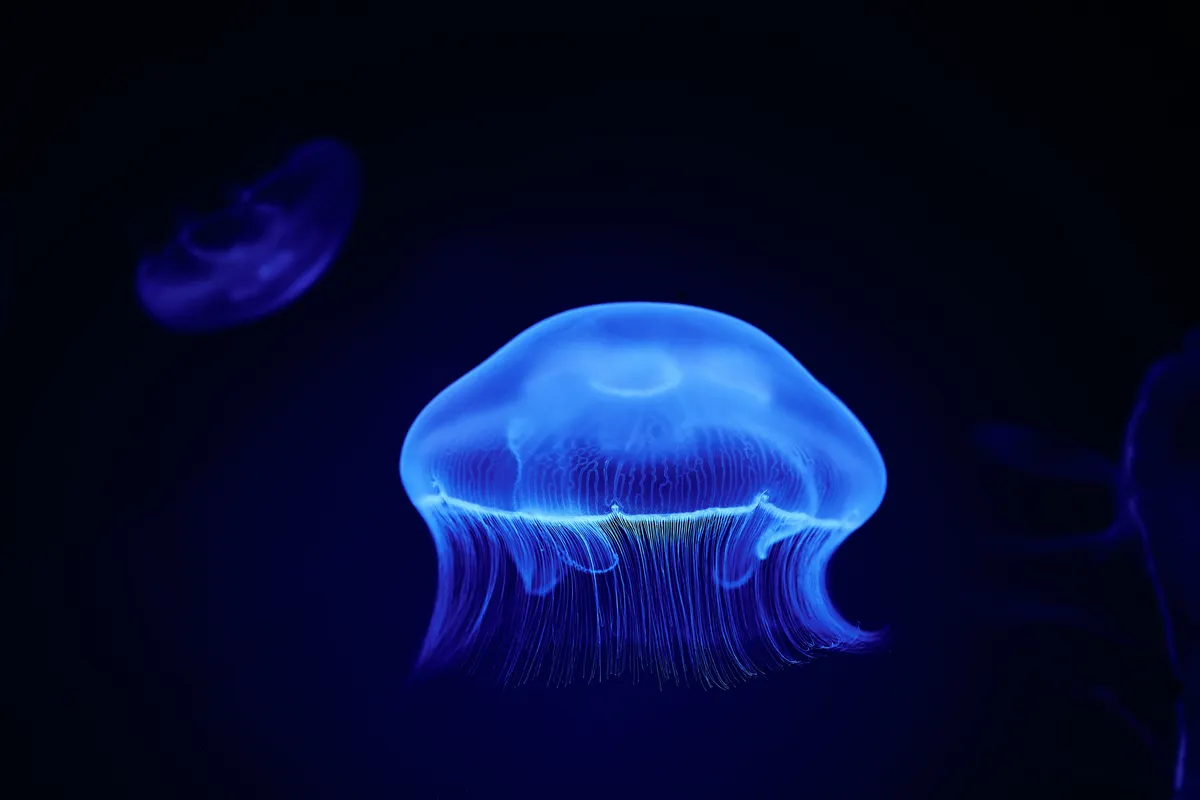
Meduses are divided into classes: hydroduspes (hydroidal), scyphoma -eaters and cubs. More than 1,500 species of jellyfish are known.
These are the longest species in the world, they have existed for more than 650 million years. Their bodies are very vulnerable and easily damaged in contact with a solid object. Therefore, the ability of these types of survival is associated with them with a variety of life cycles (gin residents), reproduction forms and a high degree of body regeneration.
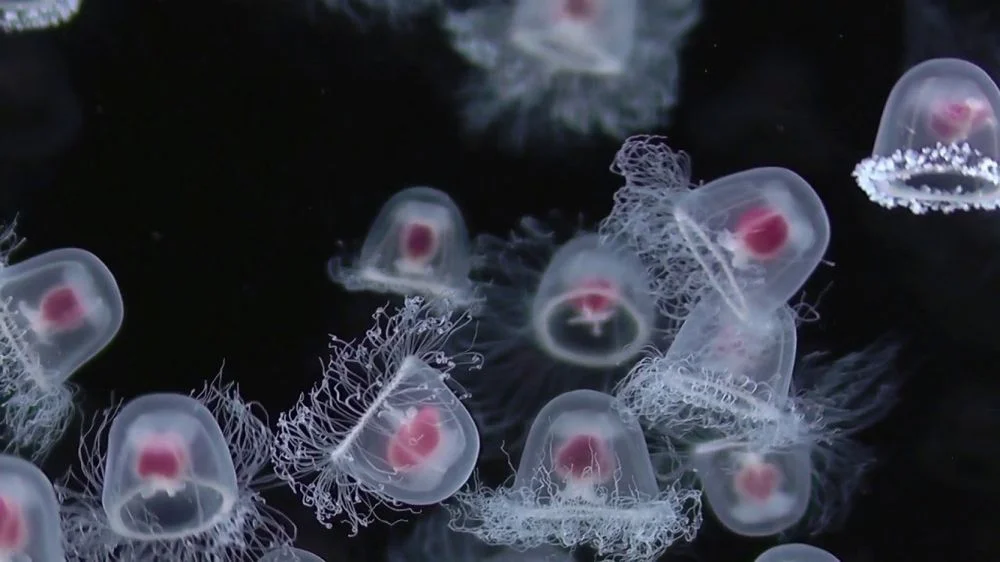
Hydroid class (Hydrozoa), which include T.NUTRICULA, is the lowest invertebrate type of intestinal (CoElenterata). In the gallual of many intestinal animals, generations of polyps and jellyfish are naturally alternated. In a certain season, polyps (asexual generation) bake the larvae of jellyfish, which develop in free -paying jellyfish. Having reached puberty, jellyfish produces the germ cells, and larvae-planes develop from fertilized eggs, which, settling to the bottom, turn into polyps.
Medus regeneration is quite studied. From part of the polyp can regenerate the entire polyp, and a new jellyfish can form from a sufficiently large fragment cut by the jellyfish, similar in morphological and functionally. Such a regenerative process is strictly specific - only a polyp can be formed from a fragment of a polyp tissue, only a jellyfish from a piece of fabric of a jellyfish, and from a fragment of a certain fabric it regenerates a jellyfish of the same type. In the adult organism of the intestinal, there are specialized cells-books, glandular, epidermal, muscle, interstitial (i-cells), etc., which, when regeneration from fragment of tissue, should arise, from the existing same cells, or due to the transformation of one type of cells into another.
The life expectancy of hydroidal jellyfish with a metagenetic gin in development in plankton is several months, and they die shortly after the release of the gametes.
Turritopsis is known in the kind of Turritopsis. They populate the seas of tropical and moderate belts. Medusa Turritopsis Nutricula has been known to the scientific world for a long time - its description was published in 1857 (McCray). Propagation T.NUTRICULA and ZhC - ordinary for hydroeleys - the alternation of ash and sexual generations.
Experiments, explanations of the results and conclusions of researchers Turritopsis Nutricula.
At the end of the last century, the Italian scientist Fernando Boero accidentally discovered polyps in a dried aquarium, where, in addition to the fish, several individuals of T.Nutricula lived. Polyps resembled Medus T.Nutricula, but without a tentacle. After filling the aquarium with water, after a while, they came to life and began to develop, then the tiny individuals of the jellyfish t.nutricula began to get off the polyps.
They explained this by the fact that under the influence of adverse factors that threatened them, they returned from adult animals to the "childhood". Meduses threw unnecessary tentacles, settled to the bottom, and turned into small polyps, which were easier to transfer the dehydration of the aquarium. In essence, this fact was presented as a return of the animal from older age to the children's stage, and if this cycle is repeated endlessly, it theoretically turns out that the Turitopsis nutricula jellyads are able to live forever.
The reverse transformation of the development of isolated germs of jellyfish into polyps was installed in the types: Podocoryne Carnea [13,16], Eleutheria dichotoma, Cladonema sp., Cladonema uchidai [14] and Perella Schneideri. However, this happened only at the beginning of development, in the germinal jellyfish, and after separating them from the polyp, this ability completely disappeared.
BaVestrello with Soavt. [12] reported that the sexually immature jellyfish Turritopsis Nutricula could return to the polyp stage, giving the beginning of the tables and hydroid colonies. At the same time, a different form and anatomical organization of a jellyfish and polyp, as well as a different set of somatic cells, were noted. Therefore, the transformation of the jellyfish into the polyp should be replaced by cellular types, tissue regeneration and reorganization.
Piraino C [15] studied the potential and trigger mechanisms of such a transformation throughout T. Nutricula, as well as the cellular foundations of this process. To explain the process of transformation of the jellyfish at the cellular level, two hypotheses were checked: 1-all differentiated somatic cells of the jellyfish are degenerate, and the production of polyp cells is determined by the stock of stem I cells; 2 - Differentiated Medusa cells can be transdifferent and produce the necessary new types of polyp cells.
Studies were conducted on 4000 Turritopsis nutricula jellyows, taken from the Mediterranean Sea. Sexual maturity was achieved after 25-30 days at 20 ° C at the stage with 16 tentacles.
The transformation was experimentally caused during development to puberty: (a) by starvation, (b) with a sudden increase or decrease in water temperature (from 22 ° C to 17 or 27 ° C), (C) a decrease in water salinity (90%sea water, 10%distilled water, S = 33%), (D) by mechanical damage to the bells or scenes. <...>
The conclusion of the authors. Among the intestinal and generally all multicellular organisms
The Turritopsis nutricula jellyfish has a unique ZhC in the fact that at any stage of development and even reaching puberty, it is capable of returning at the stage of the polyp as a response to adverse conditions, including aging. The death of the body in this species does not occur.
It is not known whether these processes are found under natural conditions, because they take place in a fairly short period of time and it is difficult to observe in nature. However, laboratory studies demonstrate that T. Nutriculu has a transformational potential that has never been recorded in other species, and it seems incredible that such potential is expressed only under laboratory conditions.
Discussion
Analyzing the research of Piraino with co -author, the inaccuracy of determining the onset of fabricity (PZ) of the jellyfish should be noted. The authors correctly note that aging and death of jellyfish occurs during sexual reproduction, i.e. Starting from the moment of PZ. They determined the PZ Medus by the number of tentacles, 16, although it is known that in adults their number can reach 80-100. If there are 4000 jellyfish in experiments, it was necessary to maintain a control group to the PZ. Medusa should not get old to the PZ. Therefore, we can conclude that experiments on the transformation of jellyfish were carried out before the start of their aging, i.e. on non -perching organisms.
The authors emphasize that in experiments they use mature jellyfish, even reaching the PZ or say that the transformation cancels the aging of jellyfish. Indeed, with the aging of jellyfish since the PZ, the transformation into polyps did not occur. One could assume that it is aging that cancel the transformation process. However, the transformation does not occur even to the PZ, in non -flowing jellyfish under normal, non -stress, conditions. That is, the transformation and aging of the jellyfish is not interconnected.
Transformation occurs only with stressful influences, to which the authors are incorrectly attributed to aging. And commentators associate this process with neglected aging.
In the process of transformation, an adult jellyfish actually ceases (without aging) its existence as an integral organism and creates the embryo of the polyp, i.e. Another organism, which differs from it with morphology, physiology and type of cells.
Some researchers designate this process as a reverse or “reverse development”. And the commentators of such an explanation associate the reverse development with the rejuvenation of the jellyfish or its turning into a bud. In fact, the embryos of the next generation jellyfish are formed not from the jellyfish, but from the german, medical, the kidneys of the polyp, which passed the development of the germ of the polyp to maturity. That is, the alternation of generations of organisms and development in the gallual always goes forward.
Depending on the external conditions of the gin reserves, it can have several ways. There are 3 ways in the gilbox of Medusa T. Nutriculu.
1st path. Under favorable conditions, when the transformation is impossible, the jellyfish reaches PZ, reproduces sexually, ages and dies, and the planks (asexual organisms) create polyps (asexual generations in the gallual), which give a lot of the next generation, different from one previous jellyfish. At the same time, new generations of polyps and jellyfish have a changed genotype in relation to the maternal jellyfish.
The 2nd and 3rd paths are possible only under the conditions unfavorable for normal development, namely restraining, slowing down, or making it impossible. It is known that under such conditions, sedentary forms of polyps, modular organisms of many species delay development, reduce, are rebuilt and transformed. In free -saved jellyfish, this threatens with death. The only way is to transform into the ascious form of the polyp. And such a transformation is partially possible in many types of jellyfish, and in T. Nutricula it is 100%expressed. The incompetence of such a phenomenon suggests that the reliability of the transformation of the jellyfish into the polyp is developed and fixed in the process of evolution. That is, this is not the art of an experiment, as the authors note, but a common, common phenomenon in nature and a very important type of type for the existence of millions of years. T. nutricula lives in the coastal waters of the tropical seas and oceans. The length of the coastal lines in the world is calculated by hundreds of thousands of km. During regular tides and castings, jellyfish can periodically fall into land and in the sea, transforming into polyps (as in the Fernando Boerro aquarium) and continuing the gilbox. Periodic seasonal changes in water temperature should also cause the transformation of jellyfish. Thus, 3 ways in the ZhC Medusa provide immortality of this type, while the 1st path provides the genetic diversity and flowering of the species in evolution, and the 2nd and 3rd-the experience of regular adverse conditions, and also provide a large number of jellyfish, many of which further go the 1st path. All 3 ways end in the stage of the polyp, from which the next gin begins.
We have shown that a unit of development of organisms is a gallual in which several generations of organisms with a limited pancreas can alternate [11]. The ZhC has more survival opportunities and a large pancreas in comparison with a separate organism, but limited. Immortality of species is ensured by the regular repeatability of the ZHCICs developed in evolution. Therefore, the PJSC Medus is usually 3-4 months and they stop individual existence from aging or with transformation without aging. T. nutricula jellyfish was not found, whose age would be calculated for millennia, especially immortal jellyfish. The view T.NUTRICULA, like all species, is immortal.
The conclusions of the authors are based on insufficient ideas about life cycles, ash propagation, reverse and reverse development.
The problem of asexual reproduction (BR) is related to the general biological problems of regeneration, somatic blastogenesis (or embryogenesis), development, aging and extension of life. The actual materials on the BR are scattered in numerous works that are not related to the BR, because in English literature the problem of the BR is neglected, it is considered unrecognized, often the concept of BR is applied simplified or incorrectly. For example, parthenogenesis is understood as Br. A lot of work on the collection, generalization and analysis of the work related to the BR was carried out by scientists of the Department of Embriasis of LSU [1,2,6]. It became obvious that some animals have 2 or more types of individual development - embryogenesis and blastogenesis, and the forms of BR in different animals occurred on the basis of regeneration and somatic blastogenesis (the development of a new organism from part or a complex of cells of the old). With BR, many cells are dispensed and tissues are rejuvenated. Somatic blastogenesis is characteristic of low -organized and weakly integrated forms, and all external and internal factors that reduce the degree of integration contribute to somatic blastogenesis. This is most characteristic of Hydrozoa. In experiments with T.Nutricula, external influences led to the disintegration of cellular systems, tissues, organs or the body of a jellyfish. Next, the assembly took place again - the somatic blastogenesis of the polyp. Therefore, the described transformation of T.Nutricula into a polyp is a form of asexual reproduction in the gilbox of Medusa.
In the Zhc, other types of jellyfish BR are a budding in a polyp colony. Mausoid buds develop in different types in different parts of the polyps colony [2]. In many hydroeades in the kidneys to the separation of their polyp, the I-cells are accumulated, and the development of the kidneys in gonophores and then in jellyfish is determined by these cells [2]. I-cells are transmitted to Meduza. Many species of jellyfish can multiply by the budding as a swift way and at the same time almost always produce a jellyfish, and in Hydromeduza Eleutheria dichotoma, which, after isolating from the polyp, proceeds with the flattering of the budding, found not only the ability to regenerate the lost parts of the body, but also the possibility of surrendering from small fragments of somatical embryogenesis [2.6]. In Rathkea jellyfish, jellyfish buds and gonads develop in the same place (on the proboscis) and even from the same i-cells. In the transition to sexual reproduction of jellyfish, gonocytes from I-cells are produced [2]. Primary germ cells in hydraulics with gender and asexual reproduction are formed in adult organisms. Therefore, in the experiments of Piraino, the Medusa T.Nutricula were asexual, i.e. non -setting.
Given the above, one should especially consider the processes of regressive transformation, or reverse development.
In experiments with medical kidneys arising on Podocoryne Carnea polyp, the determination of the medical organization occurs relatively late when the morphological signs of Medusa are clearly visible [13,16]. The authors [13,16] were allocated, according to morphological criteria, 10 consecutive stages of the development of Medusa. A jellyfish kidney, separated from a polyp at 1-4 stages, may experience a reverse development that leads to the formation of a spherical two-layer embryo, which can attach and give rise to the table. Medusoid buds of 5-8 stages develop into a normal jellyfish. At different stages of formation, medical kidneys subjected dissociation. Cell units obtained from a suspension of medical buds to the 7th stage developed into tables and polyps, and the aggregates of the kidneys of the later stages developed in the jellyfish [13,16]. In very rare cases (6 out of 4900) under adverse conditions, the units of isolated cells of adult hydraulic lines were transformed into table -like structures. This phenomenon is called regressive transformation. It should be noted that the so -called The regressive transformation, understood as reverse development, is significantly different from direct development. At the cellular level, direct development is associated with the differentiation of cells, and the opposite is related to deducting and transdix. At the body level, direct development is associated with the centralization of integrating systems, and the opposite is related to their decentralization, up to the germinal state. The “reverse development” and “regressive transformation” in T.Nutricula should be called somatic blastogenesis as a form of BR in the gin resident of this type. In the T.Nutricula gin residue, a sequential (direct development) alternation of two asexual processes in a jellyfish and polyp occurs.
The authors [15] checked two hypotheses about cell sources of the transformation of the jellyfish into the polyp:
1 -all differentiated somatic cells of the jellyfish degenerate, and the production of polyp cells is determined by the margin of i-cells;
2 - Differentiated Medusa cells can be transdifferent and produce the necessary new types of polyp cells. Typically, such hypotheses are discussed in the study of regeneration, i.e. processes of restoration of organs and tissues in one organism (for example, jellyfish). In this case, the advantage has the 2nd hypothesis.
Transdifferentiation is understood as the ability of an adult regional stem cell (SK) to differentiate into the cells of “its” organ and transdiffer to the cells of another organ and/or other embryo leaflet in the following sequence: SK - differentiation - DEDIPENATION - differentiation. <...>
According to the reserve cell hypothesis, the predecessors of the regeneration blastem are reserve UK. Известно, что у кишечнополостных i-клетки скапливаются вблизи раневой поверхности и из них могут возникать все остальные типы клеток [6].
Однако при трансформации медузы T.nutricula происходит не регенерация, а формирование заново другого организма, полипа, такого же, из которого произошла эта медуза.
Такие же полипы в ЖЦ могут образовываться и другими путями. В статье Piraino описываются: 2 вида трансформации медуз — с инвертацией и без инвертации колокола, 4 вида неблагоприятных воздействий, а также развитие планулы. В результате всегда образуется только зародыш полипа. При регенерации медуз такого не происходит.
Известно, что в развитии зародыша всех видов участвуют тотипотентные СК, или первичные СК у гидроидных, у T.nutricula это i-клетки. Основой развития, жизнеспособности и размножения нового организма являются также СК [9]. Поэтому во всех процессах развития медузы в полипа заново СК должны играть важную роль. В серии работ [3-5,7] исследована роль СК в половом и бесполом размножении представителей пяти типов животных: губки Oscarella malakhovi (Porifera), гидроида Obelia longissima (Cnidaria), планарии Girardia tigrina, ракообразных Peltogasterella gracilis, Polyascus polygenea и Thylacoplethus isaevae и асцидии Botryllus tuberatus (Chordata). Установлено, что у этих животных линии тоти- и/или мультипотентных СК — археоцитов губок, i-клеток кишечнополостных, необластов турбеллярий и СК асцидий представляют самообновляющийся резерв СК с неограниченным или широким морфогенетическим потенциалом, поддерживаются на протяжении всей жизни индивида и являются источником клеточного материала для реализации полового и бесполого размножения, регенерации и они способны дифференцироваться в половые и соматические клетки. Множество молекулярно-биологических данных свидетельствует об общности морфофункциональной организации тотипотентных СК, в том числе и половых, у всех многоклеточных организмов [1-7]. В настоящее время предложено называть эти клетки «первичными СК». Они характеризуются присутствием в цитоплазме т.н. зародышевой плазмы, содержащей зародышевые (половые) детерминанты, структурированные в виде герминальных гранул или дисперсного материала, которые являются специфическим ультраструктурным маркером и ключевым органоидом клеток половой линии и первичных СК беспозвоночных [3-5,7].
Первичные СК беспозвоночных с бесполым размножением традиционно рассматриваются как тотипотентные, хотя тотипотентными признаны i-клетки только у Hydractinia echinata. Как правило, не одна СК, а некий их комплекс дает начало новому организму или зооиду при бесполом размножении, становясь обладающим теми же потенциями, что и одна половая клетка [3]. Число первичных СК, способных дать бластозооид книдарий и асцидий, определено в пределах 100–300 клеток. Необходимо создание «критической массы» клеток для развития организма. «Эффект массы» объясняется созданием в клеточных агрегатах определенной концентрации необходимых метаболитов. Наличие «критической массы» клеток, по-видимому, необходимо для создания специализированной ниши для реализации потенций СК при формировании бластозооида беспозвоночных.
СК способны к миграциям. Эти мобильные СК, рассеянные в соме организма, рассматриваются как независимые от определенной ниши. В разных комплексах клеток трансформированного материнского организма создаются ниши для первичных СК и далее СК могут создавать заново комплексы всех клеток зародыша. В процессе бластогенеза, как правило, решающую роль играют первичные СК, а трансдифференцировки соматических клеток материнского организма необходимы для сборки новых ниш первичных СК. При этом участвуют СК медузы, и они фактически передаются полипу.
Имеется много наблюдений о влиянии на формообразовательные процессы температуры, питания, дефицита воды, концентрации соли в воде, размеров и возраста колоний полипов и медуз [2]. При этом для развития полипов и медуз внешние условия всегда различны. Периодическое изменение внешних условий позволяет сдерживать развитие и продлевать жизнь животных.
В связи с проблемой радикального продления жизни нами предложены способы замедления старения у разных видов животных [10]. Во многих опытах на беспозвоночных было показано, что с помощью голодания, снижения температуры тела или повышения в среде концентрации СО2 удается снизить обмен веществ, задержать половой созревание и старение организма. При этом происходит редукция тела, рассасывание старых тканей и разблокировка СК от старого микроокружения. При отмене воздействия организм обновляется за счет СК. Такие периодические воздействия позволяют в десятки раз увеличить ПЖ одноклеточных, гидр, планарий, олигохет, полихет, насекомых и др. Так, с помощью голодания удавалось продлить жизнь планарий Dugesia tigrina в 25 и более раз [8].
У многих видов млекопитающих такие неблагоприятные факторы как снижение температуры, недостаточное питание (голодание), дефицит воды вызывают снижение обмена веществ, задержку полового созревания и являются условиями гипобиоза. После выхода из гипобиоза (спячки) их организм омолаживается и ПЖ может увеличиваться в несколько раз [10].
Способы РПЖ человека связаны с замедлением старения в состоянии гипобиоза. Наиболее универсальным способом РПЖ является чередование состояния гипобиоза и расширение резервных возможностей организма с помощью специальных техник и тренировок [10].
Conclusion
Проведенный анализ работ по трансформации медузы T.nutricula позволяет сделать следующие выводы. Опыты проводились на нестареющих медузах и их трансформация не связана со старением. В процессе трансформации взрослая медуза фактически прекращает (без старения) своё существование как целостный организм и создается зародыш полипа, т.е. другой организм, отличающийся от неё морфологией, физиологией и типом клеток. Заключения авторов основаны на недостаточных представлениях о жизненных циклах, бесполом размножении, о реверсе и об обратном развитии.
В жизненном цикле (ЖЦ) медузы T. nutriculu имеются 3 пути. 1-й путь. При благоприятных условиях, когда трансформация невозможна, медуза достигает половозрелости, размножается половым способом, стареет и гибнет, а планулы создают полипы.
2-й и 3-й пути — при неблагоприятных условиях. На основе трансформированных тканей медузы происходит развитие зародыша полипа заново — соматический бластогенез, в котором первичные СК играют главную роль. Все 3 пути заканчиваются стадией полипа, от которого начинается очередной ЖЦ почкованием полипа.
Трансформация медузы в полипа — не искусство эксперимента, а распространённое явление в природе, закрепленное в эволюции как вид бесполого размножения в ЖЦ.
В дискуссии о клеточных источниках трансформации медузы в полипа авторы переоценили значение трансдифференцировок клеток и недооценили главную роль первичных СК в процессах бластогенеза. Это связано в настоящее время с интенсивными исследованиями роли трансдифференцировок в основном в процессах регенерации (одного организма). В данном случае происходит образование зародыша нового организма на материале материнского, который содержит дифференцированные клетки и первичные СК. В развитии всех видов первичные СК играют главную роль. А дифференцированные клетки материнского организма трансдифференцируются и формируют новые ниши для реализации широких потенций СК.
Продолжительность жизни медуз обычно составляет 3-4 месяца, и они прекращают индивидуальное существование от старения или при трансформации без старения. Не обнаружено медуз T.nutricula, возраст которых исчислялся бы тысячелетиями, тем более бессмертных медуз.
Регулярное чередование ЖЦ обеспечивает бессмертие вида T.nutricula.
Literature:
1. Иванова-Казас О.М. Эволюционная эмбриология животных. SPb. :Science. 1995. 565 с.
2. Иванова-Казас О.М. Бесполое размножение животных. Л. :Изд-во ЛГУ. 1977. 240 с.
3. Исаева В. В. Разнообразие онтогенезов у животных с бесполым размножением и пластичность раннего развития // Онтогенез. 2010, Т.41, № 5. С. 340–352.
4. Исаева В. В., Шукалюк А. И., Ахмадиева А. В. Стволовые клетки беспозвоночных животных с репродуктивной стратегией, включающей бесполое размножение //Биология моря. 2007. Т. 33, №1. С. 3–10
5. Исаева В.В. Клетки в морфогенезе. М. :Наука. 1994. 224 с.
6. Короткова Г.П. Регенерация животных. SPb. :Изд-во СПб ун-та. 1997. 480 с.
7. Одинцова Н.А. Стволовые клетки морских беспозвоночных: регуляция пролиферации и индукция дифференцировки in vitro //Цитология. 2009. Т.51, №4. С. 367-372.
8. Токин Б.П., Борисова Т.П. Формообразовательные процессы у голодающих планарий // Вестник ЛГУ, 1975. №21. С.24-28.
9. Чернилевский В.Е. Роль стволовых клеток в самообновлении организмов и возможности продления жизни //Доклады МОИП №41. Секция геронтологии. М. :Мультипринт. 2008. С.82-95.
10. Чернилевский В.Е. Проблемы гипобиоза и продления жизни //Доклады МОИП №41. М. :Мультипринт. 2008. С.105-123.
11. Чернилевский В.Е. Методологические аспекты проблемы старения /Доклады МОИП №41. М. :Мультипринт. 2008. С.70-82.
12. Bavestrello G., Sommer C., Sari M. Bi-directional conversion in Turritopsis nutriculu //Aspects of Hydrozoun Biology J. 1992.
13. Frey J. Die Entwicklungsleistungen der Medusenknospen und Medusen von Podocorvne curnea nach Isolation und Dissoziation // Wilhelm Roux's Arch. 1968. Vol.160. S.428-464.
14. Kakinuma, Y. On the differentiation of the isolated medusa buds of the hydrozoans, Cludoncmu uchidui and Cludonc~mu sp. //Bull. Mur.Biol. Stat. A.sumushl. 1969. Vol.13, No.3. P.169-172.
15. Piraino S., Boero F., Aedchbach B., Schmid V. Reversing the Life Cycle: Medusae Transforming into Polyps and Cell Transdifferentiation in Turritopsis nutricula (Cnidaria, Hydrozoa). Reference //Biol. Bull. 1996. Vol.190, June. P. 302-312.
16. Schmid, V. Untersuchungen iiber Dedifferenzierungsvorgange bei Medusenknospen und Medusen von Podocoryne curneu M. Sars.// Wilhelm Roux's Archiv. 1972. Vol. 169. S. 281-301.
17. Schmid, V. Transdifferentiation in medusae. //Int. Rev. Cytol. 1992, Vol.142. P. 213-261.
18. Schmid, V., Alder H.. Isolated, mononucleated, striated muscle can undergo pluripotent transdifferentiation and form a complex regenerate. //Cell. 1984. Vol. 38. P. 801-809.
19. Schmid, V., Wydier M., Aider H.. Transdifferentiation and regeneration in vitro. //Dev. Biol. 1982. Vol. 92. P. 476-488.