
Translated material
Without victory, but "with honor"
How the United States came out of the war in Vietnam. 50 years ago, the Paris Agreement was signed on the restoration of the world
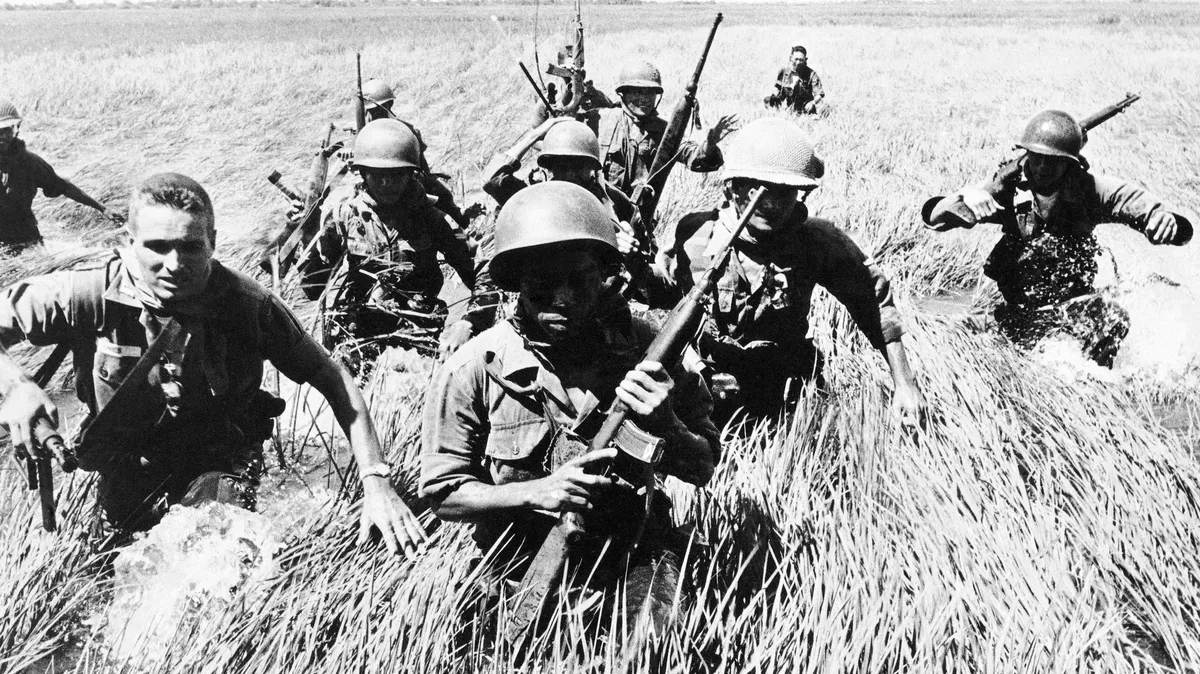
Half a century ago, the Paris Agreement was signed on the termination of war and the restoration of the world in Vietnam. It did not carry neither termination nor recovery, and this was obvious to the signathers. It was only a form of America's exit from the war with the smallest loss of face.
Closing to the war, the Americans pursued the messianic geopolitical goals. The goal of the Vietnamese Communists was extremely simple: to unite their country, to complete the creation of their state. It was achieved two years later not through the national reconciliation and the inclusive process provided for by the agreement, but through a military victory.
The experience of the Vietnamese War through the subcortical consciousness of American politicians echoes in the 21st century. The wars in which the United States previously participated, especially the Second World War, was waged on the principle of “the winner receives everything” - the final victory or defeat. The war in Vietnam was fundamentally different. In fact, the proxy theater of a large Cold War with the Communist Colosses-the USSR and China, the first of which was a nuclear power comparable to the United States.
But neither one nor the other directly entered the war, helping Hano in every way. In the events of 2022 in the middle of Europe - a different picture, the nuclear risk turned out to be closer.
In Vietnam, America won every big battle, the losses of her enemy were incomparably heavier than her losses. But she lost the war. Behind the forest of global confrontation did not see a tree. The threat of world communism did not see the affirming nation, which desperately resisted. Especially - receiving powerful support from outside and sympathy around the world.
"Christmas" bombing
Hanoi, January 1973. From the veranda of the mansion on the quiet street Kao Baat, a chamber view opens. Below is a courtyard with a concrete roof of a four-seater bomb shelter dug up at the height of the war for the representation of the Soviet Telegraph Agency, but turned out to be useless because of the underground waters that filled it. On the left is a soldier in front of the protection of the Embassy of North Korea, who at the same time looked at our gates, and hid in the bombing in a concrete glass with a removable lid drew in the ground in the middle of the sidewalk. True, he did not close the lid and desperately fired from the service Kalashnikov from the American F-4.
Exactly on the contrary - the modest green courtyard of the large family of the President of the Democratic Republic of Vietnam, the tone of Duc Thanga - the formal successor of the leader of the Vietnamese nation Ho Shi Min. From there, one of his son -in -law Kuan (translated from Vietnamese - “Mandarin”) comes to us, who is friends with my secretary Dak. Both fluently speak Russian. In a country where all military secrets are almost an inside.
Naturally, they met the New Year to talk about the terrible "Christmas" bombing and the prospects of a peace agreement with America. Everyone was tired of the war, but it seemed that the Vietnamese in the north of the country are ready to continue it until the unification with South Vietnam.
This idea was definitely expressed by Prime Minister Fam Van Dong, when he arranged a New Year's meeting with a foreign press in the presidential palace. Actually, there were about a dozen of us, mainly correspondents from socialist. The prime minister talked with Torav and Du Sabelon from France Press. In French, clearly arranging the words: “You see, my friend Toraval ...” The old man trusted them more when he wanted to be heard “on the other side”.

In 1954, he was the head of the Vietnamese delegation in Geneva negotiations and signed an agreement on the end of the war with the French. It did not bring a reliable world. Vietnam remained divided. “Temporarily”, but its reunion using the elections did not seem to be real. The communists on paper received less agreements than they achieved on the battlefield.
Domino theory
After Geneva, the United States headed to replace France as a counterweight of communist expansion in Vietnam. At the same time, the United States carried out the declared mission. For almost twenty years, the presidents replaced each other repeated about the theory of Domino Harry Truman: they say, as soon as the Communists establish power in one country of Southeast Asia, one after another non-communist regimes in the rest will fall.
QUOTES
Dwight Eisenhower in 1954:
“Strategically the seizure of South Vietnam by the Communists would bring their power to several hundred miles in a hitherto free region <...>. The loss of the Republic of Vietnam (South Vietnam) will have severe consequences for us and for freedom. ”
John Kennedy (even before the beginning of a limited special operation in the south of Vietnam):
“If the South Vietnam disappears as an independent state, this will not only give the Chinese new benefits from the geographical position of their country and allow them to invade the partisans’s detachments in Malaya, but will also give the impression that China and Communists will dominate the Southeast Asia in the future.”
Lyndon Johnson (at the height of the war):
“I do not intend to lose Vietnam. I am not going to be a president who will allow Southeast Asia to follow the path of China ... "
For the reason for the war, they “sold” conclusions about the imminent and fatal threat from external power. “If we did not act, then they would ...”, “They were the first to start”, etc.
The forecast turned out to be Alarmist. The situation in the world over the years has changed, as well as old ideas about in which direction it can change. The goal was becoming more and more blurry, and the price that America paid is less and less commensurate. The following President Nixon publicly called the Domino theory erroneous and insolvent.
"Somewhere there"
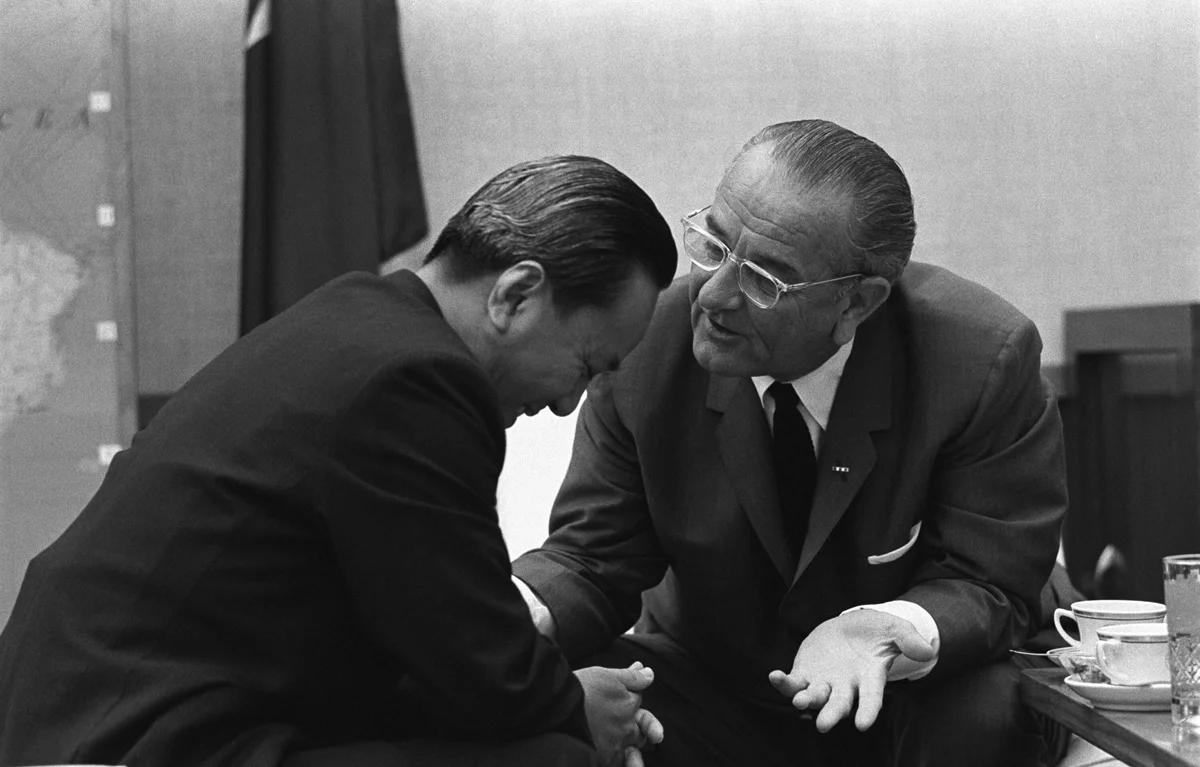
Peace negotiations in Paris began under Johnson, to whom the dissatisfaction of the Americans in the end cost the presidential chair. At first, for the most part, the US citizens approved that somewhere in Asia their country repulses the Communists. But at the beginning of the spring of 1968, on the Vietnamese New Year, those, counting on a popular uprising against the pro -American regime, violated the festive truce and deployed a general offensive on the cities of South Vietnam.
Tetsk (New Year's) offensive is considered to be a turning point in the war.
The Armed Forces of the National Front of the Liberation of South Vietnam (Nfoyv, known in the West as Vietcon) were attacked by cities and provincial centers of the south, including the capital of Saigon, even penetrating for several minutes into the American embassy. Parts of the Severovetnemic army and partisans for about three weeks held the former imperial capital of HYU.
The popular uprising did not happen, the Saigon administration of the president Nguyen Van Tkhiuu remained in power and even strengthened, the American military infrastructure was seriously not injured, and Nfoyuv suffered so much losses that he could no longer restore his former potential.
However, if in military terms the offensive of the troops of the North Vietnam and the partisans ended in failure, then in the psychological defeat of the United States.
The Vietnamese War was the first “war on the TV screens”. The offensive was widely covered by the media. And not “military commissars”, but by journalists of different media. American public opinion has lost faith in US successes, in the possibility of victory in Vietnam. Johnson's public approval of Johnson’s actions fell from 40 to 26 percent. And then he announced his intention to begin peace negotiations with the enemy and his decision not to run for the presidential election in November 1968.
In the elections, the Republican Richard Nixon won, starting the campaign under the slogan “Peace with Victory”, and then changing it to “peace with honor”. He promised to start the fluketing of war so that the Vietnamese in the south deal with the Communists with the material assistance of America.
In July 1969, a systematic withdrawal of US troops began, the number of which reached 485,600 people at the peak of war. By December 1971, there will be 156,800 of them.
"We are not there"
Negotiations in Paris, in essence, did not go. A lot of time was spent on the coordination of the composition of the participants, the form of the table and seedlings, on the exchange of propaganda statements and for other PR. Washington and Hanoi decided to simultaneously establish more business bilateral contact. The first two years kept him secret.
Hana insisted that in the south of Vietnam, not his regular troops are fighting against the Americans and the Saigon regime, but by rebels and partisans (“We are not there”). The Americans and Saigon refused to talk with the "rebels", and Hano did not recognize the Republic of Vietnam - the "American puppet". Finally found a form. The negotiations begun in 1969 were four -sided: the USA, North Vietnam, the Proserican Republic of Vietnam and the Provisional Revolutionary Government of the Republic of South Vietnam (RAS RUV), which was recognized by HRP RUV), which was recognized only by socialist farms.
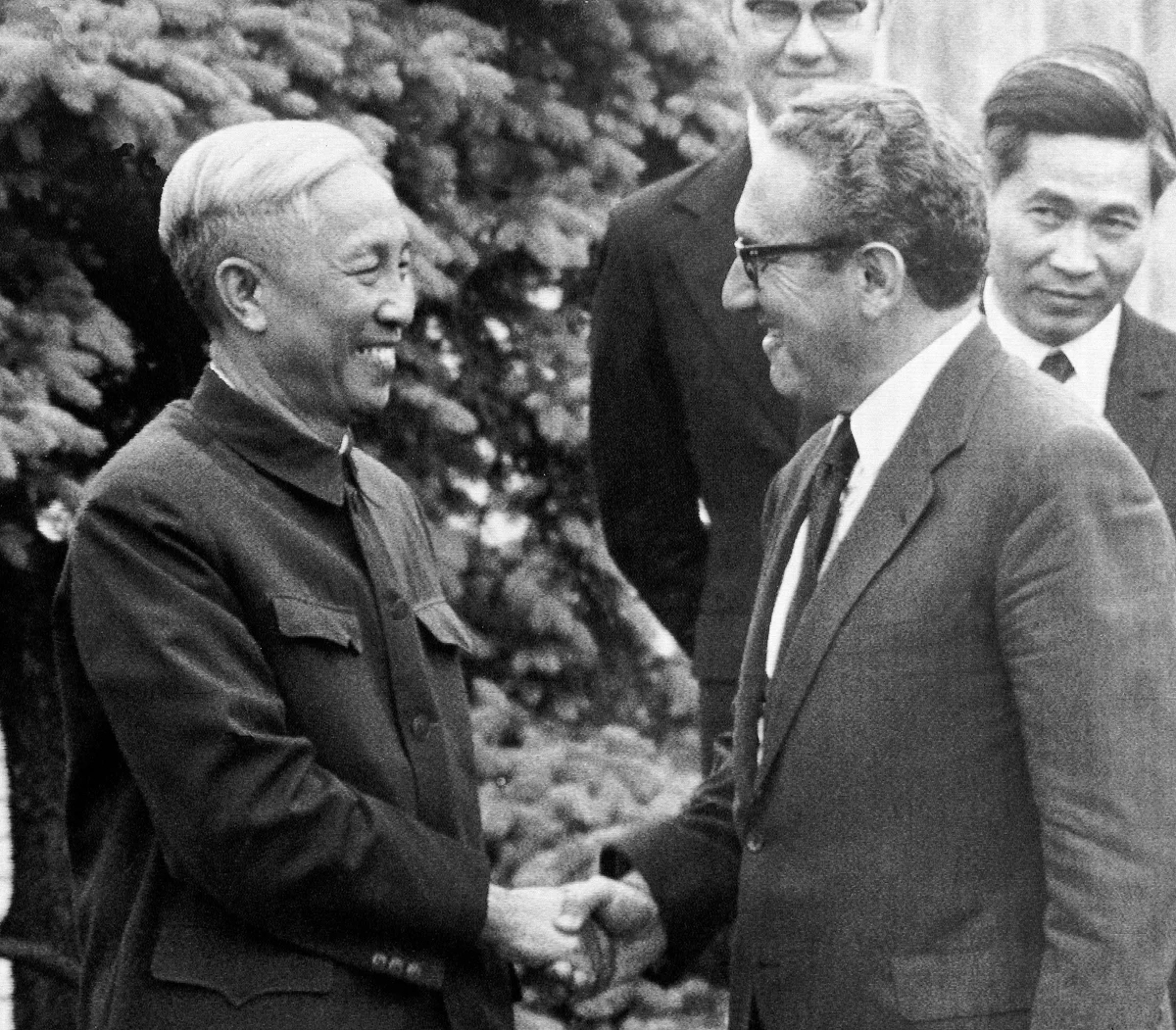
Everyone understood that the war was going between the communist Vietnam and the USA, and the real bargaining was in parallel between the member of the Politburo Le Duc THO and the adviser to President Henry Kissinger.
While in the official four -sided negotiations, the head of the delegation of North Vietnam was a poet with the romantic pseudonym Suan Thyi ("Light Water").
The war continued, then silent, then flaring up. Hanoi developed the military transport system “Ho Shi Mina”, stretching south on both sides of the borders of Vietnam with Laos and Cambodia. On March 30, 1972, a new general offensive of the North Vietnam troops began in the South, which went down in history as "Easter". Severovietnamese troops in the south totaled about 125 thousand people and for the first time since the beginning of the war were strengthened by several hundred tanks.
In response, the United States has launched the LineBacker operation (“midfielder”): massive bombing of North Vietnam infrastructure. Nixon was in a hurry.
He went to the second presidential term with a promise to completely withdraw troops from Vietnam. Against the backdrop of the growth of anti -war sentiments in America, the success of the Severovietnamese offensive could end the war on disadvantageous conditions.
This time, the desire to agree was mutual. The Easter offensive of the Communists was exhausted and was generally unsuccessful. Hanoi troops in the south controlled only the sparseous territories and not a single provincial center. The leaders of the North Vietnam looked obliquely at the “discharge” and the rapprochement of Washington with Moscow and Beijing. It would be more difficult to succeed in the south over time. It is necessary to give the Americans as soon as possible to leave "with honor."
Breakthrough
After October 8, a breakthrough occurred at the negotiations, and they began to discuss the specific date of signing a peace agreement. The Americans admitted that the withdrawal of their troops could begin immediately after the ceasefire, without waiting for the withdrawal from the south of the Severovetnamese troops. The head of the Saigo administration of Tkhiuu, well aware of what threatens this, was furious, demanded that Nixon change the project, and the American delegation proposed amendments unacceptable to Hanoi.
In mid -December, representatives of North Vietnam defiantly refused to continue negotiations. Le Duc Tho returned from Paris to Hanoi through Moscow and Beijing, having held consultations there.
The Vietnamese considered that they were simply foolish, and published a secret text of the document agreed with the Americans.
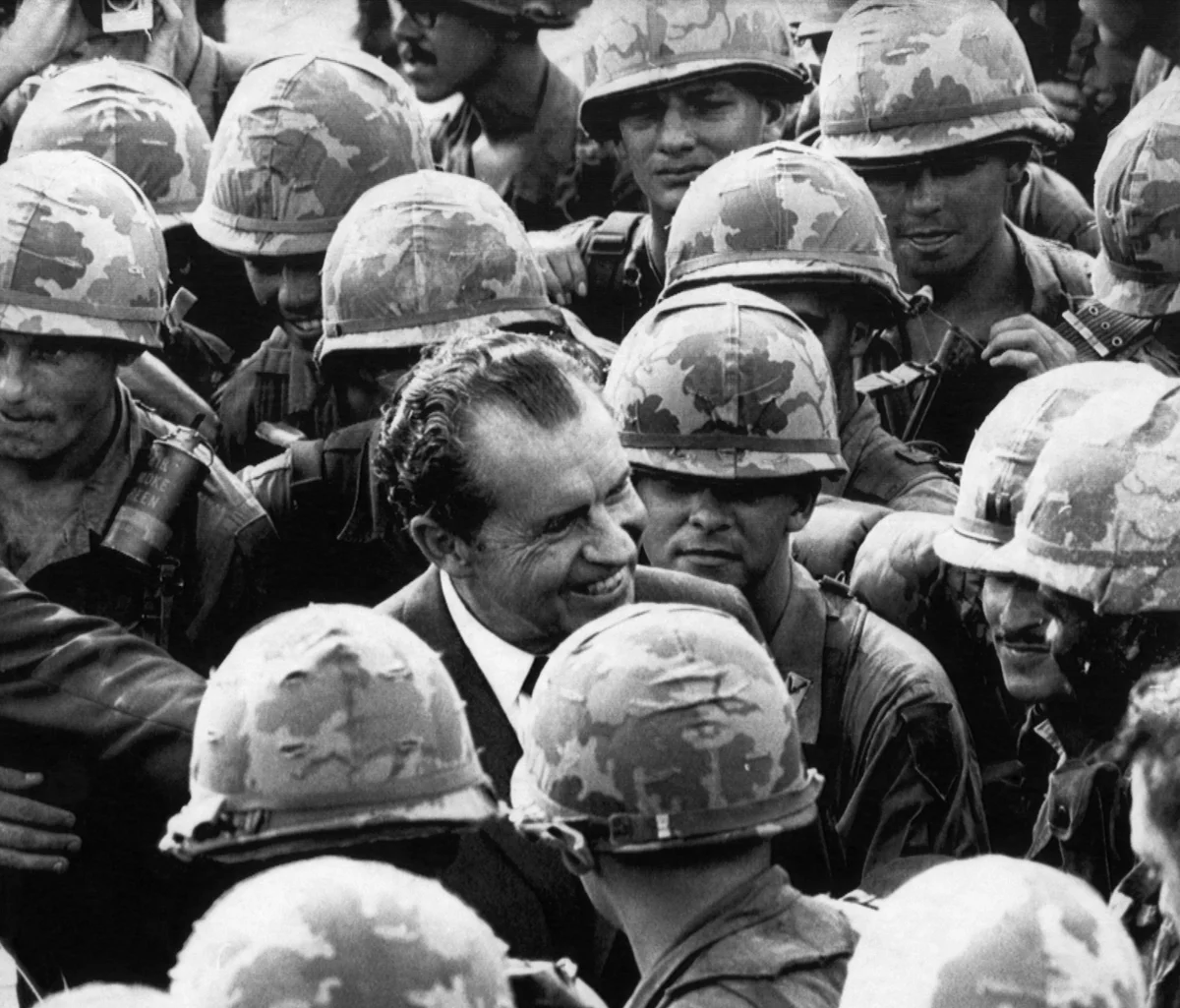
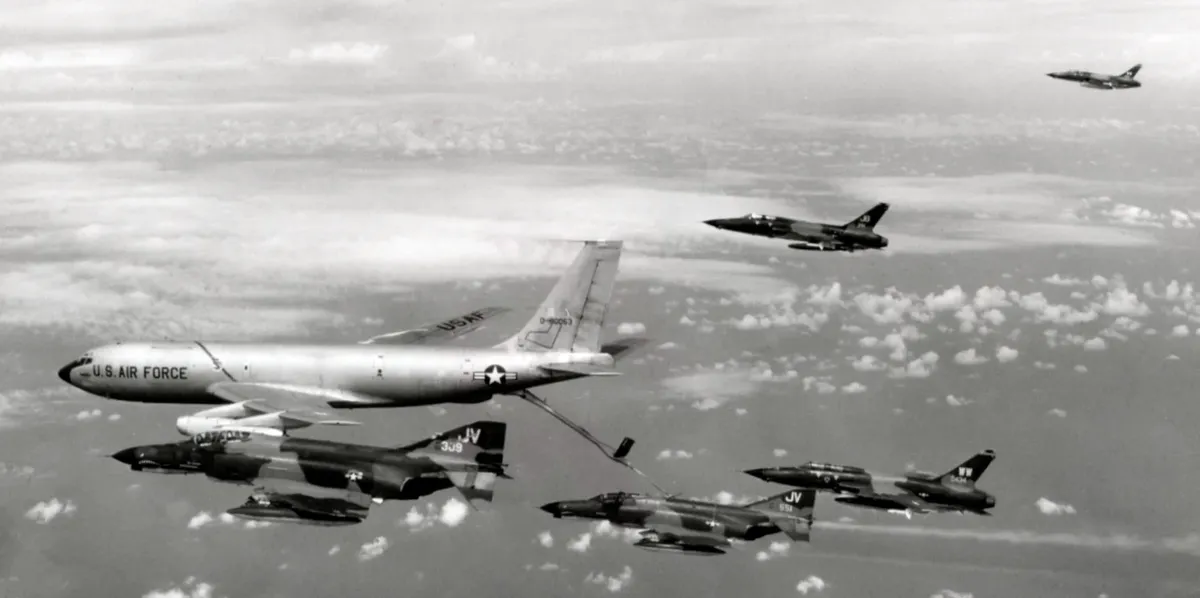
The plans collapsed. Nixon has already been elected for a second term, in January - inauguration. In order to force Hanoy’s delegates to return to the negotiation table and assure Saigon in unshakable support, he increased military deliveries to the regime, promised to him if the Communists violate the future peace agreement. He also gave the command to begin the campaign of the air bombing of the North Vietnam (LineBacker II) - the most powerful in the whole war. Using strategic B-52 and carpet bombing.
The Christmas bombing of Hanoi and Hauhon, and this is almost continuously twelve days, became a test of strength for both sides. Losses of American aviation were serious. According to American information, fifteen B-52 are lost-as much as in the entire previous war in Vietnam. According to the Soviet military, 34 eight -engine vehicles were shot down in the December air battle. In addition, 11 other aircraft were destroyed.
The picture of the giants burning in the night sky and the giants falling apart and was enchanting. At least thirty American pilots were killed, more than twenty were missing, dozens were captured.
The main role was played in the reflection of this attack by the Air Defense System of North Vietnam, created in seven years with the help of the USSR, Soviet air defense systems and calculations trained by Soviet specialists. The Vietnamese consider this battle in the sky to the “second Dyenbieenf” named with a decisive victory over the French in 1954. In America, they say that these bombing forced Hanoi to go to the agreement.
New, 1973 We met in Hanoi in tense silence. Then they learned about the order of Nixon to all American troops in Vietnam to stop offensive actions from January 15. So, there will be no continuation of the bombing. The negotiators of Le Duc THO and KISINGER returned to Paris and on January 23 paraapidized the agreement. Almost unchanged.
Victory Day"
On the morning of January 27, 1973, in the center of Hanoi, on the shores of the lake, the returned sword was unusually crowded. A few people lived in the war in the cities. The Vietnamese explained this by the exhaustive word SO Tan - “evacuation”, or, more precisely, “dispersal”. But winter freezing was replaced by warmth, and it was possible to relax in a slightly wet, caressing air, which is quite early in the early spring before the eastern cherry blooms. It was an officially declared Victory Day. The mood of people on the bomb shelters disfigured by the shore of the lake was raised, but not to say to be jubilant, although newspapers and street loudspeakers shouted about a historical victory.
In Hanoi, there was already evening on January 27, when in the congress center on Paris Avenue Avenue Foreign Affairs US Foreign Affairs, North Vietnam, the Saigon administration (Republic of Vietnam) and the Provisional Revolutionary Government of South Vietnam (RUVs) signed an agreement.
Saigon fundamentally refused to recognize the contracting side of the glasses, which he considered the “screen” of Hanoi in the south. A separate version of the document was prepared for the Saigon Minister without links to this education.
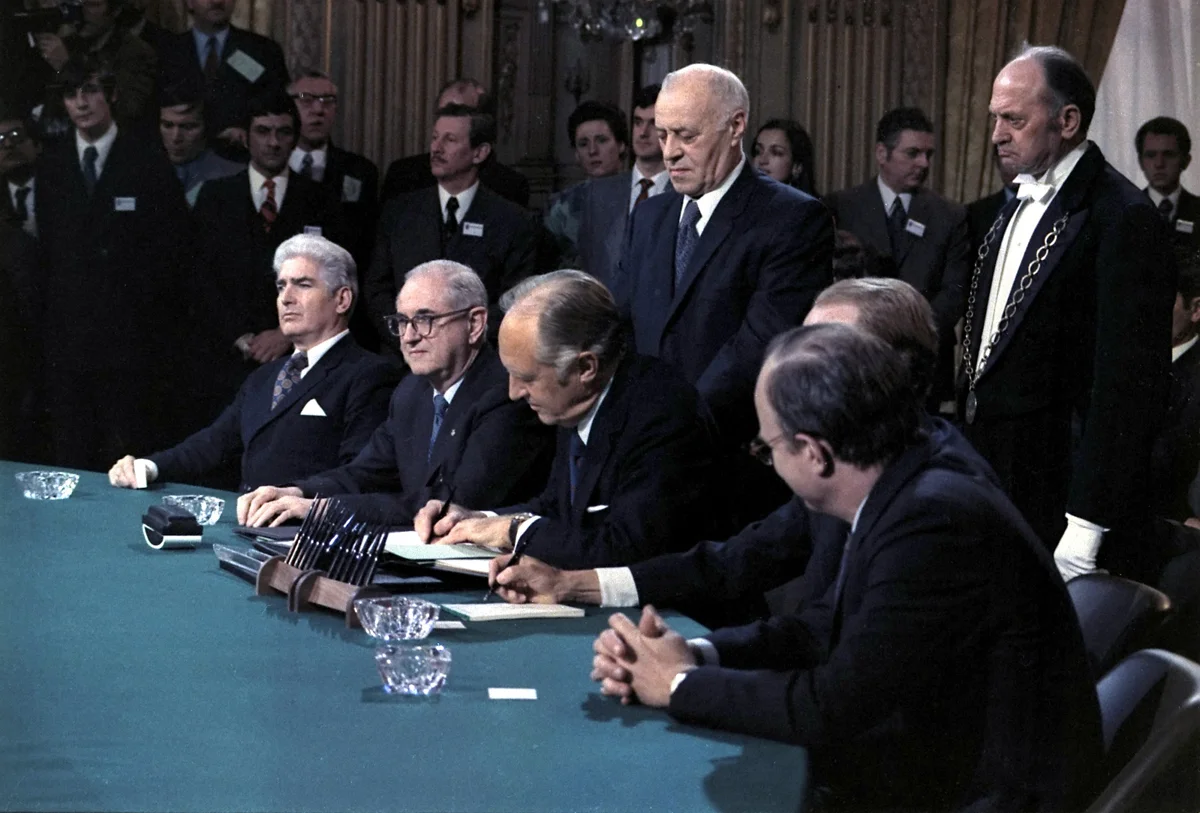
The agreement provided for a ceasefire throughout Vietnam. The United States pledged to withdraw all American troops and military advisers (by that time there were about 23,700 US military in the south of Vietnam), as well as dismantle American bases in South Vietnam for 60 days.
In return, the Severovietnamese agreed to liberate all American and other prisoners of war from the Union United States. Both Vietnamese sides also liberated their prisoners of war.
The signatures agreed to withdraw foreign troops from Laos and Cambodia, to prohibit the movement of their troops through these countries. It was decided that the demilitarized zone on the 17th parallel would remain a temporary dividing line until the country's possible reunion “peacefully”.
To control the observance of all this “on Earth”, an international control commission was created, consisting of Canadians, Hungarians, Poles and Indonesians, only 1160 inspectors. By agreement, the president of South Vietnam Tkhiuu was to remain in his post before the election. Agreeing with the "right of the South Vietnamese people to self -determination",
The northern Vietnamese said they would not initiate a military movement through a demilitarized zone and will not try to reunite the country by force.
The agreement suggested, among other things, by the American military ports of North Vietnam, the distinction and fixation of the zones of control of the Communists and the Saigon government in the south. It was planned to create the National Council of national reconciliation and consent, which would include representatives of the communist authorities, the Saigon government and neutrals, the so -called The “third force”, and which would ensure the observance of democratic freedoms and would organize free elections in South Vietnam. A special bonus is the financial contribution of the United States to the “Healing of the War of the War” throughout Indochina.
From February 26 to March 2, 1973, an international conference was held in Paris. The Foreign Ministers of the four parties that signed the Paris Agreement participated in her work - Northern Vietnam, RUV, USA, Saigon administration, as well as delegations of the USSR, France, Great Britain, China and four states submitted in the International Commission for Observation and Control (Hungary, Poland, Canada and Indonesia). In the act of the International Conference, the participating country pledged to refrain from any actions that contradict him.
Both sides presented this agreement with their victory. In Hanoi triumphs that American aggressors were forced to leave and new prospects were opened before the Vietnamese revolution. Washington emphasized that the Communists lost the non -communist South Vietnam remained a separate state.
On March 29, the last parts of the US expeditionary building were withdrawn from South Vietnam. The US military cleared the ports of North Vietnam. On April 1, at the Hanoi airport, Zyalam North Vietnam completed the procedure for repatriation of American prisoners of war. Then for a long time the found remains of the dead were transferred there for a long time. All these ceremonies were attended by officers of the International Commission in the ceremonial uniforms of their armies, and the American, Severovyatnam and Saigon military communicated peacefully, patting each other on the shoulder. The remaining articles of the agreement will remain good wishes.
The war became civilian
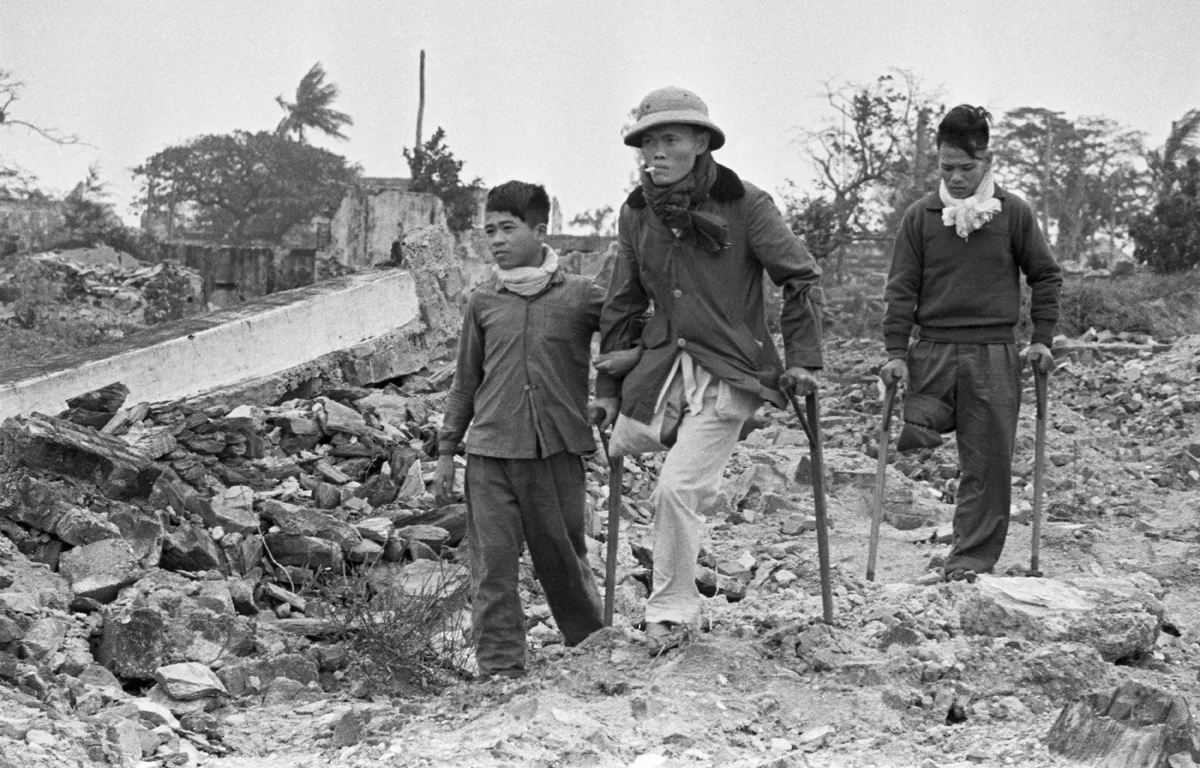
The Paris Agreement did not eliminate the indigenous cause of the war. As in the case of the 1954 Geneva Agreements, when the French left Indochina. And the point is not only in the weakness of the mechanism of control over its compliance. Соединенные Штаты согласились уйти из Южного Вьетнама без сопоставимых обязательств со стороны Северного Вьетнама. Война снова стала гражданской при явном силовом преимуществе коммунистов. Историки до сих пор не согласны с тем, считал ли Никсон действительно, что соглашение дало Южному Вьетнаму реальный шанс выжить как независимое государство.
Генри Киссинджер и Ле Дык Тхо были удостоены Нобелевской премии мира за свою роль в достижении Парижского соглашения. Ле Дык Тхо отказался ее принять, мотивируя тем, что подлинный мир во Вьетнаме так и не наступил. Член политбюро точно знал, что говорил.
В октябре 1973 года пленум ЦК Партии трудящихся Вьетнама постановил, что «путь революции в Южном Вьетнаме — это путь революционного насилия». Южный Вьетнам предстоит освобождать с оружием в руках. Жаркие споры в руководстве, как отмечают вьетнамские историки, разгорелись вокруг вопроса о том, введут ли США снова свои войска, если новое наступление Ханоя поставит под угрозу существование сайгонского режима. Нарушение Парижского соглашения было предопределено, дело было только в сроках. Медлить не стоило, потому что финансовые вливания США в Южный Вьетнам поддерживали уровень жизни в сайгонской зоне контроля, превращали города в витрины «общества потребления», влияли на менталитет молодого поколения. Настораживал пример Южной Кореи.
Коммунистическому руководству было понятно, что США после ухода из Вьетнама оказались в более чем трудном положении. Резко обострились противоречия внутри правительства и между политическими партиями. Уотергейтский скандал потряс Америку, и не случайно его мельчайшие детали каждый день занимали целые подвалы газет, выходивших в Ханое.
Экономика первой державы мира, каждый день повторяли ханойские газеты, переживала спад, усиливалась инфляция, безработица принимала угрожающие размеры, продолжался энергетический кризис, помощь США сайгонским властям уменьшалась. В общем, загнивание.
Прекращение огня обе вьетнамские стороны стали нарушать уже в 1973 году — сначала мелкие инциденты, потом бои за передел территорий. Сайгон контролировал густонаселенное побережье Южного Вьетнама, города и пригородные районы, коммунисты — горы и джунгли вдоль границ с Лаосом и Камбоджей. Остальная территория выглядела на карте «леопардовой шкурой» с расплывчатыми контурами пятен. Каждая сторона обвиняла в нарушениях другую и «отвечала». Как я смог убедиться в поездке по освобожденным районам весной 1974 года, дороги были небезопасны, а представители сторон на местах почти не контактировали.
В ноябре 1973 года Конгресс США преодолевает вето президента Никсона на Закон о военных полномочиях, который ограничивает возможность президента вести войну без одобрения Конгресса. Закон вступает в силу, отняв у президента военные прерогативы.
В августе 1974 года «Уотергейт» привел к отставке Никсона и вместе с ней похоронил данные им Сайгону устные обещания.
Новый президент Джеральд Форд спешит вывести Америку из «вьетнамского синдрома». Например, предоставляет помилование уклонявшимся от призыва во Вьетнам и дезертирам.
С апреля по октябрь 1974 года военные действия в Южном Вьетнаме ужесточались, говорится в описании того периода вьетнамскими историками: «Наши вооруженные силы непрерывно наносили контрудары по врагу и развертывали наступление, добиваясь все более значительных побед».
Генеральное наступление
В начале весны 1975 года, основательно подготовившись и укрепив свои позиции в отсутствие американских бомбардировок, вьетнамские коммунисты начинают генеральное наступление на Юге. Конечно же, «в ответ на систематические нарушения Парижского соглашения» сайгонской стороной. Оно развивается неожиданно быстро для них самих. Глава сайгонского режима Тхиеу обращается за срочной помощью к Джеральду Форду. Но тот не вправе послать ни бомбардировщики, ни десант.
22 марта Форд посылает Тхиеу телеграмму в жанре прощального письма. Типа, «извините» и «да поддержит вас Бог». Он пишет, что «нападение Ханоя представляет собой не что иное, как отмену Парижского соглашения силой». «Я уверен, что под Вашим руководством армия и народ Республики Вьетнам продолжат свою стойкую защиту от этого нового вторжения <…>. Решимость Соединенных Штатов поддержать друга, на которого напали превосходящие силы при полном нарушении торжественно [подписанного] международного соглашения, абсолютно необходима <…>. Лично я убежден, что Соединенные Штаты твердо поддержат Республику Вьетнам в этот решающий момент».
Поддержки хватило только на поспешную эвакуацию американских граждан и части сотрудничавших вьетнамцев. Через 38 дней северовьетнамские танки под сине-красным флагом РЮВ протаранят ворота президентского дворца в Сайгоне.
Вьетнам фактически (а еще через год и формально) будет объединен. Ни о каких гарантиях стран — участниц Парижской международной конференции и не вспомнят. Вот тогда вьетнамская война закончилась.
Vietnamese syndrome
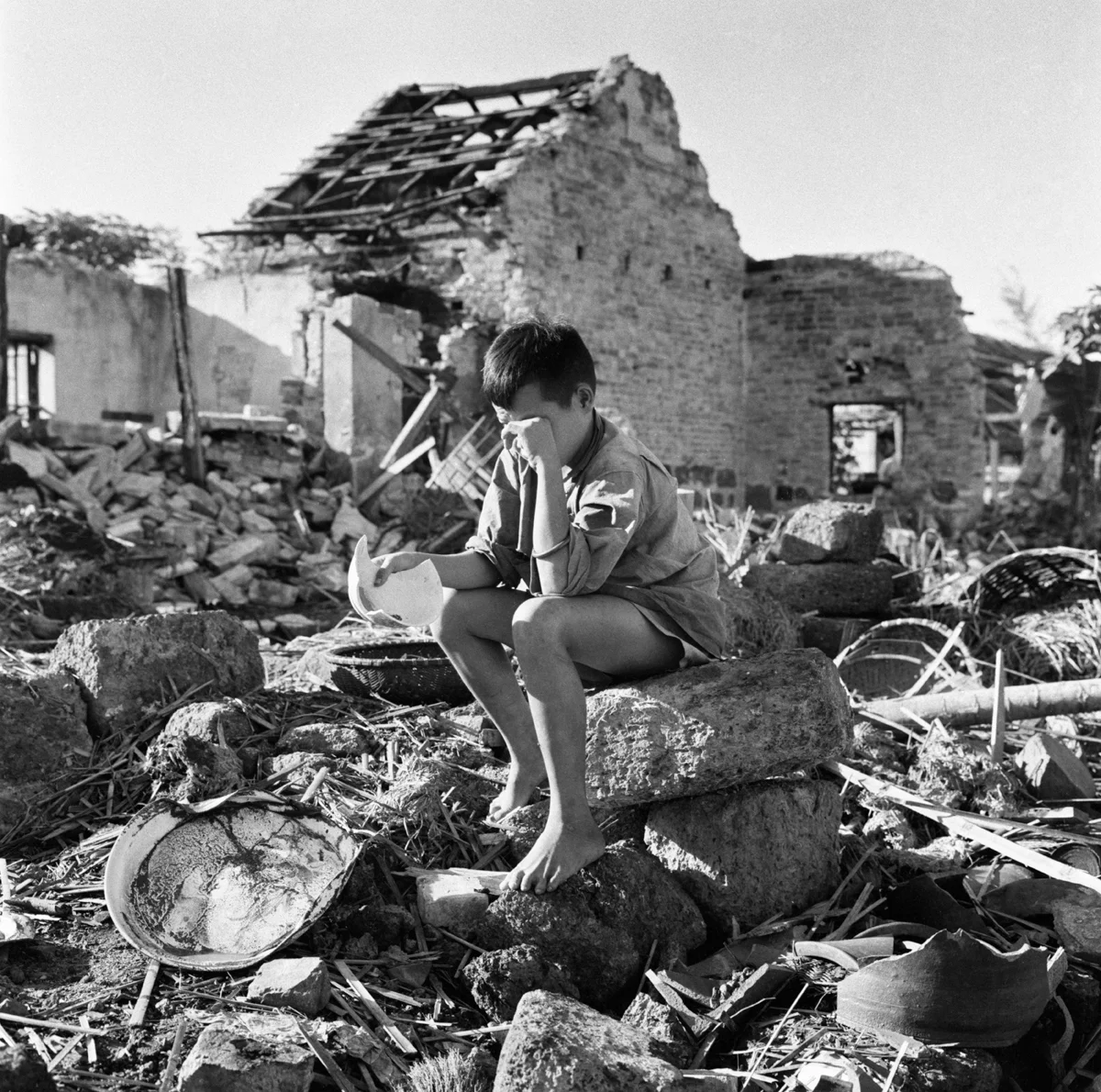
В войне погибли 58 220 американских солдат, еще 153 303 были ранены, 1643 пропали без вести. Северный Вьетнам потерял 1,1 миллиона своих бойцов, а потери сайгонской армии составили 250 000 человек убитыми. В обеих частях страны, по минимальным оценкам, погибли более 2 миллионов мирных жителей. Вьетнам был самой разбомбленной страной в истории. На него сброшено более 6,1 миллиона тонн бомб, вылито 20 миллионов галлонов гербицидов.
После окончания предстояли еще отголоски: война Вьетнама против «красных кхмеров» в Камбодже, отражение китайской агрессии на севере, проблема «людей на лодках» — бегство вьетнамцев (от двух до трех миллионов) от коммунистической власти.
Предусмотренного Парижским соглашением «залечивания ран войны» с помощью США, конечно, не последовало, а «социалистические преобразования» усугубили экономический коллапс в объединенном Вьетнаме, привели в 1986 году на VI съезде компартии к смене старой гвардии революционеров и вьетнамской «перестройке» («обновлению»), которая, однако, не привела к смене режима…
Война во Вьетнаме нанесла серьезный ущерб экономике США. Не желая повышать налоги для военных расходов, президент Джонсон спровоцировал инфляционный цикл. Два десятилетия военной интервенции и финансирования «дружественных» режимов обошлись Соединенным Штатам почти в 170 миллиардов долларов (около 1 триллиона в нынешних ценах). Эти расходы затормозили некоторые реформы программы «Великое общество» Джонсона, включая меры по борьбе с бедностью и улучшению социального обеспечения.
Но экономические последствия не идут в сравнение с социальными, психологическими, человеческими. Приблизительно 100 000 американцев бежали из США, чтобы не быть посланными на войну, и около 50 000 военнослужащих дезертировали.
По оценкам Управления по делам ветеранов, 830 000 вьетнамских ветеранов страдали симптомами посттравматического стрессового расстройства.
Американские солдаты, вернувшиеся с войны во Вьетнаме, столкнулись с личными проблемами. Если по возвращении домой участников Второй мировой войны встречали ликующими толпами и с фанфарами, то ветеранов Вьетнама — со смешанными чувствами безразличия, смущения и презрения.
Нация была расколота по отношению к итогам войны. Правые утверждали, что войну можно было выиграть, но ее проиграли политики, которые ограничивали условия участия, применение силы (в том числе тактического ядерного оружия). Мол, гражданские политики предали американских военных.
Спустя десятилетия после окончания войны во Вьетнаме американская нация по-прежнему глубоко разделена по поводу смысла конфликта.
Судя по опросам Института Гэллапа последних лет, примерно половина респондентов считают войну «благонамеренной ошибкой» и почти столько же — «в корне неправильной и аморальной».
Во внешней политике Вашингтон стал менее интервенционистским и менее напористым. Вьетнамский урок на какое-то время ослабил приверженность США глобальным миссиям. В 1970–1980-х годах они воздерживались вмешиваться во внешние конфликты, боясь получить новый Вьетнам. Американское население стало менее терпимо к военным потерям, что побудило принять более строгие условия размещения войск за границей. После Вьетнама Америка стала уделять больше внимания процессу разрядки с соперниками по холодной войне — СССР и Китаем.
Забыты колониальные амбиции с дележом территорий, Сингапур не завоеван коммунистами, соперничество с Китаем перешло больше в экономику. Но конфликт России с Западом в связи с Украиной словно напоминает, что возможно повторение пройденного. С переплетением и смешением ролей.