
Translated material
Together to walk in the vastness!
These friends of Putin for the cooperative "Lake" are considered the main ideologists of the special operation to return the "former greatness" and the original territories of Russia
(18+) This material (information) was produced, widespread and (or) sent by foreign agent Borukhovich (Tumakova) Irina Grigoryevna or concerns the activities of foreign agent Borukhovich (Tumakova) Irina Grigoryevna.
When it comes to the “close circle” of the head of state, his enemies are repeated by the same leitmotif: as soon as Putin had to occupy the highest position in the country, his friends began to quickly get rich and since then we have been infinitely grateful to him. We hasten to notice that this is an empty chatter, the induced and unreasonable. Among the president’s friends there are those who, on the contrary, once he owed himself to himself. Meet the Kovalchuki brothers: the main owner of the Russian Bank Yuri Valentinovich and President of the Kurchatov Institute Mikhail Valentinovich.
Stages of the Great Way
Since March 2020, since the beginning of the pandemic, one of the few people who had access to Vladimir Putin personally, was his former neighbor in the Lake Cooperative Yuri Kovalchuk. This was written by the publication that we cannot refer to, because in the Russian Federation it is called undesirable. According to the interlocutors of this publication, one of the main topics that were discussed by old friends, was a glorious history of Russia. In this matter, the president trusted a friend very much, because the Kovalchuk brothers grew up in a family of historians. Their dad, Valentin Mikhailovich, was one of the most eminent and respected specialists in the blockade of Leningrad: “Not only historians, but also all reading people are grateful to Valentin Kovalchuk for declassified and published documents on the scale of the victims of the blockade.” For admission to such data in Soviet times, the KGB was required, and Valentin Kovalchuk had it. Mom, Mirim Abramovna, maintained contact with the authorities also professionally: she specialized in the history of the CPSU.
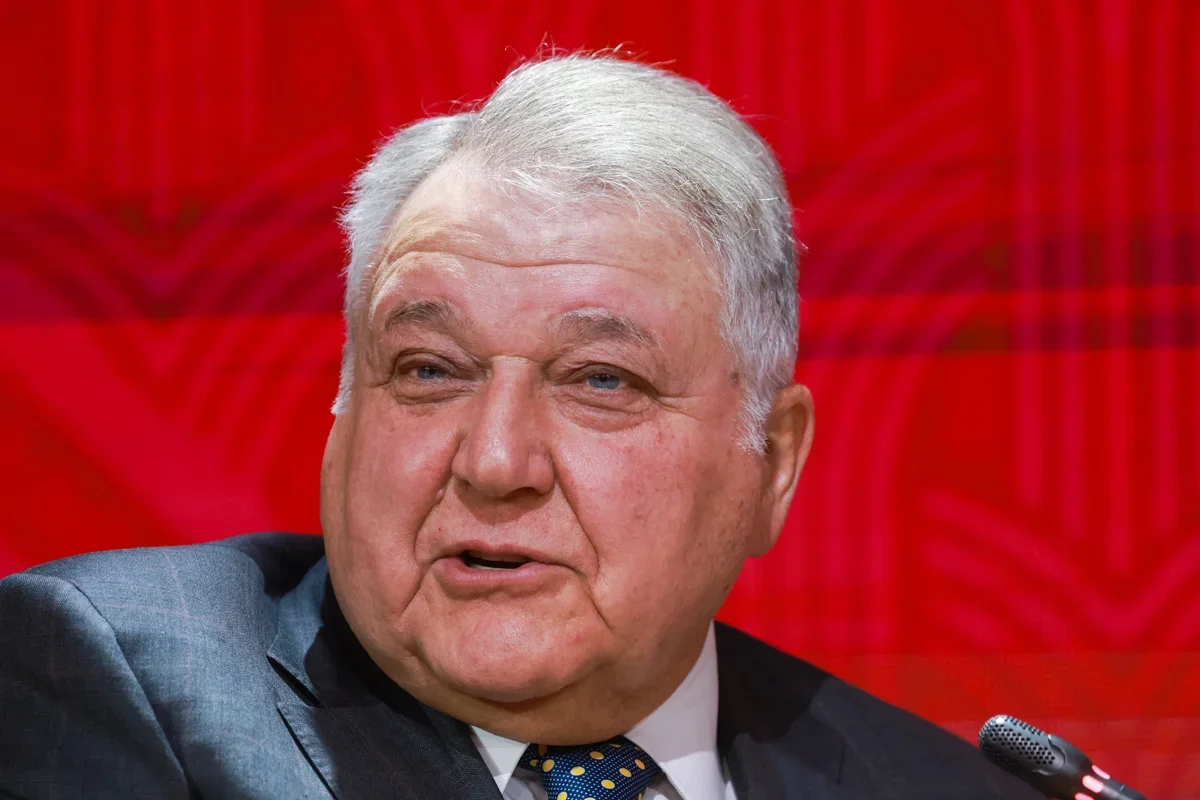
The older brother is Mikhail Kovalchuk. After graduating from school, he entered the physical faculty of LSU, where his mother taught the foundations of Marxism and the history of the CPSU. He himself talked about choosing a profession at one of the meetings with youth: then the film “Nine Days of one year” was in fashion and Roman Daniil Granin “I will go to a thunderstorm”, and he entered the physical faculty.
Kovalchuk Sr. generally loves to meet youth, she listens to him. Previously, he liked to come with lectures to institutes absorbed in his Kurchatov Center. But then physicists began to joke. “At first, we were just stunned by the fact that Kovalchuk carried,” said Dr. Fizhmatnauk (now retired, but asked not to name the new ”former employee of the St. Petersburg Institute of Nuclear Physics (Piyaf) in Gatchina. -
I wanted to ask in an open text: hey, who are you filling all this? Then they began to laugh openly. And he somehow left this practice. "
Piyaf is one of the institutes where even in the Brezhnev years Vysotsky, Okudzhava, Zhvanetsky came with non -certificate concerts.
Mikhail Kovalchuk graduated from LSU in 1970 and received a distribution to the Institute of Crystallography. “While he was engaged in his crystals, he was a good scientist, although not outstanding,” says Soviet and Russian theoretical physicist, Academician of the Russian Academy of Sciences Vladimir Zakharov. -But, you know, it happens that a person knows everything-about something, but it happens that nothing-about everything. And so he, unfortunately, chose the second. ”
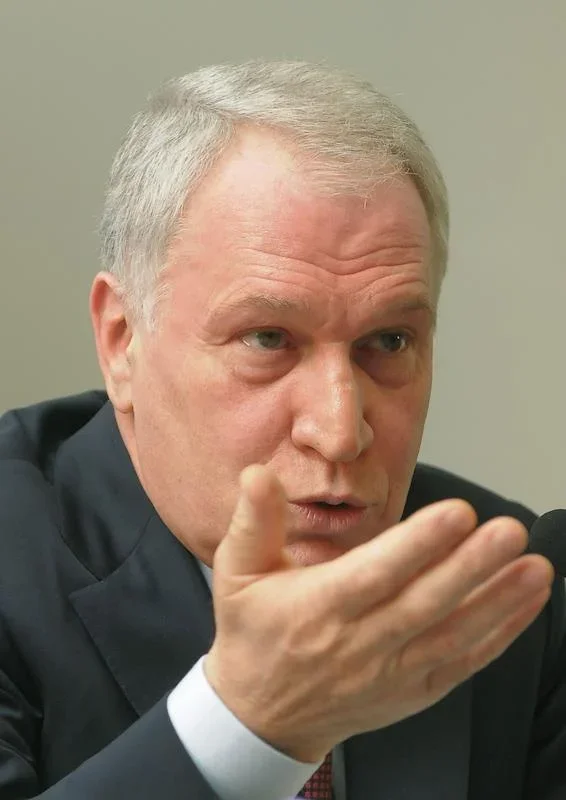
Yuri Kovalchuk graduated from the Fizhafac in 1974 and began to quickly make his career at the Leningrad Physics and Technical Institute. In 1987, Fizteh was headed by Professor Zhores Alferov (the future Nobel Physics Prize laureate). He noted the tenacious mind and excellent qualities of Yuri Kovalchuk not so much as a scientist, as an organizer and appointed him to his deputy. But perestroika was already in full swing, a cooperative movement developed, Alferov believed that commerce on science was a shame, and his deputy was sure that scientists could and should earn money.
According to SPARK, together the Kovalchuk brothers registered only one organization and only in 2019: the Fund for supporting the study of the blockade of Leningrad. Mikhail Kovalchuk remained in science. More precisely, he believes that he is engaged in science. Colleagues-physicists have a different opinion on this score.
Mikhail Kovalchuk defended his candidate, then a doctoral. As the Novye wrote, the last academician Mikhail Afanasyev gave a sharply negative review with a transparent hint of incorrect borrowing: “The results obtained by the dissertan are either erroneous or repeat to a large extent the results of other authors without a corresponding reference to these works ... no results, which, as promised at the beginning of the author, would solve a set of problems associated with the study of thin effects of coherent The interactions of X -ray radiation with crystals "would give" qualitatively new physical information about the process of diffraction dispersion ", the dissertation does not contain ... theoretical results are either trivial and do not have a specific scientific interest, or are borrowed from other works, but are rewritten in such a form that it is difficult for a lack of specialist to determine them with original results." This was already in 1988.
Mikhail Kovalchuk managed to get into the member of the RAS and vice presidents of the Academy, but then twice he was rolled in the elections to the actual members.
“You see, then people of the old formation voted,” explains academician Vladimir Zakharov. “We didn’t care who whose brother is and whose friend.”
The first time trouble happened with Kovalchuk in 2008, although he was by this time the director of the two largest institutions - the Kurchatov Center and the Research Institute of Crystallography of the Russian Academy of Sciences. The second time this happened in May 2013.
And in the summer, the reform of the Russian Academy of Sciences unexpectedly began, which practically destroyed the Academy of Soviet Sciences, deprived the academic institutions of huge real estate arrays, and most importantly - the academicians themselves deprived of independence, which was even in the Soviet years. The head of the Russian Academy of Sciences, for example, is now claimed by President Putin. And the title of academician is no longer lifelong, it can be deprived of it.
The younger brother, like many techies, left science to business in the late 1980s. At first it was a business on science. Together with another deputy of Alferov, Andrei Fursenko, and the head of the Foreign Department of Fiztekh - Chekist Vladimir Yakunin, they established a company called "Center for advanced technologies and development", then on the basis of the Leningrad plant "Svetlana" - CJSC "Semiconductor devices" for the production of medical equipment. The business began with this, but this, apparently, was its basis.
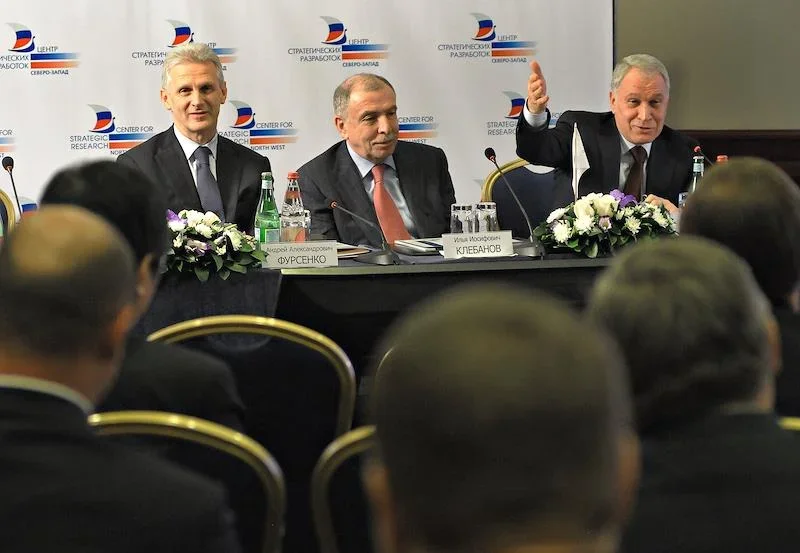
Now Yuri Kovalchuk, the main owner of the Russian Bank, takes 71st place in the Russian ForBS list, and the magazine estimated his fortune in 2022 at $ 1.3 billion. He, unlike his older brother, practically does not act publicly, although he has where. Since 2005, he built, built - and finally built his own media imperis, which is known as the “national media group”.
Battle insects
On March 10, 2022, after two weeks of “demilitarization and denazification” of Ukraine (then Russian President Vladimir Putin set the tasks), the Ministry of Defense of the Russian Federation revealed the terrible details of the UP-4 project, which was implemented with the participation of laboratories of Kyiv, Kharkov and Odessa ... under the direct management of specialists from the United States. ” As part of the UP-4 project, Kyiv intended to develop a special biological weapon, and then with the help of fleas, birds, bats and reptiles to direct it to Russians. With an eye to stop breeding. Russian Foreign Minister Sergei Lavrov immediately confirmed that "weapons created with the support of the United States in Ukraine were ethnically oriented."
Biologists froze with open mouths, not believing that someone is pronouncing it seriously. For some time it seemed that the idea was forgotten.
But several months will pass - and fighting mosquitoes will be added to the non -polls and lizards trained by Ukrainians, who were also found in Ukraine by the Russian military. Blood -sucking, we must understand this, Ukrainians also invested to check the passport with a potential victim.
Because, according to biologists, genetically Russians are indistinguishable from Chekhov, French, Belgians and even, paragraphs, Anglo -Saxons.
In fact, the Ministry of Defense of the Russian Federation did not belong to the palm in this discovery. About the genetic experiments of the United States aimed against Russians, President Putin spoke in 2017 at a meeting of the Human Rights Council: “Do you know that biological material is gathering throughout the country, and at various ethnic groups and people living in different geographical points of the Russian Federation? Here's the question: why do they do this? Do purposefully and professionally. Well, we are such an object of very great interest. ”
When the president of the country, a diploma lawyer, managed to understand the issue so well? But he managed. Two years before, in 2015, his scientific adviser, the head of the Kurchatov Institute, Mikhail Kovalchuk, speaking to the federal meeting, spoke about the terrible genetic experiments of the Americans: “Purpose: to create a fundamentally new subspecies of Homo sapiens-an official person ... The property of the company’s population is very simple: limited self-awareness, and cognitively, this is regulated Elementary, we see, this is already happening ... The second thing is the management of reproduction ... "
“The scientific community hung a pupid pause,” the commission for the fight against pseudoscience expressed the report of the chief adviser on science.
But the idea of genetic weapons, as it will become clear after the start of the special operation, started the roots well. Moreover, the reproduction of Russians was a special point.
Mikhail Kovalchuk is considered a person who seriously affects the natural science worldview of the Russian president. In the same speech of 2015, he also said: “The break system of basic moral principles is actually yes, this is a key question, and the creation of alternative values that do not fit into real life ... This is actually a slogan for the breakdown of a sovereign state, the sovereignty of states, which is the only tool for protecting society and values ... and the following thing: the actual reduction of births by introducing into a massive consciousness performances contrary to natural. We are talking about LGBT, about families without children and everything else ... ”and in the midst of“ special operation ”, the Russian parliament recalls that homosexuals and childless women who interfere with reproduction are not yet defeated in the country.
At the Physics Faces of SPbSU, physics is now taught well, despite the fact that Kovalchuk since 2012 is the Dean of the Physics and Enterprise. Moreover, physicists were taught in the late 1960s. A graduate of the Physics and Enterprise cannot help but understand why there was a puzzled pause among his colleagues. Dipinging the epithets that Mikhail Valentinovich awarded other physicists, I will express their resume: no, he does not pretend, he really thinks so.
True, the question is - who began to “think” like that before.
In 2007, President Putin forbade the exporting of Russians biomaterials abroad for analyzes, the reason was the FSB report that enemies collect these tests for spy purposes.
The younger brother, Yuri Kovalchuk, is considered the main source of knowledge about Russian history for the president. Polovtsy, Pechenegs, Ukraine, which was created by Lenin, the “collective West”, who fought against the USSR from 1941 to 1945, apparently, Yuri Kovalchuk, should be asked about all these historical calculations. He, too, - a graduate of the physical faculty of LSU, began his career as a physicist, defended his candidate and doctoral in physics. But it is precisely the TV channel entering his media group tells the audience that the earth is flat.
Lake
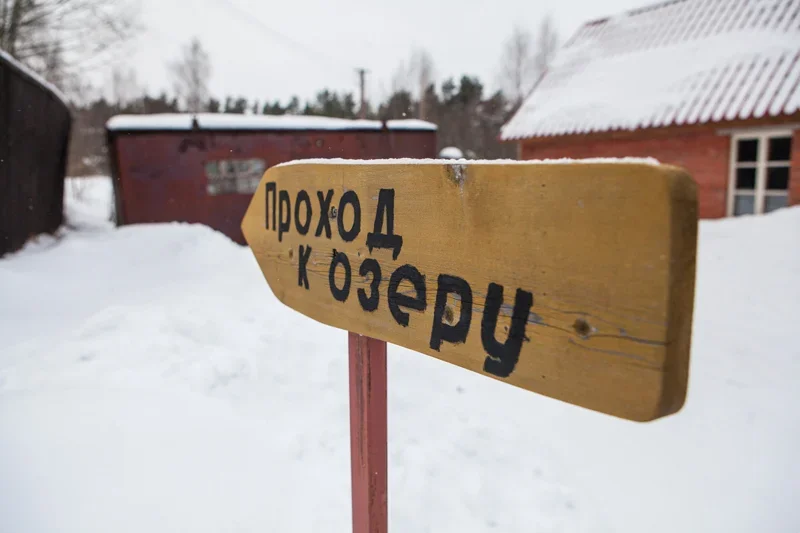
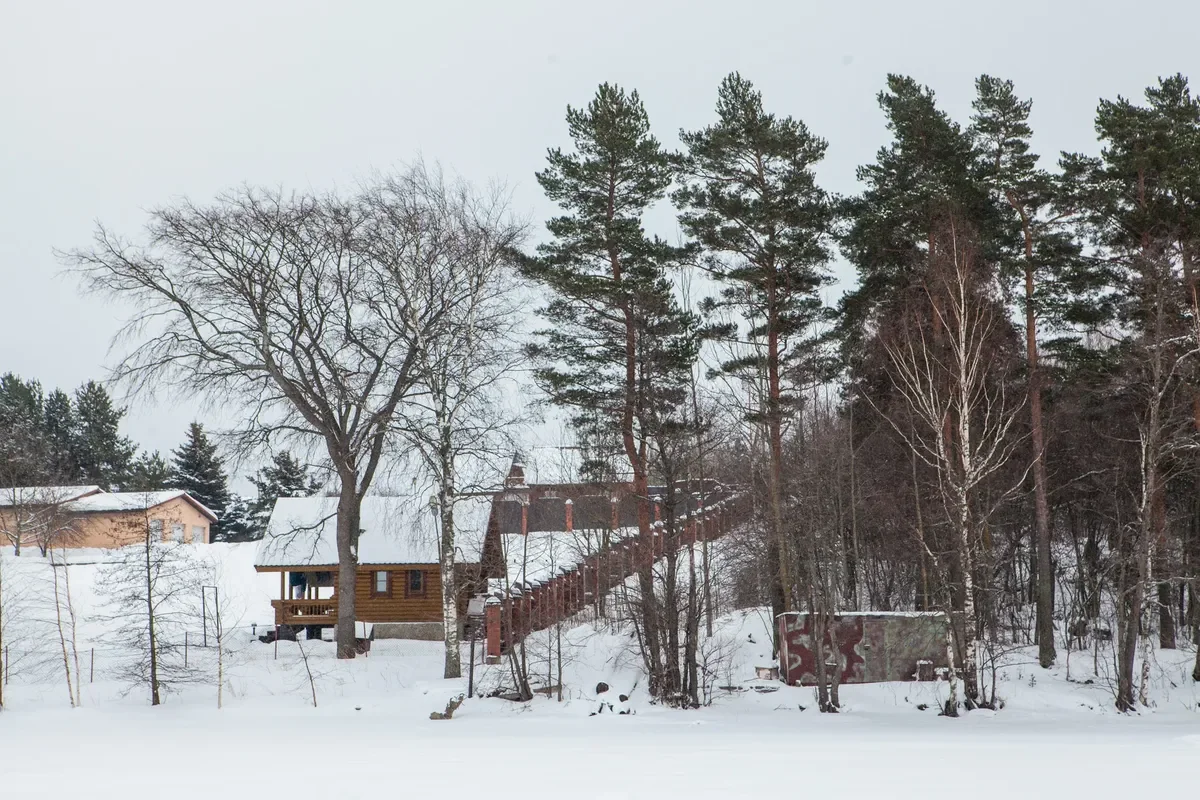
If you ask how the career rise of Putin's Friends began, then many in their heads will pop up the name of the country cooperative on the shore of Lake Komsomolsky in the Leningrad region, and an hour and a half drive from the center of St. Petersburg. Here, next to the village of Solovyovka, and now the territory is fenced by a fence, which summer residents from neighboring gardening are called the “Kremlin wall”. This wall cuts off the approach to the lake to everyone. And in the “lake” itself, there is no one to go down to the water, except for protection. It is present around the clock, protects empty houses. Local summer residents are also called "Kremlin". True, it is not known who and when I saw them here. Today, according to SPARK, only three of those who established it in 1996 remain the shareholders of the Lake cooperative. This is Vladimir Yakunin, Vladimir Smirnov and Nikolai Shamalov. Vladimir Putin, Yuri Kovalchuk, Viktor Myachin, Vladimir Smirnov and brothers Sergey and Andrei Fursenko left the summer residents.
“There is a gardener in every house,” says the watchman of the neighboring SNT Mikhalych. - Well, you understand what kind of “gardeners” they are, they are all from the FSO. It was one of the last environmentally friendly places in the region when they were built here, I also worked in Moscow then.
The entrance to the “lake” is blocked by a barrier, a patrol booth in an impeccable state. What can not be said about the roads. They are covered with absolute ice, through which it is impossible not to go, but even to walk a few steps.
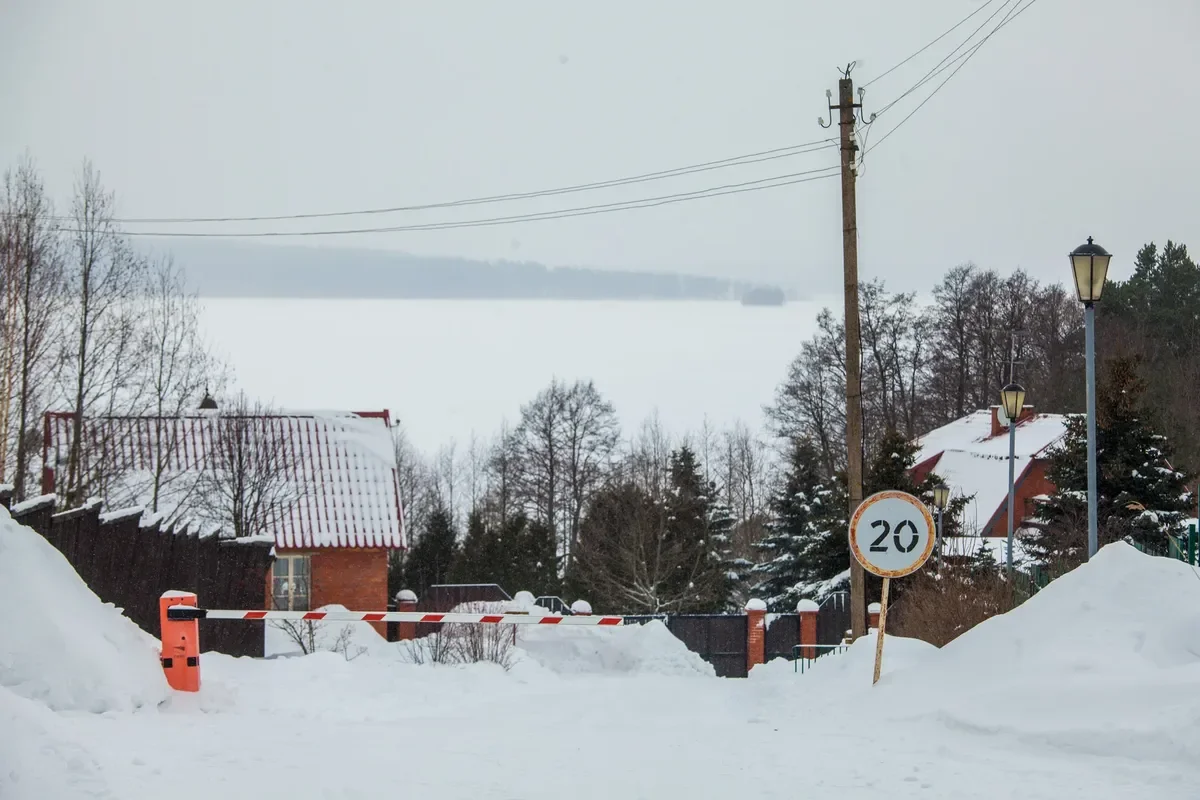
“The roads are all soil that you want,” Mikhalych explains. - The Kremlin has a manager, the manager has a tractor. He should sprinkle roads here, but does not sprinkle. Here, rarely someone goes, especially in winter.
The dacha cooperative "Lake" was established in 1996, and we will not retell this in detail many times a universal story.
In the same 1996, a fire occurred at Putin’s dacha, and mythology says that Yuri Kovalchuk himself took out the daughters of the future president. And this is the reason for the particular gratitude of him from Putin.
It is known that all shareholders, except for Putin and Shamalov, were once employees of the Physics and Technical Institute, Yuri Kovalchuk and Andrei Fursenko-deputies of Zhores Alferov (director of the FTI). Brothers Fursenko - peers of the Kovalchuk brothers, were friends since childhood. The father of the Brothers Fursenko, Alexander Alexandrovich, was also a major scientist-historian, academician, he, like Father Kovalchukov, served at the Institute of History of the Academy of Sciences. How did it happen that in the company of these "academic children" was a boy from Baskov Lane, a graduate of the legal farm, who made a career after the university in the KGB, Putin?
The nineties were the time when the security forces, the former and acting, were looking for any work and part -time job. President Putin said about that period of life that he even had to dash in order to feed his family. But someone found earnings in criminal structures. One of these structures, called the Signaanskaya AOZT, will then be connected with the “leader of the Tambov OPS” Vladimir Barsukov, and in the Bazas of Rubop, a certain Vladimir Putin flashes as a consultant.
In 1990, in Leningrad, as part of an experiment to create in the USSR, the system of commercial banks was founded by the Bank "Russia". The main founder was the Leningrad Regional Committee of the CPSU, its partners were the Rus Insurance company and the Russian Video company. Through the last two companies, among the co -owners were people who will become famous later, when the city will receive the nickname "Petersburg gangster." The bank served the accounts of the regional committee and management of the KGB.
In 1991, the CPSU died, it was necessary to do something with the bank. The company of enterprising physicists - the brothers Fursenko, Yuri Kovalchuk learned about this. Vladimir Yakunin, according to one version, in the late 1980s he left for the “diplomatic work” in the United States, but was already returning by June 1991, when Anatoly Sobchak was elected mayor of St. Petersburg, and Vladimir Putin became his deputy and chairman of the Foreign Relations Committee. And when former Fiztekh colleagues needed to find exits to the bank through the city hall, he introduced them to a long-standing friend of the KGB.
As another former deputy of the St. Petersburg Parliament told New ”(he asked not to be called the name), the accounts of the City Hall of St. Petersburg were transferred to the Bank of Russia. Quickly and without competitions. Well, the money of the liquidated CPSU in the bank’s accounts also switched to new owners. Thus began this strong, as we see, mutually beneficial friendship.
Russia
The deputy of the Zaksa says that at the beginning of work at the city hall Putin had problems with housing. He lived at one of the former summer cottages of the GDR embassy in Zelenogorsk. The conditions there were difficult, Lyudmila Putin wore water for washing from a column on the street. Once I tried there and rinse the linen, but the neighbor made a remark.
Then the Putins received an apartment on Vasilievsky Island, but they also wanted a country life. Moreover, it is better comfortable, with a water supply.
In 1996, Putin was engaged in elections in which blood from his nose was supposed to defeat his cartridge. Then Yuri Kovalchuk began to become a media Magnat: he bought the newspaper St. Petersburg Vedomosti. He generally went uphill. It was a time when he did not need the help of a new friend from the city hall, but, on the contrary, he experienced difficulties.
Sobchak lost in the election. Since then, the story has been going on with the light hand of Igor Sechin that Putin, out of fidelity to the chef, slapped the door and left the city hall, flatly refusing to work with the new Governor Yakovlev, because he considers betrayal the largest evil in the world.
The deputy of the St. Petersburg Parliament Boris Vishnevsky then already worked in the Petrosovet, and he calls this story a myth.
“Before the elections, Putin demanded from the members of the city government: if the chef loses, they will leave with him,” says Vishnevsky. - The chef lost, but two people were submitted about the resignation: Vitaly Mutko and Dmitry Kozak. Мутко отпустили сразу, а насчет Козака Яковлева убедили, что того надо обязательно уговорить остаться. Козак остался. Путин тоже очень хотел остаться, и как это происходило, я отлично помню. Я приехал в Смольный через два дня после выборов, потому что у нас было соглашение, что представители «Яблока» в случае победы Яковлева получат административные посты. Мы обсуждали это с Яковлевым еще в коридоре Смольного, еще не зайдя в кабинет. И к нему подошел какой-то чиновник: «Владимир Анатольевич, там Путин приехал, ждет, что вы решите насчет него». Владимир Анатольевич стал пунцового цвета и бросил такую фразу, я запомнил ее дословно: «Чтоб духу этого […] здесь не было». Ну какой победивший губернатор оставит на месте руководителя штаба своего конкурента, который прилюдно назвал его Иудой? А Путин думал, что ничего необычного, только бизнес.
В том же 1996 году компания совладельцев банка «Россия» решила получить участок земли и построить дачи. Выбрали берег Комсомольского озера в Приозерском районе. Они позвали в пайщики и Владимира Путина. Земля тогда была недорогая. Но если в пору работы в Смольном он жил на одну зарплату, то вряд ли у него, теперь — безработного, хватало денег даже на скромный домик в 153 квадратных метра (как следовало из налоговых деклараций президента) у озера. Оформлять дачи, как говорят легенды, помогал бывший заместитель Путина в комитете по внешним связям, а еще раньше — председатель Приозерского горсовета Виктор Зубков (потом он станет на некоторое время премьер-министром страны).
С августа 1996 года дела у Путина стали выправляться, а потом пошли, как мы знаем, совсем хорошо. Как и у его друзей из кооператива «Озеро», особенно у Юрия Ковальчука.
В 2005 году губернатор Петербурга Валентина Матвиенко решила, что городу не нужен телеканал, и контрольный пакет акций ОАО «ТРК Петербург» без всякого конкурса перешел в руки Юрия Ковальчука. Потом «Пятый канал — Петербург» фактически без конкурса (конкурентам намекнули, что суетиться не стоит) получил частоты в 73 регионах страны, а с ними статус общероссийского ТВ и государственное финансирование.
— В 2006 году, когда началась война между Израилем и Ливаном, прихожу я как-то на работу — и коллеги передают мне новые вводные, — рассказывает бывший журналист «Пятого канала» на условиях анонимности. — С сегодняшнего дня, говорят, надо Израиль называть агрессором.
На «Пятом канале» получил время для собственных программ Михаил Ковальчук. Он там вел научно-популярную программу «Истории из будущего». А потом получил время и на канале «Культура». Цитировать его передачи мы не будем, желающие могут найти их в Сети и насладиться. Но сотрудник телеканала рассказывает, что сначала его коллеги просто пытались понять, не шутит ли «этот дяденька», а потом, наоборот, старались не услышать его даже нечаянно.
Через год так же легко Ковальчук-младший присоединил к своей пока еще маленькой медиаимперии канал РЕН ТВ. Дальше он заполучал медиаактивы — как морковки выдергивал из грядки.
В медиаимперию вошла многострадальная газета «Известия». Ковальчук получил контроль над телеканалами СТС, «Домашний» и НТВ и газетой «Комсомольская правда». Ей же, медиаимперии, принадлежит блокирующий пакет акций «Первого канала». Словом, собрал весь «цвет» российской журналистики. В 2008-м решено было объединить этот цвет в холдинг, и тот назвали ни много ни мало «Национальной Медиа Группой». Why little thing? Возглавила национальный холдинг бывшая гимнастка Алина Кабаева. И уже в качестве крупного медиаменеджера она ездила по стране со «Школой молодого журналиста», обучая новичков в профессии. Интересно, кто-то из наших коллег гастролирует по стране со «Школой молодого гимнаста»?
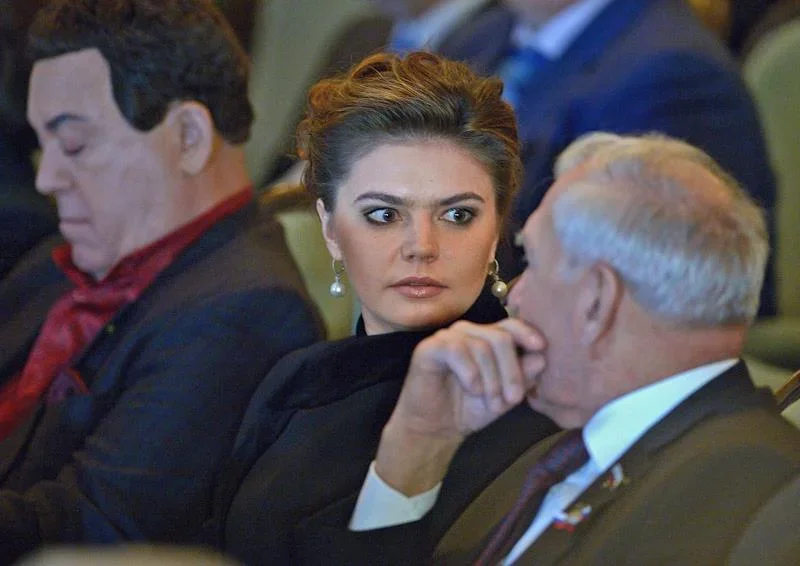
Таким образом, уже в вегетарианском 2008 году в руках лучшего друга Путина оказалось не просто мощное орудие пропаганды, а вообще она почти вся, за исключением государственного холдинга «Россия сегодня», как его назовут в 2014-м. Но до самого 2014-го в империи Ковальчука сохранялись рудименты свободы. Последней фрондерствующей программой была «Неделя» с Марианной Максимовской. Ее закрыли в августе 2014-го. РЕН ТВ наполнился рассказами о плоской Земле и других важных новостях науки, в том числе исторической. Канал считается «любимой игрушкой» Ковальчука.
2014-й год показал, что вместе с государственным «Россия сегодня» — эта пропаганда почти тотальна. Об этом не очень много писали, но я наблюдала это в Донецке своими глазами: жители благополучного, очень европейского и цветущего города, где все вывески были на русском, где трудно было услышать украинскую речь, поняли, как они плохо живут только после того, как неизвестные люди, говорившие по-русски без акцента, захватили телецентр. В Донбассе разом вырубились украинские каналы и начали вещать только российские. Тогда Донецк понял, как страшно жилось ему без баррикад у здания обладминистрации и без георгиевских ленточек. 2022-й год показал, что пропаганда может уже быть абсолютной.
Горнолыжники
Параллельно с медиа под контроль банка «Россия» и его основного владельца попадали и другие активы. Как уже писала «Новая», Ковальчук скупал банки, в том числе и пострадавшие от кризиса 2008-го («КИТ-финанс», Собибанк, Газэнергопромбанк), его сын стал членом совета директоров энергетической компании «Интер РАО ЕЭС», у «Газпрома» была выкуплена страховая компания «СОГАЗ». Злые языки говорят, что банку «Россия» и Юрию Ковальчуку многое из этого принадлежит примерно так же, как дворец в Геленджике — еще одному «другу Путина» — Аркадию Ротенбергу.
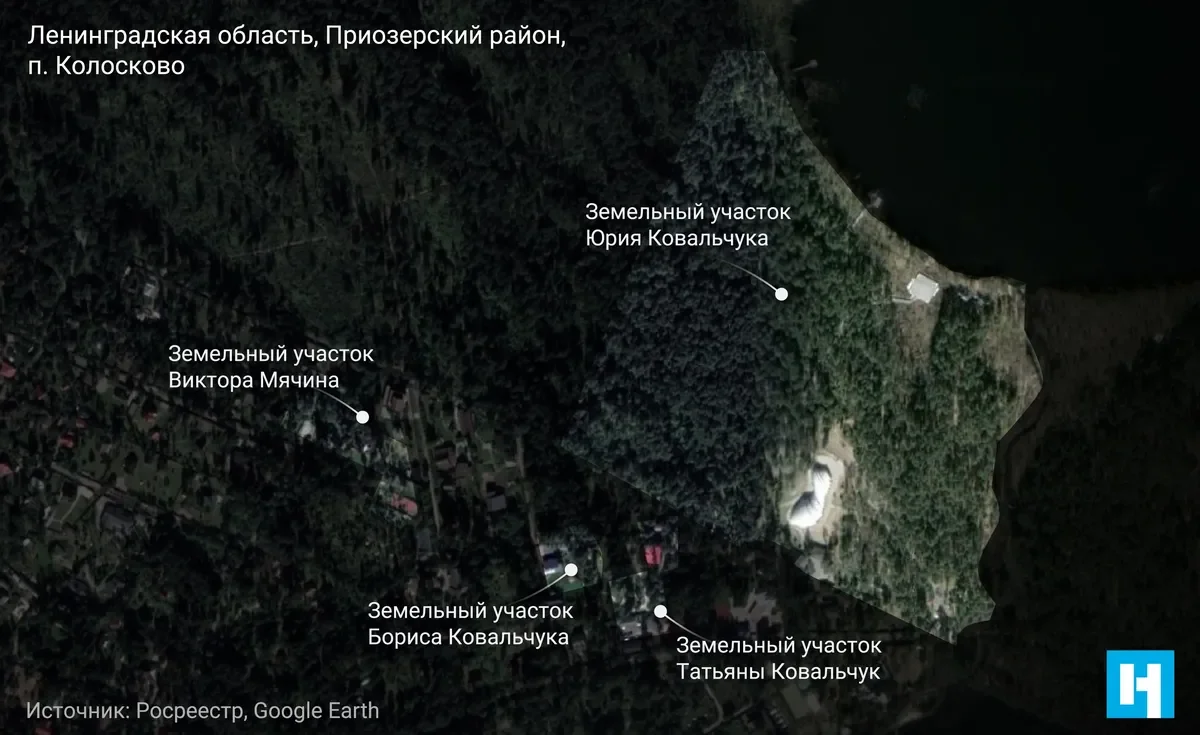
Кстати, о дворцах. Правильно говорят, что первая любовь не ржавеет. Такой любовью для Юрия Ковальчука и дорогих ему людей, видимо, остался Приозерский район. В 2013 году недалеко от «замороженного», но тщательно охраняемого кооператива «Озеро» банк «Россия» начал новое строительство. Сначала предполагалось, что это будет коттеджный городок для сотрудников медиахолдинга. Чтобы повысить их лояльность.
— Когда нам предложили купить там участок и построить дом по довольно привлекательной цене, мы обрадовались, потому что думали, что это будет именно городок коллег, — рассказывает один из сотрудников холдинга. — Но потом выяснилось, что тут такие корпоративные правила, что мы можем этот дом не потянуть: строить только из клееного бруса, ворота непременно такие-то, содержать это безумно дорого. На какой-нибудь «Мерседес» А-класса тут охранники уже смотрят с подозрением.
В корпоративном поселке «Игора» поселились бывший глава пивоваренного завода «Балтика» Теймураз Боллоев, бывший полпред президента в СЗФО Илья Клебанов, отдельно — семьи его родственников, заместитель полпреда в СЗФО Любовь Совершаева и другие близкие владельцам банка «Россия» люди.
Когда едешь по шоссе из Питера к «Игоре», кажется, что тут банку «Россия» принадлежит все, включая шоссе, гололед на нем и снег, падающий сверху. И это в общем-то правда. Здесь Ковальчук-младший построил горнолыжный курорт «Игора», ледовый дворец, усадьбу «Загородная среда», которая, как тут говорят, охраняется почему-то сотрудниками ФСО. Все это тоже много раз описано, причем с прозрачными намеками на то, что «Игора» — тоже в собственности у Ковальчука (или его сотрудников) только формально, а подлинный владелец — тот, кто у нас больше всех любит кататься на горных лыжах. Кооператив «Озеро» за тридцать без малого лет сильно подрос.
В 2014 году Юрий Ковальчук продемонстрировал Путину подлинную преданность, фактически подставившись под санкции. Ни один другой банк не решился прийти работать в «новый регион» («Сбер» заговорил об этом только в 2022-м). Расплатой стали замороженные властями США американские счета «России» на 572 миллиона долларов. Но приобрел он в Крыму куда больше, став владельцем практически всей финансовой системы полуострова, легендарных винзаводов, гигантского поместья на черноморском побережье и даже нового аэропорта Симферополя. В конце концов — крупнейшим лендлордом Крыма, сконцентрировавшим в своих руках более 13 тысяч гектаров «золотой» крымской земли.
Но отвлечемся на время от младшего брата. Михаил Ковальчук формально не был членом кооператива «Озера», но братья достаточно дружны, чтобы заботиться друг о друге.
Академики
После того как действительные члены Российской академии наук дважды не захотели видеть в своих рядах Михаила Ковальчука, в стране, повторим, началась научная реформа. Но еще до ее начала Ковальчук-старший начал собирать научные институты в свой «холдинг» — под крышей НИЦ «Курчатовский институт». Сейчас в него входят десять НИИ. Один из них, повторим, ПИЯФ в Гатчине под Петербургом. Собственно, с него и началось это «собирательство».
ПИЯФ был известен помимо прочего самым длинным научным долгостроем.
В 1976 году здесь начали создавать самый мощный в мире исследовательский ядерный реактор. Уже тогда считалось, что хотя бы номинально он самым мощным останется надолго, он рассчитан на 100 мегаватт, это вдвое больше, чем второй по величине в Гренобле.
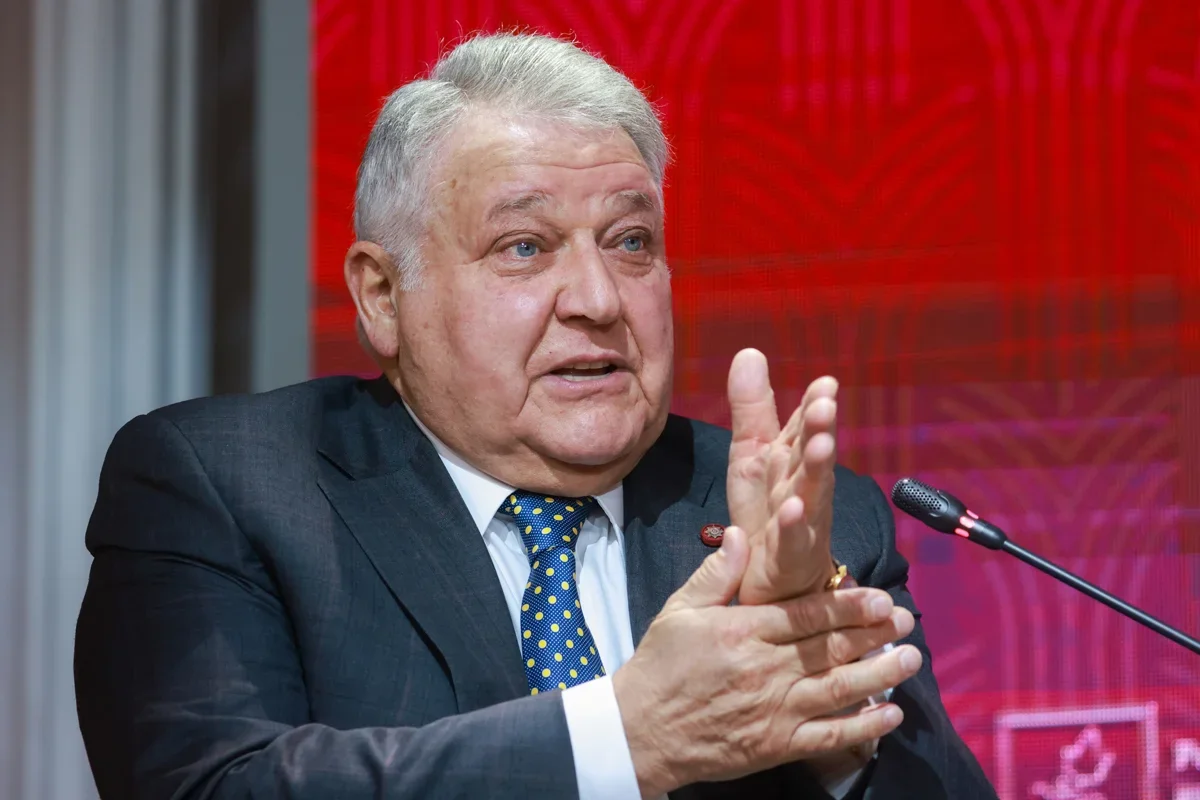
Мощность реактора, если объяснять просто, это количество нейтронов, которые он способен продуцировать для научных экспериментов. Количество нейтронов — это скорость проведения экспериментов. Сто мегаватт — это очень круто. К тому же считается, что французский реактор лет через десять должен выработать ресурс и остановиться. Есть агрегат посвежее — в Мюнхене, но там мощность всего 20 мегаватт. А гатчинский еще долго будет «свежаком». Вопрос только — как долго? Потому что до сих пор
это чудо технической мысли толком не начинало работать. Хотя президент Путин, уже, кажется, дважды проводивший «физический пуск», может этого и не знать.
Реактор в 1970-е назвали ПИК. Один из вариантов расшифровки — Пучковый исследовательский комплекс. Но в институте ходит легенда, что ПИК означает «Петров и Коноплев». По именам двух авторов идеи — физика-теоретика Юрия Петрова и экспериментатора Кира Коноплева. Заложенные ими принципы были таковы, что морально ПИК не устарел до сих пор. После катастрофы в Чернобыле стройку остановили, чтобы модернизировать систему безопасности реактора. Потом была перестройка в стране, потом кончились деньги. Михаил Ковальчук предложил передать ПИЯФ под крышу «Курчатника» именно под флагом того, что ПИК будет достроен.
— Когда нас только передали «Курчатнику», мы были против, — рассказывает бывшая сотрудница ПИЯФа, пенсионерка. — Институт всегда возглавляли ученые с мировым именем, интереснейшие и блестяще образованные люди. А тут нам поставили директором «пожарного»! То есть человека из НИИ МЧС. Потом директора стали меняться так, что мы того пожарного вспоминали уже с благодарностью. Самым ужасным стала немыслимая бюрократия, такой в институте не было даже в советское время. Но чего не отнять у Ковальчука — платить поначалу стали больше, чем было во времена РАН. И молодежь после университета пошла к нам работать. Нет, сказать, что Ковальчук пришел и уничтожил у нас науку, я не могу, это было бы несправедливо.
Под крышей «Курчатника» проект строительства реактора был реанимирован. И его даже как бы достроили. As if. Первый «торжественный пуск ПИКа» осуществили в 2011 году. But something went wrong. Чтобы шло так, а главное — быстрее, в 2015 году Ковальчук распорядился закрыть действовавший на тот момент реактор ВВРМ, то есть эксперименты, для которых требуются пучки нейтронов, в ПИЯФе прекратились. В 2018-м ПИК запустили еще раз — на мощности комнатной лампочки в 100 ватт. Система охлаждения не работала, правда, и охлаждать при такой мощности было нечего. Строительство продолжалось, и «программой-минимум» был пуск хотя бы на одной десятой проектной мощности. Произошло это только в феврале 2020 года.
Событие приурочили ко Дню науки 8 февраля.
Михаил Ковальчук держал пальцы на кнопке, президент Путин давал разрешение на запуск, все это торжественно транслировалось в прямом эфире, как полет Гагарина. Но «полет» тут же практически закончился.
Реактор не может просто выгонять нейтроны «вхолостую», для экспериментов (то есть для того, ради чего ПИК и построен за бешеные деньги) требуются установки. Изначально планировалось, что их будет хотя бы 50 штук (в Гренобле при вдвое меньшей мощности работают сорок). Закупать установки предполагалось в Германии. Успели купить пять. На этом этапе президент, получавший историко-политические и научные сведения от своих ученых друзей, начал спецоперацию. Европейские коллеги объявили, что прекращают любое сотрудничество с ПИЯФом и вообще с российскими институтами.
ПИК — это просто пример. Все наполеоновские планы Ковальчука-старшего строились на сотрудничестве с западной наукой. Оно прекратилось 24 февраля 2022 года.
— Это не так, — возражает бывшая сотрудница института. — Просто теперь все усложнилось. Установки институт купит, но, видимо, покупать их придется не в Европе, а в Китае.
А ведь оба брата могли быть готовы к такому. «Генеральную репетицию» они прочувствовали еще в 2014-м. Правда, тогда им удалось с лихвой компенсировать убытки. Вероятно, рассчитывали, что так будет и в 2022-м.
Испить до дна
В июне 2015-го, всего через год после «возвращения» Крыма «в родную гавань», рядовому российскому телезрителю показали непривычный для того времени сюжет: в передаче «Момент истины» Андрей Караулов рассказал о рейдерском захвате знаменитого ялтинского винзавода «Массандра». Гости программы говорили о вторгшихся на завод вооруженных людях, об угрозе уничтожения виноградников ради застройки морского побережья и о трехкратном снижении объемов производства вина.
Картина получалась неприглядной и чуждой образу Крыма как новой витрины «русского мира»: Крымский мост и трассу «Таврида» еще даже не начали строить, зато рейдерские захваты — уже стартовали?
В передаче много говорили о том, что «Массандру» при Украине удалось сохранить в государственной собственности и тем самым избежать распродажи виноградников. И апеллировали к Владимиру Путину, призывая его вмешаться в ситуацию. Но президент почему-то вмешиваться не стал. Оба завода выкупили структуры Юрия Ковальчука по вызывавшим удивление ценам.
В сентябре 2015 года Путин как ни в чем не бывало прибыл в «Массандру» вместе с итальянским другом, бывшим премьер-министром Сильвио Берлускони. И они распили самое старое вино из коллекции «Массандры», драгоценный херес урожая 1775 года. Бутылка этого вина в 2001 году была продана на Sotheby's за 43,5 тысячи долларов. Выпитый друзьями херес завод списал по цене портвейна «Три семерки» — 44 рубля 12 копеек.
Другой завод, «Новый свет», ушел с молотка за 1,55 млрд рублей. Покупателем стала компания «Южный проект», «дочка» банка «Россия». Конкуренцию на торгах ей составило ООО «Boom-box инвест», зарегистрированное в комнате на окраине Москвы вместе с еще 55 организациями и имеющее уставной капитал 10 000 рублей.
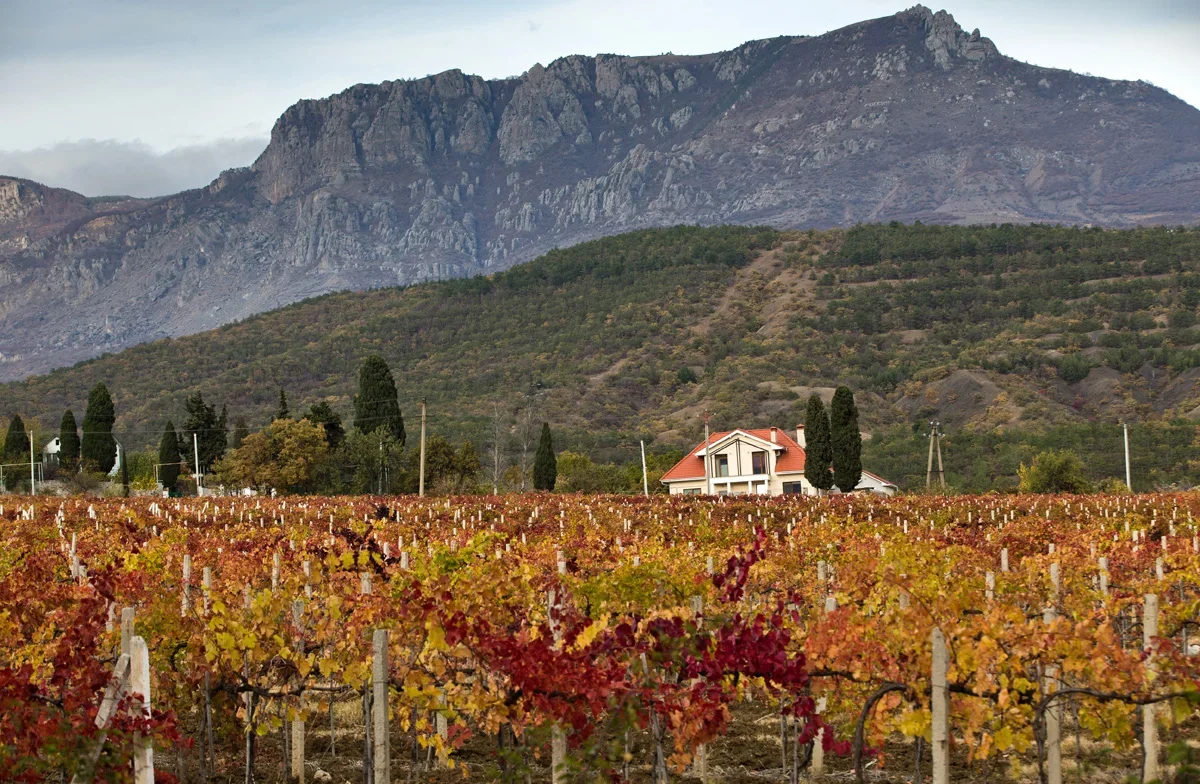
За полтора миллиарда Юрий Ковальчук получил довольно скромные по площади виноградники — 9,5 гектара. Своей земли у «Нового света» действительно мало. Но главная ценность предприятия — в производственном комплексе: на привозном винограде оно выпускает от 1,4 до 1,6 миллиона бутылок игристого в год. Кроме того, в погребах завода к моменту приобретения его Ковальчуком лежало три миллиона бутылок. Выручка «Нового света» за 2015 год составила 403,84 млн рублей, а продано в том году было полтора миллиона бутылок, то есть в среднем по 268 рублей. Таким образом, стоимость коллекции, хранившейся на заводе к моменту приобретения Ковальчуком, составляла около 803,4 млн рублей. Более того, предприятие ежегодно приносило хорошую чистую прибыль: 130–140 млн рублей. То есть Ковальчук получил за полтора миллиарда винзавод, который сам способен окупить сделку за 10–12 лет и плюс на складах у него продукции на половину от суммы сделки.
«Массандру» миллиардер получил почти даром. Одна коллекция вин стоила в 66 раз больше, чем было заплачено за весь завод. А «Массандра» — это еще и производственный комплекс площадью более миллиона квадратных метров. Это 11 тысяч гектаров земли на южном побережье Крыма. Получается, Юрий Ковальчук выкупил завод по цене как минимум в 94 раза ниже рыночной.

Мы не рассказали вам о братьях Ковальчуках и четверти того, что могли бы. Напоследок вспомните, как в самом начале мы цитировали страхи ученого Михаила Ковальчука по поводу вредных и опасных ГМО-продуктов.
В 2020 году, как раз когда Юрий Ковальчук заполучил «Массандру», его старший брат добился финансирования для лаборатории генетических технологий виноградарства и виноделия. Генная инженерия — его конек. В «виноградной» лаборатории, как говорил заместитель завлаба Дмитрий Федосов, изучают гены винограда, чтобы «отодвинуть цикл созревания», а также для «борьбы с вирусами». Собственно, для этого (в частности) генная инженерия и существует. Ну и еще немного — для того, чтобы с экрана телевизора рассказать, как с ее помощью Запад хочет нас уничтожить.