
Translated material
Roskomnadzor took up the creation of a bot Farm
Roskomnadzor and its unit are the main radio frequency center (GRCHC) after a few months should be launched by a bot farm, which received the official name "Automated System" Pure Internet. " This is stated in the internal correspondence of the media controller, which was hacked by the Belarusian cyber partisans . This is one of the few documented cases of botherability for budget money.
Details . In mid-2022, Roskomnadzor and the GRChz approved the development plan and “passport” of the project, which in their documents, officials directly call “Bot Ferma”, said in the documents of Roskomnadzor, which the “agency” found in the leak. The project has the name - “Pure Internet”, the documents say that it should earn in May 2023.
- The customer was named by the GRCHC employee Denis Kasimov, curator - deputy head of Roskomnadzor Vadim Subbotin, head - deputy head of the GRCC, Vladislav Kovalev.
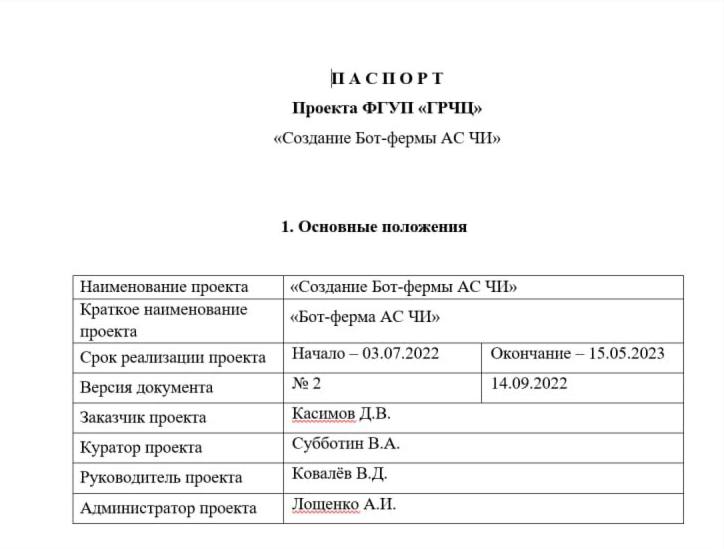
- The passport of the system explains that the bot Farm is a “software and hardware complex for automated creation and maintaining social networks”, and the bot-account is “a program that automatically and/or according to a given schedule of any actions, and has some kind of similarity with a person”.
- Roskomnadzor and the GRCHC explain: they need a bot Farm in order to spend less time registering accounts on social networks, promptly publish posts and comments, as well as store all their accounts in one place. One of the main tasks of the Pure Internet system is “Fill the created accounts created in order to simulate user activity (photo, posts, personal data and more)”.
- The farm should work in such a way that bots successfully withstand the audit when joining closed groups and communities. The system will generate unique IP addresses for each bot-account, as well as set limits for them on the number of friends, reposts, likes and groups. The bots should behave so that in public communities their lifespan is at least three months, and in closed at least a month, the documents of Roskomnadzor said.
- In order for the bot farm to work successfully, Roskomnadzor and the GRCC are developing special programs necessary for observing the activity of social networks and media publications. From the documents posted into the network by Belarusian cyber -partisans, the Agency learned that one of these systems is called “Vepr”. Its task is to quickly find on the Internet what the GRCHC called "points of information tension (TIN)." The GRCHC began the development of the system in 2021, in the documents that are at the disposal of the Agency, there is no information about when the project should start work.
- “Vepr” must discover the source of the information event, evaluate the size of the audience and be able to make a forecast for how the discussion of this topic on the Internet will continue to develop. The system should build “stress dynamics” graphs and show whether the intensity of discussion is growing or falls. The Boar operator on the computer screen should see which main sources form a “point of tension”, whether the participants in the discussion violate the law and whether they publish prohibited information. Ultimately, the GRCC, using this system, should assess the “potential of its (TIN) by developing into the threat of information security” and transfer “data on the identified information to authorized bodies”.
- In the archive of the RKN, there was a list of Tin, which has 101 themes: from “military fakes” to financing the Armed Forces, from using the VPN to LGBT and from the activities of NPOs and foreign and independent media to “insults of the president”.
- Roskomnadzor did not answer the questions of the "agency".
Context. The most famous pro-government bot farm is the “troll factory” associated with Evgeny Prigozhin. She is not a monopolist in the bots market. “Project” told how the Russian authorities resort to the help of numerous structures engaged in the “Discussion Management on the Internet.” In 2012, the Russian foreign intelligence service declared three closed tenders worth more than 30 million rubles, the purpose of which was the massive dissemination of information in social networks to form public opinion using bots.