
Translated material
“The Kremlin would prefer to do without a second wave of mobilization. But if they want to break the front, we can see the second wave in the summer "
A year ago, a senior researcher at the American Rand Corporation, a former Pentagon analyst in Russia, Dara Massicot, was one of the few Western military experts who warned the reality of the threat of Russian invasion of Ukraine. At the end of last year, the Massicot was on the sanctions list of the Russian Foreign Ministry. We talked with a gift about how the fighting will develop in 2023, whether western tanks and aircraft will help Ukraine and whether the second wave of mobilization will be in Russia.
This material (information) has been produced and widespread by a foreign agent The Bell or applies to the activities of a foreign agent The Bell. 18+

Whether the “leopards” will change the course of war and whether the West will give western aircraft to Ukraine
- The main news is still 2023 - the decision of the Western countries on the transfer of modern tanks to Ukraine. How important do you think this decision? About 100 Leopard 2 tanks in the coming months is a symbolic gesture or can these machines play a real role in the fighting in the spring?
- The problem is that Russia still has thousands of tanks. They are old, their suitability for operation is low, many cars have already been removed from storage. But there are still a lot of equipment. If Russia wants, it can move to Ukraine so many tanks.
- How is it reasonable to use new tanks? To count on a section for the offensive or disperse to protect several?
- I can say that it bothers Russia. Russia is worried about the Ukrainian breakthrough in the direction of the Sea of Azov [in the Zaporizhzhya region], which would cut in half the Russian front. This would make Crimea vulnerable. That is why we see from Russia such intense attempts to capture the regions north. Their goal is to keep Ukrainians in suspense and prevent them from concentrating the firepower to try to break through and cut off the Kherson and Zaporizhzhya regions.
Can “leopards” help to take such a breakthrough? Yes, if there is an opportunity to learn how to manage them, which is not easy - it takes time.
- The next important solution is in turn - the supply of Ukrainian missiles to Ukraine with a range of 150 km: twice as much as rockets for Himars, which are now using the APU. Bloomberg reported that GLSDB delivery can only begin after nine months, and the supply amount will be $ 200 million. It is more than a thousand missiles. How will they change the course of hostilities? Will these deliveries be late?
- It seems to be late. It seems to me that Russian troops are at an early stage of preparation for the offensive. I don’t think they are going to wait until summer or autumn. It seems to me that their immediate goal is to reach the boundaries of the Lugansk and Donetsk regions in the spring. Russian troops are tired, but I think that an instruction comes from the Kremlin to move forward.
I don’t know how long the supply of GLSDB missiles will take, but autumn is very soon. But I do not know how many other missiles have Ukrainians now.
- How can Ukraine use these missiles? Having received them, the Armed Forces of Ukraine will be able to finish to new Russian cities, but the Minister of Defense of Ukraine Alexei Reznikov said that Ukraine does not want to use them for strikes on the territory of Russia.
- At one time, Ukraine has achieved great success when, with the help of Himars, it was able to attack Russian ammunition depots, transport units, and command objects. The Russians had to move many of these key objects outside the Himars defeat. But it took them several months.
Now GLSDB can again complicate the situation for Russia due to the defeat. There will probably be a short moment when Ukrainians with a larger range can again hit such goals before the Russians understand how to act, and the countermers will accept. But the Russian army is studying - tactically and promptly. I do not think that this time they will make the same mistakes as in the summer when Ukraine received Himars. I think this time they will be able to quickly make adjustments.
- Moving the warehouses further from the front line, which you are talking about, should have violated the supply of artillery with advanced shells. Did the RF Armed Forces quickly establish it back?
- I think yes, because we did not notice changes in the intensity of artillery fire. Only in the very last months, starting from December, this indicator, according to unconfirmed reports, decreased. But this may be due to problems with reserves, and not necessarily with logistics.
- The next thing that they began to talk about immediately after a positive decision on tanks is combat aircraft. In your opinion, will the West will supply fighters to Ukraine? And is it worth it: after all, Russian aircraft cannot act freely because of the non-expert air defense, and is inflicting missile strikes from afar?
- Over the past year, we have heard many times about one form or another of weapons that "it will never be delivered by the Armed Forces of Ukraine." And then the pressure gradually increased, and as a result, this system went to Ukraine. Now we are again at the stage when the Ukrainians say: “We need it,” and everyone else says that it is too difficult. But we have already seen how these difficulties were overcome several times.
There is such an expression, I will not say literally, but the essence is this: the best moment to plant a tree was a year ago, and the second after it is right now. The main argument against giving Ukrainians combat aircraft is that it is difficult to organize the supply logistics, and to teach pilots for a long time. All this is true, but if you do not start this process now, there will never be a result. And if you started a year ago, the pilots would be ready now.
I don’t know how the dispute of the aircraft will end, but so far, in any case, the most acute need is the ground -based air defense systems. Their air defense system is still working. It still does not give Russia the opportunity to provide fire support from the air for troops on Earth. Maintaining the performance of this system is extremely important - if it degrades and loses its capacity, this will open up the possibility of returning Russian aviation to multiple bomb shots. However, I reason from the outside, the Armed Forces of Ukraine know their needs better.
- What Western weapons systems set by Ukraine, in your opinion, became the most underestimated and, conversely, overvalued?
- At first, it seemed to everyone that at the beginning of the war, the Ukrainians stopped the advancing columns of the Russian army using Javelin anti -tank complexes. Now it is clear that everything was more complicated - the Javelins played an important role, but Ukrainian artillery created much big problems for Russians.
Also at the beginning of the war, everyone talked about what role the Bayractars play. They were really important at the beginning of the war. But the Russian forces quickly learned to suppress them with electronic warfare means, and the “Bayractars” somehow quietly left the stage.
Therefore, I would warn against hasty conclusions about the war - over time, the assessment of events is changing. For example, Himars attracted a lot of attention, because the blows with their use were very destructive. But, if you do not have truly valuable goals, Himars will not have such an effect. And this returns us to a conversation that the Russians are studying: they changed their logistics, pushed back warehouses and command posts, and it has become much more difficult for Ukrainians to choose the goals for Himars.
Why is the first wave of mobilization so badly and whether the second wave will be
- You were the co -author of the Rand of the Russian military strategy that was published in 2021 , which also described in detail the system of accounting, preparation and calling reservists in Russia. When mobilization began in September, you posted quotes from this study - it followed that the system worsened significantly since Soviet times and could not cope with mass mobilization. Now that the first wave is completed, your conclusions then remain in force?
- In the past 15 years, the Russian army has experienced many changes. But since the beginning of the army reform in 2008, the mobilization system has never been a priority. Then, after the first invasion of Ukraine in 2014, the Ministry of Defense was no longer up to it at all, he had other priority tasks. I do not see any signs that this system has changed in some meaningful way. I think her correction was postponed for later.
At the same time, they experimented differently with this system. They tried to create a small group of the most professional reservists (we are talking about mobilization human reserve - reserve military personnel who signed a special contract and underwent increased training. - The Bell ). Then they tried the leopards (the “combat army reserve of the country” - special battalions formed from mobilization reserve military personnel. Such battalions, for example, stood in the estuary abandoned by the regular army before the retreat in September. - The Bell ), in which there were several thousand people. But I do not believe that the General Staff ever seriously thought that they would need mobilization.
The beginning of mobilization was very chaotic. I think they simply took people in accordance with quotas: by regions, levels below. Many mobilized were not suitable for service. Some problems from these have already solved some problems.
There were truly serious problems with supply. Again: no one really checked this system for a very long time. It turned out that there was no shape in the warehouses, the weapon is in a non -working state, there are no first -aid kit, because they have already been taken away.
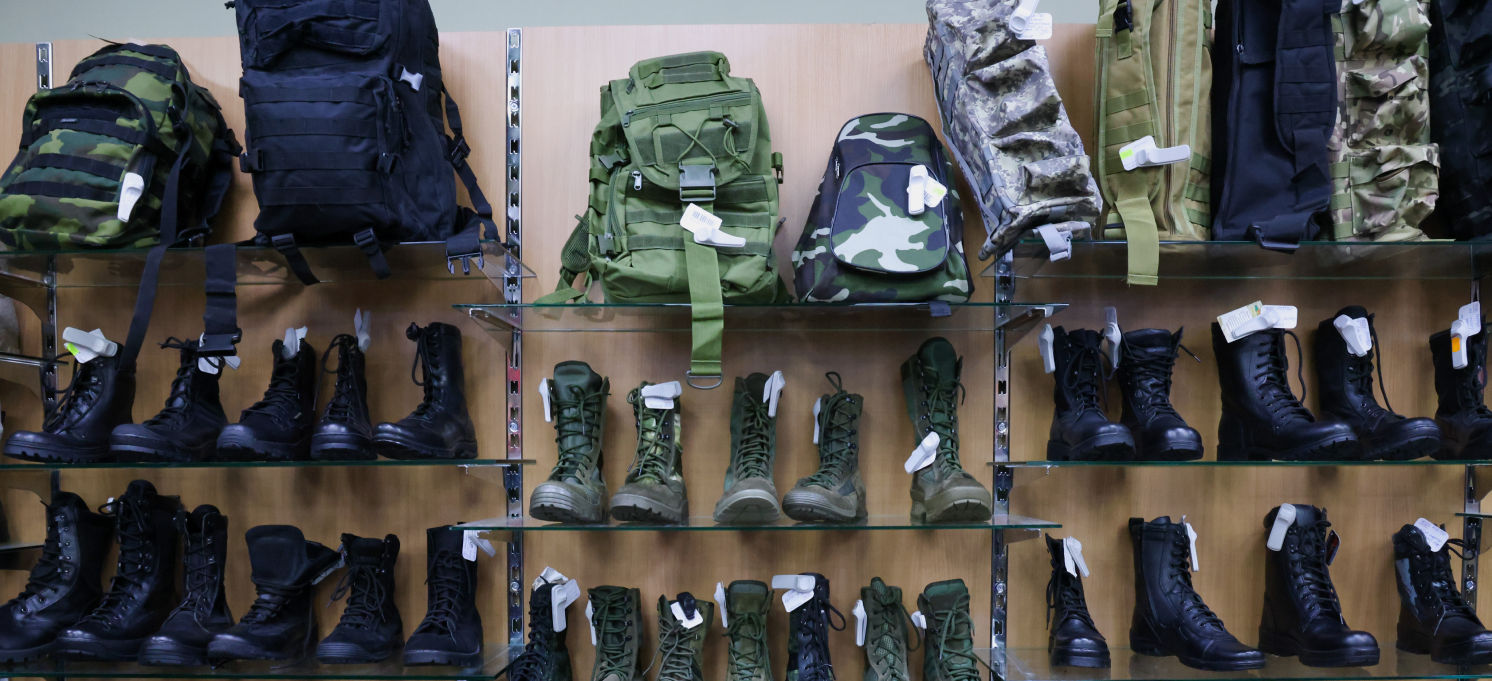
And then in Moscow they decided to assign responsibility for equipping mobilized on governors. Some of them do it well. Others go in a simple way: they send mobilized rubber boots instead of real army boots, poor -quality body armor. There is no standardization, a lot of chaos. The first couple of months, the mobilized should have been poorly in the combat zone. The first groups were sent to the front line almost without support.
By the present point, the mobilized ones have already been trained at the landfills the main tasks of the infantry. By December or January, apparently, some basic rotation system was introduced within the territory of Ukraine or even border regions.
But mobilized are not combat -ready power. They can engage in road testing, solve some logistics, transport problems. They can even participate in some simple offensive actions, but they did not become well-trained soldiers. Their combat potential is much lower compared to experienced soldiers or paratroopers, serving in the army for a long time.
- The second wave of mobilization in Russia is inevitable? What will depend on whether the Russian leadership will decide on it or not? And will the system cope with it? Among other problems, we saw the lack of officers for training mobilized.
- There are two ways [for the Russian authorities]. The first is to do without another large wave, continue to quietly continuously mobilize a small number of people in order to replace the wounded and killed. Or those who have the necessary military specialties. I think this path is preferable to them.
But if they want to go ahead and break through the road through the Ukrainian front, then we can see another wave of mobilization - most likely, in the summer. This is the second way.
As for training. We saw that they were mobilizing sergeants and officers who served in the army in the 1990s. They are old. They know nothing about the new weapons or the change in order in the Russian army. Also, wounded officers from the army are attracted to training. You probably saw a video with one of these. The officer says that his leg refuses: “I do not want to be here. You don't want to be here. But we are here now, and we will try to stay alive. ” This, it seems to me, was surprisingly honest.
But there are other examples when mobilized manifest disrespect for officers. With another wave of mobilization, we will see even more examples of this. Some units will cope, will be united. But then there will be a lot of chaos in others.
- In the first way - without a second wave of mobilization - what can Russia achieve on the battlefield with existing forces?
- If they reasonably use the existing forces, they can reach the boundaries of Donetsk and Lugansk regions so that Putin can make a big speech: “Look, we returned our territories, this is success.” This is a result that is real.
But they may try to concentrate firepower in order to deliver another blow. To do this, you need a certain number of battalion groups with armored vehicles. Where do they get from? Could this be the first Guards Tank Army, which in December was on exercises in Belarus? Could it be the remaining mobilized in Russia, who have been studying something in Russia for four months (in December, Putin stated that 150 thousand mobilized are outside Ukraine.- The Bell )? What are they studying? Do you train on armored vehicles? We do not know all this. And until we see the concentration of units with armored vehicles. There can be no big attack with a breakthrough without this.
I do not think that the Kremlin’s end plans have changed. There are rumors in Russian social networks that now that Gerasimov will return to the army leadership, a larger attack will begin. But it will require much more resources than it is now.
Therefore, it is impossible to exclude that they will declare a new wave of mobilization and simply use soldiers incredibly costly in terms of loss in the way to try to force the situation with a great offensive.
- But in general - how competently does Russia use the human resource? It is known, for example, that at the beginning of the war large losses suffered the Airborne Forces, which were used not in the way these troops are supposed to be used.
- I do not think that people are used tactically competently. They are used as cannon fodder. How did the command react to the soldiers at the beginning of the invasion? They were not even told in advance that they were being taken to war. “I do not respect you to such an extent that you are going to war, before in three days. I don't trust you. " If you treat people like this, you cannot expect that they will give all their strength to complete the task.
How will hostilities go in 2023
- In Russia, at the end of January , the report of your colleagues from Rand was widely discussed, which concluded that according to the results of the war, Russia would most likely retain part of the now occupied territories. Do you agree with them?
- Personally, I do not see the opportunity for the Generation of Zelensky to negotiate with Russia in the current circumstances or go to territorial concessions. But from a military point of view, Ukraine will be very difficult to supplant all Russian troops located on its territory. At some point, both sides may be exhausted and unable to continue hostilities. This will probably end with the fact that the conflict line will temporarily be frozen.
- How effective, in your opinion, was the tactics of massive shelling of the Ukrainian energy system chosen in the fall of Suri in the fall? Did this help Russia prepare for the offensive after autumn defeats?
- Surovikin was the commander of the group of Russia in Ukraine from October to January. At first, his goal was to withdraw all the troops from the right bank of the Dnieper in the Kherson region, because they fell into a trap. Then the troops dug positions, trenches, minefields and occupied defensive positions. They were waiting for mobilization to collect more people to strengthen the front line.
At the same time, attacks on energy infrastructure began. On the one hand, the General Staff can look at this: “We have succeeded, 50% of Kievites are sitting without electricity. We are slowly destroying the energy system. ” But what did they really achieve and could achieve? How could these attacks force Zelensky to negotiations and surrender? Ukrainians showed that they can repair damaged power plants, Western countries supply them with equipment. Attacks brought a unanimous effect, but for a long time it did not last.
It seems to me that there was no direct coordination between the defensive actions of the army and the bombing of the energy infrastructure. We do not know at all whether this was the idea of Surovikin - perhaps the General Staff was responsible for attacks at the power plant. But, be that as it may, when Surovikina was removed, everything changed. Now, it seems, the troops have been instructed to move forward on Earth. In my opinion, this suggests that President Putin did not like to sit on the defense. He wants to go forward.
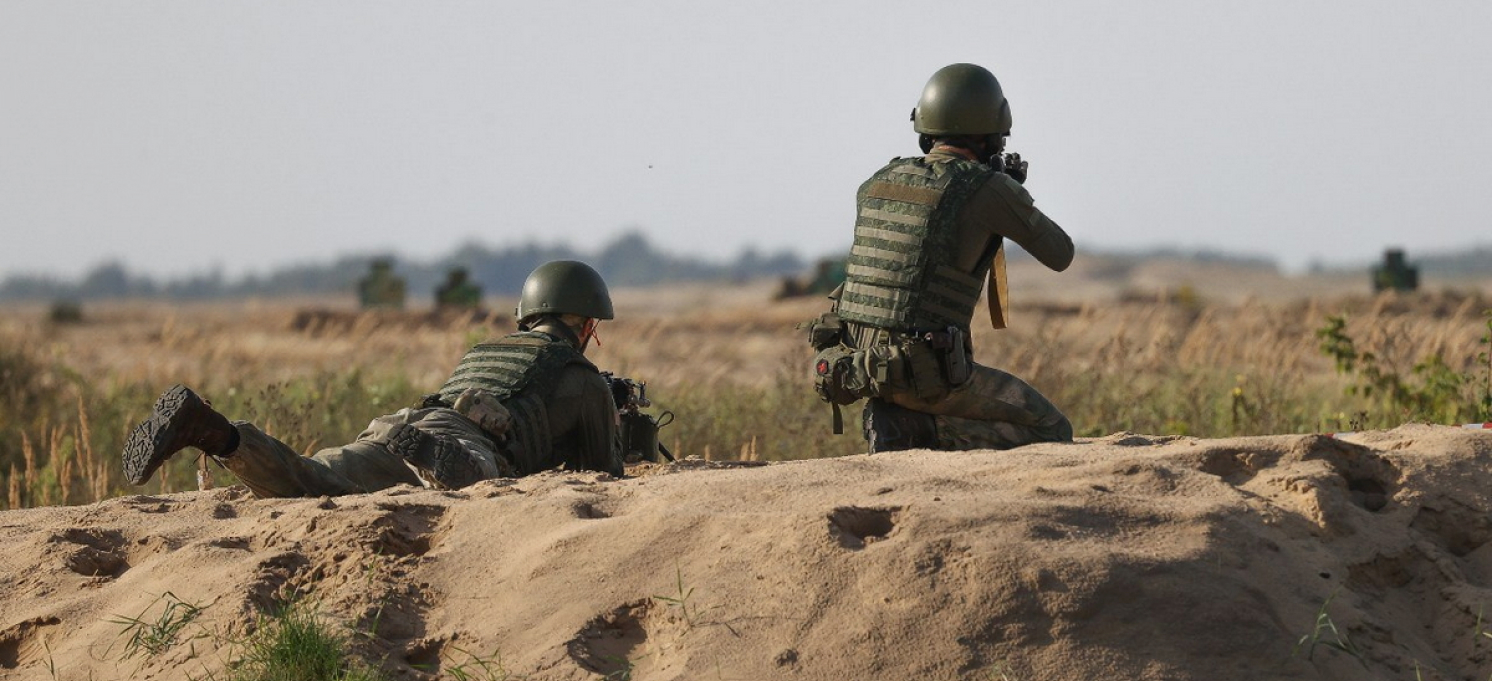
- It seems that now both sides are preparing for offensive operations. Are they both ready for the offensive in the foreseeable future, in the coming weeks or months? Where can these operations begin?
- The head of the General Staff Valery Gerasimov returned to the command of the Russian troops. Now Russia is activated. In some areas, they advance by human waves. We see something like the first stage of the offensive-they connect Ukrainian forces in several places so that they can not leave positions or concentrate. But there is no information about whether the Armed Forces of the Russian Federation will concentrate somewhere in the Russian Federation for a breakthrough.
There is also little information about the plans of the Ukrainian side. But in the past, they achieved the greatest successes, counterattacking after Russian attempts at the offensive. Так им удалось найти самое слабое место на российской линии фронта, в Харьковской области. Боевой дух с российской стороны фронта по-прежнему очень низок. Но сейчас российская линия фронта намного плотнее. Там больше мин. Украинцам будет очень тяжело.
Есть также вопрос обеспечения ВСУ. Запас артиллерийских снарядов и другого важного оружия, которое Украине предоставляет Запад, не бесконечен. Сейчас в США пытаются увеличить производство артиллерийских снарядов, но пик будет достигнут, может быть, через два года. This is a long time. Так что, к сожалению, истощение боеприпасов может сыграть свою роль. Но я не знаю, когда момент истощения наступит.
У России тоже есть некоторый дефицит артиллерийских снарядов, но российский ОПК все же работает. Я думаю, что Россия считает, что в долгосрочной перспективе она находится в неплохой позиции. При этом мы точно не знаем, как обстоят дела со всем вооружением, которое находится на хранении. До войны у России на хранении были тысячи танков и других единиц бронетехники, но не все они в рабочем состоянии.
У обеих сторон будет достаточно сложностей с возможным наступлением, хотя обе к нему стремятся. Но я бы предположила, что Россия с большей вероятностью начнет первой.
— Что вы думаете об эффективности и роли «ЧВК Вагнер» в наступательных действиях? Как вы думаете, их роль на поле боя будет расти?
— Российские военные нуждались в «Вагнере» летом, потому что у них были серьезные кадровые проблемы. «Вагнер» был нужен, чтобы заткнуть дыры в линии фронта и поучаствовать в отдельных операциях. И «Вагнер» это сделал.
Потом «Вагнер» начал набирать заключенных, и там стало два класса бойцов. Первый — профессионалы: бывшие военные, спецназовцы и др. Второй — заключенные и добровольцы без опыта. Так что даже внутри «Вагнера» есть напряжение.
Но и между «Вагнером» и военными есть трения, и они нарастают. Мобилизация решила многие кадровые проблемы армии, и ей уже не нужен «Вагнер» в такой степени, как летом. В последние недели мы видели сообщения украинцев о том, что процент бойцов «Вагнера» в районе Бахмута снижается, а регулярные российские войска начинают превосходить там «Вагнер» по численности.
Мне кажется (и я этим была удивлена), что Пригожин сделал большую ошибку, когда начал критиковать Шойгу и Герасимова слишком резко и позволил это бойцам «Вагнера». Теперь Шойгу и Герасимов пытаются Пригожина маргинализировать.Так что я думаю, что роль «Вагнера» будет уменьшаться.
Еще одна большая ошибка, которую допустил Пригожин, заключалась в том, что он говорил, что именно его силы ответственны за успехи в Соледаре, Бахмуте, а не российские военные. И тут же Минобороны вышло и говорит: «Нет, это армия, мы ответственны».
Боится ли Запад российских «красных линий» и ядерных угроз
— Российские руководители и дипломаты постоянно говорят о «красных линиях», которые Запад не должен переступать. Но прямых ответов на решения Запада на поставки новых вооружений в Украину Россия не дает. В результате сейчас это выражение не воспринимается всерьез. Как вы думаете, «красные линии» действительно существуют?
— Да, я верю, что они существуют. Но об этом нужно думать так, как об этом будет думать российский Генеральный штаб. Рекомендации по ответу на поставки вооружений дают военные. Так что все зависит от того, как они рассматривают угрозы. Это математика: они оценивают боевой потенциал разных видов оружия.
Например, поставки 100 «Леопардов» принципиально не повышают боеспособность украинских вооруженных сил до такой степени, чтобы это стало своего рода «красной линией» для россиян. Это просто нелепо, чтобы российские власти так об этом думали. Путин после этого заявил: «Есть разные способы, как ответить на поставки западных танков». Многие подумали, что это отсылка к ядерному оружию. Может быть, это она и была, я не знаю. И в «красные линии» тоже верю. Но уверена, что поставка этих танков даже близко к ним не подходит.
— Что произойдет, если Запад все-таки перейдет эти «красные линии»?
— Мои представления о «красных линиях» России и о том, что с ее точки зрения является эскалацией, а что нет, меняются на ходу. Например, украинцы нанесли удар по авиабазе стратегической авиации в Энгельсе, уничтожили бомбардировщик. Но ответа не последовало — реакция России заключалась в том, чтобы преуменьшить значимость этой атаки, а одновременно усилить противовоздушную оборону.
В то же время этот удар был нанесен украинским, не американским оружием. Мы не можем быть уверены, что ответ России будет таким же, если такой же удар будет нанесен оружием, предоставленным США.
Как бы то ни было, я знаю, как выглядит начало обострения — и мы не находимся в этой точке. Мы не видели никаких признаков активизации российских кибератак за пределами Украины, попыток создания помех в работе спутниковых группировок. Россия очень, очень тщательно следит за тем, чтобы не задеть НАТО. И я думаю, что они не хотят этого, потому что для России это сильно осложнит ситуацию.
— Как вы думаете, Запад боится российских ядерных угроз?
— Я думаю, на фоне это опасение всегда есть. Но на Западе растет понимание того, что риторика — это одно, а реальные действия, которые бы показывали, что Россия всерьез настроена на ядерную эскалацию, — это другое. So far, these are only words. Но я по-прежнему думаю, что озабоченность по поводу ядерной эскалации занимает центральное место в подходе Запада к войне в Украине. Во всяком случае, это мое впечатление.
Надо учитывать, что Россия понесла серьезные потери только в сухопутных войсках. ВВС все еще в значительной степени целы, российский флот цел, ядерное оружие тоже. С российским ПВО все в порядке. У меня нет ощущения, что с теми силами, что у России остались, она считает себя уязвимой.
Я думаю, российские власти и командование все еще верят в свою военную доктрину — по крайней мере в отношении ядерного оружия. Перед Россией не стоит вопроса о выживании нации. Украина не может сделать ничего такого, что перешагнуло бы порог применения Россией ядерного оружия. У Украины нет ядерного оружия. Украина не может нанести массированный удар по России конвенциональным вооружением — у них нет такой возможности. Я стараюсь оставаться реалистом.
Но это ответ с военной точки зрения. А есть ответ с точки зрения политики — и он может быть другим. Президент Путин очень много вложил в эту войну. Если он посчитает, что ему грозит неконтролируемое поражение, составляющее угрозу для него лично, я боюсь, что мы попадем в очень опасное положение. Но пока я не вижу, как ситуация может дойти до такого. Для этого фронт со стороны России должен полностью рухнуть, а российская армия — перестать сражаться. Чтобы это случилось, должны произойти какие-то экстремальные события.
Политическая сторона вопроса вызывает беспокойство еще и потому, что я сомневаюсь в том, что Герасимов и другие адекватно доносят до Путина плохие новости. В феврале прошлого года они согласились на очень плохой план вторжения. Я помню, как смотрела на планы вторжения, когда они еще обсуждались в западных СМИ, и думала: это просто бессмысленно, неужели они думают, что они просто сменят политическое руководство, а воевать будет не нужно, как в Крыму? В общем, я не думаю, что Герасимов и другие будут противиться очередному плохому приказу.
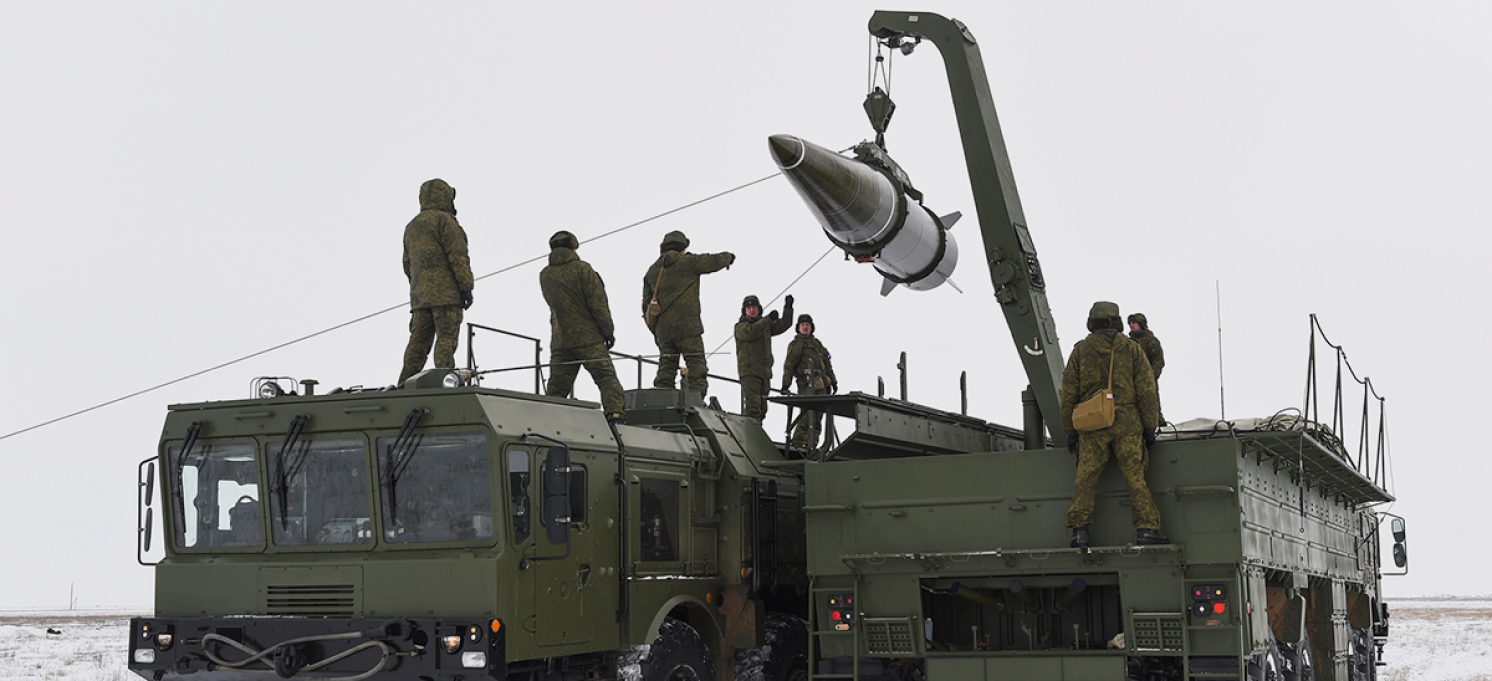
— Главной ошибкой России при планировании вторжения было предположение, что внутри Украины много людей, готовых сотрудничать с Россией, и русской армии будут рады?
— Было много ошибок, которые вместе привели к такому результату. Например, предположение российской разведки, что можно будет убить Зеленского. Что у России есть сотни людей по всей Украине, которые готовы быть мэрами или местными руководителями. Хотя некоторые были готовы: украинцы арестовали, кажется, 700 коллаборационистов.
Перед началом войны ФСБ провела опрос, который показал, что лишь небольшой процент людей в Украине готов дать отпор. Но другой опрос показал , что 84% украинцев рассматривают россиян в своей стране как оккупантов. И ФСБ проигнорировала этот опрос, потому что его результаты оказались неудобными.
Была проблема с разведкой, но также была проблема и с военным руководством, которое участвовало в разработке плана вторжения. Если кто-то и вмешивался в него — Кремль или спецслужбы — то армейское руководство недостаточно сопротивлялось. Оно не сказало: «Вы слишком многого требуете от армии».
Российская армия не была предназначена для ведения такой войны. 15 лет назад [начальник Генштаба] Макаров и [министр обороны] Сердюков осознанно решили: «Нам не нужна советская армия, создававшаяся для крупномасштабной наземной войны. Мы разделим ее, сделаем что-то другое». Но теперь армия оказалась перед необходимостью вести именно такую войну, и это создало в ней множество структурных проблем. Начиная с того, что в армии не было достаточно людей, нужных для такой войны. Танки, БТР или БМП были отправлены без их полных экипажей.
— Как ход этой войны изменил восприятие России как военной силы, «второй армии мира», на Западе среди военных специалистов?
— Нет единого набора представлений о российской армии. Некоторые и до начала вторжения думали, что российская армия слаба и коррумпированна. Они получили подтверждение того, во что верили.
Есть и другая группа экспертов, которая считает, что российская армия более боеспособна, но в начале ее плохо использовали, что нивелировало все ее сильные стороны. Это не значит, что оружие было недостаточно мощным — его использовали не по назначению. А потом Россия столкнулась с действительно разгневанными украинцами, которых Запад поддержал оружием и данными разведки.
При этом я думаю, что обе эти группы совпадают в одном: мы недооценивали, насколько коррупция и развал разными способами проникли на все уровни и во все аспекты деятельности армии. На примере этой войны мы могли наблюдать этот эффект в реальном времени. Плохое обслуживание техники, низкий уровень подготовки личного состава, нехватка сержантов и младших офицеров — все это вещи, которые можно скрывать в мирное время, но они сразу явственно проявляются в военное. Кроме того, эта война доказала важность оценки нематериальных аспектов военной силы. Как были организованы взаимоотношения в командной цепочке? Могли ли люди доносить до командования плохие новости, зная, что им ничего за это не будет? Такого рода факторы оказались очень важны. Военные аналитики, в том числе те, кто занимается Китаем или Ираном, должны учесть это на будущее.
А что касается «второй армии мира» — сообщество экспертов, к которому я принадлежу, потратило много времени на изучение российских вооруженных сил, но никто из нас никогда не называл их «второй армией мира». Я не знаю, откуда это взялось. Мне кажется, люди это просто придумали, чтобы было за что критиковать экспертов.
— Как вы думаете, как эта война изменит западные армии?
— Швеция и Финляндия вступают в НАТО. Произошедшее заставило их почувствовать ценность коллективной обороны.
Возможности России, по крайней мере в части сухопутной армии, значительно подорваны. России потребуется много времени, чтобы восстановить их. Так что в каком-то смысле у западных армий есть период времени, когда они могут внедрить изменения, которые посчитают нужным. Пока трудно сказать, что это будут за изменения: более крупные инвестиции в сухопутные войска или в противовоздушную оборону.
С одной стороны, мы поняли, что российская армия не так сильна, как представлялась. С другой стороны, мы поняли, что у России есть агрессивные намерения, и она готова применить силу для достижения результатов. А мы должны быть готовы к этому. Я пока не знаю, как эти две идеи будут сочетаться.