
Translated material
We were left without the past
The Dnieper is called the "outpost of Ukraine." How the city survived the first year of full -scale war - in the report of The Beet
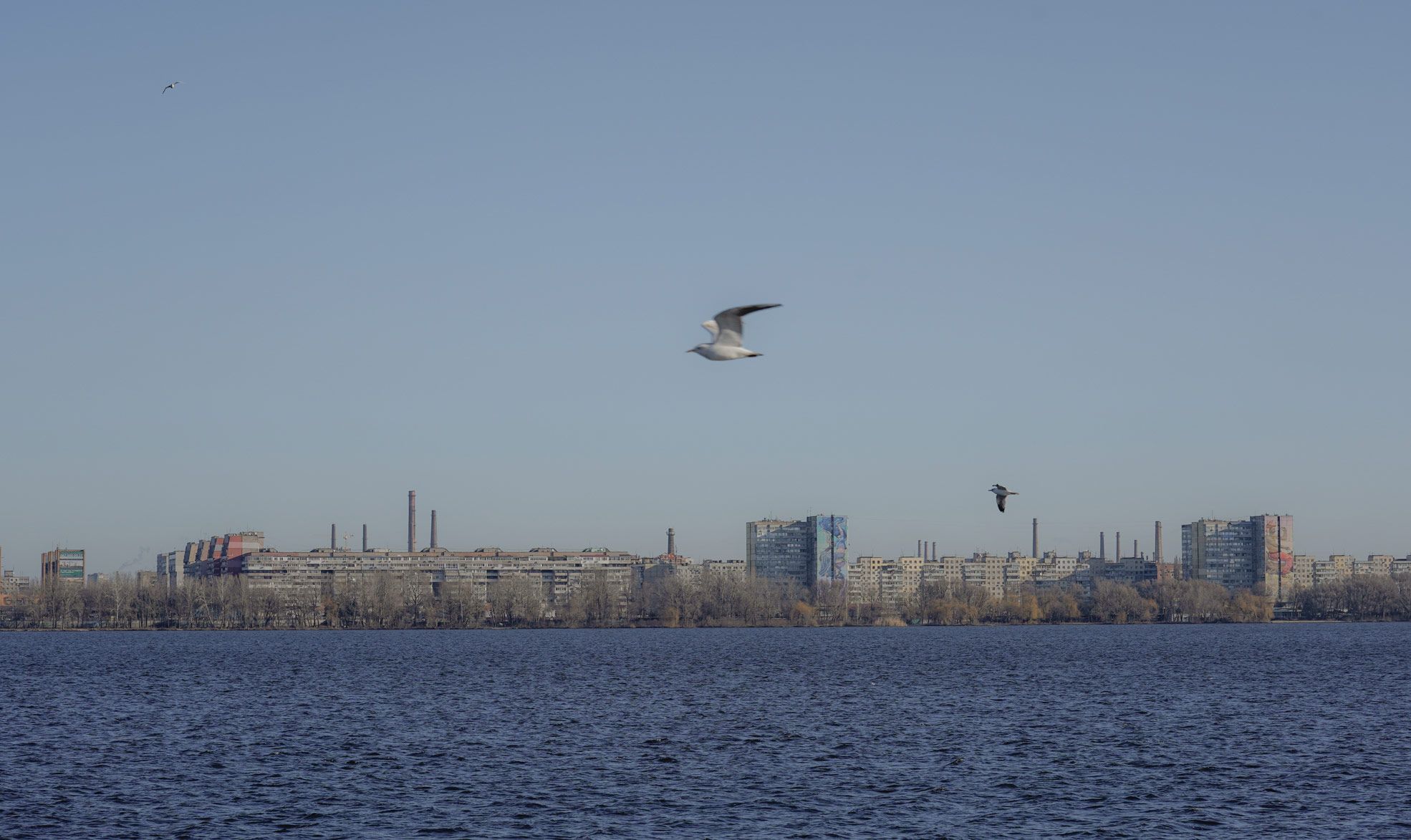
One of the consequences of the full -scale invasion of Russia to Ukraine - millions of Ukrainians had to leave their homes. More than 8 million people left the country and became refugees, another 5.3 million became internally displaced faces . At least 153 thousand of them found refuge in the Dnieper, a city in which a Russian missile blow destroyed a nine -story building a little more than a month ago - then 46 people were killed, hundreds were left without a roof over his head. Journalist Aliida Nilor at The Beet went to the Dnieper to find out how the “outpost of Ukraine” and people in it survived the first year of the war.
This report is written specifically for the English -language newsletter "Medusa" The Beet. Every Thursday, The Beet subscribers receive one material exploring a large region from Budapest to Bishkek. You can subscribe to The Beet on this page or in form at the end of the material.
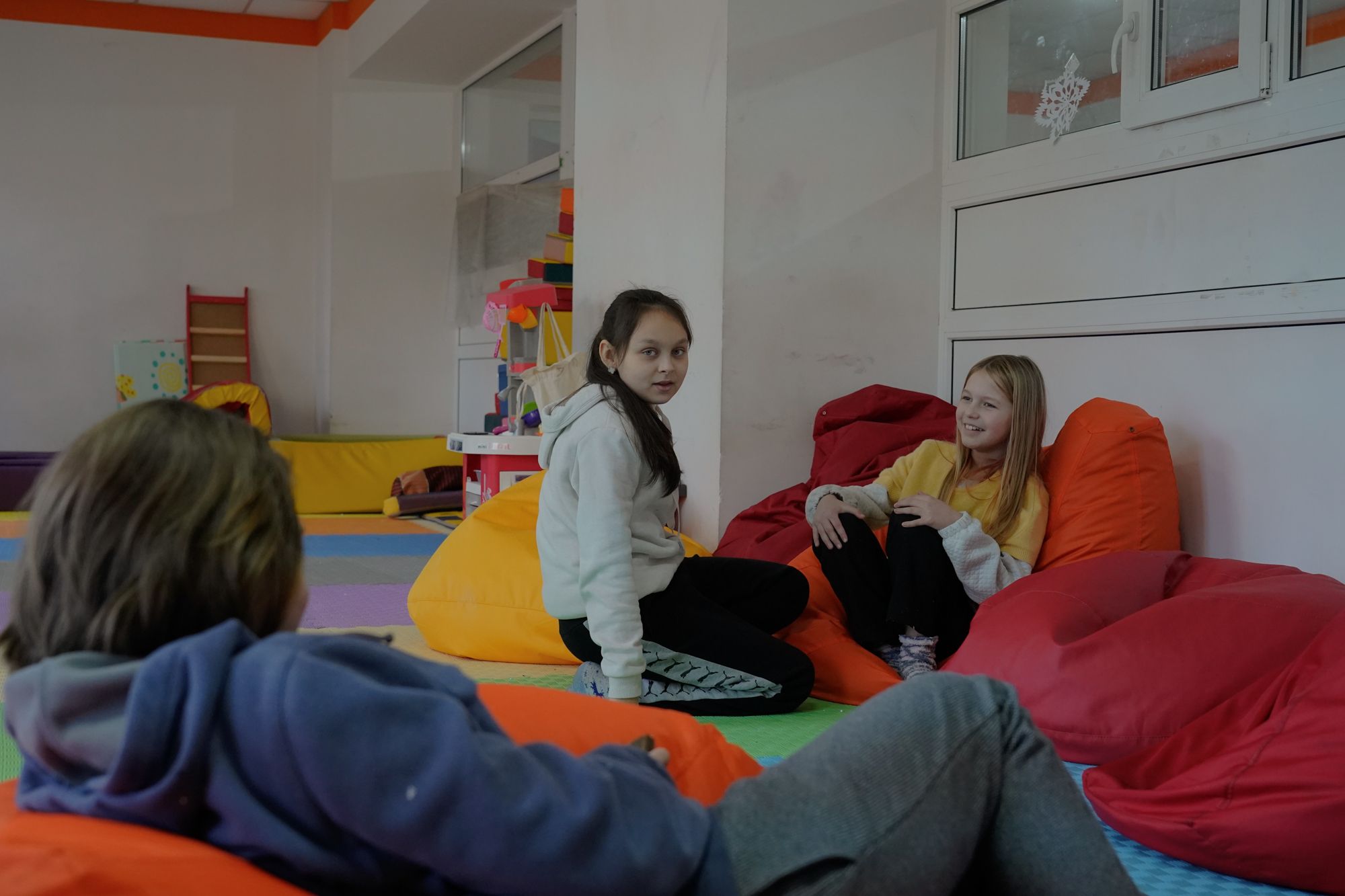
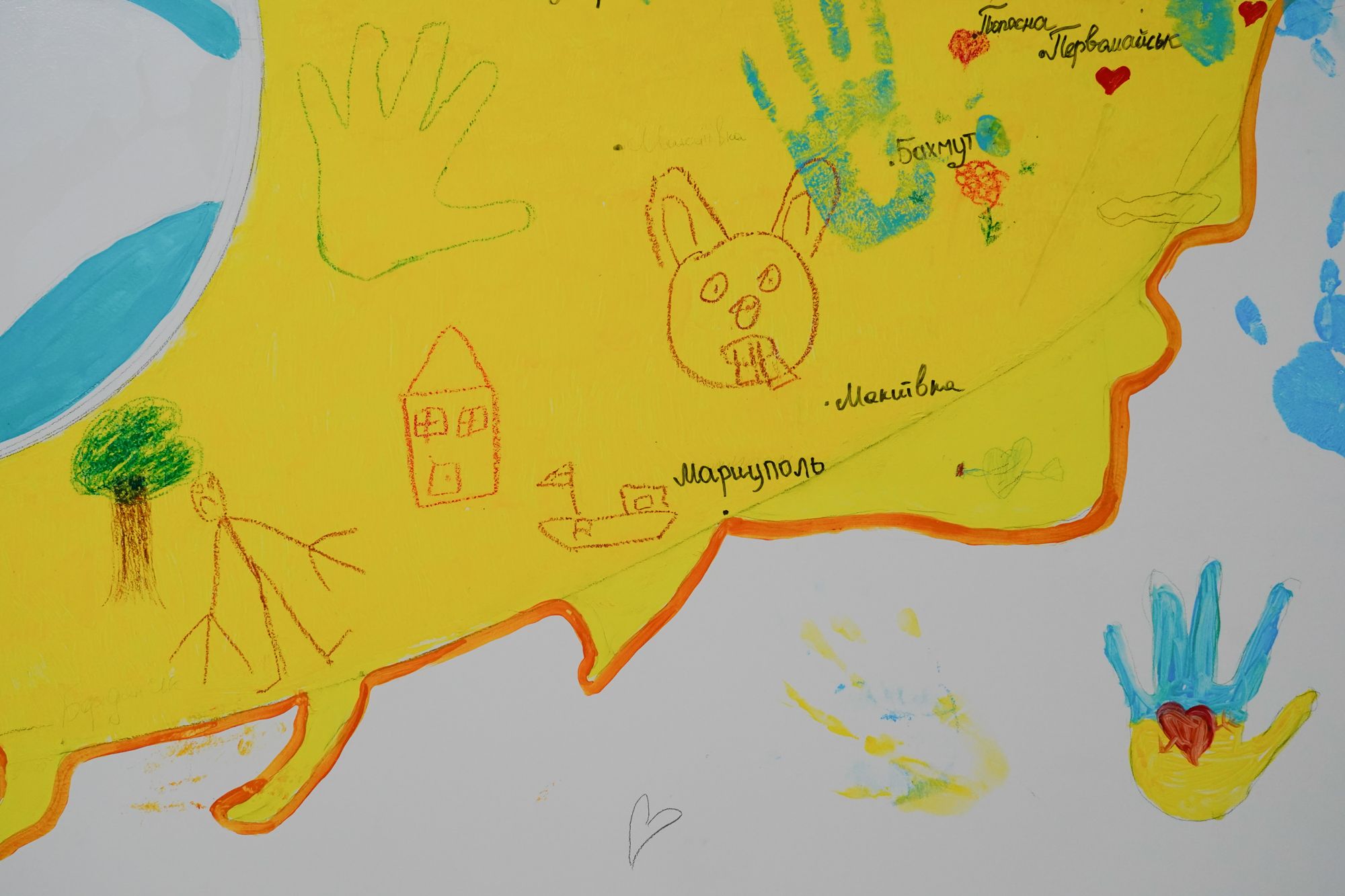
The Dnieper Metallurgical Plant was once a giant of Soviet industry. Founded at the end of the 19th century, it was nationalized after the power of the Bolsheviks was established in the Dnieper. The basement of the old building of the clinic, standing in the plant, is still littered with cannedes of the eighties and red-orange Soviet posters. But at the top of the walls are covered with tiny yellow-blue imprints of the palms of children from Mariupol, Donetsk, Melitopol and other cities of Ukraine, which ended up in the combat zone. Children frolic in the gaming zone with foaming, while their parents are trying not to go crazy from the scale of their losses.
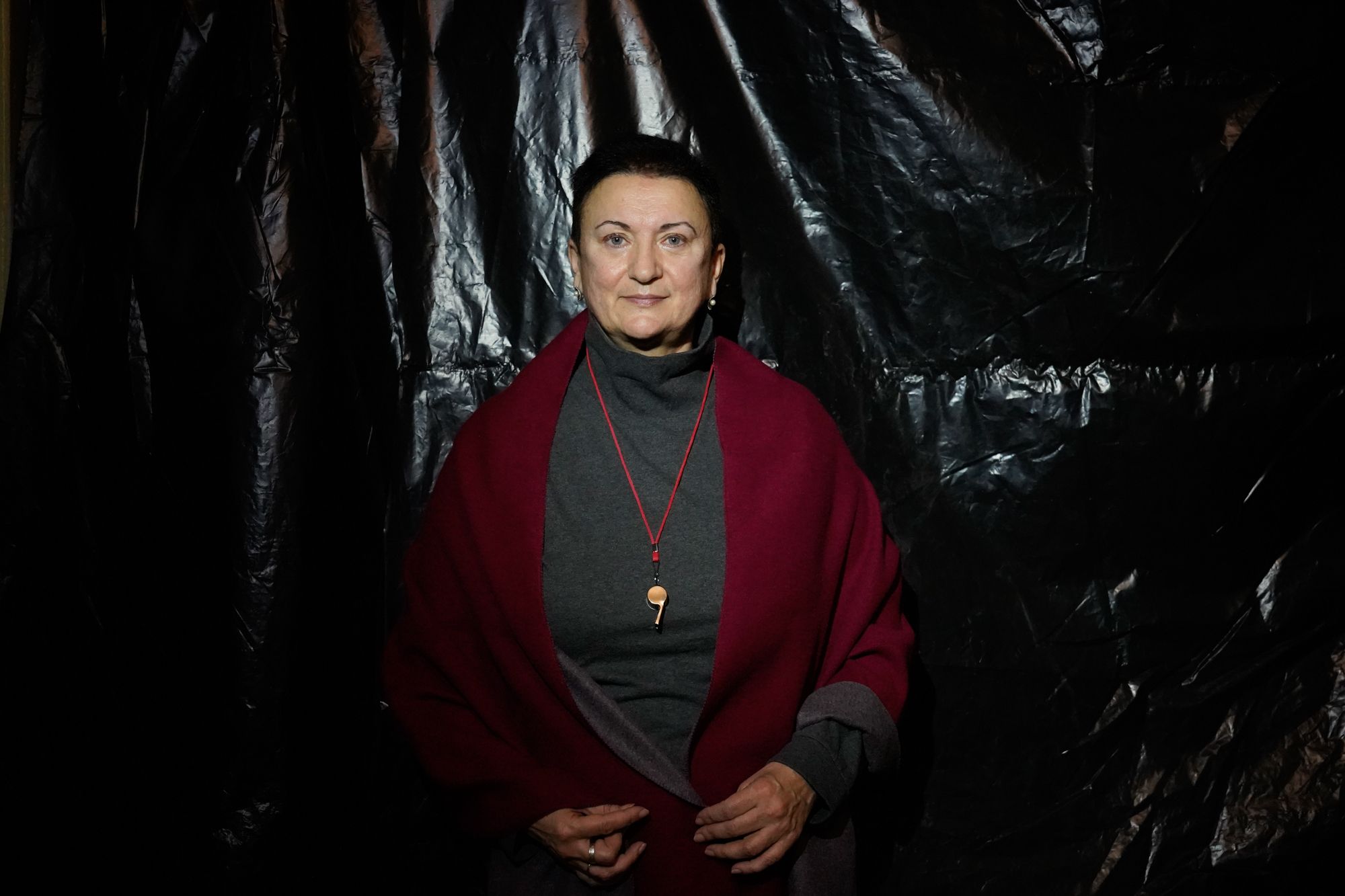
“We were left without the past,” says 62-year-old Rimma Doroshev from the north of Donetsk, who knit woolen socks for soldiers on the front line. Her children live in Israel. She left the house in March, leaving valuable memories in it. “Photos of children, our photos, photos of parents, graves of our parents on the other side. Now everything is unknown. "
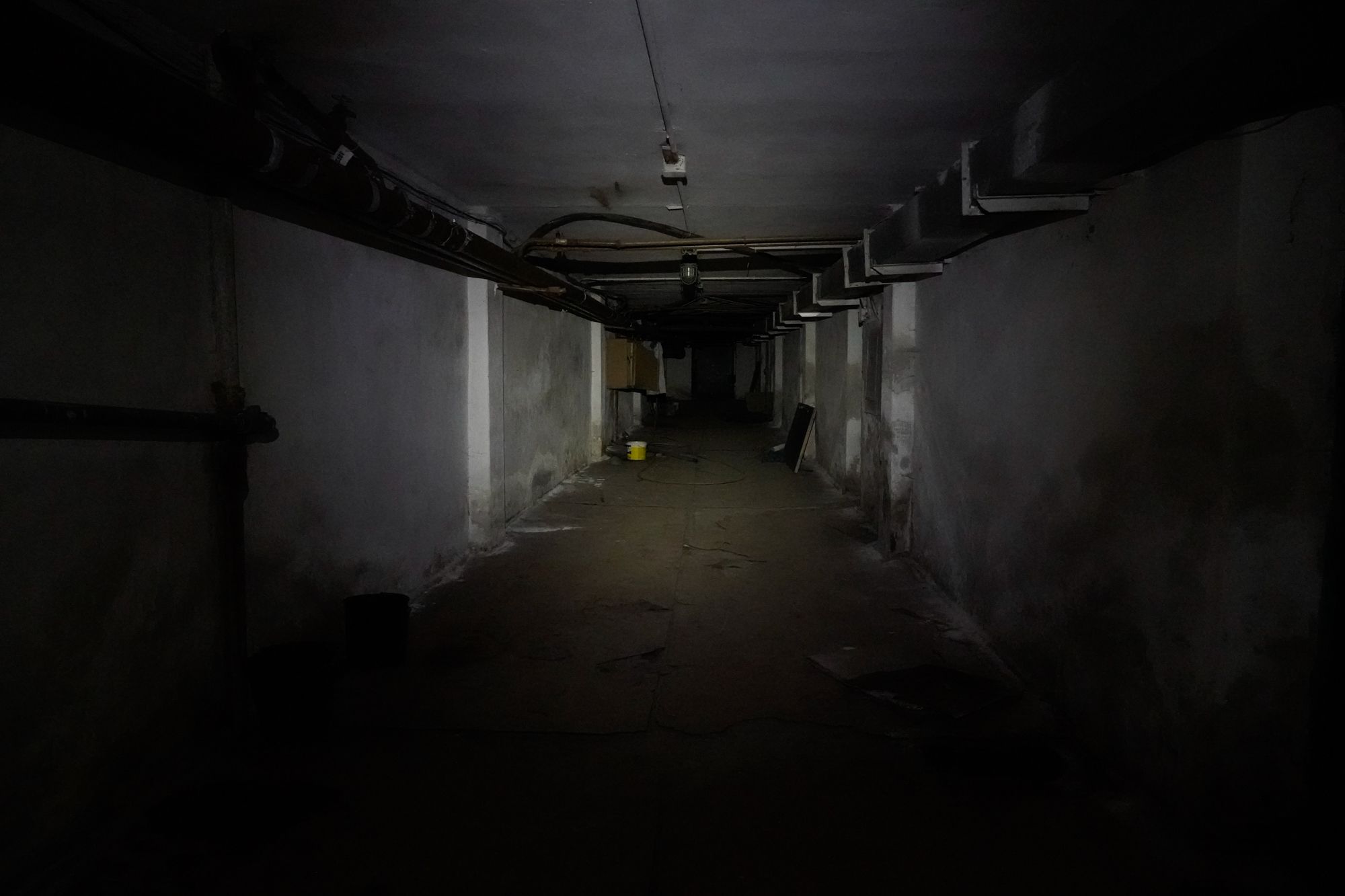
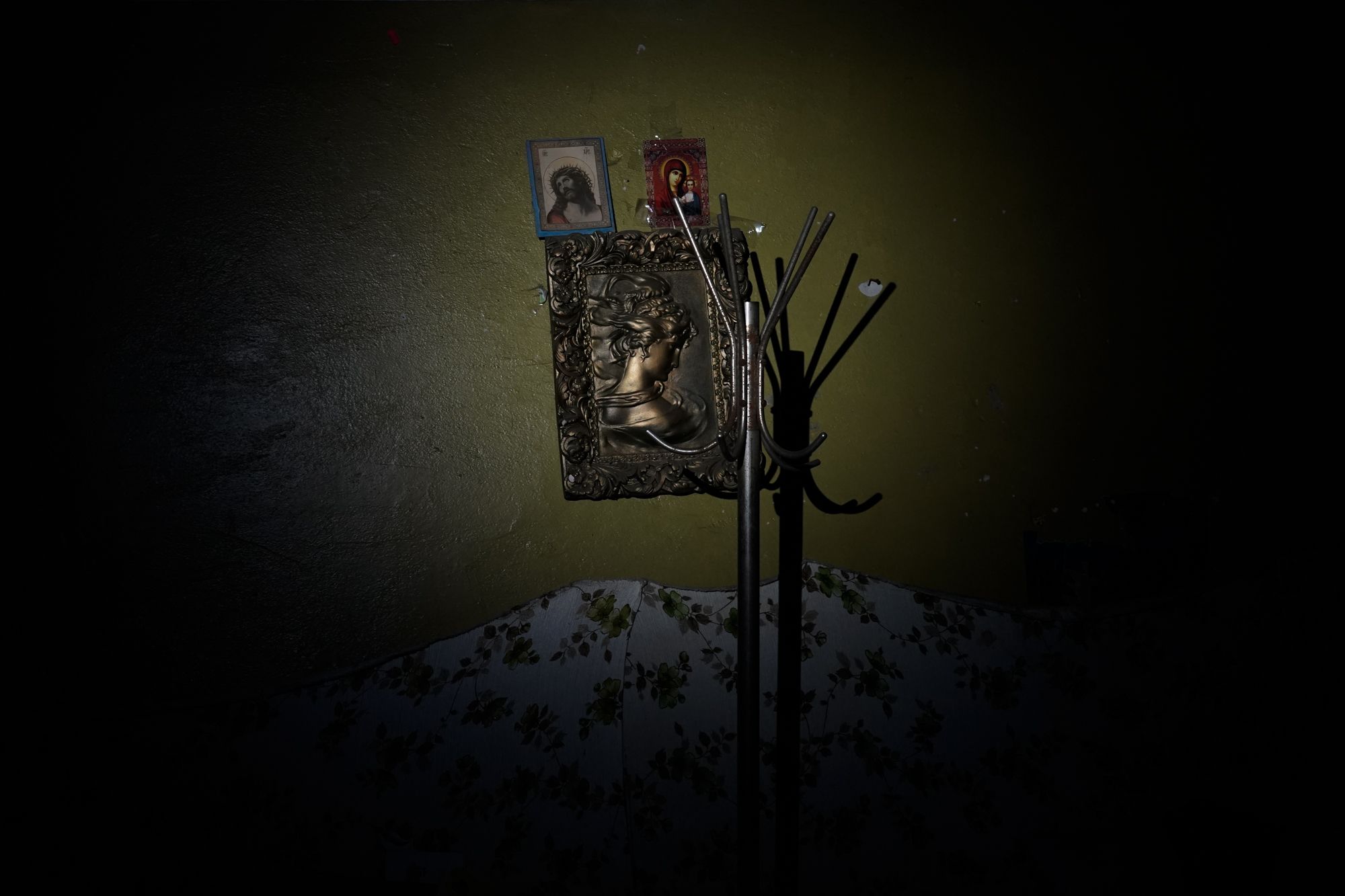
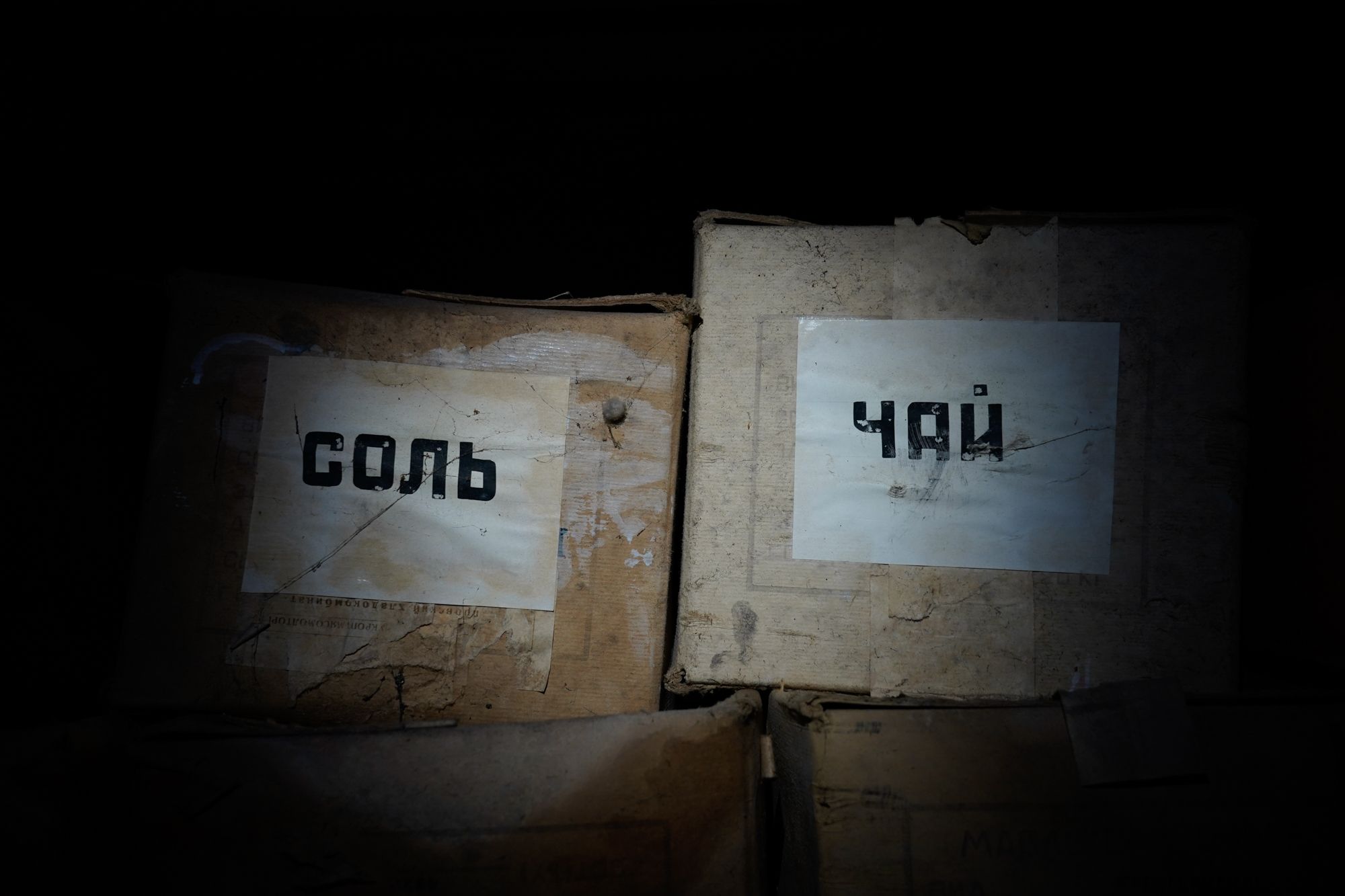
More photos from shelter
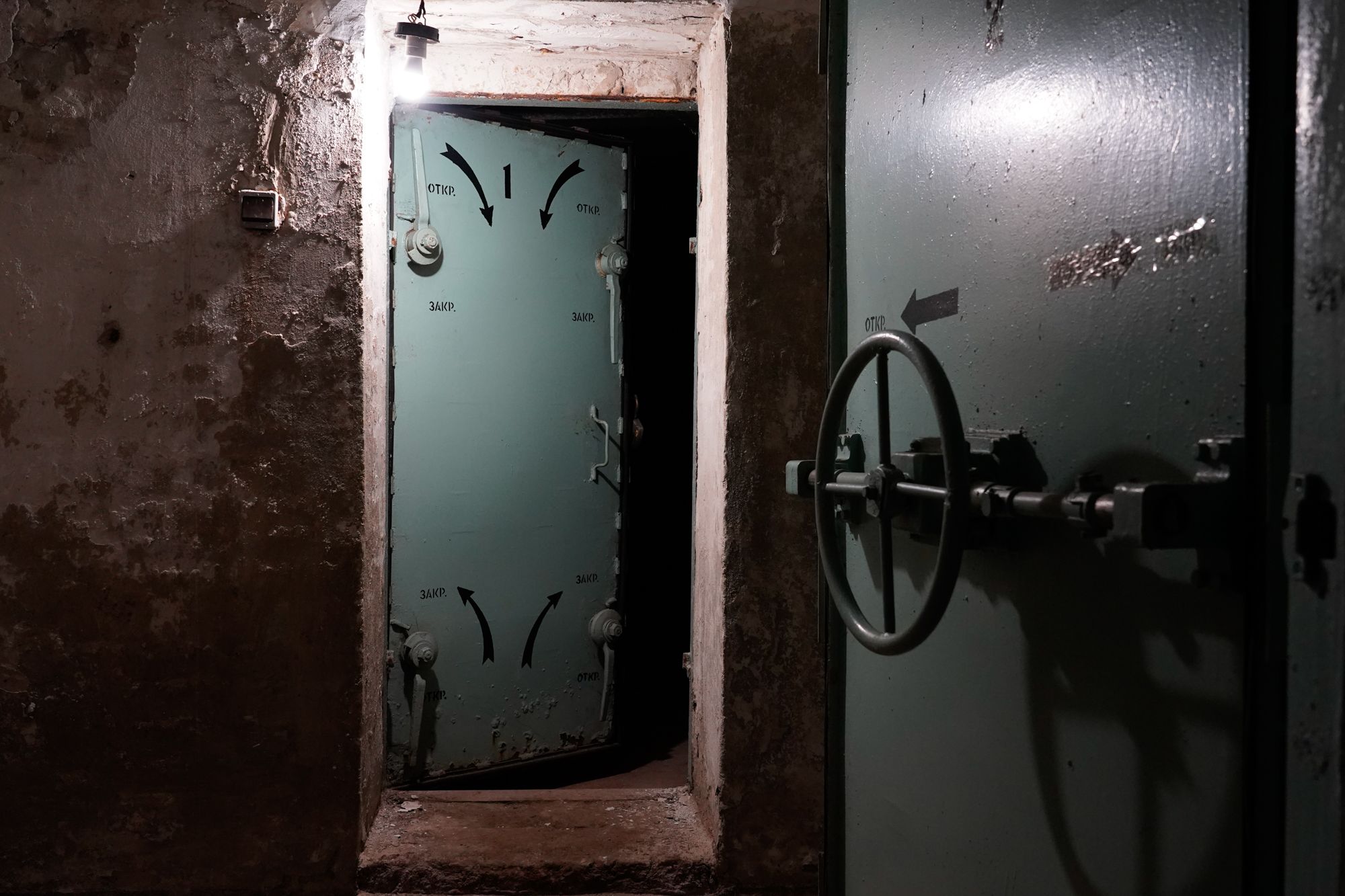
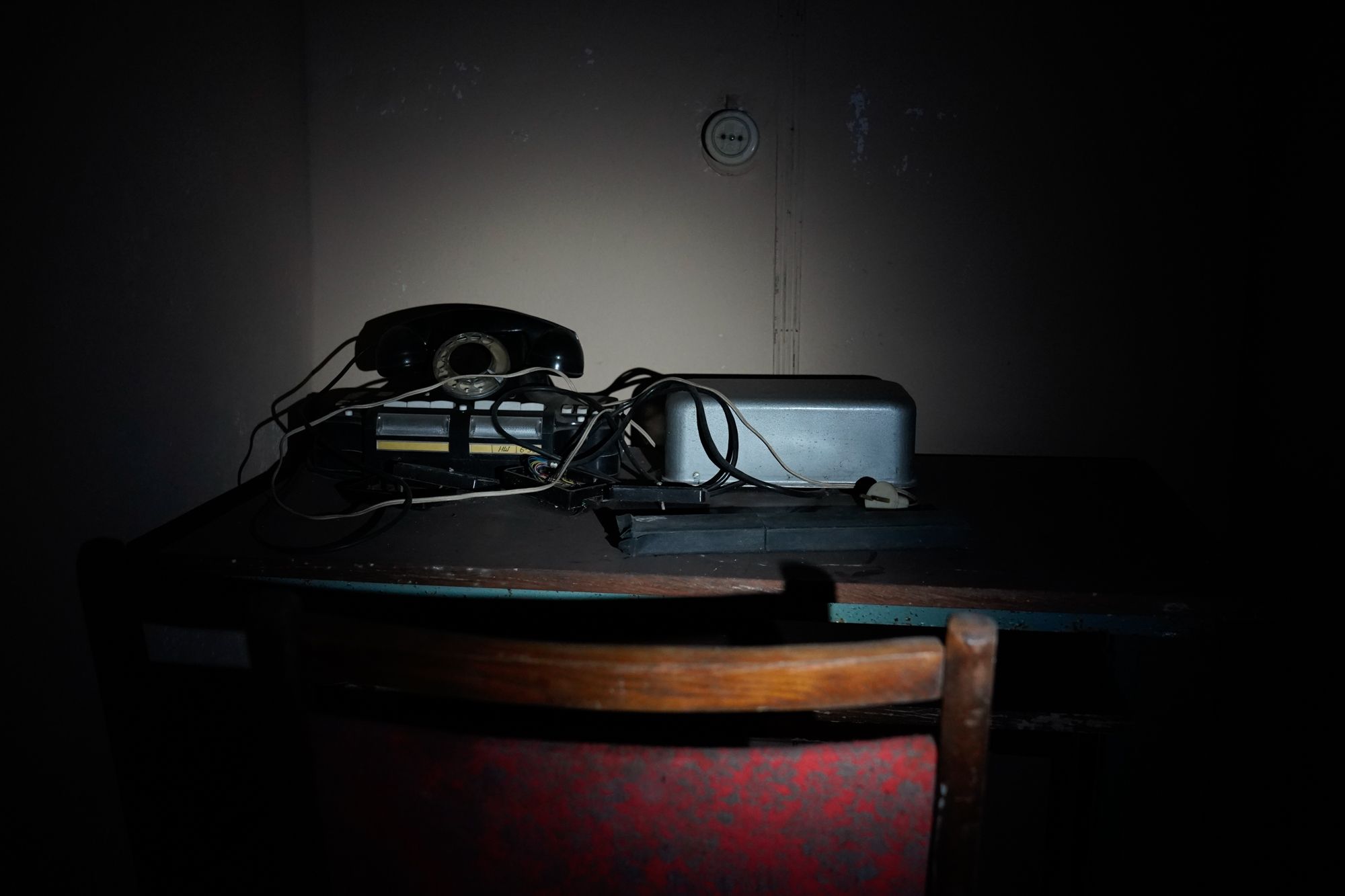
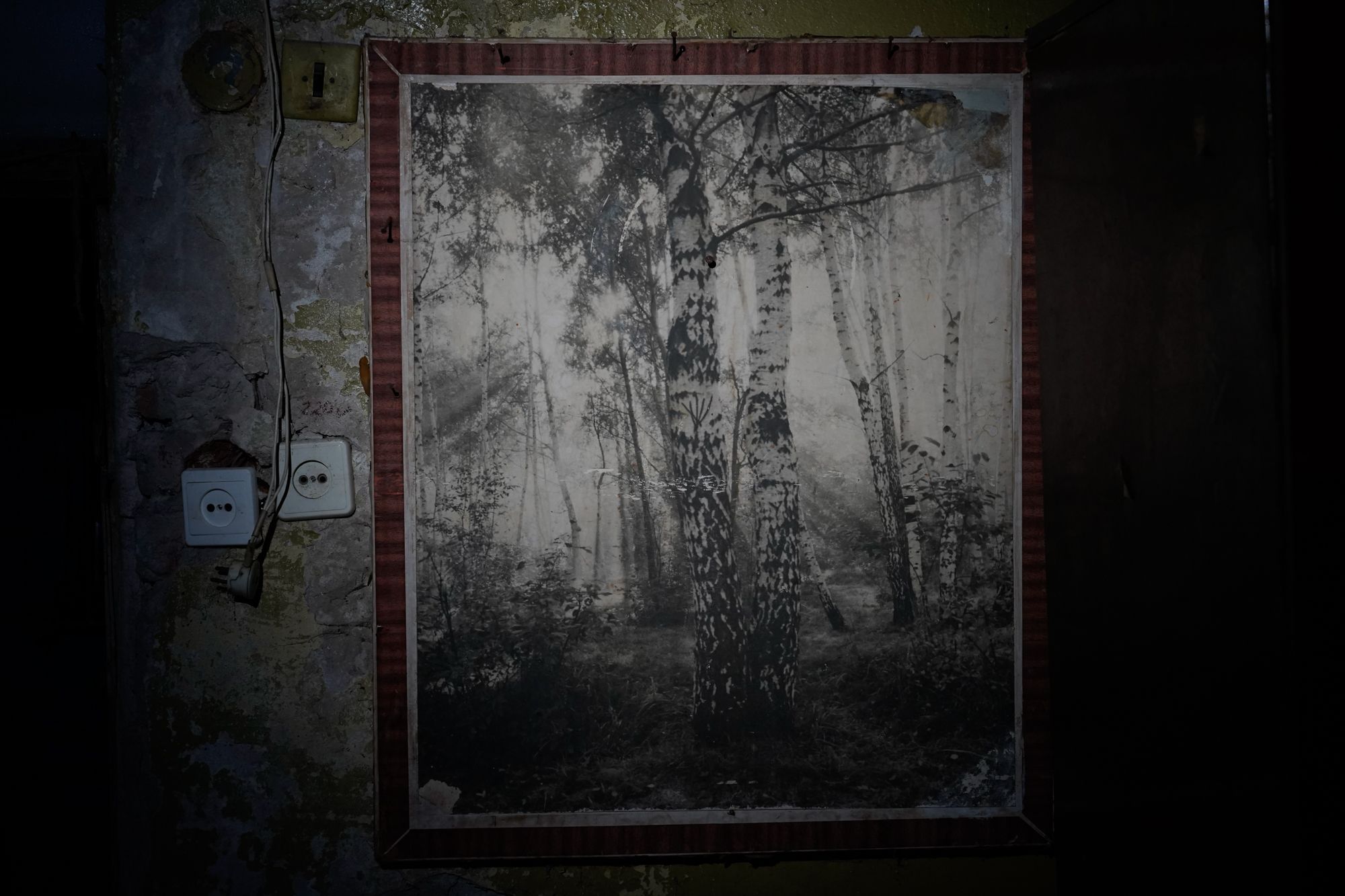
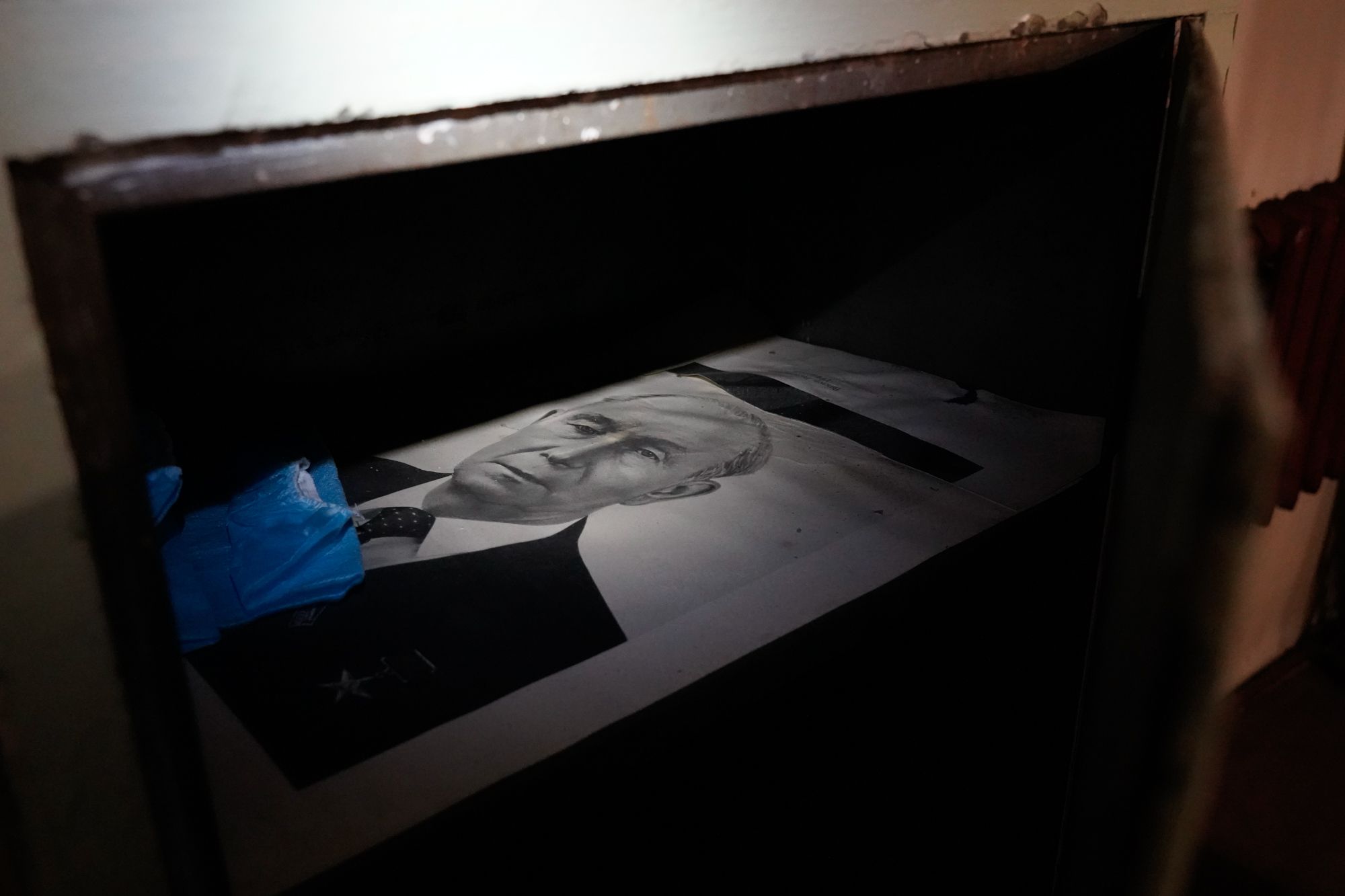
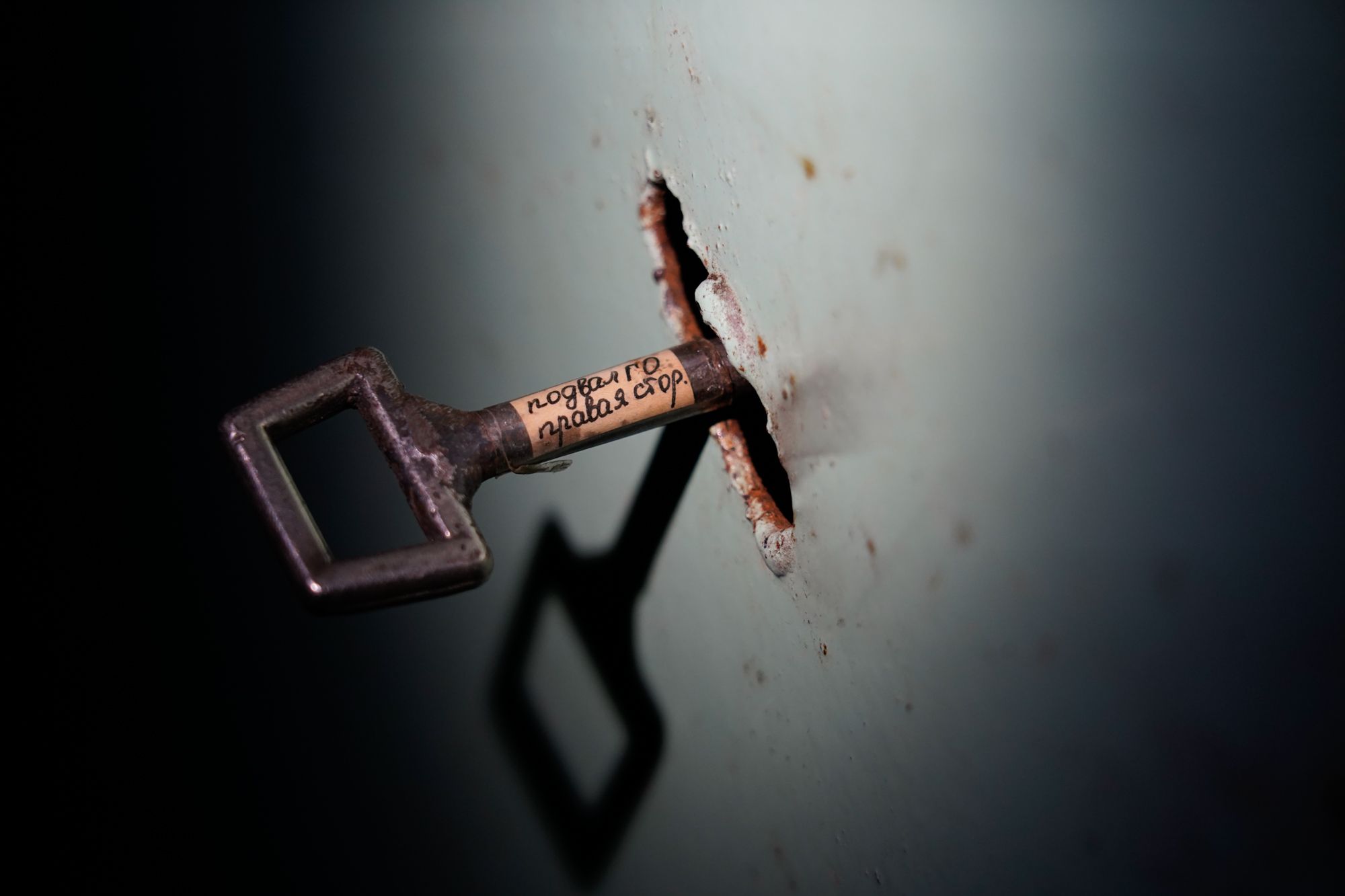
“Tanya’s house has completely burned down,” Dorosheva continues, pointing to a woman nearby. - Direct hit, right before her eyes. She stood and watched how the house was burning, which she and her husband built all her life. " Dorosheva is trying to call Tanya, but she hastily leaves. “She is constantly crying,” says Dorosheva.
The Dnieper, in which about a million people lived before the war, has become a place for gathering people evacuated from cities affected by war: Mariupol, Kherson, Kharkov and Donetsk are within 320-kilometer radius. The building of the clinic at the Dnieper Metallurgical Plant has become one of the facilities (also, for example, schools), which were converted to receive refugees. The vast majority of 150 people living in Shelter in the enterprise are women, Anna Datsenko and Lena Lagoda, the organizer of the events and the project manager in Shelter, respectively, say. “70% are women and children,” says Lagoda. “Men from 20 to 30%.”
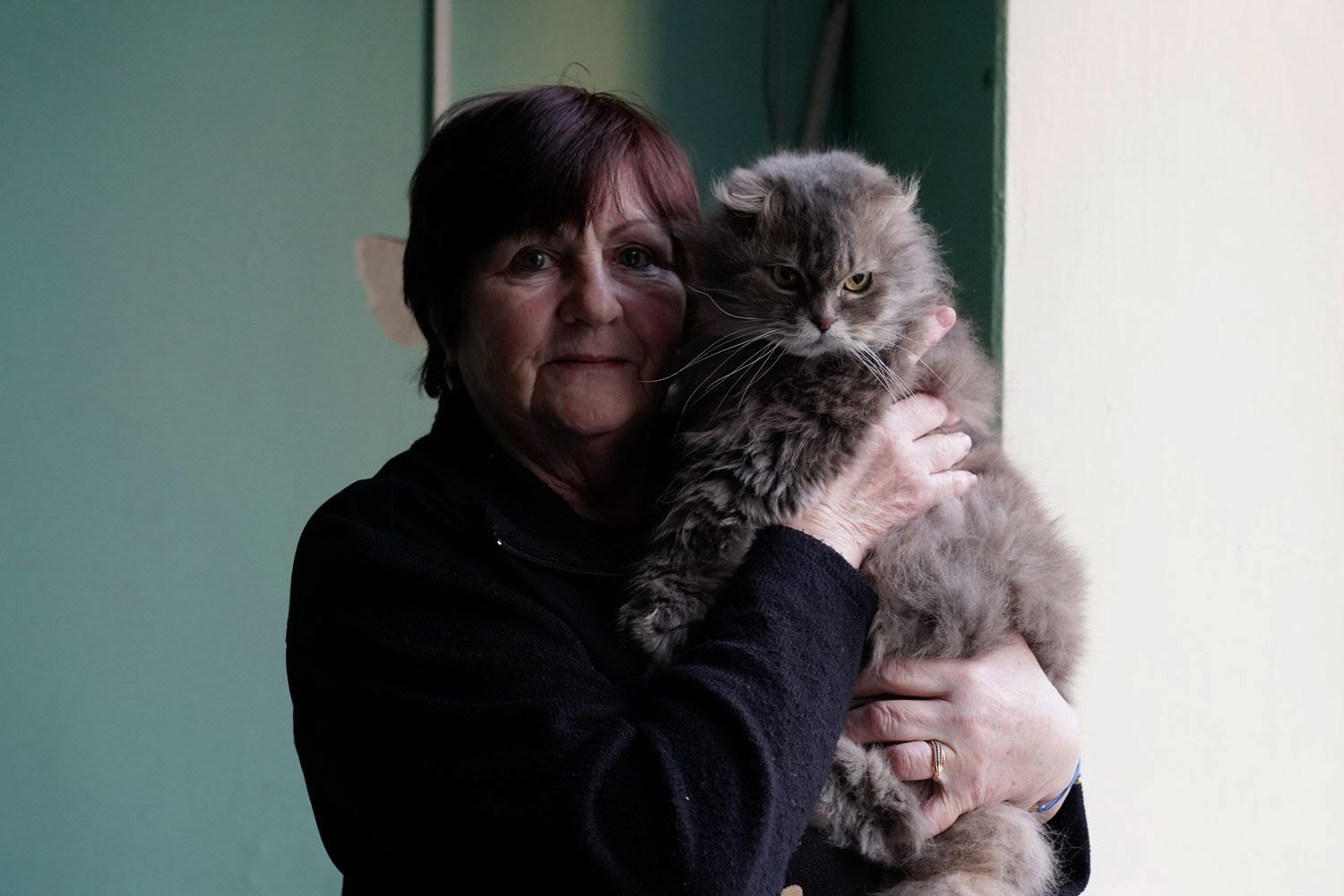
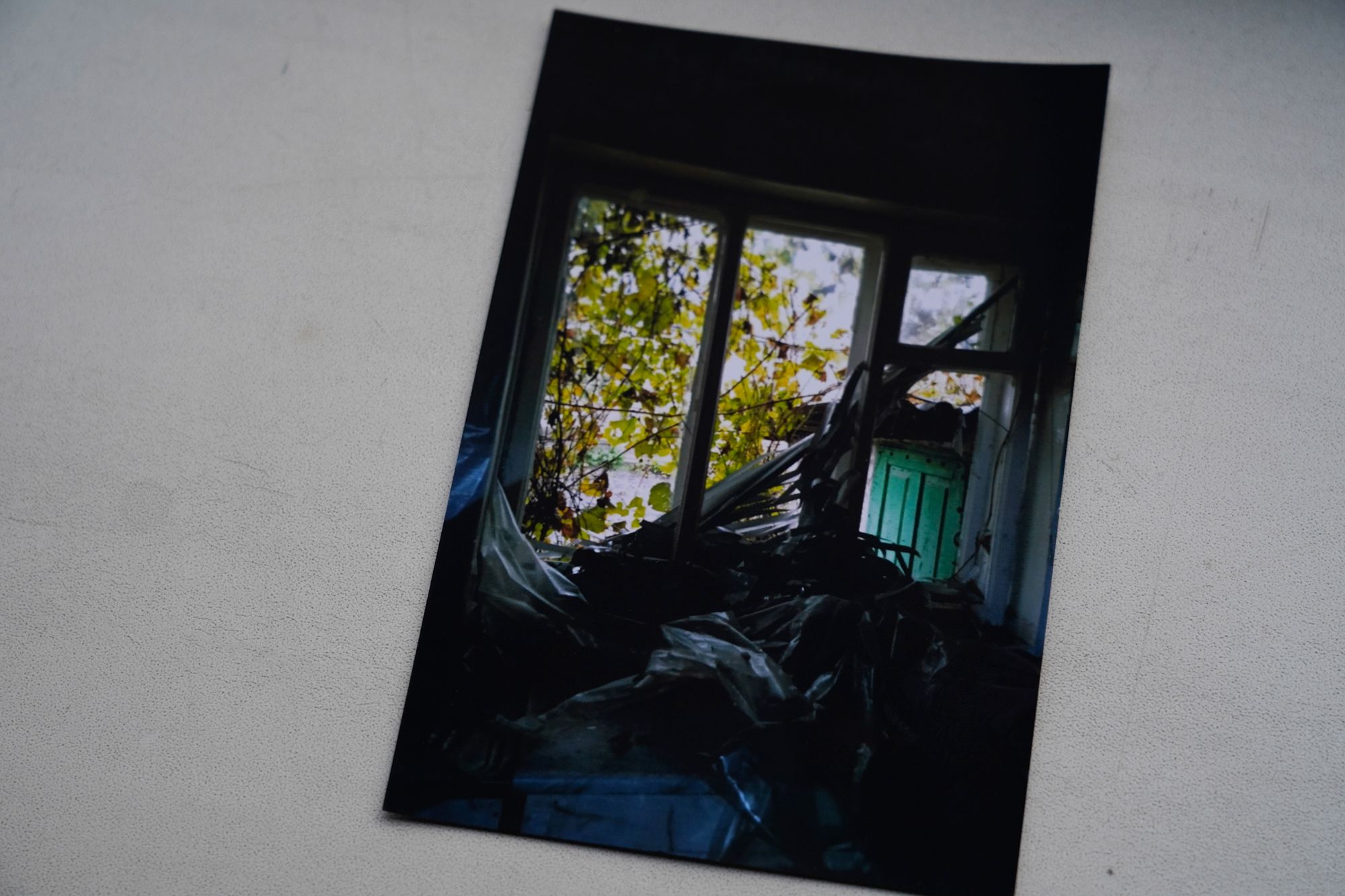
Although military personnel also return to the city for treatment , men in shelter are for the most part those who cannot fight, for example, for medical reasons. This center is one of the best places for placing refugees, because it is equipped with washing machines, normal windows and refrigerators. “We get very good support from many charitable foundations,” Lagoda explains. “Windows, beds, pillows - everything to make people more comfortable.” The center even managed to purchase a large boiler. “We went for a long time to make it so warm,” she says.
The Beet correspondent found in the center something like a party: a woman who recently arrived from Bahmuth knits a scarf for a soldier on the front line, while others made delicious dumplings and a honey cake. But maintaining vigor is difficult. “You are a hostage of the situation in which you find yourself,” says a woman named Larisa with tears in her eyes. “When you have achieved everything that you have all your life, but remained with nothing, <...> it is difficult to brighten up [something].”
"We would have to live in a bomb shelter"
Despite the relative security, the inhabitants of the Dnieper still have to face air anxiety signals several times a day. “If we constantly reacted to signals, we would have to live in a bomb shelter,” says Rimma Dorosheva. The daughter gave her a whistle so that she could call for help if one day she was under the rubble. In just one day of work on this report, six air aircraft signals were heard in the city-due to the threat emanating from the Russian operational-tactical aircraft and missile launches from the Black Sea.
During the full -scale invasion of Russia, the Dnieper experienced dozens of missile shelling. Last month, the relative sense of security in the city was broken when the rocket hit a nine -story building, breaking through a huge hole in the middle of the building. Through the empty space where people used to live, birds fly now. At least 46 people were killed, more than 460 rescuers participated in the search and rescue operation. Cleaning the territory continues to this day.
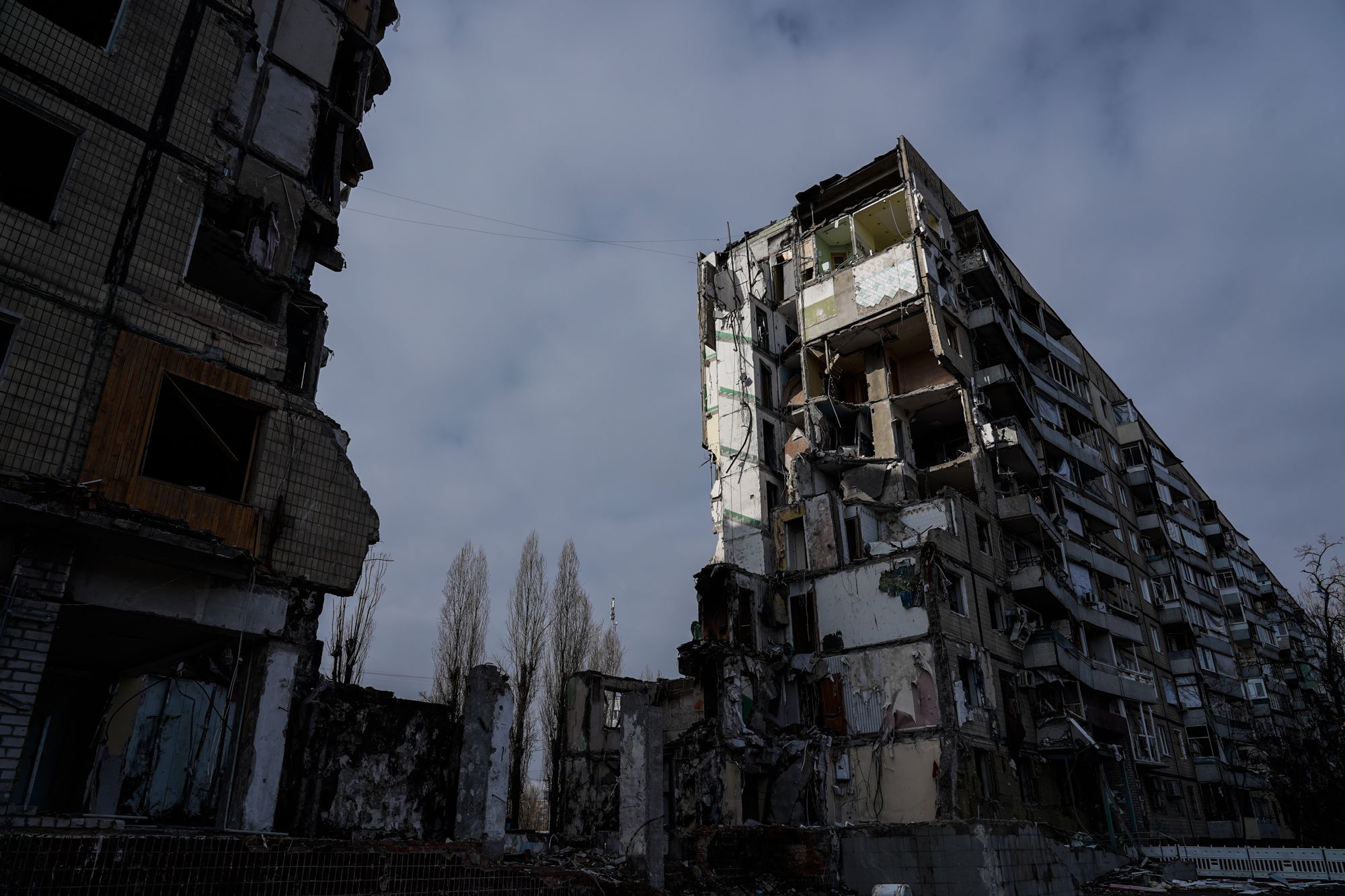
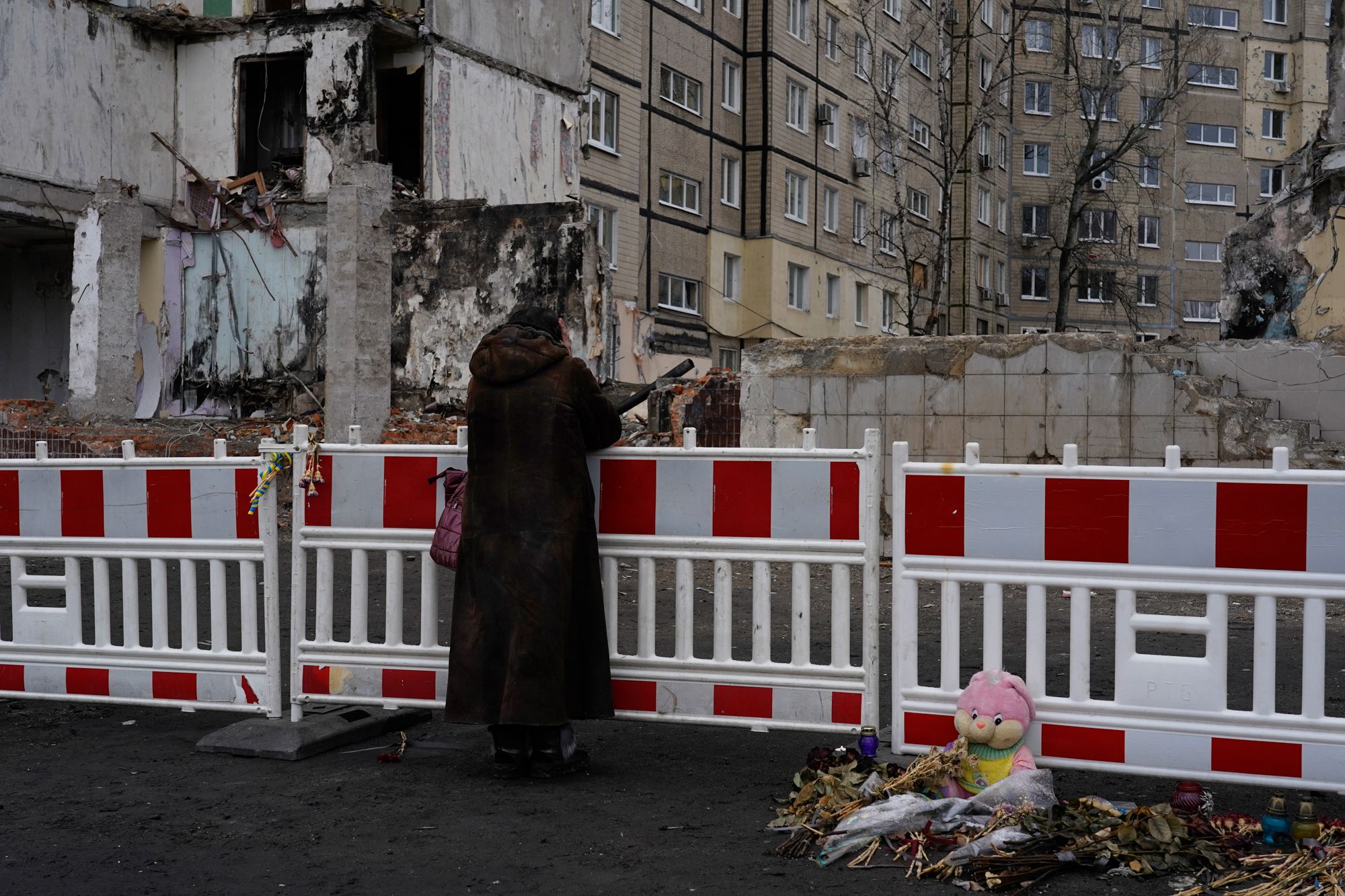
“The rocket can get here, wherever you like,” says Sergey, a 57-year-old resident of the Dnieper, while exploring the ruins of the famous yellow cuisine in a destroyed house. “No one is safe from this.” The rocket passed only a hundred meters from his friend’s house, says Sergey: “From the power of the blow it knocked out the windows on the balcony.” Among the victims there was at least one refugee from the east of Ukraine - psychologist Olga Botvinova, who left Donetsk in 2014, and last spring - from Kherson, after which she ended up in the Dnieper. “Our family is zeroing for the third time,” she said to Deutsche Welle after she survived the explosion.
Near the house are mountains of flowers and bright wet toys. Every day, people, like Sergey, come to stand up and just look at the destroyed building. The city plans to turn this territory into a memorial area. The restoration of the two destroyed sections of the house and the return of the inhabitants will only force them to survive the pain of the tragedy, Boris Filatov, mayor of the Dnieper, told in an interview. “How can you live next to the place where your loved ones, relatives, friends, acquaintances died and where there will constantly be the place of mourning? It will be difficult for us to return there, ”Zn.ua said a resident of the city of Vladislav Soloviev.
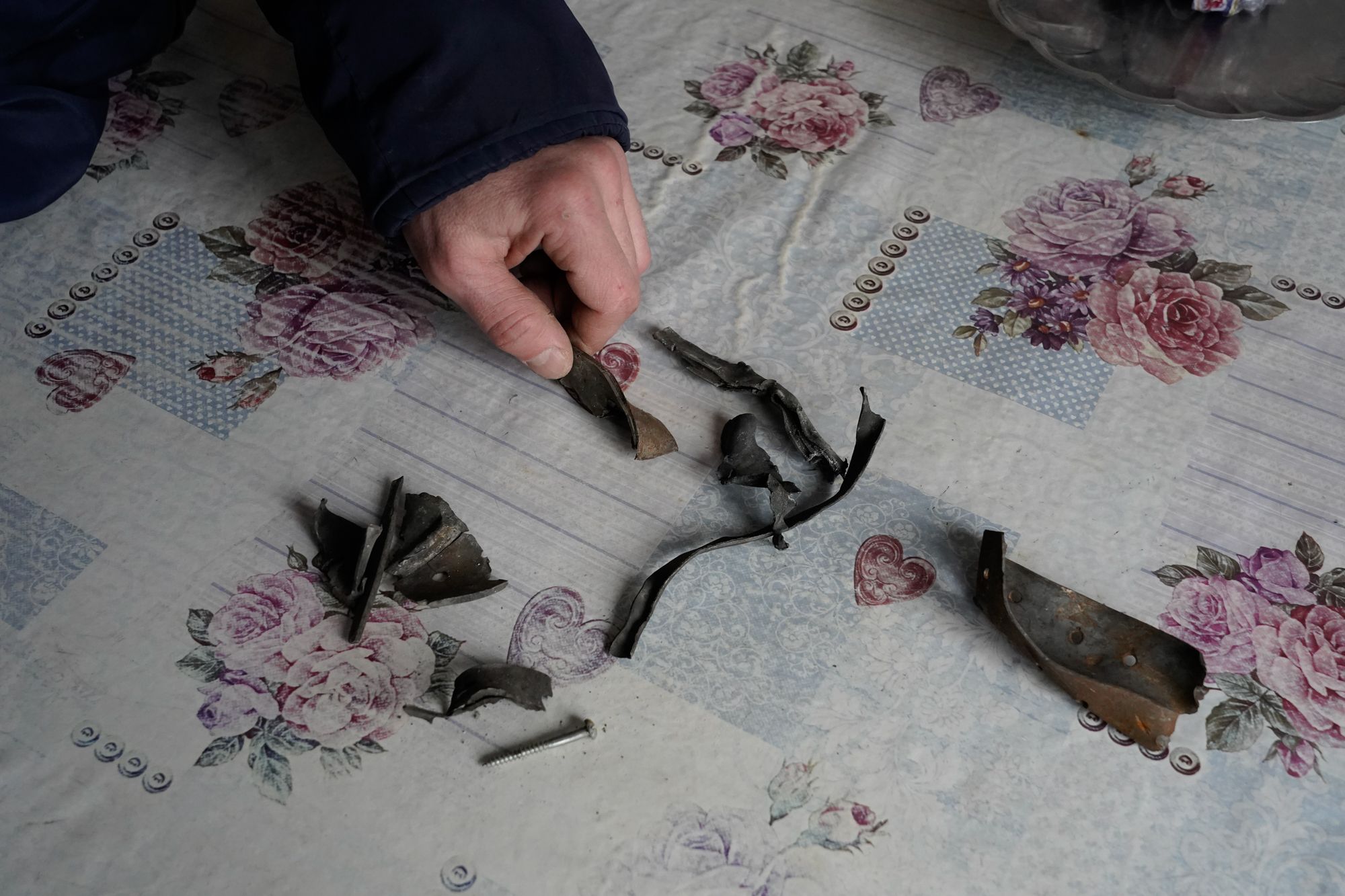
More photos from the place of tragedy
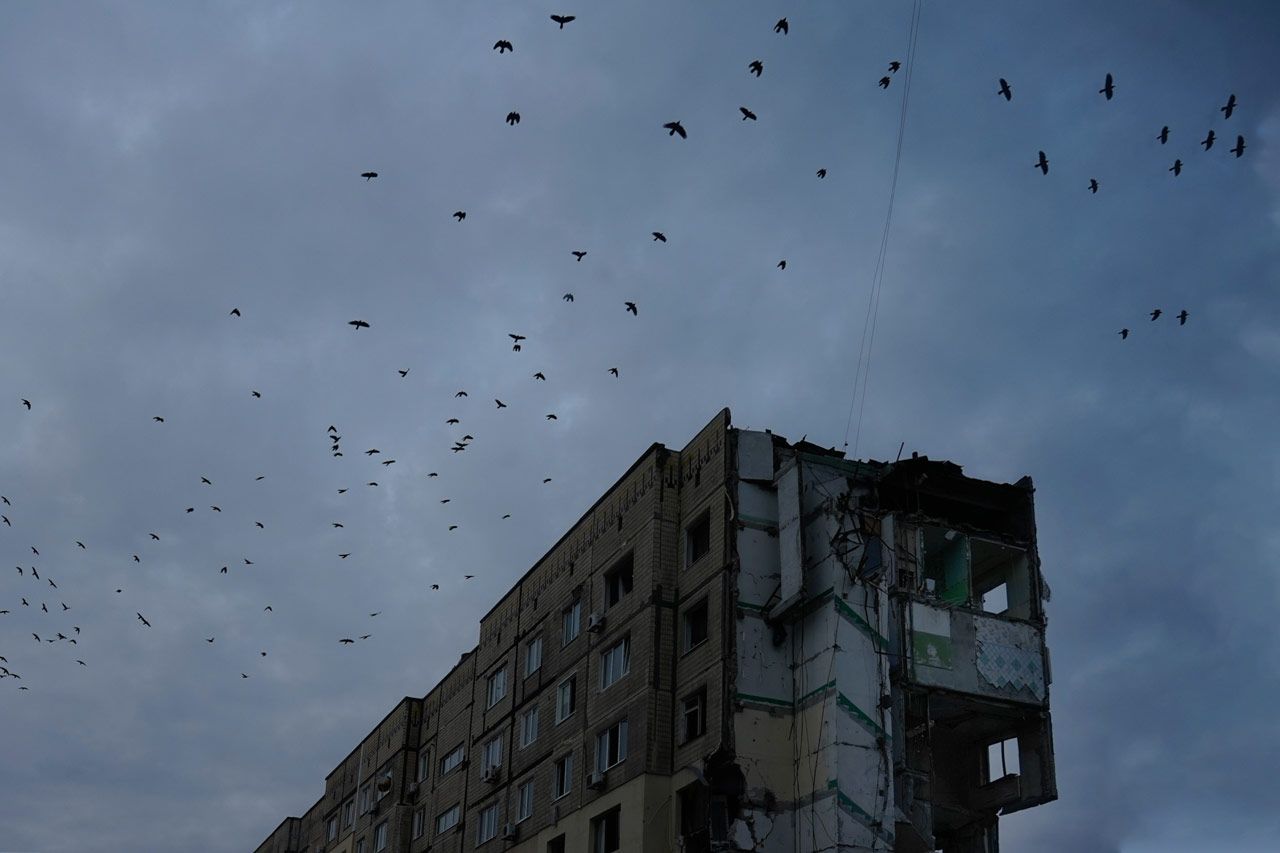
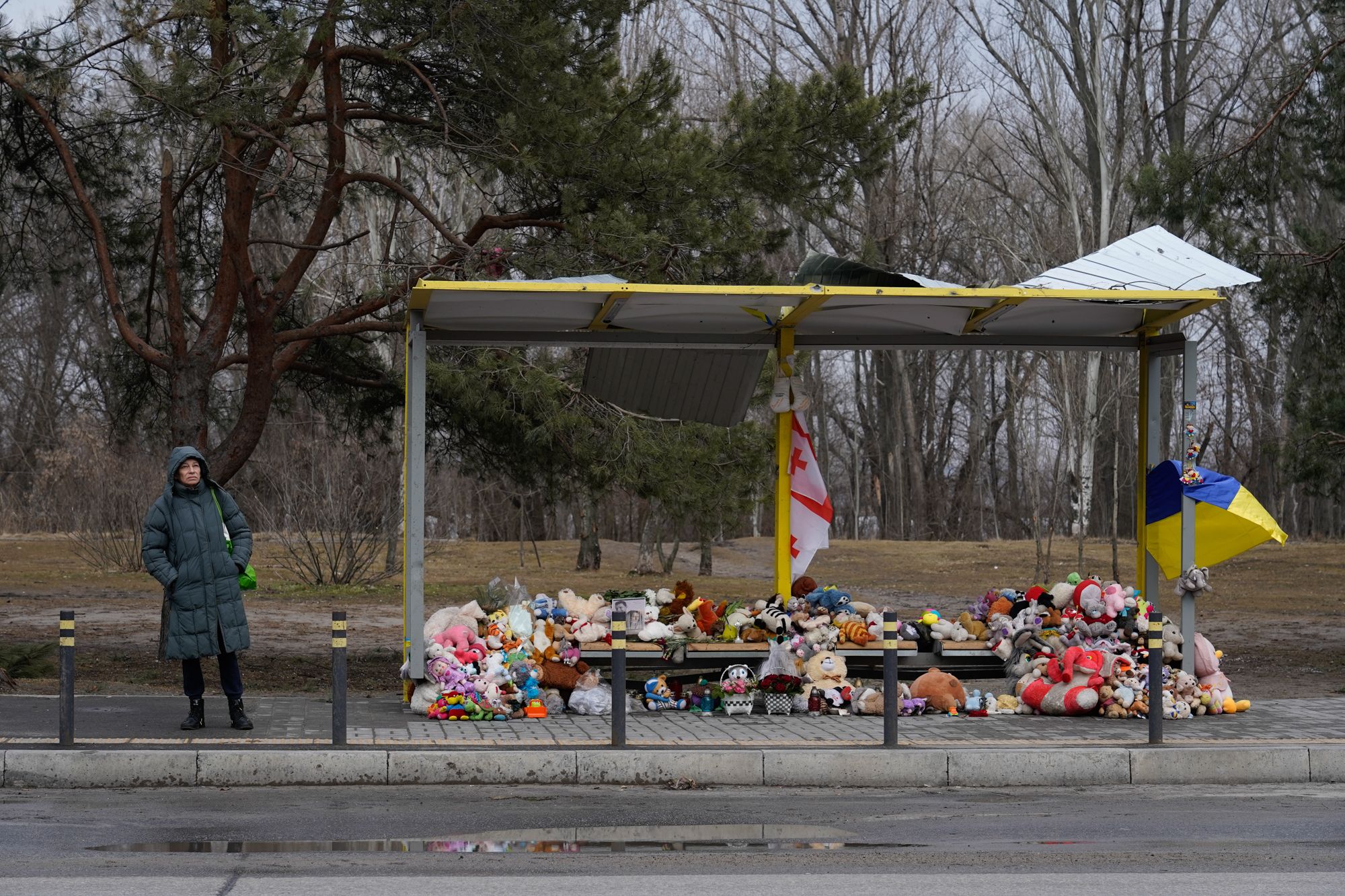
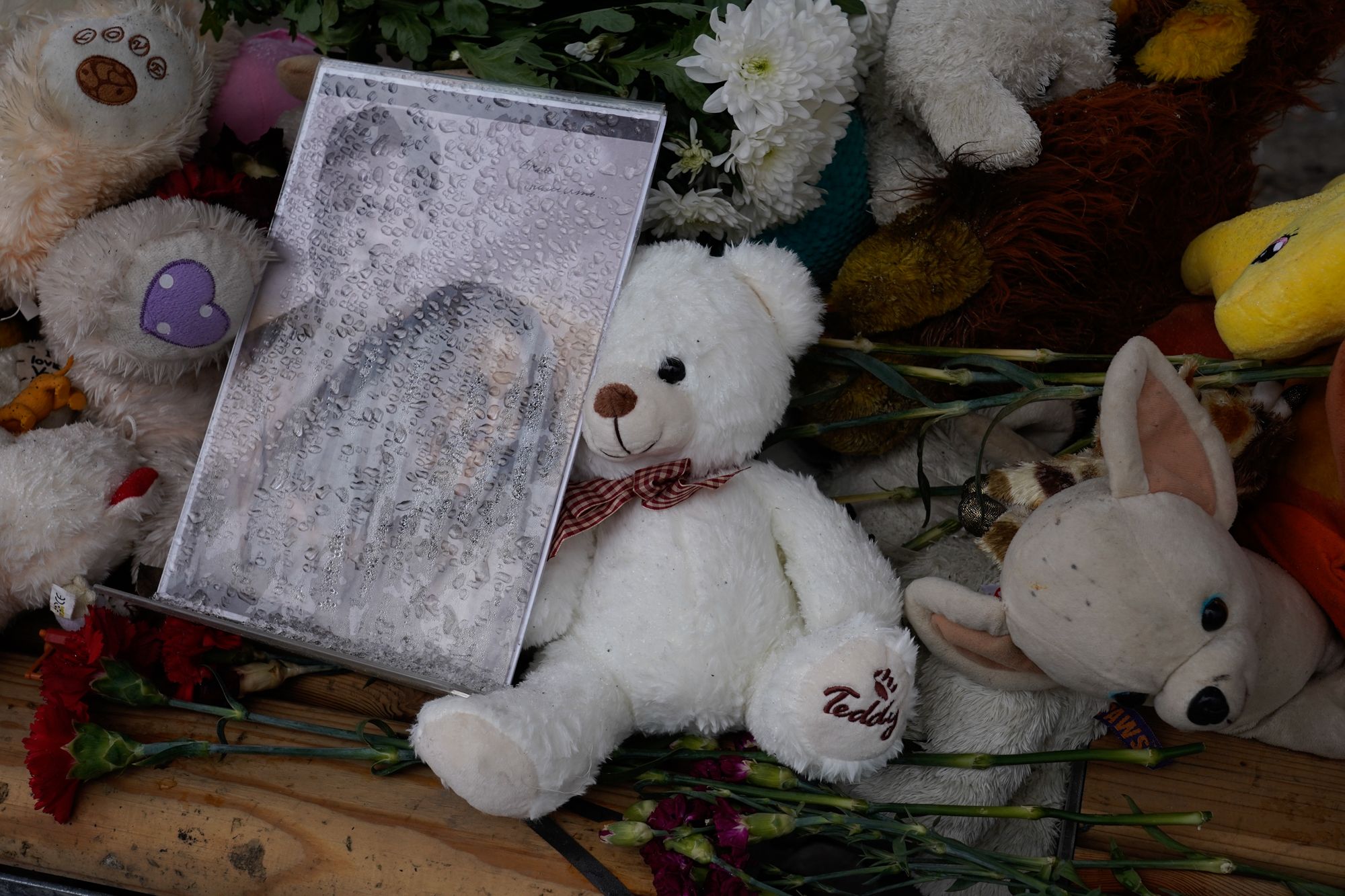
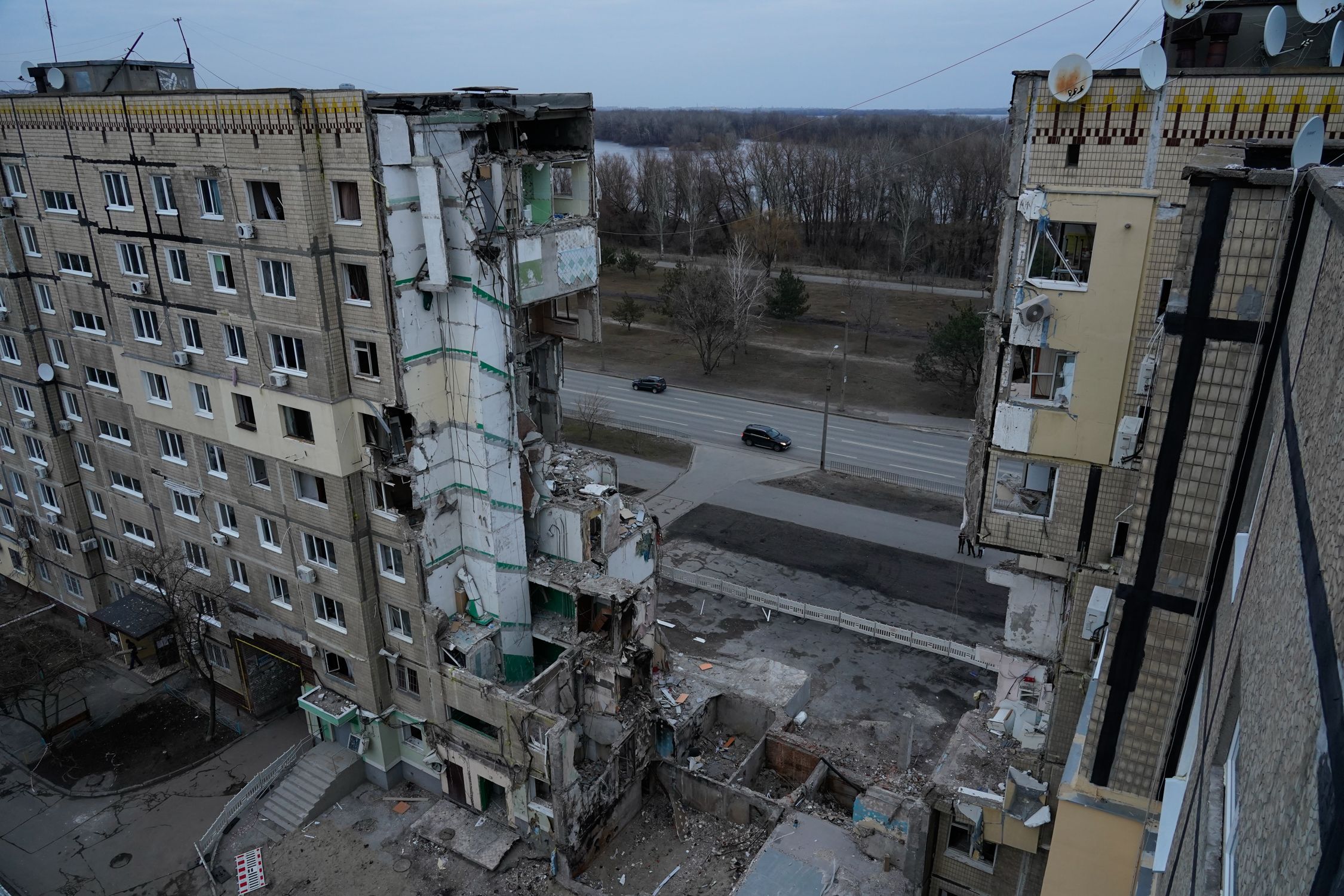
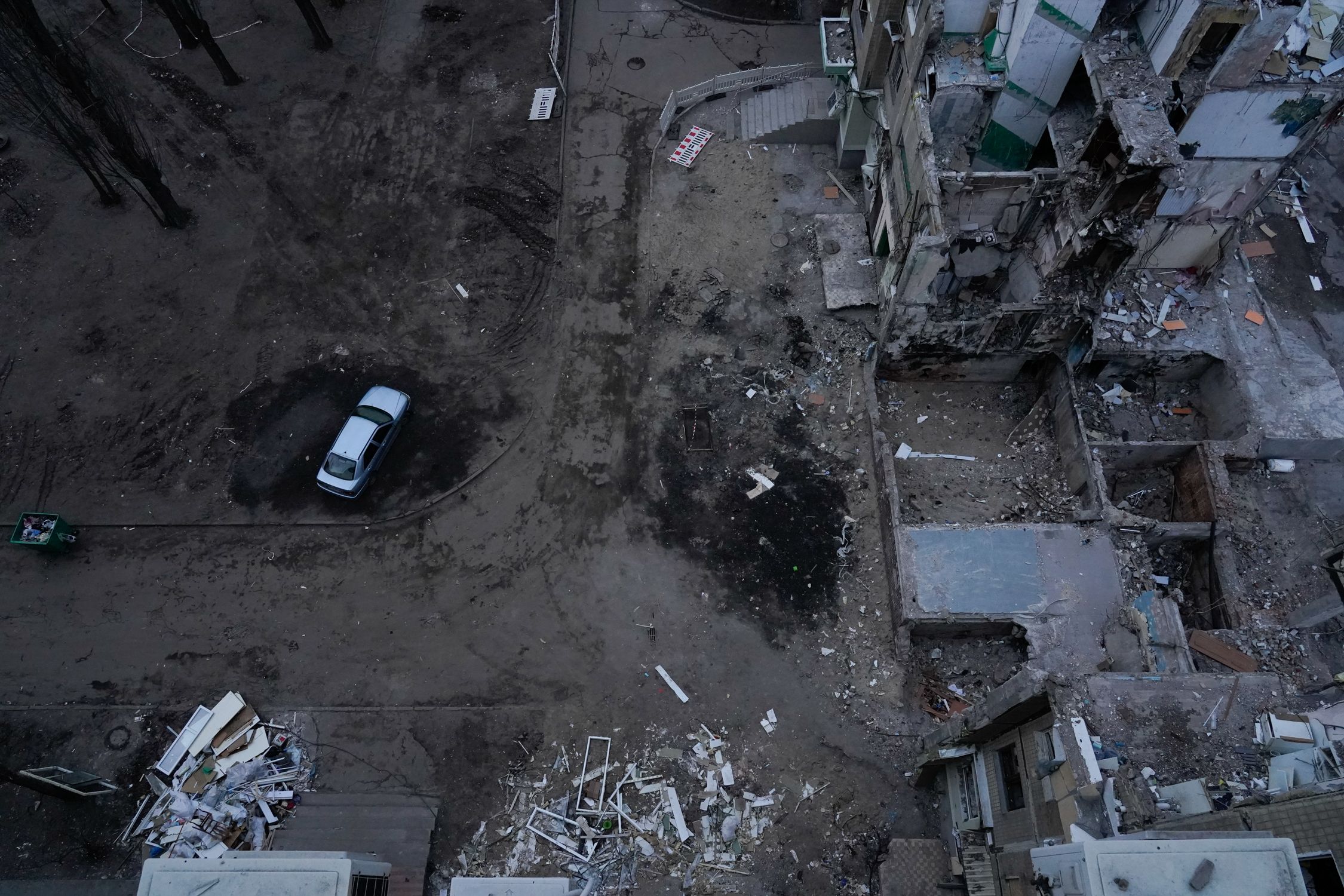
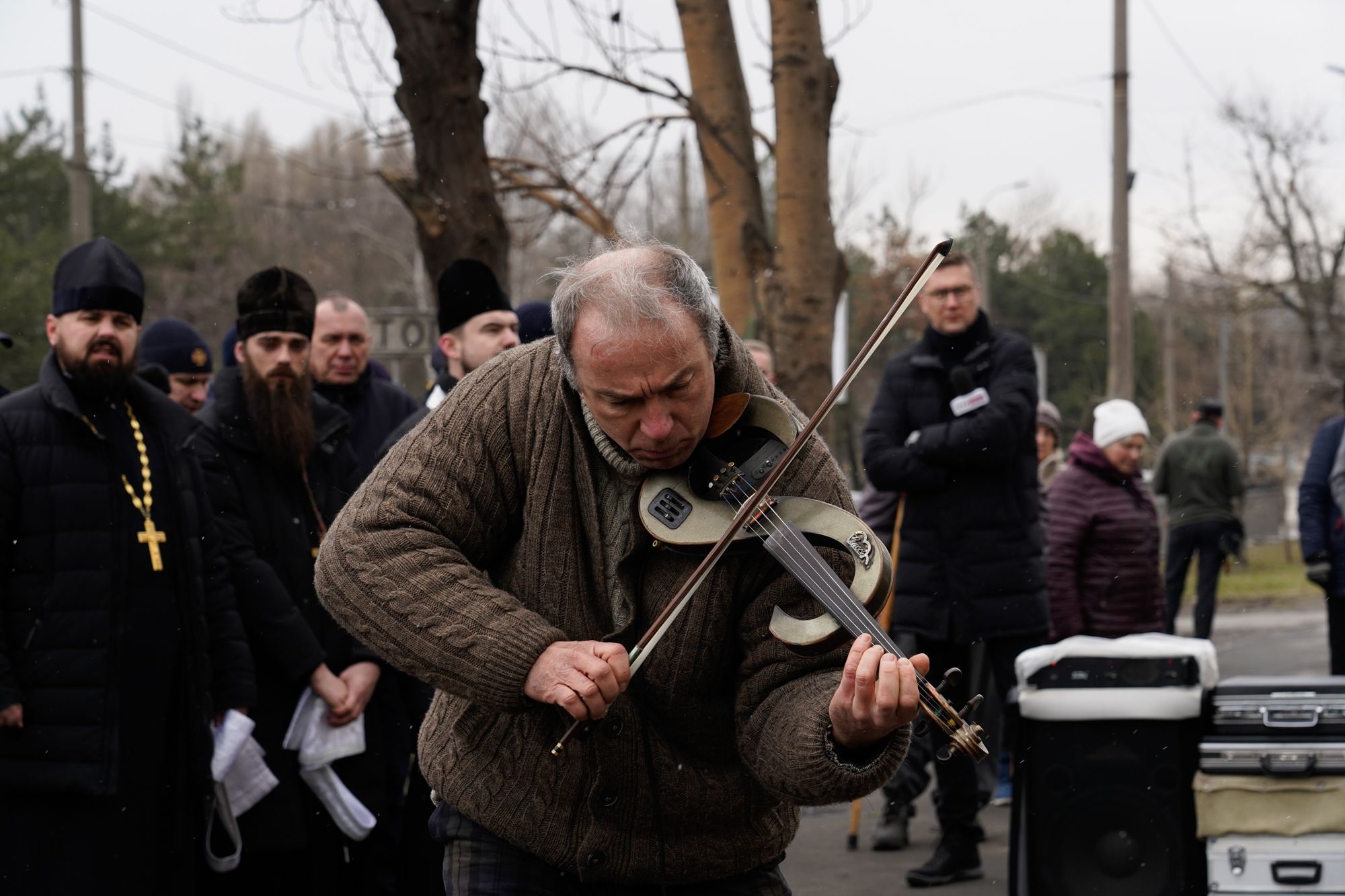
The city rallied against the background of the tragedy. Ordinary residents and volunteers helped “disassemble blockages, spread hot drinks, food, warm clothes, raise funds for the victims, [provide] housing for the night,” explains Natalya Kozhina, the program director of the Sich human rights organization, located in the Dnieper. “This has become a kind of act of unity of all the inhabitants of the Dnieper and the inhabitants of other cities,” she says. “It is impossible to list everything that was done.”
The inhabitants of the Dnieper became masters of self -organization, completely discarding possible fears (few who decided to stay in the city, say that he is scared) and helping refugees and soldiers at the front line with everything that is possible.
At another plant in the southeast of the city, a group of 15 or so friends cast homemade candles. They break huge paraffin plates and melt it to fill the cardboard twisted inside old tin cans. They started this project about a month ago in their kitchens, and then expanded production. Every four hours they produce about 350 candles, and volunteers deliver them to the fronts in cars.
Such lower -level initiatives today are the support of Ukraine. “In Kyiv, in each building there is a place on the ground floor where everyone can bring candles,” says 31-year-old Efim, who helps his mother Victoria and her friends in this project. - We must help. Everyone helps if they can. We do this because we want, this is not some kind of state organization. ” The Dnieper adds Efim, “like a separate small country”, in which special “characters” live.
Outpost of Ukraine
The flow of people who come to the Dnieper and leaving the city is an almost normal phenomenon. The city is constantly in motion. According to the historian Andrei Portnov, who grew up here and wrote the book “Dnieper: a confusing history of the European city”, the Dnieper “For centuries” was the city of migrants.
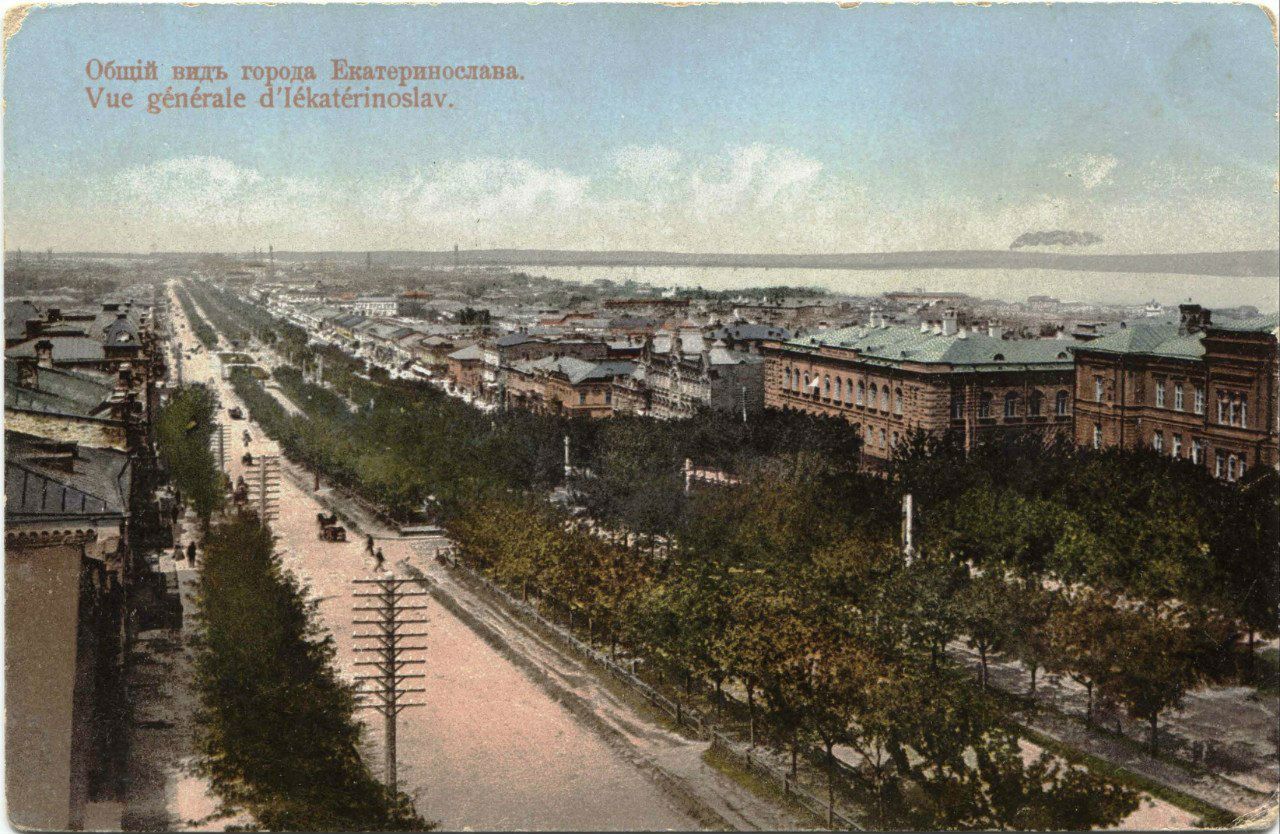
The Dnieper River, sharing Ukraine in half, was a key trade route in the 16th century, and from the end of the XVIII city attracted people from all over Europe. “Then there was the First World War, when the city adopted many refugees from the Western, let’s say, the regions of the Russian Empire, and then the Second World War - people were evacuated and returned back,” Portnov explains. During the Nazi occupation, more than 20 thousand Jews living in the city were shot, but today one of the most numerous Jewish communities in Ukraine lives in the Dnieper. Even the name of the city is not unchanged. Ekaterinoslav and Dnepropetrovsk previously wore the names, the city was renamed the Verkhovna Rada of Ukraine in the Dnieper only in 2016. This happened within the framework of efforts to abandon the Soviet identity imposed in the twenties. Dnepropetrovsk - the Center for Military and Civil Rocket Engineering - was closed to foreigners and even for people from other parts of the USSR. The KGB held the highest possible level of secrecy in relation to the "missile city", and not only a halo of mystery, but also a very Soviet uniformity gave him a special status. There is little information from the city, and foreign influence was minimized. Today, the local aerospace companies of Yuzhmash and Yuzhnoy belong to the Ukrainian state and continue to work. In July last year, Russian cruise missiles hit one of the factories - three people were killed.
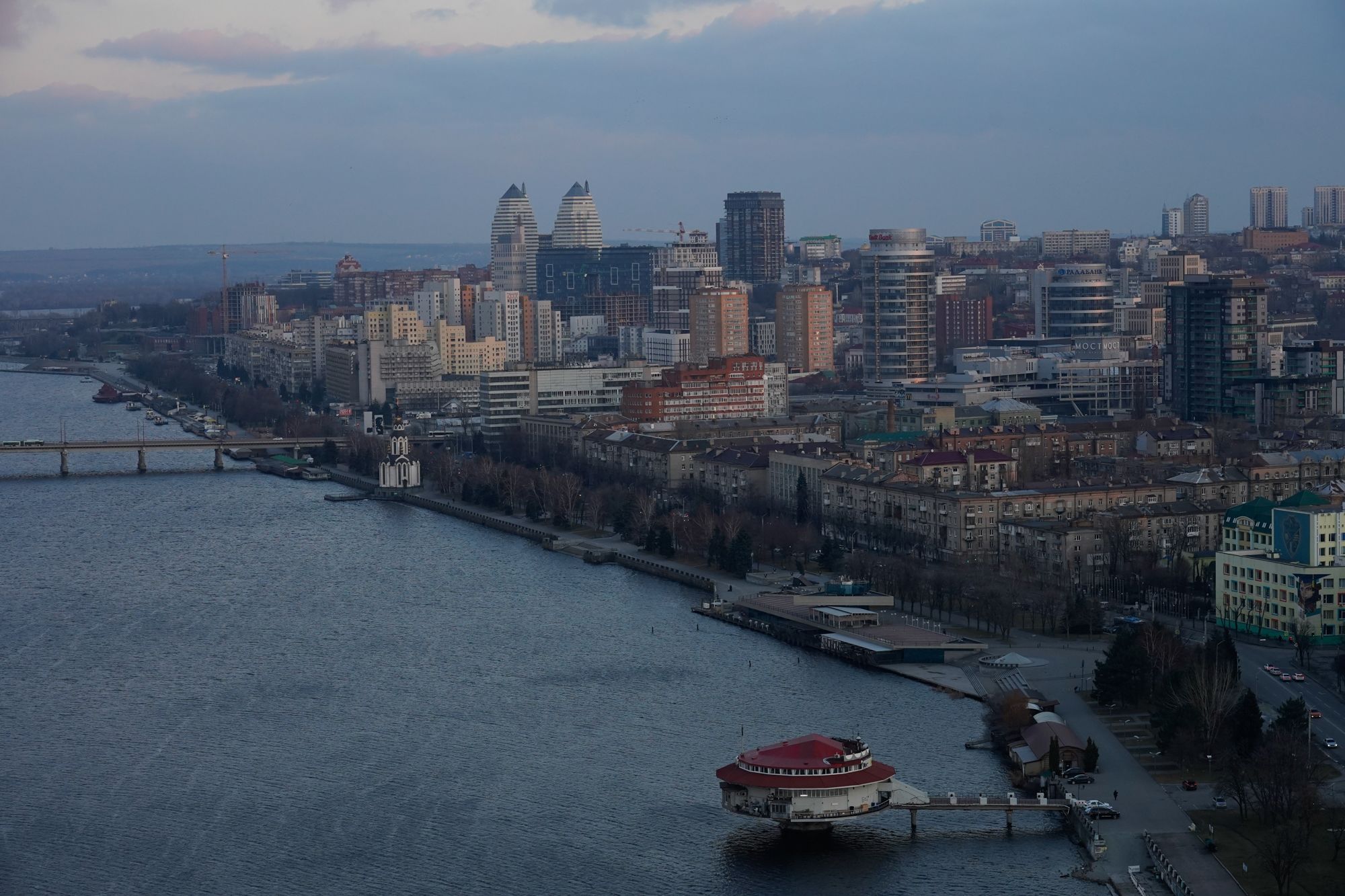
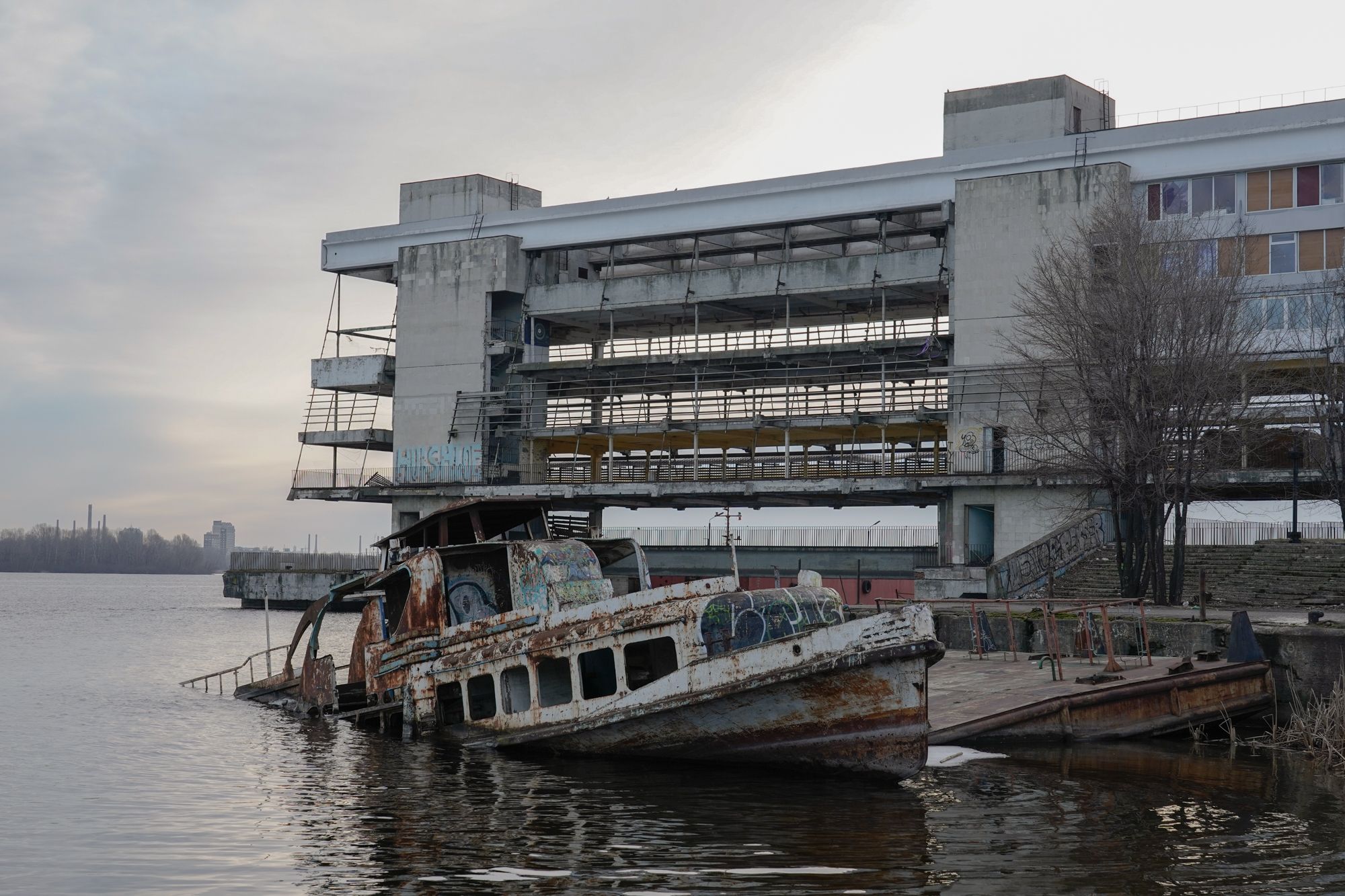
More photos of the city
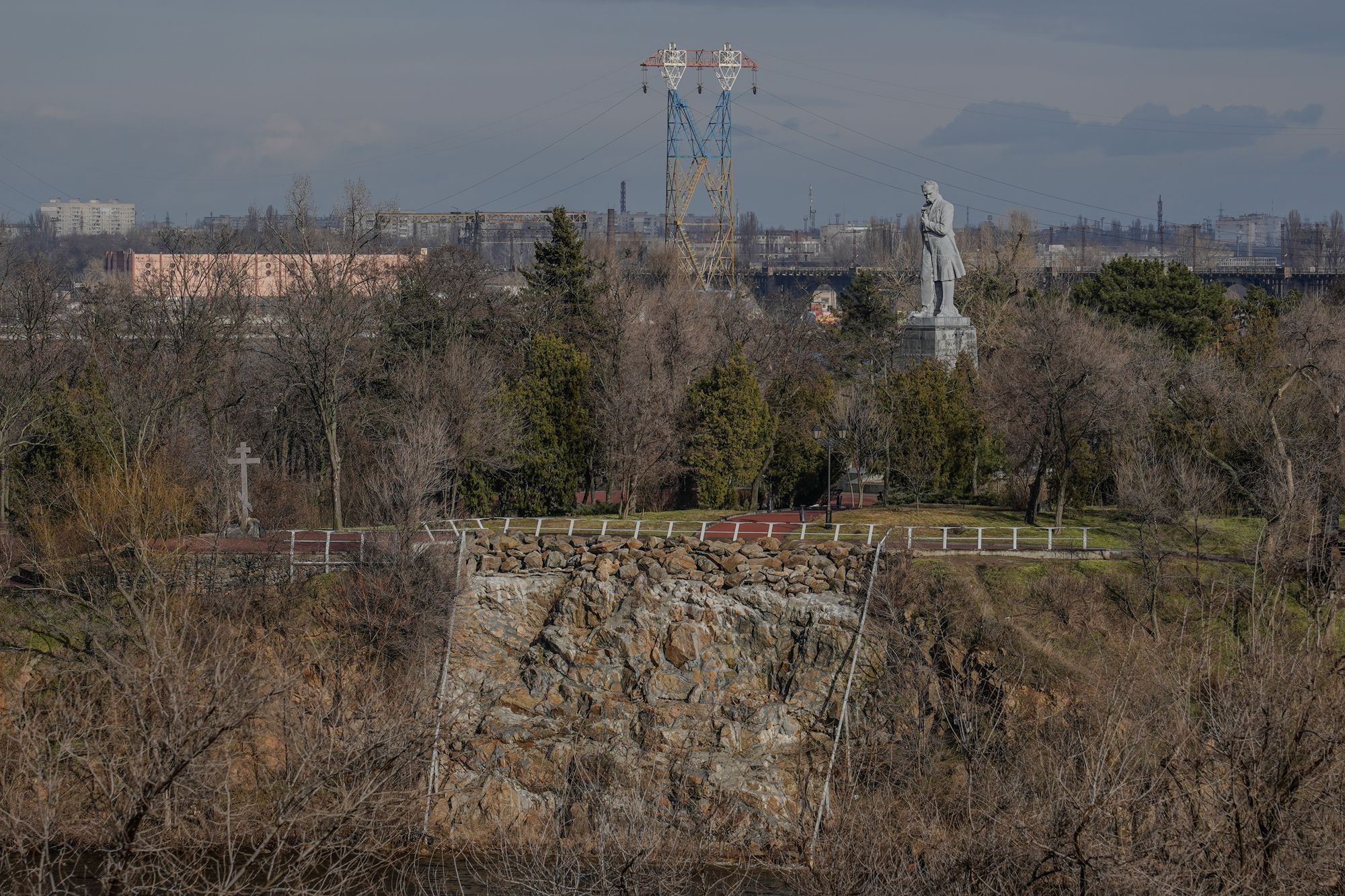
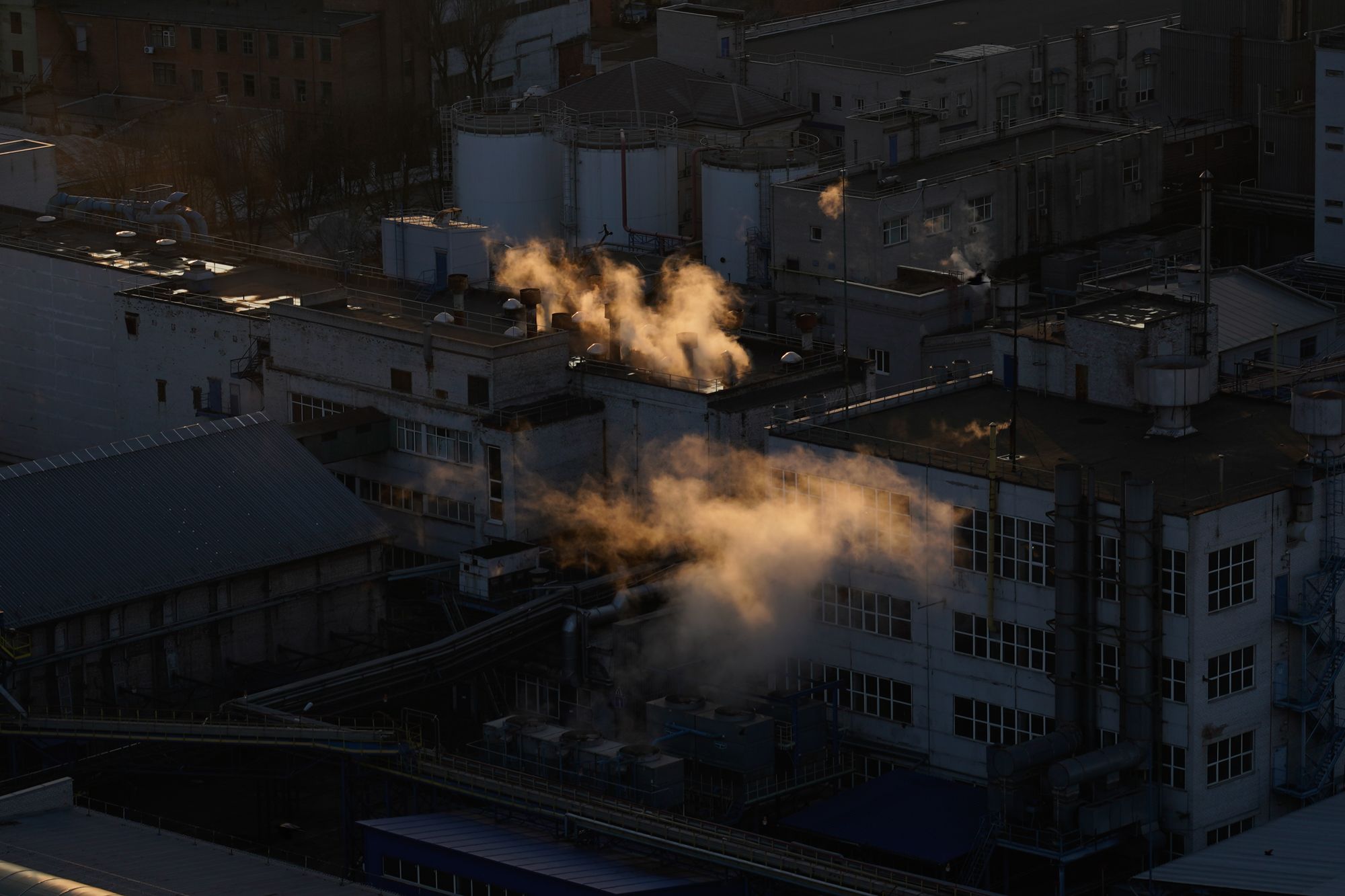
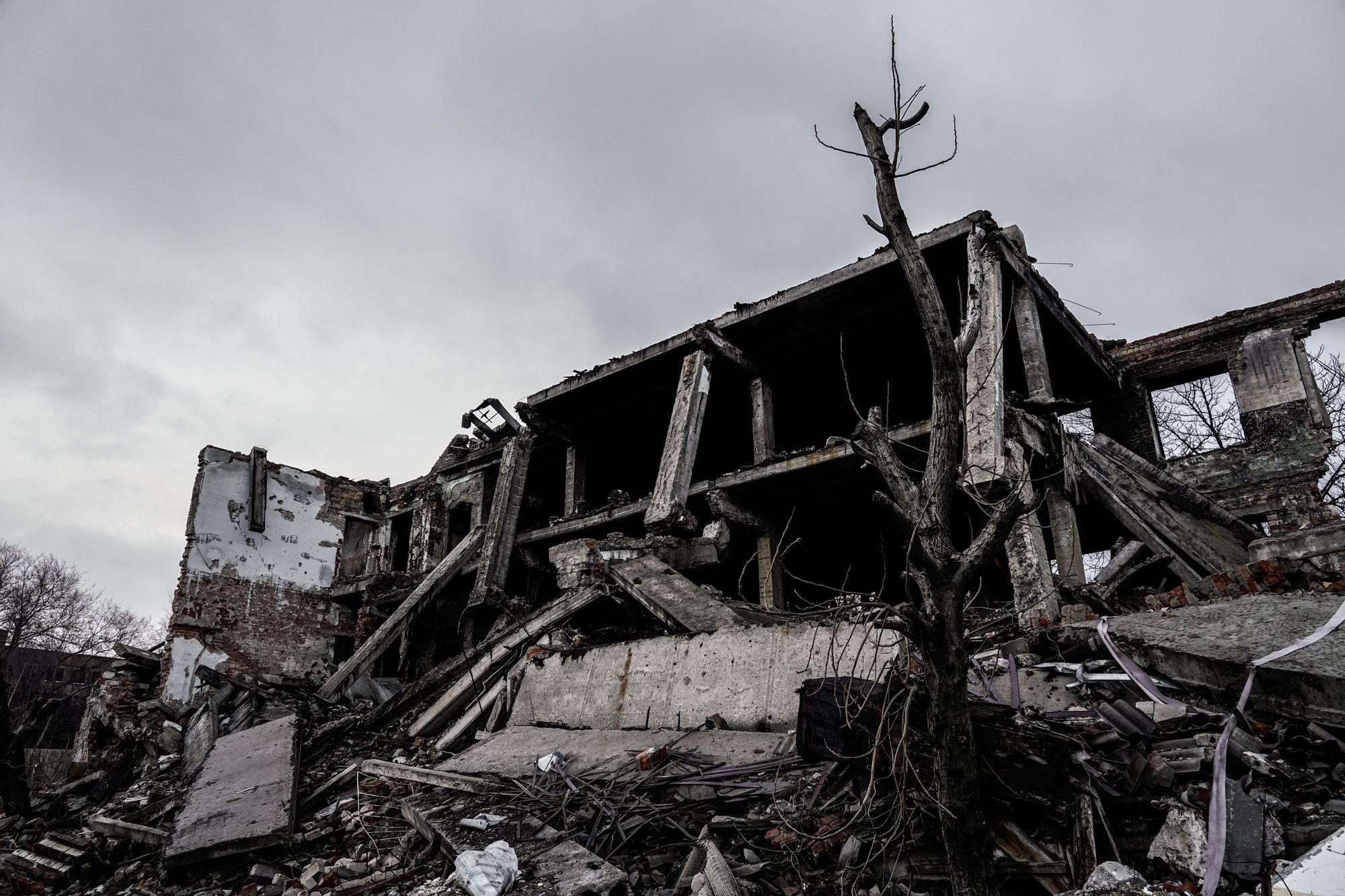
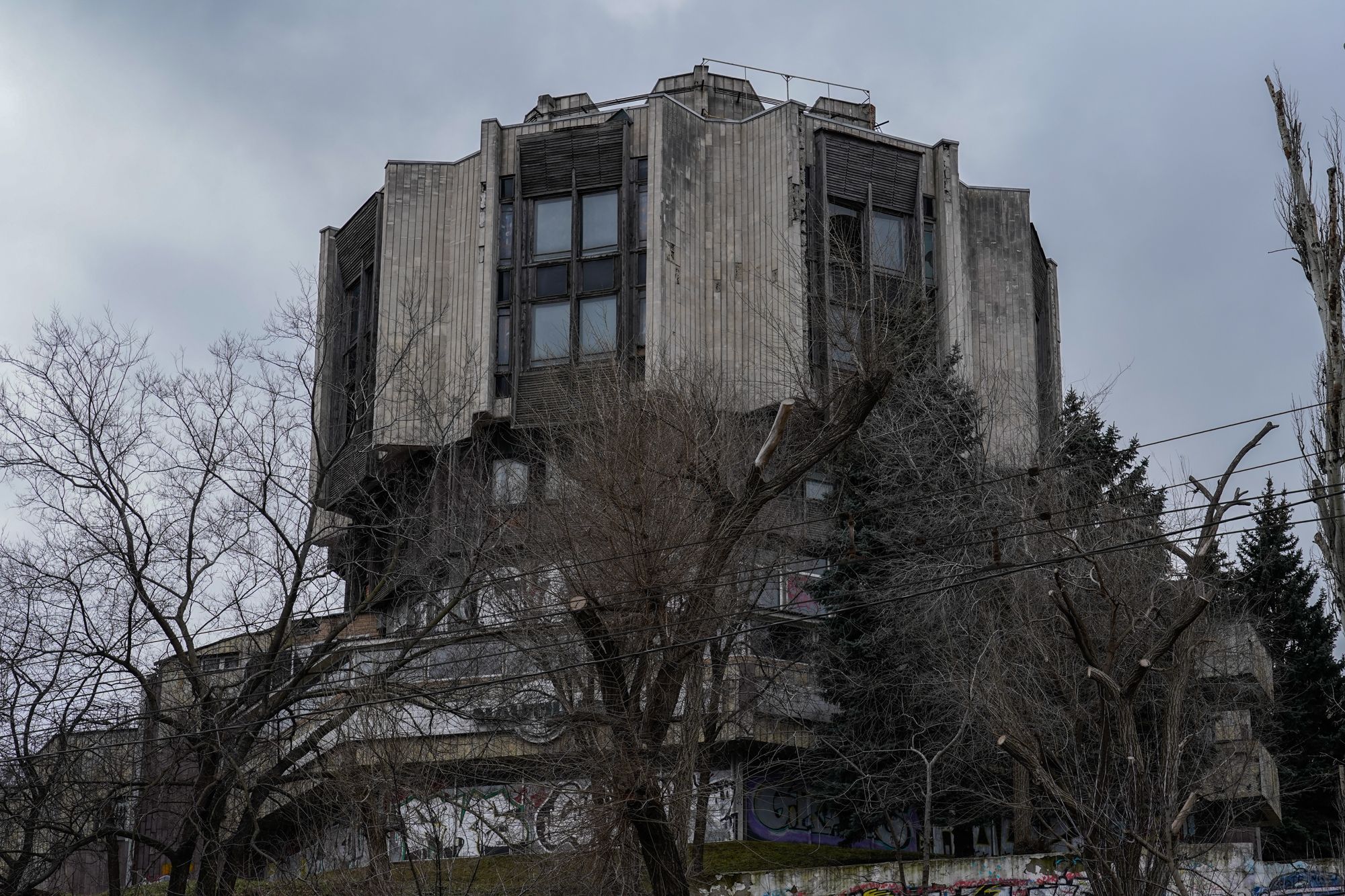
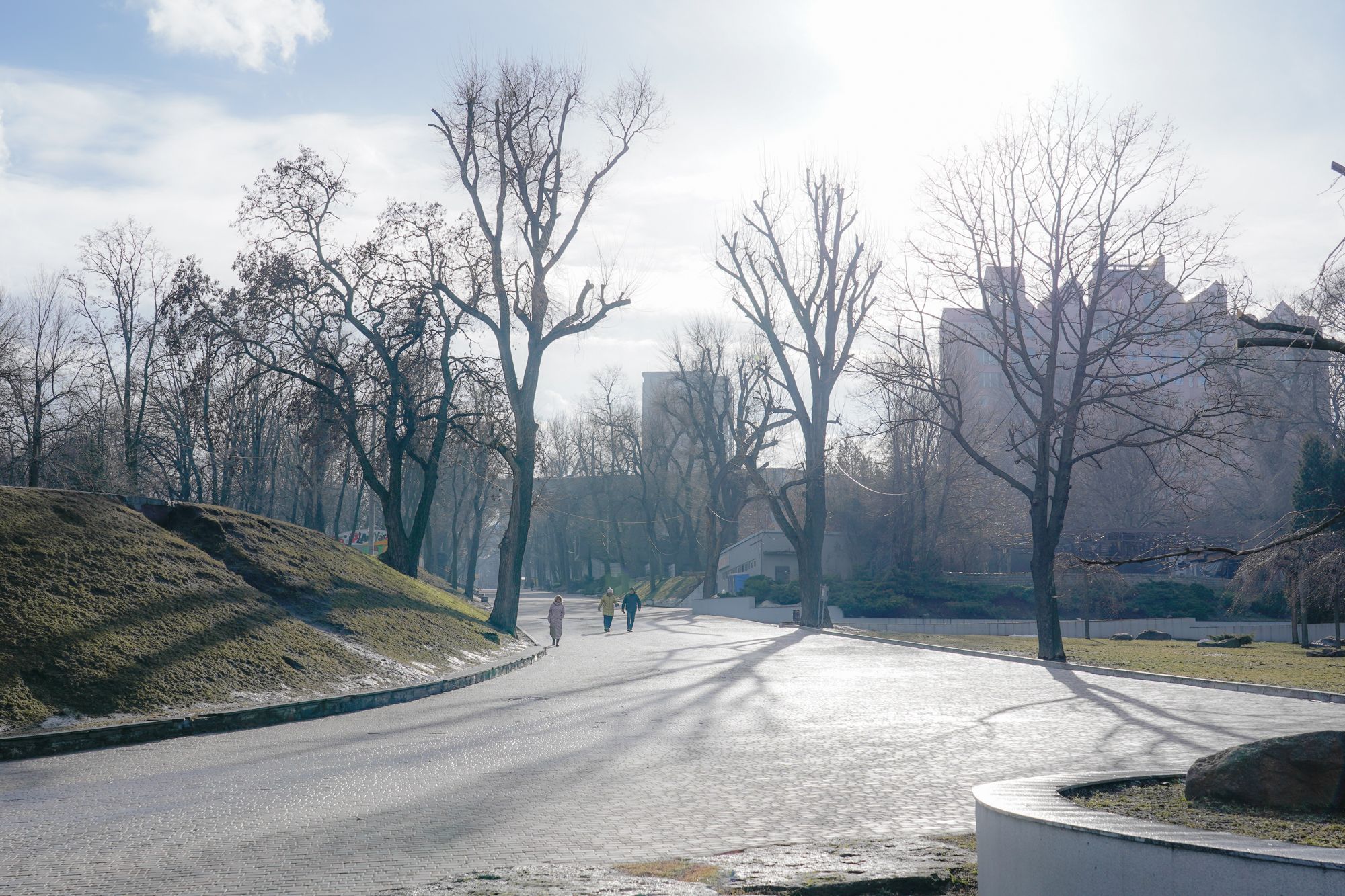
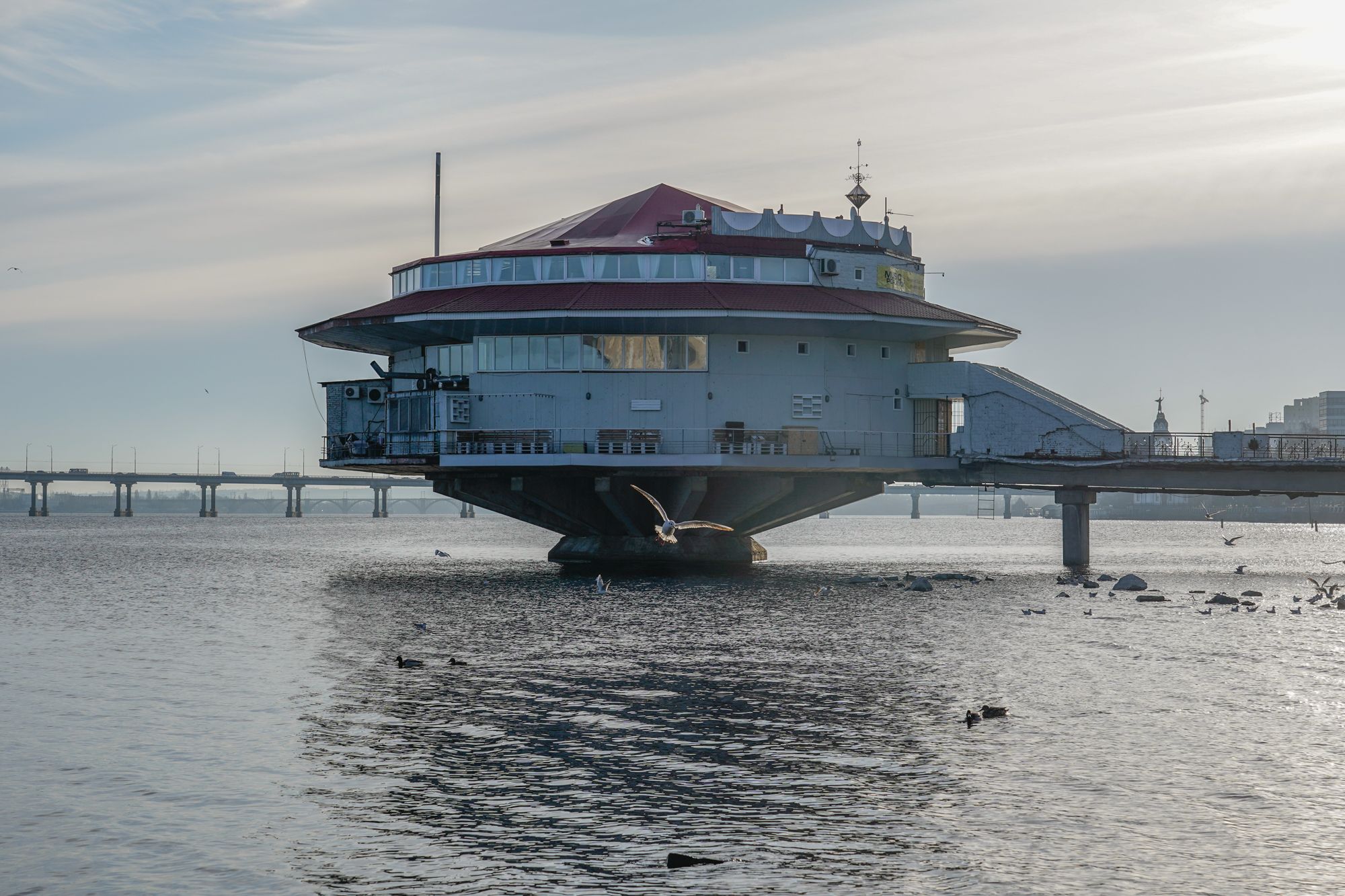
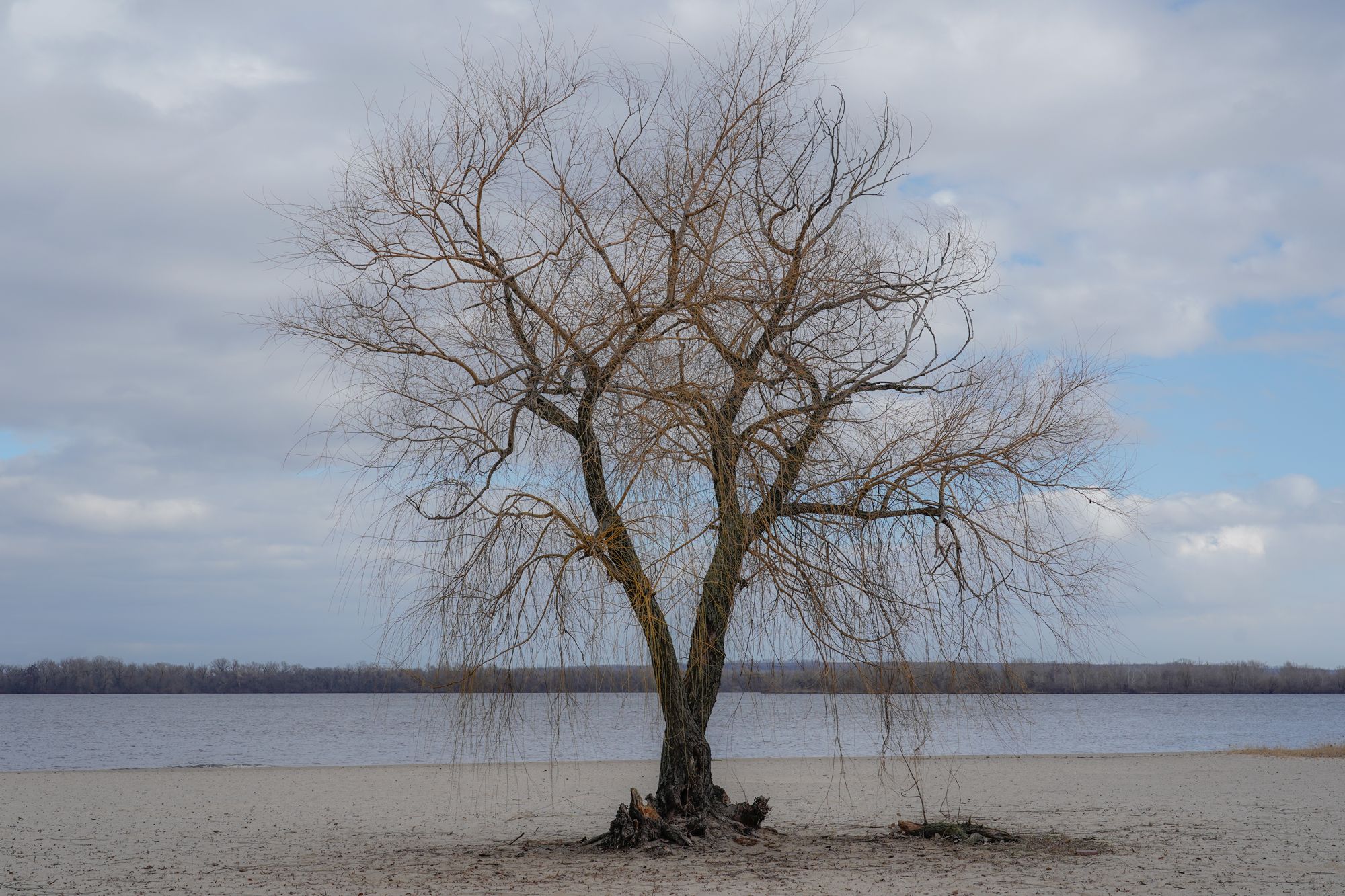
12 months after the start of a full -scale Russian invasion east of the Dnieper River, one of the most fierce battles are going on. The historical thresholds of the river, where granite rocks divide the flow into sleeves, go around about 60 islands and flow directly to the Zaporizhzhya region, where the Kakhovsky reservoir - according to media reports , Russian troops are now drained - it cools the largest nuclear power plant in Europe and provides local residents with drinking water. Even downstream, the river passes through Nikopol - the place that was subjected to heavy artillery blows last week. While refugees are flowing to the Dnieper from the eastern regions of Ukraine, local soldiers and volunteers return back, knowing that their city is on the front line; The Dnieper-headed railway station is teeming with people in camouflage, including a man on crutches with a foot in a thick knitted toe, which carefully steps over the ice.
Due to the wealth of the city, a large number of hospitals and the proximity to the territories of the Dnieper occupied by Russia received the informal title of “outpost of Ukraine”.
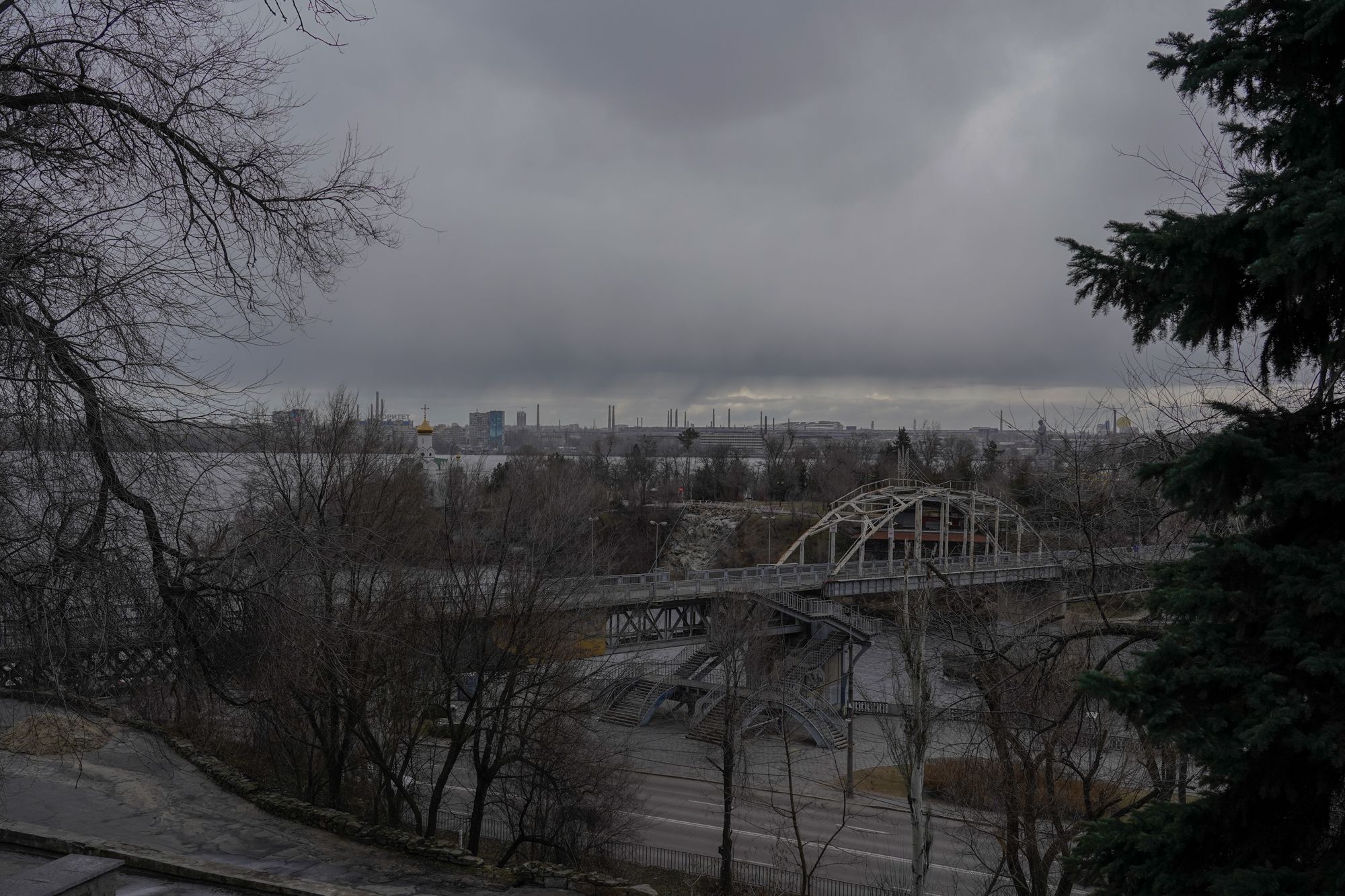

“People from the Dnieper recovered the first - [they were] in the first line of soldiers [in 2014], because they understood this dangerous situation very well,” says journalist Elena Andryushchenko, the author of the book that was preparing for the publication about the Dnieper of wartime. She recalls the hidden invasion of Russia after Euromaidan in 2014 and the subsequent influx of internally displaced persons. “We began to accept many refugees and realized that this is very serious and we need to defend our nationality, identity,” says Andryushchenko. Pro -Russian political movements then actually lost their support in some parts of Ukraine, and the weakness of the central authority meant that local politicians could take the reins of government into their own hands.
The political and business elite paved a new path for the city (the richest Ukrainian oligarchs such as Viktor Pinchuk and former governor Igor Kolomoisky left the Dnieper). They “clearly saw that their own economic future can be more or less safe only in Ukraine,” says Portnov. Kolomoisky and the current mayor of the Dnieper Boris Filatov had close relations as former business partners and both personally financed volunteer battalions, reported Politico Europe last year. The researcher Elena Ishchenko even claims that “Kolomoisky was a guarantor of the stability of the city” (in 2021 the United States imposed sanctions against Kolomoisky, and recently he and his companies became objects of anti -corruption raids throughout Ukraine).
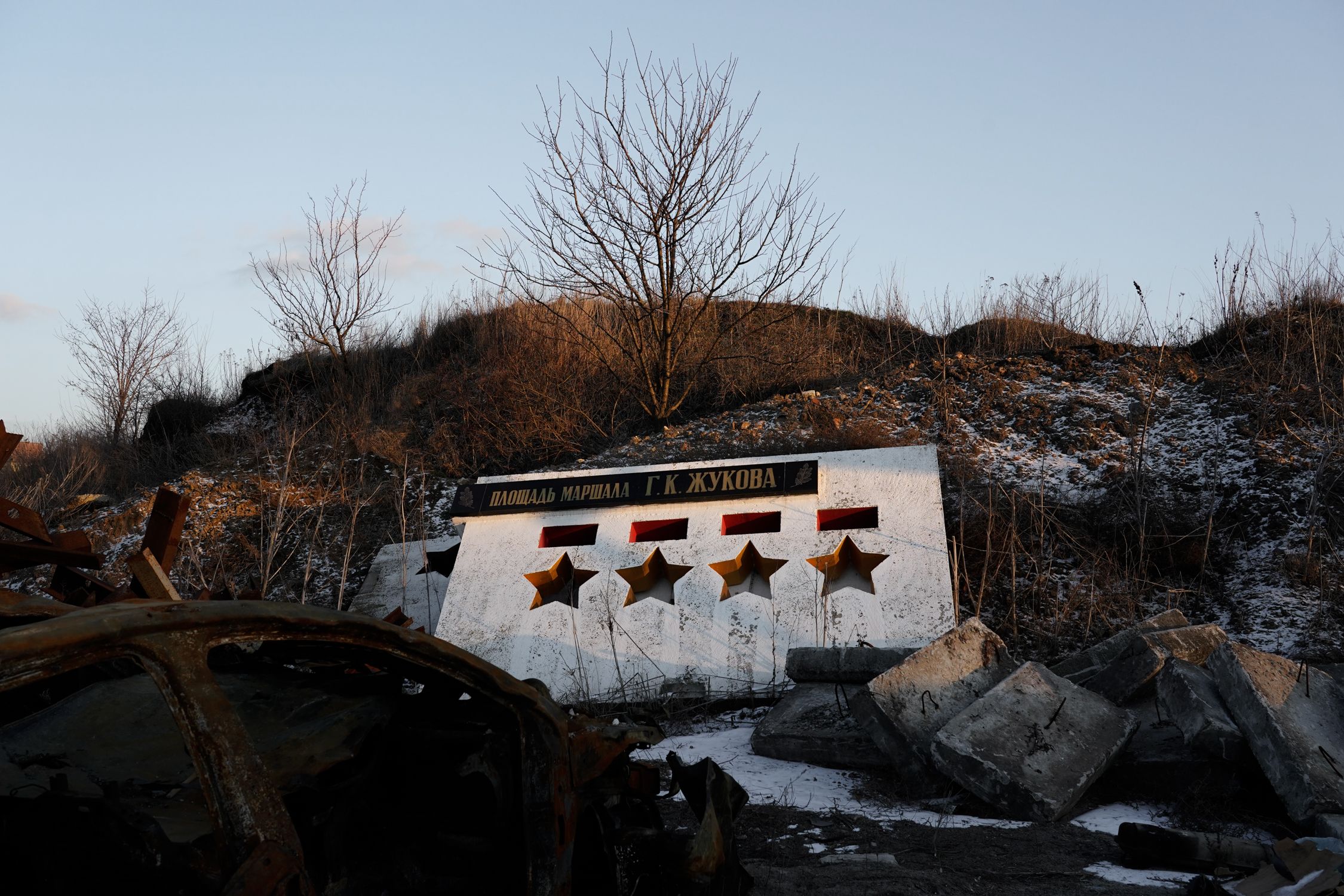
Although the political orientation of the elite was obvious, the support of the bottom strengthened it even more. Local ultras were generally for the Euromaidan, and the inhabitants of the Dnieper began to more openly and proudly express their Ukrainian identity. “[They] began to wear Ukrainian symbols. <...> I saw many Ukrainian flags on balconies, ”says Andryushchenko. Today, even those who grew up, speaking in Russian, purposefully try to speak Ukrainian. “Many people, especially the elderly, spoke Russian, and it was difficult for them to switch [to another language]. But they still began to speak Ukrainian, and it was impressive, ”adds Andryushchenko.
This shift is most clearly manifested at the giant Sailry Hotel -an unfinished building of the Brezhnev era, on the facade of which a massive blue-yellow trizub flaunts. In the Dnieper, there is also the first museum in Ukraine dedicated to the war in the Donbass, and the alley of memory of the “Heavenly Hundred” - participants of the Euromaidan in Kiev who died in clashes with security forces in February 2014. On February 20 of this year, representatives of the city authorities came to lay flowers of different shades of blue and yellow to the heavenly hundreds memorial.
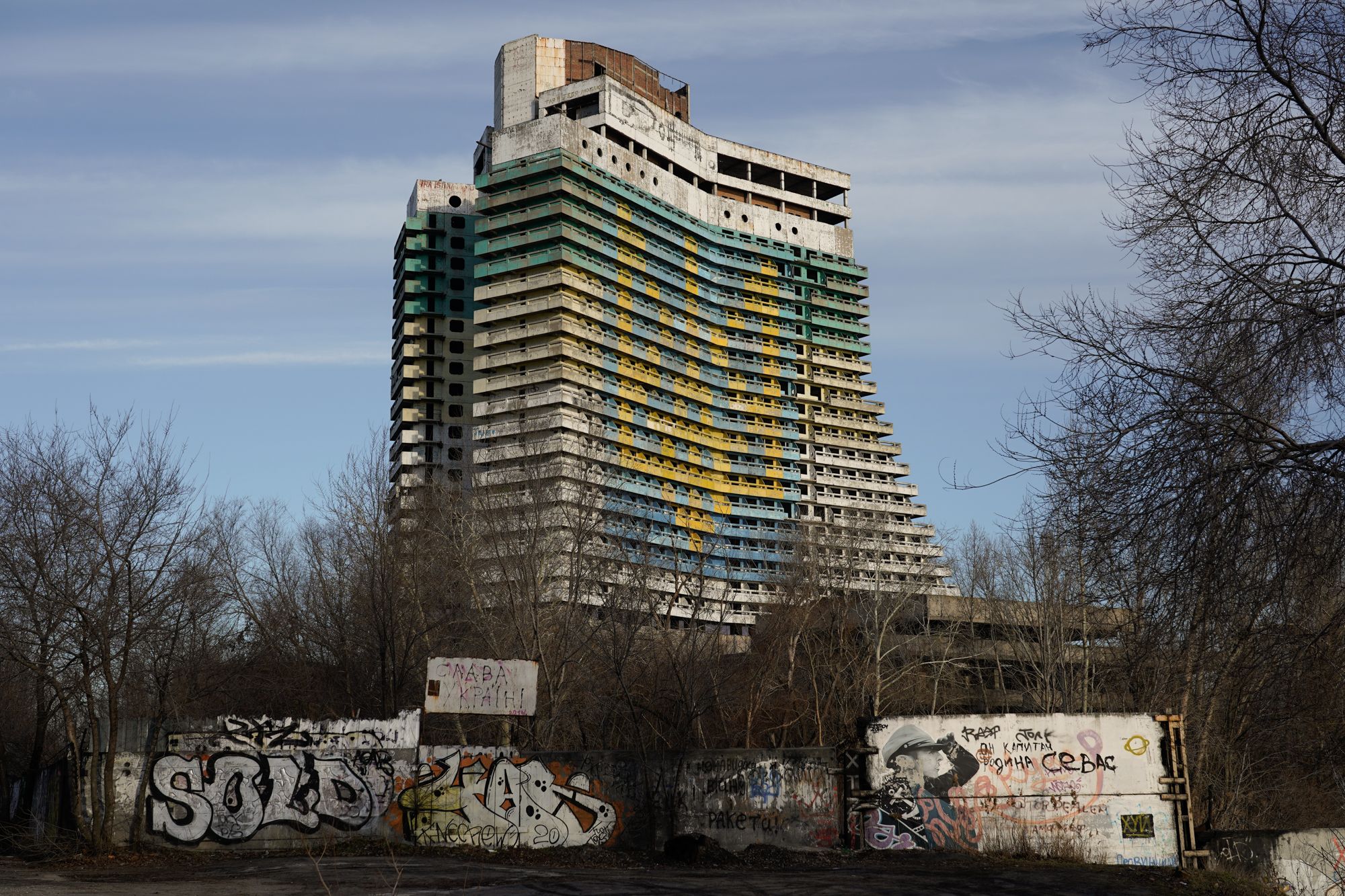
“Until recently, these new places once got along with [mainly] Soviet memorials,” says Portnov. Most of the monuments and museums of the Dnieper were built after the Second World War, he explains, and almost nothing was left of the pre -Soviet period. However, now many Soviet monuments in the city are dismantled. The neat dismantling of the statues of Maxim Gorky and Valery Chkalov in December last year sharply contrasts with the demolition of a massive monument to Vladimir Lenin in the city center in 2014.
Nine years later, in the place where the leader of the Bolsheviks once stood, an empty space. But perhaps Tabula Rasa is best suited to this city. The Kremlin is trying to breed the country's residents in the poles, but black and white rhetoric does not work when self-identification of people can be painted in shades of gray. “This is not a city that wants to tell you or my story to me,” concludes Portnov.
Probably, today's life in the Dnieper is the personification of the “popular war”, in which the whole country is involved, regardless of the origin of each person. For refugees from the east of Ukraine, “the unifying problem was that we are all here,” says Rimma Doroshev from Donetsk: “And therefore we seem to understand each other.”
Author: Aliide Nilor for The Beet
Editor: Ailish Hart
Photos: The Beet