
Translated material
1.9 million barrels of Russian diesel fuel were stuck in the sea - Bloomberg
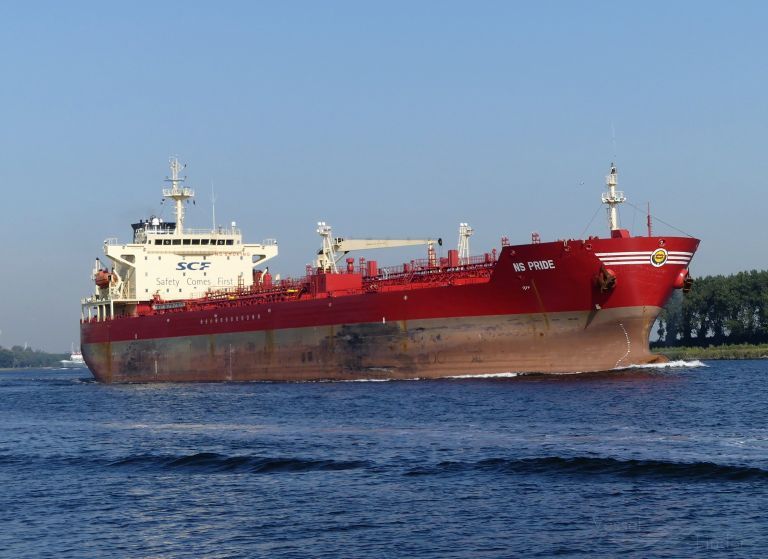
Vesselfinder.com / Patrick Deenik
The large volume of Russian diesel fuel stored on ships indicates that buyers avoid sanctions fuel, since exceptionally warm weather reduces demand, writes Bloomberg.
According to KPLER, now there are 1.9 million barrels of Russian diesel fuel in floating storages, which is the largest volume since October 2020.
The increase in volumes three weeks after the entry into force of the EU indicates that some goods come out of Russian ports without buyers, the agency notes.
"The fears of the deficit prompted European oil refineries to increase production in order to prepare for winter, which turned out to be warmer than usual, while suppliers imported a huge amount of fuel before the EU ban on imports from Russia. According to one indicator, diesel fuel reserves in the transport hub of amsterdam-anti-fresheries have grown to the highest level in two years," the said in two years, "the one said in the highest level," the one said in the highest level. publications.
The constant extension of Russian reserves of diesel fuel, unsatisfied in the sea, can ultimately affect the pace of processing and production of raw oil, the income from which the second year of the war in Ukraine is now funded, the agency notes.
True, weather conditions can lead to some difficulties with unloading, as a result of which some cargo is temporarily classified as a floating storage. However, this does not apply to the coast of North Africa, where some Russian cargo lingered.
Last week, a record number of Russian diesel cargoes went without an appointment, Bloomberg emphasizes.
- Last year, Russia supplied about half of the diesel fuel imported into Europe - about 700,000 barrels per day.
- In February, the coalition of the countries of the "Big Seven", the EU and Australia established new marginal prices at the level of $ 100 per barrel for products selling a bonus compared to oil, mainly diesel fuel, and $ 45 per barrel for traded products are cheaper, such as fuel oil.
- The Wall Street Journal wrote that sanctions against Russian oil products forced Moscow to redirect exports from Europe to alternative markets. In particular, the countries of North Africa became large buyers. Analysts suggest that they are used for resale to Europe.
- According to Bloomberg , Russia overloads millions of barrels of Russian oil and oil products off the coast of Greece to circumvent European sanctions.