
Translated material
"Green" bomb
Environmental consequences of armed conflict: from threats of radioactive pollution to the influence of sanctions
“Humanity has always considered military losses according to the number of killed and wounded soldiers and civilians, destroyed cities and infrastructure, and the environment remained a quiet and inconspicuous victim. <...> The environmental consequences of wars are ignored by modern laws ” - this is a quote from the statement of the UN Secretary General, made on November 6, 2006, in the midst of hostilities in Iraq. Those events really extremely negatively affected the state of the environment-primarily due to the fire of oil fields and the use of shells with depleted uranium. Air poisoning by combustion products, tiger oil pollution (from which residents took water), radioactive effects - all this led to the fact that the number of cases of leukemia, lung cancer and mammary gland in Iraq increased 2-3 times. The deterioration of the state of ecosystems inevitably entails the consequences for the person himself.
Environmental problems, due to what is happening in Ukraine, will most likely feel only a few years later. However, it is already clear that they will be serious. Moreover, for Russia - more serious than for most countries.
Part 1. Direct consequences
Mass damage mine
The risks for the south of the Russian Federation were laid, oddly enough, in 2014. The Donetsk and Lugansk People’s Republics project was originally launched as a non -treasure, opaque and not aimed at cooperation with international institutions. Today, this opacity can threaten the radiation pollution of not only Donbass, but also parts of the territory of the Rostov region, as well as the Sea of Azov. The source of the threat is the Yunkom coal mine flooded in 2018 in the city of Yunokomunarovsk, located on the territory of the “DPR”.
In 1979, a nuclear explosion with a capacity of 0.3 kilotons in TNT equivalent was produced in the mine. The Soviet authorities in this way hoped to solve the problem of gas accumulation, but it was not possible to achieve this goal: already in 1980, methane detonation occurred in Yunkom, 66 miners were killed. In 2001, the mine was closed as unprofitable.
Moreover, it was not the traditional method of flooding, but in an expensive “dry” way, which includes, among other things, a constant pumping of water. The need for this was justified by the danger of radioactive pollution.
According to the ecologist Olga Denishchik, radionuclides may contain radionuclides in the Yungkom’s mine waters. And if you flood the shaft, then the dangerous substances will rise higher - to the horizons from which water is taken for drinking or irrigation. But in addition to the obvious threat of eating radioactive water, there is one more - the water of the “Yungkom”, rising to the surface, can enter the Seversky Donets, and from there to the Don and the Sea of Azov.
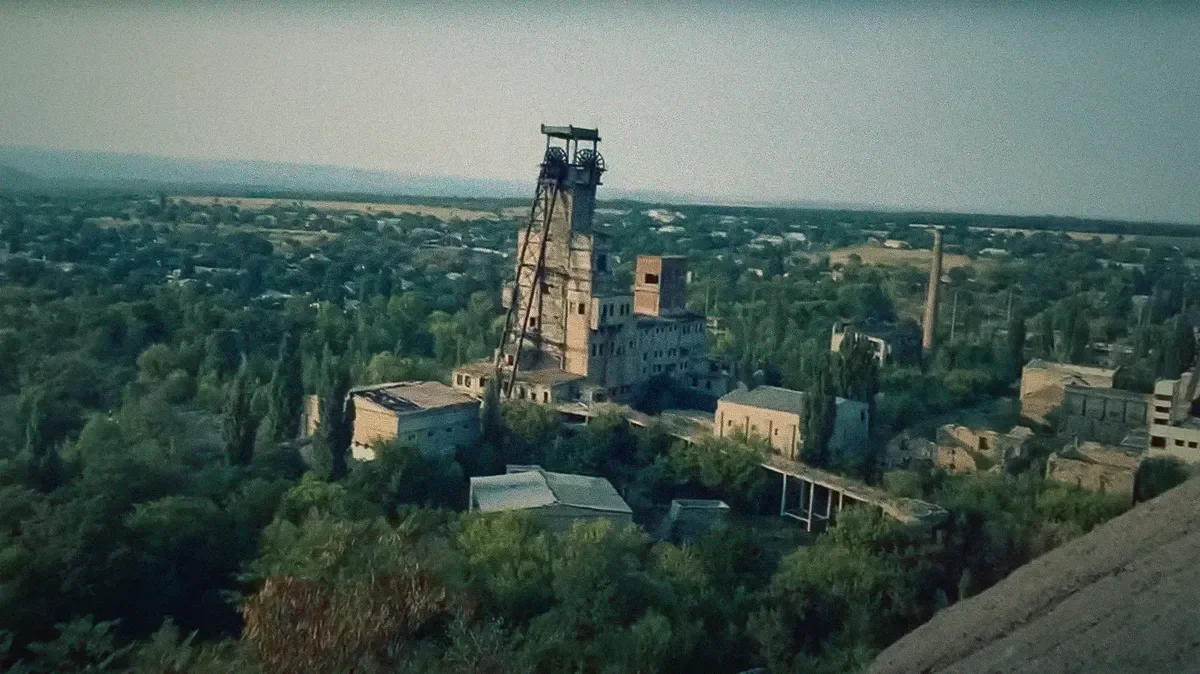
“If water -excessive installations floods as a result of prolonged de -energization, groundwater level will rise. The “sealed” capsule with radioactive materials will break, and the infected muck will rush with water along the rods. This water will rise up and along a number of old unhealthy wells will come to the surface. The pollution of the terrain will be monstrous - about 1000 micro Borentgen per hour, ” said Geologist Evgeny Rudnev about the flooding of the mine.
For understanding: the level of a radioactive background of up to 50 micro Borentgen per hour is considered safe for humans.
Every year, the authorities of Ukraine spent about $ 5 million on the drainage of the UNKOMA. But the DPR said that they did not have that kind of money. Since April 14, 2018, the water from the mine stopped pumping out. In 2020, the Ukrainian authorities called on the inspectors of the International Atomic Energy Agency (IAEA) to inspect Yunkom, but in Donetsk this idea was not supported, saying that they were ready to submit their own reports and expert conclusions. Whether they were represented is unknown. An independent assessment of the consequences of the flooding of the "UNCOM" is still not given.
Ecologist Alexei Vasilyuk in a conversation with the New Gazeta Europe noted:
“In Ukraine, there is a hydrologist Evgeny Yakovlev, who studied the mines of Donbass, <...> all mines are concentrated from Donetsk to Stakhanov. And all the time of coal mining in this zone, water was pumped out. But in 2014, when the battles just began, they killed the power line. The pumps stopped working, and water from the lower horizons began to rise. She flooded the lower pumps, all this crowned, and in a significant part of the mines the water stopped pumping out. Yakovlev said that for seven years, water could reach the surface. Moreover, it will flood all the mines because they are connected by drainage structures. And when the flooding of mines ends, the Donbass will turn into a toxic swamp. ”
Against the background of ongoing hostilities and the military law introduced in the “DPR”, an independent field study of the radiation background and the state of water bodies in the Donbass is not possible. However, it is obvious that it will be necessary to solve the problem with radioactive mine waters, and in the case of their exit to the surface-not only in the Donbass, but also in the Rostov region, or even in the Krasnodar Territory and in Crimea, because the Seversky Donets, which can fall into the Don, still flowing into the Azov Sea.
The era of half -life
When discussing the radiation risks of the Russian-Ukrainian confrontation in the media, two topics are most often indicated: the probability of direct use of nuclear weapons and the danger of “incidents” at the Zaporizhzhya nuclear power plant. However, both of these risks are only hypothetical. The information campaign around the ZAES, which could be observed in the summer and fall of last year, was more likely to be political. Apparently, both the Russian and the Ukrainian leadership understands: in the Chernobyl nuclear power plant in 1986, one reactor exploded, and there were six reactors on the ZAES. After Chernobyl, radioactive precipitation fell even in regions remote from the nuclear power station - for example, Mordovia and Chuvashia. The area of damage in the case of depressurization of reactors of the Zaporizhzhya nuclear power plant will be much larger.
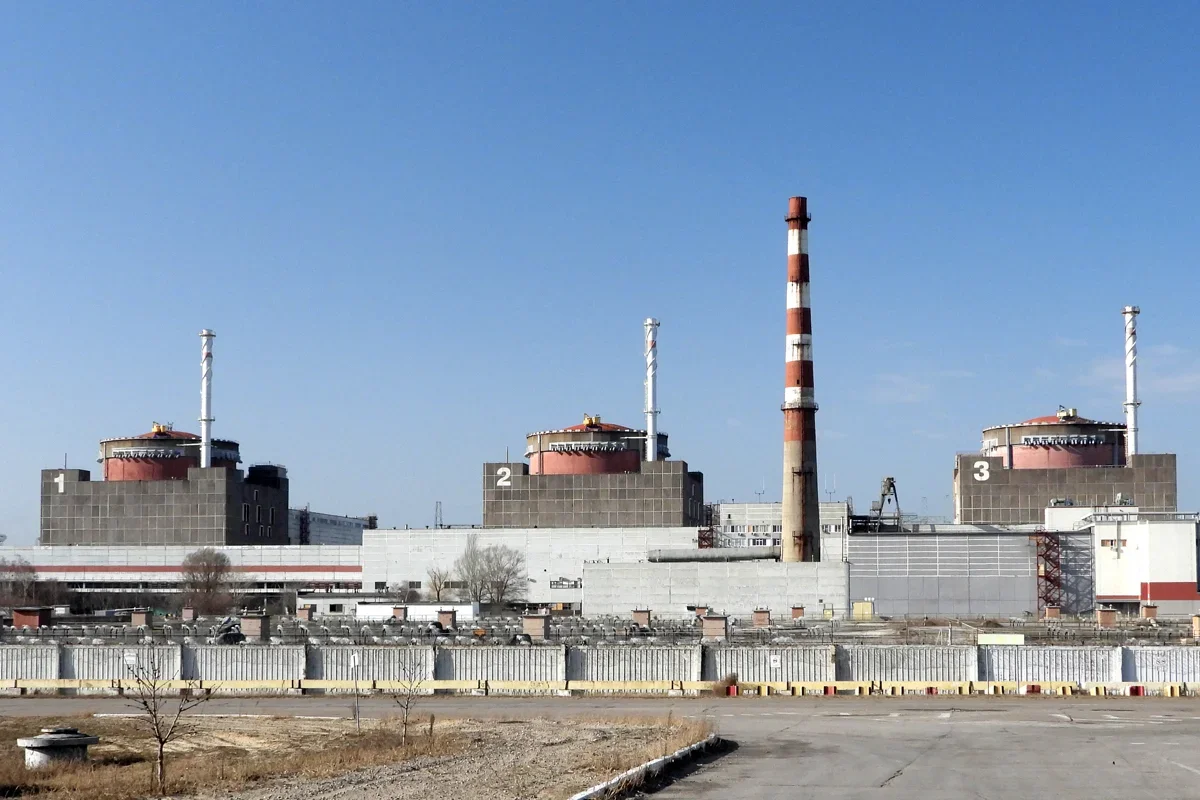
In addition, today the threat of emission of radionuclides, even if shells get into the ZAES, are significantly reduced: four of the six station reactors are in the “cold stop” mode, in the “hot stop” mode (that is, the reactors are heated by supplying electricity from external sources, but they themselves do not work).
“When the reactors are in the process of electricity production, the pressure in them significantly exceeds the atmospheric, reaching 16 megapascals (0.1013 megapascale is considered normal atmospheric pressure),” said the physicist, Jader Andrei Ozharovsky. - And if the first contour is damaged in this state - pipelines, steam generators or the reactor itself - then a volley emission of radionuclides will occur, and then nuclear fuel will begin to melt. The very “heavy accident” will occur.
If the reactor is in the so -called cold state, then the volley emission of radionuclides is excluded .
- Of course, the circuit still contains dangerous substances. Of course, it cannot be sheated and destroyed in any way, but if the accident occurs, then its severity will be less, ”says Ozharovsky.
However, if the depressurization on the ZAES so far remains a hypothetical risk factor, then an increase in the radiation background in the zone of the Chernobyl nuclear power plant is a fixed fact. On the day when the Ukrainian command announced the Chernobyl lesson in the Russian Army, the gamma radiation level in the power plant increased more than 20 times: from 3 to 65 microsivert per hour. Despite the fact that a level of 0.5 microsivert per hour is considered safe for humans (and the concept of “radiation background is normal” applicable to the indicator of 0.2 microsivert per hour).
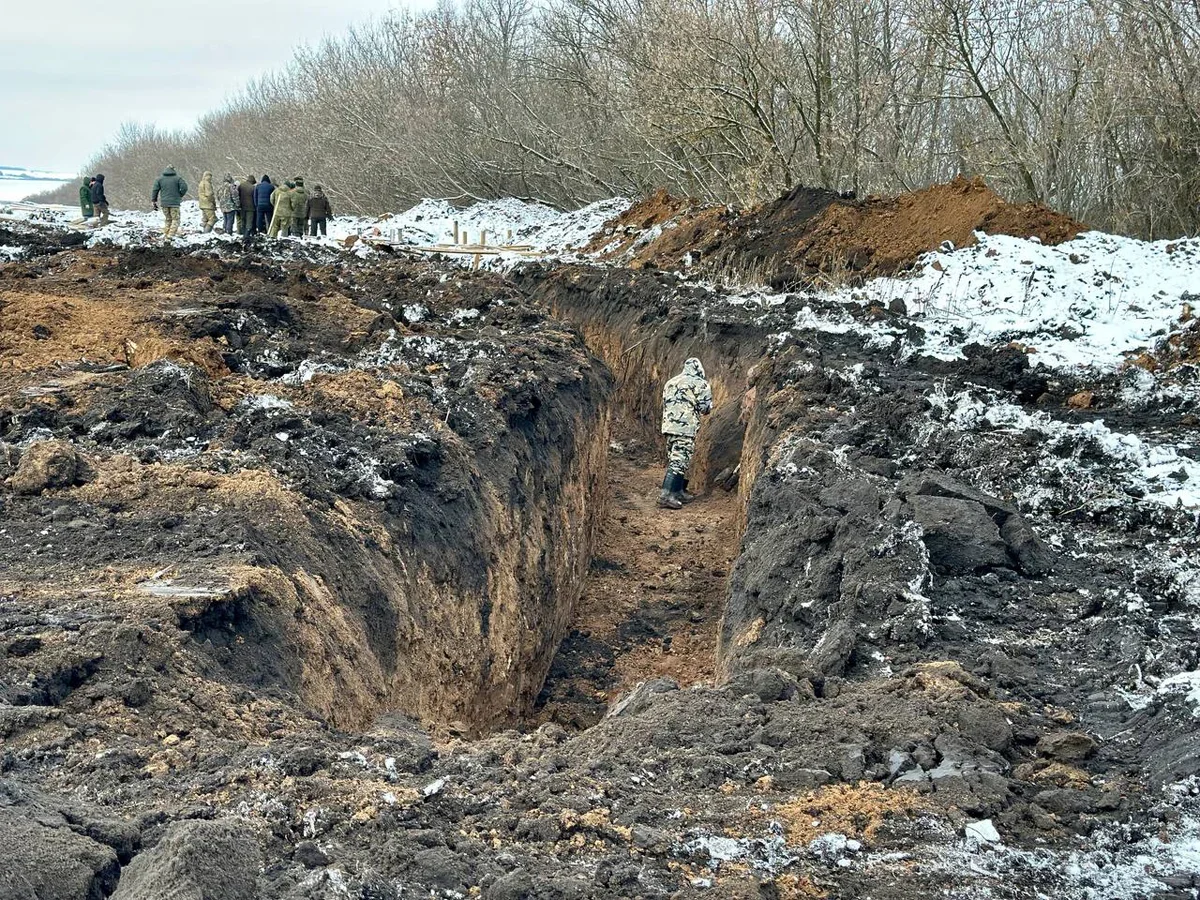
In the Magate, it is believed that the increase in the level of radiation in the Chernobyl zone was associated with the movement of heavy equipment, which raised contaminated dust that has remained here since 1986. Moreover, the Russian military erected defensive structures in the Chernobyl zone of alienation, dug trenches. Ecologists note: it was relatively safe to walk in this area, but digging ... Experts are also afraid that after the departure of Russian troops from the Chernobyl nuclear power plant they could transfer radioactive dust on clothes and equipment.
Due to the classification of information about the situation in the Russian army, there are no reliable data on the consequences of the military in the Chernobyl zone.
Direct hits
After the start of the special operation, the territory of Russia began to be subjected to shelling. Ukraine attacked oil depots in the Belgorod, Oryol and Bryansk regions, an oil car in the Kursk region, military airfields in the Ryazan and Saratov regions. Explosions also took place in the Crimea: in a military warehouse in the Dzhankoy district, at airfields in Novofedorovka and Sevastopol. And everyone also knows about regular "cotton" in the border regions of the Russian Federation.
However, according to the ecologist Evgeny Simonov*, in Russia neither the central nor regional authorities consider environmental influences priority. “Those who decide to consider damage on the ground are afraid to get acquainted with the law on fakes and its analogues. Therefore, I did not hear that someone in Russia evaluated environmental harm from what was happening, ”he said in an interview with the publication“ Cedar Media ”.
For the same reason, nothing is known about the dangers from the construction of defensive fortifications in the Russian Federation - trenches, dugouts, and seals. Although all these fortifications are extremely dangerous for at least animals - because they block the paths of migration.
The only precedent when the authorities responded to the public concern about the environmental consequences of hostilities was associated with the Moscow missile cruiser. Ecologist Dmitry Shevchenko sent a request to the Ministry of Defense about how many poisonous substances (in particular, fuel) sank along with the ship. The Deputy Commander -in -Chief of the Navy Vladimir Katasonov said: “The fuel spill in the sea was not fixed with the Moscow cruiser’s disaster, while the amount of burnt fuel in a fire is unknown. Partial or complete pumping of fuel was not carried out. The ship sank outside the territorial sea of the Russian Federation, in this regard, the alert of the Ministry of Emergencies of Russia of local authorities and the population about possible negative environmental consequences of the emergency on the Moscow cruiser was not carried out.
Part 2. Indirect consequences
But much worse than explosions - it is in the environmental sense that sanctions and witch hunting, that is, for objectionable ecologists and eco -activists, can affect the environment.
How does "clean air" smell like?
In January of this year, the Russian Union of Industrialists and Entrepreneurs (RSPP) appealed to Deputy Prime Minister Dmitry Grigorenko with a request not to adopt the law on working fines for emissions in the atmosphere exceeding quotas. As a justification for their request, representatives of large business called the inaccessibility of imported equipment.
“The consequence of this is not only direct financial losses and the need for prolonged recalculation, but also an increase in the risks that the analogues of the required equipment will not be found in principle, which means the possibility of achieving the goals of the experiment to quotes the emissions will be in doubt,” the RSPP said.
In simple language, Russian large business cannot environment its production due to sanctions. And he asks him not to punish him. President Putin, in a message to the Federal Assembly, of course, found how to file this news in a positive manner: “We have already decided to extend the“ clean air ”project until 2030, the purpose of which is to improve the environmental situation in the largest industrial centers,” he said, not mentioning that the achievement of the goals of the national project was originally scheduled for 2024. By this time, the volumes of dangerous emissions were supposed to reduce enterprises in the twelve of the most polluted cities of the country: Bratsk, Krasnoyarsk, Lipetsk, Magnitogorsk, Mednogorsk, Nizhny Tagil, Novokuznetsk, Norilsk, Omsk, Cherepopts, Chelyabinsk and Chita.
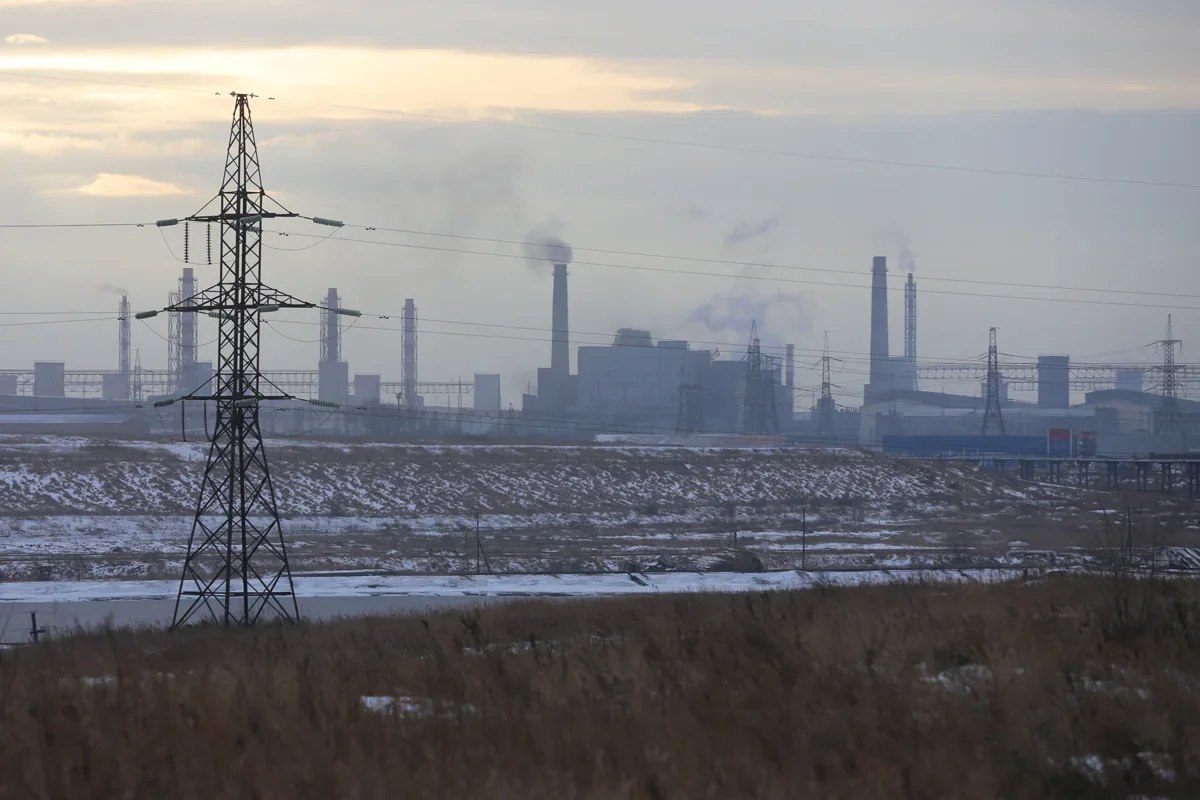
Just for understanding: according to the State Duma deputy George Arapov, in the cities participating in the National Prophet Clean Air, more than a million people have diseases associated with the effects of emissions.
In 2021, 6685 deaths were associated with air pollution. But now the improvement of the environment in these cities is “extended”.
"Green" import substitution
But if increased attention of environmentalization of production in Russia will now hardly be given to ecologists and eco -activists it is guaranteed. Over the past year, representatives of the environmental-crisis group recorded more than one and a half hundred episodes of pressure (from detention to criminal cases) on nature defenders: both on activists and scientists. 58 pressure episodes were associated with the expression of pacifist views.
“The ecological community did not say nothing, expressed, designated its position,” emphasizes the co-chair of the Russian Social and Ecological Union Vitaly server. This, of course, could not remain unanswered.
Not only those who directly expressed pacifist sentiments, but also international environmental organizations were subjected to attacks. In April last year, the Ministry of Justice received a letter from the chairman of the Russian Ecological Society (REO) Rashid Ismailov: he demanded that Greenpeace and WWF be recognized as “foreign agents”, justifying this “unfriendly actions of foreign organizations in relation to state environmental policy”.
The Ministry of Justice, however, refused in this requirement: the status of a foreign agent is assigned only to Russian organizations, ”the department emphasized.
Ismailov was not at a loss and said that he would seek the inclusion of Greenpeace and WWF among the undesirable. In November last year, the State Duma deputy Alexander Yakubovsky joined his requirements (only in relation to Greenpeace) (just ecologists, probably prevented the construction business in Lake Baikal).
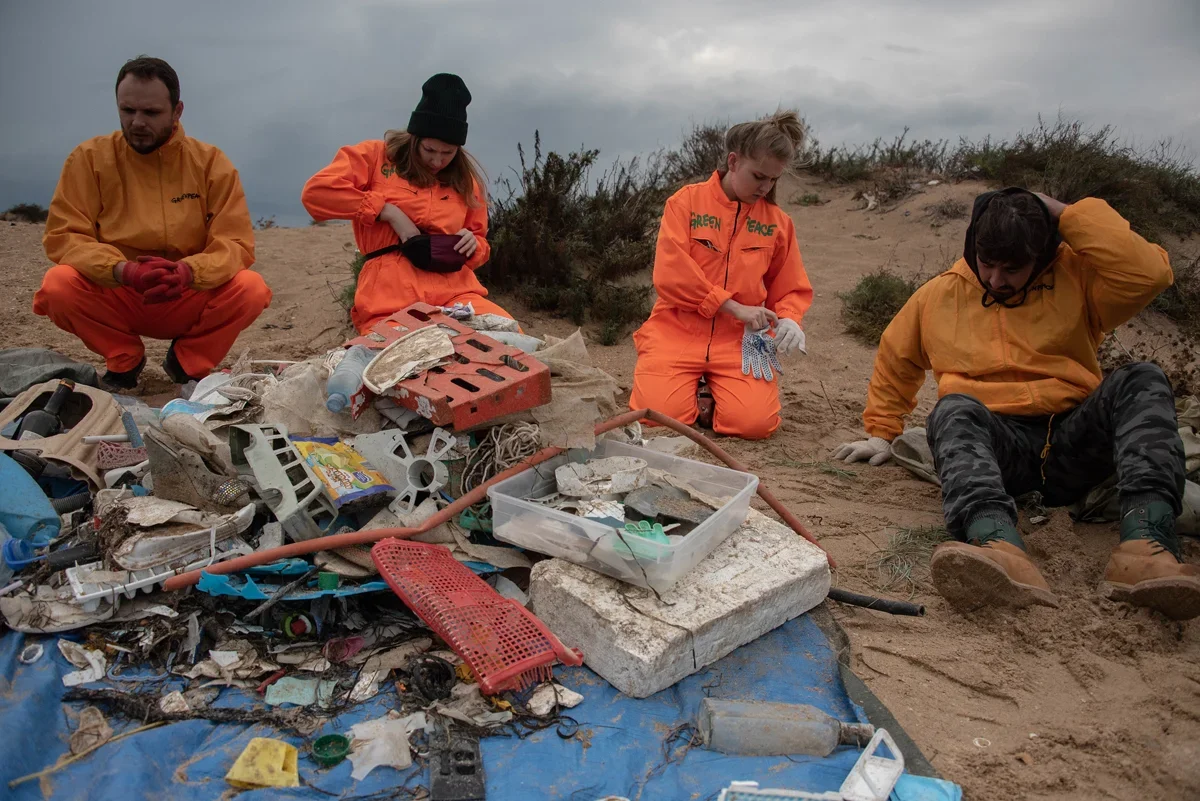
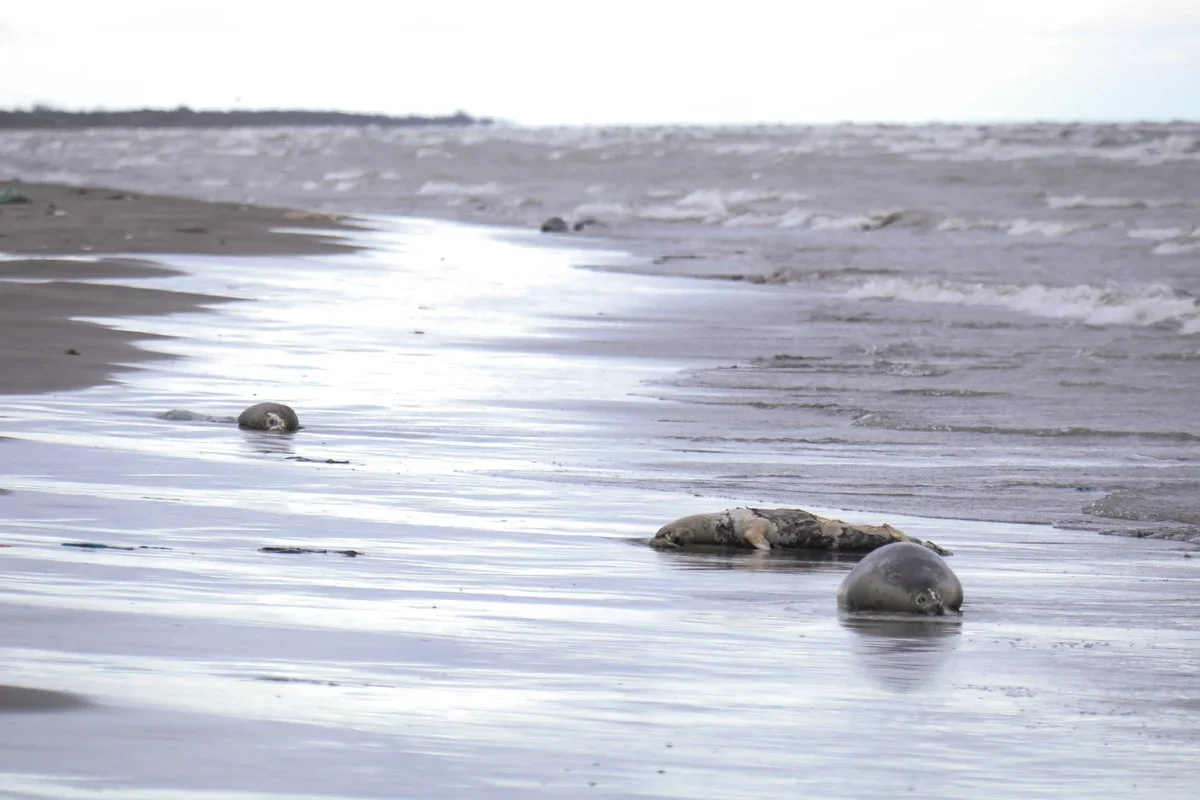
At the same time, the process of environmental “import substitution” began in the country. In June last year, the Compass Foundation was created, which was directly positioned as an analogue of Greenpeace. It is not known what environmental problems over the eight months of its existence: on its pages on social networks - numerous photos with officials and employees of industrial enterprises in a completely friendly environment. The only story in which the compass was noted loudly was to investigate the reasons for the mass death of Caspian seals that occurred at the end of last year. On January 24, the fund's employees said that the cause of the death of seals was a bird flu, but a week later this information was refuted: the Rosselkhoznadzor did not find signs of infection in the samples selected from animals.
To this, by the way, they try to weaken environmental legislation:
For example, to cancel public environmental examination (exclude citizens from discussing the construction of potentially dangerous facilities) or to allow the production of natural resources in reserves and national parks.
The Russian analogue of Greenpeace did not express protests against this.
However, it may turn out that access to previously protected resources and the ability to build anything without asking people is not a consequence, but one of the goals of a special military operation.
Part 3. Climate
Finally, one of the most obvious, but most dangerous environmental consequences is the return of global energy to coal. The countries of the European Union and a number of other states that refused the procurement of Russian energy, had to increase the share of coal generation. Some, like Germany or Austria, were forced to re -provide coal heat -electrocentralls.
And although ecosystems of Western countries will suffer from the return of coal in the short term, not only in the long -term.
It's all about global warming, which is faster in the Russian Federation than on average on the planet. Especially in the Arctic zone, which heats up 4 times faster than the rest of the globe.
Already today, more than 40% of buildings in the Russian cryolithosone (permafrost zone) have signs of deformation. 70% of the infrastructure of the Russian Arctic is in danger due to melting ice.
The gradual rejection of the world community of coal and other types of fossil fuel was the basis of the plan to maintain global warming in relatively safe framework. Today this plan begins to endure.
But even if the infrastructure is not sorry, then data on human victims of global warming: last year, due to the abnormal heat in Europe, according to WHO, 15,000 people were killed.
In Russia in 2010, abnormal heat, according to the UN, caused the death of 55,736 people. Now there will probably be more such disasters.