
Translated material
The startup from the United States planted the first genetically modified trees that should fight carbon emissions
But why don't the eco -activists like this idea?
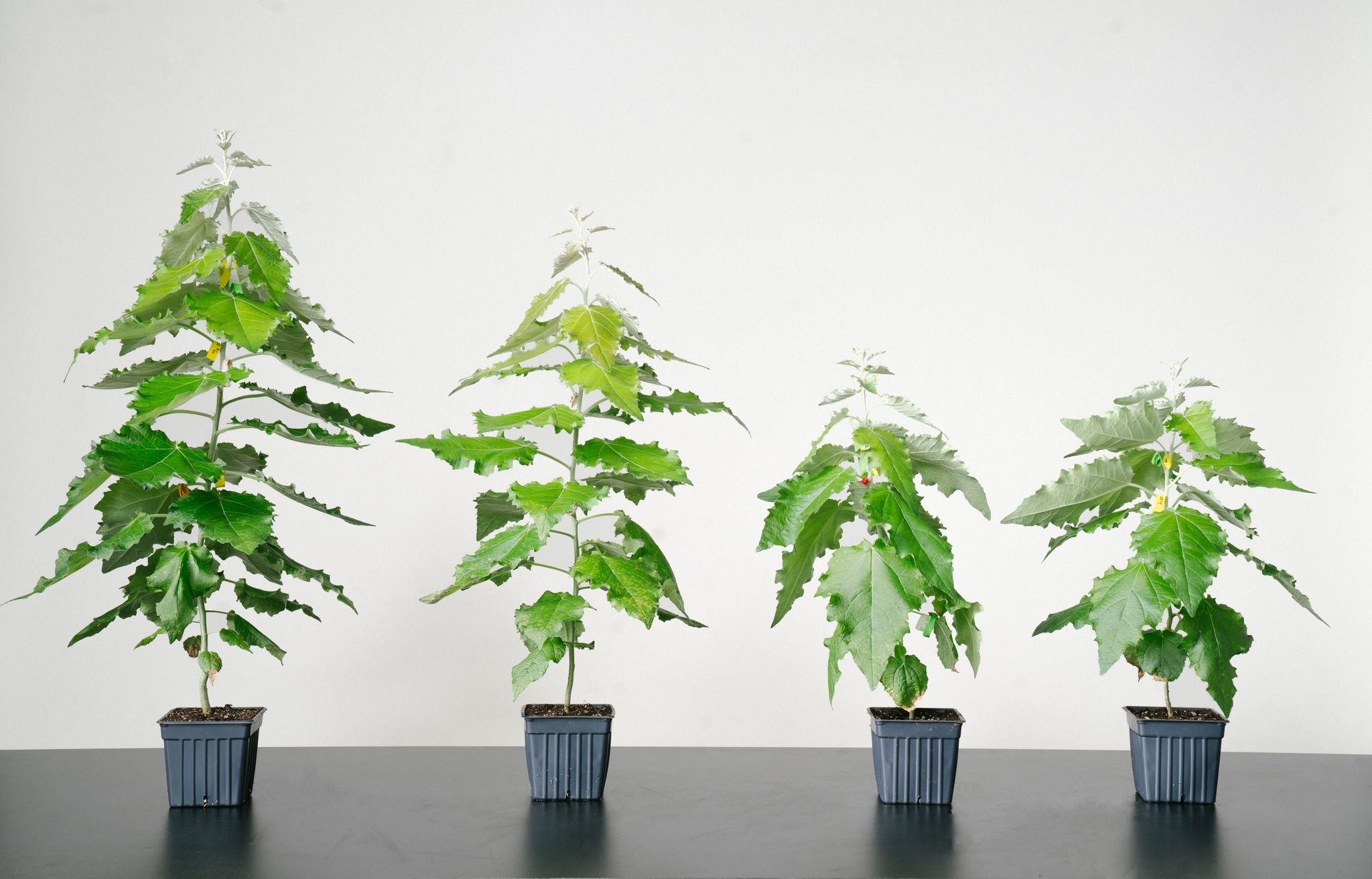
In mid -February, at the edge of a forest in the American state of Georgia, Living Carbon landed five thousand seedlings of genetically modified poplars. According to reporters and ecologists, this is an unprecedented case when a private company received permission to grow GM growths in record terms, without even having scientific publications that can confirm that trees can really solve the problem for which they have been developed.
According to the creators, the new variety of poplars has a more effective photosynthesis, which in theory allows such trees to grow one and a half times faster than wild relatives. The founders of the company, who intend to land several million such seedlings during the year, say that they are going to fight with an increase in the concentration of CO₂ in the atmosphere, and therefore with a change in climate.
To achieve accelerated growth of trees, genetic engineers from the Living Carbon startup took advantage of the invention of synthetic biologists from the University of Illinois. Thus, it was possible to “disperse” the speed of fixation of atmospheric carbon in tobacco by introducing a pair of enzymes into the cells of the plant, taken in one case from the algae of chlamydomonada, and in the second - at the pumpkin. As a result of such an intervention, tobacco really learned to photograph more efficiently: in the experiment, GM-Rasthenia gained mass a quarter faster, and starch (acting as energy reserves) in its cells was 40% more.
Not all plants are ideal machines for photosynthesis. Scientists decided to correct one of the "bugs" of evolution with the help of a small "GM-APDEIT"
It is well known that plants literally create their biomass from sunlight and air, or rather, from carbon dioxide, which, with the help of a special enzyme, turns into sugar, which, in fact, the energy of the sun is spent. The fact that, despite the millions of years of evolution, not all plants spend this process in a completely optimal way, is less known.
The fundamental problem that limits the effectiveness of carbon dioxide fixation by most plants is that the enzyme that is responsible for the accession of the Co₂ molecule to the “harvesting” of the future sugar molecule (through the chain of sequential transformations from this “harvesting”, glucose and starch are ultimately formed), knows how to attach the “correct” carbon, but also with less than the lesser The probability is attached to "improper" oxygen. As a result of the adverse reaction, a substance called glyclates is formed that leaves chloroplasts (where photosynthesis occurs), and ultimately falls apart - again with the formation of the Co₂ molecule. Thus, due to the enzyme error, the plant instead of fixing carbon, on the contrary, loses it. This process is called photography.
Some plants, such as corn, have learned to partially bypass this not the most effective way of photosynthesis through the use of rather complex additional tricks (one of the methods is the so-called C4-photosynthesis ). And genetic engineers from Illinois proposed even a simpler and more elegant solution that allowed not to produce a glycolate from chloroplasts, but to cut off a carbon from it right there so that the fixing enzyme could attach this carbon to the “harvesting” of sugar and almost completely suppress photography. Tobacco experiments made it possible to choose a successful combination of genes of the corresponding enzymes, which was also decided to use engineers from Living Carbon to optimize photosynthesis in the poplar.
From a scientific article to alleys with GM-Toples lies a long way. The Living Carbon decided to cut it off - with a dubious result
The problem is that the trees are quite different from tobacco, so the effect of the same modification at another object can be unpredictable. Researchers of the company realized this and conducted a number of experiments, the results of which were posted in the form of a preprint on the Biorxiv website. Nevertheless, at the time of receipt of permission, other scientists have not yet rejected this manuscript and it was not officially published.
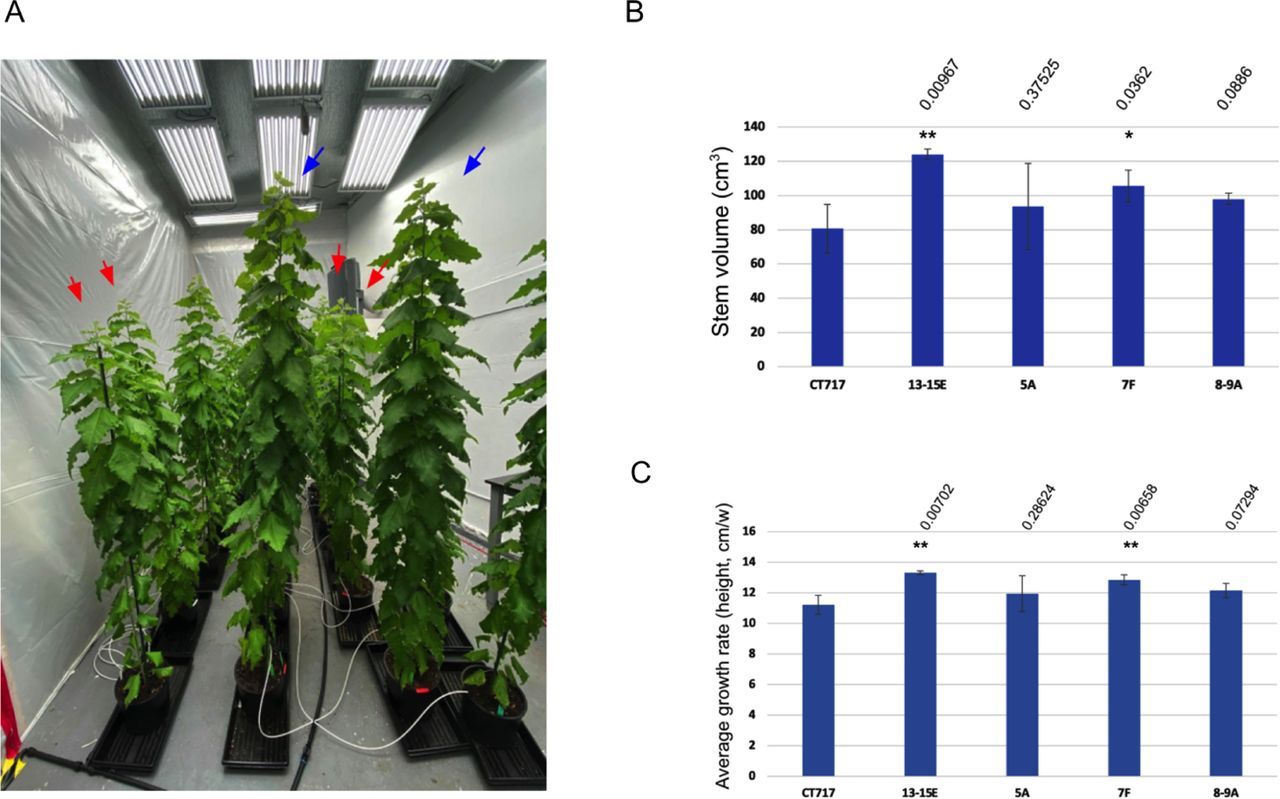
Before “releasing” the trees into the natural habitat, they were tested only in a greenhouse, where encouraging results were obtained by the speed of their growth. But no field tests were carried out before large -scale landing. Nevertheless, the representatives of Living Carbon somehow managed to obtain permission to land trees as soon as possible, which shocked not only representatives of the environmental organization The Global Justice Ecology Project , who are fighting the landing of the GM-Verevievs, but also the closest “competitors” Living Carbon-a group of scientists who are a group of scientists who are For the third year, permission for large -scale cultivation of American chestnut, resistant to fungus, has been waiting for permission.
According to The New York Times, the founders of Living Carbon used the loophole in the legislation, which avoids regulation by federal authorities (USDA). The fact is that for the genetic modification of their plants, they used a rather primitive method, which formally, from a legal point of view, did not make their plants “modified”.
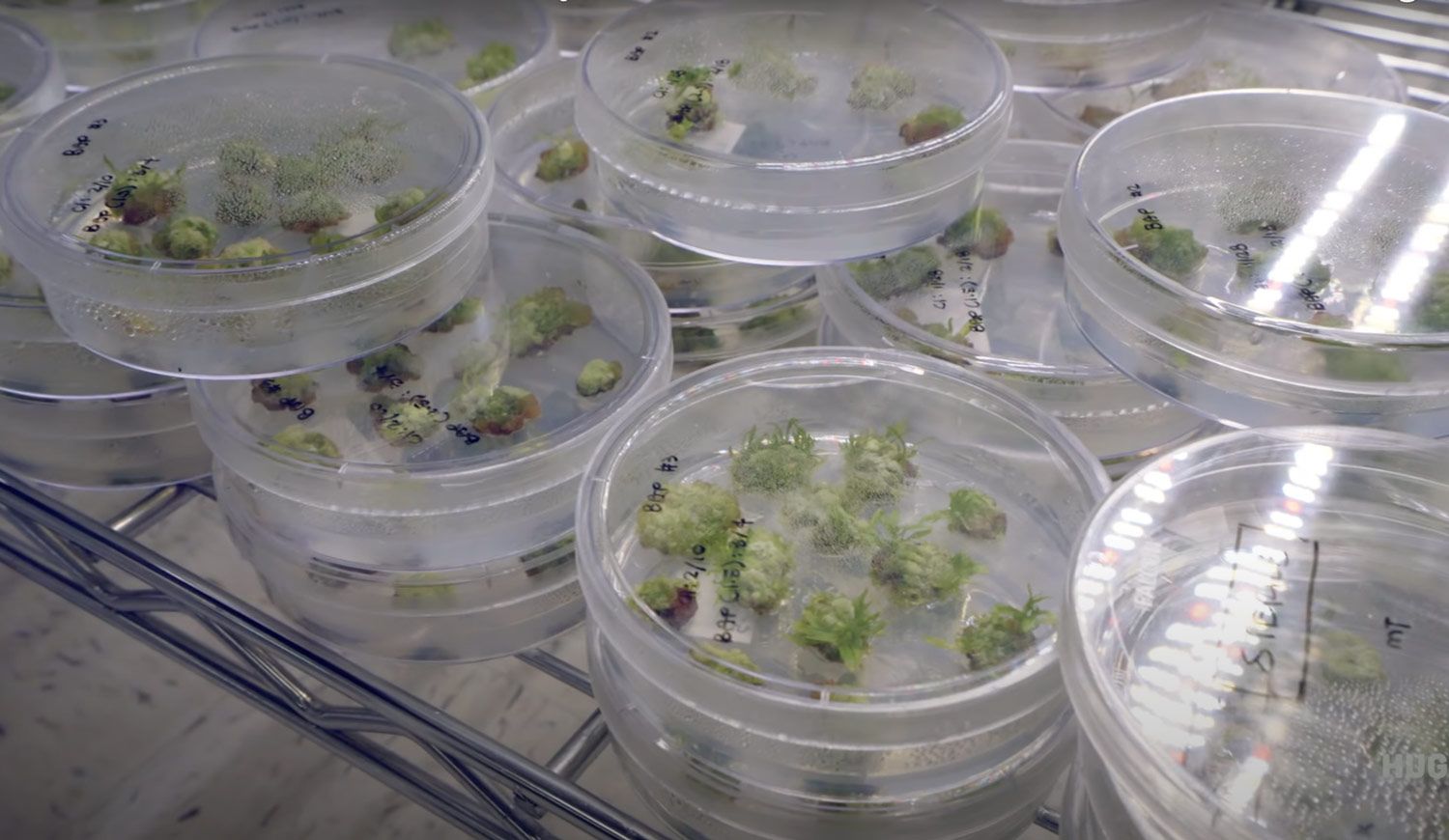
According to the amendment in agricultural legislation, produced in 2020, only genetically modified plants that were obtained using a bacterial or viral vector fall under the regulation of USDA - that is, bacteria or viruses are the carrier of new genetic information in their case. This is the most popular method of genetic modification in laboratories that are engaged in plants. For this purpose, agricultural-bacteria, which have a natural ability to penetrate into plant cells and transmit their DNA, supply a new, specially created DNA structure. Thus, the desired gene is first introduced into bacteria, and then these bacteria infect plant cells.
The same well -tested method was used by Living Carbon engineers when trial experiments on poplars were carried out. However, those seedlings, which eventually ended up in the state of Georgia, were obtained in a completely different way - which is formally, according to the US legislation, a modification is not a modification. We are talking about the use of a “genetic gun” - a method of delivery of DNA, which literally implies the shelling of the cells of the plant with microscopic gold balls covered with genetic material. This method is also well known and rather reliable, but its important drawback is that the necessary genes as a result of the “shelling” can be built into an arbitrary place of the genome. Both formally and from the point of view of physiology, the plants obtained in this way are not at all the same as the seedlings that were obtained using agricultural bacteria and for which a 50% increase in biomass is shown in the preprint compared to the source tops.
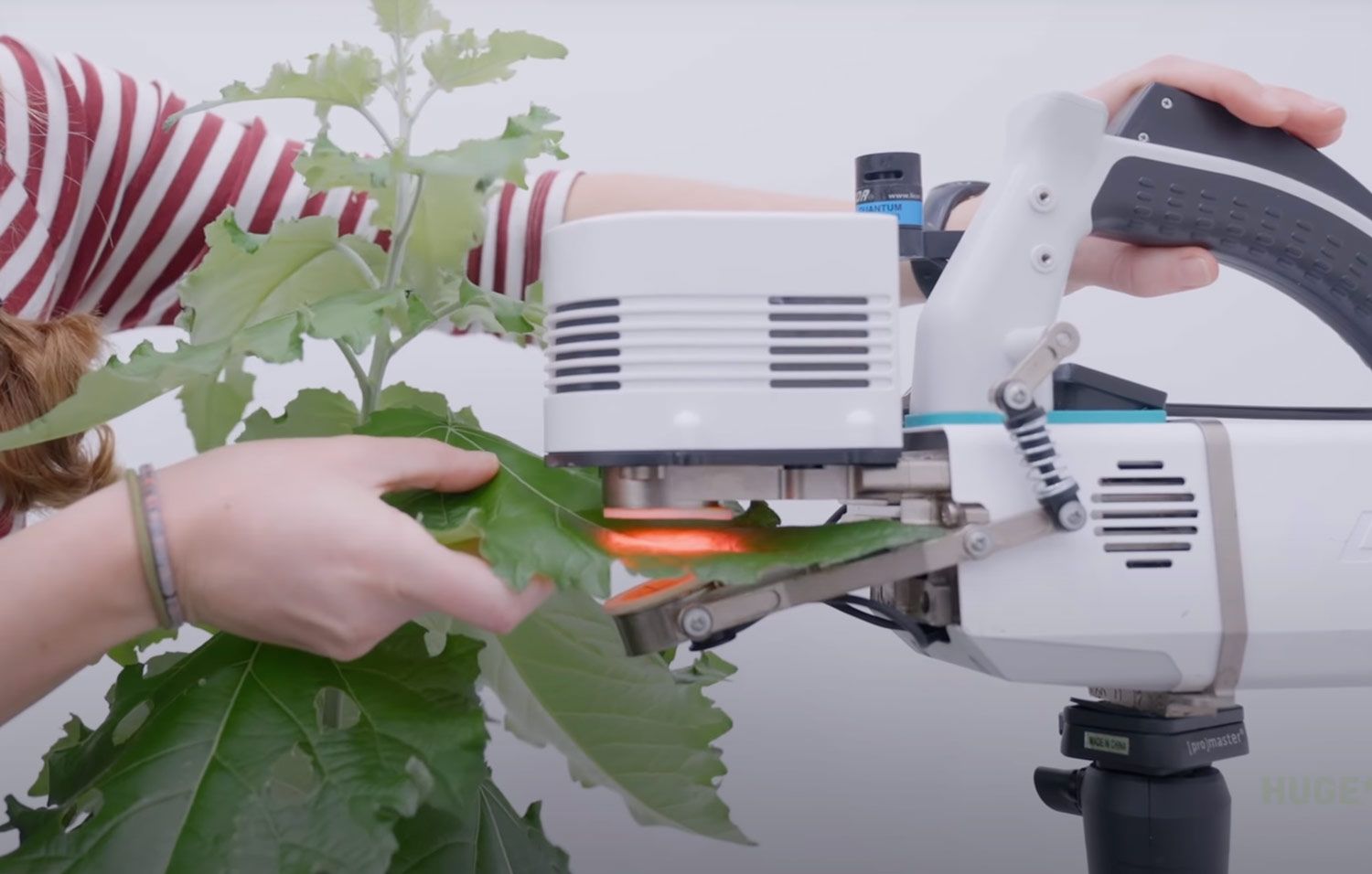

It is offered to pay for the landing of the GM-Topoda to companies that throw greenhouse gases as “climatic indulgences”
Maddy Hall, who had previously worked in Silicon Valley in projects such as Openai , became the executive director and co -founder of Living Carbon. Over the three years of existence, the company raised more than 36 million dollars of venture capital and investment for the creation and cultivation of its poplars. But how does she expect to make a profit if the poplar cannot be eaten and even their wood is not particularly valuable?
The fact is that the company is going to trade in carbon loans - quotas for greenhouse gas emissions, which are measured in tons of carbon dioxide. In other words, the founders of Living Carbon will offer companies to buy a permit to release a certain amount of Co₂ and in exchange promise that they will put so many growing poplars that will “suck” it from the atmosphere in several years.
This idea seems quite reasonable if the poplar really “work” - which, as the above above, has not yet been proven. However, the Living Carbon business model has other problems, in addition to the quality of the project justification.
If you leave the discontent of environmental activists, who call the similar scheme “indulgence trading”, creating only the appearance of a struggle with climate changes, then first of all, the possibility of “leakage” of new genes into the environment is primarily concerned-through crossing GM growths with their initial options.
In addition, any modification that allows you to grow faster or avoid pests is undoubtedly becoming an evolutionary advantage for the species, allowing it to spread faster than wild relatives. That is why environmental activists from organizations such as The Global Justice Ecology Project are opposed to the landing of GM-VERVIEV: they think (possibly is not unreasonable) that “improved” varieties can quickly exalt all the other trees, which means they will threaten bioerates.
Nevertheless, the use of directed genetic modifications to improve the properties of plants instead of traditional selection has long been not something new. At least for the United States: about 90% of corn, soy and cotton, which are now grown by the country's farmers, are varieties with genetic modifications that provide resistance to pesticides and pests. In addition to these main agricultural crops and several more species of plants used mainly for livestock feed, GM-Derevye can also be found in the country-these are papaya and apple trees that are growing in the air, which does not blacken in the air (that is, if such an apple is cut, it will not darken over time).
The GM-Topol itself has been grown in China for more than 20 years. In 2002, the Chinese Ministry of Agriculture approved two varieties of these trees for commercial use. In their genome, genes of bacterial toxins of insects were built into the genome, which were supposed to make plants resistant to pests. The large -scale landing of poplars in this country is carried out to combat deserting the territory. In addition, the wood of poplars is used for technical purposes - for example, for the manufacture of paper and plywood.
In 2018, a scientific review of Chinese scientists was published , who summed up some results of the long-term cultivation of GM-topopos and research in this area. Judging by the field tests, “toxic” trees critically do not affect the structure of soil microbial communities. As for insects that the trees should scare away, it seems that at the place of growth of poplars there are fewer pests-this can be explained either by the fact that they feed on neighboring trees, or the development of resistance to toxin, or the GM-VERY in the wild were not as good as in the laboratory. One way or another, since then, at least 22 varieties of poplars have been withdrawn in China, but the authorities are still in no hurry with permission to let them into the forests.
The US Biotech has already seen a loud project with a dubious justification - Theranos Elizabeth Holmes. However, the test results of the GM-Topolia still have a chance to shame skeptics
The founders of Living Carbon recognize some environmental risks, therefore, at a pilot plantation in Georgia GM-Topol, they grow mixed with ordinary ones-at the same time, this allows you to put a scientific experiment with which it will really be possible to evaluate whether GM-vests have declared properties. All GM-Derevye are female, that is, they do not produce pollen. In addition to poplars, other species will be planted on the site in order to assess the influence of GM-Dereviev on biodiversity.
The owner of the farm in whose territory the plantation is spread out has nothing against GM-Vereviev: before that, its land has not been used in any way, and now it will receive a rent and a certain amount of technical wood even in the worst case. The company plans to use swamps and abandoned mines - all located in private territories.
Despite the frank opacity of the project, Living Carbon also has a scientific partner - Oregon University. Nevertheless, even his employees experience healthy skepticism that the idea will shoot. Basically, scientists are confused by the lack of data of field tests, because the results obtained in the laboratory greenhouse and the results obtained in the field may vary greatly. The author of the development published in Science, which the company used to improve trees, is also not sure of success by 100%. Suddenly the poplars will not want to grow quickly enough?
Apparently, so far the main “threat”, which is the new variety of GM-Topodi, is unfulfilled promises. A similar story was heard a few years ago, when the founder of the Theranos biotek-Startapa, promised to make a coup in blood laboratory tests, having no real results in her hands. That story ended with a court and criminal cases. But Living Carbon does not promise ultra -suffering results, because while the poplar is growing, engineers have years to finalize imperfect technologies.
"Jellyfish"