
Translated material
Course to the west
The new government in Estonia will form liberals advocating maximum cooperation with the EU and NATO
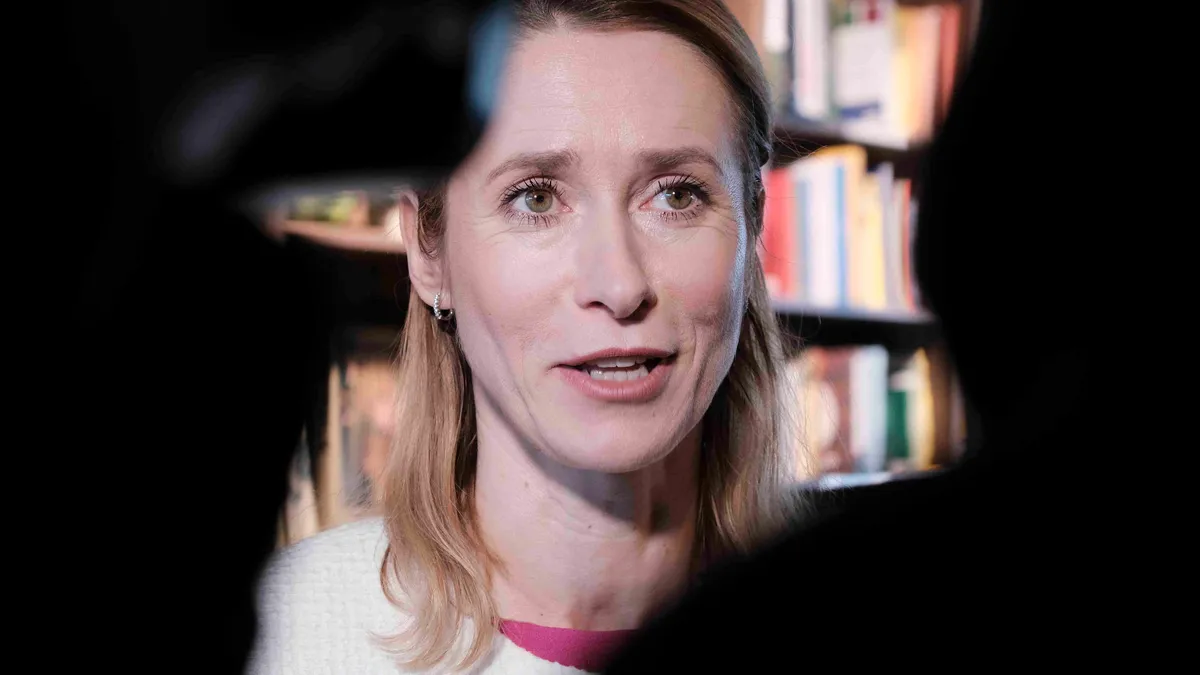
The parliamentary elections in Estonia clearly showed: despite the economic crisis, the key for the population has become the issue of security. The crushing victory of the reform party is vivid proof of this.
The reformists received 31.2% of the vote in the elections, ahead of the nearest and fundamental competitor-the national conservative EKRE-almost double. The centrists finished the thirds, compared to past elections, most parliamentary places, having received only 15.3%. But the giant jump up made the Eesti 200 party, which debuted in the elections four years ago: then it failed to overcome the five percent barrier, this time she got 14 out of 101 mandates.
The right “Fatherland” showed a weak result, receiving 8 seats in parliament, while the Social Democrats, taking into account the relatively low rating recently, have achieved a good indicator for themselves, occupying 9 parliamentary seats.
This means that the conservative-populist coalition in Estonia, despite the existing fears, will not be in the next four years. And the point is not that the population of Estonia has special sympathies for economic liberals, which, of course, are reformists. The Party of Reforms in its election campaign exclusively skillfully relied on security, which Estonia can only give a pro -western course, i.e. Active position in the European Union and NATO.
An important role was played by the international reputation of the head of the Party of Reforms, the current Prime Minister of the KAI Kallas, who received 31,102 votes and thereby set the election of its personal and general record.
The ultra-right, populist and Euroskepic party EKRE in many ways failed in the elections due to the fact that in the eyes of the Estonian voter it can be associated with the Kremlin. In mid -February, Politico , and after it the Estonian press, said that several years ago, the creator of the Wagner PMC Evgeny Prigozhin planned an infooperation with the participation of Ekre in Estonia.
Given the fact that the founder of the party, Mart Helme, occupied the post of Estonia Ambassador in Moscow and was repeatedly distinguished by dubious statements about the “special civilization of Russia”, and the party as a whole critically refers to the western establishment and European institutions, which sounded, was perceived as a threat to security.
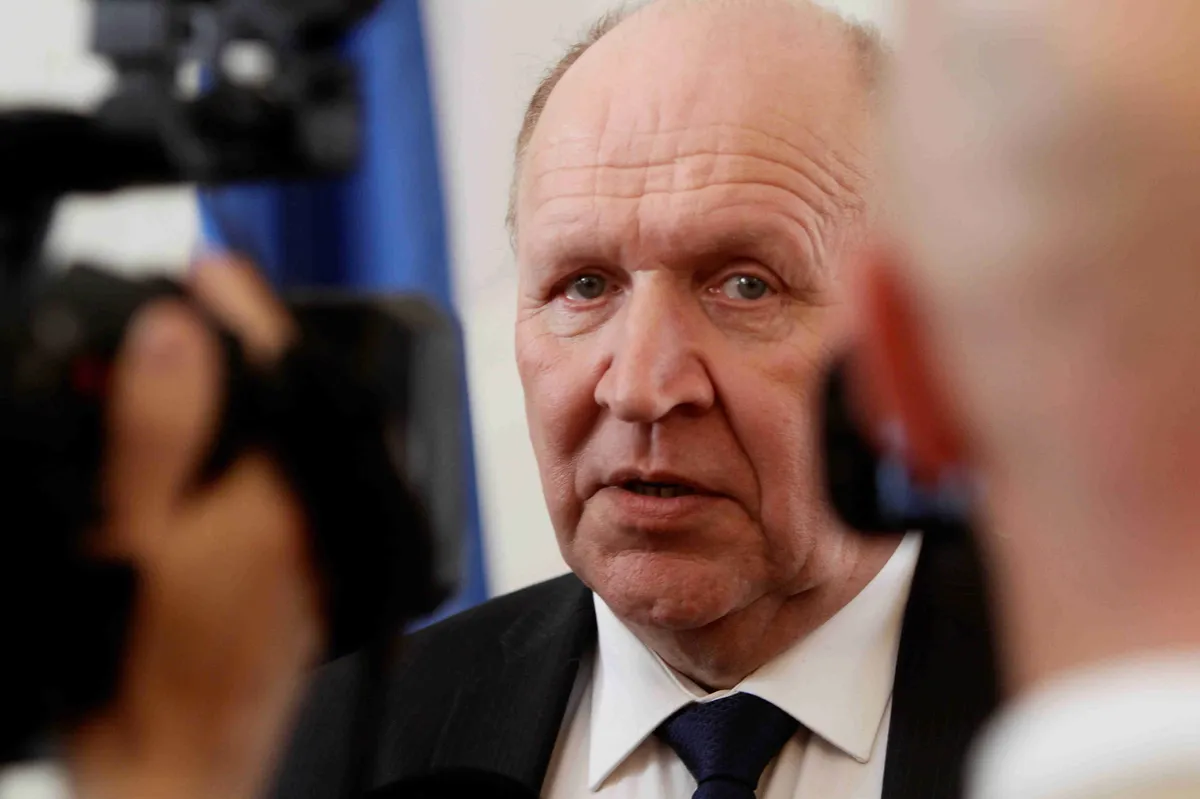
The party’s refutes did not help, EKRE managed to save their ratings only in the south-east of the country, where the population lives poorer and traditionally set up more conservatively and skeptical in relation to the current reformist government.
Even worse than the national conservatives, the centers have developed things. In many ways, their defeat in the elections is due to the loss of the Russian-speaking electorate: if in Tallinn the Center Party could still demonstrate something thanks to the current mayor of the capital Mikhail Kylvart and a number of other successful Russian-speaking politicians, then traditionally the centric border region of Ida-Viruma from the party recoiled. The reason for this was the clear position of the party regarding the war in Ukraine (for example, the leader of the Central Military District Yuri Ratas, speaking in the Verkhovna Rada, said that the war should end with the victory of Ukrainians) and, it seems, the completely resolved issue of Russian -speaking education, which the centrists failed to preserve.
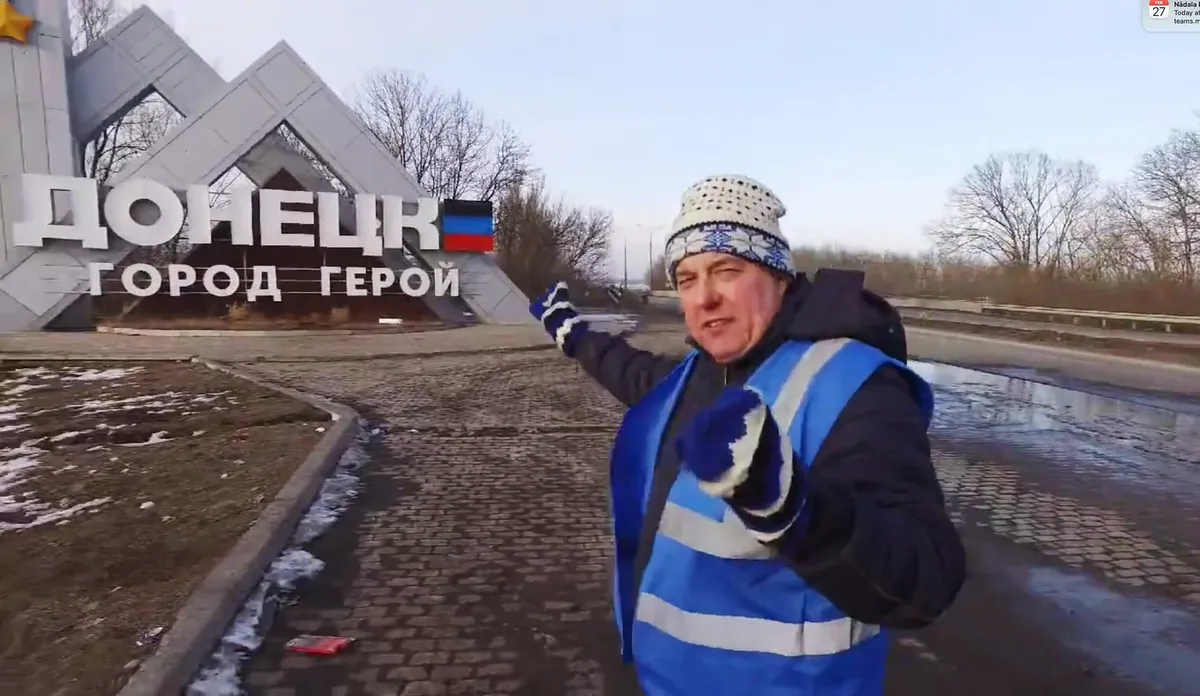
Loss of confidence in the centrists led to a low turnout in the northeast of the country, and those citizens of Ida-Virumaa, who nevertheless voted in the elections, almost held a completely pro-Russian character of Ivo Peterson, who openly supports the position of the Russian Federation, and shortly before the election of the Solovyov and the Solovyov and who traveled to the occupied Donbass. Peterson ran for the movement of Koos, who entered the polls along with the United Left Party of Estonia and called for reconciliation with Russia.
For the pro -Russian Narva, this turned out to be enough: Russian parties have not shown such results in the Estonian elections for more than twenty years.
An independent candidate Mikhail Stealnukhin, excluded from the Center Party for calling members of the government and all those who demolish Soviet monuments in Estonia, fascists, also gathered his crop in Narva.
It should be borne in mind that in the parliamentary elections, non-citizens permanently residing in Estonia and owners of Russian passports, which in the northeast and in the capital, have tens of thousands, could not vote in the parliamentary elections. At the same time, while this right retains them in municipal elections, which will pass in two and a half years. Since the prospect of seeing in power in strategically important regions pro -Russian political forces does not inspire either the Estonian authorities or most of the population, there is a possibility that the future coalition will try to hold a law in parliament that deprives non -citizens and “Russians” of the rights of voting in local elections.
The head of the reform party, Kai Callas on Tuesday, proposed to form the coalition of the Esti 200 party and the Social Democratic Party. It will probably not be difficult to agree on them: all these parties are focused on European and Western cooperation, put state defense and support of Ukraine with their priority and support the transition to a completely estono -language education. Some disagreements between liberal reformists and “Esti 200” may arise with social democrats on economics and increasing taxes, but practice shows that the Social Democratic Party in coalitions is behaved in a bow, moreover, a batch of reforms and “Esti 200” may well do without votes.