
Translated material
Hobbies for internal equilibrium - Berdvotching

Marat Magomedov
Founder Horney Orni Team, EBIRD curator in St. Petersburg and Leningrad region
"Paper" talks about simple hobbies that will help maintain mental balance in difficult times. In other materials, read about home plants , knitting and Slow Cooking .
In the new issue, we are talking about Berdvotching. The founder of the Horney Orni Team community Marat Magomedov tells which birds can be found in St. Petersburg and the Leningrad region in different seasons, what kind of gadgets to the novice Burder are needed and on what resources to look for information about birds.
What is it
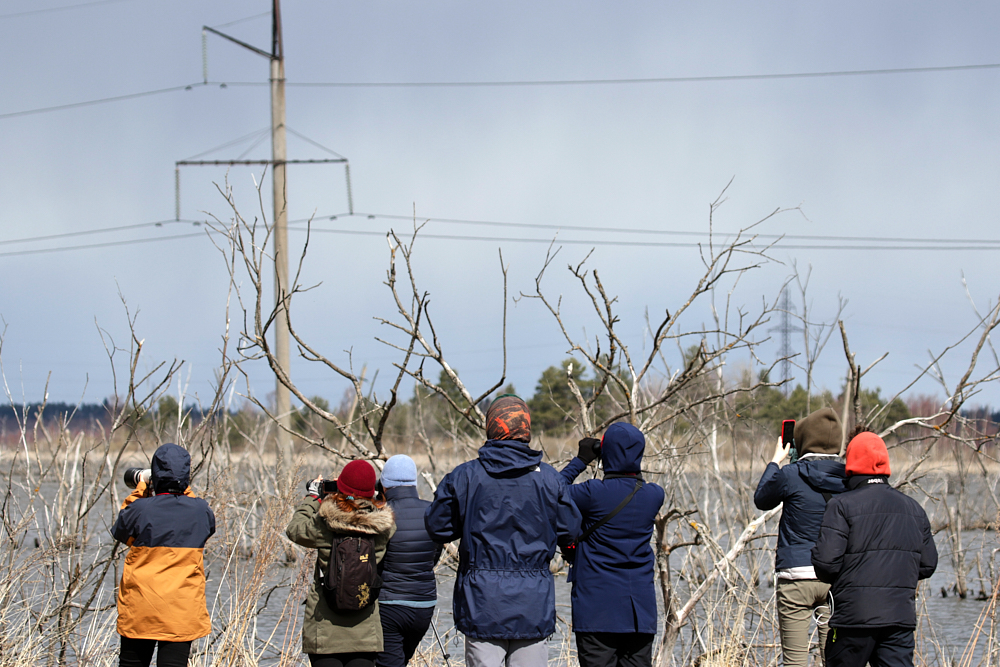
- Berdvotching is a bird observation. It differs from ornithology. The ornithologist conducts observations for research, which then grow into scientific work, and is responsible for each of its publication at least to the scientific community. We just look at the birds. We have no prizes, rewards, no one will ask us and we choose the goal for ourselves.
The most common type of Burding is lists. For me, the main list is the lifalist - how many birds I have met in my whole life. Now I have 333 types, and until the summer I plan to “raise” it to 400 due to a trip to Tajikistan and Uzbekistan for the migration season. Someone considers lists for a year or lists in a particular region, city or even in a neighboring park. There are those who consider the birds arriving on the office window - and this is also a berdwotching. That is, this is a sports interest, how many birds you can meet. This can develop into a competition between Burders - you can recall, for example, a " big year ."
There is another important component - a contribution to civil science. With this approach, Burder's main goal is to help ornithologists in their research. The most popular example is the Atlas of Birds of Moscow . It is filled mainly by the forces of the Burders: a person chooses a square suitable for him and regularly fills him with the birds that he met there. In St. Petersburg, migration is recorded every spring: what birds arrive, how they behave, when they begin to nest, and so on, all these data also collect Burders.
It seems to me that Berdvotching was most affected by covid quarantine for today's popularity. So it was with me and many familiar Burders who simply had nowhere to go, except for nature.
I know for sure that Burding is now getting younger: before they were engaged in mainly people over forty, now [among Burders] many twenty years old. And this is good - more initiatives, applications, communities appear, a movement is felt.
Is it necessary to take photos of birds
-Immediately divide the berdvotching and photography: photographers animalists do not always engage in Berdvotching, and bureers do not always take photos. These are different areas. There are regular situations when the photographers who took a series of beautiful pictures ask Burders which bird managed to shoot.
For Burder, this situation is impossible by default, because the essence of his activity in the definition of birds. Moreover, he may not even see them with his eyes, but to determine the view of the voice. Burders also often have claims to photographers due to the fact that they can behave unethical about birds for the sake of a good frame.
Although many Burders photograph themselves, but for them the primary definition, not a frame. If you manage to take a good photo - cool, but this is a bonus, not a goal. The fact is that over time, new birds are less common, and among them there are species that have been chasing several months behind. You see a bird for two seconds, and even in a pack of others, very similar to it. In this case, it is nice to take a photo to later determine the bird and add it to the Chekkist.
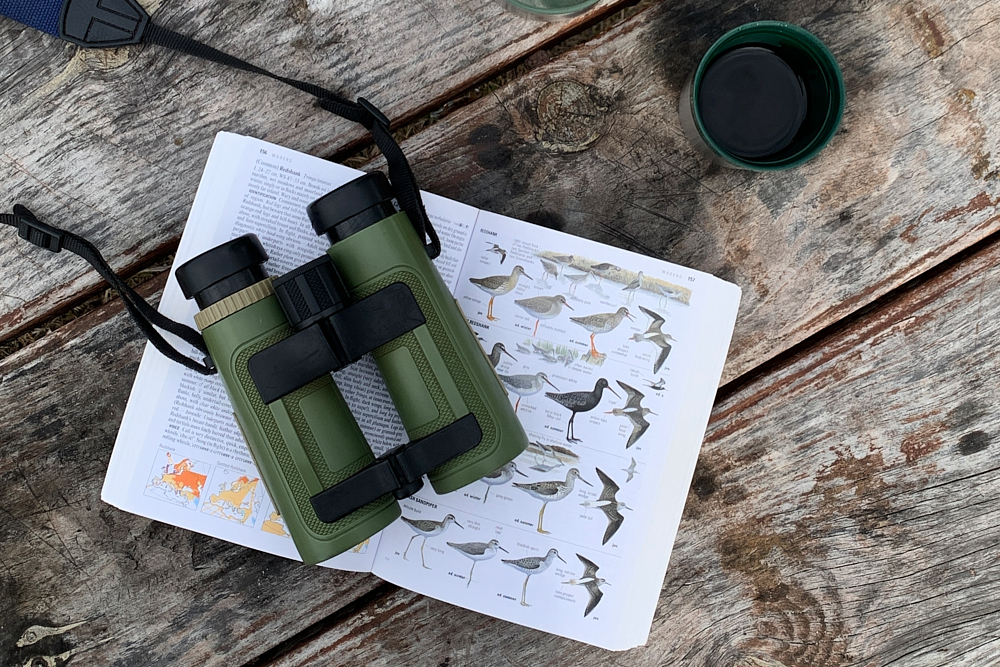
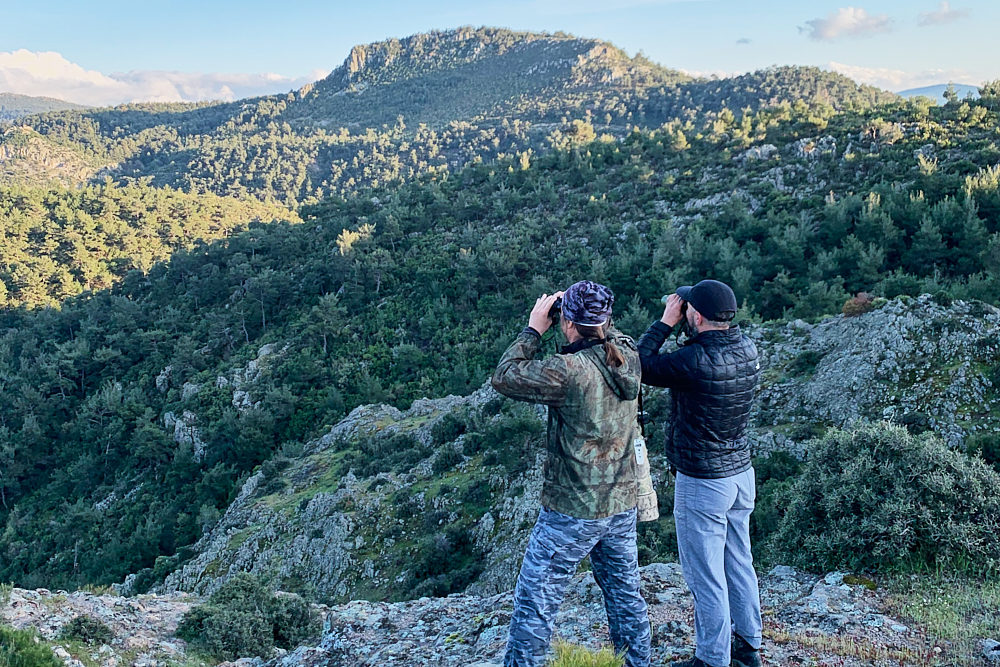
There are three prerequisites for Berdvotching: you need binoculars to see a bird, a book to determine it, and the list in which you write it down. This is enough.
I have been engaged in Berdvotching for three years, and I do not have a single good photo. Yes, and there is no your camera.
What items will be needed for berdvotching
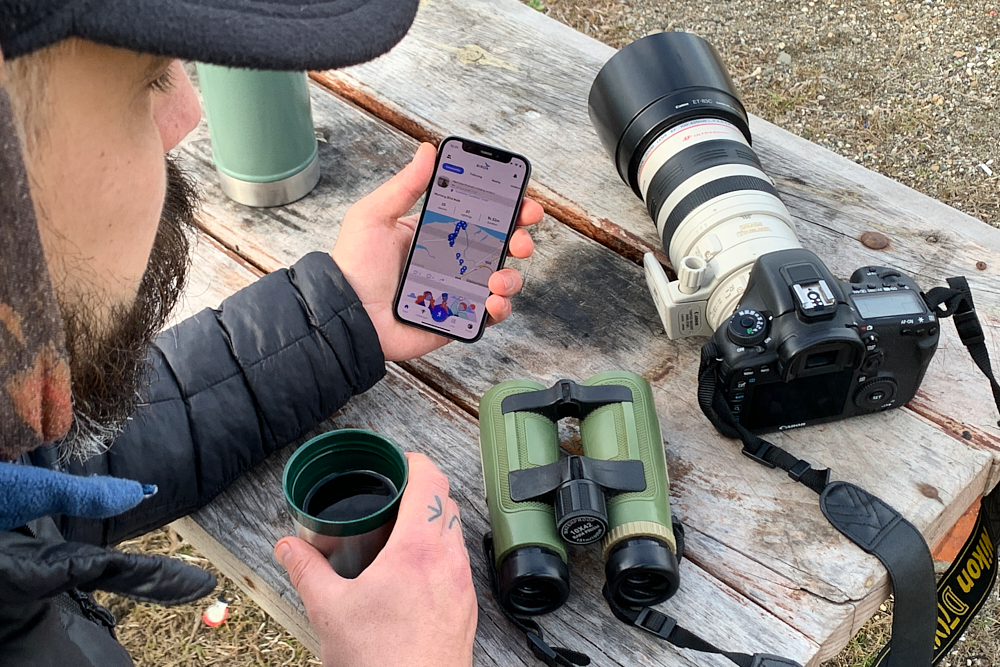
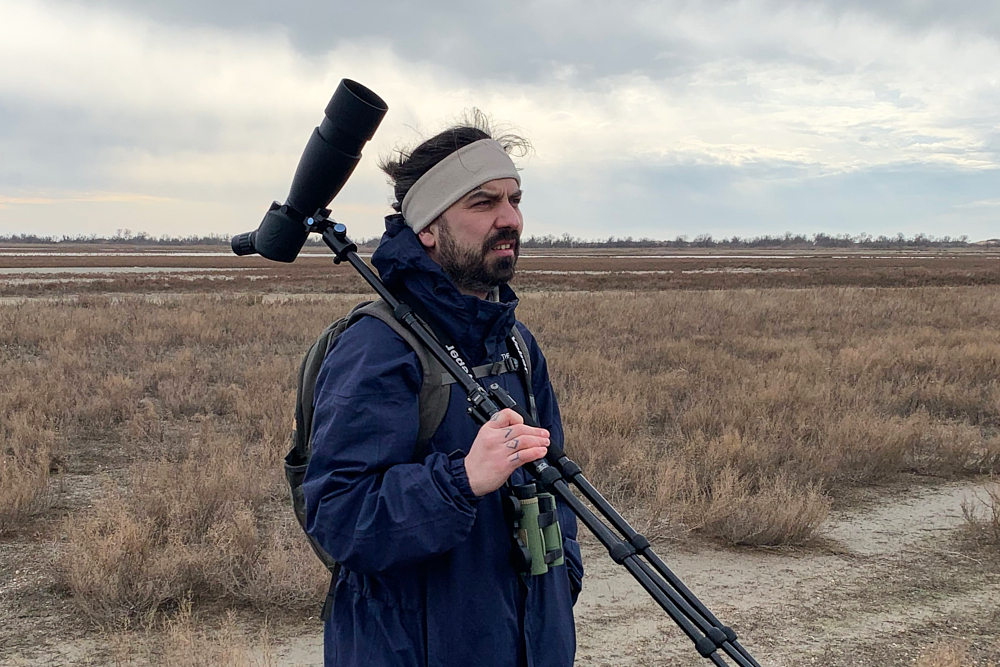
- We do not have many gadgets: binoculars, pipe, camera.
Binoculars are needed for sure. There are many of them, they are different: from Chinese binoculars on AliExpress for 1.5 thousand rubles to binocles from Leica or Swarovski, which can cost hundreds of thousands .
First you can take the average: about 5-7 thousand rubles. You will learn how to use it and better understand what characteristics are needed. And then you can take more advanced models: we have an article on the site about what to pay attention to when choosing.
The telescope will come in handy if you like to shine in open places - for example, in reservoirs or in the fields. It is more difficult to choose a pipe, because here a cheap model can be useless: instead of a declared 25-fold increase, you will have a soap and trembling picture in which the birds cannot be determined. Prices for acceptable pipes start from 30 thousand and can reach half a million rubles. It is not necessary to buy a beginner to the pipe.
I can say about the camera only from the point of view of Burder - photographers, of course, have other criteria and other prices. To determine the birds, the camera is a useful thing. According to the ratio of price, quality and weight (an important factor, because all this has to be worn on yourself) “soapses” with ultrazum are best suited.
For National Geographic, their frames are not suitable, but they will help to determine the bird a lot. If you want to take a photo for Instagram, then you need to look towards mirror chambers and lenses with a focal length of 400 millimeters.
And you can try to take birds on the phone through the binoculars lens, especially if the bird is not very mobile and sits in place. This type of shooting is called “digiscoping”: special devices that are sold in large quantities will help to adjust the phone to Binocokol.
What birds are found in St. Petersburg and Leningrad region
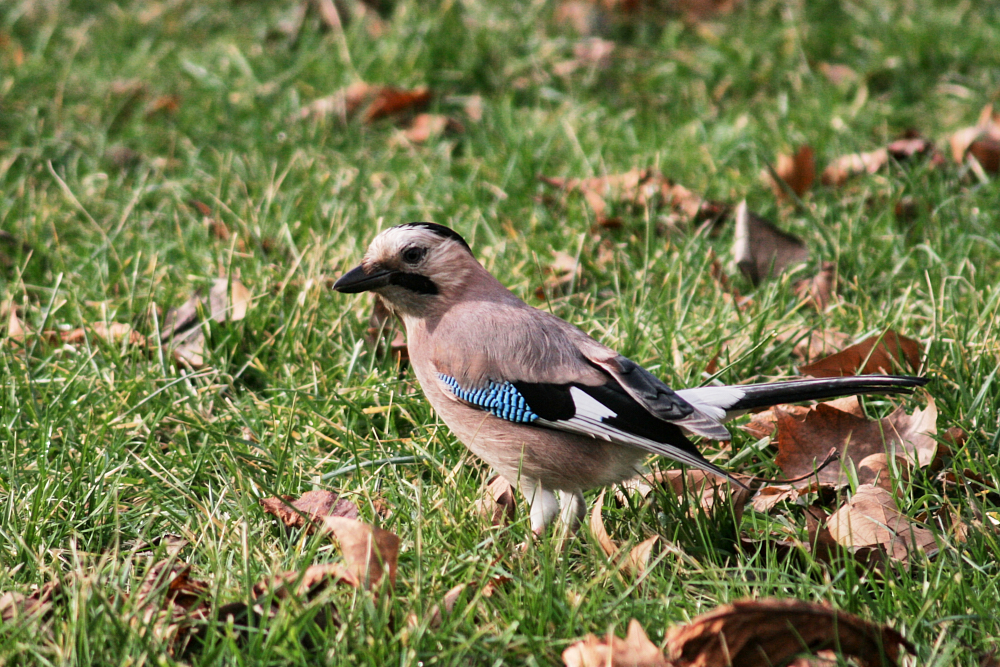
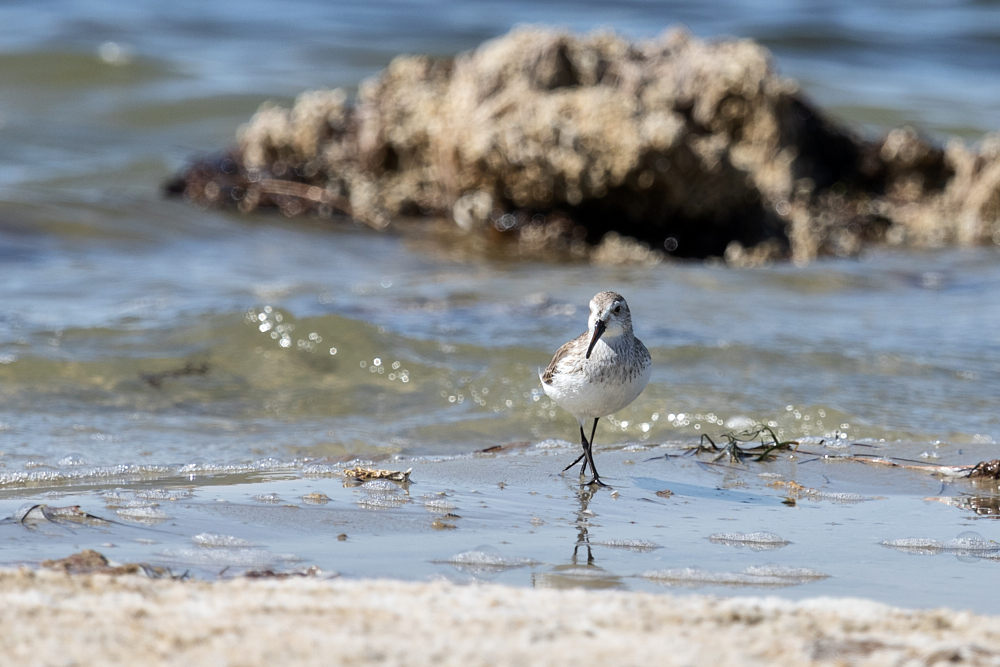
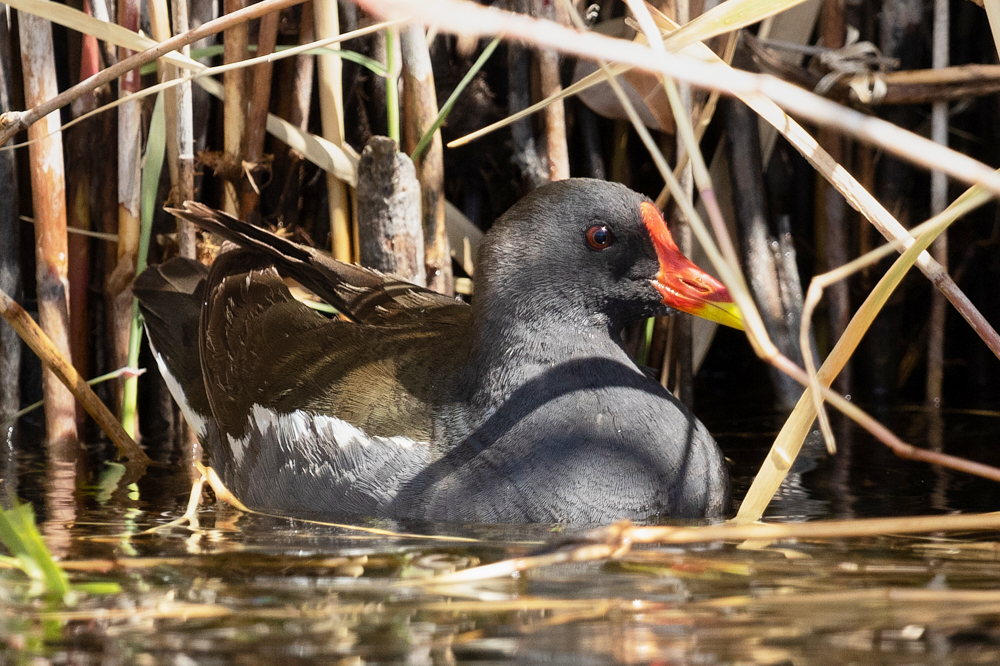
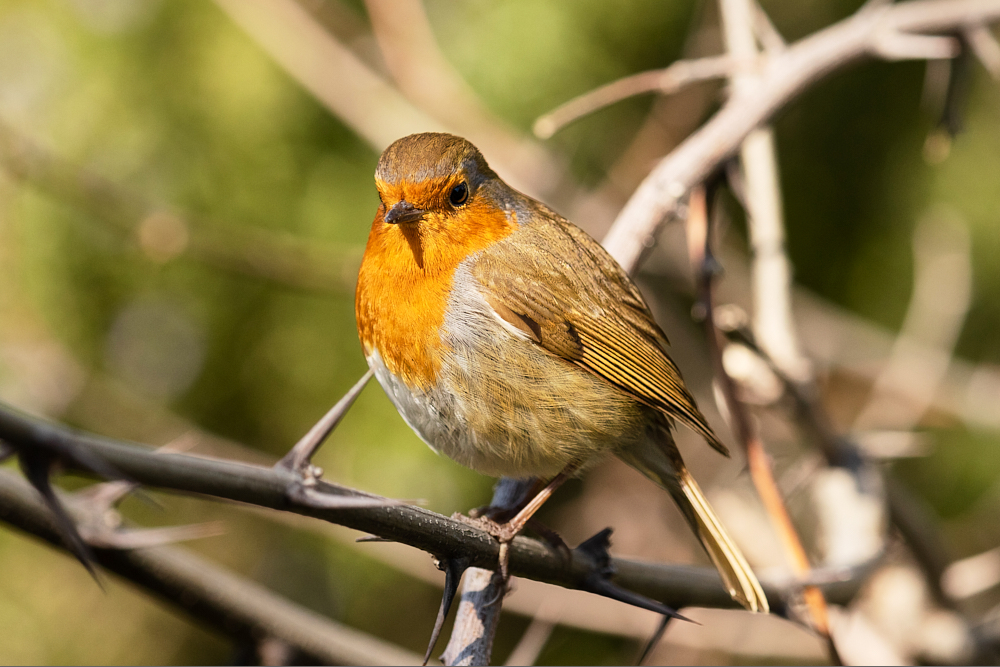
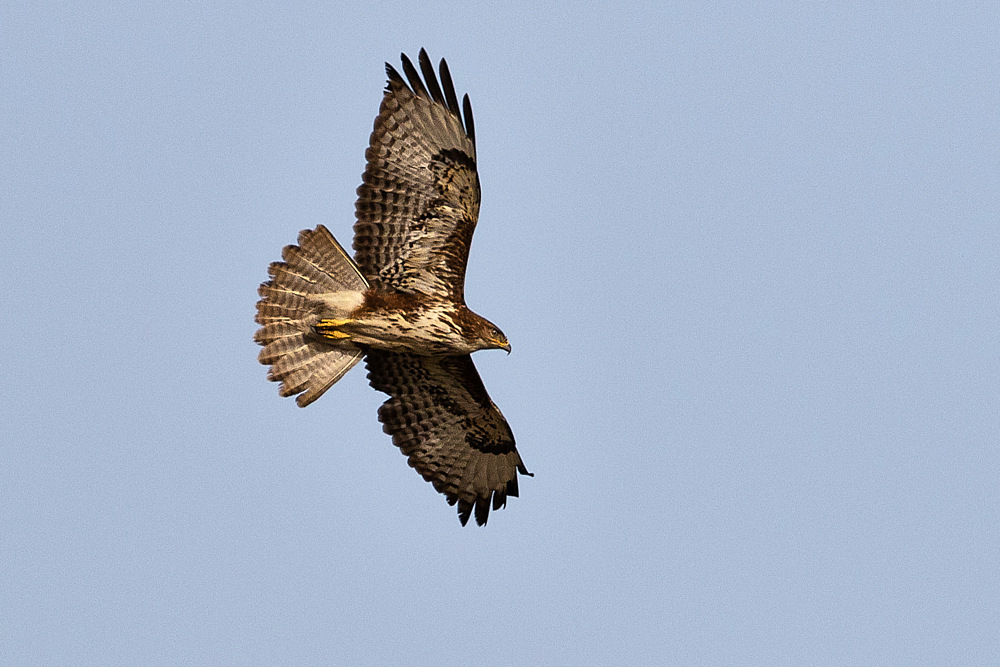
- There are birds everywhere, this is their charm. For example, in St. Petersburg 222 marked species. We have a selection of main spots in the city and [Leningrad] region: you can choose any nearest and go there.
There are birds in every region at any time of the year and a day. That is why Burderov is many times more than those who are looking for mammals or butterflies. For insects you need heat, and the same moose or a bear still try to find. The bird can be seen in the next park, on the coast, in the field. You just need to start, learn to determine the basic species and gain the first hundred birds.
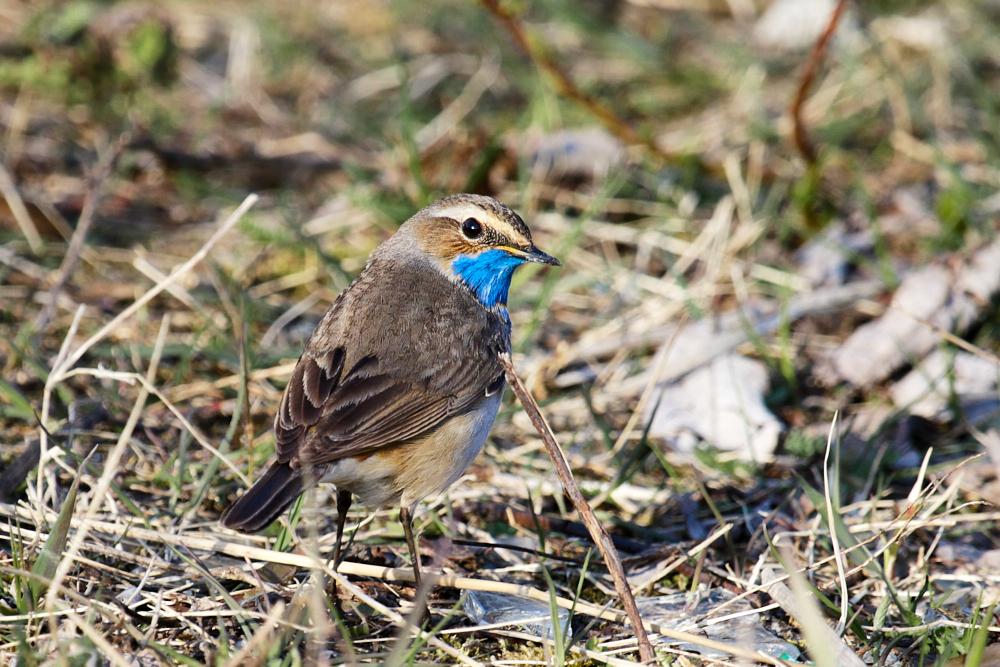
In the Leningrad region, 232 species of birds, which they managed to bring into the Ebird base , and about 40-50 species, which flew one or two times in different years. Most of them are found during migration, that is, in spring and autumn. In slang, this is called the sacred word "span", for Berder this is the most important holiday.
In our region, the main part of the span falls on the period from mid -April to June. At this time, Burders try to go to observations every weekend, because some species can only be found for a couple of weeks. At this time, the most active and most nervous bruding.
In the summer, birds calm down and begin to feed the chicks, so no one is heard. In addition, all the vegetation is actively green, so it is almost useless to go to the forest - there is simply no one to see. Therefore, in the summer, Berding occurs mainly in open places.
In winter, everything is different. In addition to the waxworms and bullfinches who appear in the city in the winter, it is difficult to accidentally meet someone new. And once again to follow the tips on the feeder quickly boring. But in winter, owls fly into the city, and sometimes there are species that for some reason did not fly away. And winter berdwotching usually looks like this: everyone is watching the marks in online services; As soon as an interesting look appears somewhere, they immediately go there.
Where to look for information about birds
- In St. Petersburg there are several communities dedicated to Berdvotching.
There is our Horney Orni Team community: we started in the format of a team of three people who shave together, and after the start of the war grew into a large group of like -minded people from different countries. We make a site together, write to the channel about our sorties, support each other and do not allow toxicity. However, toxic people do not linger in our country.
There is also a group in the “VK” “ Ornithological walks in St. Petersburg ”, in which sorties are organized.
Last year, many channels were formed dedicated to Burding: someone conducts excursions, other guys just gather together and go somewhere to Berding. We have a selection of the most active St. Petersburg channels .
The desktop book of any Burder is a bird definition - there is nothing better for studying birds. We talked about some determinants here , when choosing a specific publication, I recommend paying attention to its size and weight, as well as finding out how it is easier for you to determine: by drawings or by photographs.
In addition, they usually use the EBIRD and Inaturalist services to understand which birds are where they are now. We periodically publish useful articles about birds and Burding in general. You can also look at the forum of the Russian Bird Protection Union .
Where to start
- To understand whether you like birds, go on an excursion. To understand if you like Burding, find the community and go to the sortie with it: after the first time it will be clear whether this lesson is suitable for you.
If you liked Burding so much that you bought binoculars, then everything is already, there will be no way back. And if at first you will have two hours of walking in the next park, then later the norm will become the city’s exits or in another region.
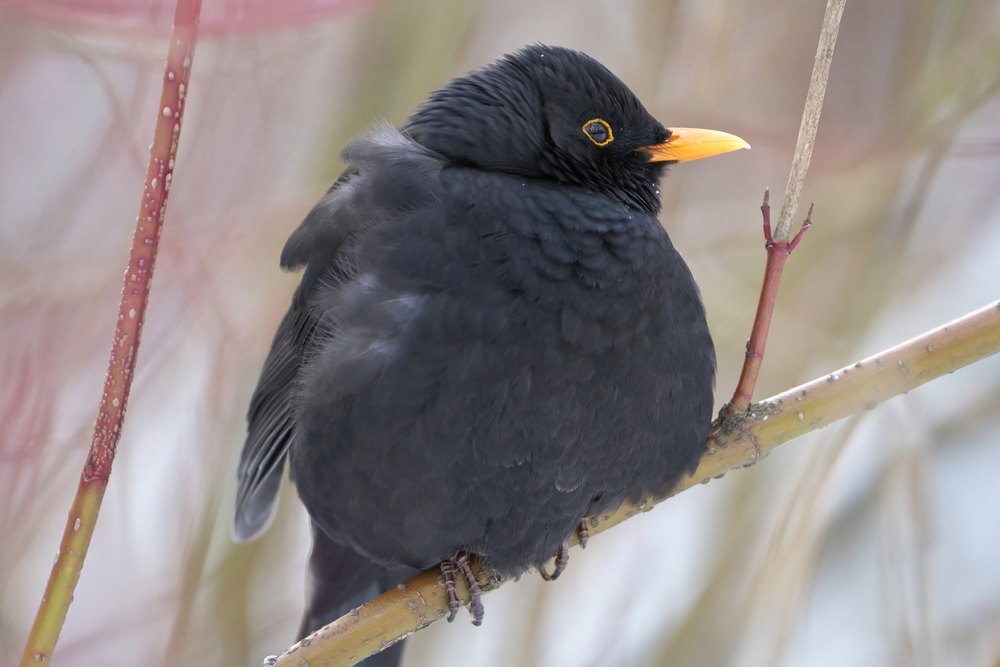
Photo on the cover: Black thrush in St. Petersburg. Author: Andrey Gulivanov / Unsplash
What else to read:
- A hobby for internal balance - landscaping of the house . What plants to choose and where to start.
- Hobbies for internal balance - crochet . How to choose a hook and yarn, where to start and to whom it will suit?