
Translated material
Nobody wanted to die
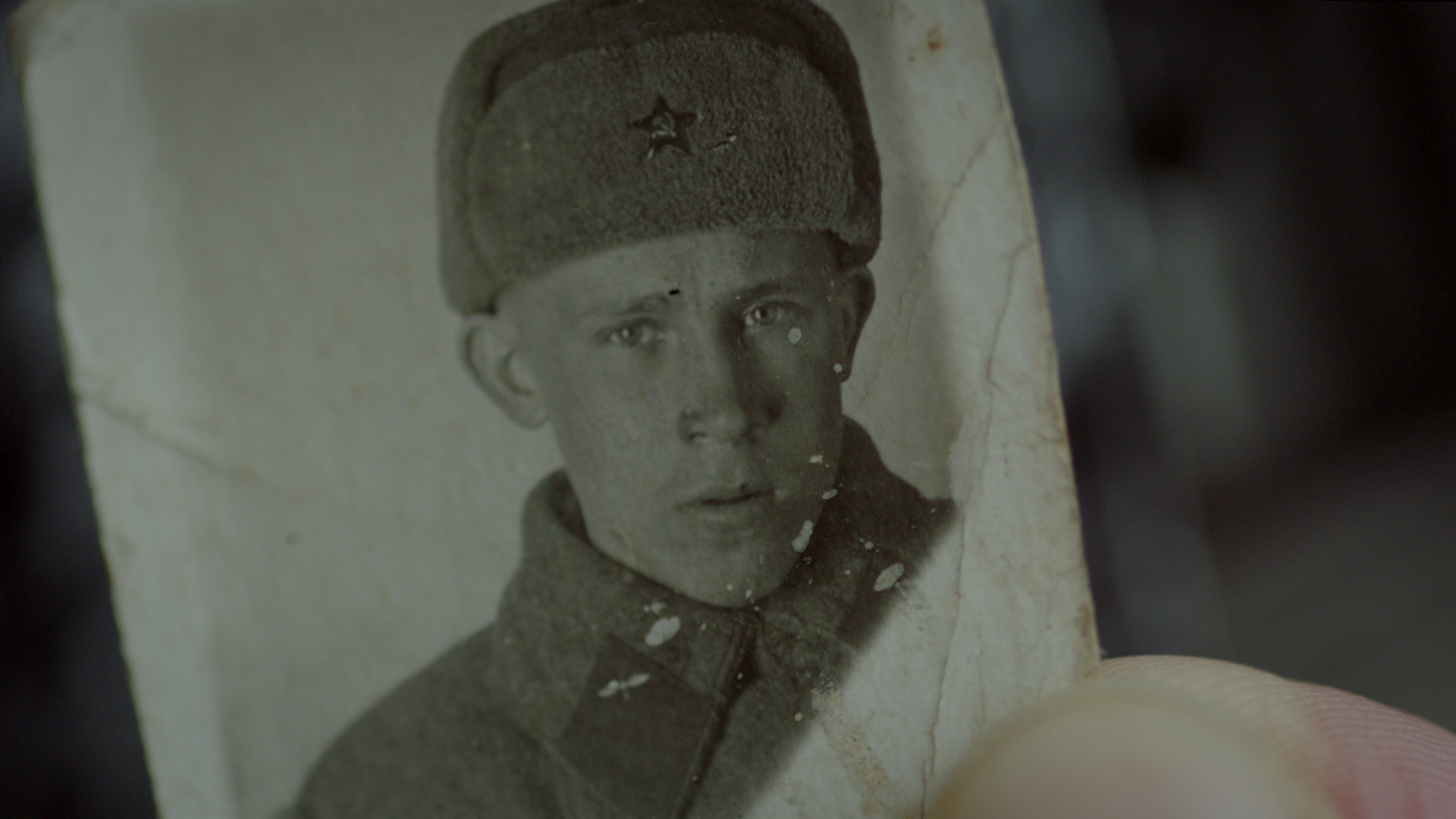
The Second World War and the present in documentary frames
The fate of the Soviet prisoners of war from the Second World War is amazingly echoing with the current attitude of the Kremlin with a military who was sent to fight to Ukraine. According to historians, out of five million Soviet prisoners of war of World War II, at least two - the so -called “defectors”. Were the soldiers who were captured and forcibly forced the service in the Wehrmacht in fact? What happened to them in the Gulag and in the post -Stalin Soviet Union? Interview with the Dutch director of documentary cinema Alena Van der Horst about her painting “Turn your body to the Sun” (show at the Festival of Independent Documentary Cinema Artdoxfest in Riga ). The heroine of the film wants to understand who her father actually was. Documentary evidence of the family and movie archives of the Third Reich. Materials of the film are provided by the director.
Listen to the Vavilon Moscow Podkast and subscribe to other podcasts of Radio Liberty .
The Second World War and the present in documentary frames
- On March 5, many people wrote on pages on social networks: "We thought that Stalin died, and he turned out to be more alive than all the living." This refers to the repetition of the Russian political history of the twentieth century in the XXI-M. Your film shows that he is "more lively all living."
- The show was precisely on March 5. We constantly have some important dates coincide with shows, so this is such a counteraction.
I made this film before the start of the war (Russia against Ukraine - RS) . It seemed to me that the Second World War, it was so long ago ... In my film, few people know: like Soviet prisoners of war, multinational, Ukrainians, Belarusians, all the others, as they suffered during the war because of Hitler, of course, because of Stalin, because Stalin then had an order famous: "We have no prisoners of war, we only have traitors." And then his "prodigal sheep", who were able to survive from prisoners of war, he wanted to return to his homeland, and everyone got into the gulag. Were exiled or shot. It seemed that it was a very long time, and it was necessary to repeat this story, which is little known in the West and even among Russian -speaking people. And then the war began (Russia against Ukraine - RS) . And Putin had the same thing. He is also these, now Russian, Bashkir soldiers, storm, sends without weapons to war, as happened then. That is such an echo.
In the Kremlin, what Stalin did with people is copied
Some day of the show of this film on Dutch television coincided with the day of mobilization, then the show coincided with the day when Putin said that "to everyone who refuses to fight, 15 years in prison." It seems that the Kremlin has such a sample as to behave in the war, and what Stalin did with people is copied. And this is inhuman, when a person no one, an insect, is clay in the hands of these cannibals - this again turned out to be more than what we expected, that this was possible. I, like everyone, still have an impenetrable shock.
- Let's talk about your hero. He is a difficult person, he is educated. His romantic correspondence, which he leads with his future wife, is full of quotes. He draws perfectly. And judging by the memoirs of his daughter, he is an unusually kind, caring father of the family. You talked about this "clay in the hands of politicians." How did you find this biography?
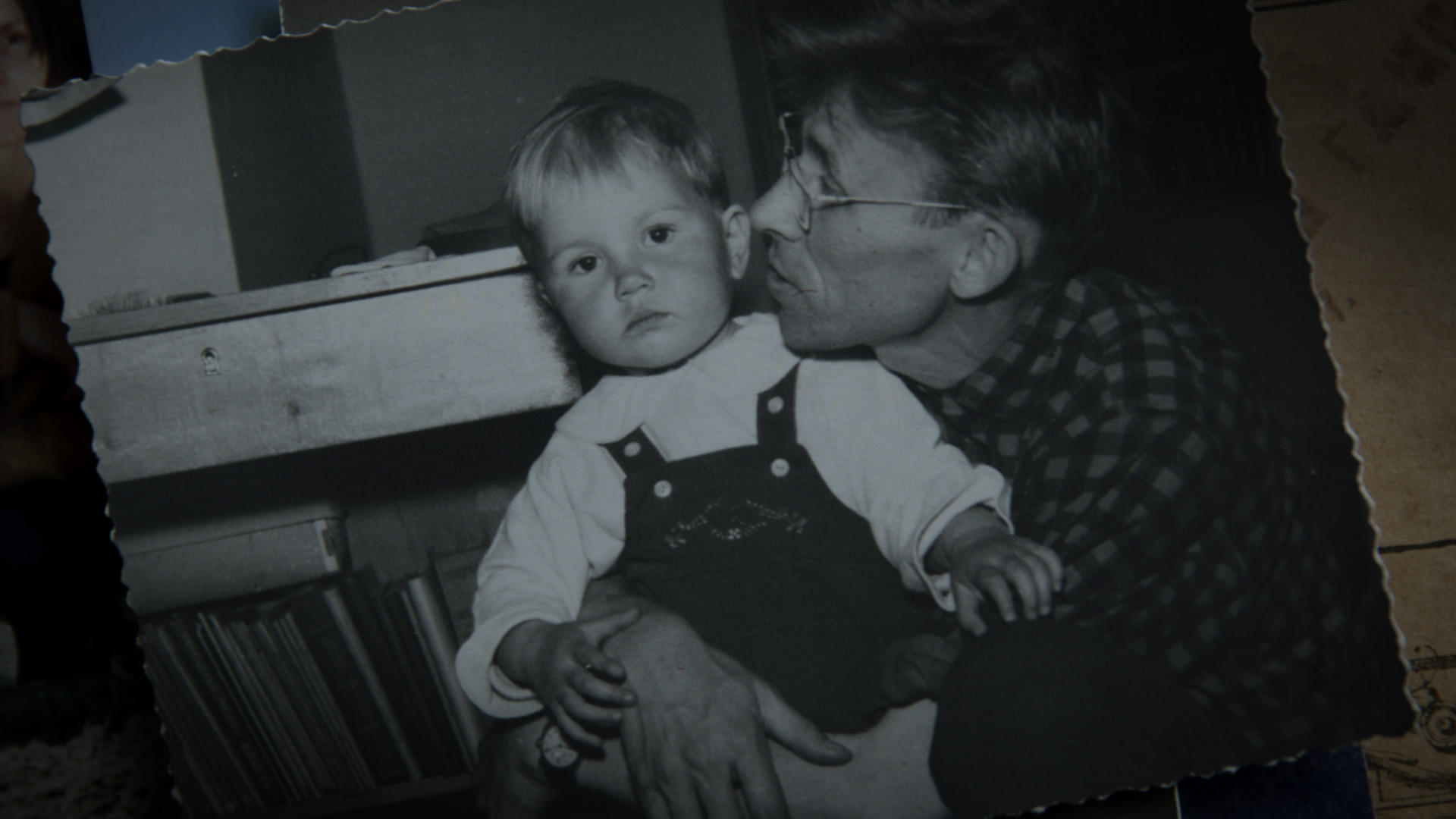
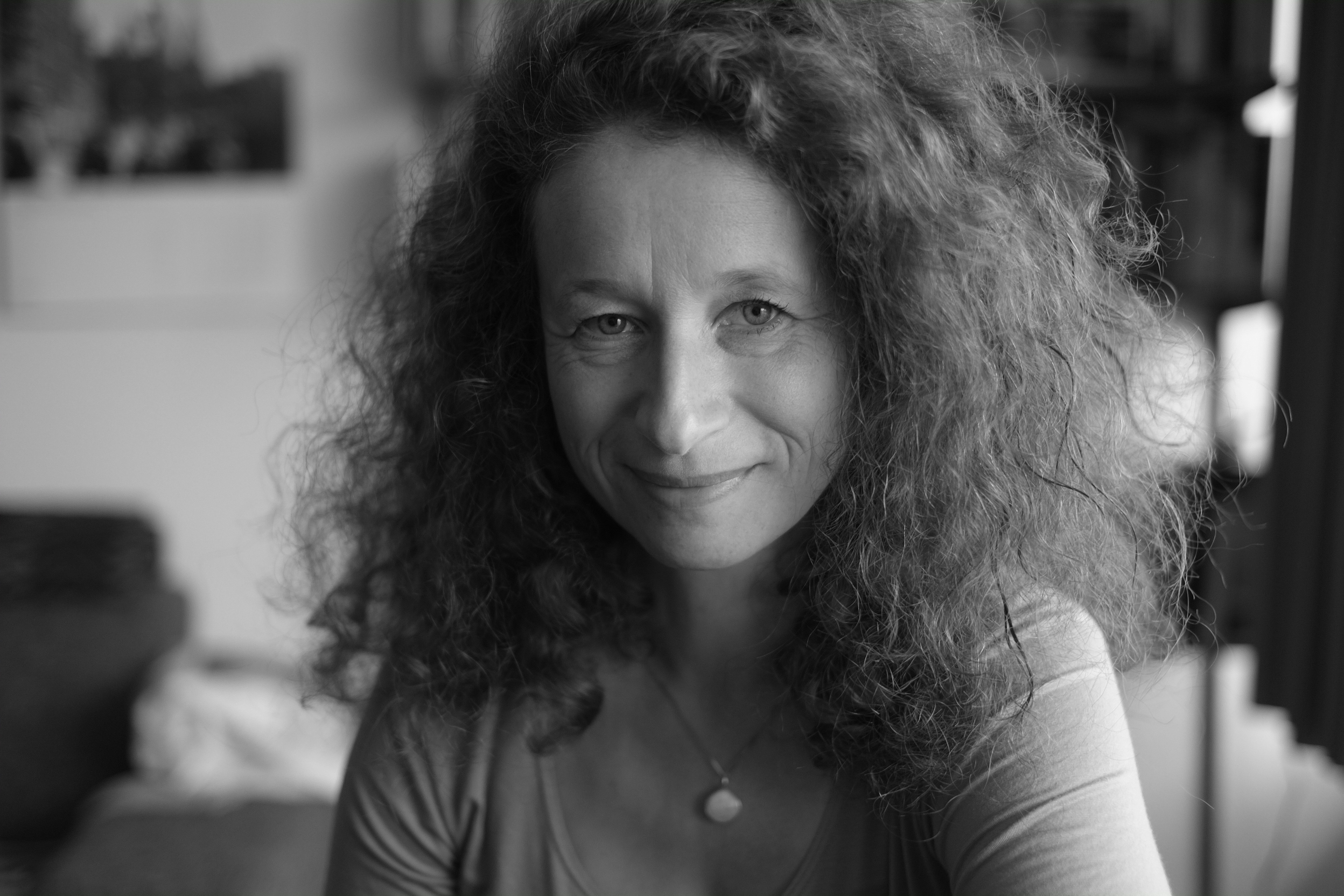
- Thanks to the heroine, Sanya Valiulina , who is a rather famous writer in Holland. She is from Estonia, her parents of Tatars. She had already left for Holland in adulthood (she fell in love with, as it happens), and began to write amazing books in Dutch. Few people succeed. Her style is compared with the style of the best writers of Holland. She wrote a romance for a long time, he is a little based on the life of his parents. We are familiar because I love her books, she loves my films. When I made my past picture "Love is potatoes" , I called it to my installation. This is a film about my ancestors.
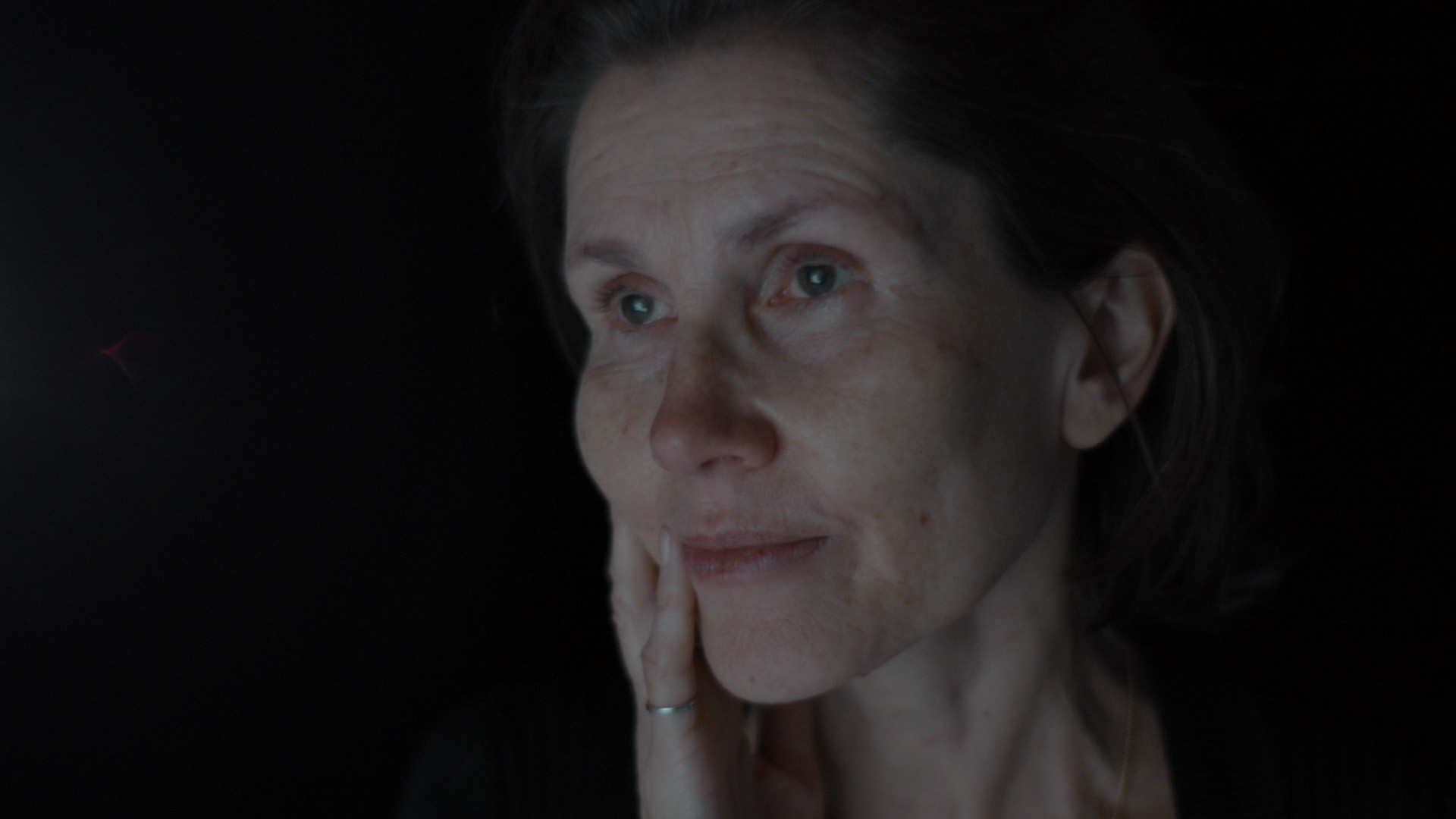
She said: "I also want to look for the traces of the pope. When he was alive, he did not say anything. I want to go into his diaries, memoirs, letters to plunge, find what was left, what really happened to him." He was silent about these 14 years, when he disappeared from life: at first he fought, and then he was in the camps.
- It is about the fact that he fell out for years, from the moment he is captured. More precisely, from the moment he went to the front.
- Yes, when his landing is dumped over the Smolensk region - and that’s all, the trace disappeared. This is an amazing story. He is an ordinary person, he had no education, he is from a poor family. You say that he is well-read: it is still his comrades in the first Gulag, where he was, were well-read people, intellectuals. There, in principle, it was not forbidden to read books. This is the difference from the concentration camps of the Nazis, where there was destruction. And here it was “re -education”.
No one wanted to die. And what would you do in the war ... We can judge this if we ourselves fall into this position
It was a "good" camp, as Sana says, if I may say so. And Sina and I plunged into this story. Of course, she knew excerpts. But for example, she found out that he served in the Wehrmacht only when she read her father's diaries. And there I came across the number 627. This is the name of the battalion, the Tatar battalion in which it served. Thank God, then she finds that this battalion was some kind of trouble-free, no one wanted to fight. They sat there for a force there. Just no one wanted to die. And to judge people, what would you do in the war ... We cannot judge. Feeling of survival, self -preservation. We can judge this only if we ourselves fall into this position.
-I think that she was afraid to understand that her father fought for the fascists, that he could kill someone. Imagine how it was dramatic for her to try to discover the truth.
- Yes. And the worst (well, maybe good, I don’t know) that you will never open, you won’t know ... I asked her in open text: "And if your father killed what?" She says: "Alena, I don’t even want to think about it. Because it is unethical, incorrect. If we find confirmation of this, then we can do it." But the very fact that you need to break yourself so much to survive - this is dramatic, this is the most terrible.
- Shana did not regret that she took up this story? Surely she was hurt at some points.
- She now writes a book about the fate of her father and prisoners of war in general. She was constantly painful, but it was a process of living. When we went to this place where there was a Gulag, from which nothing was left, it was a real catharsis for her. I felt in her voice, in everything: something was exhausted inside her. She, as he says, somehow met her father, felt him. She needed it.
there only at the house where the warders lived, and the camp itself was destroyed
This is the Perm region. You can get there only in winter, in the summer there is a swamp. We barely got there on snowmobiles. There only at the house where the warders lived, and the camp itself was destroyed. Interestingly, it was destroyed by the inhabitants themselves. Not because they did not want, but it was so painful that it was happening in their region that they demolished it, because they believed that this should not be. Not that they destroyed somehow ... bad. And there is a forest, fields.
- There is a scene where you are traveling on the train, she sits with her sister, they disassemble the papers. There are many letters, postcards, father’s diary, photos. This is a very good family archive.
- It has been preserved at their home, and the fact that she received after the death of her father. But a lot disappeared, still there were difficult times. Correspondence from my mother's side completely disappeared. When he was in England in the prisoner of war camp, he wrote a lot of things from what he saw and worried during the war.
They ran away from the Germans and came to the Americans with a friend
He took with him, but the Soviet authorities took it away and, probably destroyed, this is no longer there. So thank God, something is left. And of course, a miracle, this is something from above that she accidentally found an article by the American magazine Young, in which there was an interview with the father of the 44th year in the Museum in Normandy. In the small local museum there was an exhibition, only three months, a temporary exhibition about Russians in Normandy.
- What was this interview?
- When he served with the Germans, they were transferred to Brittany and Normandy. Then I came “d-day” (I always forget how it is in Russian), when the Americans and allies landed in Normandy . When there was a landing, they ran away from the Germans with a friend and came to the Americans. There, American journalists found him and asked how he got there, what fate. There are photos. He told this, what he no longer told.
- How does he get to Russia later?
- All prisoners of war were transferred to England, which were in France, where they were waiting for repatriation. At the Yalta Conference, Stalin set a condition that he wants all prisoners of war to return to his homeland. Churchill and Roosevelt knew what fate awaits these prisoners of war, but still signed the secret part of the contract, which only in the 70s became known.
There were many suicides
And so he enters the Soviet Union. Although many tried to run away, and he probably too. There were many suicides, because everyone knew that they were waiting for them in the so -called homeland. And so he gets into the Gulag.
- The story of acquaintance with the future wife is quite amazing.
- This Hollywood is simple, the whole story, how he ran away, how he later met her. It must be borne in mind that these are Tatars, they have large families. Mom Sana, his future wife, a young girl, after the war came to visit Aunt, lay a letter there. She asked: "From whom is it?" -"This is such and our relative, he is there ...",-in the Gulag. They do not pronounce the word "camp", they say "there." "He writes to us, but we do not have time to answer him." And my mother fell in love with his handwriting. She secretly took this letter and began to write to him.
Of course, there was censorship there
And so they wrote for 8 years until he was amnestied after the death of Stalin. Then they finally met. They have not even met in these 8 years. This love took place through letters, which, well, not always, it depended on the camp, but came. Of course, there was censorship. We think that he had connections, he transmitted letters through some couriers who could send in the post office itself.
- Who did he work after liberation?
-He changed a lot of works, something related to the accounting department. As Sana says, if he lived in a free country, he would probably be a designer of interiors. Or maybe he wrote, or did something like that.
- How did they end up in Estonia?
-There was a rule of "101st kilometer" that it was impossible for him to return to Moscow, where he was from. And his future wife, Mother Sana, her war abandoned in Estonia, in Tallinn, she sheltered her, little girl, orphan, local Tatars, and she remained there to live there.
In Estonia, many suffered from Stalinism
Tallinn is still away from the empire. In Estonia, many suffered from Stalinism, there people understood this. He had friends who were dissidents, or somehow injured.
- If we say that the archive is not only family, but historical, there is your huge work on the rise of wartime personnel, on the movements of prisoners of war. You actually make the viewer feel for them when you show that people walk on rails and sleepers with bare legs. They go along the railway bridge, the failure that needs to be bypassed, we see their legs large. Where does this film come from? What archives did you work with?
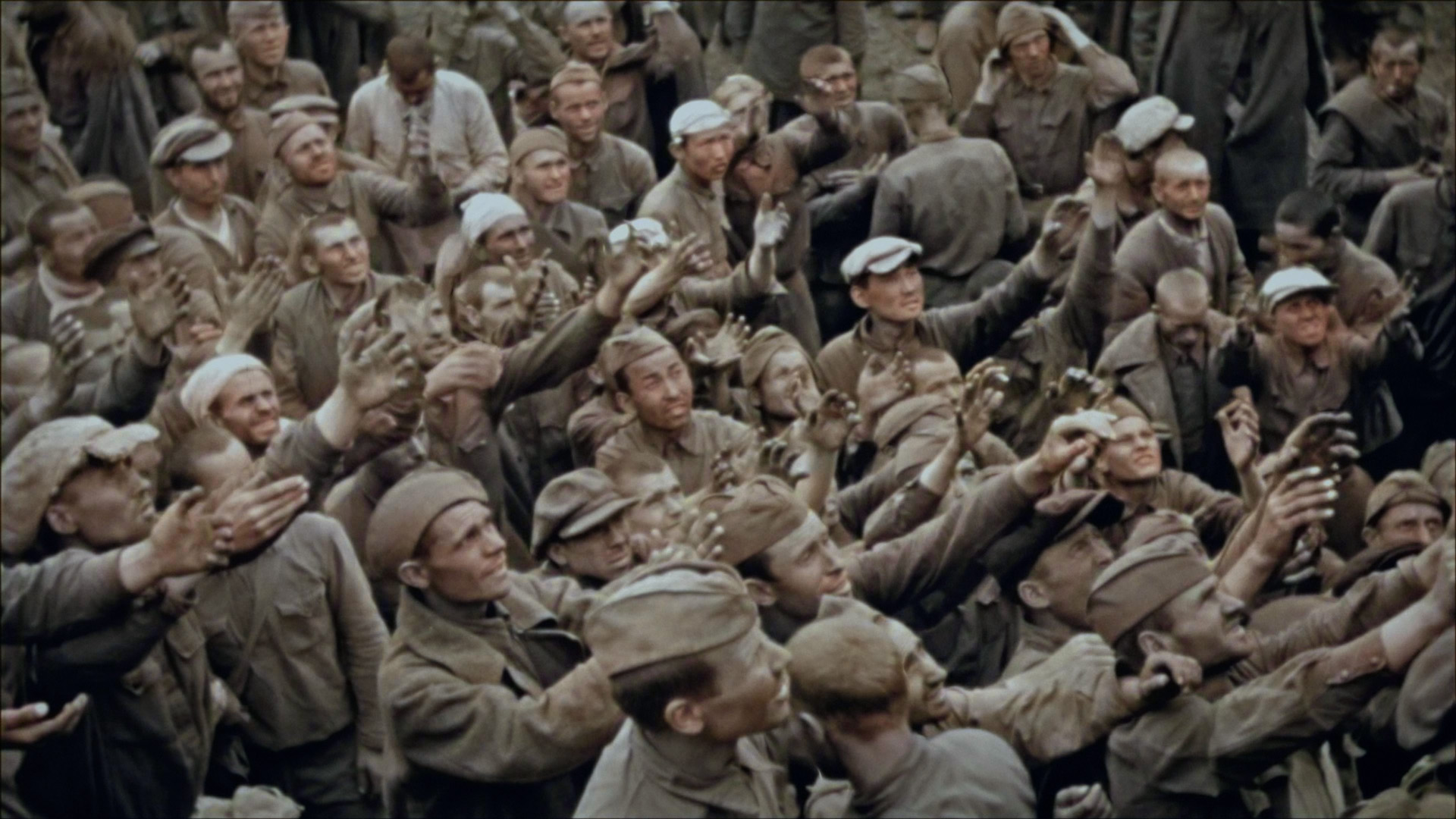
- It is this film from Die Deutsche Wochenschau , which is a weekly German chronicle, which was shown in cinemas. During the war, the Germans shot a lot. I began to look, I think: I wonder if there is material at all. It turned out that there is a lot of material. The Nazis needed to show that these prisoners of war were “subhuman”, they shot both large and all sorts of plans, how they are being taken, as a herd. And they chose not the most beautiful, they chose to show what all the wretched.
I'm trying to convey compassion
I slowed down all this, it was very important for me to get into this archive and get into every face. This is called "Appropriation" in English. That is, the meaning that the Nazis invested when they made films, I redo it. They wanted to deceive, and I, on the contrary, through the film I try to convey compassion to these people. There are many Tatars and people of other nationalities.
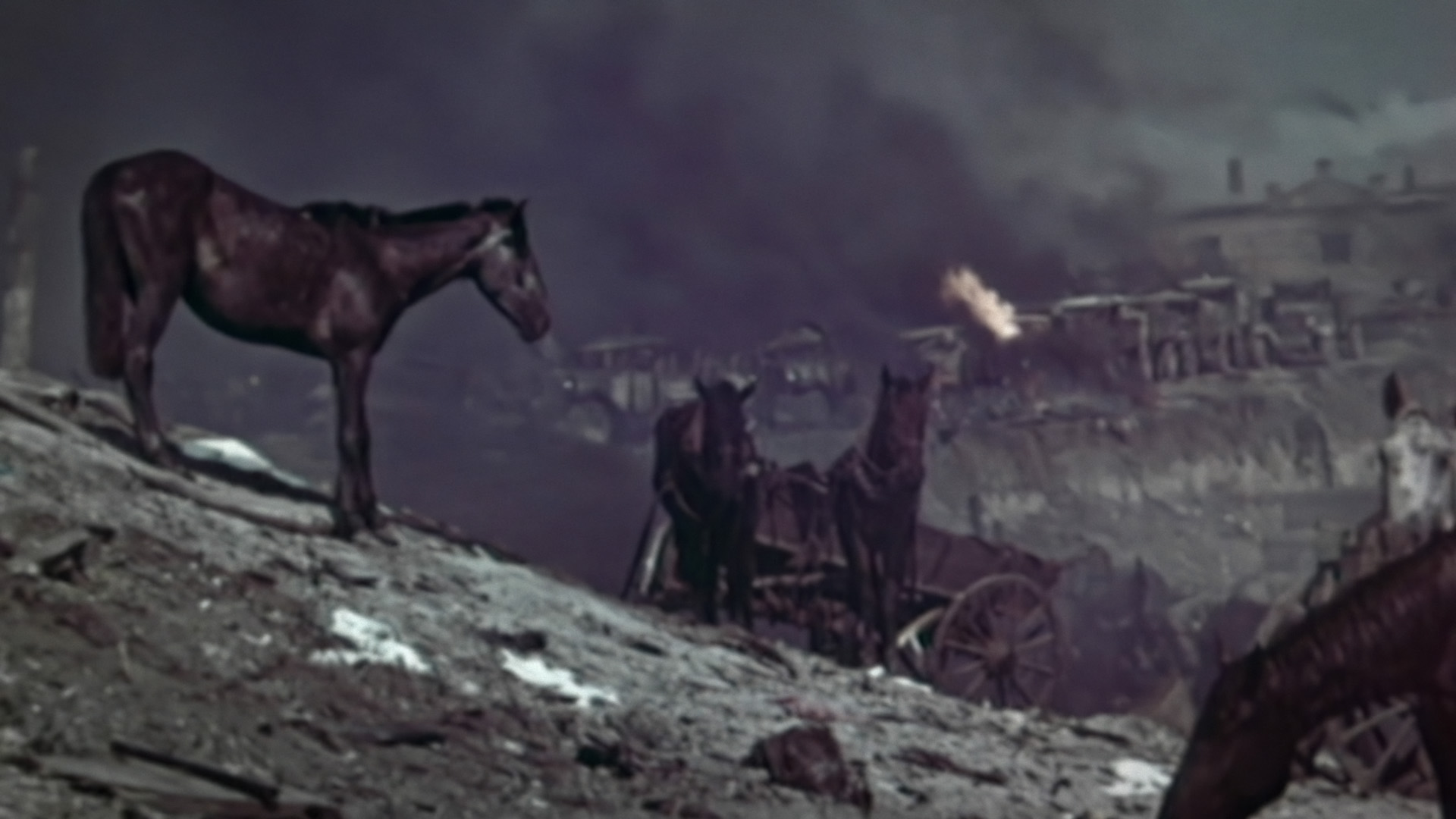
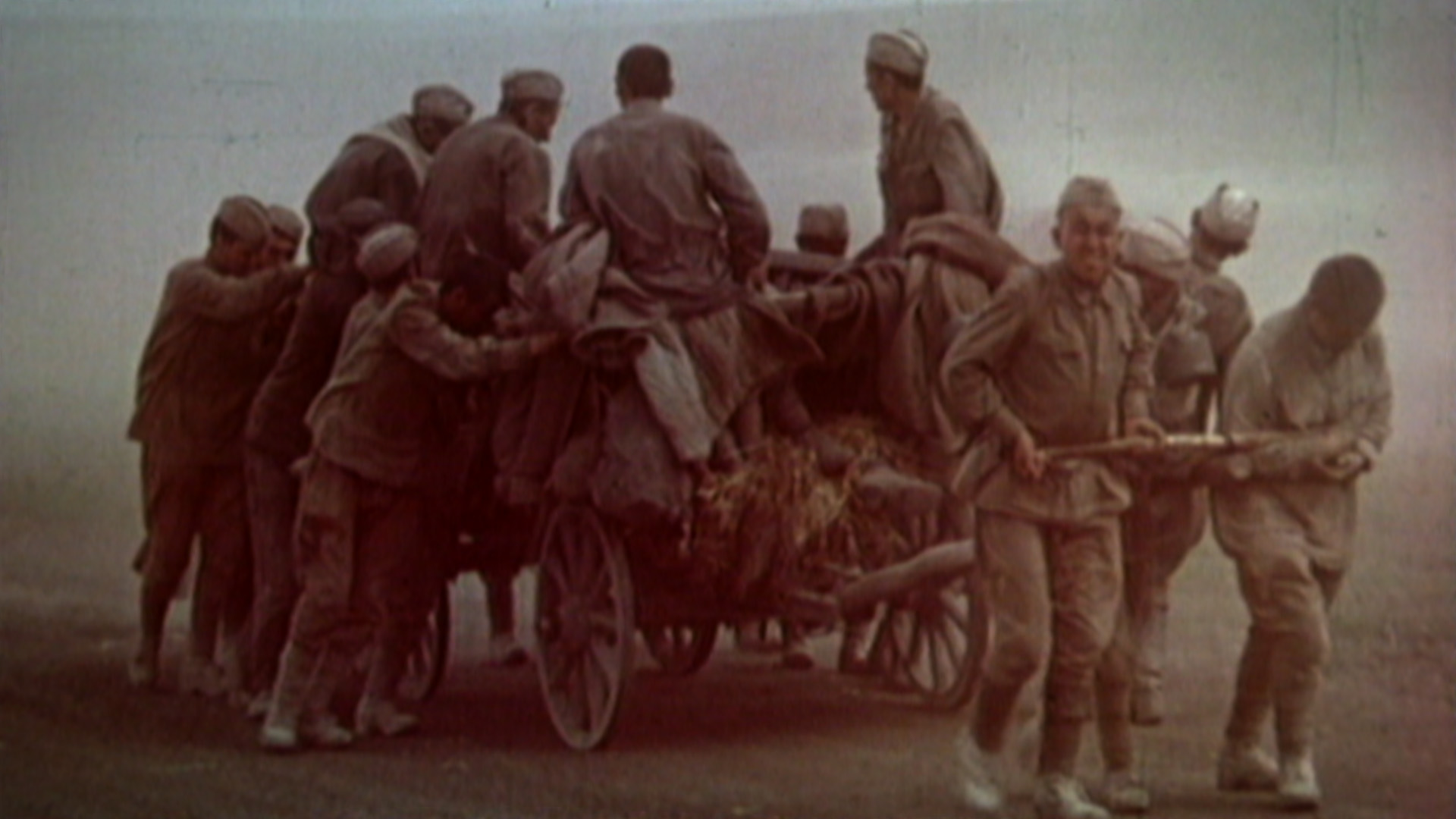
There is still an amazing, rare archive of color, because in the 41st year the Germans had a new AGFA factory, they invented a color film, 16 millimeters. The officers received both film and cameras as a gift. And when they went on their horses to occupy the Soviet Union, they shot. And they shot, well, how we are shooting, that is, amateurs. They took off horses, fields, storks, and suddenly prisoners of war, and they shot it. It's amazing. These colors change the attitude to the war. We are used to the b/b chronicle, and here are completely different colors, a completely different war. I could not believe what it is.
I'm always looking for my father
The material is some kind of direct, not from propaganda goals, it tells differently about this war. The principle that I built a film is that Sanaa told me: "When I see the prisoner of war chronicle, I am always looking for my father." And I also began to look for him. And the viewer also begins to search. But for this, some integrity was needed. While I was doing this film, an algorithm was developed, which can make color from h \ b. And this gives a phantasmagoric picture, as if when a nightmare is dreaming.
- When I watched your film, I thought how much you can still turn to the topic of the Gulag, how much we can reflect. My second thought: that everything is repeated, that "Stalin is alive." My answer was: so far those for whom the history of the Gulag is the history of their families are alive.
- I live in Holland, on May 5, they remember the Holocaust on May 5. And this must be constantly repeated.
A lot of cruelty that manifested itself in the war in Ukraine
Even in Holland, some of the schoolchildren do not believe that this happened. And in Russia (not for me to explain to you) this is an unprofitable, unfinished story. And it concerned so many. On this "Gulag" cruelty, there is a lot of cruelty, which has now manifested in the war in Ukraine. Its roots from there, perhaps, are even deeper and further, but for sure.
Podcast "Babylon Moscow" can be listened to on any convenient platform here . Subscribe to the podcasts of Radio Liberty on the site and in the studio of our podcasts in Telegram .