
Translated material
Sex, War and Tehran
7 Prime Ministers of the documentary political cinema from the CPH: DOX festival - the choice of “Novaya Gazeta Europe”
On March 15–26, the world's largest documentary cinema festival CPH: Dox was held in Copenhagen. For many years CPH: DOX, along with festivals in Sandens and Amsterdam (IDFA), an event with the main documentary premieres of the year and an invariably strong political and social position. More than half of the films from the list of 200+ names was devoted to terror, corruption, operation and injustice this year. The New Gazeta Europe talks about 7 important premieres who are trying to explain the world in 2023.
When spring came to Buch / when Came to Bucha, dir. Mila Teshaeva, Marcus Lenz
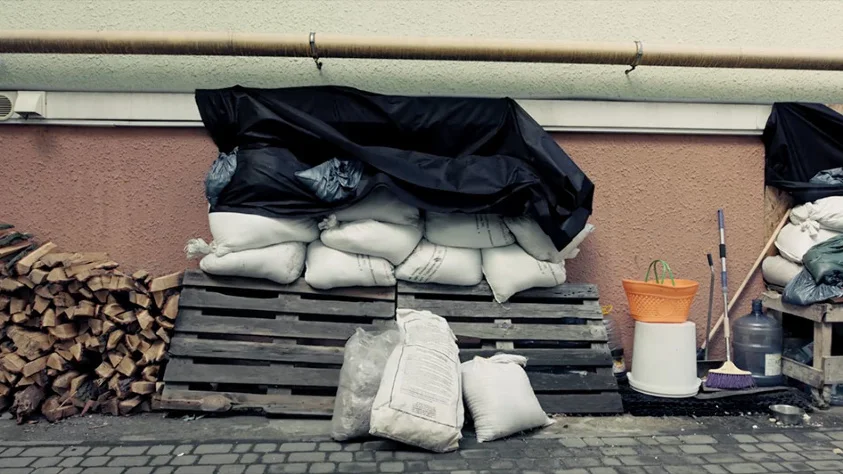
A piercing story about Bucha in April and May 2022 - after liberation from the Russian troops.
In early April last year, the world shuddered from photographs from Buchi and Borodyanka - small settlements that were under the Russian occupation immediately after the start of the war in Ukraine. Now these toponyms have become symbols - bloodthirsty massacre and merciless extermination of people. The film, which lasts only an hour, shows a buch and surroundings in the first month after liberation. They bury the dead, restore houses, residents are trying to return to destroyed apartments and talk about the experience, and the fields turn green nearby and trees gradually bloom. There was no military chronicle in the film-there were enough brutal personnel from Buchi-but there are a lot of local portraits of local ones: the only student who remained at school in Borodyanka (all other evacuated schoolchildren study in the zoom), volunteers who have taken up mass burials, or citizens, who, in spite of what, plant spring flowers on the lawns. “When spring came to Buch” is a gentle and warm film about creativity and an attempt to return to life, when the point of non -return is passed, and the tragedy is still impossible to comprehend, but I really want to believe at the end of the war and to help each other in a small community. “It will be beautiful. And people were and will be beautiful and good, non -proceeding, hospitable. In short, cool with us. And in the summer it will be cool, ”the Ukrainian says through tears, digging a thousandth grave in the cemetery.
Merkel / Merkel, dir. Eva Weber
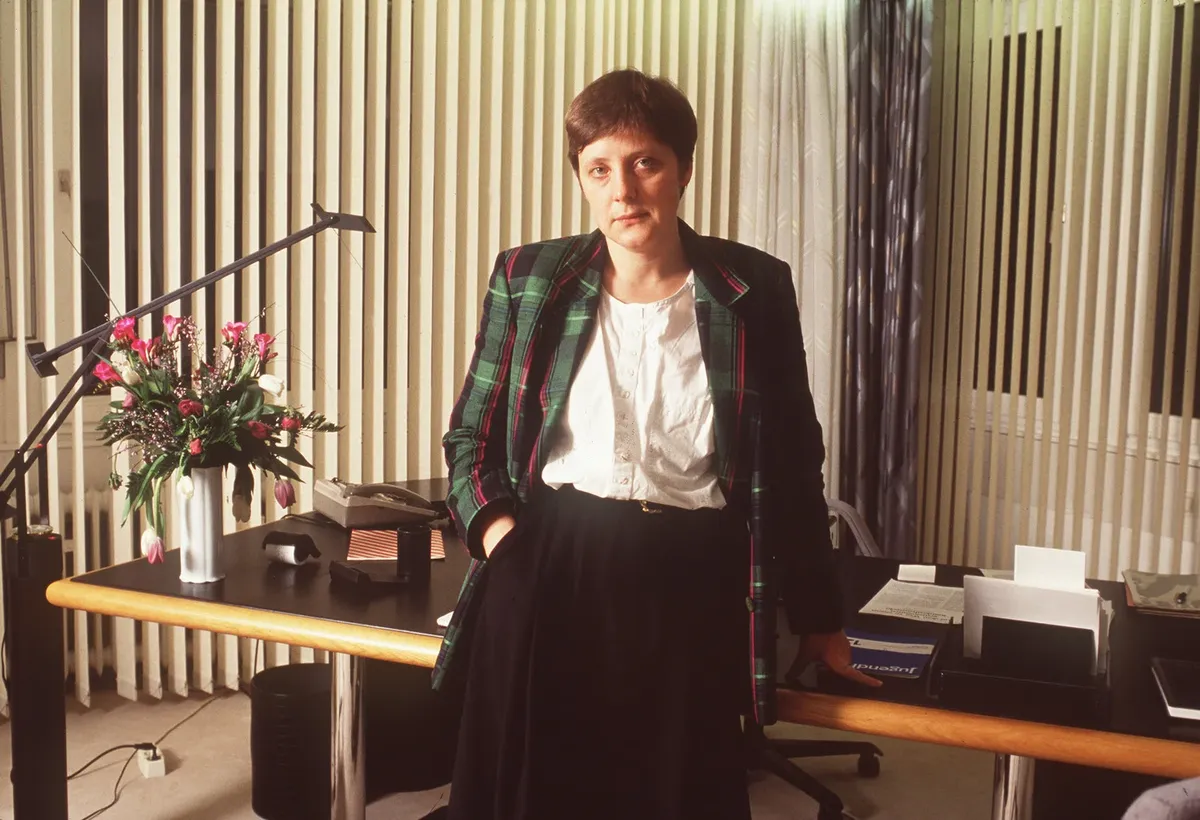
Bayopic long -livers of European politics, trying to maintain a balance between East and West.
One of the strongest politicians of the 21st century, which for almost two decades called the “de facto leader in the European Union”, even after a full-length film about it remains a mystery. Angel Merkel, who grew up in the GDR and received the PhD in chemistry, has moved up the political ladder from the mid-90s, and after the posts of the Minister for women and youth, and then ecology and nuclear security, finally became a chancellor. Modest and restrained in public, Merkel and now for many remains a dark horse.
The Eva Weber Doc is observing her amazing political fate: from the only woman in the office of ministers and the trustee of Helmut Kolya - to many years of negotiations with Putin and the dramatic decision on asylum for Syrian refugees. Never tightened, Merkel called herself “the first hired employee of the republic”: the film is trying to study how Frau defended national interests and what she donated to them. The theme of the East passes through the entire film in a red thread: from the staze agents at student parties of the 70s to the Russian president, trying to put pressure on Merkel in international negotiations. Friendship with Obama and open hostility to Trump are described here through a comma with their favorite films and songs Merkel, and its laconic and witty comments framed a familiar story about the difficulties of survival in the male world. By the apt expression of one of the speakers, "male policy is a Shakespeare for the poor."
The corridors of the authorities / Corridors of Power, dir. Droor Sea

Blockbuster about the inaction of the US Armed Forces and the UN during war crimes .
The chilling of a two-hour triller about the internal cuisine of American politics since the late 1980s. The starting point is 1944, when the allies had all the information about concentration camps in Eastern Europe, but did not take any steps to resist the Holocaust. What other “white spots” are there in the history of the United States in the late 20th-early 21st century? What other tragedies were not prevented? From Iraq to Afghanistan, from Bosnia to Rwand, from Libya to Syria - the author of the film is talking with American politicians of the highest rank (Madel Olbright, Colin Powell, Anthony Blinken, Samantha Power), who made decisions about the conditions under what the state (not) were included in the wars on other negotiations and what victims could be waged and what victims were possible It was avoided. A terrible and exciting movie about war crimes, failure operations, connivance of the international community, with a detailed analysis of military tactics and public rhetoric. Memory erases the uncomfortable, but the film will not forget anything.
Body parts / Body Parts, dir. Christie Gevara-Flenagan
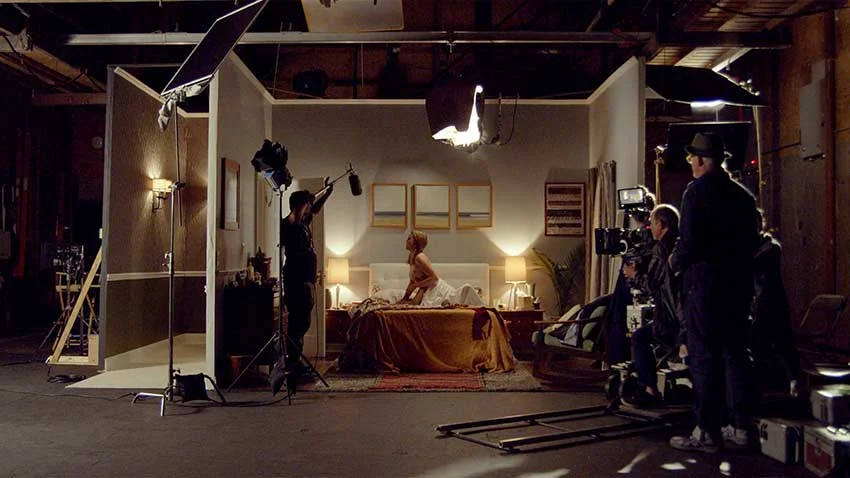
The study of the filming of erotic scenes in Hollywood - before and after moving against discrimination of Time's Up.
Insider dock on the set of sexual scenes in Hollywood and the influence of new ethics on the modern filming process. For several years now, in the States, the profession “Coordinator of Sexual Scenes” and “Ryder of Nakedness” for the actors has existed, but how exactly this work works, people from the side are unknown - but very in vain: “Parts of the body” can be safely recommended to filmmakers who are interested in the inside of the industry. In detailed interviews, the participants in the filming explain how the shooting of intimate scenes is ethically and legally arranged, how graphics and special effects are used for erotic plans, and which actors use lifhaki without even undressing. In parallel, the history of abuse on the set in the previous decades is described. Merified castings, pressure on the site, harassment and blackmail, fines and dismissal, because of which the directors and producers always had a win and could dictate their conditions-Harvey Weinstein was no exception, but just the most expressive example. “We are a sexual education,” HBO and Netflix showranners proudly declare on the camera: one cannot but admit that the last century people learned to kiss and have sex according to scenes from cinema and series.
Flag / The Flag, dir. Joseph Paris
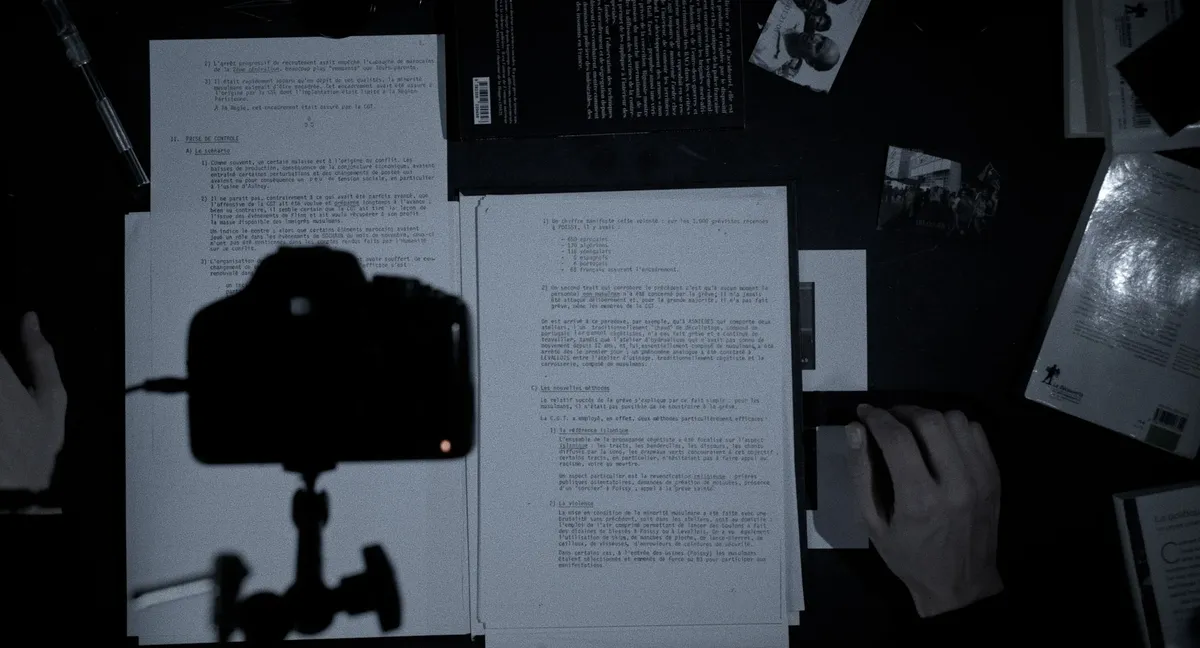
The critical essay on Islamophobia and the right turn in modern France.
The chronology of Islamophobic state policy in French society from the mid-70s to the present day-with an inevitable excursion into the colonial history of France. The main character of the film is one of the activists of the Muslim community, which shares observations of changes in laws and society since the attacks of terrorist attacks in Paris in 2015. The author of the film talks in detail about punitive raids, fines and discriminatory rules for non-white French-from constant inspections and raids to illegal deportation of refugees. The central idea of the film is the consistent transformation of secular France into a police state and the tightening of right -wing forces: the Le Penov dynasty, a long -term public polemic about wearing hijabs and Framing Muslims as potential terrorists. Considering the policy of Sarkozy and Macron, the author comes to disappointing conclusions: in modern France, where peaceful demonstrators and sympathetic refugees are accelerated with batons and tearful gas, no longer place the slogan “Freedom, Equality, Brotherhood”.
Labor / Labor, dir. Tuva Pils

The journey of the Swedish girl in San Francisco, where she suddenly becomes a sex worker for herself.
Leaving Sweden from a boring and relatively poor life to the States, the author and main character of the film had not yet realized that she would settle in the California sex-positive commune and get acquainted with sex workers. Her new circle of communication will change her views on money, sex and romance, and a new way of earnings will vibrate the wedge into relations with her parents, but the course of life is no longer possible to turn back. Through an interview with friends about sex work, clients and sexual freedom, the author comes to ambiguous conclusions about freedom of choice, the right to the body, money, property and the labor market. For many of her heroes, sex work is a gray zone of relatively quick earnings in a society where you are not guaranteed careless old age and social protection, so it remains to rely only on yourself and the support of the Community. The heroine frankly talks about going to work as a dominatrix, BDSM Sevex, sex vests with friends and plans for the future of all new acquaintances that have become her alternative family. The therapeutic, deep and intimate dock about overcoming fears and an attempt to preserve its own boundaries in work and life, where they encroach on your boundaries daily.
Seven winters in Tehran / Seven Winters in Tehran, dir. Steffi Netherzoll
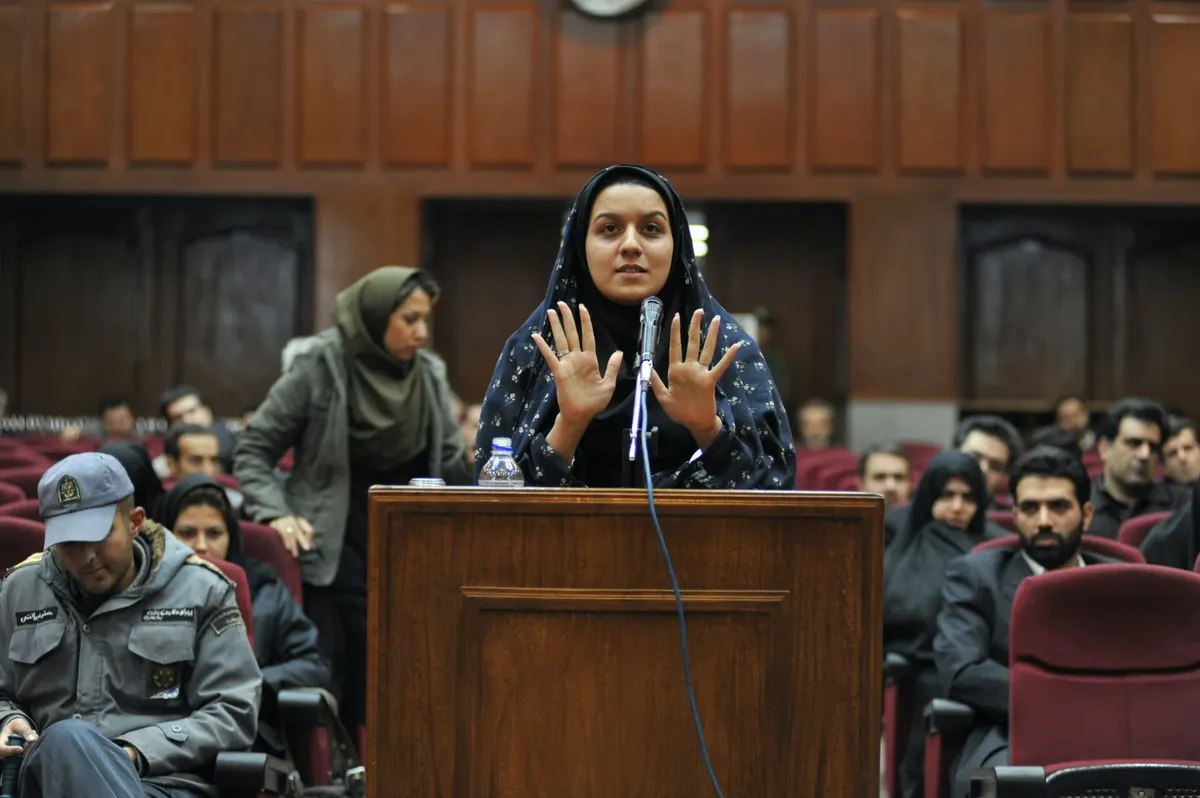
The chronicle of the scandalous trial of a young Iranka, who was sentenced to death for false accusations of rape.
In every sense, an insider film (all materials were illegally removed from Iran) about the court and the conclusion of Reikhan Jabbari - a young Iranki, accused by the state of the false reservation of her rapist. Unfortunately for Jabbari, who attacked her, the man from whom she defended her knife was involved in power structures, and the case of self -defense acquired a state, and then international significance. In an interview with the film by the film, the Jabbari family, lawyers and other Iranian women-poisoners talk about how sexual crimes are investigated in Iran, the local prison system and the law on blood feud, as well as human rights activists who are trying to protect women behind bars. Blackmarks with relatives, torture and false evidence is an ordinary invisible practice in Iran, which is exposed only in rare cases when prisoners and witnesses dare to tell their story. “Seven Winter in Tehran” about the seven -year trial is one of such cases.