
Translated material
Blood loss
Is it even possible to drive out of the country for thoughts? From Russia - you can
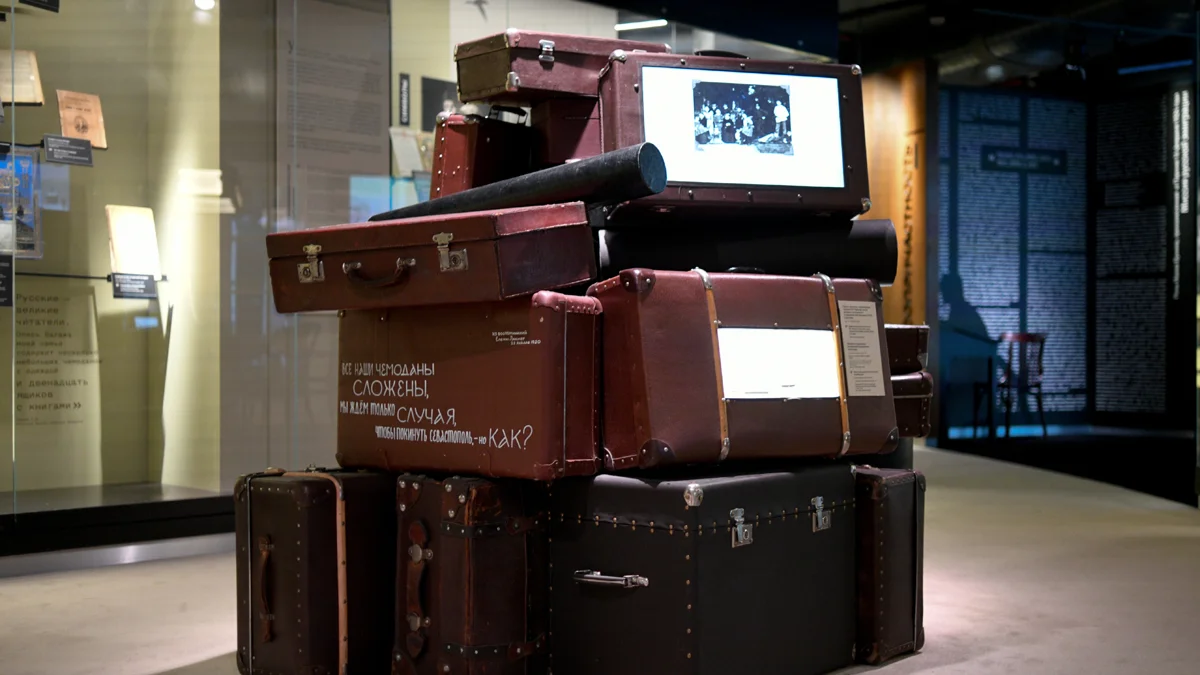
In the photo there is a constant exposition of the house of Russian abroad. Alexander Solzhenitsyn. Photo: Svetlana Vidanova / "New Gazeta"
We published this material in the anniversary issue. You can buy it here
*** Who dares to ask from Russia
For the children missing her. * Galina Yatskovskaya
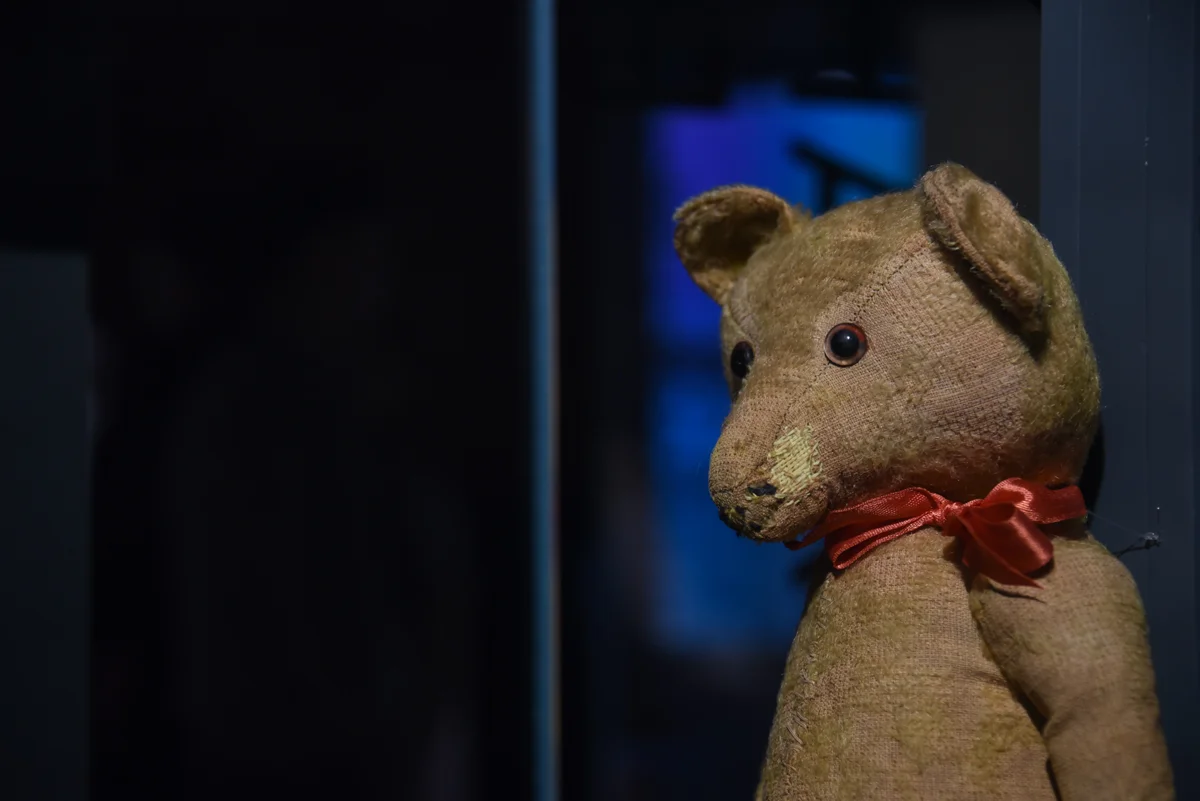
Plush Mishka sits behind the glass. He has a red “butterfly” on his neck. He looks at us with small keen eyes, not clouding in almost a hundred years of his life. It is well preserved, its short yellow wool shines softly. And he looks strictly and intently, as if asking us, but he has nothing to answer.
Once he was embraced by the hands of the Russian girl Elena. In 1943, the girl was overwhelmed in the ruins of Berlin during the bombing, for some time she was alive, and her relatives heard her voice through the sewer mine. Then the voice was a verse and no longer returned. Then Mishka was presented to another Russian girl, Irina, and with her he lived her whole life and was with her in all her wanderings from Morocco through Vietnam to England. And now he is sitting behind the glass in the Museum of Russian Abroad on the Moscow Taganka, worn, with round ears, with abrasion on his paw, and in his gaze of his courtyard-eye, the surprise of a small creature who remained alone.
And he does not understand what happened to him. And we also do not understand.
Like a hurricane from a place, tumbling in the air, losing hats and suitcases, with torn skirts, with ties thrown over the shoulders, men, women, children, ironing, dormitrates, napkins and books with trembling pages, which are flipping over, are flying over the fly.
They fly through their heads, frantically squeezing the violins and pressing a purse with bills to the hearts, which are no longer worth anything. You can’t buy bread in Berlin or a glass of water in Paris on them. But they still do not know this, they did not understand ...
This is the emigration, the very first, when in a terrible toll, they burst into ships in the Crimea, releasing from the hands of suitcases and Baulas, who were caught by marauders who specially climbed into the crowd, but not releasing the small weak hands of children who had to know that they were Russians without Russia.
Living without Russia is grief? Or maybe happiness? The happiness of being alive, happiness not to fall into the basement in Sevastopol with hundreds of other unfortunates, happiness not to be hanged on a lamppost in Feodosia, happiness will not be shattered naked (people are not needed, but the clothes are needed, they will still not be overwhelmed with bullets and stain it with blood) and executed in the Crimean gorge from a machine gun, not to see happiness, as well as Yalta go to hospitals and kill the wounded. The happiness of escape from horror, which will not end in 1921 - will last a long time.
They carried epaulettes with them. Here they are, homemade epaulettes of the Civil War, epaulets of General Nagaev on a gray bike, with manually embroidered stars, which are not like stars, but to spiders, but others, officers, to which brass rivets pinned for lack of stars.
And what about General Nagaev? He became a monk.
And what about the writer Shmelev? Here are his glasses. It is impossible to look away from them, they rivet to themselves, paralyze, do not allow to leave. Round, fragile, how did they manage to survive such a long time? You look at the glasses, you see tears flowing down the wrinkles on the face of Ivan Shmelev, the tears of the father, whose son, a young officer, shot in the Crimea, the writer's tears, in hunger and cold, writing his terrible book “The Sun of the Dead”.
How to write in the cold when hands are freezing? But how - these are the mittens of Shmelev, thick, gray, and worn, with a fallen fur.
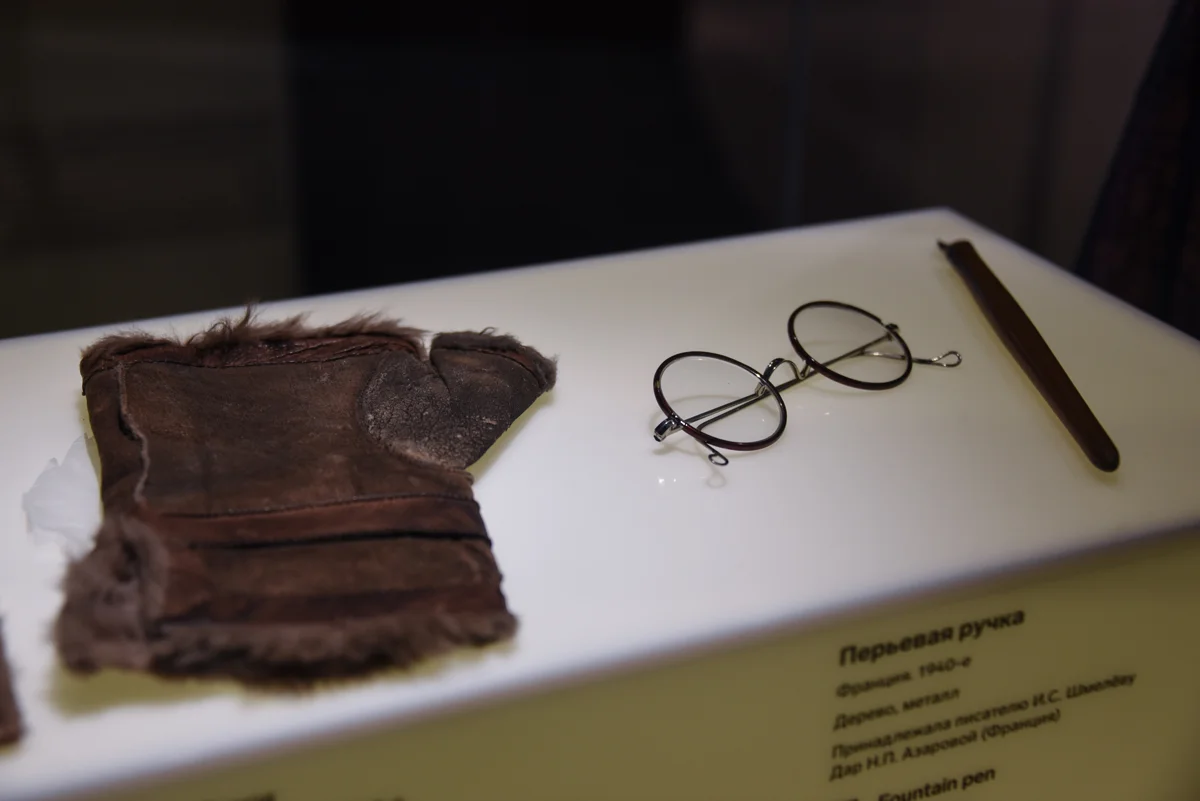
And here is his large brown portfolio, ridiculous and clumsy in our modern opinion, a good old Portfel, remembering how in Paris the manuscript of "Summer of the Lord."
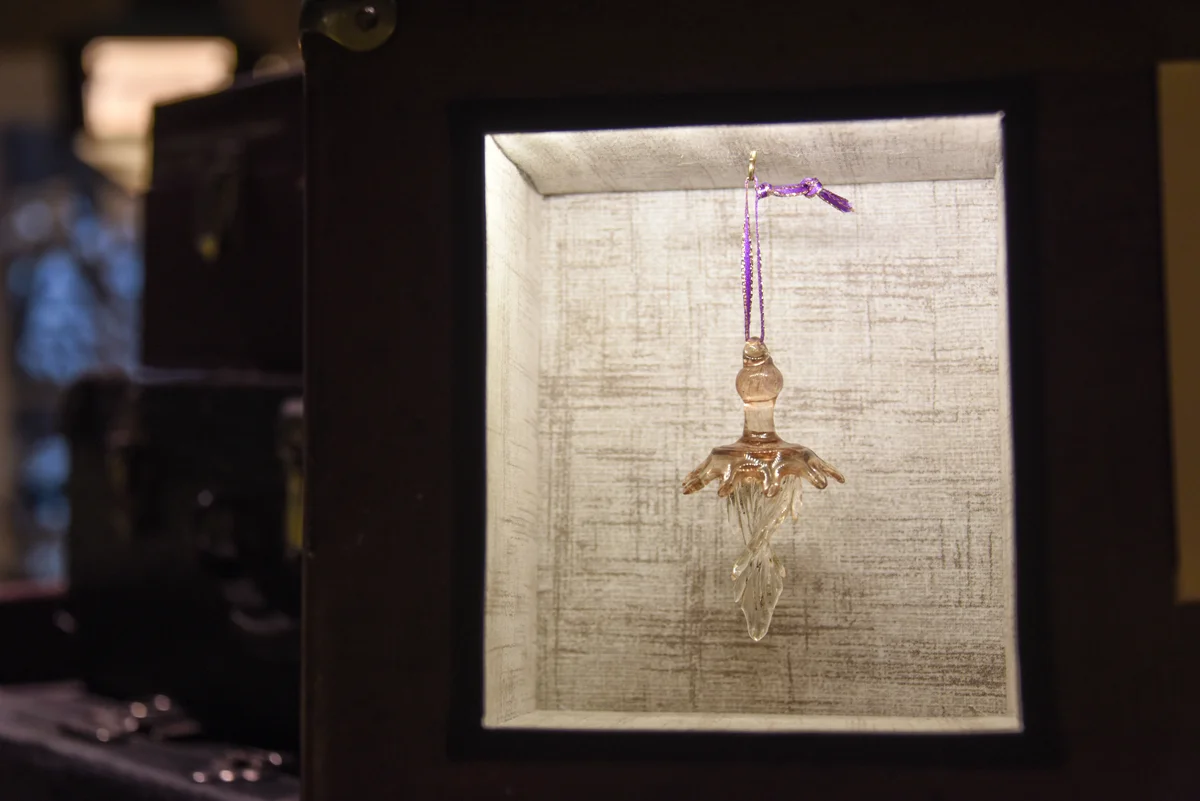
Everything flies, raised by a ruthless wind, including a crystal suspension, breaking off the chandelier in the Winter Palace at the moment when the shot of Aurora broke out.
Or is it just a legend? But the unknown junker raised the suspension from the parquet, put his greatcoats into his pocket and carried it through cold trains with knocked out glasses, through typhoid barracks, through the blurry snow in the Kuban steppe, in which, pressed with fire to the ground, hearing the bullets, faces down, the officers are stained, wet to the underwear, while their commander is pacing over their commander. They asks them: “Get up, gentlemen! Come on, gentlemen! " This suspension visited exile, lived there for decades and returned to Russia, but is this a return? Does such a return meaning and light?
There is nowhere to return, because Russia is not, it is not again and again, it was annihilated in terror, in the Lubyansky dungeons, in the camps of the Gulag, in the courts of dissidents, she depleted herself in wars and lost the mind and mind in endless bloodletes.
Anyone thrown from Russia - no one knows exactly how many of them, millions in the waves of emigration, replacing one another, first, second, third, fourth, or is it the fifth? - These people scattered around the face of the earth and searched for a refuge, bread and work. In 1920, Anatoly Markov was evacuated from Novorossiysk to Egypt, entered the police, became a police commissar in Alexandria, then a major police officer. Konstantin Gavrilov in the same 1920 crossed the Estonian border and left for Argentina to become a professor of zoology at Tukuman University. Lieutenant Colonel Seifullin found himself in Sydney. The teacher and psychologist Elena Antipova became Brazilian "Dona Elena."

In the fifties on the island of Tubabao at the Philippines in the refugees camp, five thousand Russians lived from communist China - before that they fled to China from communist Russia. Nameless Russian officers found themselves in Paraguay to take part in the Paraguayan-Bolivian war in which they saw the continuation of their unfinished business, because German officers led by General Kundt fought on the side of the Bolivians. The previous time they met him at the front of the First World War.
It is like nonsense-Russians and Germans who kill each other in the Paraguay-Bolivian war for the possession of oil, the presence of which has not been proven.
Delirium and is.
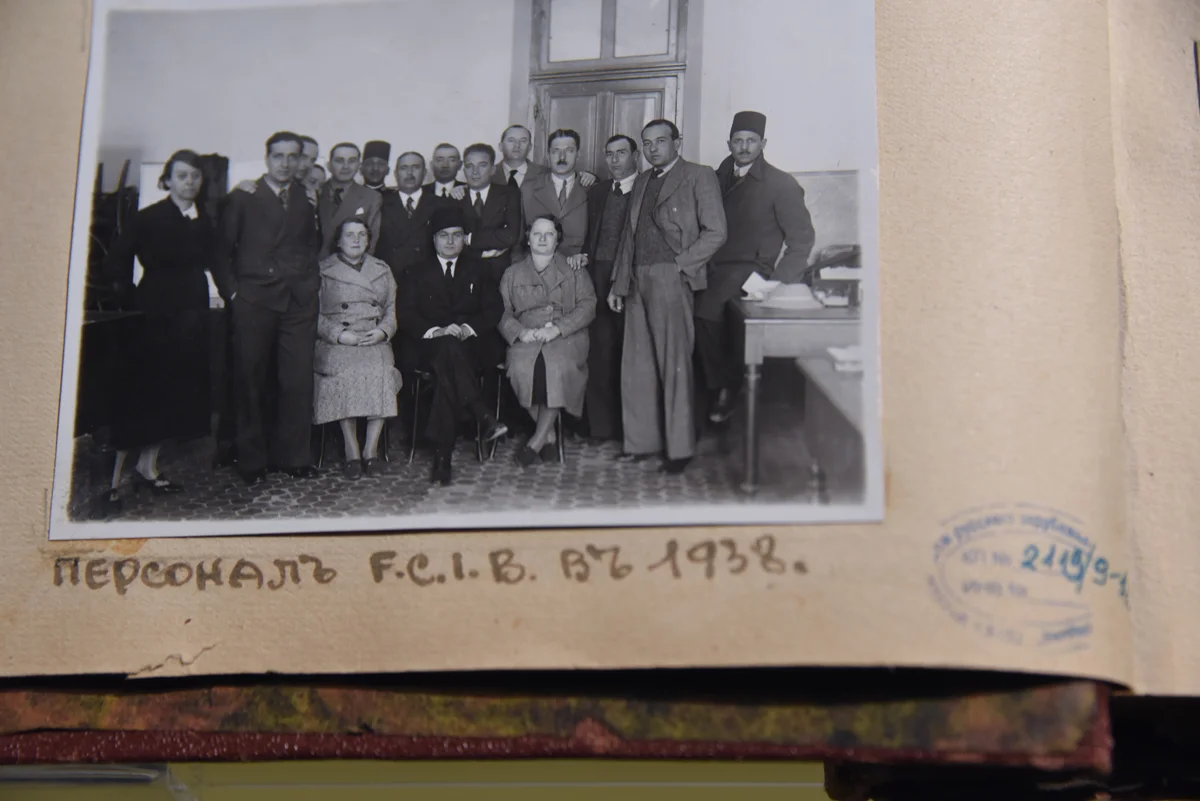
Yes, it thickens and does not leave us a persistent feeling of the delirium of this whole story. Common sense says that it is necessary to preserve people, their mind, their work and talent, so that they remain in the country and diligently, a decade after a decade, create it, and the evil, inflamed nonsense orders them to expel them with suitcases and without, and if with suitcases, so that they will certainly have no more than two Palon couples - they will check at customs! And they checked - among the professors of the "philosophical ship". Common meaning tells the accumulation of good in the country, and delirium shoves the good with a cold squint in his eyes, a boot under the ass. And a person who has been knocked out of the country flies from time and countries, flies throughout Europe, and sometimes to Paraguay and Chile, to remember Russia as a long-standing sleep and store long, to the elbow, grandmother’s gloves, in which she danced in the first ball in snowy St. Petersburg in the timeless year. The bayonet, which the Paraguay Ministry of Defense, with the assistance of Russia's ambassador to Paraguay, transmits the museum in Moscow, and is nonsense in a vase, which at first glance you take for a remake in the ancient Greek style until you understand that it is not decorated with scenes with Greek heroes and athletes, but scenes from the life of the Gulag, on which prisoners in vests and chunes drag a log.
All these people - huge streams of people who expired from Russia to the west and east, leaving for Estonia, leaving for Shanghai, who fled to Prague, who got to Paris, swam through the ocean to America - weren't they needed here in Russia?
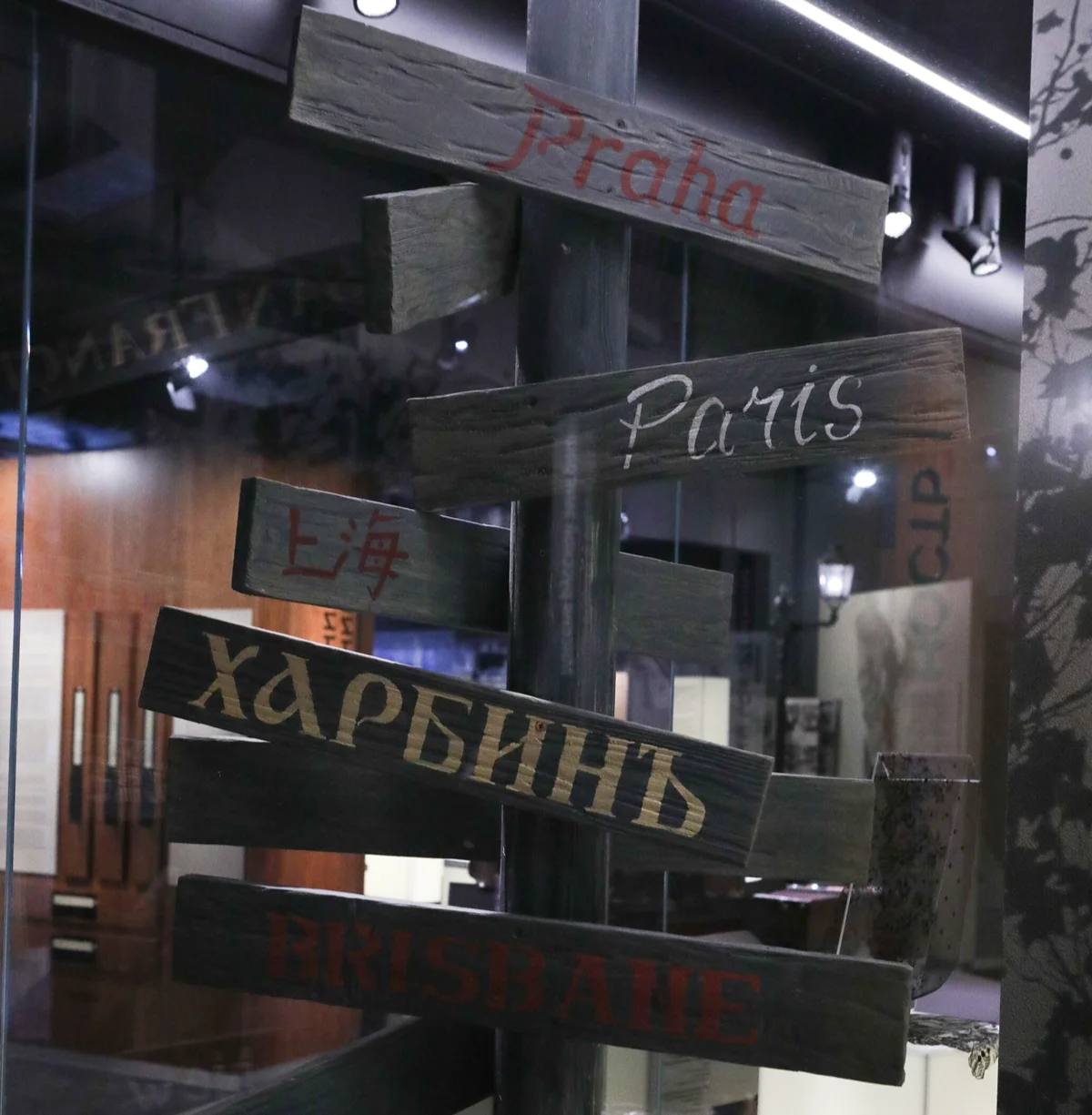
Was it not needed professors Lossky and Yasinsky, whose entire fault was only that they thought differently than Lenin and his semi -literate Stalin, could it be even expelled from the country for thoughts? From Russia - you can. Wasn't the Sikorsky engineer, who created helicopters for America, and the Seversky engineer who built the main fighter of the American Air Force in the Second World War R-47 Tanterbolt? All of them were needed, and the creator of the ballets Lifar, and the creator of the ampex tape recorder, and Aldanov with his novels, and Chagall with his flying cows and violins on the roofs, and Rachmanins with her second concert for piano, and Olga Glebov -Sudeikina with her porcelain dolls, and those countless, numerous, numerous, not entered. The names in the history that companies were based in America and charity societies in Australia and worked in French automobile plants, and extracted diamonds on smoked in Africa - but they were thrown out of the country and decades were declared traitors and ordered them to forget about them.
And then they were allowed to return - however, they have long been not alive for a long time; Behind the glass in the museum there are their shoes and are the fountain burns, orders and spurs. These were allowed to be returned, but now they are exposed to others - those who stood in endless lines at the checkpoint of Upper Lars,
Those who, having fled to Kazakhstan, were renting one room and searched for work at a construction site, those who, happily spoke in the C ++ language, may not worry about the future. Well, nothing, a hundred years will pass, and these, the current Moscow museum will return to the expanded Moscow Museum - their children will transfer their passports with Schengen visas and blocked credit cards here, and their grandchildren will transmit laptops on which they wrote the program code for Google and Oracle.
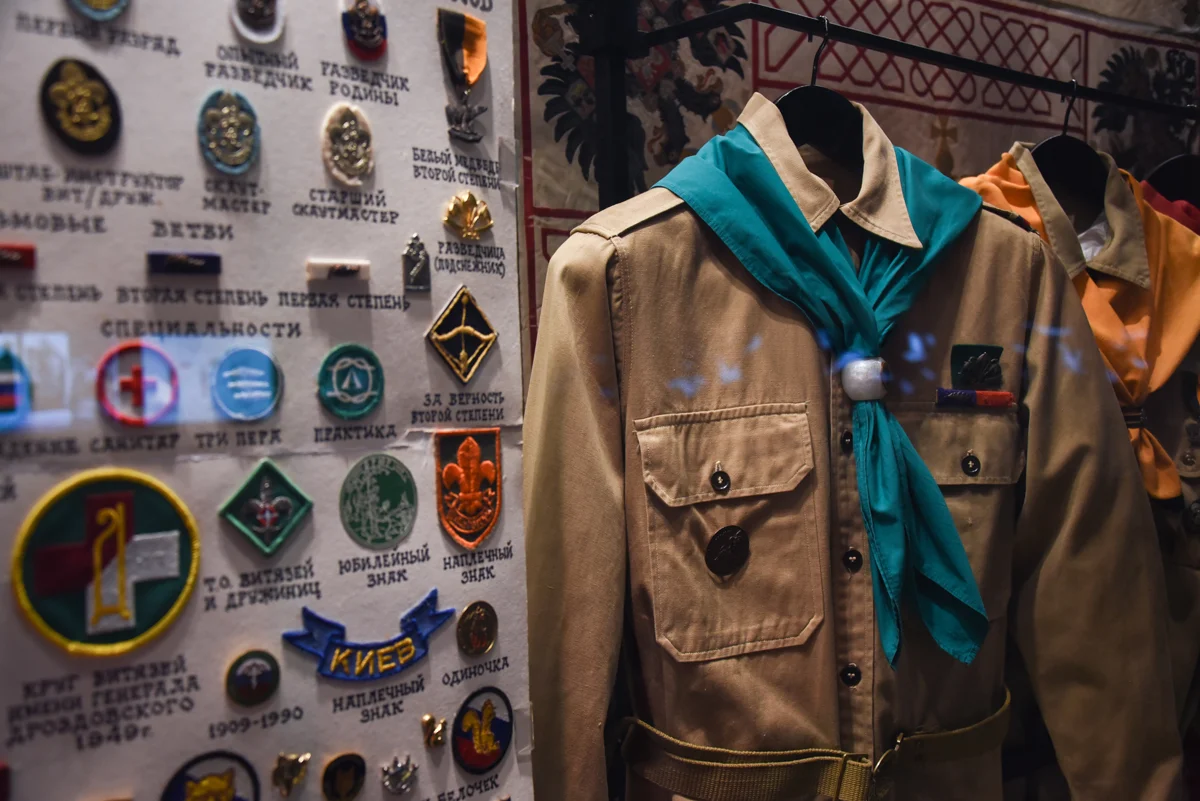
There were so many those, the first that the idea arose that they are Russia. Another Russia. Russian Berlin, Russian Shanghai, Russian Paris ... It was all. There were newspapers, and publishers, and military unions, and churches, and mutual assistance cash desks, and Russian students in Prague, and Russian doctors in Belgrade, and Russian fashion in France. The expelled Russia tried to preserve itself on the brown arid land of Gallipoli, where for several years the white tents of the Russian army stood in rows, but one cannot maintain an army without a country. This Russia tried to preserve itself in the Bizer Tunisian, where the Russian fleet of 33 ships that had left Crimea stood for several years - raising the Andreevsky flag on the Lincores “General Alekseev” and “George the Victorious”, stood with officers with white and sailors, whose ribbons were Russian letters. But there can be no fleet without their native shore, and the officers went ashore in Africa and turned into salesmen and engineers, and the sailors went to workers. On the vertical stand in the museum, the logos of Russian publishers in exile are exhibited - there are dozens of them. There was not a single one left. Serious, cheerful, different young faces of Russian scouts look from the photos, their dandy tunics, decorated with colored stripes, with bright neck shawls - where are these scouts? The Russian Atlantis disappeared, disappeared, it is no longer, only memorial exhibits remained in the quiet hall of the museum.
"We are not in exile, we are in the message." These are the words of Nina Berberova. So not only she thought, so many thoughts and spoke in Paris of the thirties. Well, it was necessary at least some foundation and justification of emigration and exile, I needed at least some mirage in whose name it was worth living.
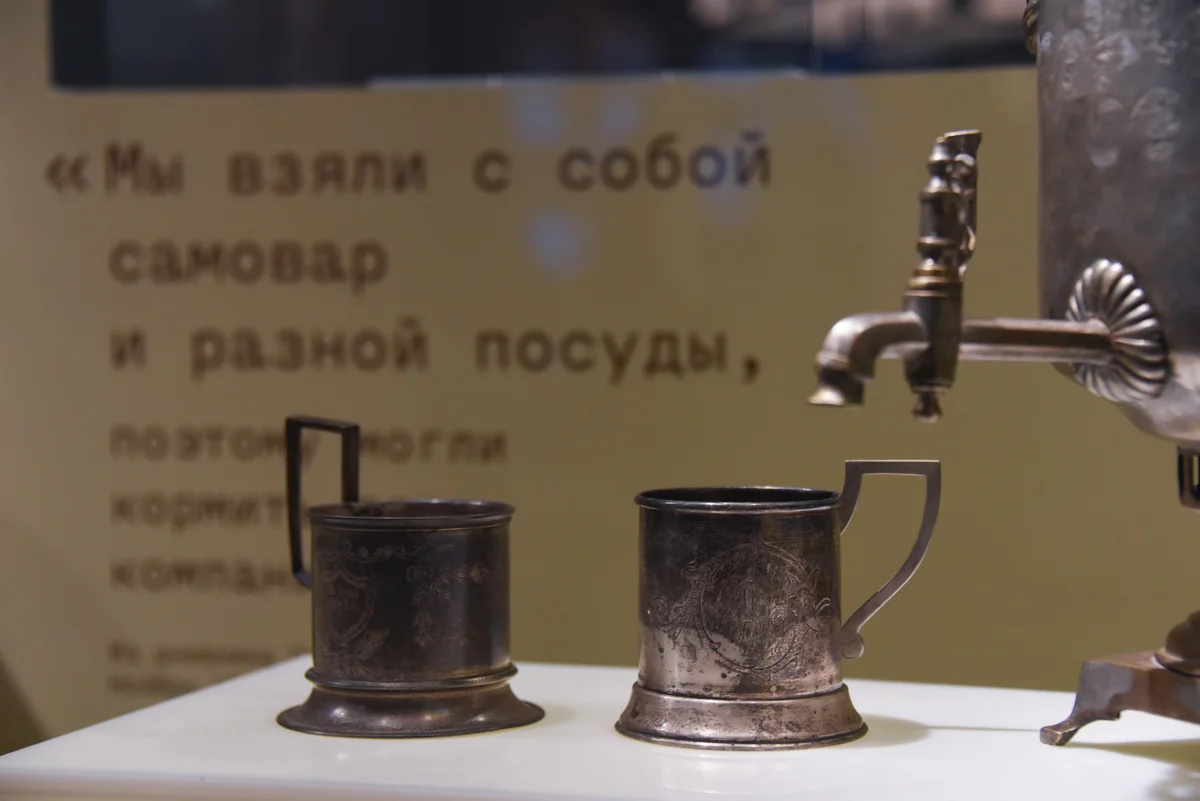
And an analgesic also needs. But there was no message in the life that thousands and tens of thousands of Russian people who were not involved in literature and art lived. Those who in the morning twilight went to work their shift to Parisian automobile plants in the morning twilight. There was no message in the sleepless work of Russian night taxi drivers and in many hours of standing Russian Switlets at the door of expensive Parisian restaurants. There was no message in a soup on the water, in life under the roofs of Paris, in the cold in the winter and hot in the summer of attic, in poverty, in tears on the face of Marina Tsvetaeva, who prepared dinner to the family in cramped cuisine and stopping stockings, because there was no money for new ones, there was no message to be expelled from the windows with the windows with the windows with the windows with the windows with the windows To the garden, from his apartment with a dining table and a sofa, from his usual native life - thrown out with a big suitcase, in which an iron, cup holders, several books and an icon dangle ...
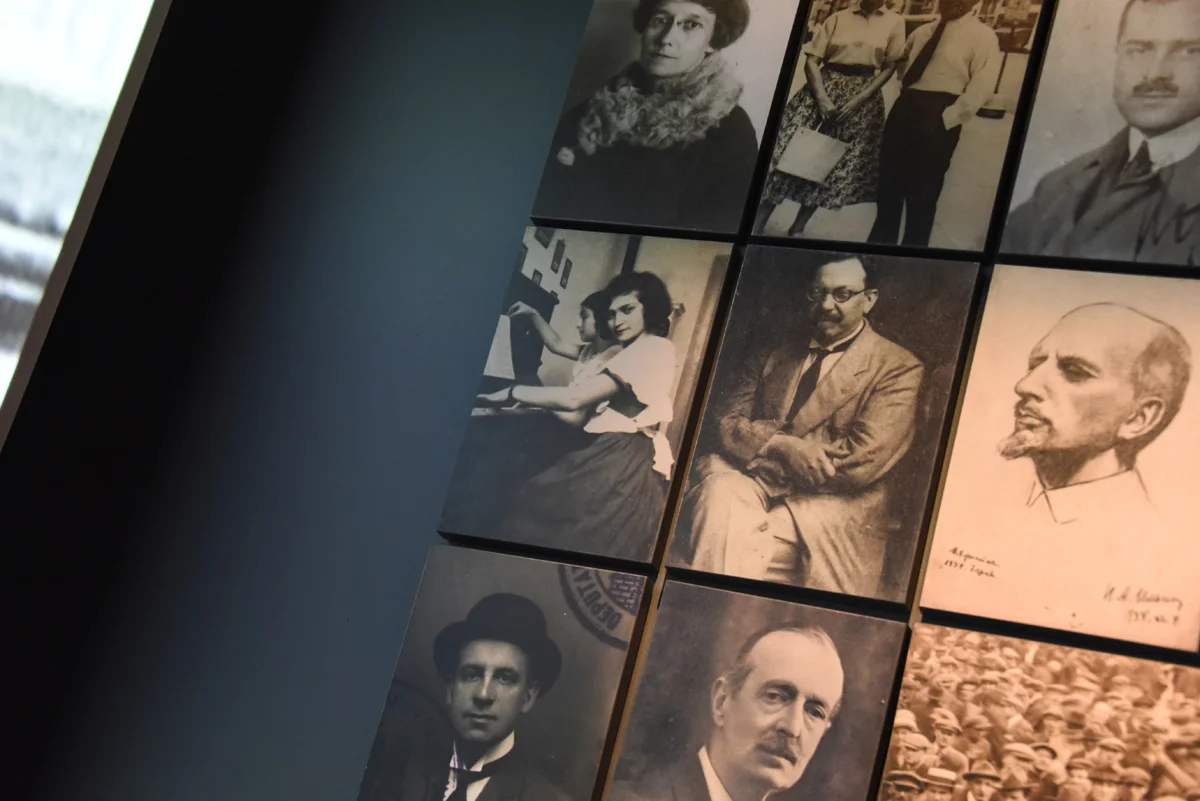
Hundreds, thousands of names and faces of this departed, disappeared, destroyed by Russia - and among them suddenly one, stopping his gaze. The young woman for the piano, putting her hands with raised fingers on the keys, will now play. But the pause, the photographer, distracted her, seeing the camera, she turned to her, this is an unknown Russian Parisian of the twenties or the thirties, how many youth and desire to live in her, and the white light of the day is clear, and it will now call the piano in Tom Paris that we will hear him here, in Moscow.
But you look at her with a severe sense of doom, because you know what she does not know - ahead again war, occupation, hunger, cold, terror, raids.