
Translated material
In the evening in Amnesia
From unwritten memoirs
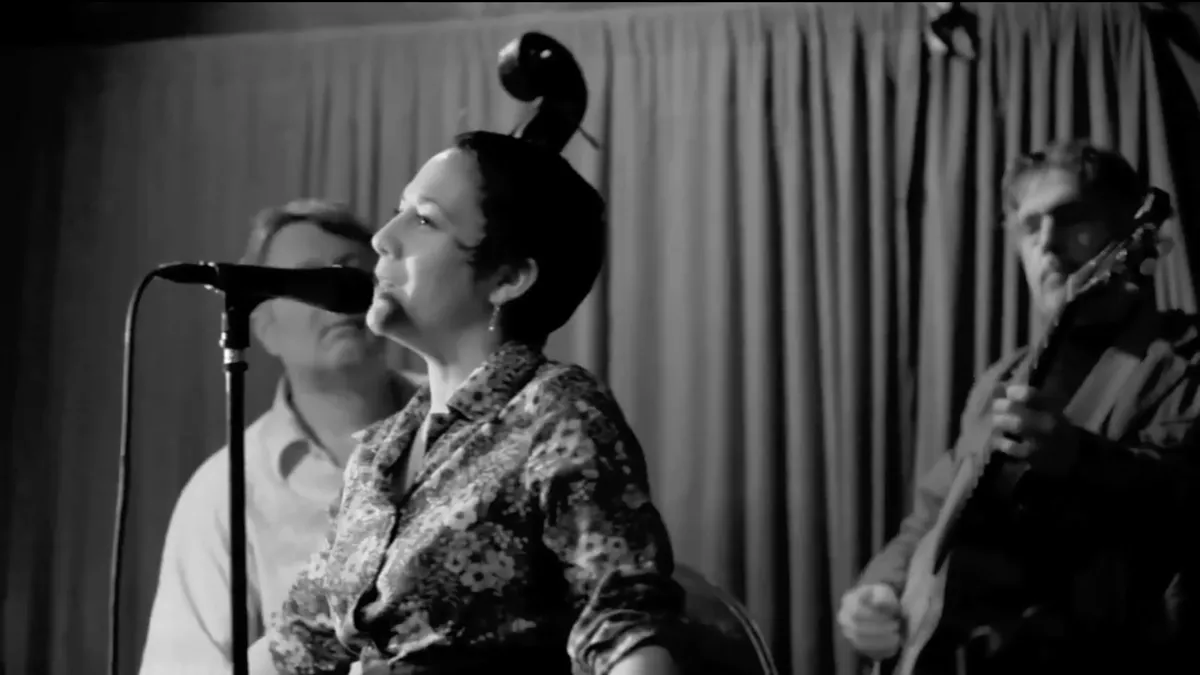
With a light evening, a vague evening in San Francisco, as always, I went to Barchik “Amnesia” on Valencia Street-a refuge of lost souls, eager for oblivion.
And they received here what they wanted - the memory disappeared, the time dispersed, and through the rumble of the hall stuffed to the eye - you will now hear it - the high female voice flew, flew and poured out.
The heavy blue curtains were lowered to the windows and never rose, nobody ever wiped the puddles of vodka and rum on a sticky rack. The walls were faded as sadness. The faces of the musicians gave out emigrants in them, they were not from here there and not because for something, but to those eternal emigrants who always live in themselves in a closed and inescapable loneliness. The guitarist in a jacket taken from St. Petersburg of 1921 had a longing in his eyes, which you can’t accelerate anything, even love. The accordionist next to him, a man in professorship glasses, once laying his hands on the keys of the conservative piano, had the face of a man who forever stuck in pre-war Paris, or in the hopeless Rio. And next to them, on a cramped scene, in a brand new blouse, which our grandmothers would be proud of, and in a narrow long skirt of the era of the thirties and Moskvoshwey, movements of the hands and soft dancing on the spot saved the soul of Tamara Corn, or Russian, who fled from the Bolsheviks, or a Jewish who fled from the fascists, or the American, or the American, or the American, or the American Citizenship as in amnesia ...