
Translated material
The past is imprisoned
The Hague began to judge Hashim Tachi, the former leader of Kosovo, accused of war crimes. We explain how this is due to the attempt of the West to achieve peace in the Balkans
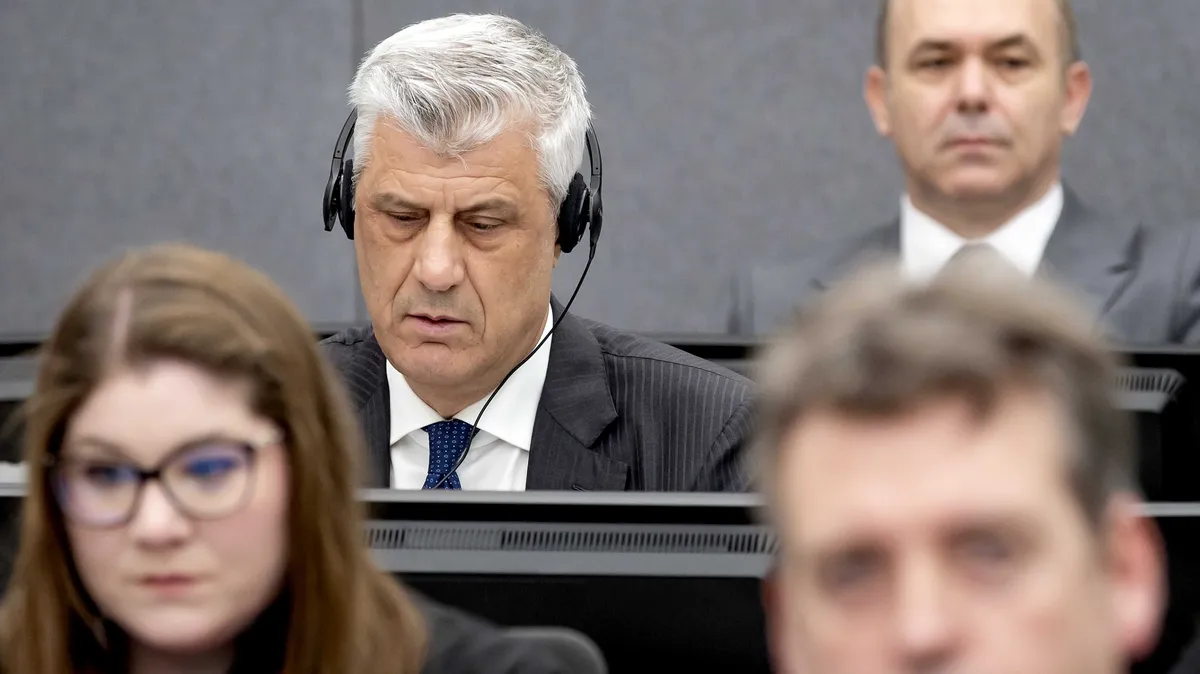
Former President Kosovo Hashim Tachi during the trial in The Hague, April 3, 2023 Photo: EPA-EFE / KOEN VAN WEEL / POL
After a long -term collection of evidence and the arrest of the accused in the Netherlands, a new trial began over the participants of one of the wars who accompanied the collapse of Yugoslavia. But this time, representatives of Serbia or Croatia were not in the bench of the defendants-as in the period of the world famous international tribunal-and the leaders of the army of the liberation of Kosovo, including the former president and Prime Minister Hashim Tachi.
In both Kosovo and Serbia, the new process is treated with skepticism. Kosovars with great difficulty are ready to admit that their struggle for independence is denigrated by war crimes. And most Serbs believe that the accusations put forward against the tach and his associates are insufficient. Nevertheless, the court in the Netherlands that began under international supervision is designed to become another episode in restoring justice - and therefore, the world in the Balkans. Political scientist, expert in the Balkan countries, Aleksandar Dzhokich, tells what kind of crimes Hashim Tachi accused, under what circumstances they were committed and how the current lawsuit is designed to help the implementation of a new peaceful plan for the settlement of the international status of Kosovo.
In recent weeks, the Kosovo Albanians community closely monitors the trial of Hashim Tachi, the former president of the country and one of the leaders of the armed movement for the independence of Kosovo of the 1990s. Together with the taces, his associates appeared in front of the trial of the struggle for independence: Kadri Vesels, Jacob Krasnichi and Recep Selimi.
All of them are accused of committing war crimes-of murders, torture and abduction of 140 Serbs, Albanians and Gypsies during the fighting of 1998-1999 and immediately after their completion.
The investigation of crimes has been conducted since 2010, when the official report of the Council of Europe was published . In 2014, on the basis of this report, a special group was formed, the result of which was the decision to charge the leaders of the army of the liberation of Kosovo. In November 2020, the taces and his associates werearrested . At that time, Tachi was President Kosovo and one of the most popular politicians, and the charges put forward against him forced him to resign. Since then, all those arrested have been in prison in the Hague. It is assumed that the trial will last until April 2025 and about 300 witnesses of the prosecution will appear before the court.
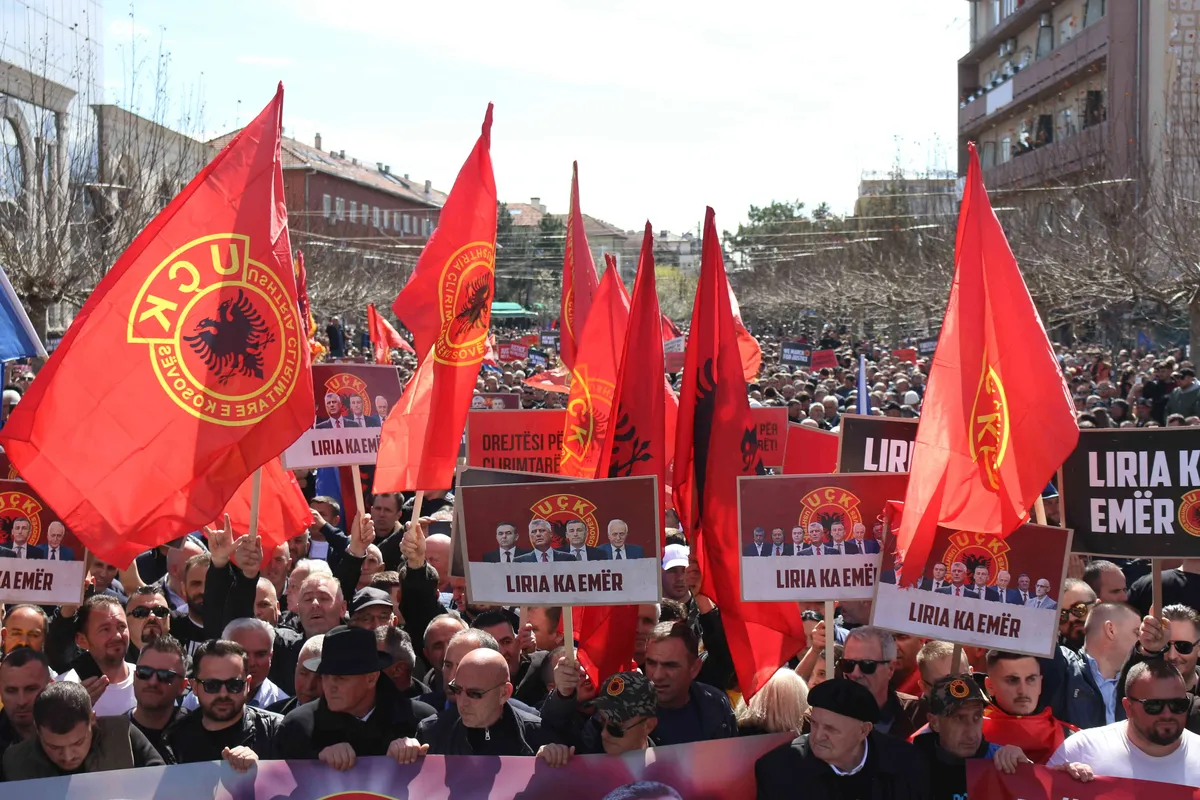
Nevertheless, the very beginning of the process did not cause mass protests in Protina and other cities of Kosovo. Only a few hundred Albanian demonstrators from the diaspora gathered on April 3 in front of the court building in The Hague, and several thousand (but not hundreds or tens of thousands) of the Albanianspassed along the streets of Prisetina to express their disagreement against the leaders of the army of the liberation of Kosovo.
Rugova VS Tachi
The main accused-Hashim Tachi-was not widely known even in Kosovo until the end of the 1990s. In those years, the main opponent and dissident, who for many years headed political resistance to the regime of Slobodan Milosevich among the Kosovo Albanians, was Ibrahim Rugov. But the United States eventually relied precisely on the tents, as they expected through it to make contact with the army of the liberation of Kosovo, one of the leaders of which he was.
In 1998, Tachi turned out to be the chief representative of the Kosovo Albanians in negotiations, which was the starting point for the growth of his popularity as a leader. Then the negotiations were conducted under the auspices of the United States and were the last diplomatic efforts undertaken by the West in order to stop the war of the Yugoslav security forces against the Albanian rebels in Kosovo. The failure of the negotiations was followed by NATO military intervention.
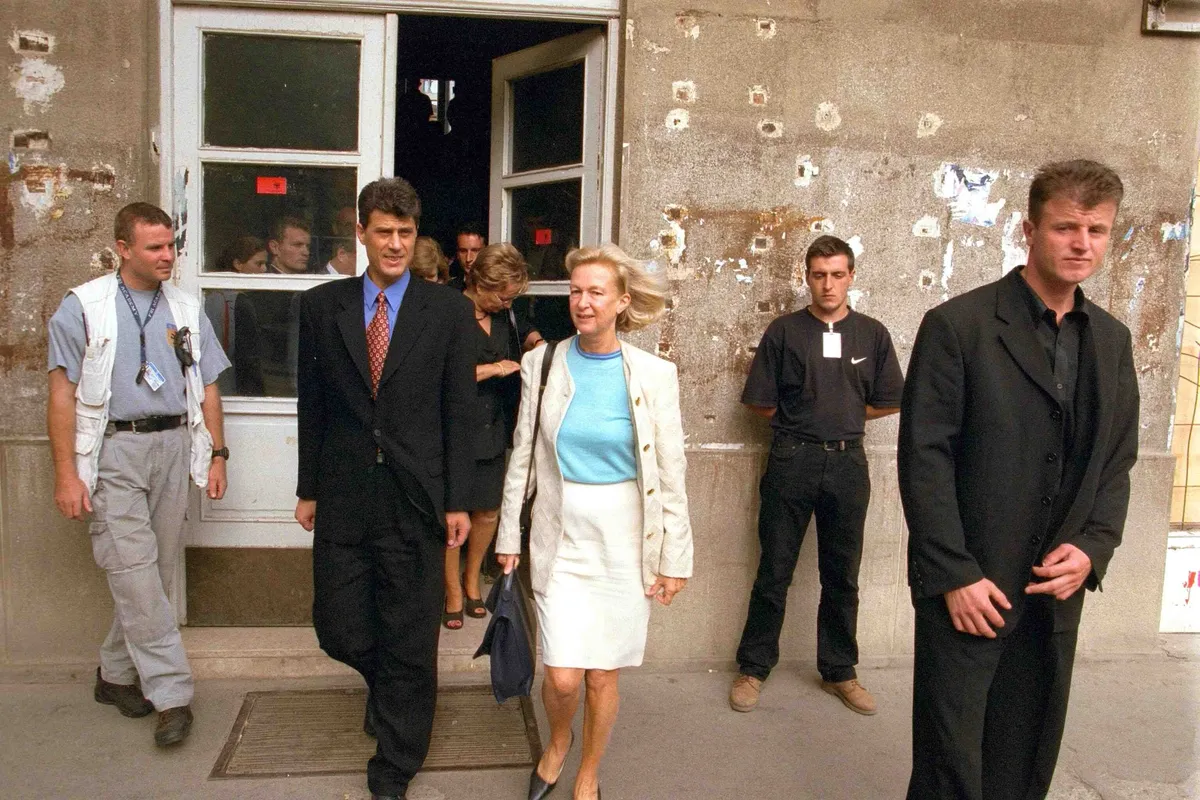
The Army of the Liberation of Kosovo, the beginnings of which can be found already in 1993, was originally a military group of Albanian rebels, who did not have a strictly built hierarchy. Among the Kosovo Albanians, these groups, like the taces themselves, were not known and popular because of their radicalism -they, first of all, sought not to gain the independence of Kosovo or the construction of democracy, but to the struggle for Great Albania.
Ibrahim Rugova was much more popular: he was a democrat and directly opposed Milosevich, embodying the resistance of the democratic David to the authoritarian Goliath. Nevertheless, the methods of non -violent Rugi resistance in the spirit of Gandhi caused the discontent of the Albanian rebels.
Western rate
Everything changed in 1997, when Albania, with which many Kosovo Albanians were directly connected by family ties, went bankrupt and plunged into chaos . Then the huge reserves of the weapon, which the communist dictator of Albania Enver Khoja accumulated on the border with Yugoslavia, crossed the border of the Union Republic of Yugoslavia, which was under the unlimited authority of Milosevich. The Army of the Liberation of Kosovo received funds for the war with the Serbian security forces.
In the middle of the same year, the rebels held the first organized actions against the Yugoslav police in Kosovo.
After that, the non -violent methods of Rugova resistance were no longer in demand, the war actually began.
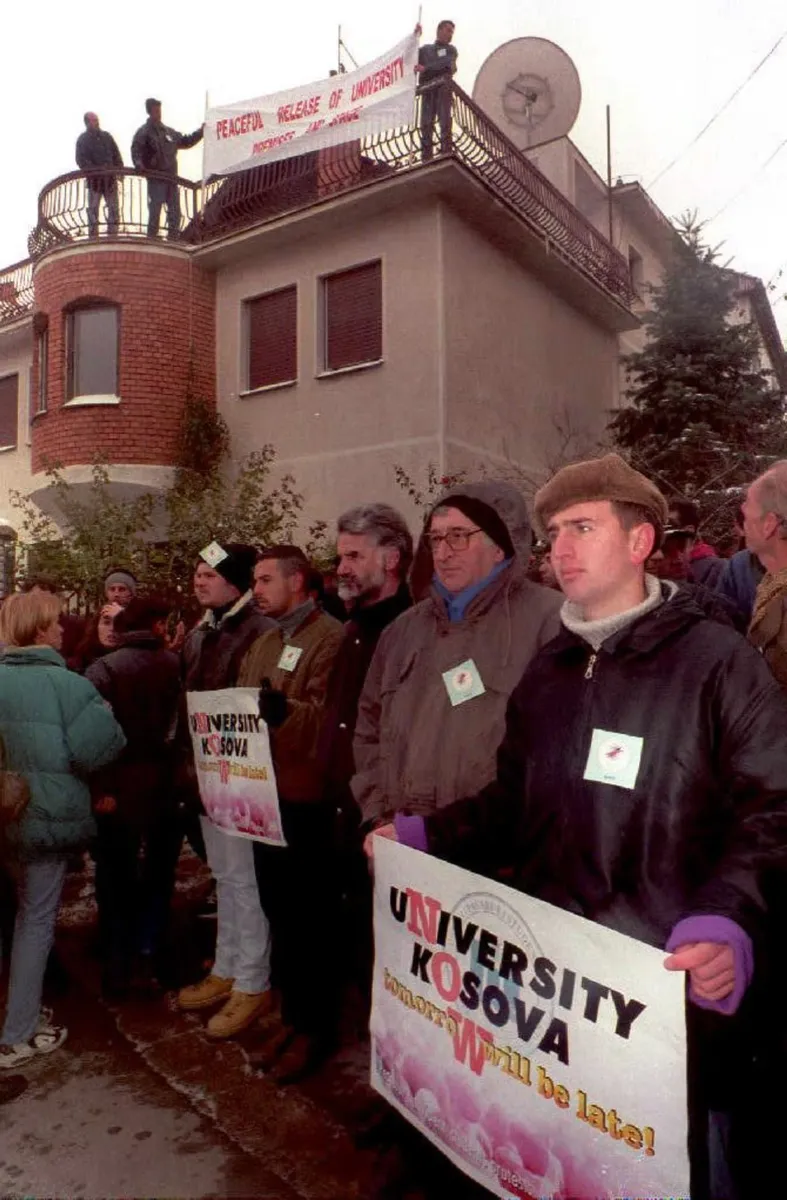
Contrary to the desires and instructions of Rugi in the fall of 1997, Albanian students in Kosovo began large -scale protests , reasoning that the decisive moment had come. After a series of speeches, the Yugoslav police applied gross power, which was the culmination of the protests in December of the same year. It was the violence of such a level that the Serbian opposition and even the Patriarch of the Serbian Orthodox Church Pavel called for Milosevich’s regime to sit down at the negotiating table with Rugova. But Miloshevich chose the path of violent suppression of the uprising. Throughout 1998, he went under the sign of fierce battles, in which, however, the Yugoslav army, the police and special forces failed to cause the final defeat of the army of the liberation of Kosovo.
In the end, the repressions against the Albanian population became so large -scale that the West decided to intervene in the conflict. But in order to do this, from the army of the liberation of Kosovo it was necessary to make a democratic, not the "Great Albanian" power.
For this purpose, as a representative of the Albanian side in the negotiations, taching was chosen . He graduated from the Historical Department of the University of Promotence, spoke English, was young and skillfully worked on camera. With the support of the West, the Kosovo Liberation Army changed its ideology, turning into democratic power, which fights for the independence of Kosovo. Rugova went into the shadows, receiving the nominal position of the president. Tachi proclaimed himself the first Prime Minister Kosovo and took the reins of government into his own hands.
The winners are judged
The current process against Tachi and his associates is based on several reports of the Council of Europe and the evidence that, as part of his mandate, collected the office of a special prosecutor . The main accusations made relate to what happened in the final years of the struggle for the independence of Kosovo, which became the time of accounting.
During the conflict, the Serbian population of cities under the control of the Kosovo troops fled to Serbia. The exception was the northern part of the city of Mitrovitsa, where the Serbs lived in the majority and felt in relative security. The life of the Serbs remaining in Kosovo villages, which later become known as enclaves, were at risk . This was especially true for those who fought on the side of Serbia or were somehow connected with its power structures.
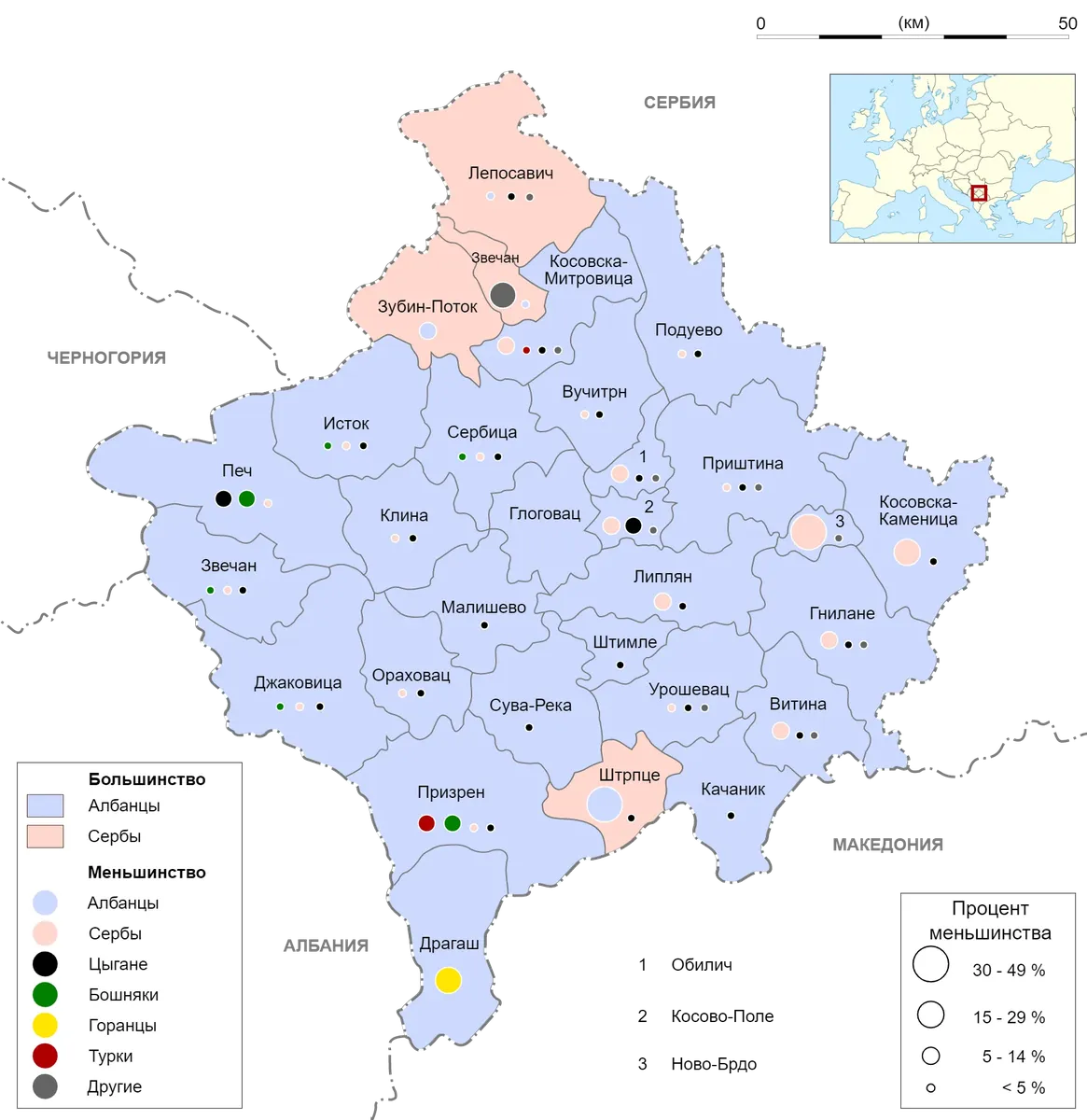
Albanians, who were considered traitors who supported the Serbian power, were also shot . Among the officially assigned charges there is a terrible story about the international trade in human bodies, which was allegedly carried out by members of an organized criminal group under the auspices of the army of the liberation of Kosovo.
The current court takes place in the Netherlands, in the Hague, although it is officially part of the Kosovo judicial system . This is possible, since the EU institutions play the role of an observer in the construction of the Kosovo state system and democracy, until Kosovo received the official status of a sovereign state and a UN member. The chairman of the judicial board is the American judge Charles Smith, in addition to him, the board includes judges from Germany, Switzerland and Ireland.
The process has just begun, and now the years of proceedings are coming, during which many evidence will be presented.
Tachi and other defendants do not admit their guilt . They insist that some crimes were really committed, but people are not under their command. This will include the essence of the defense strategy - the accused did not know about what was happening, they did not lie responsible.
The influence of the court
In Kosovo itself, and in Serbia, the process is monitored with skepticism. Albanians are hard to admit that their struggle for freedom stained terrible crimes, and the Serbs mostly believe that the accusations are insufficient. However, the lack of mass protests in Protina also says that since the arrest of the tachi, the balance of political forces in Kosovo has changed.
Recent studies of the ratings of the Kosovo parties in March of this year show that the current Prime Minister Kosovo, Albin Curtain, is gradually losing popularity due to the negotiation process with Serbia, in which the Serbian side concessions have to be made. The rating of his party fell from 50% to 43%, but it is still in the first place. The second place with 20% of the vote is occupied by liberals from the Democratic League of Kosovo, the leader of which in the 90s was Ibrahim Rugov. In third place is the Democratic Party of Kosovo, which he founded tachi and for which 19% of voters are ready to vote.
Before the arrest of Tachi in 2020, the party, which he headed, was leading. But after the loss of real power, Tachi also lost the active support of citizens. So often happens in Balkan policy, especially with leaders who have previously remained in power for many years.
However, the court in the Hague over the leaders of the army of the liberation of Kosovo has a greater influence not on the domestic, but on foreign policy and the new stage of the negotiation process of Belgrade and Pristina.
For the West, the process of taching and its associates is an important stage in the way of integrating the region into the EU and NATO, an attempt to achieve the balance of justice in the Balkans. After the international tribunal in the former Yugoslavia, where the main convicts were the leaders of Serbia and Croatia, the court for similar crimes over the leaders of the other side should help demonstrate the dislike of the West and an equal attitude towards all participants in the war.
In addition, the EU hopes that a fair court in the long run will contribute to resolving internal problems of Balkan societies - the likelihood of new conflicts will decrease, stability will give economic growth and lead to modernization of society.
The process over the taching should also support attempts to convince the Serbian society in resolving a frozen conflict with Kosovo. A fair trial of the Kosovo Albanians will give Belgrade an additional argument for the implementation of negotiations laid down by the Franco-German Platform on a change in the status of Kosovo. According to the EU and NATO, Kosovo should enter the UN and de jure to become an independent state.
Thus, the process of taching can be considered a kind of compensation to Belgrade and a signal to Serbian society that the Serbs are no longer considered the only bad guys in the region of Western Balkans.