
Translated material
Protest in Dzhalkomko
Why the Mexican film excites the Russian heart. "Black Moon" at the Moscow Film Festival
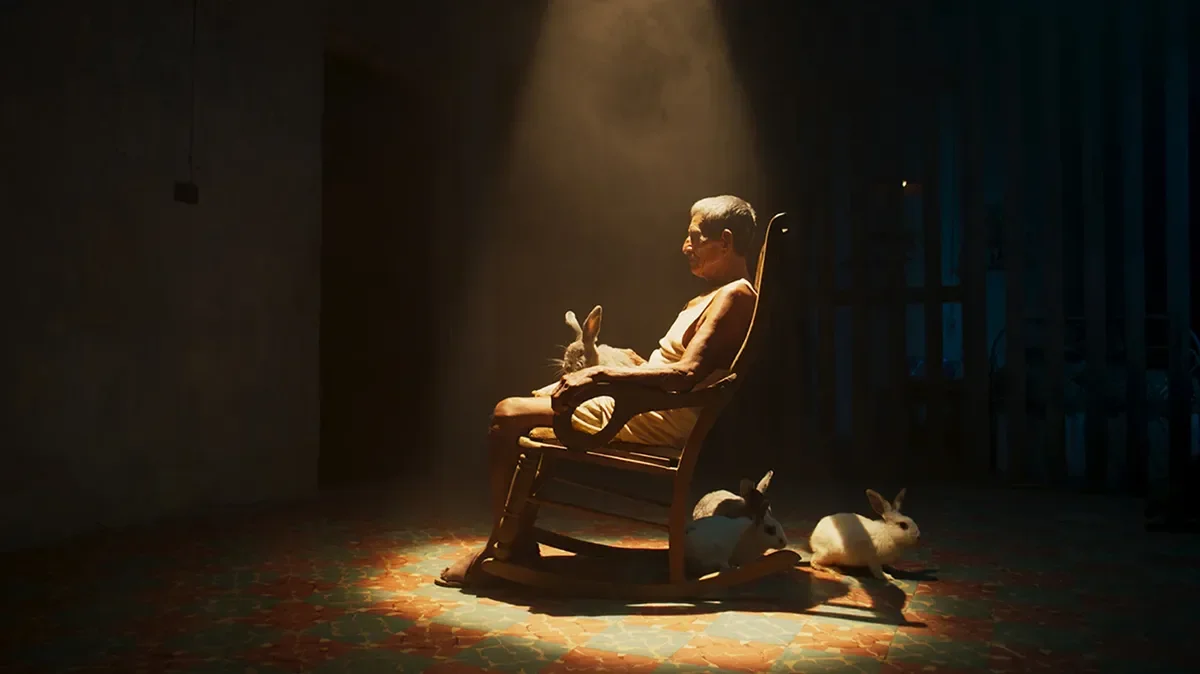
Frame from the film "Black Moon"
The directorial debut of Garcia with the exotic name “Black Moon” is painfully familiar to us. However, in it, it is the scene that the plot leads.
It is based on real events.
About how the dams of the Brazilian corporation led to catastrophic humanitarian and environmental consequences on the Latin American continent. The thing is that the Mexican government agreed with the Brazil Brazilian Corporation on the construction of the dam: the project suggested the overlap of rivers, in particular Los and Peskados, and the flooding of large plots of the land of the Antigua district in the Veracrus province, including villages and plantations.
People here live poorly. Like a big family, a sword. She herself went dark to the city, where the maid in the hotel works. Grandfather goes deeper into himself, and no medicine for dementia relieve him. Periodically leaves the house, goes to the river. He used to drive trains, but the wagons were sold to the Americans. And the road is overgrown. Where can he go? The eldest daughter raises his little son alone, the youngest dreams of the capital. The neighbors also live difficult.
Work from dawn to sunset. Everyone survives as they can.
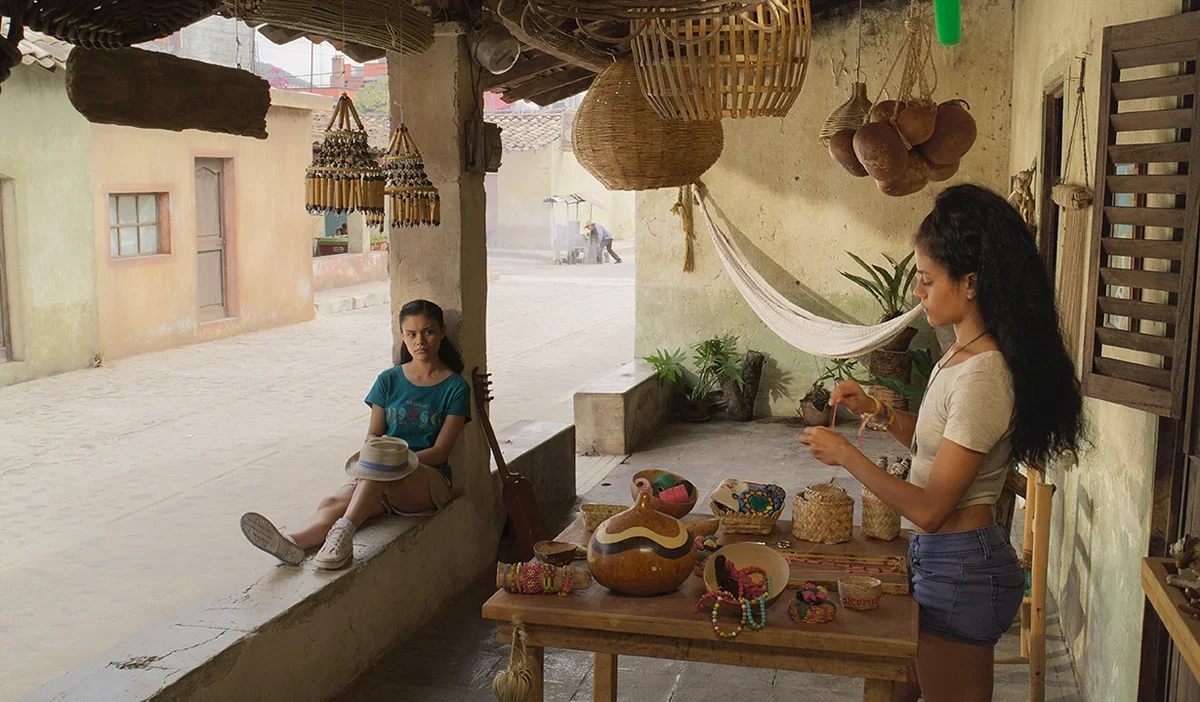
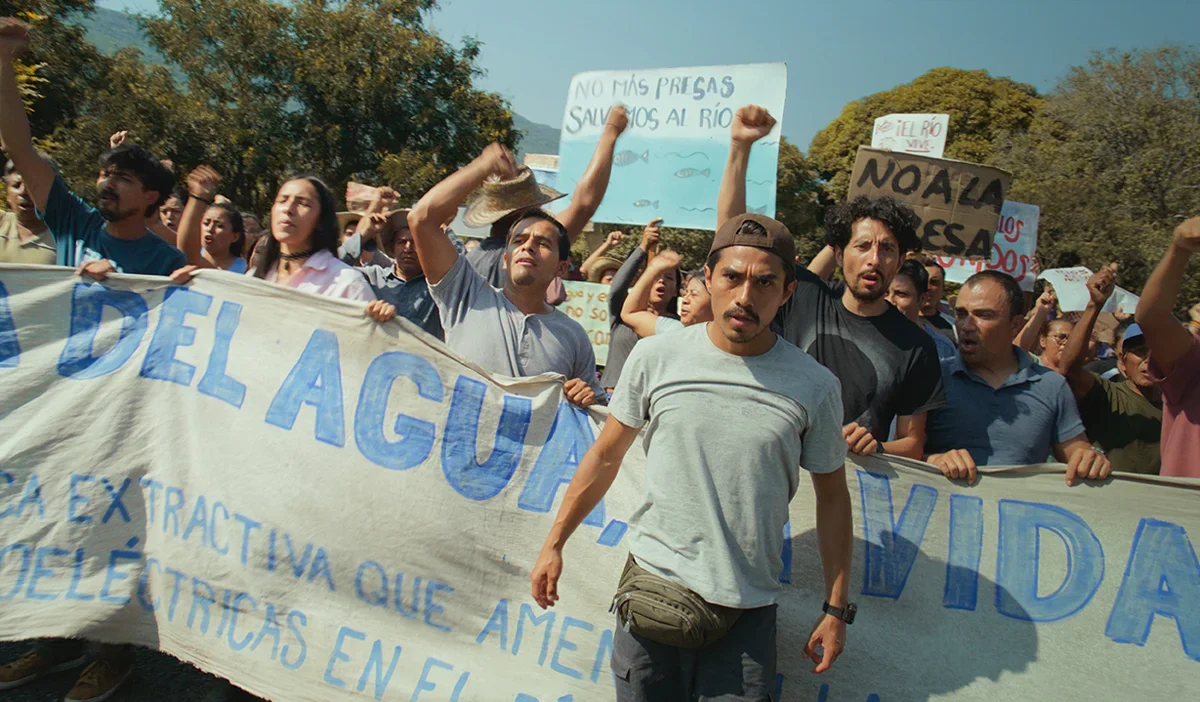
But once people unite. When there is a real threat to their homes, their plantations, their lives, which can flood. Literally.
And then 43 communities living along the Los Peskados River are connected to combat a corporation that destroys the ecology, economy, and hopes for the future. People go to mass protests, the police beat them, they are arrested. But they win.
An impending catastrophe pulls out of the usual routine and the family of the sword and the family of the neighbors. The whole city rises to protest. Against them is the local and the highest, the police, the military. But they still come out ...
And everything happens in the town of Dzhalkomoko Verakrus province in the east of Mexico. Verakrus (translated from Spanish - “True Cross”) - by the way, the third in terms of the population of Mexico (7.6 million people). Dzalkomko is the oldest settlement in the province. And this is the name of the language of the Aztecs. And yes, this is another, not a tourist Mexico. The town itself is a poorly lit provincial hole surrounded by unthinkable beauties. And the film is built in contrasts: miserable hibars and picturesque landscapes, as if written by oil and watercolor (operator - Angel Aldereta , artist - Jose Luis Agular , laureate of the Ariel Award for the films “Queen of the Night” and “Weapons”).
There are endless reeds of reeds, and impenetrable forest thickets, but the main thing is a change in the river: either violent, then calming down in dark backwaters. She is a source of existence for local residents, completely from her whim of dependent. Her waters are washed with newborn, watered plantations of bananas and mangoes. It gives fishermen fish, peasants-water for growing corn, beans, citrus fruits (half of citrus media are grown in this state), and bead athletes-cool thresholds. She escorts on the last journey. The mother of the murdered son spreads a wreath with flowers and burning candles on running waters. The river is heard here in all houses, this measured hum is disturbed and soothing. This hum is the heartbeat of the whole edge. And it seems that the authors have written out a separate key role for the river.

In reality it was like that. It turned out that the government of Veracruz allowed to block the river, receiving a multimillion -dollar bribe. Therefore, Governor Javier Duarte is still in prison on charges of corruption. He was detained in Guatemala in April 2017, received nine years in prison with confiscation of property. Recently, he was reduced, soon he will be released. Clabrecht, the owner of the Brazilian corporation, was sentenced to 19 years in prison for giving bribes worth more than $ 30 million.
Garcia lifted a passionate story about blood connection with his land, as well as what irreparable injuries the “new sparkling world” inflicts the culture of an ancient country.
But this passionate story is devoid of pathos, the social aspects in it are only a background, a close -up - the relationship of people, their troubles, loss and hope. The muffled drama of the film, dressed in a well -thought -out delicate visual solution, resembles the best relatively recent examples of Mexican cinema - “Roma”, “Lake Tahoe” and “Bardo”.
In Veracruus, three cultures are peculiarly merge: the indigenous Mexican, Spanish and African. And when I watched the film, I remembered the famous Mexican ballad, stylized as an ancient legend and often performed in Latin America. This is Hijo de La Luna. In it, the gypsy is forced to give the moon to the moon for her first -born for the sake of love. So he loses his eldest son, who at the cost of life prevented violence against a girl. He disappeared, but his spirit swam along the river with a wreath with a living fire.
The director of the film by the tonat of Garcia says that his film will help the Russian viewer “visit” in Mexico, see how she looks and what he lives, “to understand if there is something in common between Mexico and Russia. In the end, we all live on the same planet. ”
Garcia does not even know how many rhymes his story with our reality.
Someone will remember the flooded cities and villages, abused under the Rybinsk reservoir, and among them such amazing cities as Mologa or Korchev. Someone is about recent battles for the Khimki forest. Only here such battles are expected to have a different outcome: the track was built, the forest failed to defend.
More about the cinema
Larisa Malyukova leads a telegram channel about the cinema and not only. Subscribe here .