
Translated material
Under sanctions, but on horseback - Layout
Under sanctions, but on horseback
The “new nobles” managed to preserve pre-war luxury - sports horses, whose price is comparable to houses in Europe
Since the start of the war, Russian officials and oligarchs have lost their yachts, mansions and planes in the West, but they still have one luxurious asset. These are sport horses. The Equestrian Federation is headed by the ex-wife of the head of Rosneft, Marina Sechina, and the children and wives of officials, parliamentarians and businessmen close to Putin - including Yevgeny Prigozhin - have kept horses worth almost one and a half million euros in their stables. Millions of rubles are spent on their maintenance. And in the EU there are still 24 horses of the family of Boris Rotenberg, who fell under EU sanctions. Based on the results of the investigation, we tell how the Putin elite, despite sanctions, continues to enjoy European luxury and how the invasion of Ukraine affected this hobby.
In order not to miss new texts from “Layout”, subscribe to our telegram channel
Rating of horses of the Russian elite
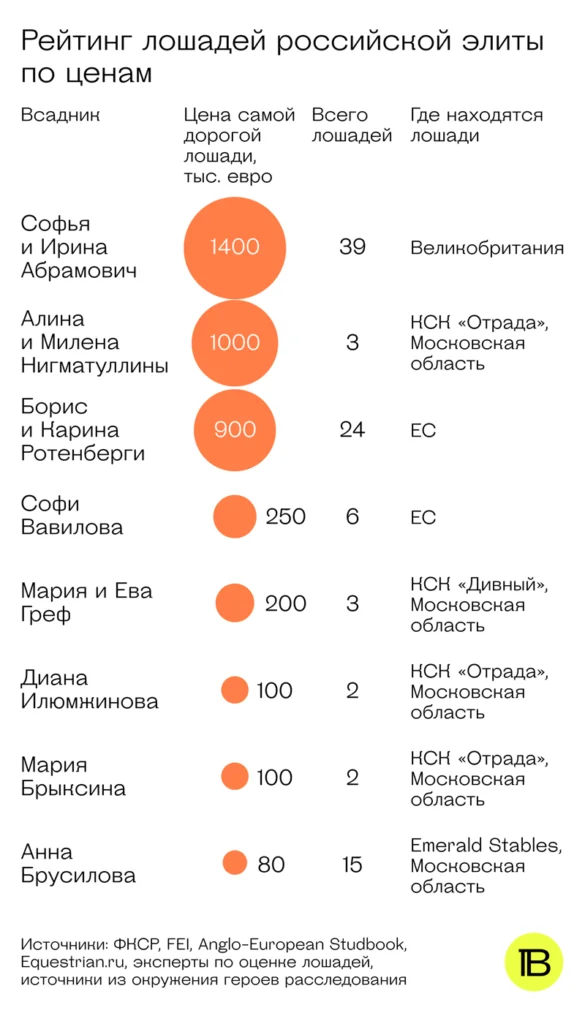
We have compiled a rating of horses of Russian oligarchs and officials by price. We discovered these horses using special equestrian registries, which indicate owners, competition results and other information about horses and riders (FKSR, FEI, Anglo-European Studbook, Equestrian.ru). Sources close to the heroes of our investigation and experts in horse valuation helped us determine the price. The price of one horse ranges from 80 thousand to 1.4 million euros .
Unlike real estate, planes and yachts, sports horses have not yet been seized. “At the level of the European Union, there is no special regulation according to which a specific category of property must be seized,” explains Linda Zilberte, an expert on European and international law, in an interview with a “Vestka” and MO correspondent. — This is the prerogative of the EU member states themselves. It all depends on whether their national legislation provides for the option of such arrest. In practice, EU countries are not interested in seizing sport horses. It just doesn't make sense because the value of horses can drop at any time due to injury or improper care. "Sport horses are also not a valuable asset because, unlike racing horses, they do not generate income."
Who doesn't mind sanctions?
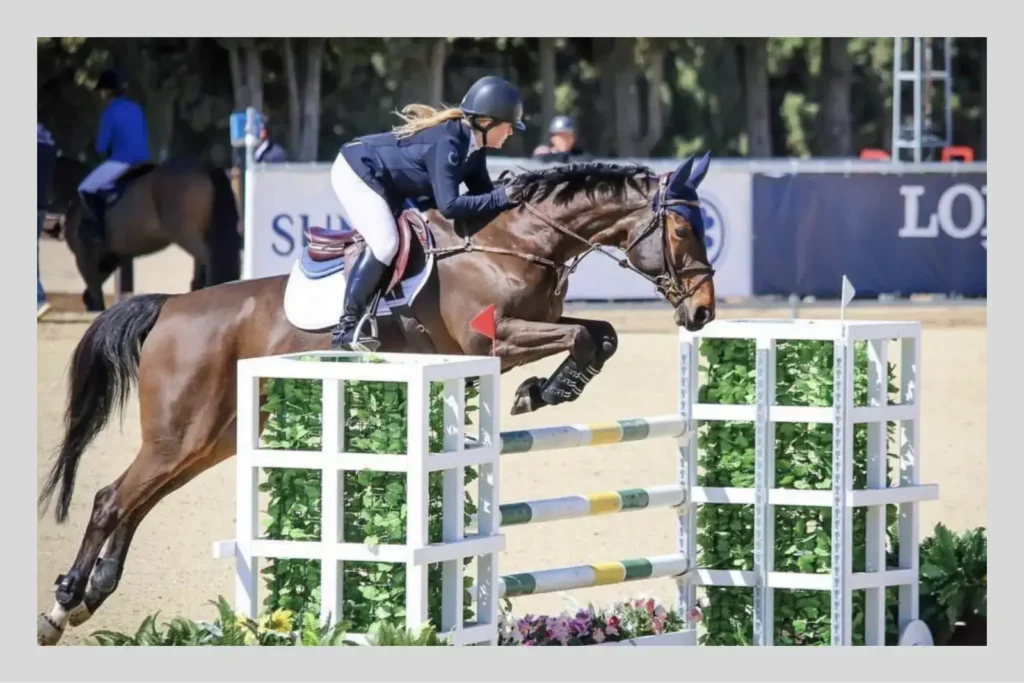
The fact that oligarch Roman Abramovich came under sanctions did not in any way affect his daughters Sophia and Arina’s passion for horses. The girls were seriously involved in show jumping, but stopped participating in competitions in 2018 - 2019. The Abramovichs have their own stable in the UK, which is called Abramovich Stables. According to our source, this stable is located near the town of Petersfield, on the border with West Sussex.
According to the Fédération Equestre Internationale (FEI) database, Sophia and her mother Irina own 14 horses that Sophia and Arina rode in competitions . Their names are Sakri Du Routh, Valkyrie De Zange, Billy Fraulen, Zanzibar V, Adelaar Van Het Innerveld, Simon, Greenacres Diadoro, Flipper VL, Cannanbal, Chaitanya 2, Sheeran VL, Zovidius R, Won Ton Ton and Dino. According to our source, one of the most expensive sports horses of the Abramovichs is Valkyrie De Zanghe, he costs about 1.4 million euros .
In addition, according to the Anglo-European Stud Book database, another 25 horses are registered with Sophia for breeding and sale : Belle Star, Casal Connie, Dark and Stormy, Delilah, Dizzy VL, Emerald VL, Gin Know Tonic, Jitterburg VL, Kayfun, Kendall, Khalil, Chloe, Korlenski, Kylie, Lilibet, Mister President, Nessie VL, Not Four Sale, Peach Belini, Pearl VL (ET), Picanti, Toki Toki, Twice the Spice, Twinkle Toes, Whiskey Sour.
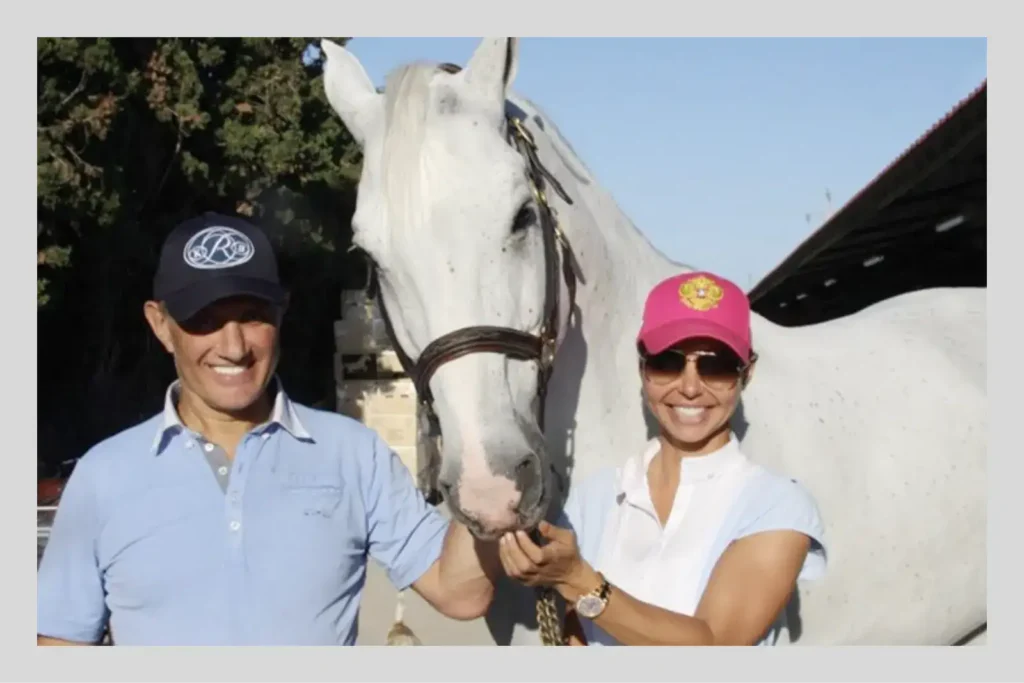
The sanctions did not affect the hobby of the oligarch Boris Rotenberg and his wife Karina , who heads the Moscow Equestrian Federation. Just like Abramovich's daughter, the couple is involved in show jumping. According to the FEI and FSSR databases, the Rotenbergs own at least 24 horses . Their names are Cartino 10, Indiana Police, Casquea, Dis Mua Tut De Clarbois, Cassius Clay, Mustax Katokis Cannon, LB Caillou, Four Success, Kevin Costner, Strangelove Annemmel, Cupdecor Du Poer, Gribaldi Van TS Gravenhof, Bolivar De Cogis, Jogano Van Scherpen Donder, Foracruz, Wimbledon, Cesara, Carlonso, Sarkozy 4, Lanzetti, Cincinetti 4, Calitol, D Day Tame and Abbey Lynn.
“Cassius Clay, Katoxis and Gribaldi cost about 900 thousand euros each ,” said an acquaintance of Karina. According to him, the Rotenberg horses are still in Europe, despite Boris falling under EU sanctions.
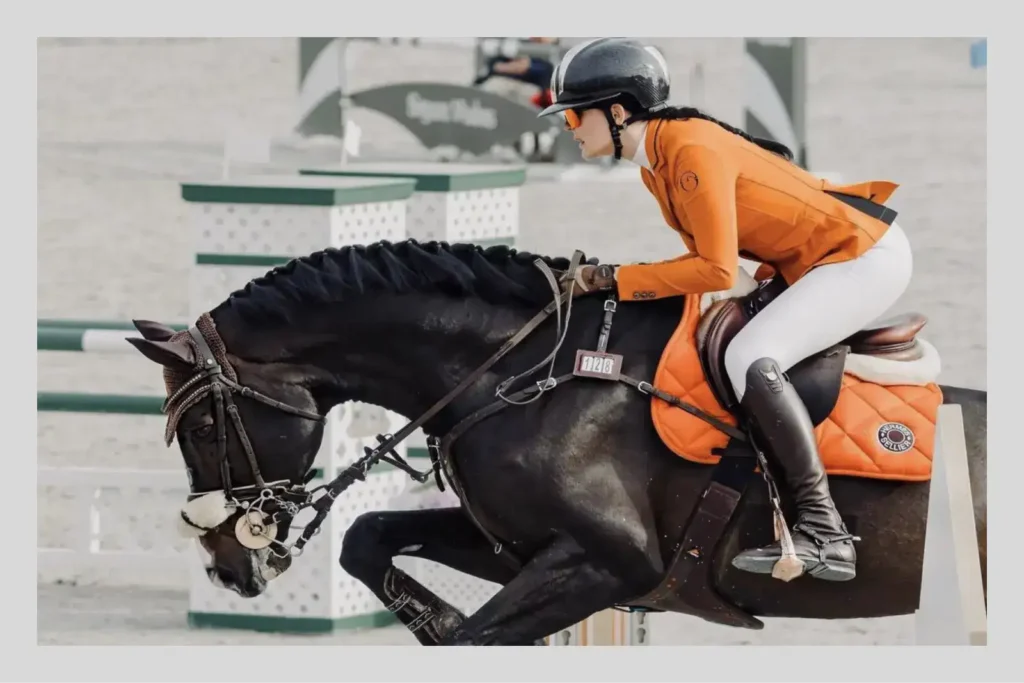
The daughter of the Russian designer and founder of the fur brand Yulia Dilua , Sophie-Antoinette Vavilova , also keeps her horses in Europe. When the girl was 24 years old, she married 59-year-old ex-senator and former deputy finance minister Andrei Vavilov. The Vavilovs' wedding was widely discussed throughout secular Russia. The celebration took place in Italy on Lake Como, where the bride and her friends and relatives flew on a private jet. The newlyweds chose Ksenia Sobchak as the host.
Sophie is interested in show jumping. According to the FEI database, in December 2022 Vavilova competed in Spain on three horses: Baloo, Gweedor VD Groot Camps Zet and Queensland. The last two were sold not so long ago. Experts estimate the cost of Queensland at 250 thousand euros , and Gweedora VT Groot Kamps Zet at 80 thousand euros . “Now Vavilova has 6 horses,” says Sophie’s acquaintance. She recently participated in the prestigious international auction Schockemoehle, where she competed for a horse with a price of 800 thousand euros, but in the end did not buy it. In professional sports they laugh at Vavilova. “The real price of her horses does not correspond at all to the money for which they buy them. But this is a common story with rich Russians,” said the athlete from Germany.
Elite horses in Russia
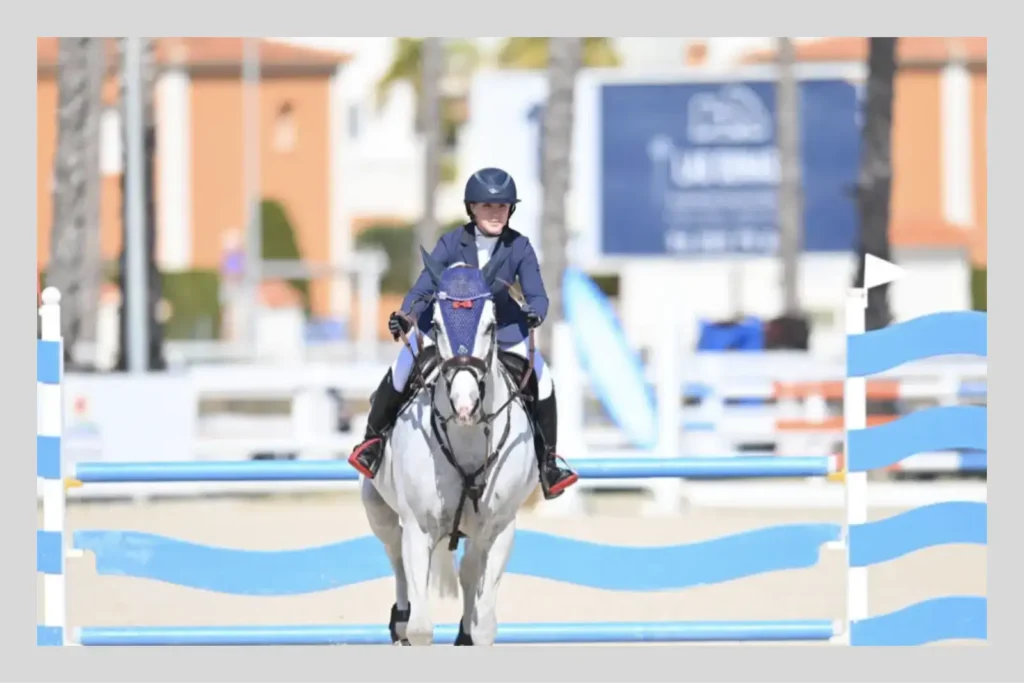
According to three sources from Vorstka, the founder of the Wagner PMC , Yevgeny Prigozhin, was forced to transport horses to Russia after the start of the war. His daughters have a passion for horses. The eldest's name is Polina , she is 30 years old. According to the FCSR database, until 2020, Polina actively participated in show jumping competitions in Europe. “The Prigozhins’ horses were in Spain, where they were trained by bereitors [special people who train horses and keep them in shape]. The Prigozhins themselves came only to the competitions; they lived in Russia. A couple of years ago, Polina sold all her horses because it was unprofitable to keep them. I rode her horse named Casapiloco several times. It is difficult to estimate because wealthy Russians are often deceived in Europe. I would say from 50 to 150 thousand euros,” says our interlocutor, who is involved in equestrian sports in the West. In 2022, Kazapilko was sold to a certain Sergei Voronkov.
Prigozhin’s youngest daughter Veronica is still involved in show jumping, but in St. Petersburg. The horses she most often rides in competitions are Ditara, Fauna KG and Vaitach. According to the FCSR database, Veronica performed on Ditar and Fauna KG back in Europe. According to documents, all these horses belong to other people. Ditara and Vaitach - to a certain Anna Nikolaeva. Fauna KG - to its former owner Larisa Vaskovskaya, mother of show jumper Bogdan Vaskovsky. “Sometimes horses are not re-registered, simply so as not to bother with documents and not spend money on it. This is a fairly common practice,” says an expert who sells horses. Veronica also has her own horse, Zidane, but Prigogine has not ridden him since 2021.
One of the most expensive horses in Russia belongs to Alina Nigmatullina , the daughter of the president of the Bashkir company Granel [for several years one of the largest developers in the Moscow region] and a friend of the head of Bashkortostan Radiy Khabirov, Ilshat Nigmatullin . The girl practices dressage at the Otrada sports complex with coach Maria Egai, says our interlocutor from Otrada. Alina also keeps her two horses there. Their names are Basalt and Kartsevo Etoile . According to three interlocutors of the publication, the Nigmatullins got the Etoile for 1 million euros , although in the purchase and sale agreement its price is only 240 thousand euros. “I saw this agreement. I immediately noticed the price, because it differs significantly from reality. They probably wrote it that way to avoid paying taxes or for some other reason,” says Alina’s friend.
Alina has a younger sister, Milena, who is also involved in dressage. Her mare's name is Esmeralda. “Previously, Milena, like her sister, trained at the Otrada sports complex with Maria Egai, but moved to the Bitsa sports complex to the coach of the national dressage team (youth team) Olga Soboleva. They quarreled with Egai, which I am not at all surprised by. Milena treats everyone who is not on her level as plebeians and doesn’t even say hello. Drives an armored car with security. Alina is not like that. She even once said that she was ashamed to invite her dad to competitions because he walked with an “army” of security guards, says our interlocutor from the Otrada sports complex. — I saw their dad once, he was with 12 guards. There are a lot of wealthy people in Otrada, but this is too much, I don’t understand why he is so insured.”
The daughters of the chairman of the board of Sberbank, German Gref, Maria and Eva , are engaged in dressage at the Divny sports complex. They have three horses in total: Sun Boy , Sandros Valt and Golden Aventure . The first formally belongs to the girls’ mother, Yana Gref, the second to Gref himself, and the last to the athlete and former owner Alexei Kolemasov. According to experts, Sun Boy and Sandros Valt cost no more than 50 thousand euros each , but the price of the Golden Aventure can be about 200 thousand euros .
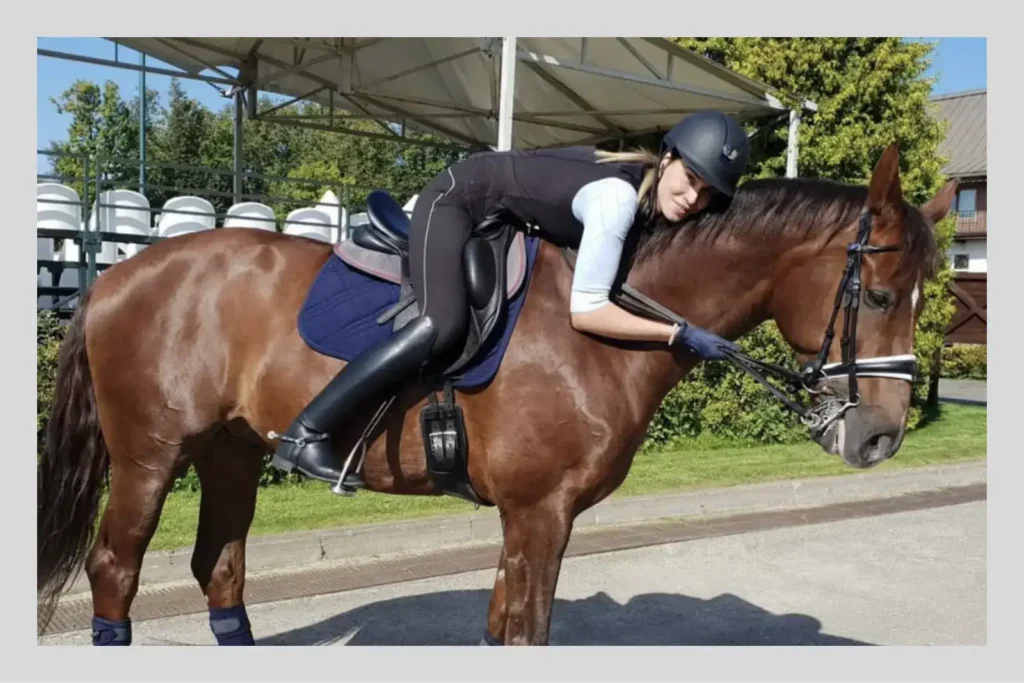
Diana Ilyumzhinova, the wife of the former head of the Republic of Kalmykia, Kirsan Ilyuzhminov , practices dressage at the Otrada Sports Complex with coach Alexei Kolemasov, says a source from Otrada. She has two horses: Balthazar and Denver . According to a source close to Ilyumzhinova, the approximate cost of each is 100 thousand euros .
Maria Bryksina , the daughter of Senator Alexander Bryksin , also keeps her horses at Otrada. The horses' names are Fan Fan and Flemming , formally they belong to Maria's mother, Svetlana Bryksina. “Fan Fan is an ordinary horse, and Flemming is good,” says a source close to Bryksina. Experts estimated their cost at 30 and 100 thousand euros .
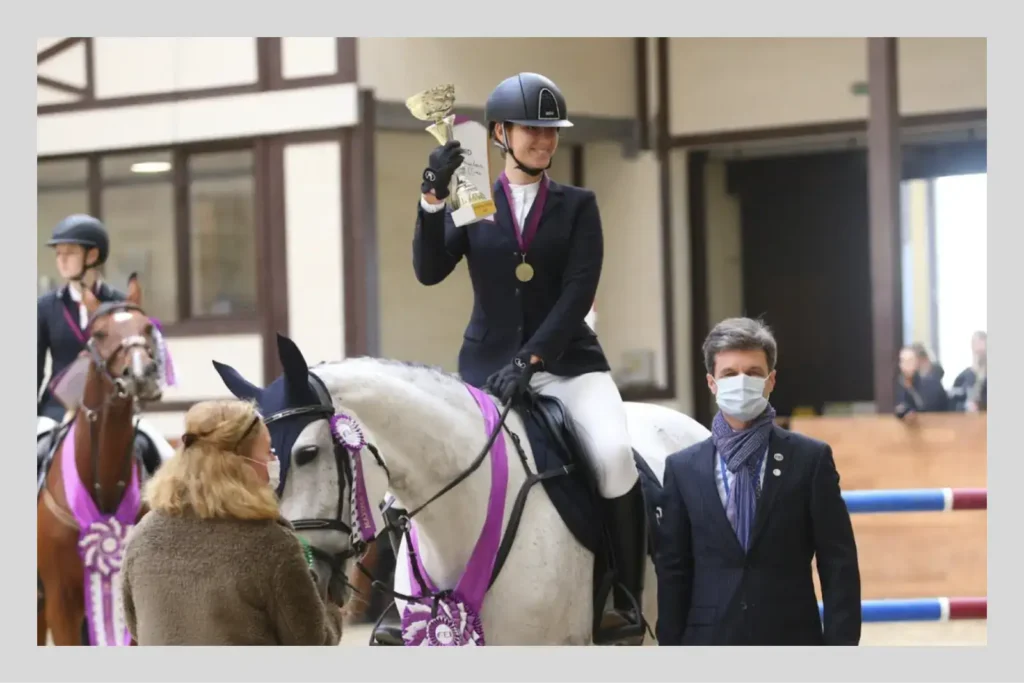
“ Anna Brusilova is the illegitimate daughter of one of the richest people in Russia, Vladimir Yevtushenkov ,” said Anna’s friend. Yevtushenkov’s common-law wife’s name is Elena Brusilova, she is also the president of the Medsi clinic chain, the assets of which belong to Yevtushenkov’s Sistema JSFC.
Anna owns her own premium equestrian club in the Moscow region, Emerald Stables. Brusilova is engaged in show jumping; according to the profile header on her Instagram, the girl has “accumulated” 15 horses. “Brusilova’s horses are not all sports horses; she rescued some from the slaughterhouse. She considers the mare Chini Mini to be her best horse,” Brusilova’s friend told Vorstka. According to an interlocutor familiar with the history of Chini Mini, “a reasonable price for this mare is 80 thousand euros .”
In order not to miss new texts from “Layout”, subscribe to our telegram channel
How much do they spend on keeping horses?
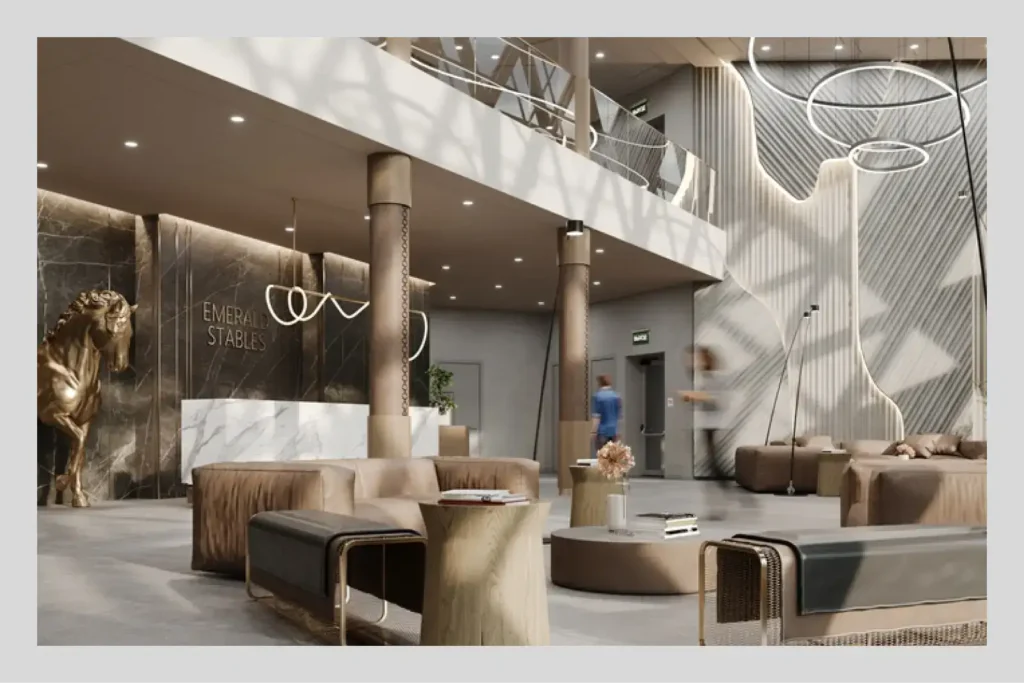
Sports horses are kept in special equestrian clubs. These are not ordinary stables in the usual sense. The territories of such clubs can cover tens of hectares, they contain veterinary clinics, several indoor and outdoor horse riding arenas with special Euro-soil, stables with all kinds of amenities for horses, including solariums, treadmills, water treatments and electric “walkers”, as well as restaurants, hotels, parks, playgrounds and other leisure facilities for horse owners and club visitors.
Premium equestrian clubs in Moscow include, for example, KSK “Novy Vek” in the New Riga area, KSK “Otrada” on Pyatnitskoye Shosse, the recently built Emerald Stables in Klin and BMKK Pradar on the territory of the Central Moscow Hippodrome. In St. Petersburg - KSK "Foreside" in the Vsevolozhsk district.
Having studied open data and talked with horse owners from elite clubs, we found out that maintaining one sports horse in a premium club in Russia costs at least 1 million 425 thousand rubles a year, excluding travel to competitions and the purchase of equipment for the horse and rider.
Here's what you need to provide for one performance horse:
stall rental: 55 – 100 thousand rubles/month
horse handler services: about 15 thousand rubles/month (a horse handler is a person who cares for a horse)
trainer and handler - from 30 thousand rubles/month (one or two people who train the horse and rider)
forging - about 5 thousand rubles/time every 45 days
feeding, which is not included in the stall rental amount, is about 5 thousand rubles/month
veterinary services - on average about 240 thousand rubles / year
According to our interlocutors who regularly participate in equestrian competitions, one trip to a tournament costs from 12.5 thousand rubles (if the competition is held near your city) to several million rubles (if you need to travel from Russia to another country). The price of just one saddle can reach up to 500 thousand rubles , and the horse and rider also need blankets, saddle pads, whips, bandages, halters, headbands, boots, riding coats, breeches, helmets and other items of equipment.
Horse goods have greatly increased in price due to the war. “Prices, alas, are rising - and not only for horse goods, but also for any imported goods. Most equestrian goods - equipment and ammunition, necessary consumables and veterinary materials - came and are coming to our country from abroad. Unfortunately, not all areas of the import substitution market have time to respond to customer requests. In Russia, the market for feed and supplements for horses is actively developing, textile products from Russian brands are offered, but at this stage it is premature to say that we can completely do without imports,” the FCSR press service responded to our request.
Princess sport is in question
Most of our heroines are not just amateur cavalrymen, but professional athletes. The main purpose of purchasing horses for that kind of money is to participate in major international tournaments.
Equestrian sport is competition using horse riding. The Olympic equestrian disciplines include show jumping, dressage and eventing. Jumping involves overcoming obstacles of varying difficulty and height in a certain order for a time. Dressage is the highest school of horse riding. At such competitions, the horse performs combinations of elements of varying complexity, each element is assessed by judges on a scale from 0 to 10 points. Eventing is the least popular discipline among Russians. Eventing competitions consist of three tests: dressage (the basics of dressage), jumping and cross-country. All three tests must be completed on the same horse. It is important to note that horse racing, like horse racing, has nothing to do with equestrian sports.
In addition to participating in “home” starts in the UK, Sofia Abramovich’s horses traveled to competitions in the Netherlands, Spain, Belgium and France. Abramovich has repeatedly won prizes at such tournaments, and the maximum height of obstacles that her horses have taken is 145 cm. This is a very serious level of training. The Rotenbergs actively took part in international show jumping competitions in Spain, Italy, France, Poland, Portugal and Slovakia. Karina participated in competitions with obstacle courses with a height of 135 - 145 cm, and Boris - 110 - 125 cm .
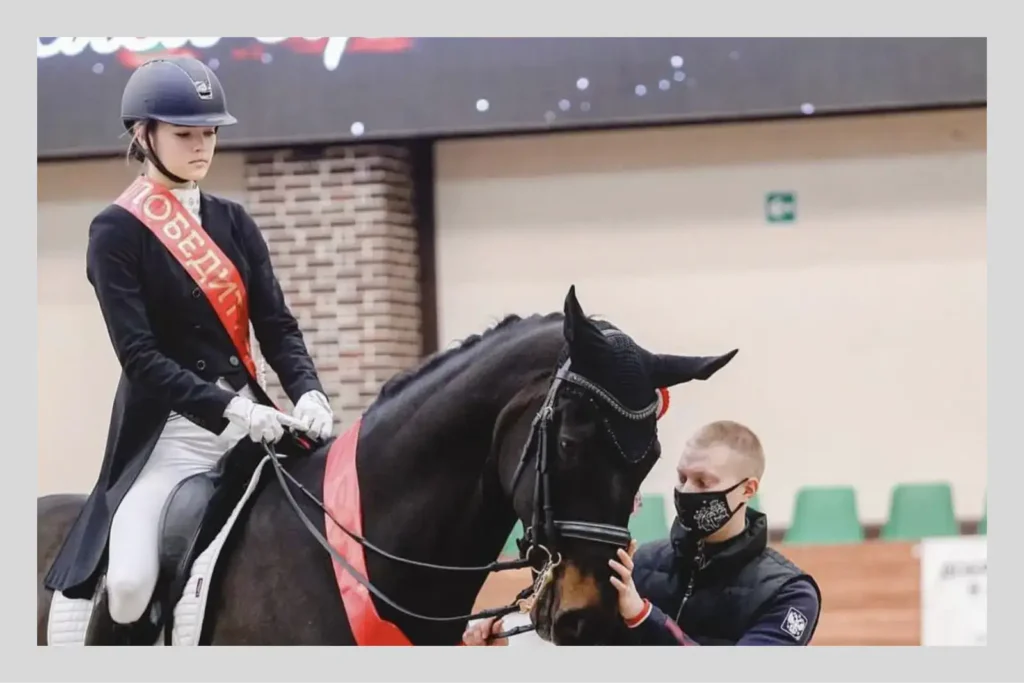
The senator's daughter Maria Bryksina participated in major Russian and international dressage competitions in the junior category. After acquiring Flemming, Bryksina began to show consistent high results, entered the Russian junior dressage team and even went to the European Championships in Spain in 2021. Diana Ilyumzhinova traveled to international competitions in Belarus, where she competed in the Small and Medium prize categories.
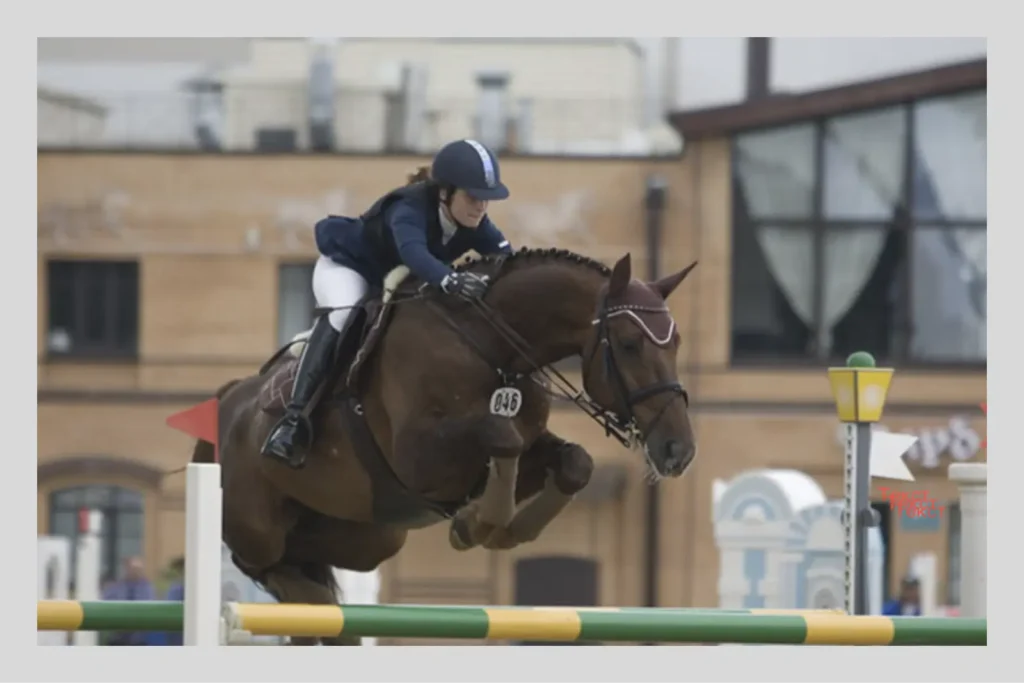
The Prigozhins generally kept their “herd” in Spain so that their horses received the necessary training to go to competitions, says Vorstka’s interlocutor. Girls often participated in competitions in Germany, the Netherlands, Austria, Slovakia, Belgium, Italy, Spain, France and Portugal.
Now participation in such tournaments is impossible. The FEI refused to allow Russian and Belarusian riders and horses owned by Russian citizens to participate in international competitions. It is also prohibited to hold international competitions on the territory of Russia and Belarus. “Of course, the lack of opportunity to compete at international competitions cannot have a beneficial effect on the development of any sport - this is an international process,” the FCSR press service responded to a request from Vestka. “Previously, everyone who reached at least some level in Russia wanted to show themselves in Europe, but now it’s unclear where an athlete should strive,” adds the athlete from St. Petersburg.
Some athletes had to change their citizenship . For example, after the outbreak of war, Sophie Vavilova acquired Kyrgyz citizenship, thanks to which she took part in several major tournaments in Spain in 2022. This year, judging by her Instagram profile , Vavilova traveled with horses to the UK, but has not yet participated in local competitions.
Other athletes were forced to return to Russia. This is what Prigozhin’s youngest daughter, Veronica, did, and replaced the “international” competitions with municipal and regional competitions in Russia.
Dying asset
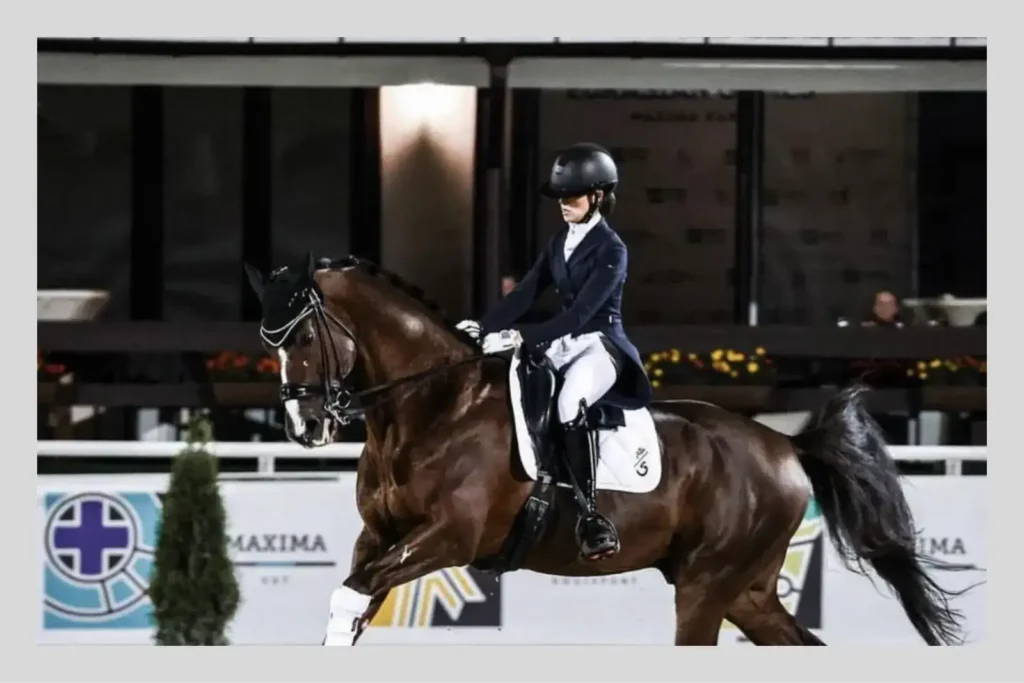
Horses are one of the most expensive luxury items from Europe, which remain among the Russian elite despite sanctions. But these “savings” are melting before our eyes. As a rule, good horses were brought from the European Union countries, mainly from the Netherlands and Germany. After the start of the war, it became difficult to replenish the stables from the EU.
According to EU Council regulations of March 15, 2022, horses fell under the category of luxury goods, that is, Russians can no longer officially buy them in Europe. “True, some sellers are still quite loyal to Russians; the main thing for them is that they get paid,” says a source involved in equestrian sports in the West. - But there is another difficulty - with logistics. That is, even if someone manages to illegally buy a horse in Europe, bringing it to Russia now will be extremely problematic.”
If stables cannot be replenished, then horses are an unreliable investment. A sad story happened with the stallion Etoile, who was bought by Alina Nigmatullina for 1 million euros, which she later greatly regretted, says a source from KSK Otrada. “She had huge ambitions, she wanted to go to the Grand Prix [the highest level of dressage], and she somehow [traveled] in youth riding [competitions],” says Alina’s friend from the Otrada sports complex. “They were looking for a horse that could teach her everything, but it’s not about this horse at all. He is a Dutch Warmblood stud stallion. When Etoile was still very young, he was brought from Holland to Russia, where he lived at the Kartsevo breeding horse farm. They couldn’t sell him and sent him back to Holland for training, but he didn’t sell there either and returned to Russia again.”
Etoile came to Nigmatullina in 2021, but with the new acquisition Alina’s sports career did not improve. With him, the girl moved into the junior category and even took several prizes at municipal competitions in Moscow, however, according to her friend Alina, this is not at all the result that should be expected from a horse with a similar price tag. “The etoile is absolutely f... t, Alina can’t cope with him, and in September he actually went lame . They spend a lot of money on treatment, if he does not recover, he will be sent to retire. Now she rides a rented horse.”
“The moral of this story is this: there is no need to look for promising sports horses in Russia, there are very few of them there. We do not have stud farms of the European level,” concludes an expert involved in the sale of horses. — This whole situation is a big blow to the domestic equestrian sport. Some horses are getting old, but we can’t bring in new ones.”
Cover: Dmitry Osinnikov
Maria Volokh, Regina Gimalova
The editors of “Layout” with the participation of “We Can Explain”