
Translated material
In Yerevan, security forces conducted a raid on the Polygraph techno club.
On the night of April 23, Armenian police broke into the Yerevan techno club "Poligraph". Security forces beat up workers and visitors to the club, searched them, and later took some to the police station “against their will.”
After this, the city authorities closed Polygraph, and the club launched a Defend Dance petition demanding support in the fight against repression.
“Artists, musicians, writers, dancers and many others can sign a petition demanding that Armenia open the doors of the Polygraph,” the petition says.
According to one of the leaders of Polygraph, Henrik Makertumyan, there are both personal and political motivations behind the raid. He suggests that local “anti-drug fighter” and head of the pro-government publication Tiv1 Edgar Babayan could be behind the police intervention.
A year ago, he was refused entry to the club and called the police, reporting a bomb in the building. After that, he began publishing stories about teenagers who allegedly bought drugs at Polygraph.
Makertumyan told Resident Advisor that the club plans to file a lawsuit against the police and seek protection for the Arians who were in the Polygraph at the time of the raid.
DOXA spoke with three Polygraph visitors, including a former member of the National Assembly and a queer activist.


Former deputy of the National Assembly of Armenia, visitor to “Polygraph”
Mikael Zolyan
The police raid on Polygraph was a shock not only for ravers. And it’s not just that Polygraph is one of the most famous Yerevan clubs, where in four years a space of maximum freedom and self-expression has been created.
Apparently, Polygraph has become a victim of the “war on drugs” in the Armenian version. There is an idea in our society that after the 2020 war, there is a problem with the distribution of drugs, in particular synthetic stimulants, in Armenia.
This is talked about in the media, in parliament, and, apparently, the police decided to show that they are “fighting drugs,” because organizing such raids is much easier than catching real dealers.
Unfortunately, very archaic ideas about drug policy prevail in Armenia. Many remain under the illusion that problems associated with the distribution of psychoactive substances can be solved using such methods.
Stereotypes about rave culture also played a role; apparently the police believed that clubs where electronic music was played were some kind of “drug dens.” It seems to me that the police did not calculate that there would be a serious public outcry; the question about what happened at the Polygraph was even raised in parliament, albeit in the mildest possible form.
In general, there are fears in society that the police reform, which was promised by the new revolutionary authorities, has stopped halfway, and the “security forces,” once again finding themselves outside the control of society, may return to the model of relationship with society that existed before the 2018 revolution. How the situation with Polygraph develops will answer the question of how justified such fears are.
The Georgian techno club BASSIANI expressed solidarity with Polygraph. In May 2018, local police also raided the club and dozens of people were arrested. This provoked a wave of protests, in which Georgians held raves in front of the government building.


On April 28, Armenians gathered in “Moskovyan” park as a sign of protest and staged a rave
Anna Yeganyan for CIVILNET
Polygraph visitor Anahit Beglaryan told DOXA that the police usually do not conduct raids because of “drugs”; in a “small country” everything is resolved through communication, not violence.
“This is not the first time that Polygraph has clashed with the police. I doubt the sincerity of the intentions of the Yerevan security forces.
Polygraph is a special club in Yerevan; it stands out from the rest with its activist queer-friendly agenda.”
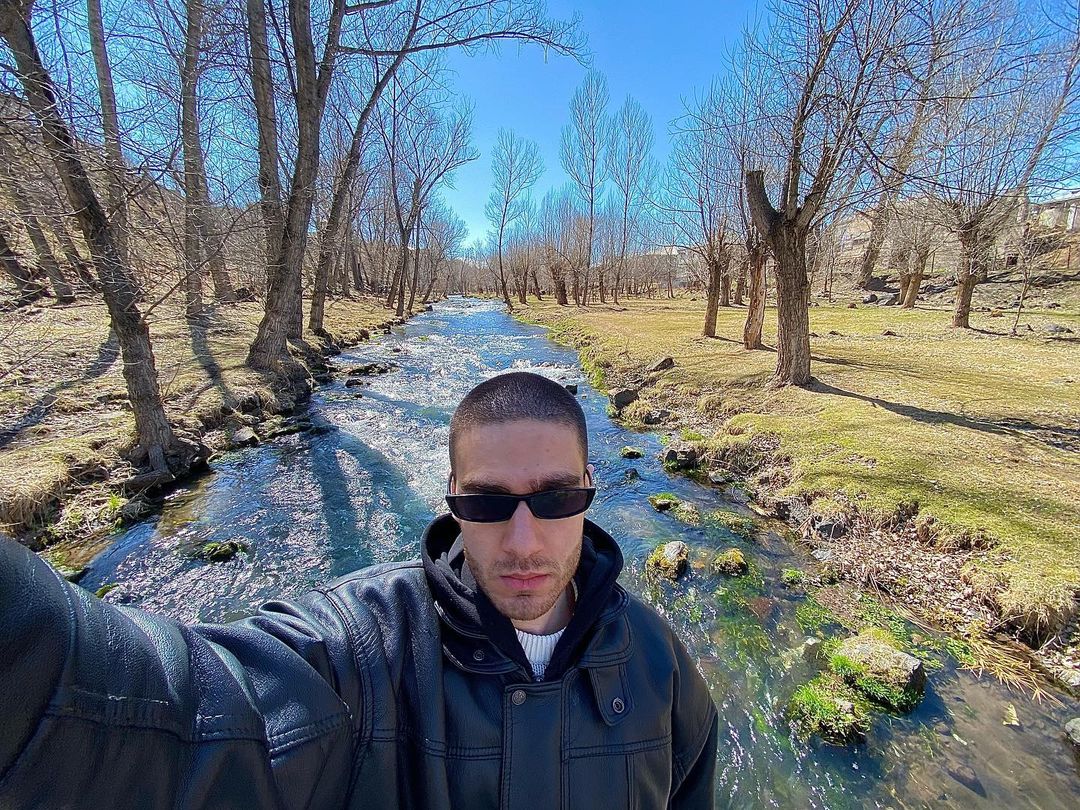
Queer activist, musician and Polygraph visitor
Roman Bunoyan
Very sad. Polygraph is the only openly queer-friendly space. Under no circumstances should such a place be closed, especially by force. I was on a raid in St. Petersburg, I wouldn’t wish this experience on anyone.
On April 29, I was supposed to perform at a club as part of the first drag show in Armenia, everything was cancelled.
My friend works at Polygraph, he was there on the night of the raid - his personal belongings, including his phone, were sealed in the club, and he still cannot take them. You can see from the cameras what kind of mood the cops were in - the picture is very triggering.
On April 28, we staged a protest, the police came several times and tried to disperse us. In the evening they came again and began to threaten violence, we dispersed peacefully.
I urge everyone to continue to fight, share news about the raid on Polygraph and not remain silent.