
Translated material
"Red Priests" against "Contra in cassors"
100 years ago, the cathedral of the renovation of the “Soviet” church took place, its political attitudes are still operating in the Russian Orthodox Church
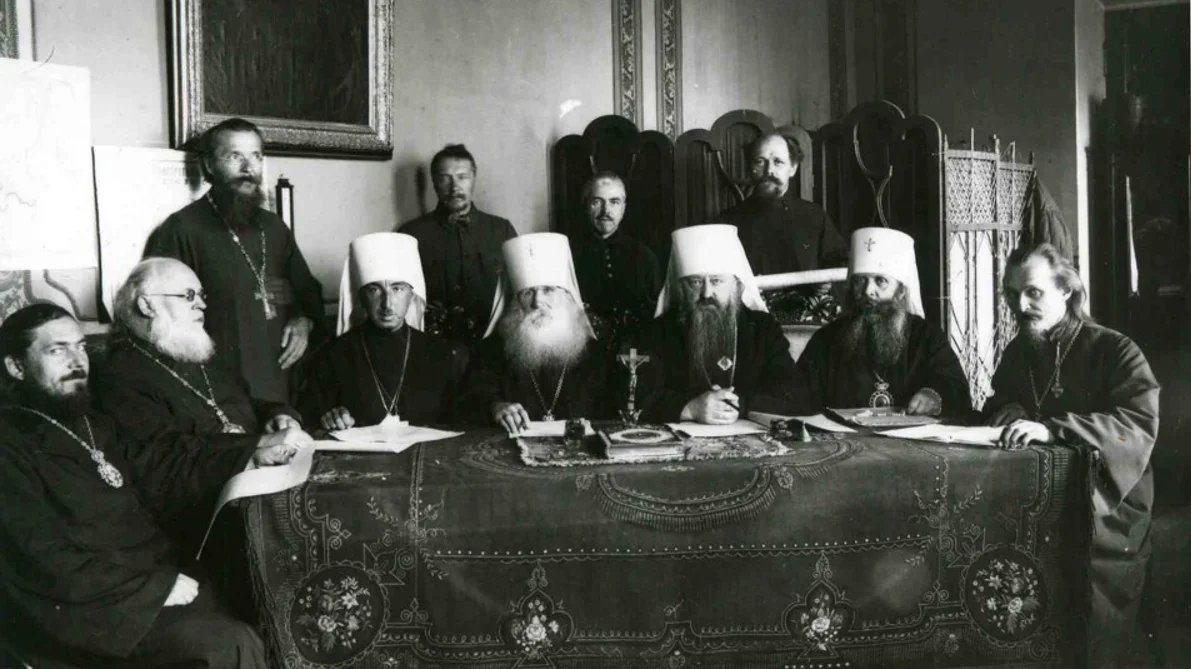
A meeting of the renovation synod. Photo: Wikipedia
Exactly a hundred years ago, the Cathedral of the Red Red Church opened in Moscow. The political attitudes of renovationism were later picked up by the Russian Orthodox Church, but the church reform program remained unrealized.
Background
The renewal movement, which was considered the official church of the USSR in the 1920-1930s, sets the tone of the entire Soviet and post-Soviet churching. The modern Moscow Patriarchate, conceived by Stalin in the summer of 1943 and actually established at a meeting of three metropolitans with a dictator in the Kremlin on September 4 of the same year, inherited the political rhetoric of Red Popov - renovationists.
Actually, most of the “first wave” of the Bishop of the Russian Orthodox Church 1943-44. It consisted of hastily “repentant” renovation hierarchs, which were correctly oriented in the new realities of church-state relations. The shocking of the statements of Patriarch Kirill, who does not know the borders of servilism of the Russian Orthodox Church, the cynical commercialization of church life - all this grows from an update root.
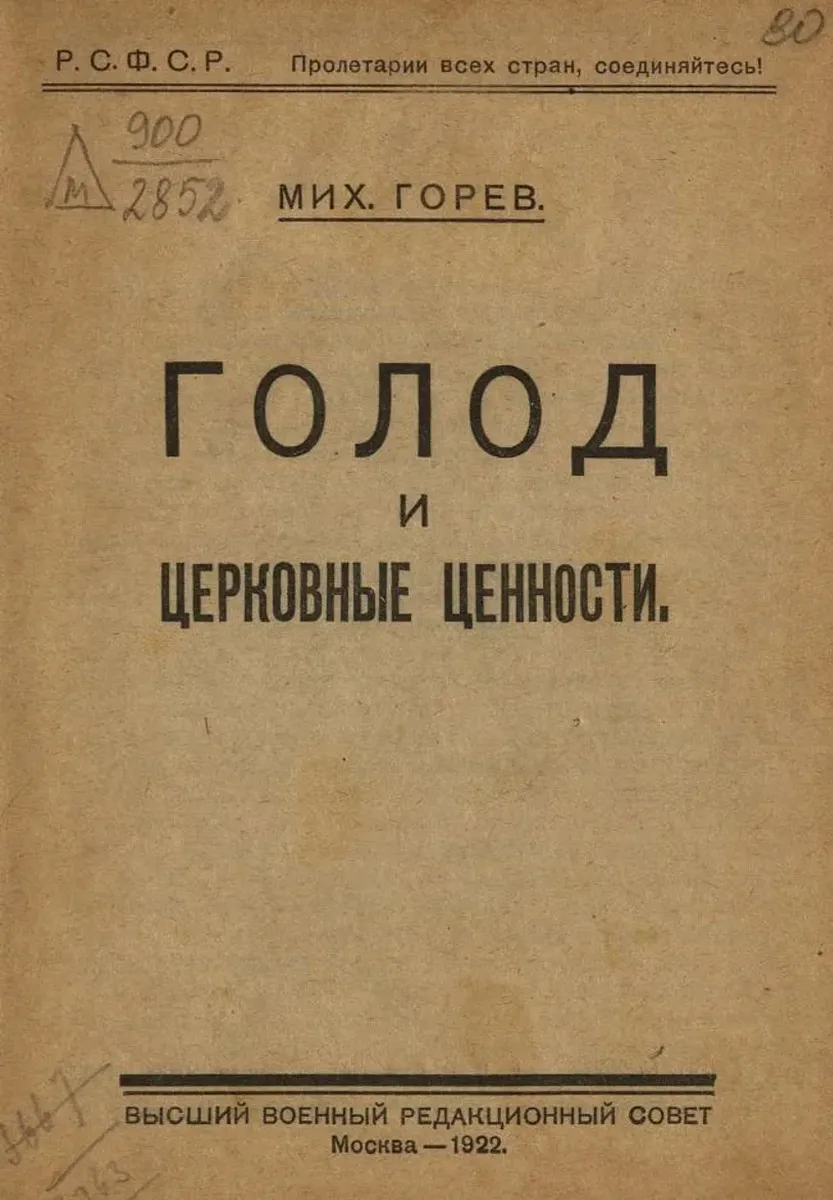
Renovationism is the fruit of the revolution. The first draft radical church reform was nominated in 1905 by the St. Petersburg Union of 32, transforming after the February Revolution into the Union of Democratic clergy and laity. The radical representatives of this union enthusiastically accepted the October Revolution-the Petrograd priest Mikhail Galkin (Literary Pseudonym-Gorev) in December 1917 to the Council of People's Commissars of the Church from the state, soon implemented by the Bolsheviks.
“I would like to build, fight, suffer, triumph, and in my cassock [I] a living dead,” the priest wrote to the people's commissars. “If you remove this immense severity from my soul, I will be infinitely grateful to you.” Having renounced San, Galkin joined the People's Commissariat of Economics and played a large role in the project of the “Living Church” in 1922. The future leader of the “Living Church”, also the Petrograd priest Vladimir Krasnitsky, in the summer of 1919 turned to the authorities with a memorandum. The Soviet government, he reasoned, “must find the means to deprive the counter -revolution of the opportunity to cover his intentions with religious slogans. She must find among believers those elements that would serve as the work of a social revolution. ” Soon, the deputy chairman of the Cheka, Martyn Latsis published in Izvestia an article with an appeal "to maintain in the clergy the current that ... goes to support the Soviet regime."
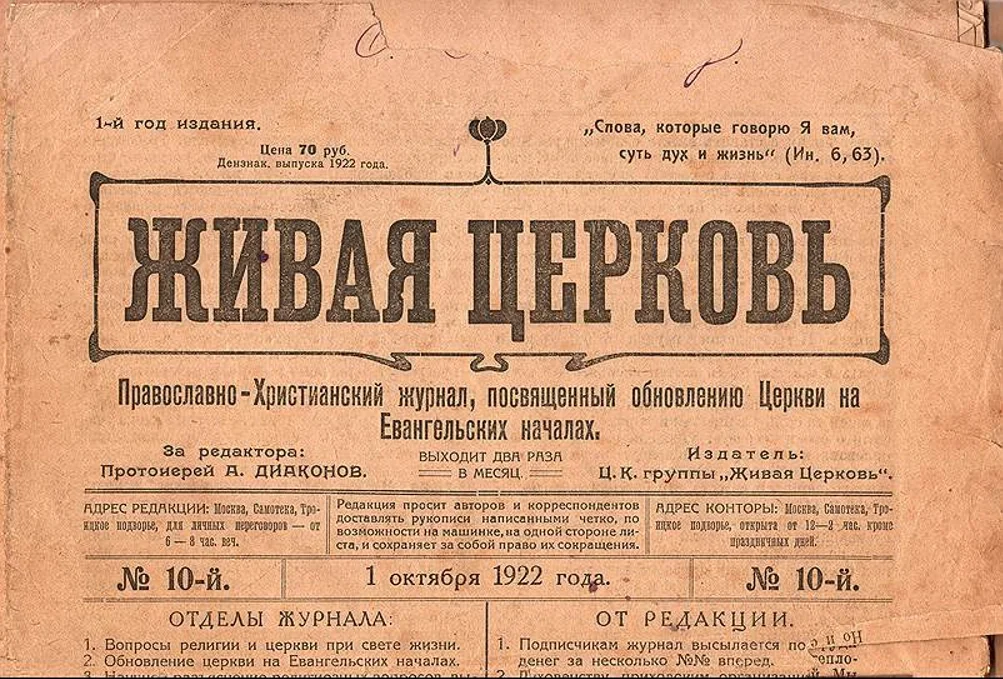
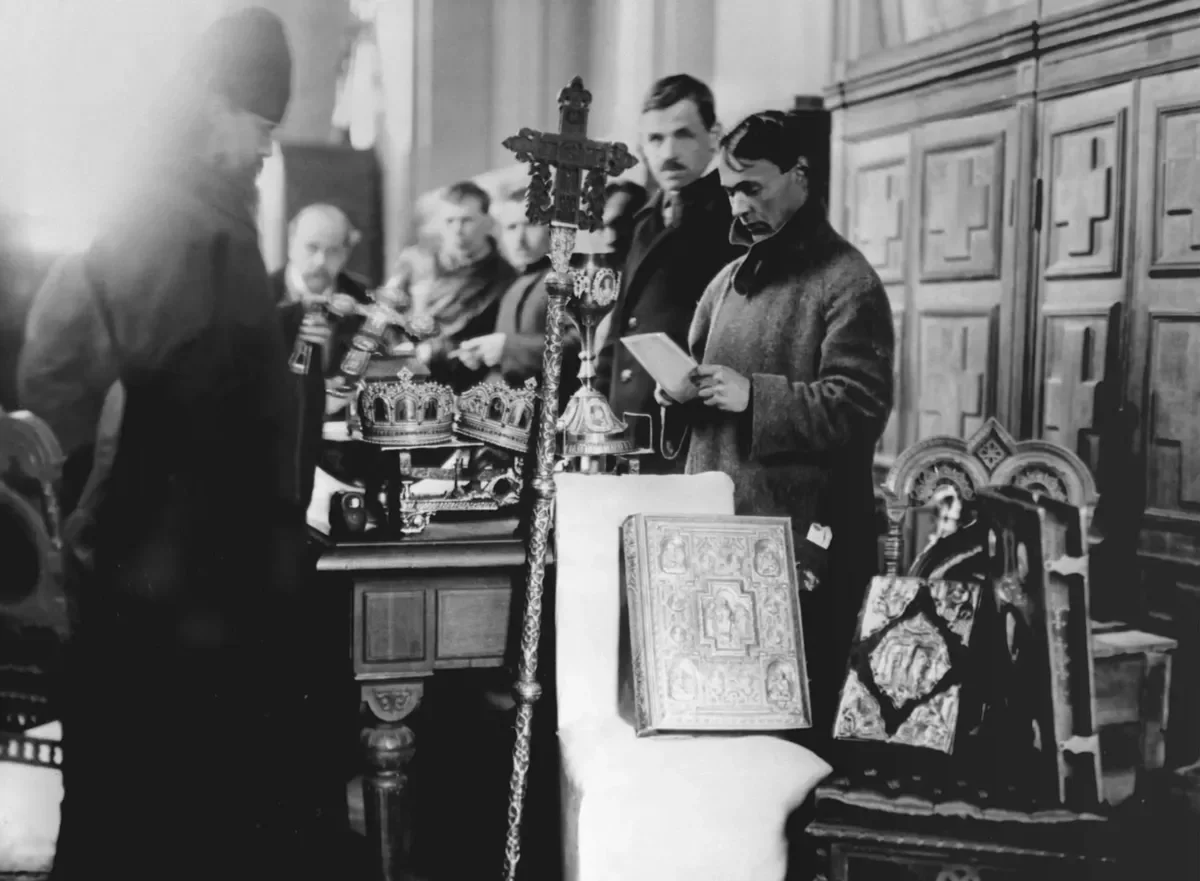
The “Council of Church” was accelerated and aggravated by the campaign to seize church values under the pretext of “helping the Volga region,” which began in 1921 and reached the climax in February 1922.
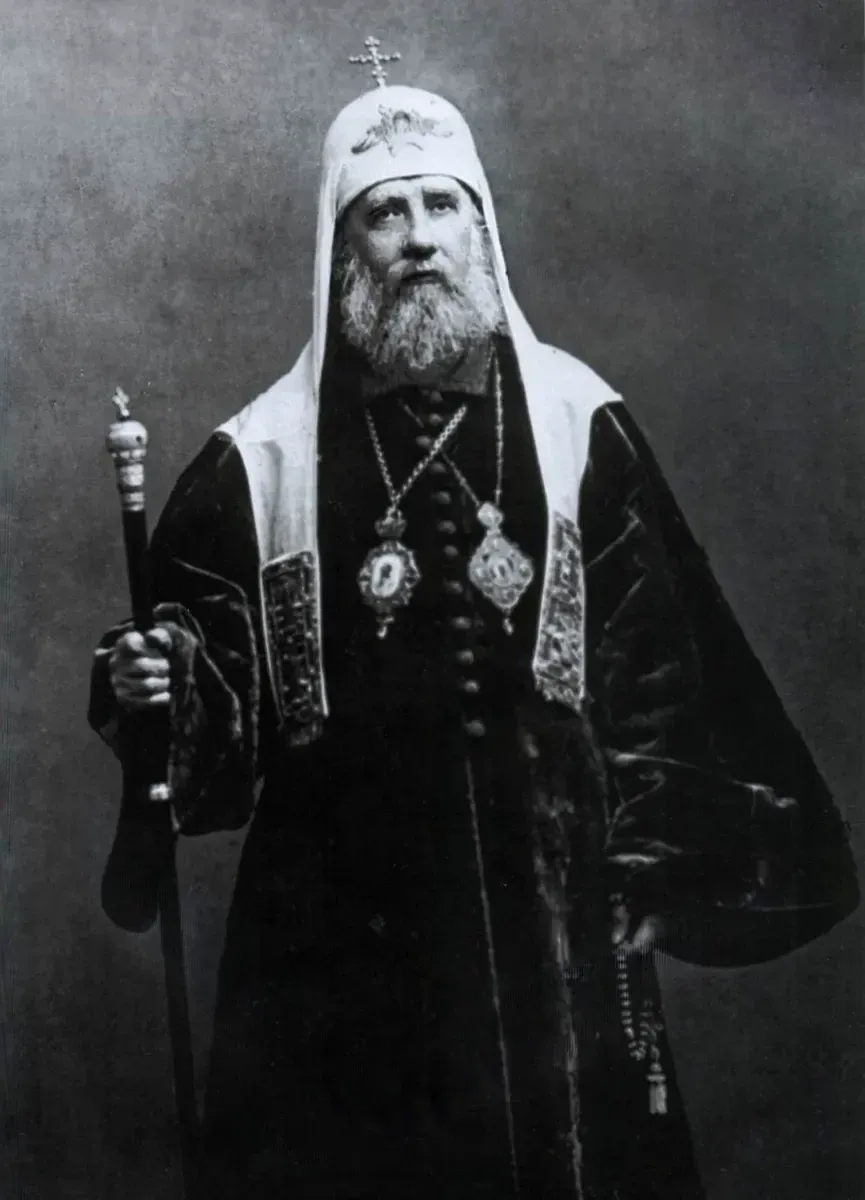
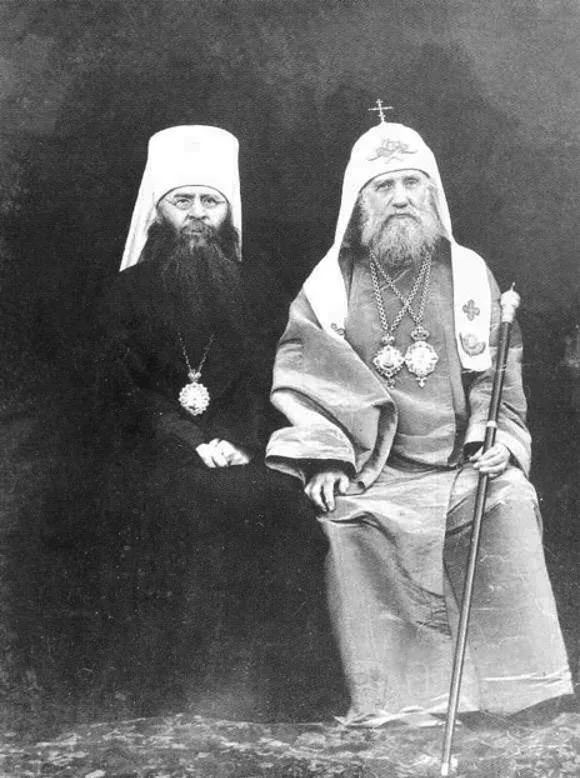
The campaign was led by the head of the Revolutionary Military Council Lev Trotsky, who led through the Politburo of the Central Committee of the RCP (b) a decision to support the "shiftness of priests" to eliminate the "counter -revolutionary part of the churchmen, in which the actual management of the Church." First of all, Patriarch Tikhon (Belavin) was meant, now canonized by all parts of the Russian Church. In his message of February 28, 1922, Tikhon sharply condemned the campaign to seize values, indicating that it is accompanied by the desecration of the sacred vessels and other shrines, which are inviolable.
Earlier, the Patriarch established his own commission to collect assistance for starving, but it quickly turned out that the authorities were not particularly interested in such assistance, this is only as an excuse for solving political problems.
The collected values were mainly sold abroad. Lenin called this campaign “The only point when we can 99 out of 100 chances to complete the enemy to the enemy and ensure the necessary positions for us for many decades. The larger the number of representatives of the reactionary clergy and the reactionary bourgeoisie will be able to shoot about this, the better. ”
Feeling the ultimate tension between the Bolshevik leadership and the hierarchy, the revolutionary clergy decided to act. On March 22, the Politburo approved the proposal of the GPU to arrest the Patriarch and members of the Synod in order to be the forces of the revolutionary (“red”) clergy and under the control of the GPU to convene a church cathedral and choose a new patriarch. The arrests took place on the same night, only one member of the Synod remained at large - Archbishop Serafim (Alexandrov), who appeared in the reports of the GPU as a secret informant. The Patriarch was temporarily placed under house arrest on the Trinity Compound on a groove where he lived, but two months later he was transferred for a more stringent isolation to the Don Monastery, and then to Lubyanka.
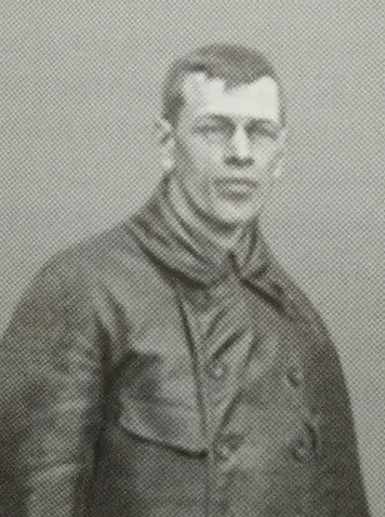
On April 19, Mikhail Galkin-Zhorev and GPU employees met with the “progressive clergy” of Moscow in the person of Bishop Antonin (Granovsky) and priests of Kalinovsky, Borisov and Nikolostan. The result was the decision to create the magazine “Living Church” and the signing of a memo at the All -Russian Central Executive Committee on Church Reform. The Moscow Revolutionary Branch announced the inconvenience of the leadership of the Russian Church and on May 8 sentenced eight priests to Rastrel (four of them were soon shot, the rest was softened). The next day, the indictment was announced by Patriarch Tikhon, and a delegation of the “revolutionary” clergy from Petrograd, led by priest Alexander Vvedensky, the future leader of renovationism, arrived in Moscow. A day later, the priest Krasnitsky, with the help of Galkin, wrote the appeal “to the believers of the Russian Orthodox Church”, in which Tikhon and the entire old hierarchy were harshly condemned, the complete loyalty of the Soviet government and the need for “counter -revolutionaries in cassors” were proclaimed.
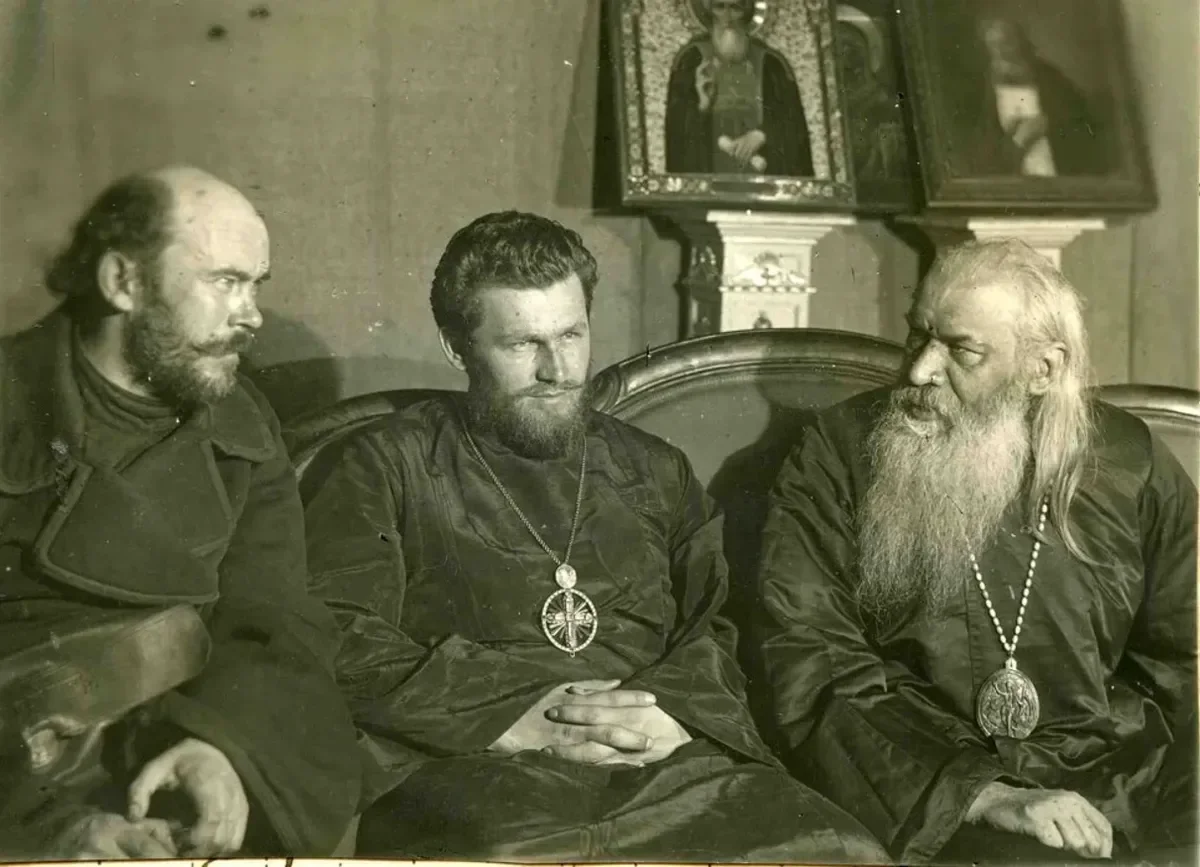
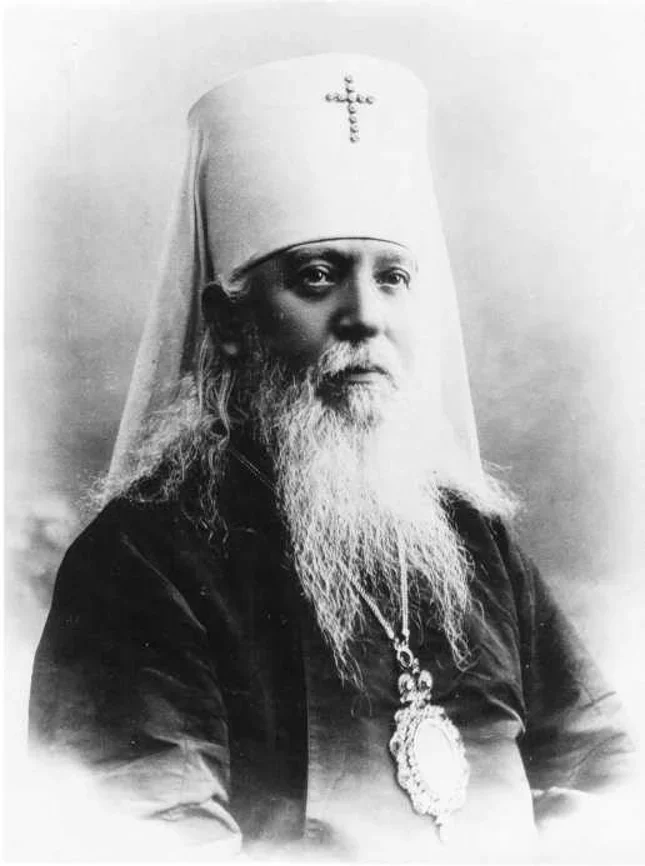
Against such a background on the night of May 12, the first meeting of the delegation of the leaders of the renovationism of Vvedensky, Krasnitsky and Belkov with the arrested Patriarch was held. He was presented with an ultimatum - to voluntarily renounce the authorities, transferring the authority to the temporary deputy through members of the delegation, after which the sovereign would have mercy on the priests sentenced to execution. After the approval of the candidacy of the deputy with the All -Russian Central Executive Committee, on May 16, the second meeting was held, at which the Patriarch was transferred to the authorities with the appointment of his deputy of the Yaroslavl Metropolitan Agafangel (Preobrazhensky).
Power and the Red Priests deceived Tikhon: they soon took a subscription about the wizard from Yaroslavl from Agafangel, and then arrested, and only four were shot from convicted priests.
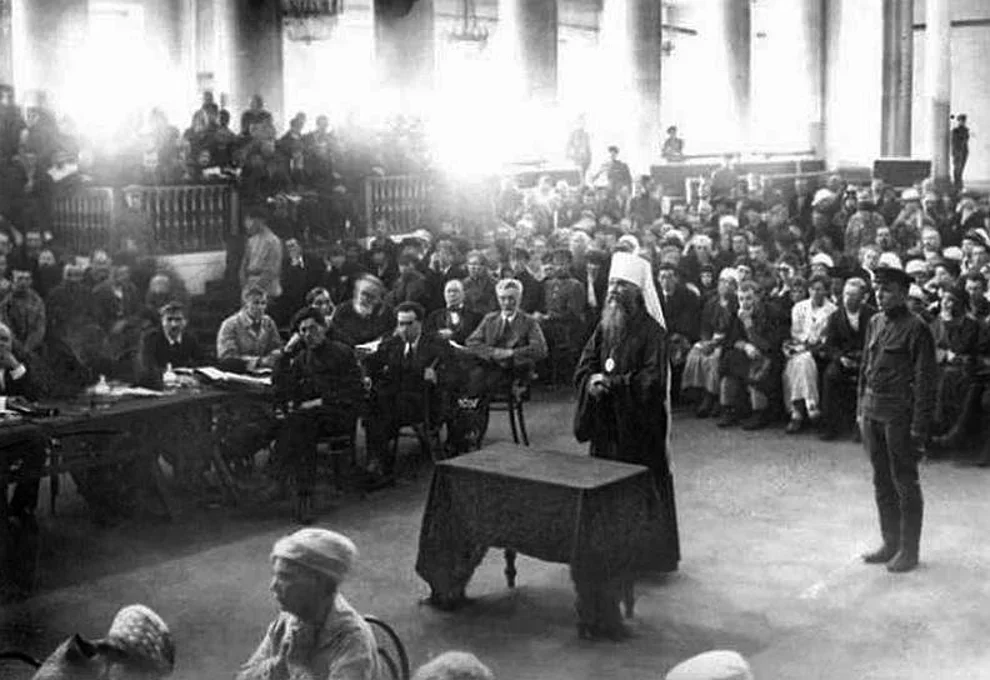
Moreover, in the summer of 1922, the Petrograd process was held over Metropolitan Benjamin (Kazan), whom the Patriarch wanted to see as a locomotor, and a group of clergy and laity. In August, most of the convicts, including the Metropolitan himself, were shot.
The Soviet seal presented the decision of the Patriarch as “renunciation of the throne”, and the priests Vvedensky, Belkov and Kalinovsky did not transfer the office to Metropolitan Agafangel, proclaiming themselves as a “temporary higher church administration” (vivitz) and putting on a patriarch Trinity Compound. Since they were the clergy of the Petrograd diocese, Metropolitan Veniamin managed to excommunicate them from the Church before his arrest, but this excommunication was soon “removed by the Vicar of Metropolitan, Bishop Alexy (Simansky), who entered the diocese department. From 1945 to 1970, he was a patriarch of the Russian Orthodox Church, inheriting the appointed Stalin in 1943 by the Patriarch Sergius (Stragorodsky). If Alexy “with reservations” recognized the power of the renewal to the Environment, then Sergius completely obeyed him, issuing a special “memorandum”, convincing many bishops to recognize the “Red Church”. Trotsky was satisfied: on May 24, he reported to the Politburo about the successful seizure of church authorities and delaying the convocation of the local cathedral in order to “decompose priests” as much as possible.
Cathedral
The cathedral opened on April 29, 1923 in the Cathedral of Christ the Savior and became the maximum point of development of renovationism. “The whole reactionary church mass of the monastic and oldest city clergy, based on the counter -revolutionary layers of the city bourgeoisie and rustic fists, stood a dense wall against the pioneers of the new direction of church activity, which proclaimed a new attitude to life and revolution,” is a characteristic rhetoric from the “cathedral word”.
On the agenda of the event, held in the same third house of the Soviets (Osterman’s house at the Bozhadomk), the trial of Patriarch Tikhon, questions of the attitude to the revolution and counter -revolution, the introduction of the married bishop, the community of monasteries, the burial of the relics of the holy and other reforms were included. The audience sent a sweet greeting to the already half -life Lenin. About 380 delegates from 72 dioceses came to the cathedral, including 67 bishops (for comparison - in the canonical local cathedral 1917–1918, 564 delegates participated, including 80 bishops).
Using a loud brand, the “Red Priests” proclaimed: “The All-Russian Local Council of the Orthodox Church testifies in the face of the Church and the whole of mankind, that now the whole world has broken into two classes: the capitalists-recruiters and the proletariat, whose labor and blood is building its well-being. All over the world, only the Soviet state of Russia went to the fight against this social evil. Christians cannot be indifferent spectators in this struggle. The cathedral declares capitalism by mortal sin, and the struggle with it is sacred to a Christian. In Soviet power, the cathedral sees the world leader for the brotherhood, equality and world of peoples. The cathedral stigmatizes the international and domestic counter-revolution, condemns it with all its religious and moral authority. ”
It is clear that such a cathedral could not but begin with the “abolition” of the anathema to Soviet power, the abolition of the patriarchate as a “counter -revolutionary institution” and the deprivation of the dignity and monasticism of Patriarch Tikhon.
The emigrant clergy, indicating the godless and anti -church nature of the sowing, were also “excommunicated” from the church. To characterize this clergy and Patriarch, the "Soboryans" did not spare expressive vocabulary. Actually, the reform program adopted by the Council provided for the married episcopate, the second -hand of the clergy, the closure of the monasteries and the creation of labor communes on their base, the burial of holy relics (the power was just conducted by the “liquidation” campaign) and the transition to a new (Gregorian) calendar. Two years later, at the last in the history of renovation of the Council of 1925, many reforms had to be abandoned - due to their categorical rejection by ordinary believers.
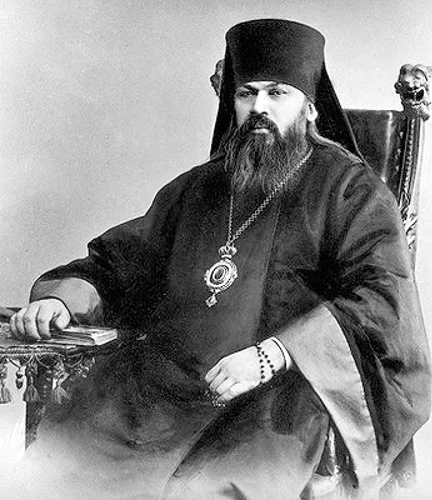
“The dictatorship of the Popovsky proletariat,” that is, not all participants in the cathedral liked the married parish clergy with its “petty -bourgeois manners”. Bishop-reformer Antonin (Granovsky), who was the first to support renovation in May 1922, after a year later quarreled with all its leaders and so responded about the movement: “There was not a single drunkard, not a single voyage [in the cassock], who would not climb into church administration and would not cover himself with a title or Mitroy ... All Siberia was covered with a network Bishops' departments directly from drunken clerks ... A monstrous, rampant, predatory, insatiable priest's whistle opened. "
According to contemporaries, renovation temples were empty, like many temples of the Russian Orthodox Church today, the movement did not receive folk support, relying only on power and its repressive machine. Realizing this, already in June 1923, the Bolsheviks ceased the criminal prosecution of Patriarch Tikhon, having achieved the formal submission of the Soviet regime from him. The mass return of the bishops, clergy and temples began to the "patriarchal orientation." On August 16, Stalin signed a letter from the Central Committee “On attitude to religious organizations”, actually calling for a balance between the renovationists and the “old -church”.
Sergianism
The collapse of the renovation project, which became obvious by 1925, did not cool the desires of the Bolsheviks to create a pocket quasi -cash, which would effectively serve the interests of the authorities and would no less effectively deceive the simple believing people with the visibility of the “church gastard” and “loyalty to antiquity”.
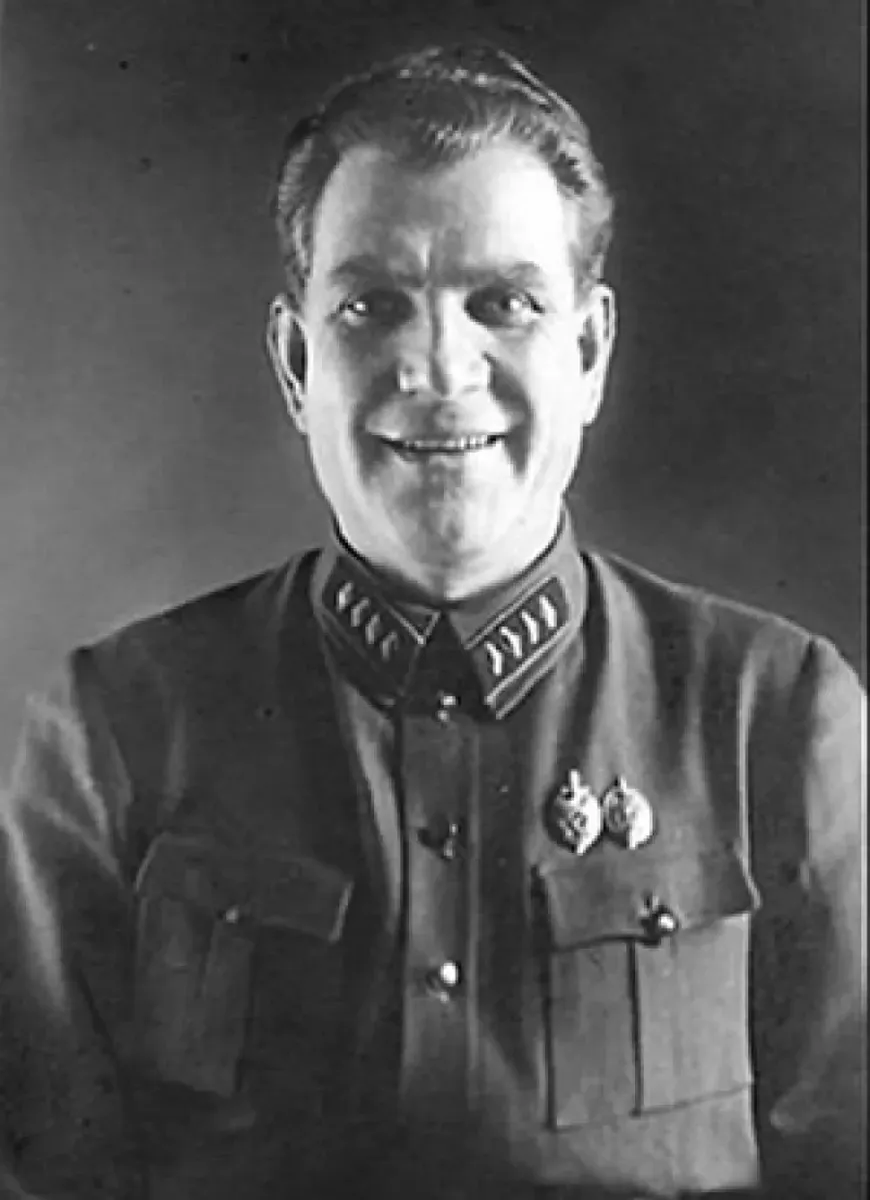
The architect of the new church and political project, which went down in history under the name of Sergianism, was Evgeny Tuchkov-a state security major, the head of the 6th department with the OGPU, a fiery Bolshevik with four classes of education.
For two years he picked up the performer for his project, negotiating with various “Tikhon” hierarchs. Tuchkov was engaged in this so intensively that he received the nickname "Red Hegumen". The new martyr Metropolitan Kirill (Smirnov), whom the bishops of the Russian Church in 1926 secretly elected the new patriarch, answered the Tuchkovo conditions of the legalization of the "Tikhon" church: "Evgeny Alexandrovich, you are not a gun, and I am not a bomb, which you want to blow up from the inside of the Russian Church."
By the spring of 1927, Tuchkov managed to “squeeze” another arrested Metropolitan - Sergius (Stragorodsky), who did not like the prison conditions very much. According to the Socialist Republic, Sergius is attributed to such words: "Now I have the main dogma: do not sit in prison." The Metropolitan tendency to the “quiet life” (he introduced these words into a petition for power at the liturgy) at the cost of recognition of any power manifested itself in 1922, when he recognized the Renovationists. A year later, Sergius repented to Patriarch Tikhon, who was released, but, in the words of the Monk Nectaria of Optinsky, "repented, and the poison is sitting in it."
Sergius was one of the seven hierarchs who had the rights to temporary management of the Church after the death of Patriarch Tikhon. The Patriarch appointed four possible locomotives, one of which - Peter (Polyansky) - entered the Office of the Church, but was soon arrested. In turn, Peter appointed three deputies who were also arrested in turn. One of them was Sergius.
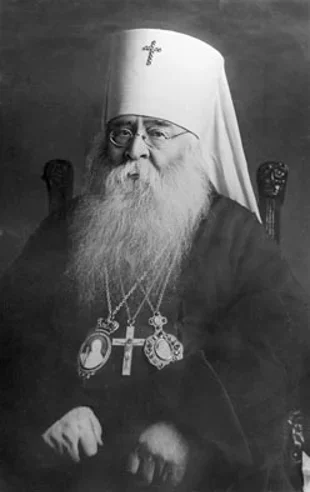
Tuchkov’s conditions resulted in paper in the form of a “declaration” of Sergius of July 29, 1927, which has become a kind of constitutional act of the Moscow Patriarchate for many decades. Against the background of the persecution of the Church, Sergius exclaimed at the beginning of the “Declaration”: “We express our gratitude to the Soviet government for such attention to the spiritual needs of the Orthodox population.” Later, in 1930, he will renounce all the martyrs of the Soviet era, calling them political criminals. The main ideas of the “declarations”: the identification of the Russian people with the Government of the Bolsheviks, the unconditional recognition and support of this government, the conservative way of life, but with the inclusion of prayer for power, dissociation from monarchism and the “anti -Soviet” clergy abroad.
A significant part of the church did not accept the course of Sergius, qualifying it as a “new -into -counteratous split”.
Among the non-persons were almost all the authoritarian hierarchs of that time: the arrested locosterity of Patriarch Metropolitan Peter, elected by the Patriarch Metropolitan Kirill, Metropolitans of Yaroslavl Agafangel, Petrograd Joseph, and the Ulovetsky hierarchs-martyr. In their opinion, Sergius reduced the church to a purely earthly, administrative organization that cannot exist without recognition by power, even if this power is open atheistic and anti -church. In it, and not in Christ, the apostles or martyrs contain a true source of the being of the Church. The worldview of Sergius was perceived by its opponents, who later created the catacomb church in the USSR, as a kind of "atheism of the Orthodox rite." If so, then Sergius was really easy to find mutual understanding with the Bolsheviks. Even the repression of 1937-1938. They bypassed him.
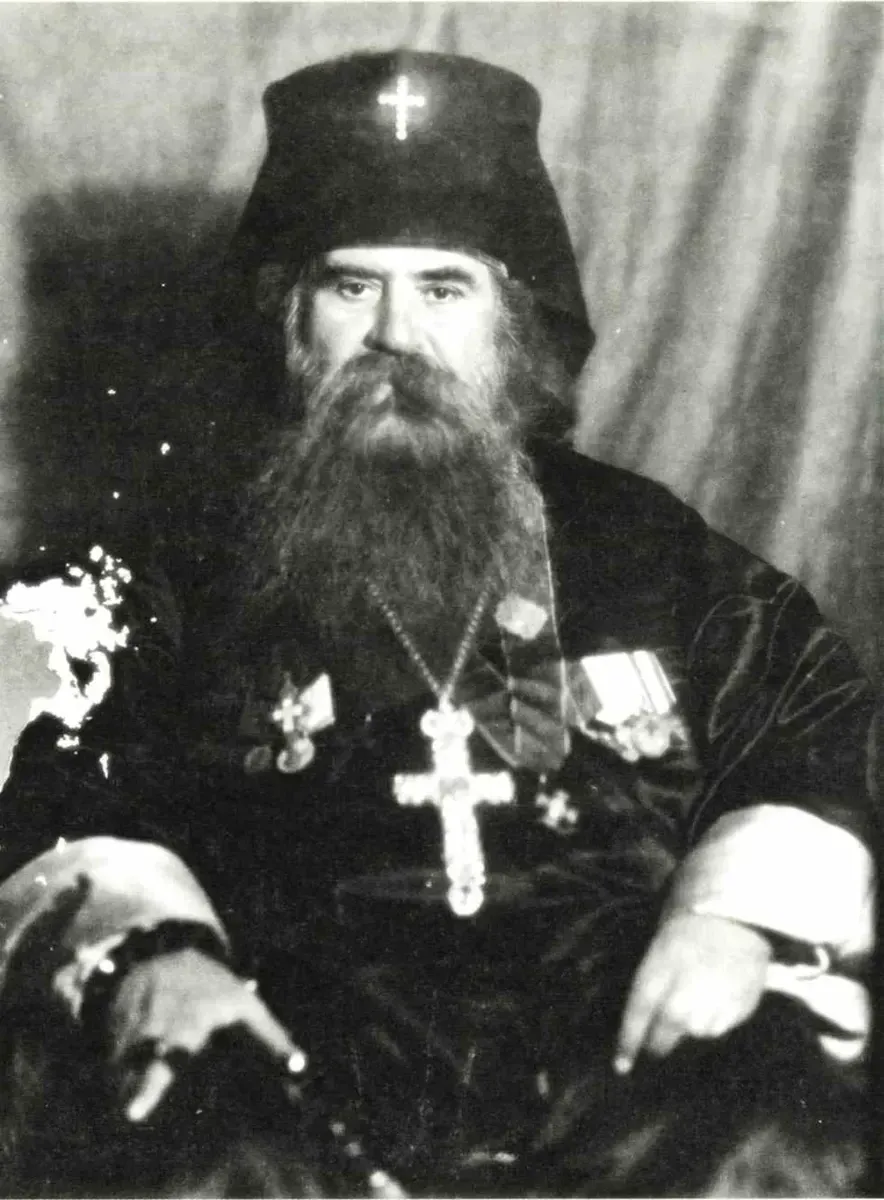
Sergian, as before, renovationists, affirmed their canonism with references to the recognition of their eastern patriarchs-including Constantinople (since 2018, the Russian Orthodox Church broke through communication with Constantinople due to the “Ukrainian question”). But this recognition is ensured by a rather simple method. In the memorandum of Trotsky of June 27, 1922, Galkin reported that the representative of the Patriarch of Constantinople in Moscow, Archimandrite Vasily (Dimopulo), appreciated the participation of his patriarch in court at 10 thousand Turkish lyree and the house on Petrovsky Bulvar in Moscow, where the Constantinople Foulence was located before the revolution. Then the Bolsheviks did not give this money that Stalin was already at the height of the war by the “universal” recognition of the newly created Moscow Patriarchate and ordered to allocate 100,000 rubles for gifts to the Eastern Patriarchs, if they agree to come to the Council of 1945 to Moscow (Garf. F. R-6991. Op. Church vestments from the museum funds of the Moscow Kremlin.
Update potential
Обновленчество вошло в церковную историю с отрицательным знаком, дискредитировав этот термин. Но в его программе были элементы — пусть и нереализованные, — которые остаются востребованными в наши дни. Очевидно, институт патриаршества в новых исторических условиях не пошел на пользу РПЦ, облегчив советской и постсоветской власти достижение полного контроля над церковью.
В РПЦ напрочь отсутствуют какие-либо формы выборности духовенства или священноначалия, а ведь обновленчество поначалу провозглашало себя как демократическое движение.
Наконец, противоестественно для христианской общины быть ритуально-магической коммерческой структурой, где клиенты получают некие «духовные услуги» за фиксированную плату и без особого понимания смысла происходящего. Церковная жизнь должна быть понятной всем верующим людям и не смешиваться с бизнесом, по слову Христа: «Даром получили, даром давайте» (Матф., 10:8).
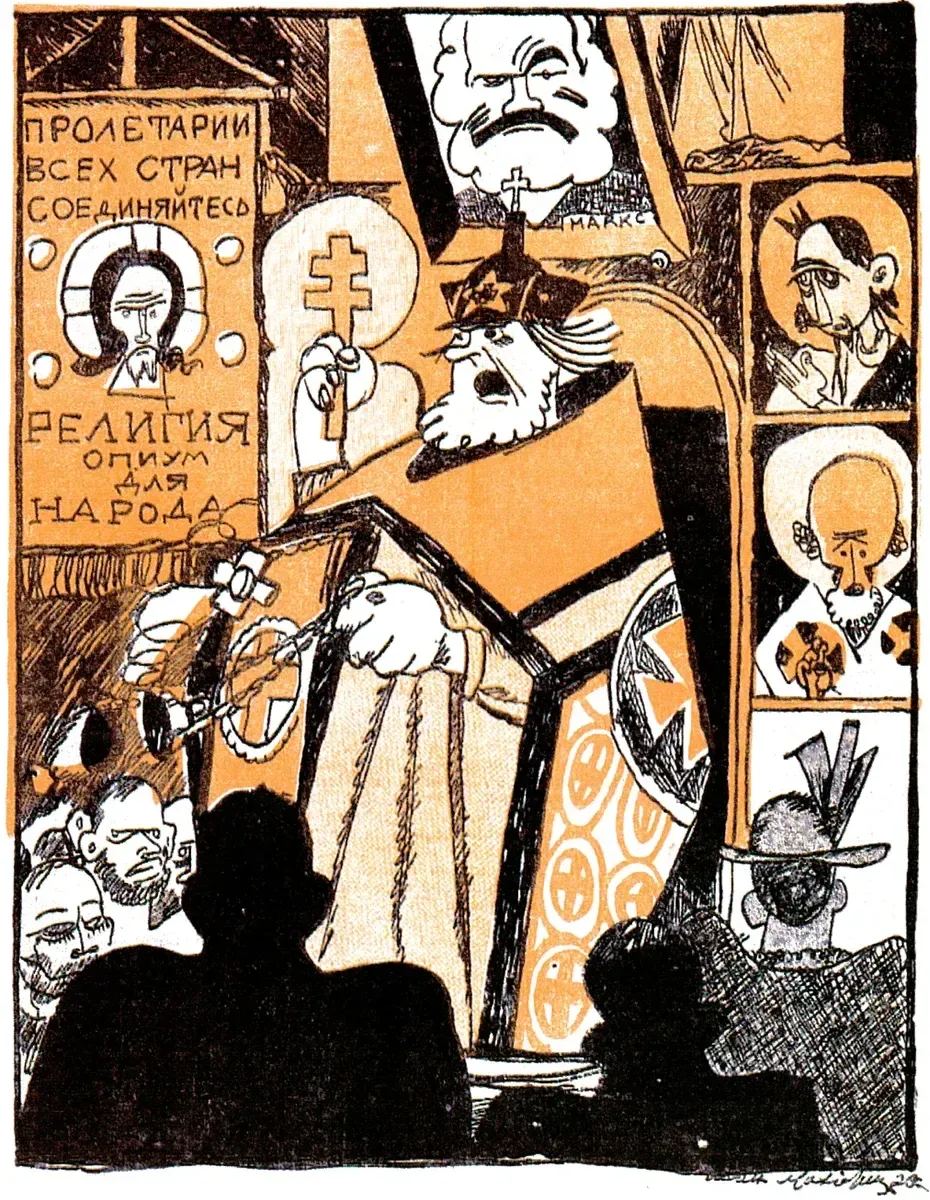
Очистить здоровые зерна церковного обновления от плевел «краснопоповства» пытаются православные церкви Апостольской традиции, которых в мире уже порядка десяти. У истоков этого движения в России стоял церковный диссидент советского времени и правозащитник о. Глеб Якунин (1934–2014). Петроградскую епархию Апостольской церкви возглавляет женатый архиепископ Григорий Михнов-Вайтенко, известный своей антивоенной позицией и поддержкой украинских беженцев. Иногда к современным обновленцам относят харизматичного московского священника Георгия Кочеткова, известного богослужениями на русском языке и конфликтами с патриархией. Впрочем, после 24 февраля 2022 г. о. Георгий оказался в «правильном» с точки зрения патриархии лагере, заявив, что «русские на Украину не нападали».
Если Россию ждет эпоха радикальных трансформаций, то она обязательно затронет и церковь. На месте оставшейся с советских времен громоздкой, гиперцентрализованной и полностью зависимой от политической власти РПЦ возникнут разные юрисдикции, предлагающие разные пути выхода из кризиса, постигшего народ и церковь. В новой исторической реальности, когда встанет вопрос о люстрации институтов тоталитарной и авторитарной эпох, по-новому зазвучит идея церковных реформ. По крайней мере, хочется на это надеяться.