
Translated material
Distribution time
Hasan Huseynov about loyalty to the state of the Russian Federation and the future of the opposition

Coordination Council of the Russian Opposition, 2012. Photo: Live Journal
In less than 15 months, 15 months have passed since the invasion of Ukraine, as at the top of the iceberg, which is called Russian society, cracks became noticeable, through which, perhaps, a large healing demarcation will occur.
I will make a reservation right away: it is mainly not about events, but about opinions. Electronic media mislead many. It may seem that the events are many hours of opinions of opinions in YouTube or in telegram channels. But this is not so. You can say even more sharply. The event is every bombardment of Ukraine, every torture of Alexei Navalny or Vladimir Kara-Murza, each delivery (or shortage) of tanks and ammunition from allies to Ukraine or Ukrainian grain to Africa. A completely different thing is the discussion of these plots and other events that accompany them, such as, for example, moving people from the country to the country, the practice of informing, the reconstruction of life in the Russian Federation or in new places of stay. These are also events. But they often have to judge them only by indirect signs, including by the opinions expressed: the smoke of war sometimes hides the main thing.
As a clash of opinions, the political future forms
What idea of future events give clashes of opinions? Until recently, it was not entirely clear whether it was possible to reduce the extraordinary variegation of these opinions to the common denominator. But literally in the last few days of April 2023, in the third decade, in the Russian media space there were a clash of opinions, which, it seems to me, throw a new light to the near future. It was formed that it is possible, perhaps, to name the axis, around which the further, the more the demarcation of the upcoming political forces will pass.
What platform is a collision of opinions on? These are Russian media in exile (“Medusa”, “rain”, “insider”, “new newspaper Europe” and several others), as well as solo projects, sometimes coinciding with political figures (Maxim Katz, Mark Feigin, Julia Latynina and others), sometimes growing into such political figures right in front of our eyes (Yuri Duda, Michael Nakami and others). In addition, these are the former “voices” - America, Britain, Germany or France. All these media together form, in my view, a platform on which the drama of opinions is being played, preparing us for the events of a close future. But this drama is played out as an event, because the audience see their faces and hear the dispute going on the screen.
The opinions that I will compare belong to people of different political calibers. But to analyze the device of opinions, not so much the political weight of those who express these opinions of people is important as the tendency, the drawing of forces, which becomes, as it were, the project of the near future.
Ekaterina Margolis against Ekaterina Shulman, the Navalny team against the Khodorkovsky team, Maxim Katz against the Navalny team, the Navalny team against Harry Kasparova, Maxim Katz in defense of Ksenia Sobchak, the Navalny team against Alexei Venediktov and Ksenia Sobchak, Harry Kasparov and Mikhail Khodorkovsky against the Navalny team.
Are you loyal to the current state? Between Ayatollah Khomeini and Vaclav Gavel
What unites these very varied conflict conflicts? First of all, the attitude to several intersecting entities is to the state, that is, to the state machine of the Russian Federation, to Russian society as passengers of this train, as well as to the route of the route and conductors of the current trip, to the campaign that accompanies this trip from point A to the unknown. In other words, to the war in Ukraine and the Ukrainians - the real victims of this war.
The listed speakers express not only their opinion, but also not expressed aloud mood, implicitly dominated in a certain environment. It was better to understand these sentiments of Russian speakers to communicate with refugees, and most importantly, refugees from Ukraine temporarily living in Europe. No, this is probably not the main crime of the Russian state who unleashed the massacre, but it is impossible not to think about him. Many young mothers with children, sent by husbands and fathers to a safe place, will settle where they ended up, and their fathers and husbands will remain in Ukraine, because for more than a year of this war the families were divided, there and there, sometimes another life is tied. And every day the death that came from Russia is hosting. Here, statistics do not play any role. There are enough three or four examples that gathered in my memory and in my eyes to now transfer this knowledge to the Russian political diaspora. But I will return to opinions and to the leaders of opinions.

So, opinion leaders are divided into two global categories-yes, sometimes intersecting, but still antagonistic. In the first category, those who maintain some loyalty to the Russian state, and the desire to maintain a connection even with the silent Russian society. These are Ekaterina Shulman, Alexei Venediktov, the Navalny team, the Rain TV channel or Maxim Katz. The Russian state and those who consciously went to prison are loyal: yes, they are open opponents of the current regime, but they believe in the PRB ( excellent Russia of the future. - Ed. ), And sit for it. What historical prototypes give them strength - Herzen or Lenin, Ayatollah Khomeini or Vaclav Havel - is not so important.
On the opposite edge, others, those who do not see the return road in the Russian Federation for themselves, no matter what changes happen there, but also analyzes the situation, although from other prerequisites. And they can also have historical prototypes.
Surrounded wolves-educators against heroes in conclusion
There is another cohort that is formed by upset wise wolves-educators. Some of them gained experience back in the time of Yeltsin, and they left the Russian Federation at different times, worried about people who came with Putin. Their colleagues in Russia remained drivers, stokers and repair brigades in a state train captured by the Chekists.
Yesterday's hostages today have become full co -authors of the criminal route. And wise wolves-educators from afar describe the movement of this train.
Sergey Aleksashenko, Alfred Koch, Sergey Guriev, Konstantin Sonin, Vladislav Inozemtsev. This cohort closes with the flanks - in my perception - two figures. One is very noticeable in the media field. This is Mikhail Khodorkovsky. Another figure is an invisible man named Anatoly Chubais, who left the Russian Federation immediately after the start of her invasion of Ukraine and ceased to communicate with society, which he himself fed for 30 years-both under Yeltsin and Putin.

Mikhail Khodorkovsky, who had served for ten years under Putin, is confronted with Alexei Navalny, who recently began his terrible seizure, which may seem to someone sacrificial suicide for the “beautiful Russia of the future”. The essence of the confrontation between the last days is not at all that Khodorkovsky warmed in his media imperia one of the recent persecutors of Lilia Chanysheva, a former employee of Navalny, and now political prisoner.
The essence of the conflict is that Khodorkovsky still belongs (for Navalny) to the very state with which the Corruption Fund fights.
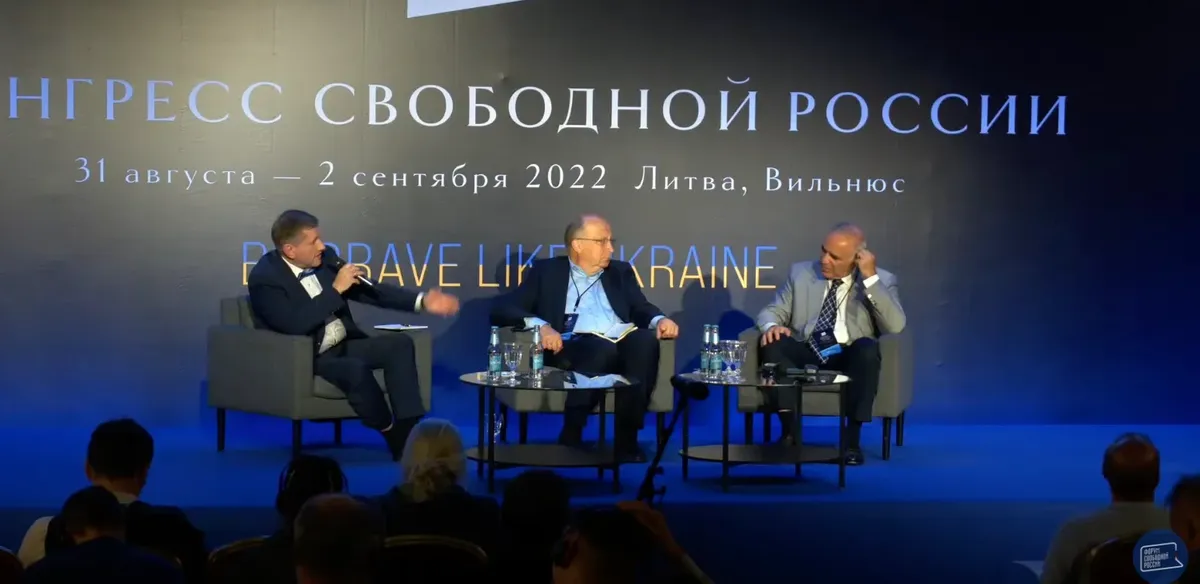
The ten -year severity of Khodorkovsky for a long time was a guarantee of non -aggression. But the rupture line remained the same: for Navalny there is no fundamental difference between Friedman, Aven, Abramovich or Khodorkovsky. For the Navalny team, they are just suspicious non-returners who at one time created an unfair socio-political system. In a recent interview with Harry Kasparov, Yuri Dudu, an interviewer with marginal clarity on behalf of his spectators formulated a criterion of returning as a basis for the future role of a politician in Russian life. Or you consider the “beautiful Russia of the future” existing today, only hidden from vice, but personally deserving your victim or not, and then there, in the PrB, there will be no road.
War for the Soviet inheritance
At this point, there is, perhaps, the main line of tension - the attitude of the Russian Federation to the wars that it waged in the post -Soviet space: from the Transnistria, where the Russian army became the basis of the separatist exclusive, and the Nagorno -Karabakh, in the conflict around which the Russian Federation initially took the side of Armenia, through the most severe doses, suppression of Chechnya, annexation of southern Ossetia and the anniversary of the South Ossetia and Abkhazia, Crimea and Donbass to, finally, a full -scale invasion of Ukraine.
If you look at all these events in the usual perspective of “deserted history” (the term G. S. Knabe), or “geopolitics”, then we are only about the war for the Soviet inheritance, in which the largest and military terms until recently, the most powerful part of the former USSR - the Federal Air Transport Agency, disputes, according to trifles or large pieces, the legal phase of the dissolution of the Soviet Union. The Yeltsin regime shed a blood river in the Russian Federation. Putin's regime shed a sea of blood in Ukraine. Under the slogan of the unity of the people and the restoration of the fraternity, physical fratricide occurs.
Loyal statesmen in their reasoning about the PRB are ready to be distracted from the war in Ukraine. But taking out the main events of our days, they mistakenly accuse the Putin regime of trying to "restore the Soviet Union."
They talk about the gestures of the current Russian state as if nothing was happening. And they miss the finishing off just the remnants of the Soviet Union - its people, its state heritage.
Meanwhile, not only the anti -Soviet “Ukrainian nationalists”, but also the internationalists, who were brought up in the Soviet spirit, switched to the side of Ukraine.
who see in the actions of the Russian regime signs not only of a crime against humanity, but also a less noticeable betrayal of just a few human remnants of the “Soviet”.
This is what foreigners like Harry Kasparov and unknown minority representatives who have become a third grade in the Russian Federation feel.
The triumph of the right and gaping in the place of the left alternative
The first post -Soviet generation of statesmen was happy to dissolve from the Soviet leftist, up to the declaration of themselves by the “Union of Right Forces”. The right politically seemed to them the synonym for the right in moral terms. When the “liberals” say in the Russian Federation and in the Russian diaspora, they mean “right -wing liberals”. Without going into the circumstances of the decline of left -wing movements and moods in the Russian Federation, it is enough to say that the ideological weakness of the right (Chubais, Kudrin and the like) was weaving with their contempt for minorities, to that non -Russian in the Russian world, for which the only legitimation of the existence of the USSR and the Russian Federation was the equality of peoples, the preservation of cultural identity.
Russian nationalism, manifested in the suppression of Chechnya, is a threat to all minorities, and primarily an individual, regardless of origin.
One Russian, one Armenian, one Jew. This is what many Russian politicians do not understand or, more precisely, do not want to understand, but what is implicitly present in their relation to the same Kasparov. Kasparov speaks of Russia as a multinational political unit. His interlocutors talk about Russia as a country primarily Russians, where people like Kasparov will not have a political voice. As, most likely, Maxim Katz or the courageous Pskov politician Leo Schlosberg will not have such a voice.
And it's not even about anti -Semitism. Their alienness of Russia is the same as Ekaterina Shulman, a brilliant scientist and a publicist who took her husband’s last name, and the same as Alexei Navalny, the Western-type policy who raised the most important topic, who had painted that the punitive machine can do literally every person, but never became his own, even though he had once been Russian and even once, they say, they say, they say. "Russian marches."
Yuri Dud persistently contrasts Ilya Yashin, Vladimir Kara-Murzu or Alexei Navalny as his people who are ready for self-sacrifice, Harry Kasparov as a man of a stranger, a rich man with a rational political calculation. In this confrontation, Khodorkovsky and Kasparov in the eyes of the layman are only rich strangers who want something from Russia. Navalny and Dud say to them: "This is not your country, go away!" He speaks politely, but definitely. That's just the paradox is that the speakers themselves are strangers for the very society on whose behalf they perform.
One can recall the attitude to the emigration of the great warrior Valeria Ilyinichna Novodvorskaya. With disgust, which was a referred to any nationalism, at the same time she believed that people who emigrated from Russia do not have the right to political participation. In this paragraph, the current moral claims to the "who arrived" from the "who were insolent" are also converged.
Over time, this confrontation can dull, but it will hardly ever disappear. Some say that the reason is the deep backwardness of Russian society, where even relatively advanced and educated people see people who abandoned their homeland and their compatriots, chasing a good life under other people's heaven. Other countries are also cited as an example, where society unfriendly accepts those who managed to flee from the dictatorial regime in time and who, after returning, was in vain about political success.
The end of the post -Soviet intelligentsia
The current situation of Russian society is special. Social networks turn the conflict of opinions into an event. This is especially clearly seen in the example of a public reaction to the dispute of Catherine Margolis with Ekaterina Shulman on how to correctly respond to Russian aggression against Ukraine.
A compressed presentation of this conflict of opinions is reduced to the differences in optics. The focus of the political scientist, sociologist, loyal researcher of Russian parliamentarism and the popular Russian video blogger is Russian society and his problems. Ekaterina Shulman considers the attack on Ukraine the excess of the Putin regime, for which it is impossible to ask from Russian society. Announced by a foreign agent, Ekaterina Shulman left the Russian Federation in order to be able to continue professional activities, but also in order to avoid serious persecution by the authorities.
The very aggression of the Russian Federation against Ukraine and the consequences of this war for Ukraine are not in the focus of its attention. “The neighbor burned the house, and we broke through the sewer. For each, as they say, his own tear of the solone. Only the house will be rebuilt by the whole world, this is clear, and they even are forbidden to plan repairs, they say that you always had it, and in general, first realize where it came from, what came from the floor. ”
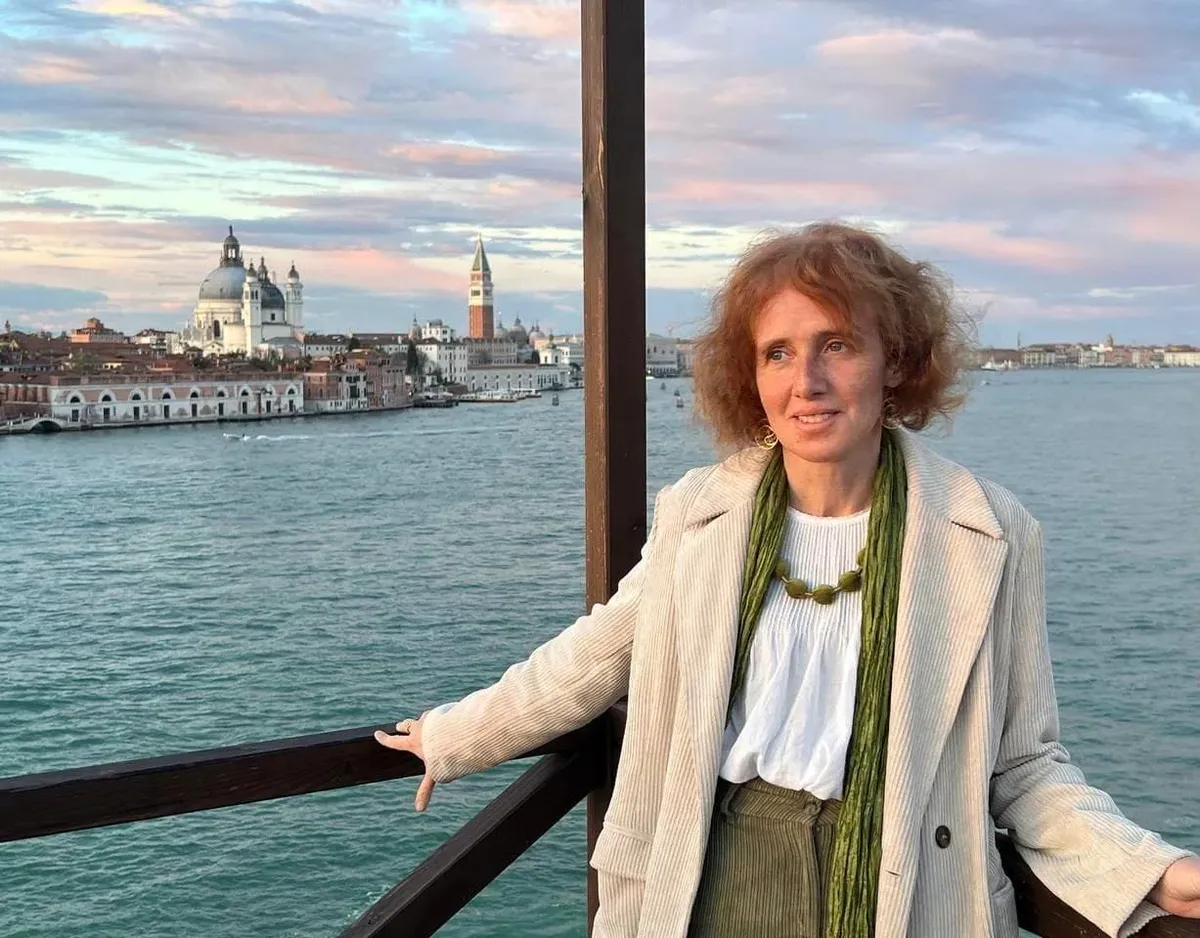
This passage, and even the course of thought, caused a rebuke from Emigrants of Ekaterina Margolis living in Venice. Margolis is known for its passionate statements-ukors addressed to Russian society and especially to the intelligent environment close to it. These statements can be summarized: “How can you worry any hardships and troubles of Russian life against the backdrop of a terrible crime that the Russian state committed on your behalf in Ukraine? How can you live at all your previous life, bake pies or enjoy book awards, go to the theater or go on vacation when your soldiers destroy cities and villages, kill civilians? ”
Thousands, if not tens of thousands of citizens of the Russian Federation and Ukraine have entered this dispute. But with all the variety of positions, moral and political assessments that boil in social networks, there is one through topic in the argumentation of Russians:
“Why on earth, the former Russian woman who lives in Venice reproaches us incorrectly to someone else's grief?
Why is I personally, who, who has not made no evil to Ukraine, should be responsible for the crimes of the Putin regime? What right has a successful emigrant to demand from us, already interrupted from button to the loop, sacrifice their well -being, freedom, or even life, for those crimes that our state committed in another country? It is interesting how Margolis herself sang if she was in Moscow or in Belgorod. Not everyone has the opportunity to escape from the country, retaining the status and previous lifestyle. A little more such moralization, and we will begin to support the “special military operation”! ”
The paradox is that the optics of Margolis is much more traditionally Soviet than that of its enemies. After all, Russians and Ukrainians are a recent family who lived in the same house-state. Even if we discard the Soviet propaganda rhetoric of the “friendship of the peoples”, one cannot help but hear in the Moral Ukor Margolis an appeal to the same “universal values”, which were supposed to share more recently in the late USSR. Margolis is still proceeding from the imperative of "supporting his". For her, born in the USSR, Ukrainians are the same as Russians, Jews or Georgians. Даже в мирном выходе из состава СССР Беларуси, Украины и РСФСР можно разглядеть вполне логичное воплощение советского пропагандистского братства: каждый брат зажил отныне в своем доме своим укладом и — заметим в скобках — без насилия со стороны старшего брата. Эта картина осталась незамеченной потому, что с момента роспуска СССР прошло больше тридцати лет, а никакого «постколониального», «постсоветского», «постимперского» дискурса в РФ с тех пор не возникло. Фейковые страсти по якобы утраченной «великой державе» помешали сторонам в споре понять конкретно-историческую оптику Марголис.
В отличие от Марголис, Екатерина Шульман поговоркой «каждому своя слеза солона» признает, что слеза Украины для нее — это уже чужая слеза. Иначе говоря, ее оптика — оптика новой России как национального государства. А как государственницу, Шульман волнует в первую голову политический процесс в ее собственной стране.
Из сказанного следует важное обстоятельство: Екатерина Марголис и Екатерина Шульман, в позднесоветском и постсоветском контексте принадлежавшие к условной общности российской интеллигенции, теперь уже ни к какой общности не принадлежат. Точнее говоря, Марголис все еще апеллирует к неким «мы», без чего сам акт морального требования был бы невозможен.
Шульман же вполне может не удостоить Марголис даже ответа. «Какое отношение эта женщина из Венеции имеет к моей стране?»
Это размежевание на тех, кто, несмотря ни на что, готов воспринимать текущее российское государство как свое, а если и пребывает за пределами РФ, то только «по работе», и — на других, тех, кто с этим государством, с правящим в нем режимом разошелся, а с теми, кто склонил перед режимом выю, даже и порвал. Симптоматично, что оба голоса в этом споре принадлежат тем, кто уехал из России. Сам факт отъезда, стало быть, не влияет на политическую позицию: либо ты чувствуешь и осознаешь свою принадлежность к государству, либо нет. А где ты при этом находишься, значения не имеет.
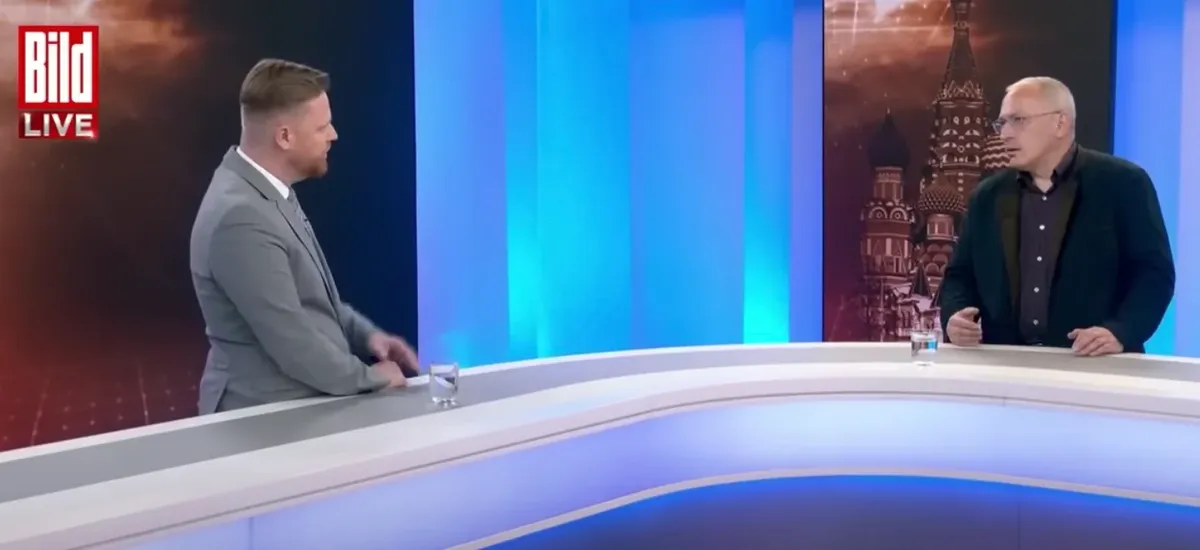
Противостояние отныне проходит не просто по оси «уехали — остались». В двух недавних интервью — Гарри Каспарова Алексею Дудю и Елене Рыковцевой («Радио Свобода», 27.04.2023) и Михаила Ходорковского Максиму Курникову (Bild по-русски, 28.04.2023) — появилась новая нота, которую особенно четко сформулировал Ходорковский. Политики, до недавнего времени видевшие себя находящимися внутри российского политикума, хотя и живут уже немало лет за пределами РФ, за 14 месяцев войны обозначили свое размежевание даже с оппозиционерами, которых на долгие годы заперли в российских тюрьмах. Еще два-три года назад в фокусе внимания Михаила Ходорковского и его коллег было происходящее в РФ. Даже и при отсутствии прямых контактов с ФБК можно было говорить о некоем общем образе «прекрасной России будущего». Сегодня же пришло осознание, что представления эти не совпадают, во всяком случае во времени. Для команды Навального, для готовых к самопожертвованию муниципальных депутатов ПРБ уже существует, просто она находится в плену у путинских коррупционеров. Через борьбу с коррупцией команда Навального рассчитывала всколыхнуть общество. Но общество в России и не подумало всколыхнуться. Поставленные перед выбором — сходиться с другими оппозиционерами или пытаться прорваться к остающимся в России людям в одиночку,
«навальнисты» приняли решение еще резче отмежеваться от глубоко интегрированных в западном обществе политиков, чтобы не утонуть в их тени.
28 апреля 2023 года Михаил Ходорковский в интервью Максиму Курникову до некоторой степени отмежевался даже от Гарри Каспарова — как от радикала, предлагающего слишком резкий метод разрыва отношений с остатками гражданского общества в РФ. Но и навязывать союз тем, кто отказывается с тобой говорить, было бы, с точки зрения Ходорковского, ошибкой.
Объединение оппозиции ради европейского дома?
Главный вопрос: какие события последуют из высказанных мнений? Находящиеся в большой эмиграции огорченные мудрые волки-воспитатели отходят от двух своих главных прежних притязаний — на превращение в сборный пункт оппозиции и на авторитетность для гражданского общества внутри РФ.
Сборного пункта оппозиции создать пока не удалось. Различные группы, возможно, даже ищущие для себя авторитетов, отказывают Каспарову или Ходорковскому, на словах прославляют Навального, Яшина или Кара-Мурзу, но не следуют за ними — ни в РФ, ни за ее пределами.
Но два других притязания мудрых волков-воспитателей, наоборот, усиливаются. Во-первых, это окормление наиболее активных и политически перспективных групп антивоенной эмиграции. Во-вторых, это посредничество между антипутинской эмиграцией из РФ и европейскими государствами и структурами ЕС.
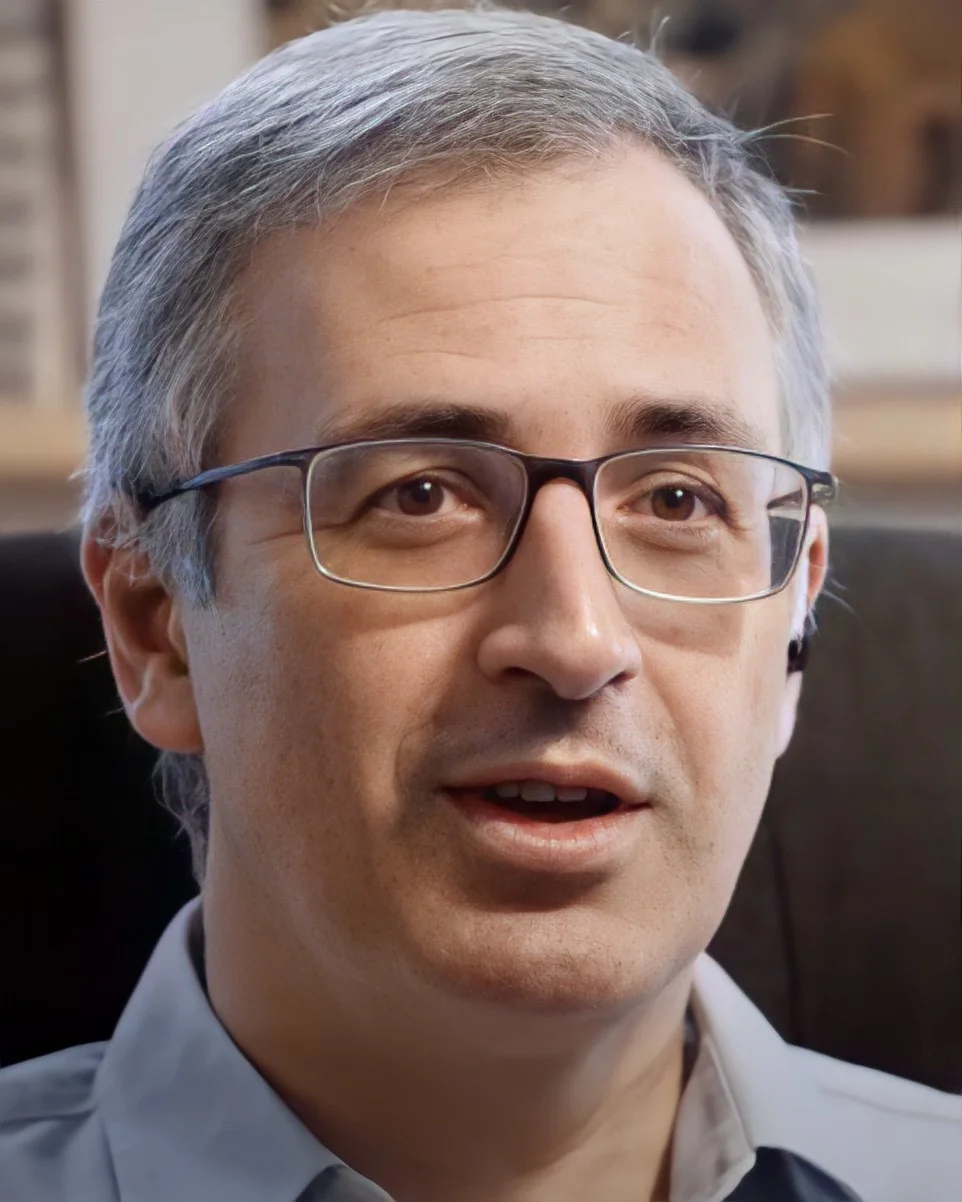
До войны тяжеловесы политической эмиграции были готовы инсценировать публичный поиск альтернативной экономической политики РФ. Самым ярким примером на моей памяти были выступления Сергея Гуриева. С началом войны потребность в понимании экономического и социального положения, как и в среднесрочном прогнозе российских социально-экономических перспектив, возросла. Единственное, что оставило толщу российского общества равнодушным, это война, несчастье, террор, которые РФ принесла в Украину. Мудрым волкам-воспитателям становится ясно, что им не по пути с сосредоточенными на себе, любимых, носителями футуристической идеологии «прекрасной России будущего».
Эта трещина становится все шире. С одной стороны трещины — всё еще лояльные государственники и обиженные на морализаторство граждане, остающиеся покорными подданными путинского режима. С другой стороны — безоговорочно ставшие на сторону Украины российские оппозиционеры. Только с ними готова говорить объединенная Европа.
И здесь возникает совершенно новая для всей российской оппозиции тема. Именно она объясняет, откуда берется нелепое и еще довоенное представление о необходимости объединения оппозиционных сил или хотя бы коммуникации между ними. Один из самых красноречивых агитаторов объединения — муниципальный депутат, ныне находящийся за пределами РФ под угрозой уголовного преследования со стороны путинского режима, талантливый журналист и видеоблогер Максим Кац.
На 15-м месяце войны становится все более очевидно, что вовсе не Путин является единственным или главным врагом «всех противников режима». Врагом остается мнение о ценности единства, тогда как спасительным для людей может стать как раз полноценное размежевание, политическое размежевание на левых и правых, интернационалистов и шовинистов, на тех, кто считает, что РФ — это цитадель «русского мира», и на тех нерусских, кто больше не видит себя состоящим в РФ, но пока не знает, как «выпилиться» из этого союза (самого большого остатка Союза ССР).
До тех пор пока само российское общество не расколется на разноразмерные, но равноправные фракции, модель принудительного единства сил будет воспроизводиться однопартийным режимом со всё более высоким уровнем насилия. Наука размежевания, наука расставания с настоящими политическими противниками — это, может быть, единственное оставшееся противоядие от мафиозного скрепного террора в РФ.
The editors may not share the author’s opinion.