
Translated material
Children's literature of resistance
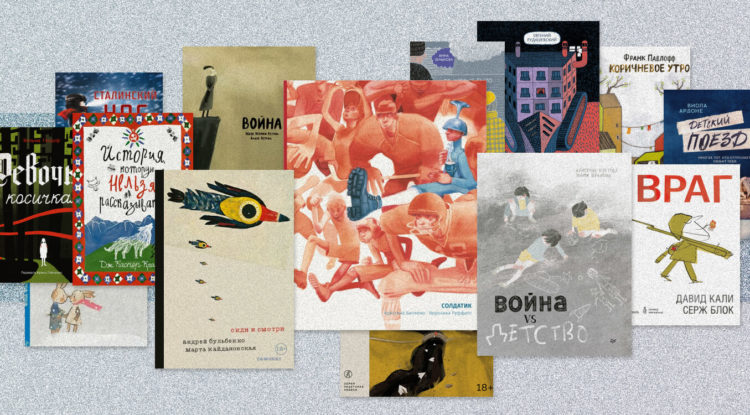
In Russia, children's books are published one after another, which speak of war, violence and totalitarianism. Natalia is an eveeable explains that this is not a coincidence
In the context of actual military censorship in Russia, people working in the humanitarian sphere find new ways of resistance and dissemination of information. In 2022 and 2023, children's books are published one after another, which speak of war, violence and totalitarianism. This seems to be a continuation of the rich Soviet tradition: from Chukovsky, whose poems for the smallest were filled with allusions for wars and revolution, ending with Assumption, who ridiculed the late -Soviet bureaucratic reality in stories for schoolchildren. The journalist Natalya is a wiseless at the request of the "cold" studied anti -war children's regiments and talked with publishers.
In order not to miss the main materials of the "cold", subscribe to our Instagram and telegram .
Children's literature against indocation
On March 5, on the day of Stalin’s death, the Pink Giraffe Publishing House announced the re -release of the Stalinist nose of Evgeny Yelchin. Her main character Sasha Zaychik is the son of Encavedeshnik and a favorite of teachers, but once his face is covered with ink in a cool photograph: his father was accused of betrayal of the party and taken into the basements of Lubyanka.
10 years ago, the Stalinist nose became the first children's book about repressions in Russian and caused a lot of disputes. Today, when “talks about the important” are being conducted in schools, teachers and students bring to each other, and the state revives the pioneer organization, the plot of the “Stalin’s nose” was frighteningly updated.
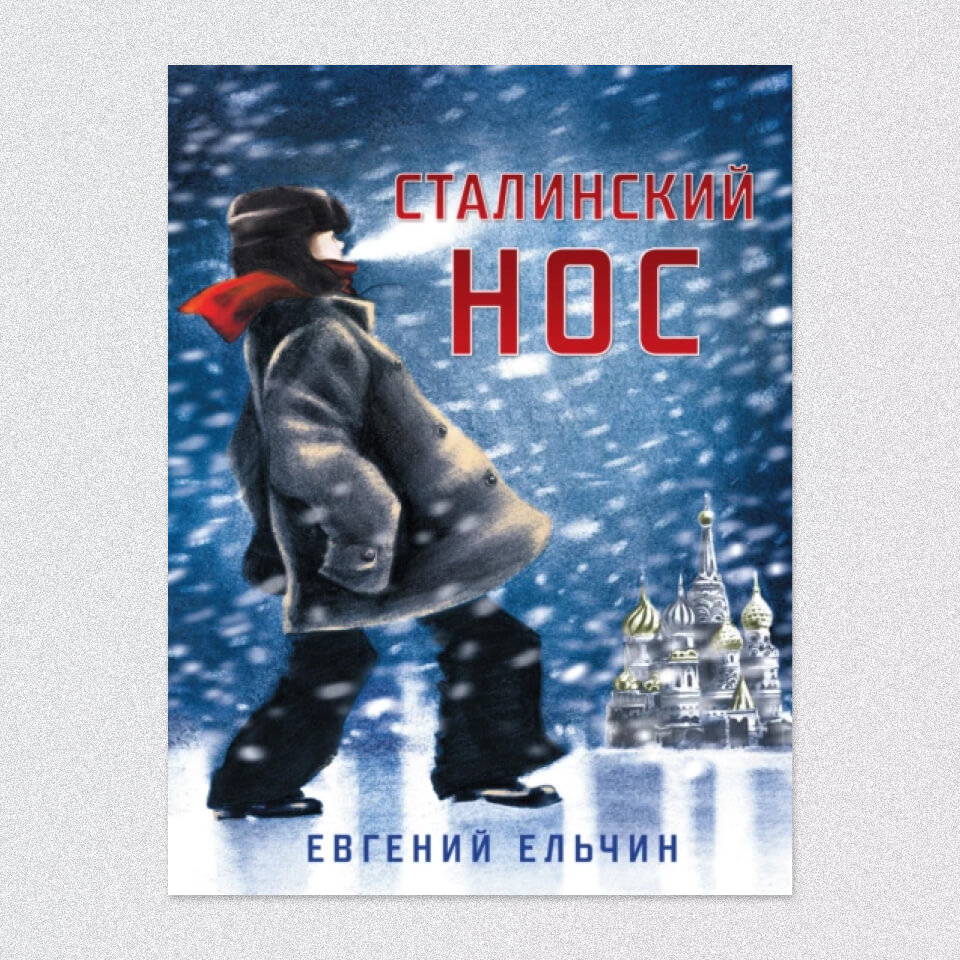
“Our common past, phantasmagorically condensed, but therefore no less recognizable, stands in this book along with all its disappeared and still inexhaustible features,” the publishing house writes in his social networks, without hiding the reasons for reprinting. - In 2013, we believed that the “Stalinist nose” is an important book that could be the beginning of a long and difficult, but necessary conversation. For 10 years, much in our life has changed, but we still consider this story important. Today-perhaps even more important than ever. "
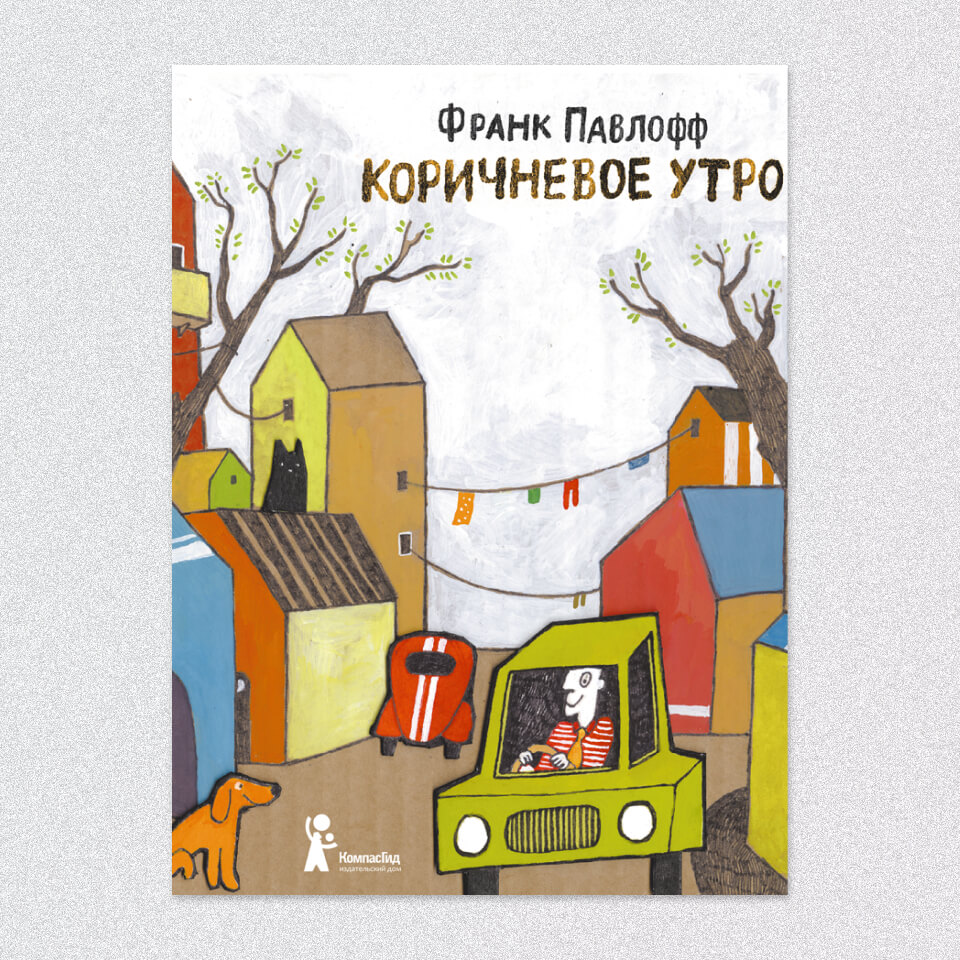
A little earlier, in the fall of 2022, another legendary book was reprinted - Frank Pavloff's brown morning . The metaphorical story of how brown replaces the rest of the colors: at first all the inhabitants of a certain city are forced to get rid of insufficient brown animals, then wear brown, in the end - think only brown thoughts. The short story was first published in 1998 in France as a reaction to the growth of the popularity of the ultra -right. It condemns the non -resistance of the nascent dictatorship: the heroes of history dutifully accept the conditions of power, considering their concessions insignificant until it becomes too late. A modest cheap edition became a hit and a kind of counter -propaganda brochure - buyers took several pieces at once to give all friends and spread anti -fascist ideas.
In the Russian version, “Brown Morning” serves the same goals, but, being designed as a picture book, turns to more young readers. Funny illustrations with cats inventively soften the story and make it accessible to children.
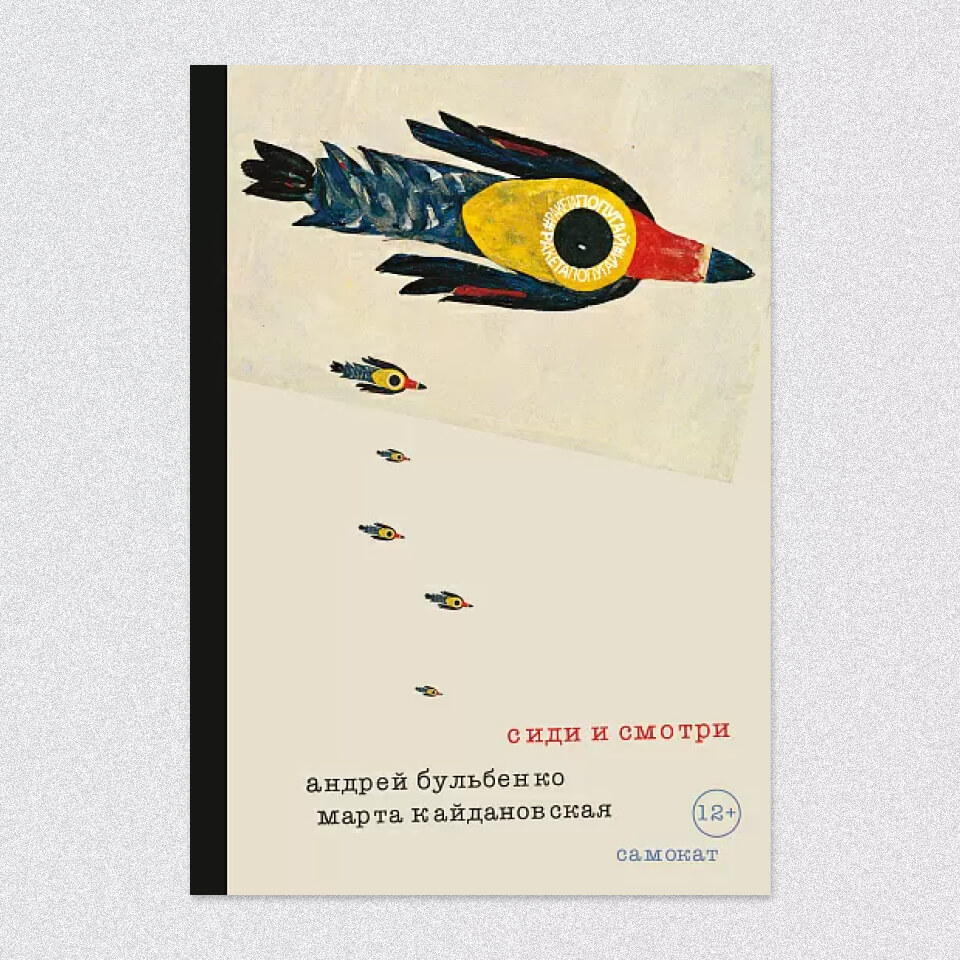
The so -called book resistance is expressed not only in reprints, but also in new products. The story “ Sidy and look ” , published in the fall of 2022, was, perhaps, the fastest and most accurate reaction to the events taking place and, in my opinion, deserves the title of “Book of the Year”. The story is told on behalf of the schoolgirl Marta, who is waiting for the end of the prolonged “February” - together with her family she runs from the bombing and stuck in a certain enchanted space.
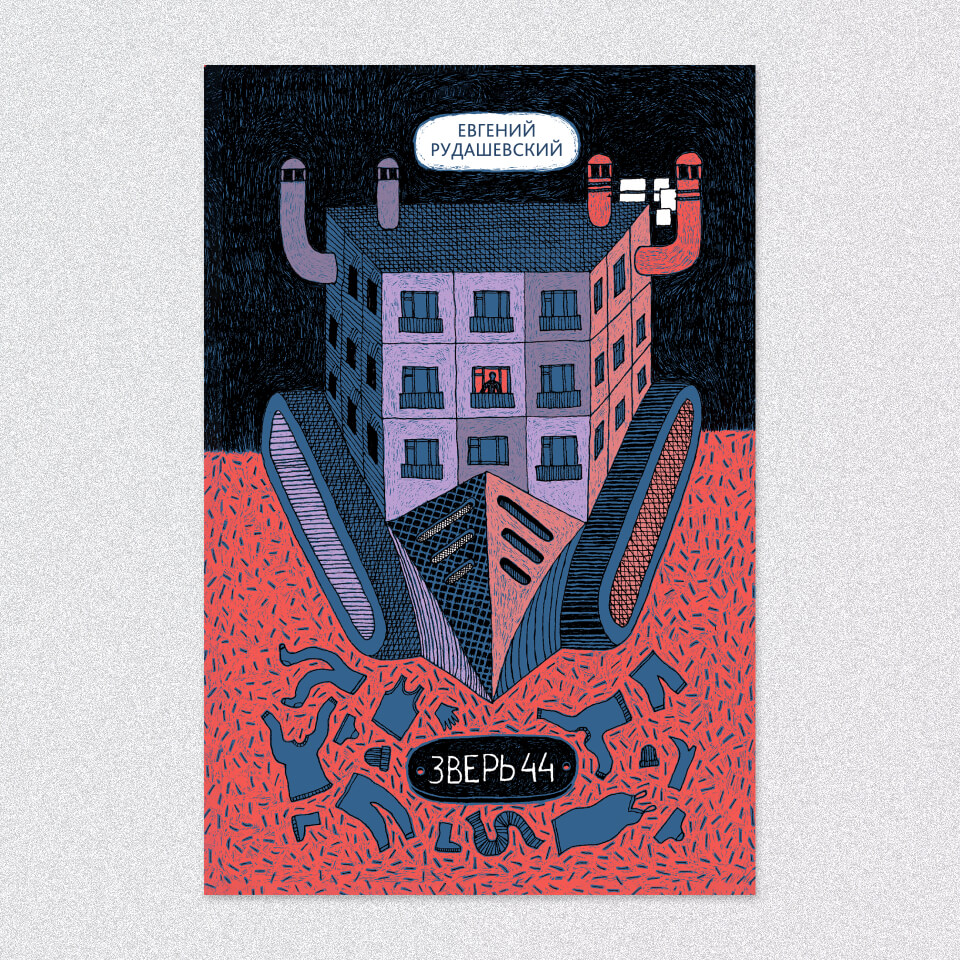
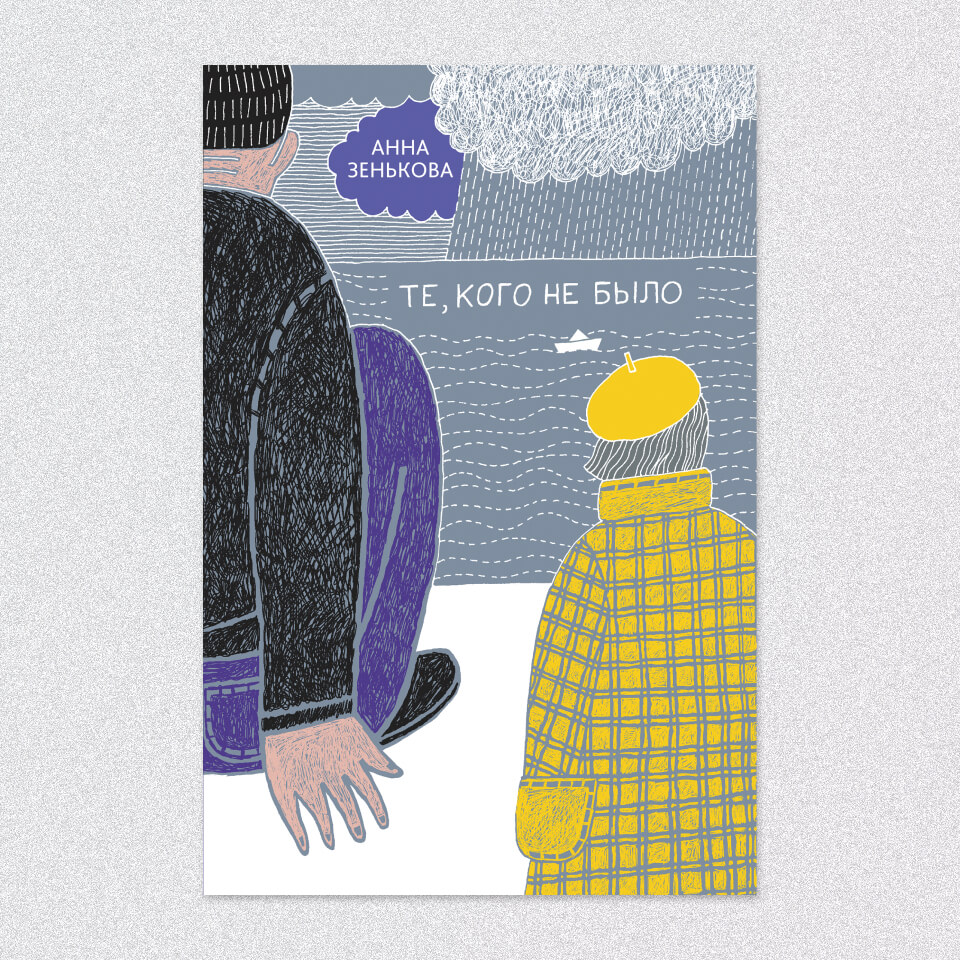
In 2023, there were even more children's and teenage books responding to the agenda. For example, an anti -utopia published in a continuous “meat grinder” of the world - “Beast 44” Evgeny Rudashevsky who turned into a continuous “meat grinder”. The same Komapasgid released the story of an unusual island, which the soldiers who came from nowhere are captured - “those who were not” by Anna Zenkova.
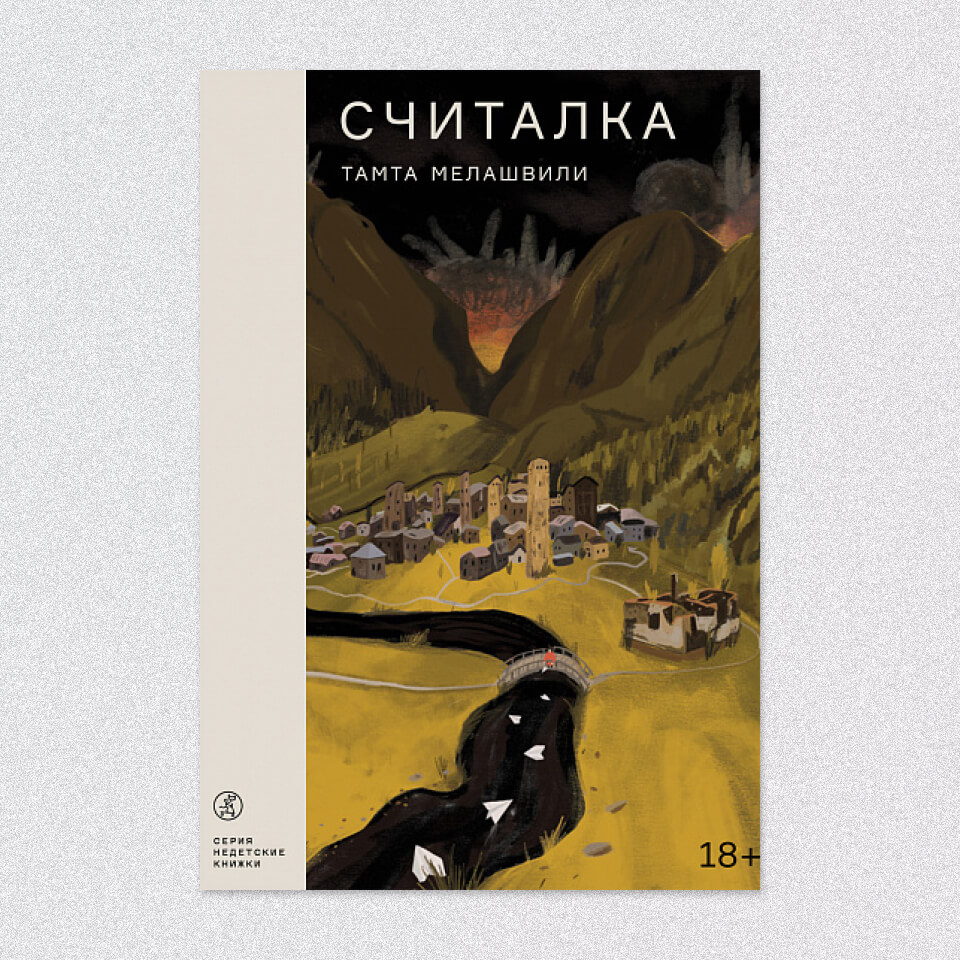
In offline and online stores of independent children's publishers in prominent places- a whole range of texts about different wars. Events that occurred in other eras and countries are perceived as something very important right now. For example, the newly reprinted Tamita Melashvili, a terrible monologue of the girl who turned out to be inside the Georgian-Abkhaz conflict, is read as a scream about the inadmissibility of any war.
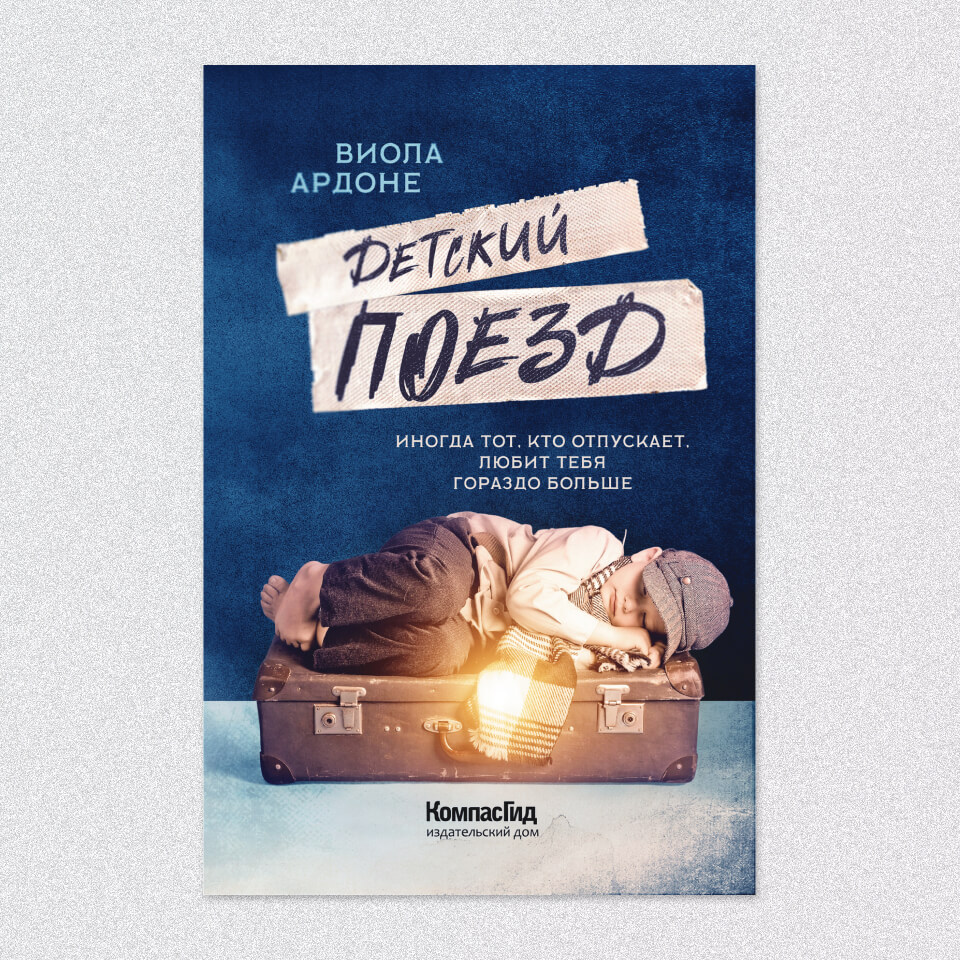
The Italian bestseller Viola Ardone "Children's Train" falls into such an urgent and painful topic as the movement of children. The book talks about the program “temporary families”, invented so that small residents of the poor regions of the country can avoid post -war hunger. They were saved from hunger, but the injury due to parting with relatives eventually turned out to be painfully more painful. The main character of the "children's train" was happy during the bombing, because only in the shelter his mother hugged him. And the real drama happened to him when it all ended and the seven -year -old boy alone moved to someone else's house to the other end of Italy.
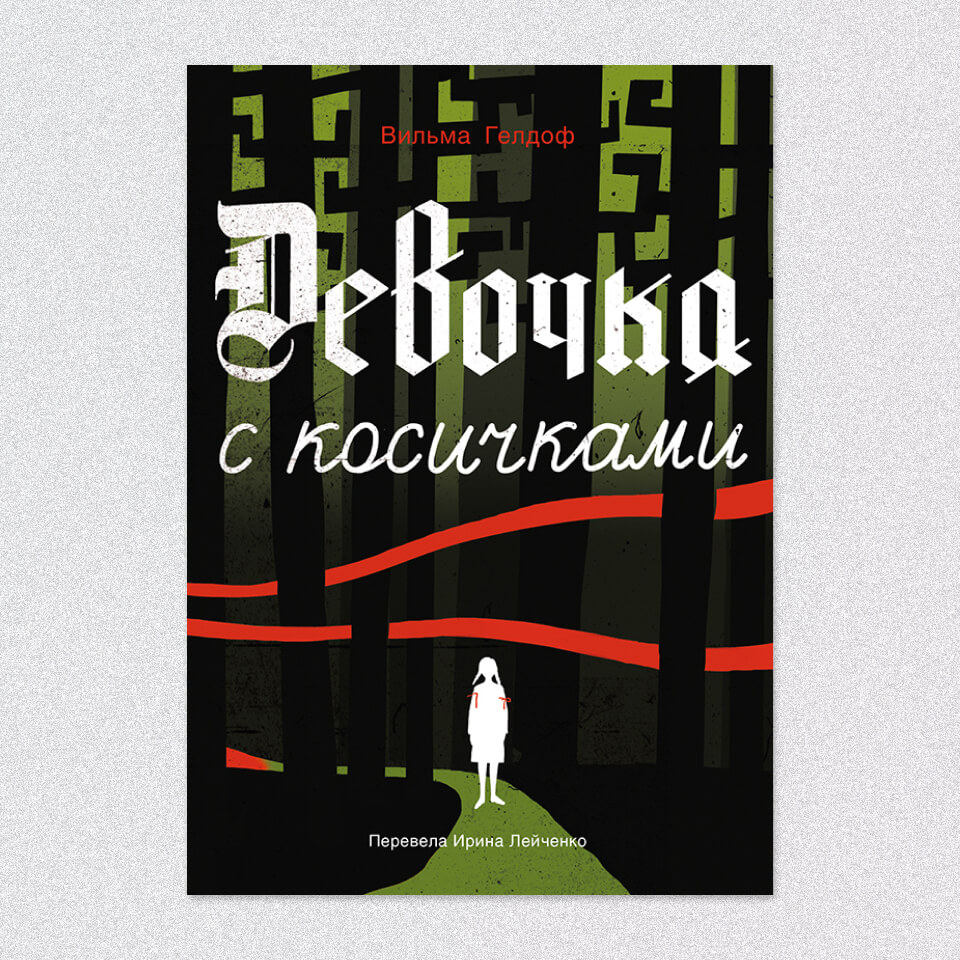
The “girl with pigtails” translated novelty tells about the Dutch resistance, but there are many episodes that make you tremble from recognition: the girls who are harassed by the soldiers; executions of civilians; Shop of shops, covered with carrots from top to bottom and hinting at the flag of the Dutch monarchy, which has become a symbol of the struggle with the invaders.
Out of confrontation, the official narrative was not left and non-fiction. In different publishers , teenage guides in democracy , freedom of assembly , and fake news are published. All of them could be simply modern popular science books, but the context turns their release into a political gesture.
Why is a children's book of bolder a bolder adult?
The point is not only the possibility of metaphors. First of all, children's books are quickly translated, write, edit, print - they have fewer text and fewer pages. “In small children's publishers there are people who are imprisoned for a quick answer,” says Anna Chefranova, the creator of the Morse Book Illustration Festival. - Such publishers are not engaged in heavy literature for centuries - they are doing what children who will grow up tomorrow and will be different right now. It’s easier for them to adapt and react to the situation. ” However, Aesopov language, of course,, as in the time of Chukovsky, remains an important factor in the possibility of resistance. “If we are talking about some abstract soldier, everyone immediately understands what it is about. This will not work in an adult, there is much more dangers, ”explains Chefranova.
There is another reason, no less important. In the 2010s, independent children's publishers experienced heydays and became, perhaps, the most advanced branch of the book case in general. They filled the lacunae formed in the post -Soviet book space and created a new reading format. In Russia, preschool and teenage books were massively translated, which became prize -winners of the most famous European competitions. Publishers formed the environment for the emergence of domestic authors working with complex topics, insisted on an open and respectful way of communicating with a child. In 2022, the regulars of their shops began to come for books that would help to talk about war and violence even with the smallest. And the scribes at this point have accumulated enough experience, resources and the contents of publishing portfolios to act.
Antimilitarian books category "0+"
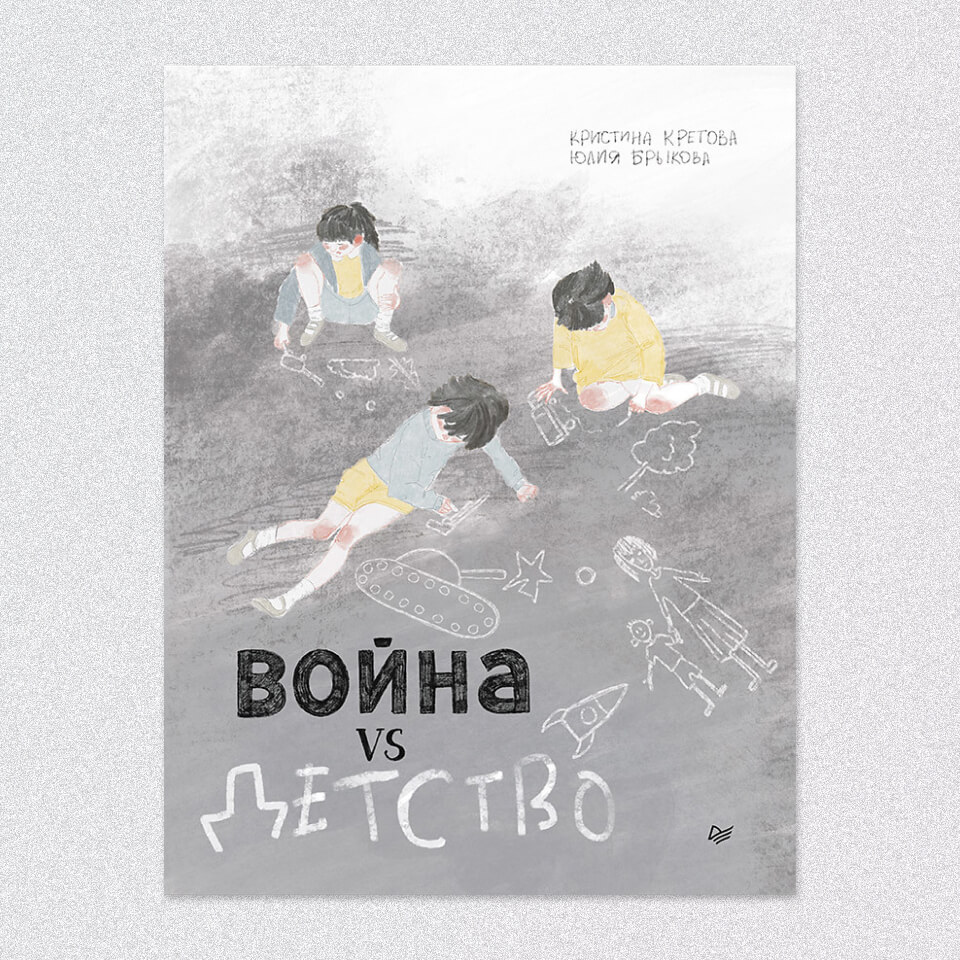
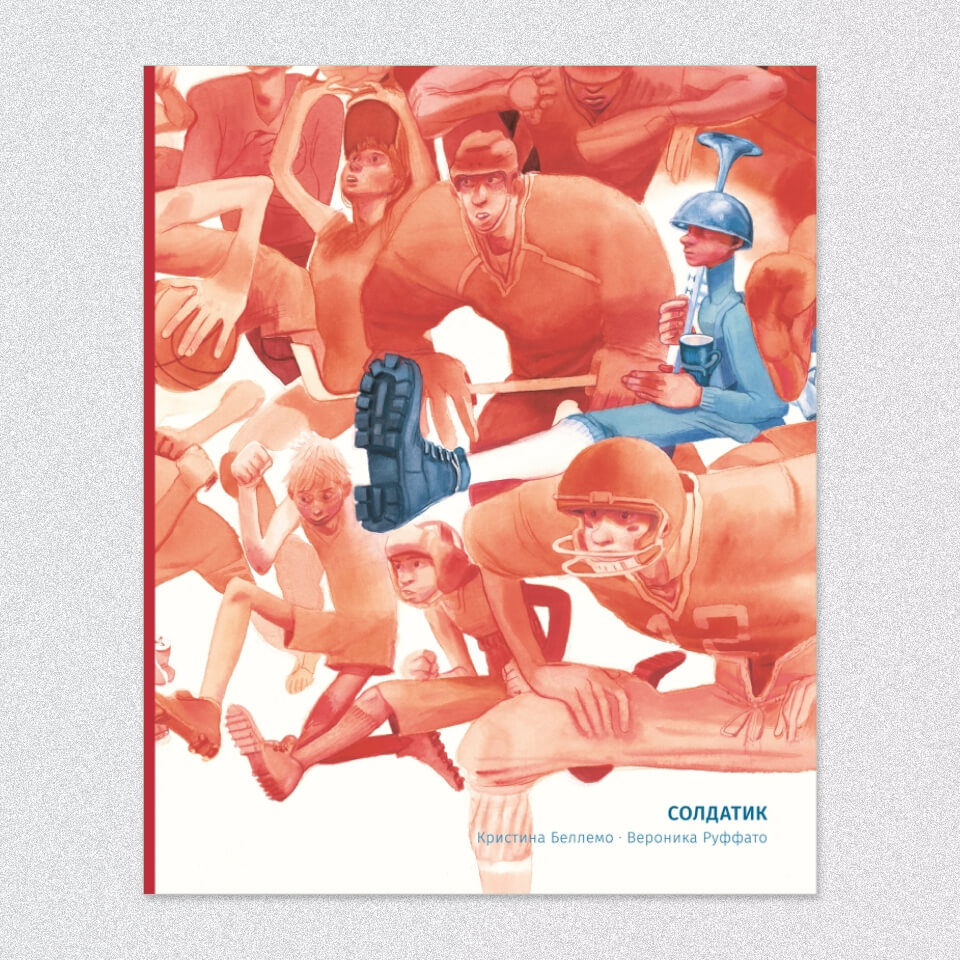
Another form of pacifist statement is bold collections. “Talking calculations” came into fashion - books placed on a window or stand in such a way that the totality of their names, topics, or even flowers create a political hint. In adult departments, it is customary to express a civil position with the help of Orwell , in the children's, it is the books-pictures: they have spectacular covers and exhaustive names: “War VS childhood ” , “Soldier” and so on.
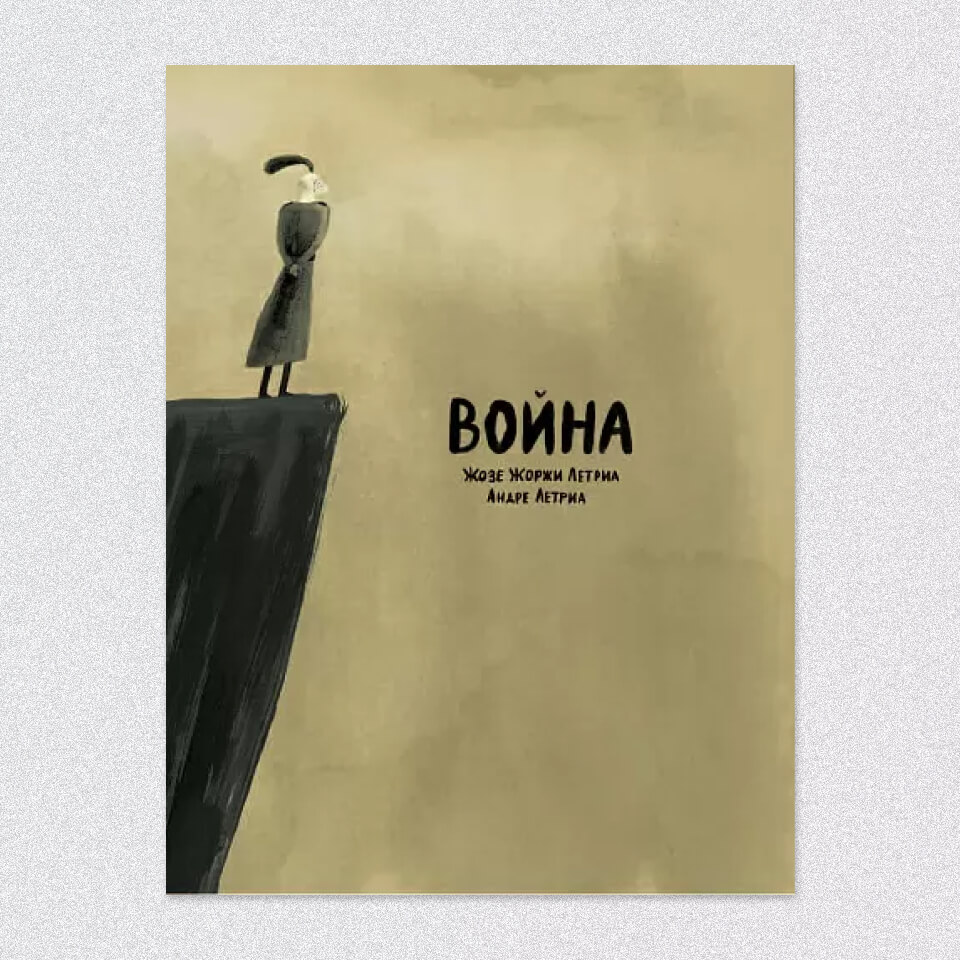
In the "club" bookstore of one of the large Russian cities, for example, a sign appeared on the lower rack in the children's department: "An uncomfortable regiment of unwanted books." Everything that traditionally causes irritation among conservative parents is exhibited here: books about the body, death, politics. A cover for the buyer is turned the sad artbook “War” and a novel about Chausko’s mode “History that cannot be told” .
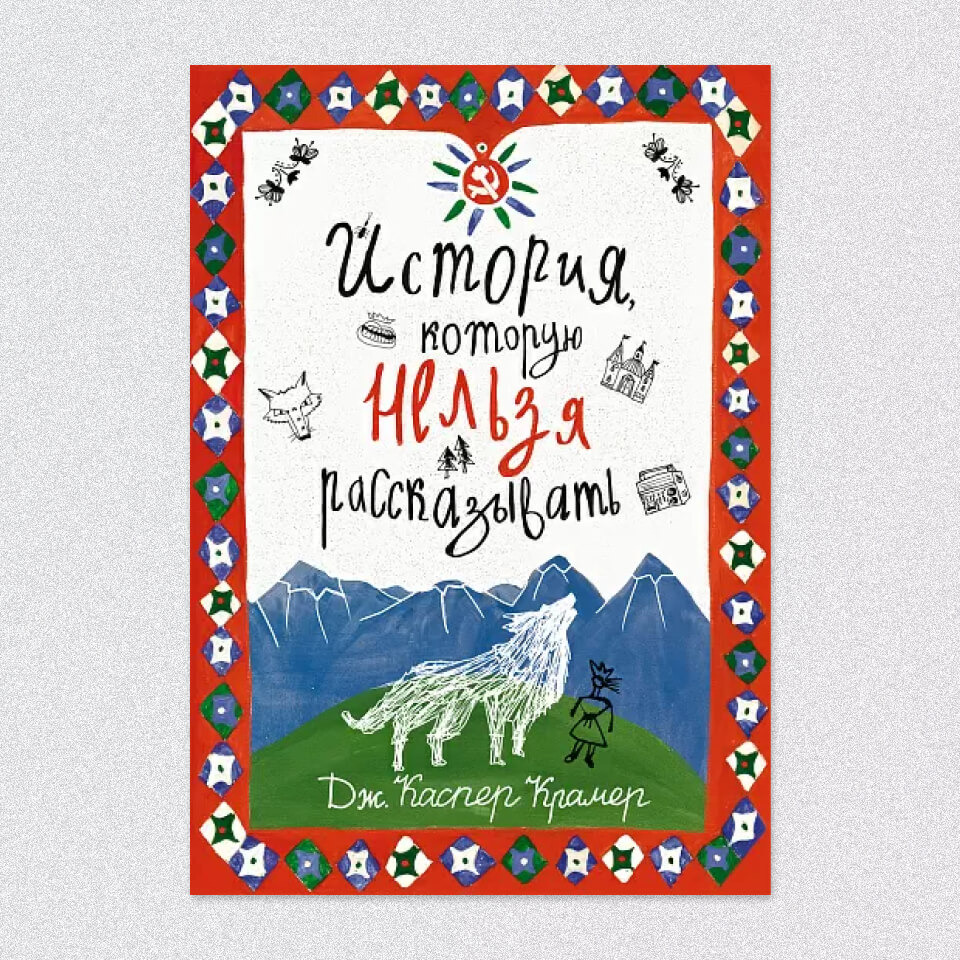
“Someone comes for these books specifically, but I can’t say that in general they are particularly popular,” says the creator of the shelves. - In the last year, on the contrary, the demand for all modern children's writers has decreased, people prefer to grab onto the proven classics. So I joyfully ordered Krapivin (Krapivin is a canon!) And I’m going to shut it with a fantasy to shove it with Rudashevsky and the company. They are very adjacent, these are texts of the same order - such literature for thinking teenagers. Seeing familiar names, a person perceives unfamiliar books standing nearby as something similar. This will give an increase in customer contacts with books that I want to promote. ”
How the language of description of war has changed
In the mainstream children's literature, war is still the largest taboo. It is believed that talking with children should, firstly, only about the Great Patriotic War, and secondly, exclusively in a certain heroic-patriotic manner.
In 2022, Anna Chefranova defended the master's dissertation "Representation of the war in Russian children's illustrated books of the 2010s." She divides these books into three parts. The first is the reprints of the Soviet classics. The second, and the largest, are the same old familiar texts, but in the interpretations of contemporary artists. If in Soviet illustrations a terrible enemy is shown abstractly and often without a face, today he is drawn in more detail and humanized. But there and there, as a rule, we are talking about confrontation with a terrible killer who cannot be understood and must be destroyed.
“In May last year, I held a children's master class,” says Chefranova. -I invited the children to portray any plot: someone painted Kolobok, someone-unicorns, someone-robots, someone-“minecraft”, and one boy-fascists and tanks. In general, I often deal with children, and it is difficult to surprise me or scare me with something, but with which anger he explained how to kill the enemies, I would never forget. And he reproduced a very definite visual style: he painted tanks with stars, depicting a war, which ended almost 80 years ago. "
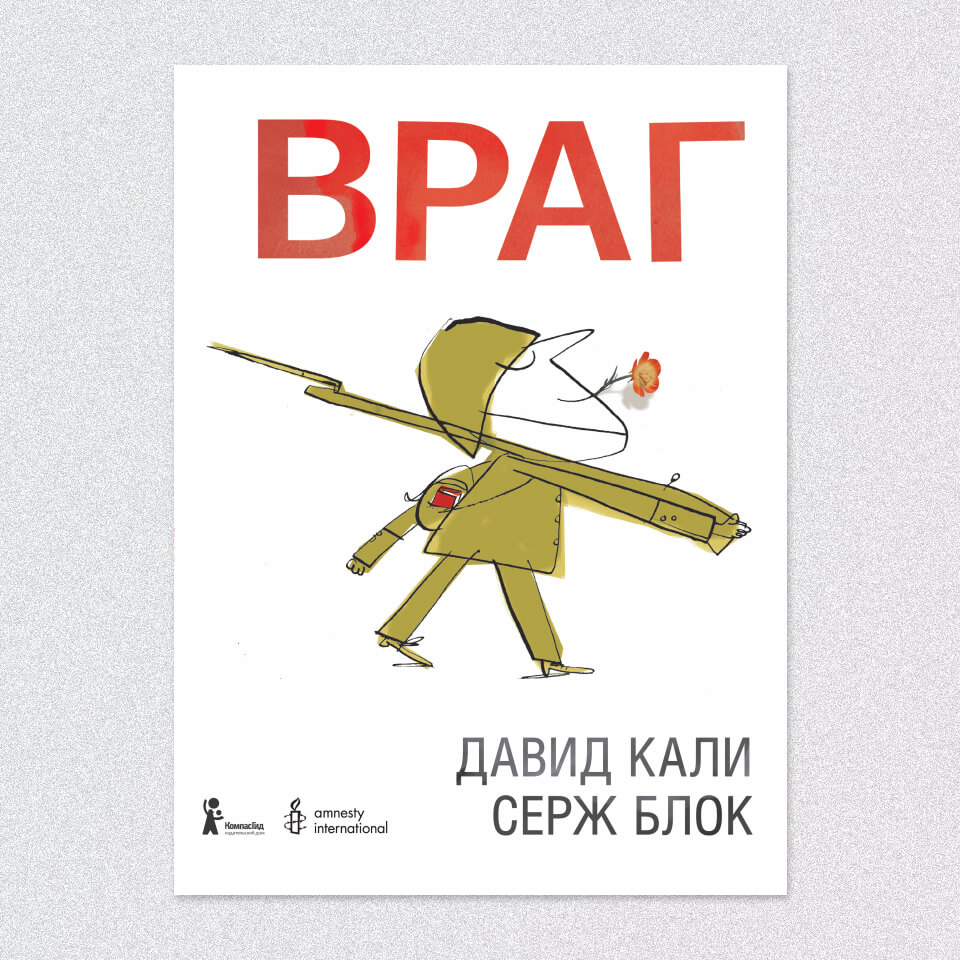
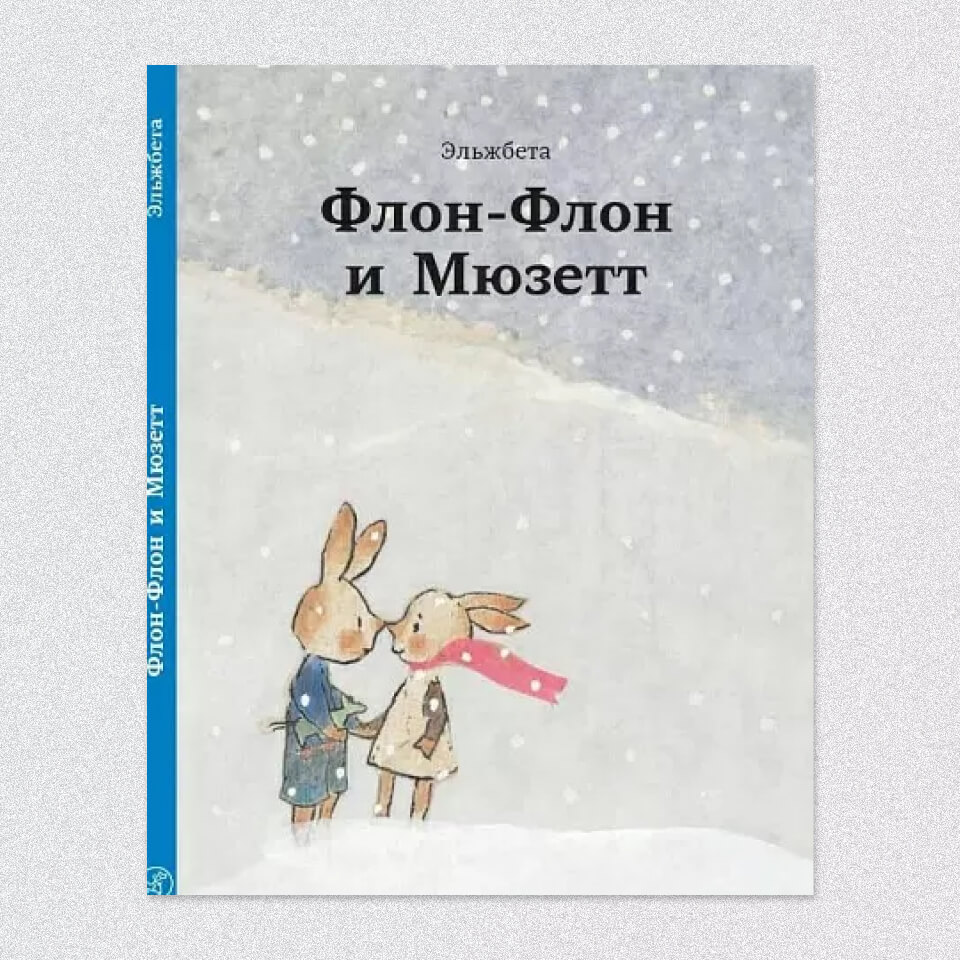
The third category of books in the classification of Anna - those in which the concept of the enemy is subjected to deconstruction. For example, in the final of the book “The Enemy” it turns out that the soldiers from opposite trenches are exactly the same, stupefied by power people. In history, for the smallest “ Flon Flon and Musette ” , the enemy is the war itself. And in the only such work created by the Russian artist, "why?" Nicholas Popov, there are no enemies at all: mice and frogs simply destroyed each other's happy life, without realizing what happened. “Such books ask questions - why in general people are fighting each other, who actually unleashes war,” says Chefranova. -Adults often take these books for themselves, all my friends bought them and give each other to each other, as some time ago we gave “Sakharov” ( “Andrei Sakharov. A man who was not afraid” ) is a simple way to express his opinion. ”
Is it scary to publishers?
When I asked publishers if the printing of anti -war texts was a form of protest, they answered evasively. Some said that “so simply coincided”, others said that in March 2022 they decided to close the business, but then changed their minds and decided to act as long as possible.
“Nothing has changed in the publisher’s policy,” Irina Balakhonova, director of Samokat, explained to me. - We go to where it hurts, because it needs to be treated there is our position. There is an event that excites everyone, we live in these circumstances, and we write about them. We lived in other circumstances of our history and published books about them. Is it scary to us? Of course, scary. But this is such a fear when you, as a professional, are still going and doing your work as a fireman ... War is ruin, loss, emptiness, silence and death, as shown in the book “War of Taria”; This is not by me and not the authors invented truth, known to humanity for a long time. "