
Translated material
Iranian "Holy Spider"
A very terrible film about a maniac based on real events
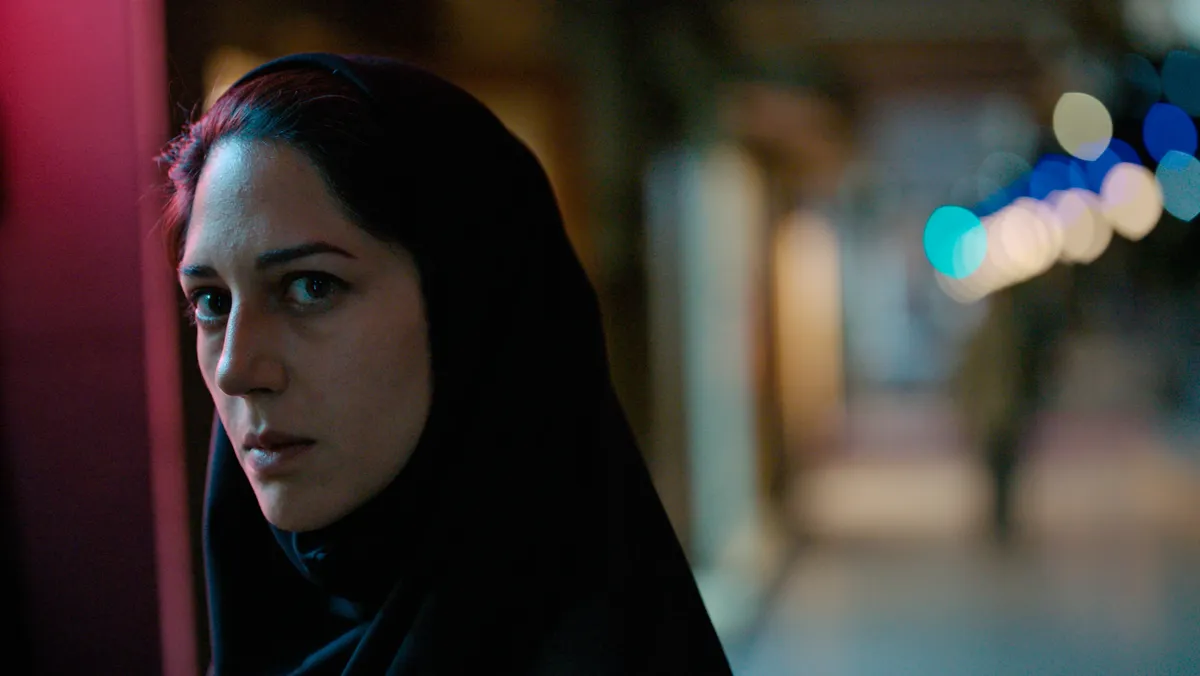
Frame from the film "Killer" Holy Spider "
The Iranian Noir “The Sacred Spider Killer” Ali Abbasi, the Thriller's chill, about the serial killer in Mashhad, who hunted street sex workers and killed them at home. The film critic Alice Taiga tells how the real history of past murders resonates with current events in Iran and why the “killer ...” is so different from other Iranian films familiar to the audience.
“I don't want to sound tough, but I will say it straight. Modern directors who shoot in Iran are involved in showing Iran what the Iranian regime wants to show him. They are involved in the show of women without bodies, ” says Ali Abbasi. Many years ago, he emigrated from Iran to Europe to make cinema unnoticed. And he chose his new thriller about the serial killer of the zero to shoot in Jordan, and not in Iran, so as not to show "women without bodies wrapped in ten meters of fabric."
His words acquire a completely different meaning after the Iranian fall of 2022. When the “Holy Spider” was conceived, Iran was not yet covered by many thousands of protests in support of Mahsa Amini, a young girl, who was tortured to the death of the Iranian police by the Iranian police after being detained for “improper wearing a hijab”. In the current circumstances, abbasi's refusal to shoot in Iran and according to the Iranian rules looks a strong political gesture.
In the author’s homeland, the film was expected to be a ban on the film, and a collective Internet trave was launched against the leading role.
The serial maniac, which is discussed in Nuar Abbasi (the director insists on such a genre characteristic), killed 16 women on the streets of Meshhad in 2001. At that time, Abbasi studied at the university in Tehran: the murders were actively discussed in the national press, but the police did not make any attempts to find a criminal. As a result, the killer attacked the trail simply because he talked about his crimes to literally all his acquaintances, sincerely considering himself a fighter with street mud and sin. Abbasi recalls that even then he came to mind the idea of a perverted version of the Mashhad Travis Bikel, the cult hero of the “taxi driver” of Scorsese, is also a veteran of military operations with a supervision to cleanse dirty streets of badges.
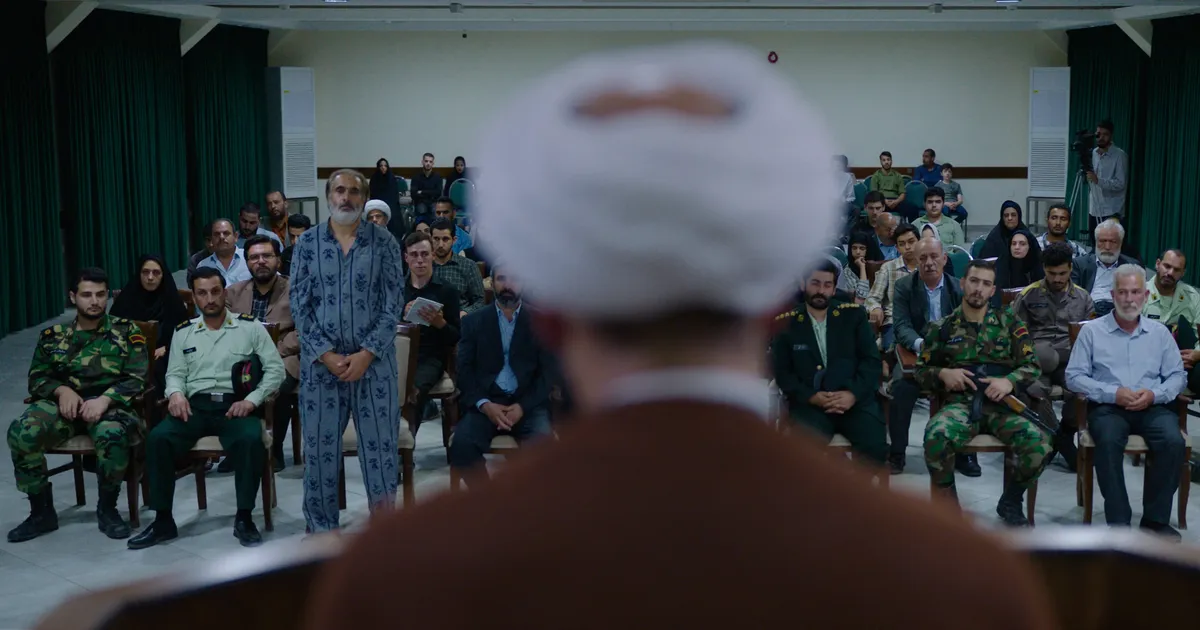
Despite the fact that the Mashkhad maniac was still executed, a movement for its justification appeared in society. Abbasi recalls that the maniac used court hearings as “press conferences”, boasting of murders as exploits, and local media and traditionalists picked up this intonation. So the story of the killer turned in the film in the story of a society around the killer. What do people think who consider the “obscene behavior” of sex workers about a licher sin than an attempt on someone else's life? Abbasi’s film accurates the hypocrisy, gender discrimination, inaction and at the same time the endless power of the security forces, patriarchal attitudes, aggravated by fundamentalism.
For this, Ali Abbasi introduces a heroine into the narrative, which was not in the real story-a journalist-investigator Rakhimi, who decided to become a live bait for a maniac. Rakhimi systematically encounters ridicule, threats and depreciation of his work from local police officers, but it is her life experience and social intuition that help her find a serial killer among hundreds of lonely men walking along the streets of Mashhada.
Initially, there was no journalist in the script. Ali Abbasi met with the leading actor of the main role of Zarmir-Ebrachimi on the set, where she worked as a casting director. Once upon a time, Zar was a famous Iranian TV star, but after a scandal with the publication of her intimate video, she was forced to leave Iran to France and even changed her profession. Conversations with her prompted Ali Abbasi to remove the story of the “holy spider” using her experience in public persecution and threats.
Her personal history of public shame and forced departure began for Abbasi the reason to pay more attention to the victims of violence, local corruption and public support for the killer.
Abbasi explains the domesticity of societies where they encourage family values, but do not respect women's rights, as follows: “In Iran you can watch many films from America and Europe: about relationships, romance and sex. In general, you can see everything. That which they are not used to in Iran is to see someone similar to themselves, kissing and having sex and speaking their own language. What will remind them of their own life, what will be a mirror of their reality. ” So, according to the director, the gap between “can be there” and “cannot be there” is formed, from which the customs of the customs stem and the ban on the image of the body on the screen, and the public punishment of the actors for “obscene behavior”.
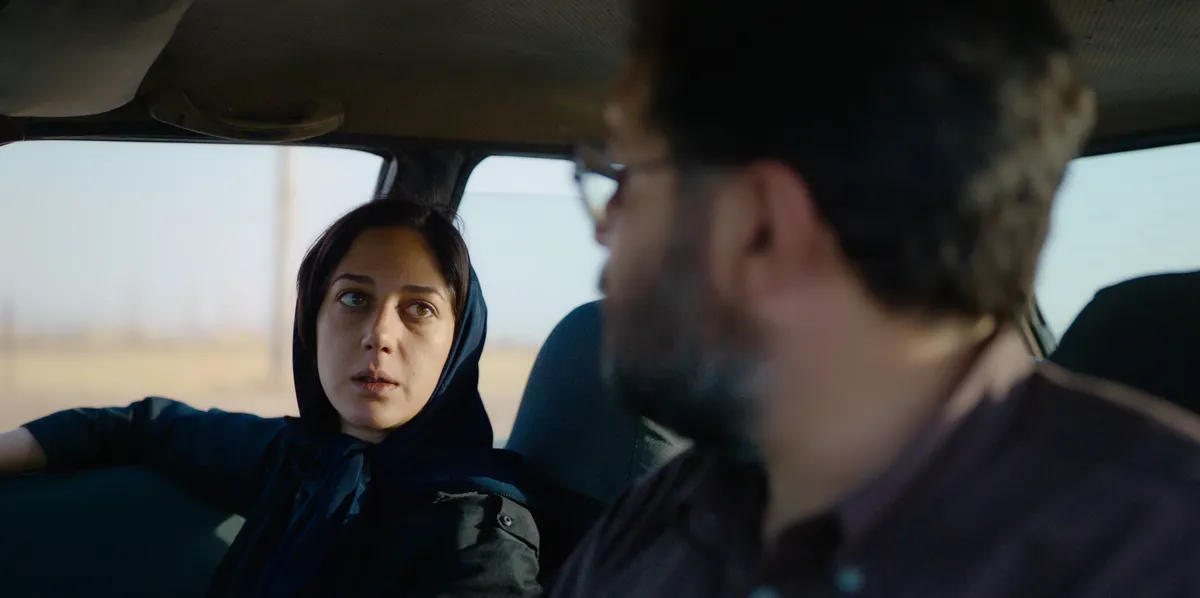
Moving from the dark streets to the police station, from the killer’s house to the courtyard of his neighbors, the camera of the constant operator Abbasi Nadim Karlsen (he shot previous films of the director - “Shelley” and “Border”) records the difference between public and private space and the corresponding codes of social behavior. All the worst happens behind closed doors. The street should be a place for respectable people. Those who do not fit into a given order-homeless, sex workers, beggars are not worthy of being part of society. And therefore, no one is in a hurry to stop the “cleaner” of the “holy spider”.
Despite the scenes of cruelty - awkward, realistic, detailed, electrically charged - “The killer“ Holy Spider ”” does not create the impression of a cruel film. Rather, thoughtful, stressful, accurate in detail and ruthless in relation to the indifferent majority of “moral defenders”. Without them, there would be no “sacred spider”. Without them, he would not be called "saints."