
Translated material
Nicotine cloud
In Russia, they want to limit wags. Biologist Irina Yakutenko sorted out whether they are really so harmful
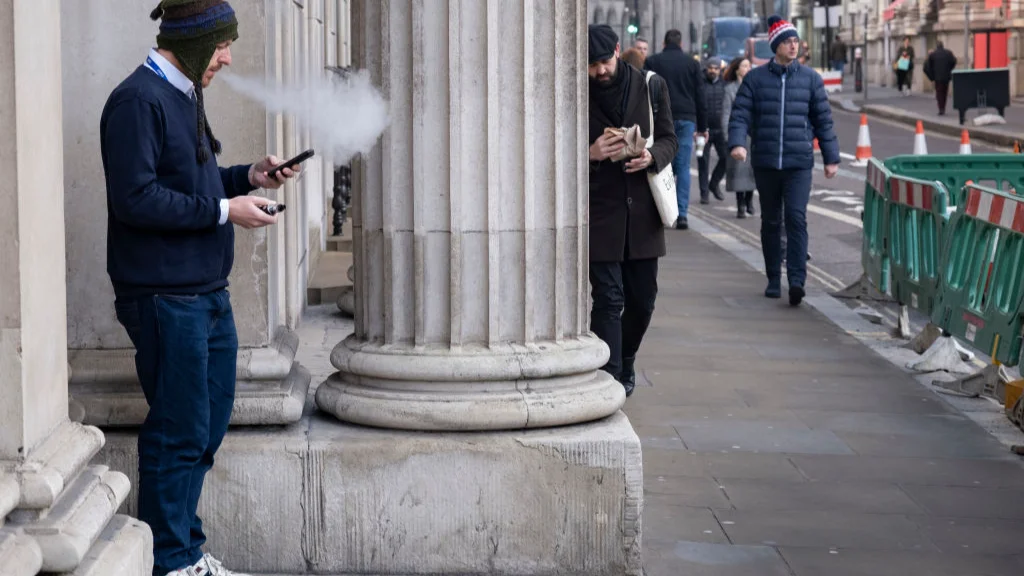
Photo: Mike Kemp/In Pictures Via Getty Images
In April, the State Duma adopted a bill prohibiting the sale of wipes and consumables for minors. The document also involves restricting the advertising of electronic cigarettes. Parliamentarians plan to prepare in the Criminal and Administrative Code of amendments that determine sanctions for violation of the new law. And periodically individual deputies speak out to completely ban them. Are wypes really so dangerous that their turnover should be adjusted at times harder than ordinary cigarettes? A scientific journalist and biologist Irina Yakutenko sorted out.
Explosive fashion
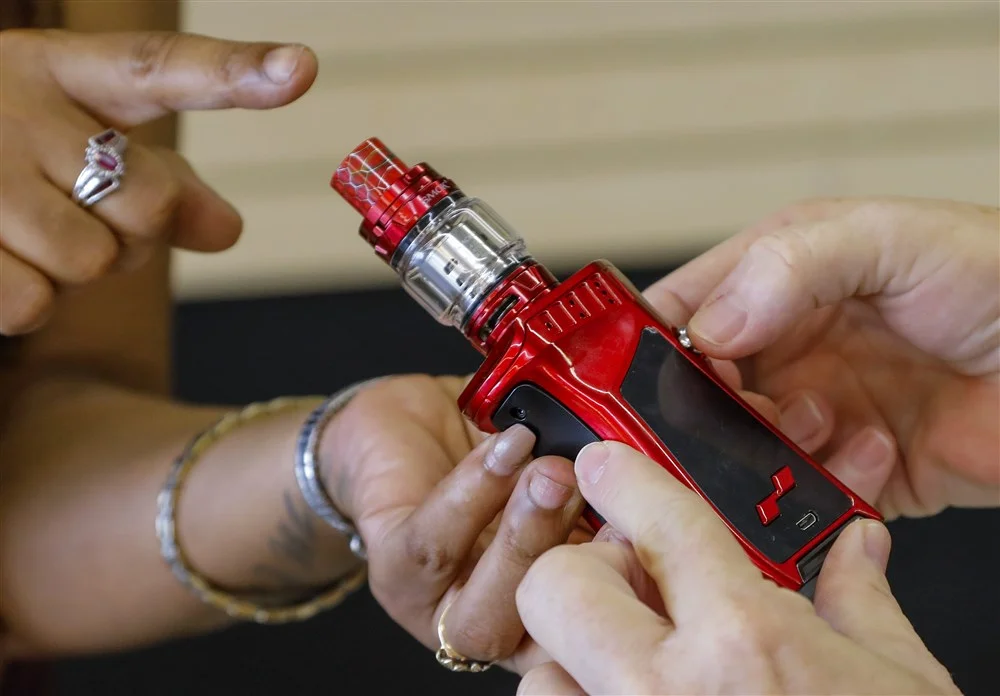
Electronic cigarettes, or wards, is an alternative to traditional ways to use nicotine. In vapes, the original substance is a liquid that heats up to high temperatures, turning into steam. And it is this pair that the person inhales. In the traditional method of smoking, tobacco leaves are burned.
The first commercially successful prototype of modern wages appeared in 2003, although the idea appeared in the sixties. The Chinese pharmacologist Hon Lick, who decided to tie up with cigarettes after his father died from the lung cancer caused by smoking lung cancer, instantly developed. The first waves created steam, "knocking" tiny droplets from the fluid pressure. At first, wards appeared on the Chinese market, but then very quickly spread in the USA and Europe. In 2007, the first electronic cigarette appeared in the UK, in which steam was created using a heating element. It was this option that has gained the greatest popularity and formed the basis of all subsequent modifications.
Although the face developed wards as a replacement for traditional cigarettes, as the technology develops, their tendicotine counterparts appeared. In addition, lovers of cannabinoids appreciated the new way to inhale various substances: they use hemp oil as a source of tetrahydrocannabinol. According to studies , the prevalence of this method of using marijuana derivatives increased from 6.1% in 2013 to 13.6% in 2020.
But ordinary wales are becoming more and more popular every year, and adolescents are the main consumers.
If in 2021 in the UK electronic cigarettes smoked 11% of all 18 years, then a year later there were 15%. Among adults, waips use only 8%.
The addiction of young people to electronic cigarettes is explained by several reasons. Firstly, starting from the first models invented by the face, flavorings were added to the fluid for wards, and today the range of possible tastes is calculated by hundreds: from fruit and menthol to coffee with cream, vanilla bourbon and ice cream. Advertising wards, manufacturers always emphasize how much more pleasant is the smoking process (advertisers and enthusiasts of vakees say “soaring”) compared to what cigarettes can give.
The second point is stylistic. Waping devices look fashionable, and a person in dense clubs of fragrant smoke is mysterious and adversely. In addition, you can soar where ordinary smoking is prohibited. Finally, waging does not leave behind a nasty tobacco smell.
The third point: manufacturers from the very beginning promoted wards as a safer alternative to cigarettes and a way to reduce the use of nicotine, or even abandon it. And it is precisely about these two points that researchers and doctors have the most issues.
What is dangerous in vakes
The statement of the safety of vayers is based on an obvious fact: since tobacco is not burned in electronic cigarettes, a person does not inhale resins and carbon monoxide - two main components in addition to nicotine, which harm the health of smokers. But when heating liquids for electronic cigarettes-they are called e-jidds- more than 7,000 different components are formed, some of them are toxic. However, it is impossible to say exactly how much and what substances are formed during waping: although e-liquid is 80-95% of glycerol or propylene glycol, the remaining interest can vary very noticeably. When scientists investigated couples obtained from the four mixtures of the “Best Electronic Cigarettes of 2014” list, they found dozens of substances that were not in the description of the chemical composition of liquids provided by the manufacturer.
The most famous toxins discovered in the composition of wake vapors are formaldehyde, acetaldehyde, acrolein, diacyl. They are carcinogens and can increase the risk of some other diseases.
Yes, and the pairs of glycerol and propylene glycol itself can cause respiratory tract irritation. But is the concentration of these substances and exposure time enough to make the poisonous effect noticeably manifested? Despite all the passions around the wipes, there is no unequivocal answer to this question today.
We know for sure that, for example, formaldehyde in a pair of electronic cigarettes is ten times less than in ordinary smoke, and acetaldehyde and acrolein are less than two or three orders. But can they be dangerous in such quantities? It is possible, but in order to find out, it is necessary to observe the vape lovers for many years, comparing the state of their health with the health of conventional smokers and non -smokers. And even in this case, we will not be sure which component caused this or that unfavorable outcome, since this requires individual studies with a much larger sample - only they will allow to “pull out” the influence of one component from many hundreds.
Harmful aromas
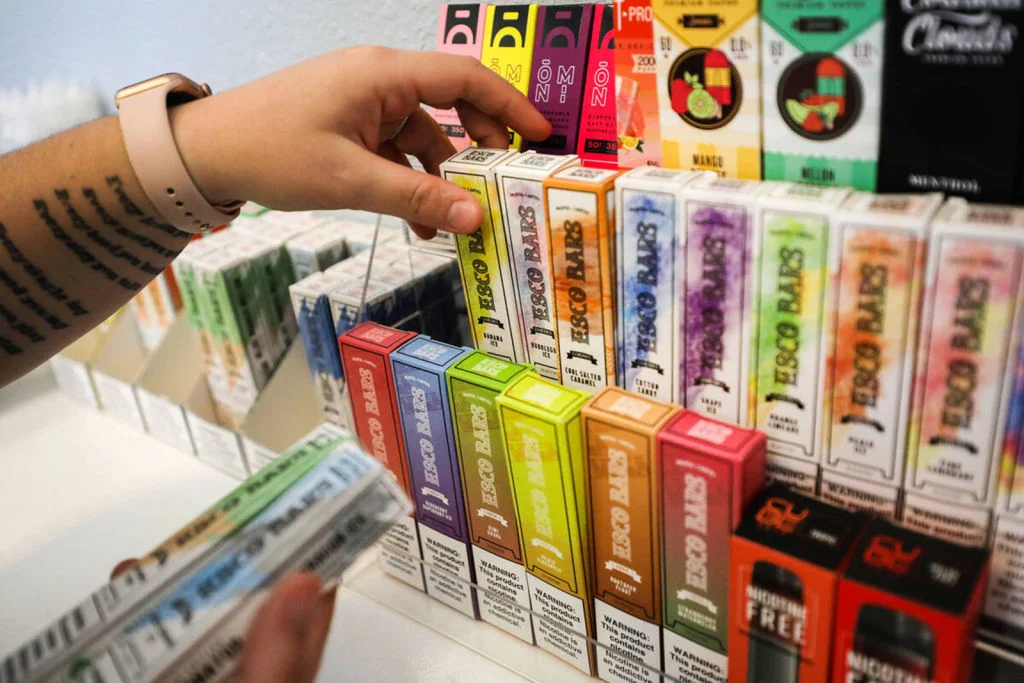
Perhaps in the future such studies will be carried out, but so far we mainly have data on the toxicity of various substances detected in the Weip pairs for cell cultures. And they show that the main danger is not the products of heating glycerol or propylene glycol, but the substances formed from flavorings. Moreover, different taste additives killed cells with different efficiency. The most toxic mixtures were Freedom Smoke Menthol Arctic , Global Smoke Caramel and Cinnamon Ceylon (the latter damaged all cell lines). Further studies have shown that the main damaging effect has precisely the components of the mixtures with the aroma of cinnamon (Cinnamon). In general, in 47 out of 52 studied aromatic liquids, compounds were found, known for the adverse effect on the respiratory system.
Calculations show that, for example, the amount of inhaled diacetile in a standard wip can be sufficient to cause a chronic lung lesion. Diacetile causes obliterating bronchiolite, also known as popcorn. The constant inhalation of toxin damages bronchioles - the smallest air tubes of the lungs, as a result they are covered with scars and cannot fulfill their function. For the first time, such a disease was diagnosed in workers in the production of popcorn, which constantly inhaled the diacles of diacetile: it is added to give popcorn an oily taste.
However, among vapers, the expounding bronchiolite was recorded only once. The 17-year-old Canadian young man was taken to a hospital with characteristic symptoms, he spent many days in intensive care on ECMO ( extraperational membrane oxygenation-a high-tech method of external supply of blood with oxygen in situations where the lungs of the patient almost do not work. - approx. Ed. ). After 47 days, the young man was discharged, but his lungs, apparently, will never be able to function in full force. Doctors and researchers consider intensive waeping a probable cause of lesion: the teenager constantly consumed flavored mixtures, usually adding tetrahydrocannabinol to them. However, there is no complete confidence in a causal relationship today, especially considering that this is the only case.
If we talk about more general data on the acute toxicity of vapies, then there are not many of them.
The most information is in the United States, where since 2019 there has been a noticeable increase in the number of pulmonary lesions in people who regularly practice wiping.
Over the year, 2506 similar cases were revealed in the country, among them several fatal ones. At least 80% of patients were added to the tetrahydrocannabinol firing liquid (perhaps there were more, but the use of this substance in the United States is illegal, so some of the patients could hide what exactly they used), so there is every reason to believe that this component is mainly associated with damage to the lungs. Also, under suspicion, there is another additive - vitamin E in acetylated form. It is used as a solvent, and it was found in all mixtures with cannabis.
Today, researchers cannot say exactly what kind of component of e-liquids caused the lesions of the lungs, at least because 20% of patients deny that they used wapers with tetrahydrocannabinol. However, there are a certain number of cases, that is, descriptions of certain cases of the negative effects of wiping, based on only nicotine-containing mixtures. Gradually, articles with a description of damaging systemic effects appear. For example, in one of these works, the authors showed that substances falling into the blood of vapers negatively affect the state of blood vessels, increasing the risks of cardiovascular diseases, and their effect differs from the effects of substances that enter the bloodstream when smoking cigarettes. But again, we will be able to evaluate when and to what extent these risks are realized into real problems.
The general consensus of the scientific community is still this: wiping, of course, has a negative effect on the body, but, apparently, less than conventional smoking, at least in the short term. More accurately we can appreciate the danger after many people who have been using wipes appear. Due to the lower standardization and a huge variety of mixtures, it is difficult to isolate the most dangerous varieties, with one exception-mixtures containing tetrahydrocannabinols and vitamin E. Also under suspicion are some flavorings, especially menthol and cinnamon.
Remember to quit smoking?
But if there is no complete clarity with the question of the influence of electronic cigarettes on health, how to relate to the alternatives of waging manufacturers that they are a safe alternative to smoking and even a way to abandon a detrimental habit? Obviously, at least with doubt. Firstly, after some time it may turn out that wiping harms the body and reliably increases the risks of various diseases. And secondly, the available data show that wards not only poorly help to abandon smoking, but, on the contrary, they accustom a huge number of teenagers to inhale something-including nicotine and cannabinoids.
As we have already mentioned, most of the consumers of wipes are young people, and many of them before they started to score before they did not smoke. Among all the weepers, 23% have never tried cigarettes, and 63% of people for whom Vaip became the first way to inhale something, turned out to be younger than 24 years old. In 2017, in the United States, electronic cigarettes became the most popular among teenagers to use nicotine. Over the next year, the number of senior schoolchildren using nicotine-containing mixtures for waging has grown from 11% to 21%-the most significant increase in the share of any substances of people in the entire history of observations.
It can be assumed that by hooking with vapies on nicotine, adolescents will eventually switch to ordinary cigarettes or at least begin to combine both methods. This hypothesis is confirmed by mixed data about people's attempts to be tied with smoking using vaypes. So, in one of the works, scientists observed almost 900 people who tried to quit smoking using either nicotine-prefixed therapy (nicotine-containing plasters, chewing rods, pastilles, inhalers, and so on), or electronic cigarettes. A year later, 9.9% of the participants completely abandoned cigarettes, in the second - 18%, that is, twice as much.
It seems that this is success, but there is one “but”: among those who quit smoking thanks to patching or pastilles, after a year only 9% continued to use these funds. In the group of vapers there were 80%of these.
In other words, these people did not stop using nicotine: they simply switched from cigarettes to waypes.
Given that the standard wages of the so -called fourth generation contains as much nicotine as in a pack of cigarettes, the success of such a switch is doubtful.
By the way, the creator of Vaipov Hon Lick, who planned to tie with a nicotine with the help of his invention, has not abandoned this habit and now uses both ordinary cigarettes and electronic ones.
The geography of vape
Given the conflicting data regarding the harm and benefits of electronic cigarettes, different countries are differently approached by their regulation. In the United States, in February 2020, they sharply limited the sale of wipes with all tastes except menthol and purely nicotine. Two years later, the sanitary supervision of the quality of food and medication (FDA) demanded that all Juul electronic cigarettes, one of the largest wapping manufacturers, would not provide evidence of evidence of the safety of the menthol and nicotine mixtures that remained in the market. However, the FDA efforts have not yet led to significant results: the studies showed that only 5% of the vapers abandoned this habit, the rest simply switched to ordinary cigarettes, disposable electronic cigarettes or waves of other brands and structures that can still be reached in the United States.
At least 35 countries have completely or partially banned the sale of electronic cigarettes. At the same time, for example, in the UK, vapies are not only permitted, but are also considered a good remedy that will help to abandon cigarettes. Moreover, the British NHS health regulator considers the opportunity to give out people who are trying to quit smoking, recipes for wipes. It is not surprising that in the absence of a single approach to the regulation of electronic cigarettes, their market grows every year. Experts predict that by 2030 it will reach $ 183 billion. For comparison, the tobacco market in 2022 amounted to $ 252 billion, and by the way, it is also growing.