
Translated material
Already pan from ears fell
Poland has become one of the main stimuli in the West for Russia, and Moscow is becoming more infuriated by Warsaw. Chronicle of the degradation of relations between the two countries that once tried to be friends
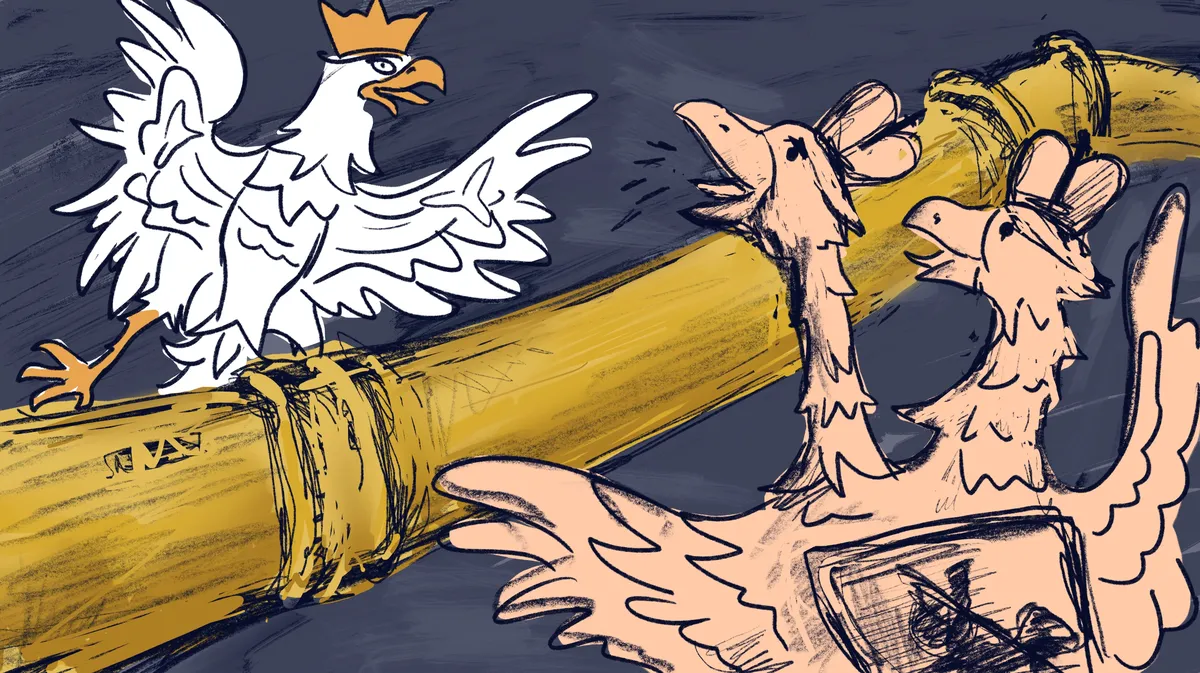
Illustration: Alisa Krasnikova, especially for Novaya Gazeta Europe
In 2002, young Russian President Vladimir Putin visited Poland and met with its President Alexander Kvasnevsky, to whom he transferred the declassified documents of the Second World War about the leader of the Polish government in the exile of Vladislav Sikorsky. This gesture was designed to emphasize that after long years of tense relations, the parties are configured to reconcile and partnership, including in interpretation of the most complex episodes of joint history.
By 2023, it seems that there was no trace of this installation. Of the recent conflicts in media, an episode is when the Russian ambassador in Poland was not allowed to lay flowers to the burial of Soviet soldiers on May 9. However, the whole spring, and before that, all year after the Russian invasion of Ukraine, Warsaw and Moscow exchanged mutual claims and took steps that only miraculously did not lead to a break in diplomatic relations. There is nowhere to wait for warming from warmings because the society of both countries sees the enemy in each other. Novyevropa talks about the episodes of warming and frost in the relations of Warsaw and Moscow over the past 25 years and is trying to figure out whether the whole thing is the annexation of Crimea and the Russian war in Ukraine.
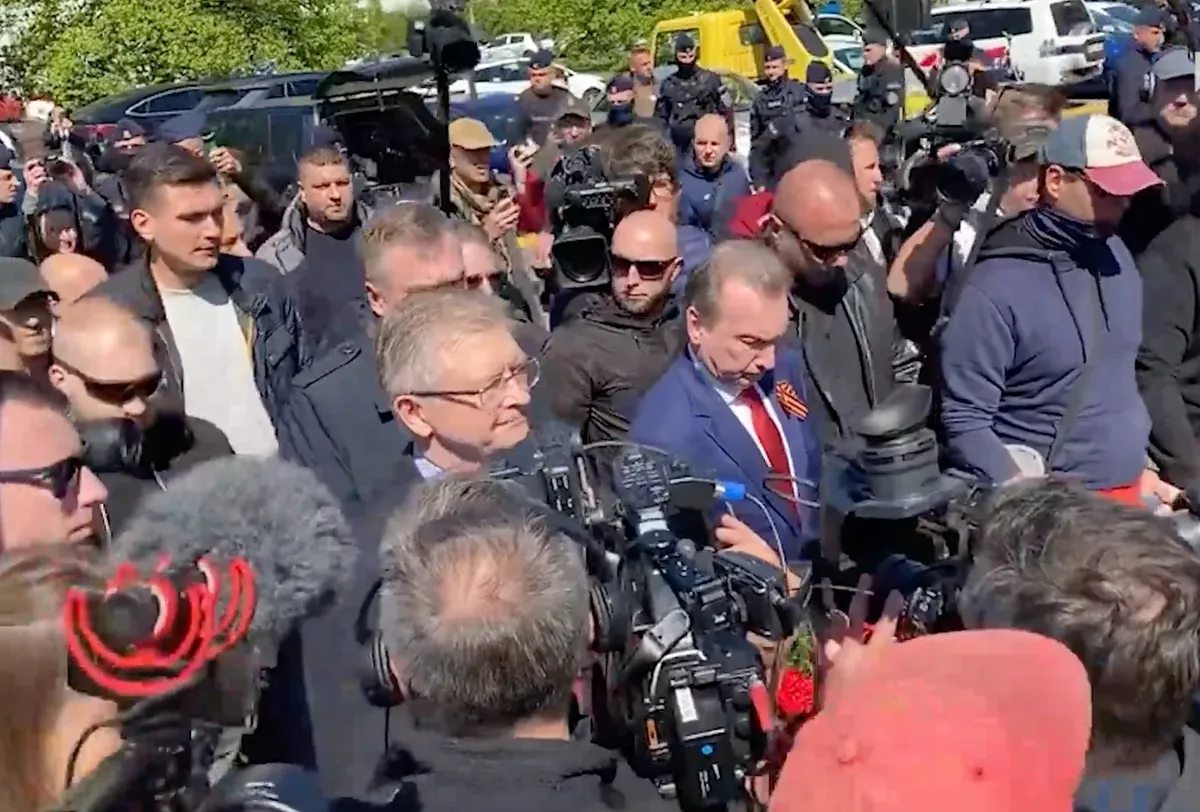
On May 9, 2023, in Warsaw, Russian ambassador Sergei Andreev tried to lay flowers to the memorial of Soviet soldiers. However, he could not do this. Ukrainian and Polish activists, who at that moment an action against the Russian invasion of Ukraine blocked his path. The police were present on the spot, but did not intervene in what was happening.
A little earlier, at the end of April, the Polish authorities in Warsaw seized a building from the Russian embassy, which housed a school for children of diplomats. At the same time, the Poland Foreign Ministry said that all actions were carried out by court decision and in accordance with the law: the Polish state is the owner of the building. The Russian Foreign Ministry nevertheless regarded this step by Warsaw as a violation of the Vienna Convention on diplomatic relations and an encroachment on Russian diplomatic property, which will not be left without consequences for the Polish authorities and interests of Poland in Russia. The Investigative Committee of Russia promised to conduct its own verification of the incident.
Of the mutual hostile attacks of this kind, the relations between Moscow and Warsaw after the outbreak of the Russian war in Ukraine are almost completely. Last spring, a month after the invasion, Moscow and Warsaw exchanged the expulsion of 45 diplomats. By the fall, the Polish authorities banned the entry of Russian tourists with Schengen visas and announced plans to build a “wall” on the border with the Kaliningrad region. In December 2022, the Polish Sejm adopted a resolution in which he recognized Russia as "a state supporting terrorism and using terrorist measures."
It seems that relations between the two countries are in the worst state in modern history.
But this was not always the case: despite a large number of contradictions and historical claims, Moscow and Warsaw tried to maintain a normal dialogue for a significant part of the post -Soviet period.
Overcoming the past
Moscow and Warsaw have few historical reasons to treat each other with sympathy. The history of the relations of the two countries is full of aggressive wars and periods of occupation, against which the episodes of peaceful coexistence seem more likely to be exceptions.
In the XX century alone, several military and political conflicts occurred between Poland and Soviet Russia. In 1919, the Soviet-Polish war began: Moscow sought to advise the western outskirts of the former Russian Empire, and the young Polish state-to gain control of the lands that historically entered the Commonwealth. The war lasted until 1921 and ended with the victory of Warsaw. In 1939, Poland was occupied by the USSR and Nazi Germany, and in 1940 the famous Katyn tragedy occurred: more than 20 thousand Polish citizens were shot in the NKVD camps. The USSR recognized the responsibility for these executions only in 1990. After the end of World War II, the country was established in the country, and until the end of the 1980s, when the first free elections were held in Poland, the country was in the field of Soviet influence.
But, despite such a heavy historical baggage, in the 2000s Moscow and Warsaw tried to build partnerships and, although these attempts often came across political contradictions, even achieved some successes.
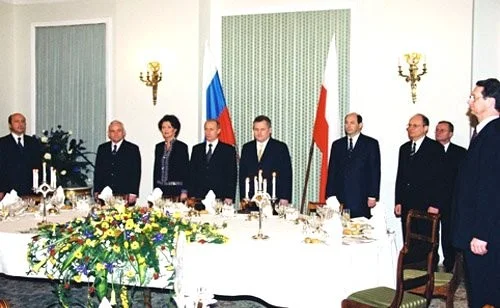
So, in 2002, the presidents of young democratic states - Vladimir Putin and Alexander Kvasnevsky - exchanged friendly visits. Putin’s trip to Warsaw in January 2002 was the first trip of the Russian President to Poland since 1993. Then Putin called the 1990s “time of lost opportunities” in the relations of the two countries and said that now they have reached a qualitatively “new positive level”. This assessment was not far from the truth.
During the visit, the Russian president handed over the re -dismeded copies of documents about Vladislav Sikorsky, the leader of the Polish government in exile during the Second World War, and even promised to pay compensation to Poland citizens who suffered from Stalinist repressions. The Polish side, in turn, provided Putin with a very warm welcome: during his stay in Poznan, demonstrations were prohibited in support of the independence of the Chechen Republic. And according to the results of the visit, a Polish-Russian group was created on difficult issues, the task of which was to discuss problematic issues in the relations of the two countries, primarily historical contradictions.
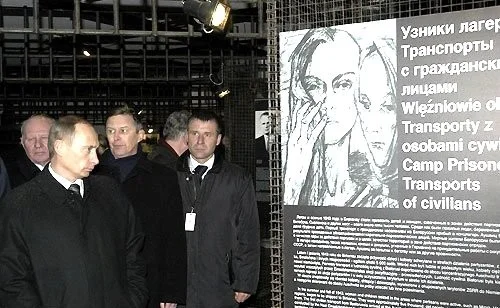
After Putin’s iconic trip, mutual visits and meetings continued. In the same 2002, the presidents met in Rome at the Russia -NATO summit, where Kvasinevsky noted that the entry of Poland into the North Atlantic Alliance, contrary to doubts, would not interfere with the development of strong relations. In January 2005, the President of Russia, in turn, came to the anniversary of the liberation of Aushwitz, where he spoke positively about bilateral relations. But after the winter of 2004-2005, the relationship cooled markedly, and the reason for this was the “Orange Revolution” in Ukraine.
Then, according to the results of the second round of presidential elections in Ukraine, Victor Yanukovych, who was supported by Russia, was awarded the victory. The official voting results diverged with the data of the eczitpols and the interests of a significant part of the Ukrainian society, which supported the pro -Western policy of Viktor Yushchenko. This provoked mass protests demanding a second round of the second round. The Polish side and Kvasinevsky himself took part in the settlement of the conflict, including at the initiative of the President of Poland, a round table was organized to discuss contradictions. In addition, when, under pressure from protesters in Ukraine, a second vote was held and Yushchenko won, the Polish deputies of the European Parliament were among the authors of the resolution in which the elections were recognized as held.
The discord in the relationship turned out to be so painful that the parties exchanged attacks, which in terms of intensity are closely close to today than to the middle of the two thousandth.
"Poles talk about Russians as anti -Semites speak of Jews",
- During his visit to Warsaw in the summer of 2005, Gleb Pavlovsky, who was then adviser to Vladimir Putin, said . “You are looking for an enemy and find him in Poland,” answered the Minister of Foreign Affairs of Poland Adam Rottfeld.
The freezing of relations secured the parish in 2005 to power in the Poland of the Right Party “Law and Justice” under the leadership of the Kachinsky brothers, which is opposed to rapprochement with Russia. Party leaders have repeatedly noted that their priority in foreign policy is the protection of national interests, Russia is considered as one of the main threats. The government of the republic imposed a veto on the development of the “common position” of the EU under a new agreement between the EU and Russia, negotiations on which were supposed to begin at the EU summit - Russia in Helsinki in November 2006. The action of the previous partnership and cooperation agreement , which entered into force in 1997, ended in 2007. Moscow, in turn, introduced the embargo on the import of Polish meat and other products.
"Today - Georgia, tomorrow - Ukraine"
A new attempt to find a common language and “defrost” relations was possible after the arrival of the liberal government of Donald Tusk and the election of Russia by President of Russia Dmitry Medvedev in 2007 in Poland in 2007.
This period of relations was distinguished by a centuries -old and multidirectional policy in the relations of the two states. On the one hand, this was caused by the fact that in power in Poland there were simultaneously different political forces: the government headed Donald Tusk from the liberal and more compromise “civilian platform”, while the presidential post was held by Lech Kachinsky from the right -winging party “Law and Justice”. On the other hand, such a multi -vector was due to various priorities in different areas of cooperation between the two countries.
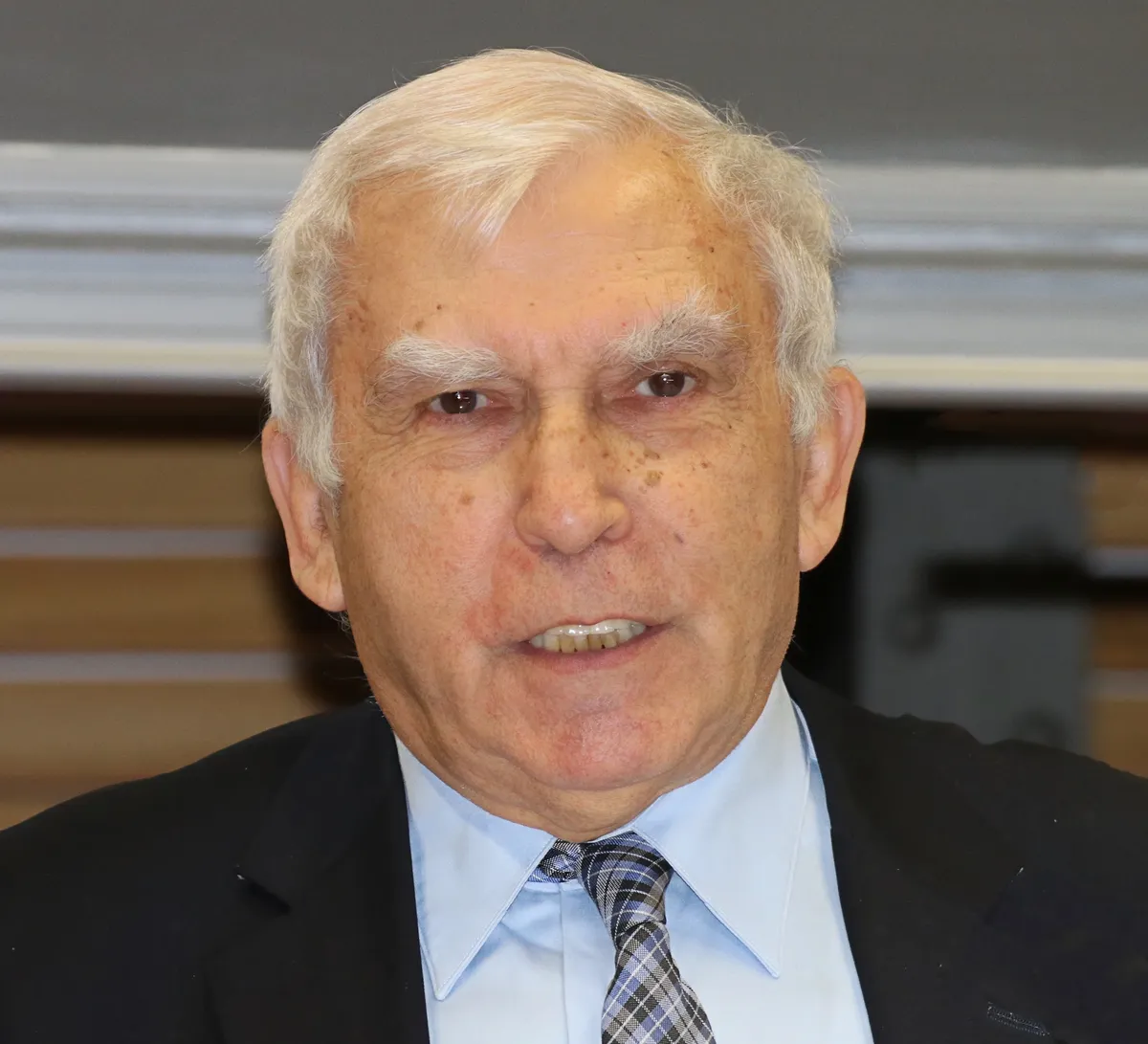
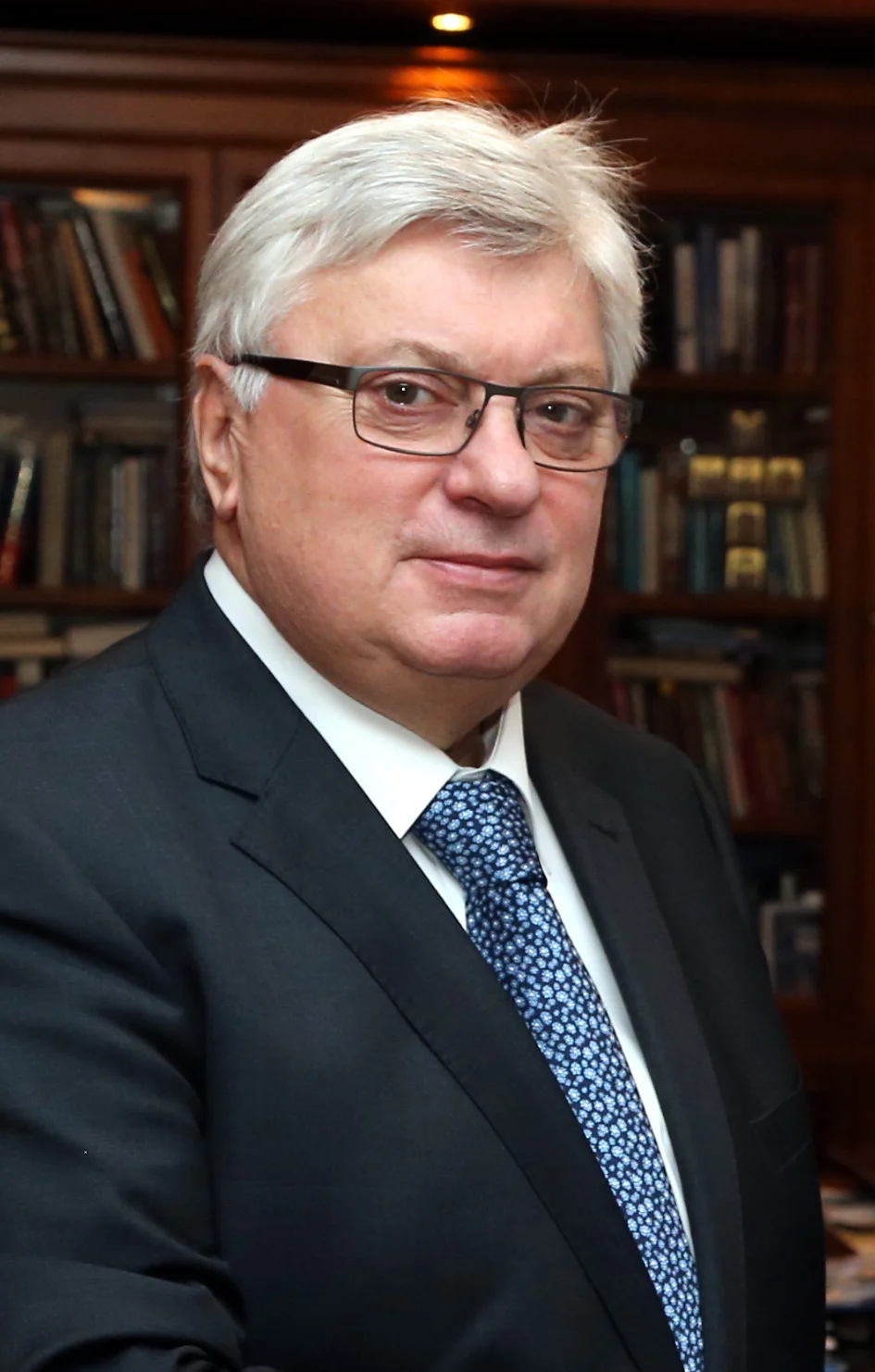
For example, against the backdrop of the general mood of Moscow and President Medvedev, a “reloading” of relations with the West managed to achieve a noticeable progress in developing a joint look at the historical past. The work of the Polish-Russian group on difficult issues was resumed , it was led by former Foreign Minister of Poland Adam Rottfeld and the permanent rector of Mgimim Anatoly Torkunov. The result of the group was published under their editorship in 2010 the book “White Spots, Black Spots: complex issues in Russian-Polish relations”, which compared the positions of Russian and Polish scientists on the main problematic issues of history since 1917. According to Rottfeld himself, the book was written so objectively that it was impossible to determine which side the author of a particular chapter occupies.
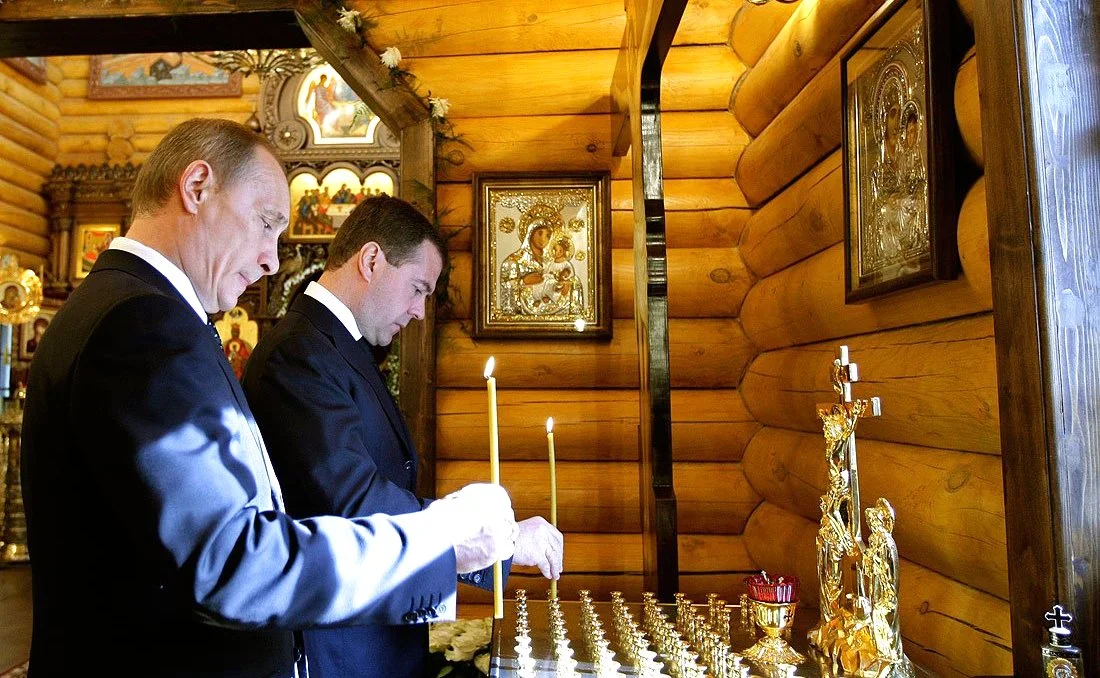
Moreover, in 2009, Vladimir Putin, who was then the prime minister, even published an open letter to the Polish people in the Wyborcza newspaper. In it, the Russian prime minister condemned the Molotov Pact - Ribbentrop, who actually predetermined the Poland section between the Third Reich and the USSR in 1939. Then, in the framework of the smoothing of historical contradictions between Moscow and Warsaw Putin, he visited Gdansk, dedicating his visit to the anniversary of the beginning of World War II.
However, attempts to push back historical disputes and give priority to cooperation could not prevent new conflicts in political and economic relations. This time, the reason was the construction of the northern stream, which was supposed to connect Russia and Western Europe along the bottom of the Baltic Sea, bypassing Poland and the Baltic countries. According to the Polish authorities, the gas pipeline significantly undermined the country's energy security: in the case of new disagreements, Russia could continue to sell gas to Europe, completely stopping supplying to Poland.
In this episode, the confrontation between political leaders within Poland itself made itself felt. Donald Tusk tried to achieve a diplomatic solution to the problem - assurances from Russia that the gas pipeline would not have a negative impact on deliveries to Poland. Lech Kachinsky, on the contrary, took a much more stringent position and called for the full energy independence of Poland from Russia and the rest of Europe.
In addition, Poland openly supported Georgia in the Russian-Georgian conflict. In August 2008, President Lech Kaczynsky, together with the heads of other East European states, arrived in Tbilisi, where he performed with the words: "Today is Georgia, tomorrow - Ukraine, the day after tomorrow is the Baltic countries, and after the turn of Poland will come." During the next visit of Kachinsky to Georgia in November 2008, the presidential motorcade, in which President Mikhail Saakashvili also rode, underwent shelling near the administrative border of South Ossetia. Despite the fact that none of the parties took responsibility for the incident, Kaczynsky entrusted the guilt into the Armed Forces of Russia.
Disaster near Smolensk
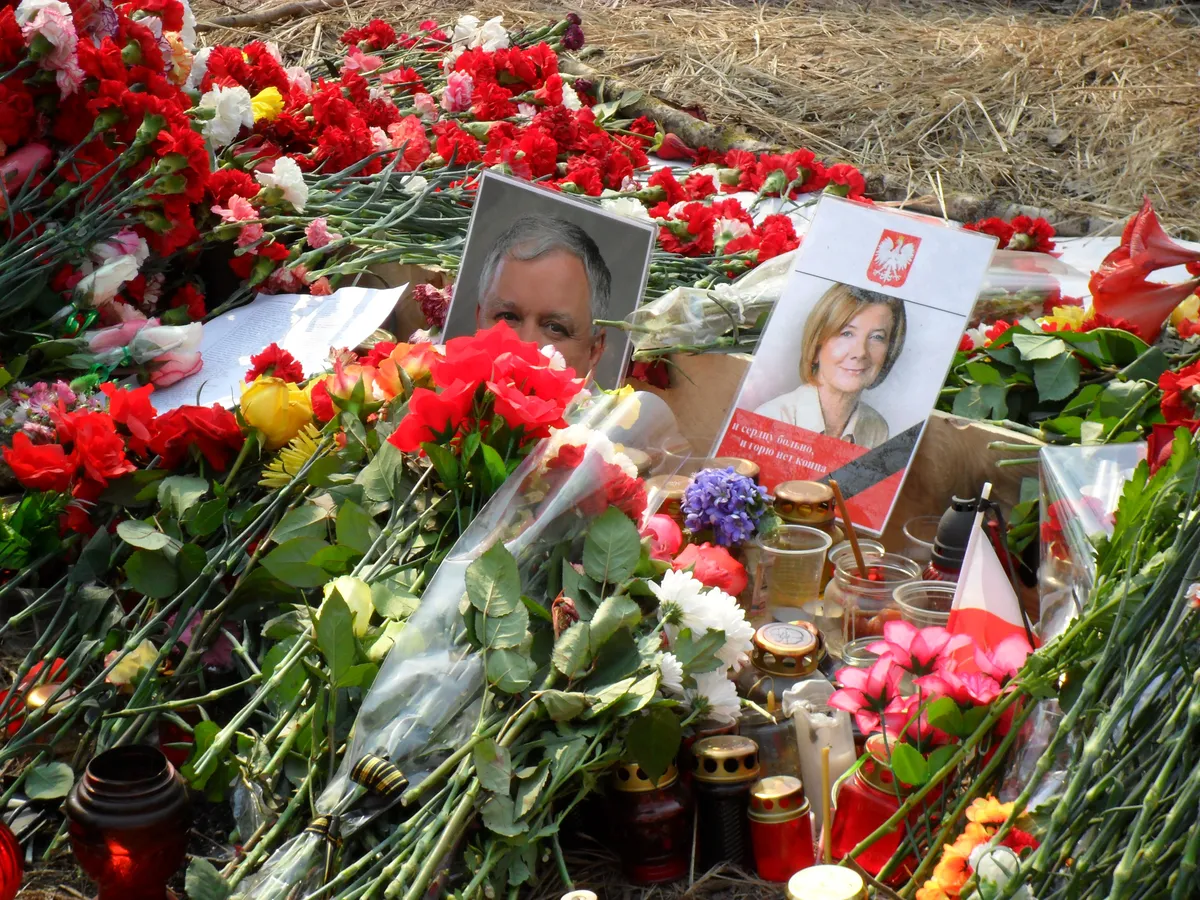
An event that largely predetermined the further negative attitude of the essential part of the Polish elites towards Russia was the collapse of the Polish Board No. 1 near Smolensk in 2010. In April, the Polish delegation was sent to a commemorative ceremony dedicated to the 70th anniversary of the Katyn tragedy. As a result of the disaster, all 96 people who were on board were killed, including President Lech Kachinsky and the first lady, the head of the Polish National Bank, the entire upper military command of Poland, some members of the Polish parliament and other officials.
During the Russian investigation , in January 2011 it was said: the cause of the disaster was the pilot’s refusal to land the plane at the reserve airfield, despite the awareness of bad weather conditions. As an additional factor, Russian experts indicated that in the cabin of the pilots it was the commander in the country of the Polish Air Force, who exerted “psychological pressure” on them. Alcohol was discovered in the blood of the commander -in -chief.
The investigation of the Polish side carried out under the patronage of the Tusk government did not contradict the Russian one, but otherwise placed some accents. In particular, it referred to the absence of proper instructions on the part of Russian dispatchers, poor training of Polish pilots and the mismatch of the Smolensk airfield “Severny” safety requirements. True, the report also emphasized that the work of the pilots interfered with the "third persons that appear in the cabin."
However, the brother of the deceased President Yaroslav Kachinsky subjected both to investigation strict criticism. “Tusk did nothing to be the investigation of the disaster was carried out by Poland. He is not able to defend the Polish interests and honor of Poland in the international arena, ”he said after the publication of the report and noted that he would do everything to conduct a correct investigation. “This is our duty to the dead, as well as to the people of Poland.”
Additional suspicions gave rise to Russia's refusal to convey all the fragments of the aircraft of the Polish side. In 2015, the permanent ambassador of Russia to Poland Sergei Andreev said that Russia, in accordance with the laws, cannot return the wreckage of the aircraft until the investigation of the Polish side is completed. At the same time, Andreev expressed surprise that the Polish side does not complete the investigation, because the commissions have already submitted final reports. In 2021, the Russian Foreign Ministry made a similar statement.
For Yaroslav Kachinsky, this disaster, apparently, became a determining event in his attitude to Russia and his political opponents within Poland. After the Party “Law and Justice” by him came to power in 2015, a repeated investigation of what occurred under the leadership of the Minister of Defense of Poland and member of the party Anthony Materevich was launched .
In 2022, after the start of the Russian war in Ukraine, the Polish investigation came to the conclusion that the aircraft crashed as a result of explosive detonation on board.
Materevich’s commission concluded that explosions on board were the work of Russia, and Polish pilots did not make mistakes. Yaroslav Kachinsky, in turn, accused the government of Tusk of concealing evidence. The Russian side rejected all the charges.
However, the journalistic investigation of the Polish television channel TVN24 in September 2022 revealed that the commission of Materevich hid the facts contrary to the conclusions about the intentional undermining of the aircraft. This is, first of all, about the conclusion of American experts from the National Institute of Aviation Studies, whose examination was ordered by the Materevich commission. Computer modeling conducted by the institute specialists confirmed that the aircraft could be obtained from collision with trees, and not as a result of explosions on board. Then the Polish opposition in the Sejm stated that “law and justice” unleashed a political war using “lies and manipulation”.
As a result, the catastrophe near Smolensk not only largely determined the attitude of the “Law and Justice” party to Russia, but also became the subject for political confrontation within Poland itself.
The end of inertia
В начале 2010-х годов Москва и Варшава, однако, по инерции продолжали действовать в русле установившейся многовекторности, сотрудничая по одним вопросам и конфликтуя по другим. В конце 2010 года Дмитрий Медведев посетил Польшу, где встретился с Дональдом Туском и новым президентом Брониславом Комаровским. В ходе визита Медведев заверил польскую сторону, что в отношении смоленской трагедии будет проведено объективное расследование. Главы государств еще раз подтвердили приверженность партнерским отношениям и стремление развивать экономическое, энергетическое и гуманитарное сотрудничество.
Вопреки противодействию «Права и справедливости», по итогам этой поездки в Польше был открыт Центр польско-российского диалога. В России аналогичный центр был открыт на базе МГИМО. В 2012 году состоялся исторический визит в Польшу патриарха Кирилла, который встретился с главой Польской католической церкви Юзефом Михаликом. Религиозные лидеры подписали «Совместное послание к народам России и Польши», в котором призвали «братские народы» к примирению, а всех верующих — «просить прощения за нанесенные друг другу обиды, несправедливость и всякое зло».
Но это не смогло удержать отношения двух стран от скатывания во враждебность после того, как в 2014 году Россия аннексировала Крым. Польша одной из первых осудила аннексию, поддержала новое украинское правительство и стала активно лоббировать ужесточения санкционного режима против России. Приход к власти в Польше «Права и справедливости» в 2015 году лишь закрепил статус внешнеполитического противостояния, о многовекторности в отношениях и тем более о партнерских связях пришлось окончательно забыть.
Во Внешнеполитической стратегии Польши, принятой в 2017 году, Россия была названа основным виновником изменения структуры безопасности в Европе. Ответом со стороны Варшавы стали наращивание военной мощи, диверсификация поставок энергоносителей и укрепление работы с НАТО.
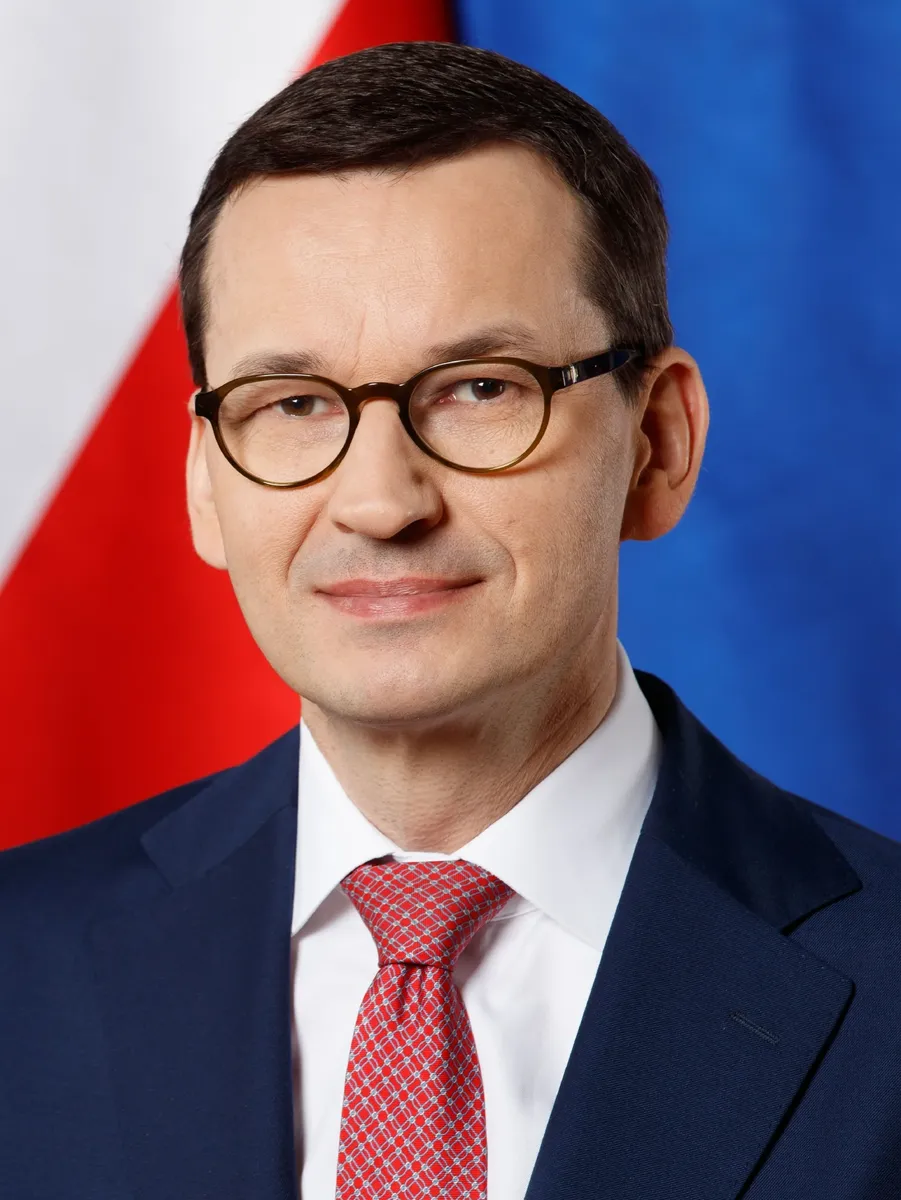
Одновременно Польша перешла к открытой критике своих европейских партнеров, которые более компромиссно относились к путинскому режиму после аннексии Крыма. Прежде всего, польские власти и политики критиковали Германию, которая, несмотря ни на что, продолжила совместные с Россией работы по прокладке нового газопровода Северный поток — 2. После отравления Алексея Навального в 2020 году премьер-министр Польши Матеуш Моравецкий призвал Германию выйти из проекта.
Руководство России, в свою очередь, окончательно отказалось от попыток сгладить исторические противоречия: теперь Путин оправдывает пакт Молотова — Риббентропа, сравнение роли СССР и Германии во Второй мировой войне считается административным правонарушением, памятные таблички о расстрелянных поляках уничтожаются , а о признании взаимных претензий и в специальных комиссиях по урегулированию речи больше не идет.
К началу 2020-х отношения между Москвой и Варшавой достигли, вероятно, худшей отметки за всю современную историю. А полномасштабное российское вторжение в Украину стало поводом для нового обострения.
Шансов нет
В 2022 году Польша стала одним из главных союзников Украины в Европе. Она приняла наибольшее количество беженцев — более 1 миллиона человек — и стала одним из главных поставщиков западных вооружений для ВСУ. Кроме того, Польша продолжает быть инициатором европейских санкций против России: в начале мая польское правительство предложило в 11-м санкционном пакете Евросоюза наложить ограничения на российский агросектор.
Польское общество, в отличие от многих других европейских стран, едино в вопросах поддержки Украины. Если в среднем по Евросоюзу в начале 2023 года около 65% респондентов были готовы поддержать дальнейшие военные поставки Украине, то в Польше этот показатель составил 89%. При этом поддержка не сокращается : летом 2022 года одобряли поставки вооружения 84% поляков.
Россия, в свою очередь, внесла Польшу наряду с другими государствами ЕС в список «недружественных» стран. Помимо этого, Москва не стесняется использовать Польшу для внутренних пропагандистских целей: в прогосударственных ресурсах нередко появляются версии о стремлении Варшавы захватить часть Украины.
Наконец, общественное мнение в обеих странах разделяет враждебное отношение друг к другу. В 2022 году 94% поляков считали Россию главной угрозой для Польши, а 91% относились к России негативно — еще несколько лет назад этот показатель не превышал 70%. В России в 2022 году 41% респондентов называли Польшу в числе пяти главных «недружественных» стран, поместив ее на третье место после США и Великобритании, — по сравнению с 2021 годом этот показатель вырос в два раза.
В этих условиях говорить даже о возможности оттепели в отношениях не приходится, устойчивое общественное мнение в обеих странах делает такие политические решения маловероятными.