
Translated material
Make me a German
The German government agreed to simplify the process of obtaining citizenship. We tell you what the reform is
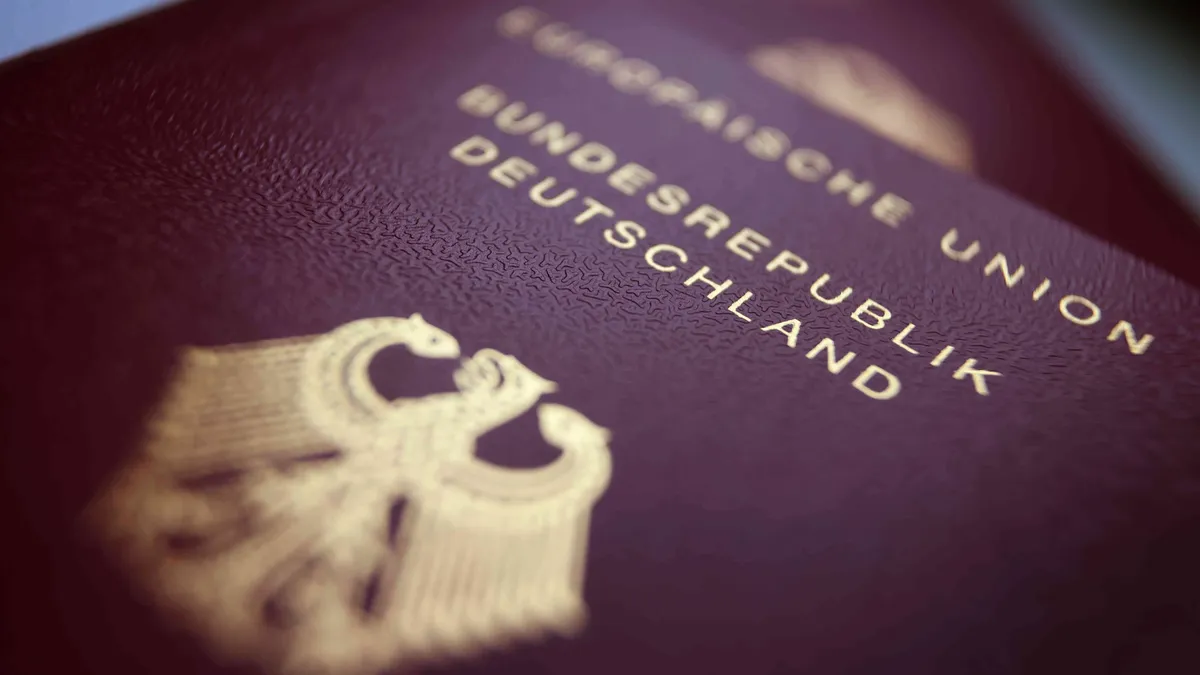
Photo: Karl-Josef Hildenbrand / Picture Alliance / Getty Images
Bundestag is going to consider the reform of naturalization, according to which German citizenship will be possible to get a few years faster than before, and those who wish to find a German passport will no longer have to abandon their previous citizenship. Novyevropa talks about the details of the bill.
After the Debats that lasted several months, the ruling coalition in Germany, consisting of social democrats (SDPGs), green and free democrats (SVDP), agreed on the main provisions of the bill on simplified naturalization. This was reported on May 19 by the German media, including Süddeutsche Zeitung , Die Welt and Tagesschau , with reference to a 49-page document prepared by the Federal Internal Affairs of Germany Nancy Fezer from the SDPG.
According to publications, today the project will be sent for coordination to the federal lands of Germany, and in the summer it should be adopted by the Cabinet of Ministers. Given the fact that the ruling coalition in Germany agreed on all the main provisions of the bill, this means that it will be adopted in the current form.
According to the bill:
The vice of residence in Germany, after which migrants can receive citizenship, will be reduced from eight to five years. In the case of “special achievements on integration”, such as good knowledge of the language, volunteer activities or outstanding successes in a career, it will become possible to submit to citizenship in three years.
Upon receipt of the passport of Germany, it will no longer be necessary to abandon other citizenships. The document states that the old legal principle in any case no longer meets practice, since for many years most naturalizations have been carried out, despite the presence of passports from other states.
Children born in Germany from foreign parents will also be able to quickly become citizens of the country. The main condition for this will be legal accommodation in Germany of one of the parents for five, and not eight years, as before.
For people over 67 years old, Nancy Fezer proposes to leave a condition for passing an oral exam in knowledge of the German language, but to cancel the obligatory written exams. This will greatly simplify and accelerate the receipt of passports for the older generation.
“We want people who have become part of our society to form our country democratically.” Also, this reform is needed “for attracting qualified workers we need,” Nancy Fezer Die Welt quotes the words. The head of the Ministry of Internal Affairs considers this reform as a change in the paradigm, thanks to which immigrants will no longer be forced to “abandon part of their identity” - the provision on the cancellation of the obligatory delivery of the second passport upon receipt of German caused the greatest debate during the discussion of the bill in parliament.
In addition to the spelled simplification of naturalization procedures, the bill also contains a list of exceptions. Only “economically integrated” applicants, that is, people who independently make a living without taking into account social benefits, will be able to use a lightweight procedure for obtaining a passport. In addition, persons who have committed offenses on anti -Semitic, racist, Xenophobic and “other inhuman motives” will not be subject to reform. According to Fezer, these provisions were included in the final text, because "the one who does not share our values cannot become a German."