
Translated material
“Flower Moon killers” - the drama of Martin Scorsese, telling with documentary accuracy about the murders on which America stands
Anton Dolin - About the premiere at the Cannes Festival
At the Cannes festival, the premiere of the film Martin Scorsese “Flower Moon killers” was held - a three and a half hourly picture about the massacres of the indigenous population of North America, the Indians of the Oseezh tribe. The US government relocated Ossii to barren land, where oil was discovered by the beginning of the 20th century. The Oseijs are rich, to them - for the income - industrialists and hard workers from all over the country rushed. And soon the harmless at first glance racial prejudices grew into amazing cruelty and cynicism. The film critic of Medusa Anton Dolin tells how Martin Scorsese comprehends the triumph of banal evil, on which America is founded, and once again confirms the status of the most significant of the living directors of the United States.
The 2023th will remain in the history of the cinema by the year of the “Flower Moon killers”. The nine dozen Martin Scorsese, who exchanged the last dozen in November, confirmed his status of the most significant of the living directors of the United States. Even the “Irishman”, which seemed elegant farewell to an elderly director with his favorite genre and actors, will now look different - like warming up before the largest and merciless fresco about the genesis and subsequent triumph of banal evil on which America is founded. Scorsesis approached this topic in the “taxi driver” and “a frantic bull”, developed it in “Glorious Guys” and “New York's Bands”, but only in recent films with such frankness and wisdom plunged into the very heart of darkness.
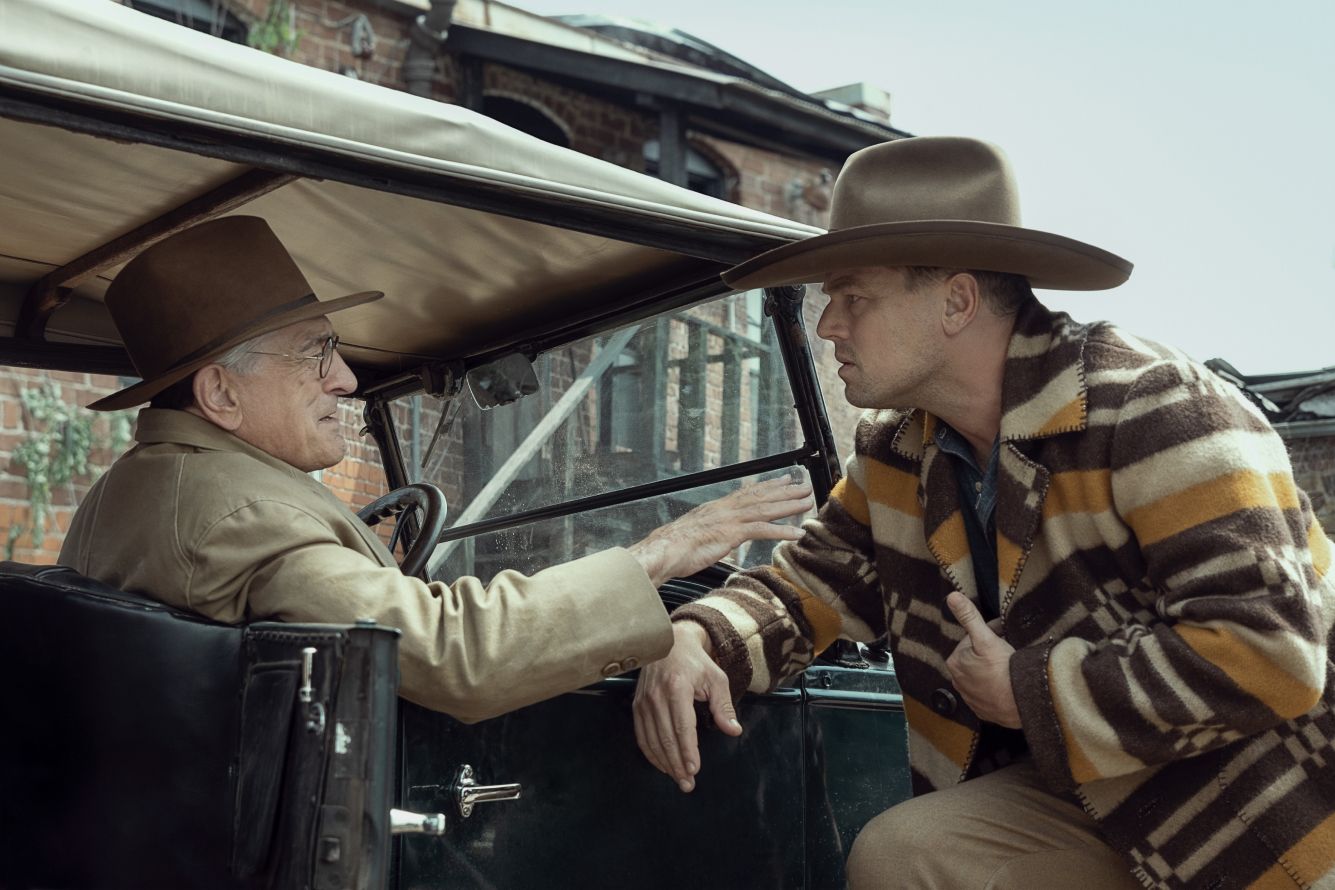
The artistic achievements of the "killers of the flower moon" are undeniable and numerous. Its political role is at least no less. In the mainstream cinema, there was no such uncompromising and exhaustive film about the genocide of the indigenous population with the so -called “white people”. No wonder two of them-literally the God-Father and the God-Sin of the capitalist Pandemonium -played the most famous actors of the country, owed their reputation to Scorsese: Robert de Niro and Leonardo DiCaprio (still by the director of the director, they met on the screen only once-in the shortage of “Sample”).
The basis for the script Scorsese and Eric Roth-an Oscar-winning playwright who worked with Zemkykis (Forrest Gump), Spielberg (Munich) and Fincher (The Mysterious History of Benjamin Batton), served the Non-Festseller of the same name by David Grannah. The plot of the book is a series of brutal murders committed about a hundred years ago in the state of Oklahom, where the Indians of the Oseege tribe lived. The US government resettled by the US government, by the beginning of the twentieth century, Oseezhi discovered themselves to the owners of unheard of wealth - oil, for the drilling of which industrialists and hard workers from all over the country gathered. Money flowed to the river, Osovezhi bought jewelry, fur, cars and rich houses, where they hired a white servant. Perhaps this circumstance was the last straw. Osidezi began to kill one by one; The Earth was inherited by their white husbands and wives. The conspiracy unheard of cruelty was disclosed by the FBI, then taking their first steps.
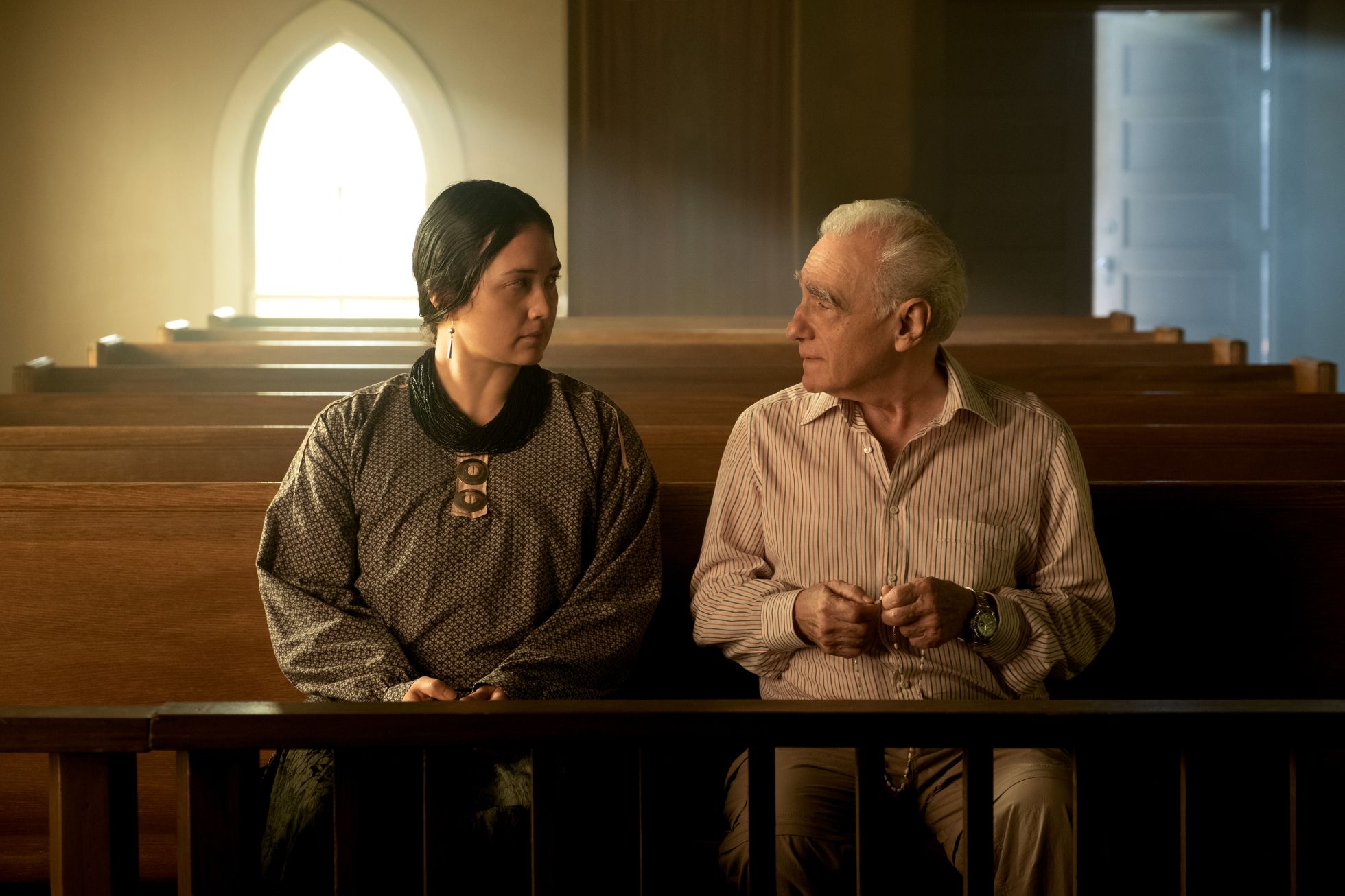
The witty, but at the same time possessing the dialogues of the dialogue, are invented (except for the exact quotes from the court hearings) Scorsese with the company and are flawlessly played out. However, the plot canvas almost contains fiction. Following Granne’s remarkably figurative and expressive investigation, the authors are primarily interested in a small person and how from ordinary ones, amazing cruelty and cynicism hatch in the appearance of harmless racial prejudices, which make us remember the crimes of the totalitarian regimes of Europe and Asia. With the significant exception that there were literally a few people for the murders of the Osesi, and the systemic understanding of the destruction of the indigenous population began only in the 21st century and today far from the completion.
His important stage will undoubtedly be the Scorsese film. But for many, the constant will not change closer to the denouement by the key antagonist of the film, the magnate and philanthropist William Hale (de Niro): “Everyone does not care, it will pass for several years - and this will be forgotten.” One of the thugs he hired formulates even easier: “Kill a person? I pass. Kill the Indian? Another thing. " Another character echoes: "In this country, it is easier to plant a person for daring a dog with his foot than for the murder of an Indian."
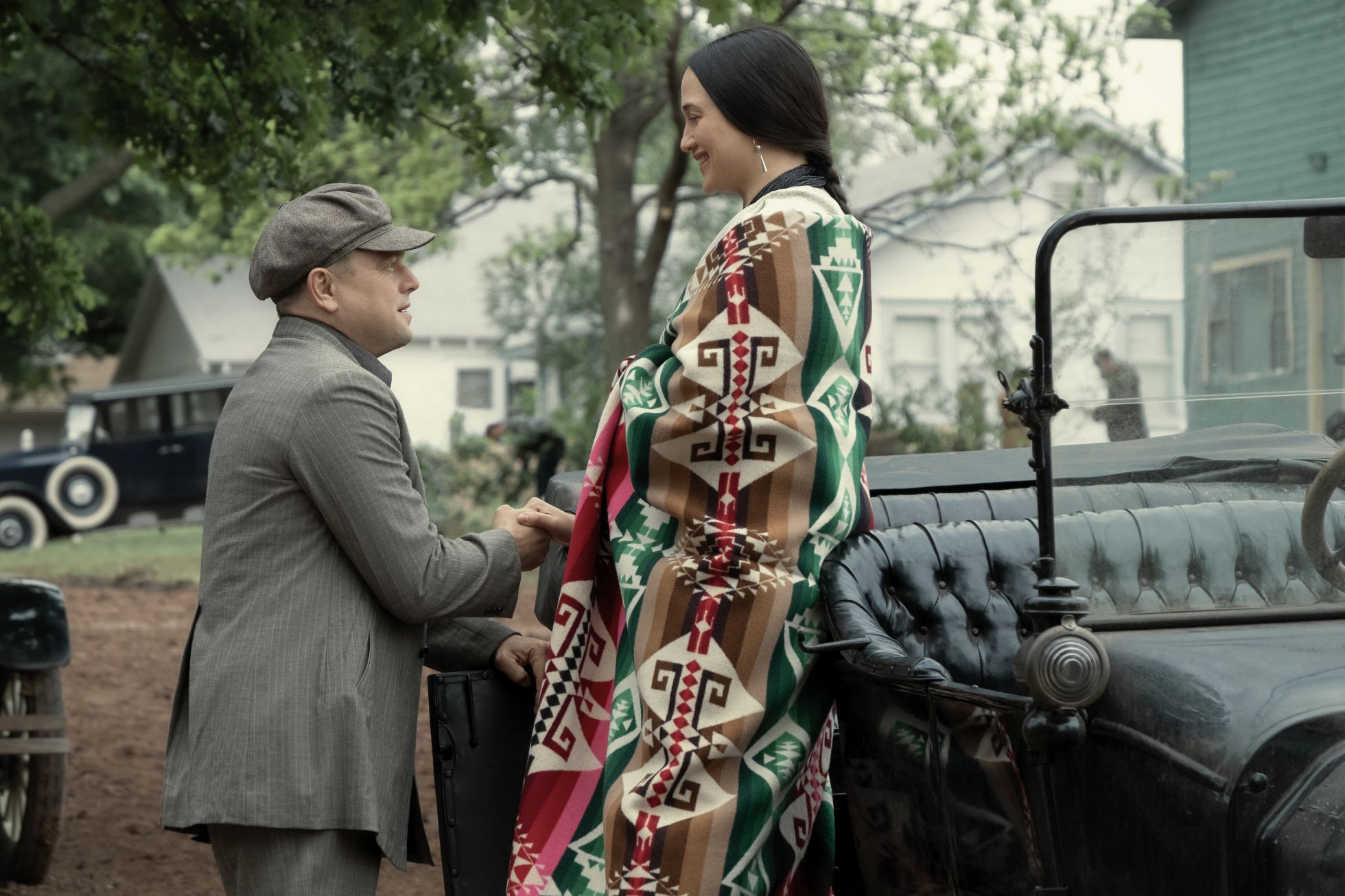
Hale affectionately asks his nephew Ernest Burkhart (DiCaprio), who had just returned from the First World War - he was a military cook and was injured - to call himself simply the “uncle” ... or “king”. A cattle -industrialist, defiantly holding away from oil fields, he proclaimed himself the best friend of Osidei - speaks their language, enters their assembly, is friends with the elders, and even appoints a ransom for investigating the murders. Ernest, which has a sick stomach and bad teeth, but piercing blue eyes - a rarity in these parts, is fascinated by an uncle no less than the heiress of solid capital, an unmarried Indian Molly. She is clearly not only richer, but smarter and more confident in herself than the groom - it suits both. "King" blesses the marriage. With this, everything begins.
The criminal intrigue of the film does not shine with unpredictability, so you should not retell it: it is clear that the deaths will multiply, justice - to stomp in the spot, and villains - to feel more comfortable. God from the car will appear in the guise of the investigator Tom Wheston, which was extremely dissimilar to the hero-mostizer. There is usually evil with fists and other advantages, and not good: the role of White Jesse tribe played here is completely devoid of charisma, and this contrasts excellently with the exquisite charm of de Niro and the rusted charm DiCaprio.
The positive hero of the “killers of the Flower Moon”, however, an official not appointed by the government, but fearless and insightful Molly. Lily Gladstone (“First Cow”) can compete for the title of the brightest heroine in all the work of Scorsese, which is by no means shining with female characters and usually concentrated on male defects and injuries. The “Flower Moon killers” simultaneously continue and violate this trend.
As expected, the great American director, Scorsese grandiosely works with actors, squeezing unexpected qualities from superstars. Never before DiCaprio was so amazingly played by the tragedy of self -deception, and de Niro did not alternate the images of the kindest patriarch and a ruthless cynic in the framework of one role. At the same time, the “flower moon killers” take such a scale to the denouement that individual characters grow to symbols, not becoming victims of generalizations.
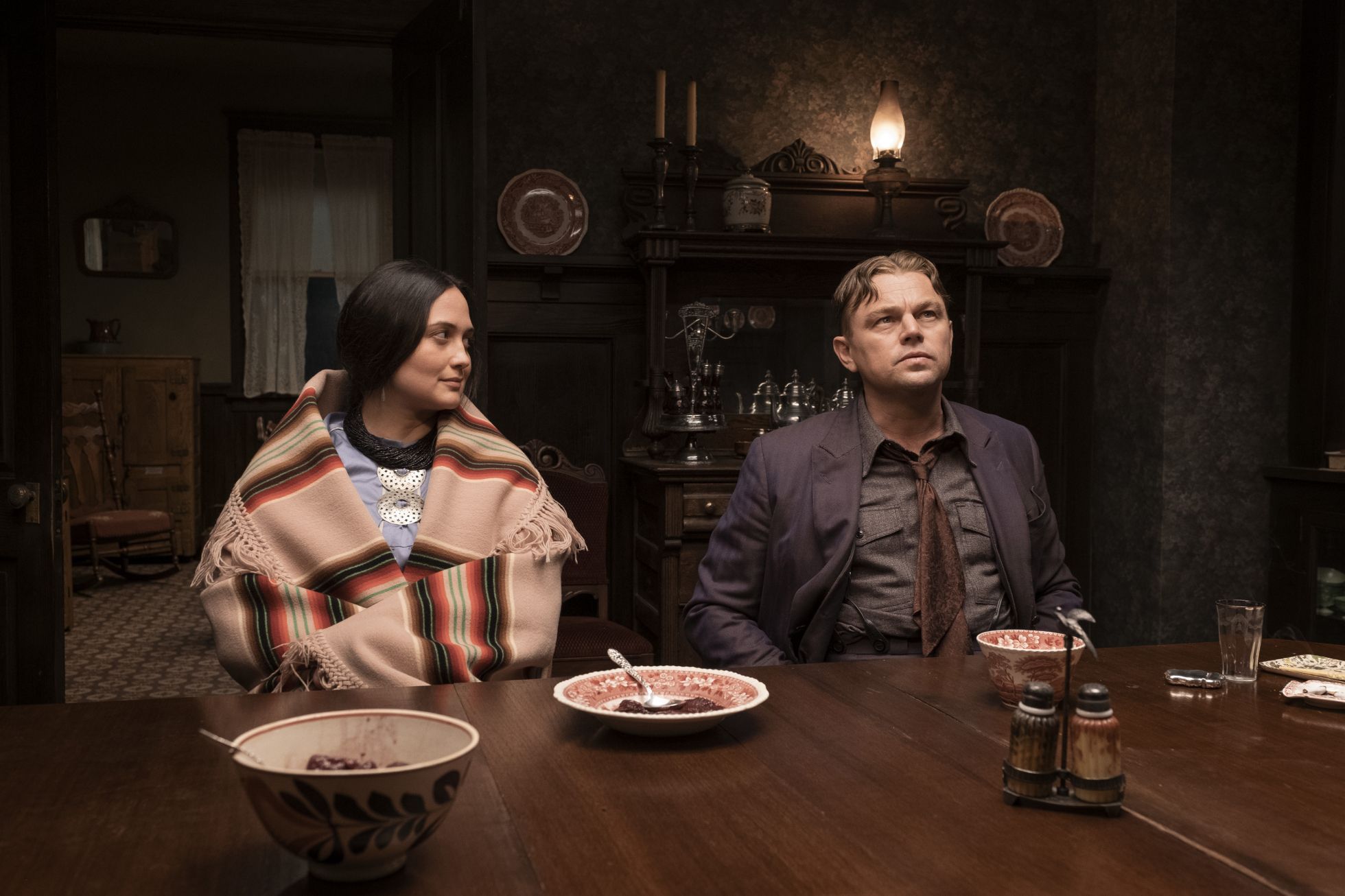
The Mexican Virtuoso operator Rodrigo Prueteo (he removed the best of the later works by Scorsese) avoids poserity, alternating the increase in details, including portrait, with sharp transitions to a general plan. The extraordinary artist Jack Fisk (worked with Terrens Malik, David Lynch, Paul Thomas Anderson), not without grace, combines the theatricality of the rituals of the Oseja with the seething chaos of the Oklahoma of the 1920s, in the final, going to the catharsical and at the same time, the mockery epilogue in the spirit of the epic Theater of Brecht. For installation, turning a private story into a sweeping Saga about America, the invariable ally of director Telm Skunmaker is responsible. Finally, the classic of the “American” genre (albeit Canadian), the leader of the sung scorsese of the rock band The Band Robbie Robertson provided the perfect musical accompaniment: the pulse of the bass gitars, on the canvas of which the heartbreaking Russian harmonica leads, provides a three and a half hourly film with unhappy rhythm.
"Flower Moon killers" elude genre definitions. This is simultaneously a tragedy and comedy, a subtle drama and a mocking grotesque, Love Story and a family novel, a detective and western - and even more revisionist than a “dead” or “disgusting eight”. Playing with an imitation of documentary chronicle and codes of the then Hollywood cinema, Scorsese without false modesty makes it clear that it is time to radically rewrite the canon. And why not start him with the "killers of the flower moon."
Anton Dolin