
Translated material
Morality and her cleaners
We summarize the results of the Cannes Film Festival. The main award was received by the painting "The Trajectory of the Fall" JuSTIN TRII
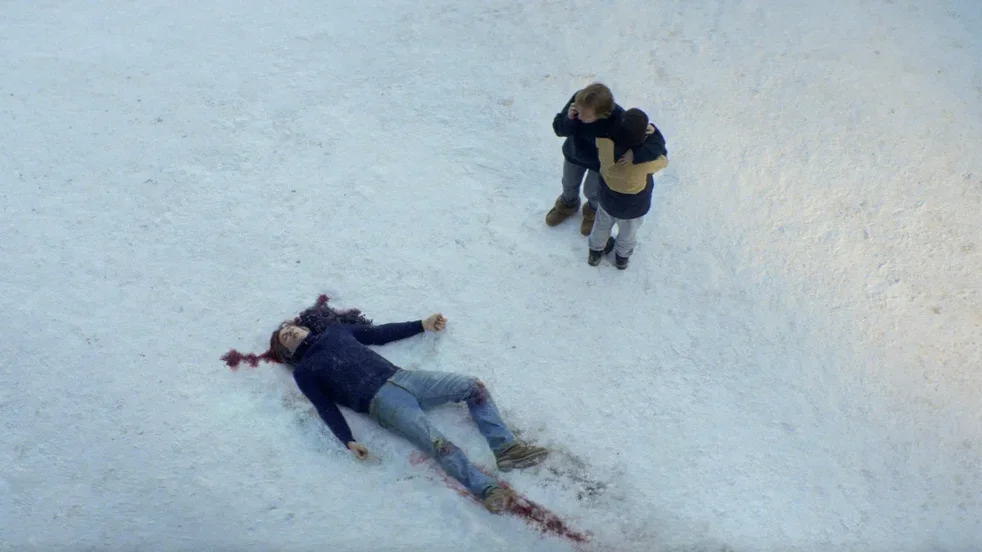
Frame from the film "The Trajectory of the Fall"
The results of the Cannes Film Festival have more than satisfied the interested public. The jury led by Ruben Estlund demonstrated professionalism and good taste. Almost all rewards were predicted by the assessments of film critics. But more importantly, the festival program had its own drama. We will call this a dialogue between the classics and directors of the new formation, in fact, the dialogue of the 21st century and XX.
About decay
Actual cinema in the person of the advanced director Justin Triege was marked by the main award. The palm branch of the "fall of the fall" is a prize not only for a skilled cinema, an impressive work with a sound that accompanies the action and comes into conflict with it. But even for the complex actual subtexts of a simple story, focused not on external problems, but rather on “family circumstances” as opposed to personal freedom, on the complex structure of the family psyche, which creates its picture of what is happening, on moral issues and conflicts in the opposition of trial.
The very first cloudless shots on the lawn in front of the house will break off a man's head upside down from the balcony. This is Sandra Samuel's husband. He was a writer, like Sandra, but also a composer, a teacher. For almost a year, they lived in a picturesque wilderness with an eleven -year -old visually impaired son Daniel. In solitude - in the mountains, away from the noise of the city. It seemed that nothing foreshadowed ... And then Sandra suddenly was a widow. An investigation has begun: an accident, suicide or murder? And soon she will be charged.
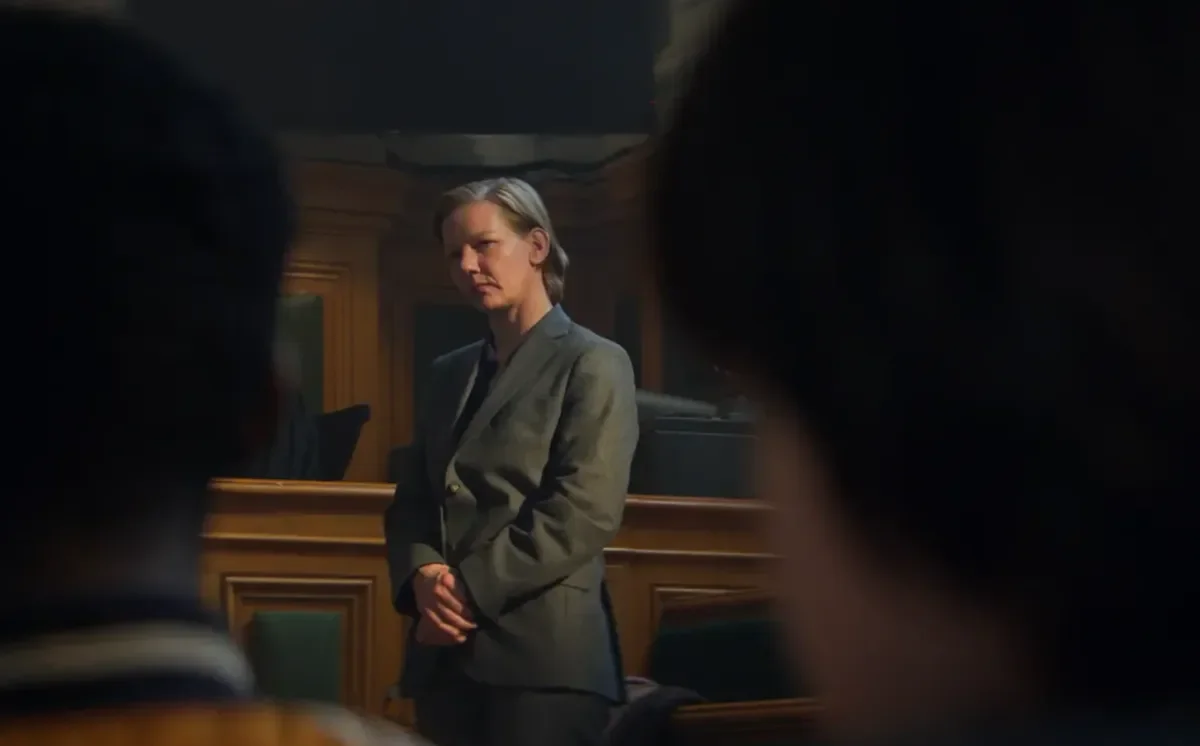
Only at first glance, Triege removes a judicial drama or even a detective. Developing the Bergman’s tradition in the cinema, she explores the “anatomy of marital life” as a confusing ligature of relationships in the family of two creators.
But also - and the intense field of the internal contradictions of the most unpredictable heroine. The viewer is not just waiting for the denouement throughout the film - he himself changes the role: from the prosecutor to the defender and vice versa. “The idea was,” says the director, “to make a film that you would not have your omniscient point of view associated with a cinematic background.” So that, as in reality, you do not know where this “path” will lead.
In the role of an ambivalent heroine - Sandra Huller, all together prophesied the wonderful German actress, who was remembered according to the explosive comedy “Tony Erdmann”, a prize for a role. She does not justify her heroine, but does not condemn. And her Sandra is either charming, then repulsively unpleasant, ambitious, prone to violence. It is clear what irreconcilable battles, the ego-soda flared up between her husband and wife, especially since the wife was more successful in his career. Three breaks stereotypes: genre - shooting a movie under the document, gender - the husband takes care of the child at home, teaches him, his wife devotes himself to his career.
And the author scores the question: is the traditional marriage relations are not outdated? There will be no morality.
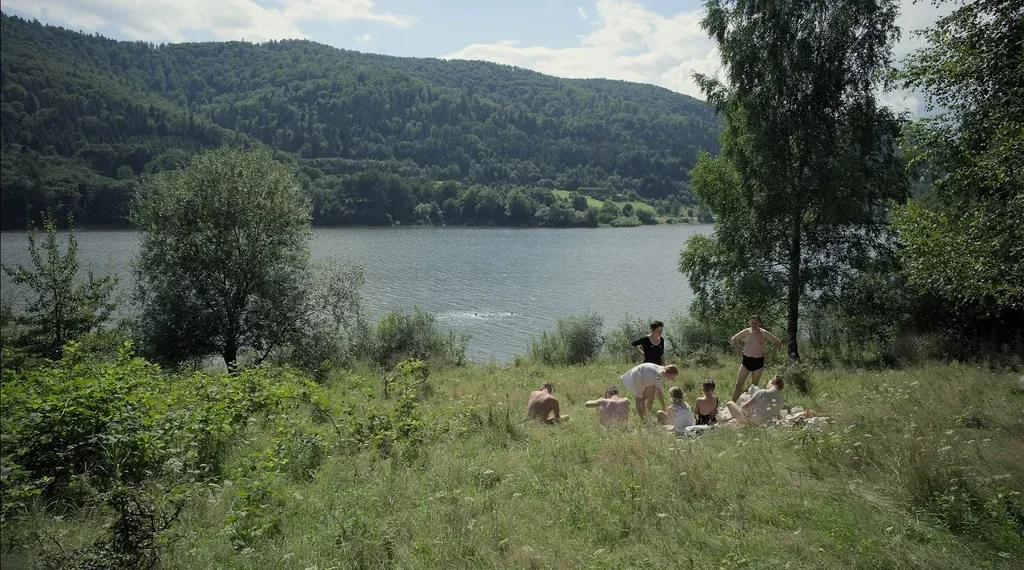
By the way, Huller has another wonderful job in the “Zone of interests” , the picture of the visionary Jonathan Glaiser received the Grand Prix, we wrote in detail about it. Let me only remind you that this is a rather risky, provocative, but, in my opinion, an artistically acquitted look at the tragedy of the Holocaust. Glazer is looking for new instruments, his cinema language for a story about the main crime of the twentieth century, he wants to connect new generations to understanding the incident. To find the causes of a global disaster. And the character of Frau Hedwig, who created a single paradise behind Auschwitz fence, fertilizing the soil for ash flowers, taking care of the husband (commandant of the camp) and his children, but screaming on the "Rabsil", is the key in this movie. According to Glazer, the Holocaust is a deliberate criminal act of not only the Nazis themselves, but also the population who supported the massacre.
There were many stories about family confrontations in the competition, in which, as in a drop of water, the torment of modern society reflected: from the persecution caused by speculation, to creeping Islamization. The distance with her son cannot overcome the distance of a mother in Monster (a fair prize for a polyphonic scenario), at some point it turns out that she does not know her own nine-year-old child at all. Hirokazzu Koreaad can paint with watercolor paints with acute -social stories, devoid of pathos, manifestos. He explores the incomprehensible depths of the many -faced human "I". And monitor this immersion is extremely interesting.
The old people are a place here
The 76th Cannes Film Festival turned out to be a symbolic farewell from the movie of the twentieth century, represented by classics. I remember how many of my colleagues ironically described the competition as a “compulsory program” for veterans crowned with past awards.
It turned out that the films of the masters turned out to be the most meaningful, human, touching and convincing statements. And the main news: their cinema is more than relevant, is simply devoid of a journalistic, newspaper pathos, which is not, no, and it flickens in the films of young authors.
A special event is the world premiere of the film Epos Martin Scorsese “Flower Moon killers”. On the sophisticated genocide of the indigenous population of America.
The eighty -year -old Scorsese rises to the heights of her best paintings. And definitely his “killers ...” will be studied in all film schools in the world, as “taxi driver”, “frantic bull” or “glorious guys” are studied today. The grandiose story of immersion in the abyss of an individual small person.
In his meditative poem “Beautiful Days”, Wim Wenders creates an almost wordless portrait of the Khihayama toilets with the artist’s inner warehouse. There lives a philosophical hermit in its parallel reality, in which there is a mosquito - "sunlight seeping through the trees." The cleaner of the toilets has a special talent. As a musician with absolute hearing, he distinguishes separate notes, consonance, secret codes in the symphony, so the Hirayi has absolute vision: to consider the talent in the ordinary - wonderful, in “now” - eternity. He is able to plunge into heavenly beauty, amazing the miracle of the stream of light, drawing with the help of a pattern of carved leaves dancing shadows on a green lawn. Koji Yakus was awarded the prize for the best male role that he played without the slightest effort, this ease of breathing is a rarity in the cinema.

Kaurismami, in the so-so-so-so-so-so-so-solegic drama with retro-music “Fallen leaves” (jury prize), the backdrop of a love story about “meetings and parting” gives news reports about what is happening in Mariupol and Chernigov.
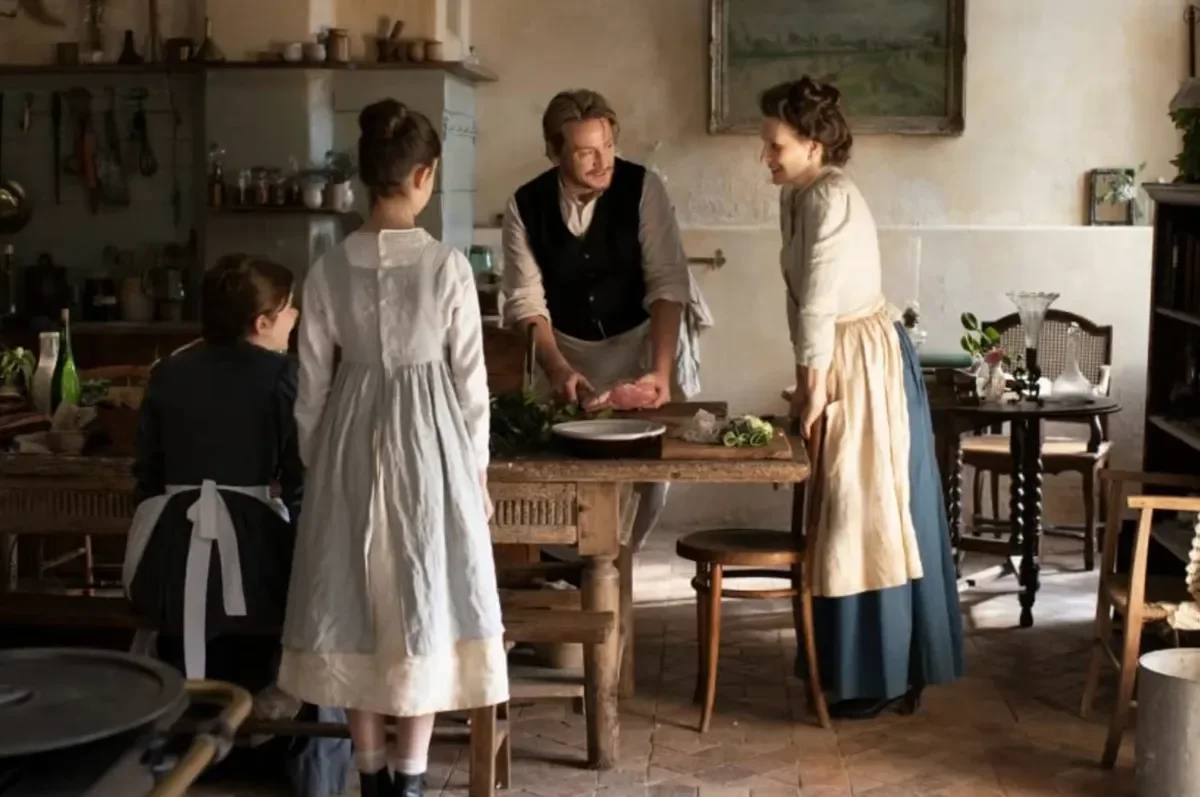
The French director of Vietnamese origin Chan An Hung turns the romantic drama “The Raga of Doden Buffan” into a luxurious gastronomic feast, in which the spirit materializes in the masterpieces of high cuisine of the 19th century. And the heroes-the extra-class cooks played by Benois Mamymel and Jules Binosh-admit to each other in eternal love, preparing the most difficult dishes: these are quails stuffed with cancer neck, drowning in cream snowdrifts, white fish, a bottle of old Burgundy, raised from the bottom of the sea. Poprazing Chekhov: people have lunch, drink tea, and at this time their destinies are connected.
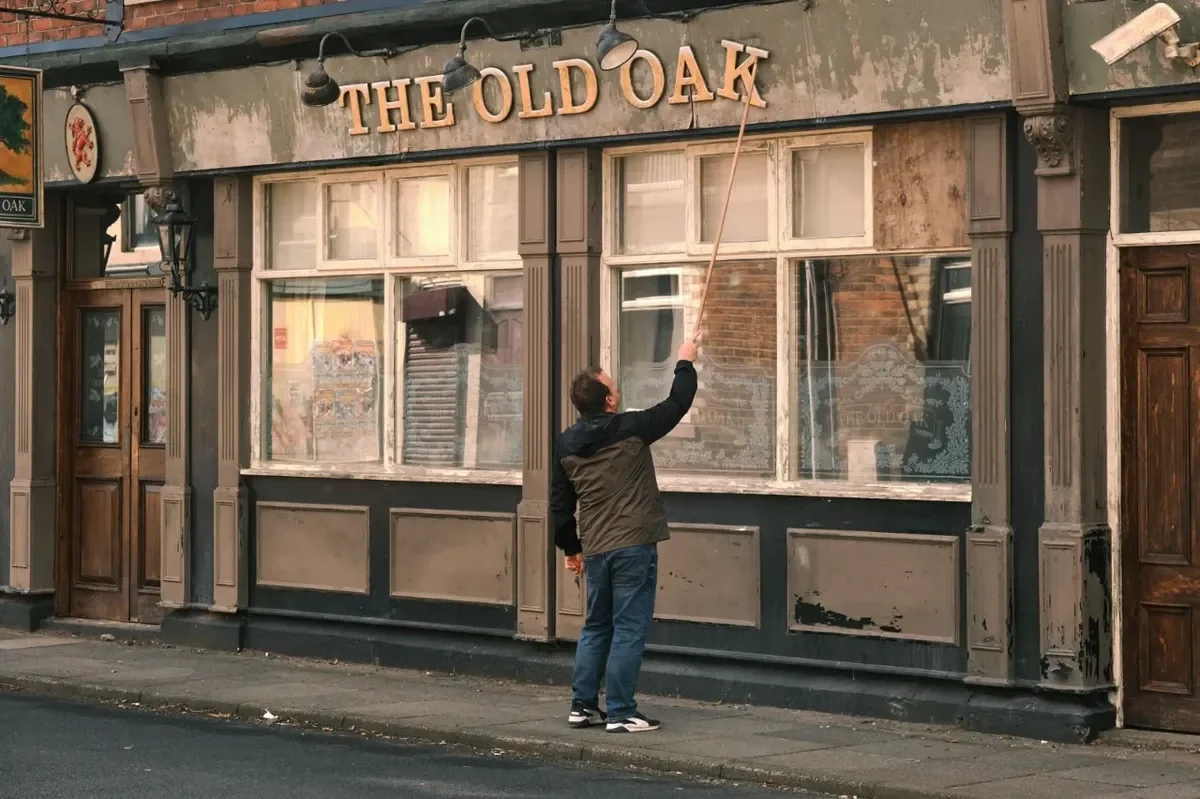
Ken Louch in the Old Oak talks about a world that is changing faster than people are ready to accept these changes. The current society has already come to terms with the fact that immigrants located in hostels and private houses in the UK are undergoing humiliation and attacks. Lowo is looking for a point of understanding between the warring. He is trying to understand the radical British. Many of them lost their jobs, status. Hatred is in demand - it masks, mixes the genuine problems of society.
Marco Bloko creates an anticlerical-with an opera scope-a costume-historical drama “stolen” , affecting a very painful theme of the indestructible, including in enlightened Europe, anti-Semitism. And the monstrous dad IX, taking Jewish boys under the bosom of Catholicism, resembles the image of Herod the Great, the son of the Roman prosecutor Judea.
It would seem that the classics make a vintage movie with traditions. About "elusive beauty." But in this time of time, cinema is a nerve of the main catastrophic problem of today: the disappearance of humanity, compassion as a form of solidarity.
Absolutely magical - with Fellinian echoes - the romantic fairy tale "Himer" Alice Rorvacher. About the disappeared civilization and its delightful remains - Etruscan artifacts. The characters of the film are Tombaroli, the tenderers of the tombs, selling the values found to the mysterious dealer.
The main character is ex-archaeologist Briton Arthur (beautiful Josh O'Connor). In his white shaking suit and dirty boots, he resembles many classic romantic violators of the law in the cinema at once. Using the vine branch, the melancholy Arthur brilliantly determines the burial places of historical “treasures”. And together with a small gang from local robbers, tombs finds "antiquity", then they are glued, chistel and sold out the dealer. The action of this very Italian and at the same time universal history takes place in the 80s in one of the Florentine villages on the shores of the Tyrrin Sea.
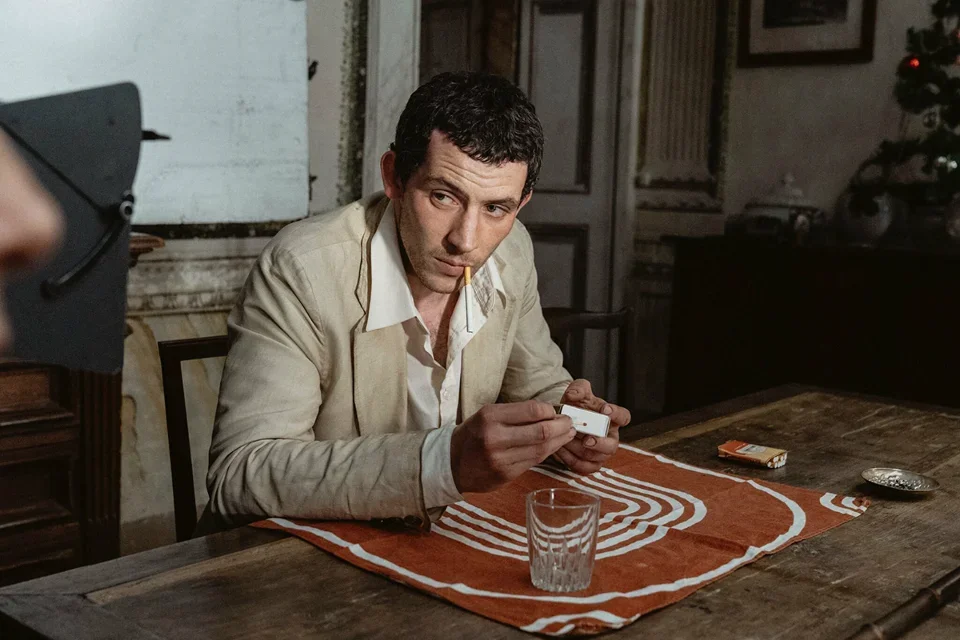
Where the ghosts of the past and today's noisy brothers (more precisely, the robber brothers) Arthur live in the soul. For example, in a dilapidated mansion of the Divine Flora (incomparable Isabella Rossellini), who constantly worries about Arthur, takes care of him.
Through loud chatter, choral singing, Fellini carnival and the adventures of the village robbers shines through a simple thought: it is impossible to appropriate beauty.
And in the final, the hero of the film will release the beautiful marble goddess to freedom - to eternity.
And beauty - and in the Rorvacher film itself, in the eyes of the camera of her beloved Helen Louvar. There is, for example, a scene in which white birds fly and sit on woolen backs of sheep. From the side it seems that these are the Angel sheep.
Whether the beauty will save the world is a big question. But its destruction, about which, in particular, tells the owner of the “old oak” pub, the Syrian refugee mourning Palmyra will not leave the stone on the stone from this world.
More about the cinema
Larisa Malyukova leads a telegram channel about the cinema and not only. Subscribe here .