
Translated material
Is there a bottom of the whirlpool
Theater chronicles of May
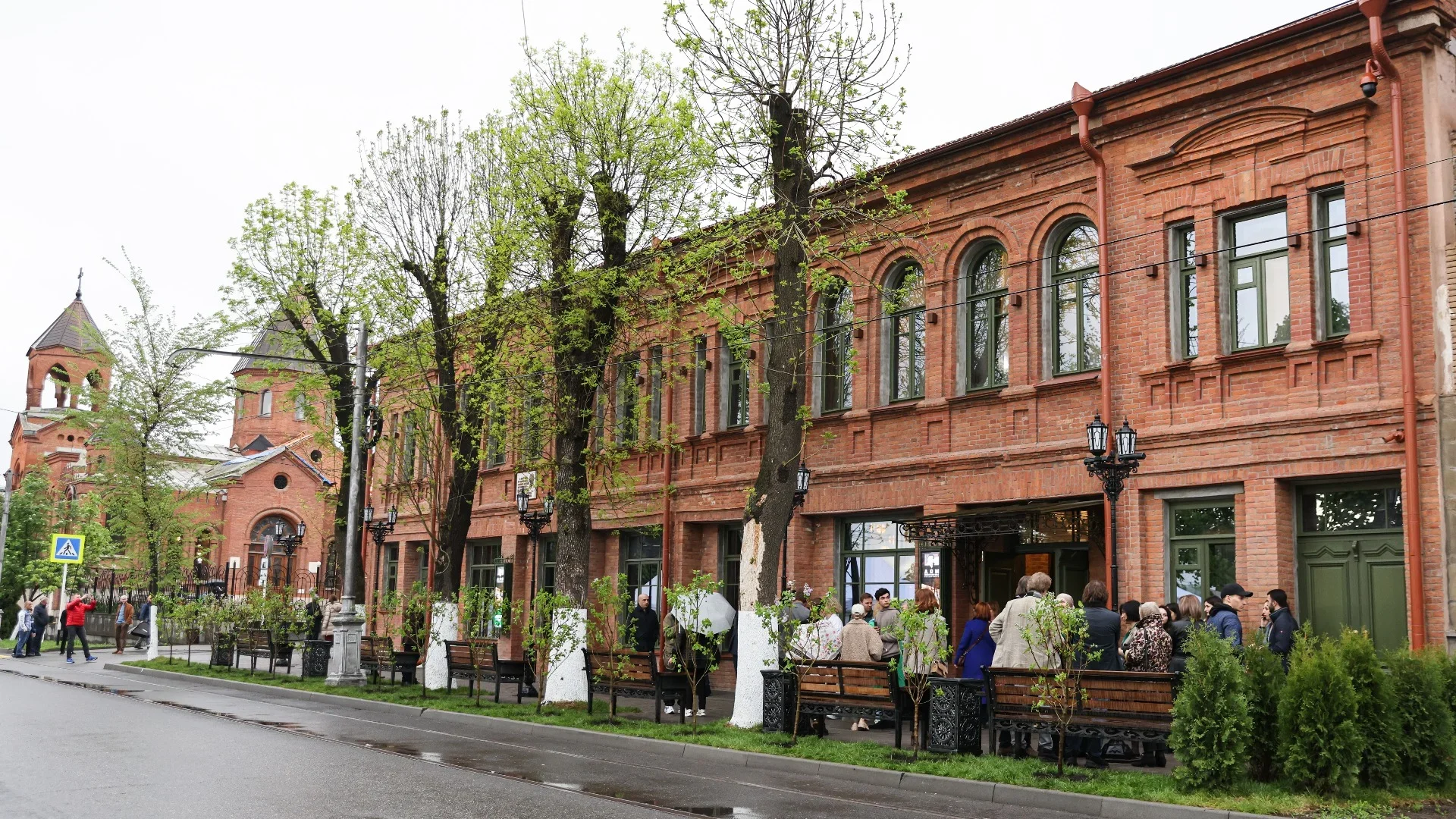
The opening of the cultural center "House of Evgeny Vakhtangov" in Vladikavkaz. Photo: Elena Afonina / TASS
“Sometimes it seems that everyone carries a whirlpool, sometimes - that we are at the deaf gate, and there is no key to get behind the wall, and even more often - that all of us drags us through the pipe,” wrote Sartre in the difficult times of his life. - Everything was already, and ended, and repeated again. Theater at these times the possibility of salvation ”...
Let's take a look through the prism of the experience of the great philosopher of the unfriendly state on the theatrical chronicles of our days.
Gift to culture
On the first day of May, there was an attempt to change the agenda - against the backdrop of dramatic events to create a joy, and an all -Russian scale. In Vladikavkaz, the house-museum of Yevgeny Vakhtangov opened. The “Way Home” took a hundred years for the master.
The background of the gift of Russian culture from philanthropists and Vakhtangovs is similar to a fairy tale (a favorite director of the director). The house in which Vakhtangov was born after the revolution quickly became communal and fell quietly for many years. The city authorities were going to demolish him, but the tour of the Vakhtangovs and the huge success of Julia Borisova happened. During the ovations, the star directly from the stage turned to the authorities present in the hall:
"Please do not destroy the house of our teacher, our master!" And the authorities heard.
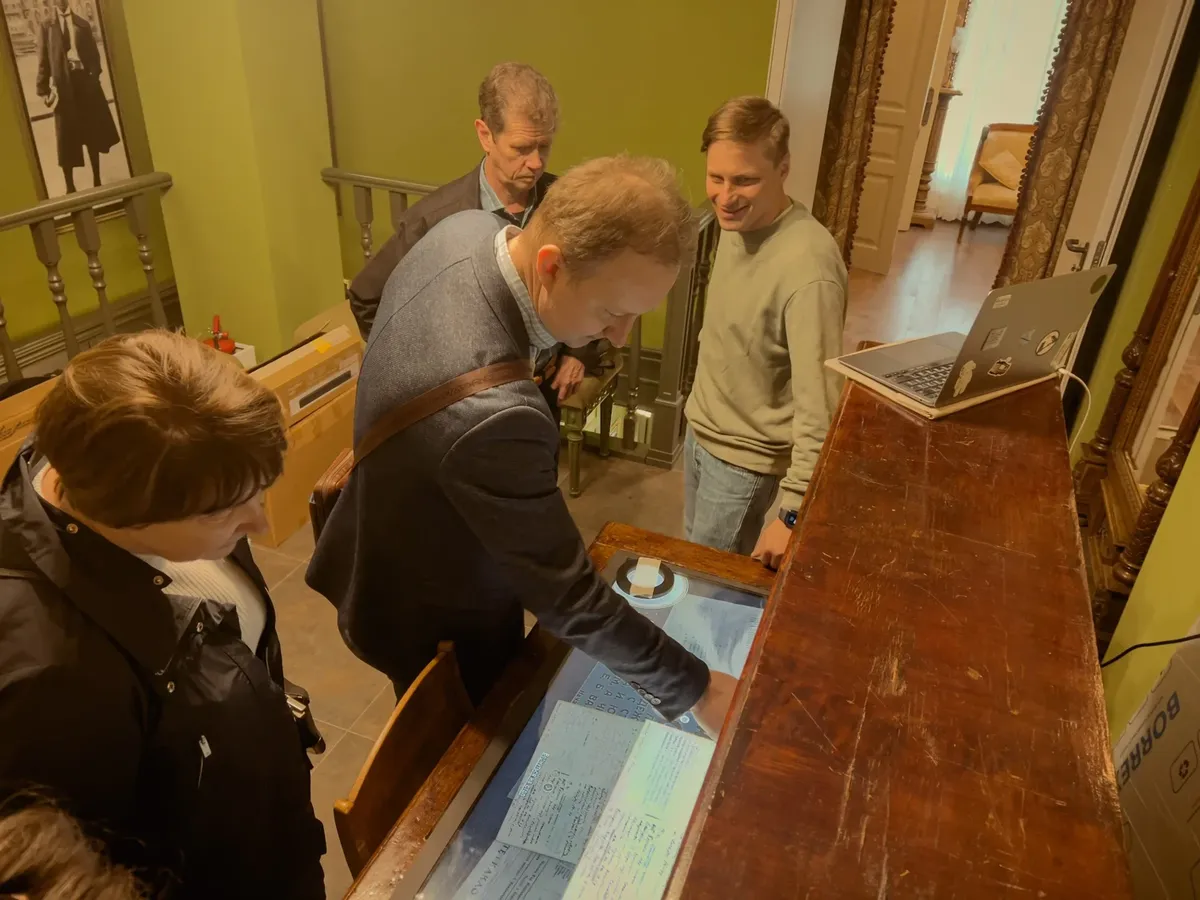
But if Kirill Krok , who had become the leader of the director of all Russia over the years, had not come to work in the theater, the house would most likely collapse. Krok got down to the matter with boiling energy: he convinced Sponsors (including the then head of the Otkritie Bank, Mikhail Zadornov), seduced the upcoming prospects of city officials, set his own state to create a museum. Thirteen apartments were purchased from the owners (a process that demanded all the diplomatic skills of the directorate). As soon as the house was empty, work began. The reconstruction and creation of the exposition was engaged in almost two years. Local builders, city services, and leadership of the region helped and participated; Employees of the Moscow Museum of Vakhtangov’s Moscow Museum in Knock Lane worked.
For good luck, Vakhtangovsky “has” Maxim Pravkov. Not every scenograph, even very strong, understands the museumification. Cutting showed an example.
Vakhtangov’s house has transformed. This is no longer domestic space and not even a completely memorial museum - this is the house of the legend, where not a native of Vladikavkaz, the son of a tobacco manufacturer, but one of the greatest Russian directors of the twentieth century returned.
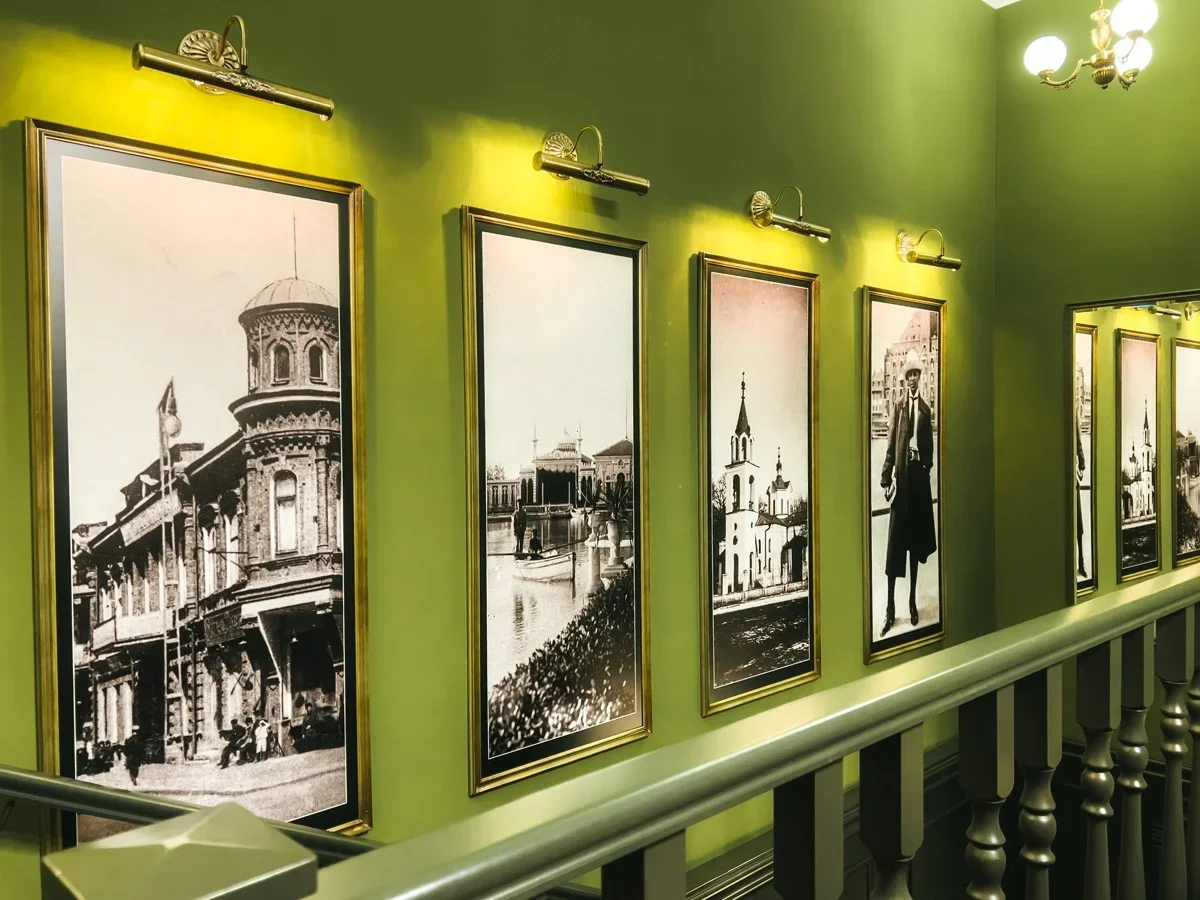
In the updated walls, from the very first hours, she sounded, pulsed the life, past and coming. The artist and decorators here worked exclusively for the rights of beauty: everything is a little more perfect than it could be in life, as in a happy dream. Everywhere the clusters of the beloved Vakhtangic lilac, on the walls-screens in the central living room there is a documentary, on the cover of the black piano there are red roses, in the children's over the windows overlooking the Armenian church, weightless curtains are swaying; Typical things of time are delicately mixed with genuine objects, on the ground floor of the house - an artistic cafe and a scene.
In the morning, artists, officials, all involved in the rain planted lilac bushes around the house, in the evening there was a four -hour street concert. A scene was built for him, on which there was a sign decoration:
The house of Vakhtangov, who gave him life, looks at the Vakhtangov Theater, who gave life to his art. Between these facades, the pure theatricality of Vakhtangovsky was: Makovetsky and Knyazev, Maksakov and Simonov, Dobronravov and Kregzhda-the theater came to Vladikavkaz with the stars of all generations.
And over the square, clogged by the audience, on huge screens, historical faces rose by a series, each of whom marked the era: from the founder and his students - to Ruben Simonov, Mikhail Ulyanov, Rimas Tuminas. In the final of the concert, a monument to the master, installed on the Arbat in front of the theater, “came out” to the stage, and the artists folded flowers at his feet.
All three days, while the Vakhtanga program was going on in Vladikavkaz. The path home ”, cold rain was sown and spring rampant - tulip rainbows, the blue clouds of Judah trees. The exact rhyme of events: Among the historical destruction, the act of creation is just like in the biography of Vakhtangov.
Theatrical business-2
The case was opened on May 5th. The accusation of the playwright Svetlana Petriychuk and director Evgenia Berkovich approved a new norm:
Today the theater is not only rehearsals, a search for thoughts and forms, a ovation in the final, but - arrest, court and preliminary conclusion. The accusation contains a whole bouquet of kindergarten: in relation to creative people, feminists, dissenters, Semites and Muslims.
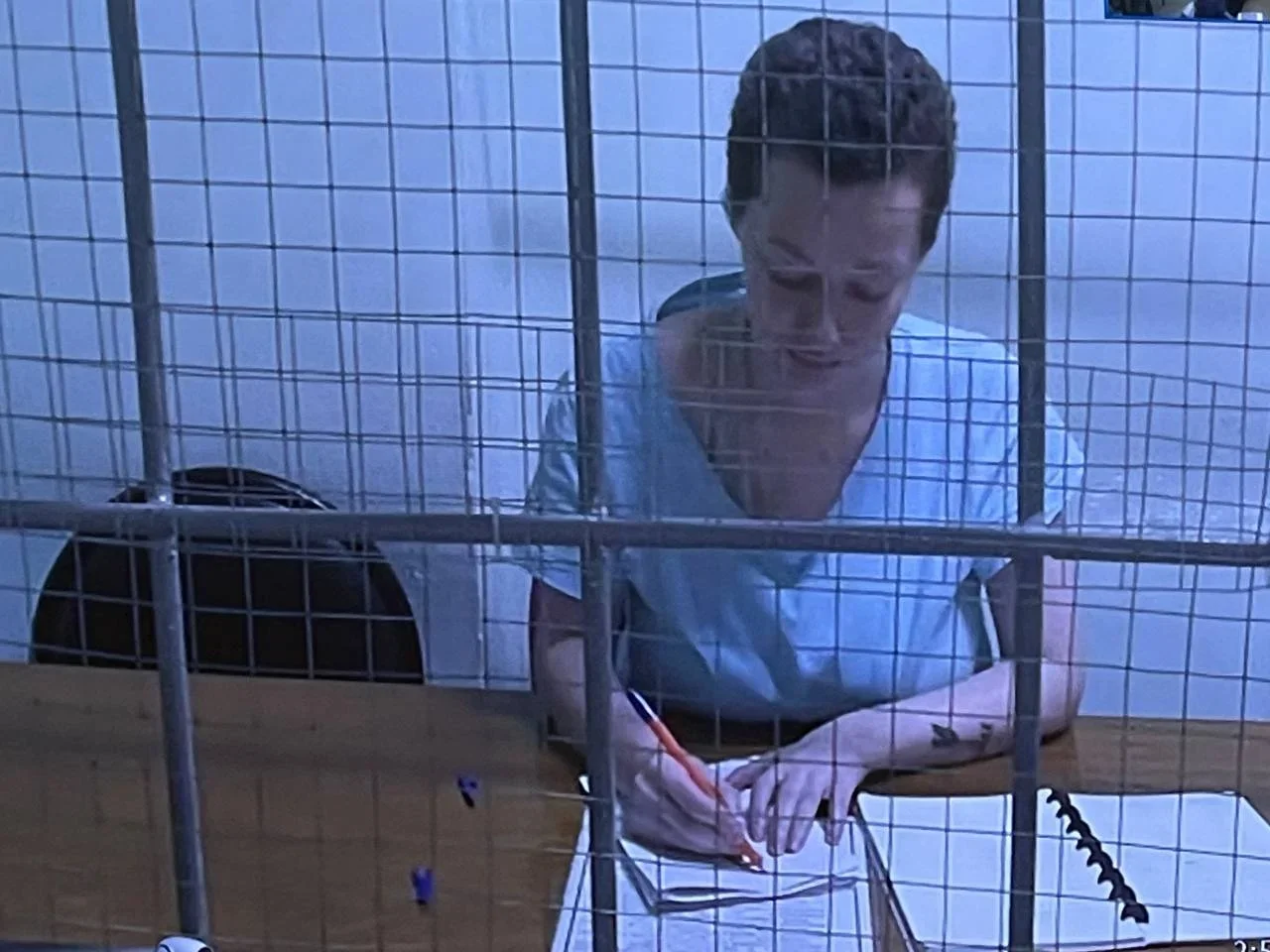
For the first time, the so -called destructive examination is based on the prosecution. And that's what is unprecedented here.
First: in the world there is no science as destructive.
Second: in modern civilization there is not a single precedent when literary fiction is judged.
Third: an expert of non -existent science is based exclusively on his and his subordinates, unproven evaluative judgments - this happened only during the Inquisition.
And the fourth: not a single work of Russian and European classics would be justified by the standards of the so -called destructive. Those who chose obscurantist/professor of the destructology of Roman Silantyev for the role of a medieval prosecutor, we do not know. But according to his shameless statements, in the “Androcentric public way of Russia”, all the secret sooner or later becomes clear.
Moreover, the case around the play and the play “Finist Yasny Falcon” shocked not only people of culture, theater workshop and spectators (under the protest petition of “Novaya Gazeta” already sixteen thousand signatures), but also religious organizations - the Russian Jewish Congress and the Spiritual Administration of Muslims. The requirement to verify the expert for inciting the raisor is general.
Loss
Sergei Dreiden , a unique artist, left on May 8.
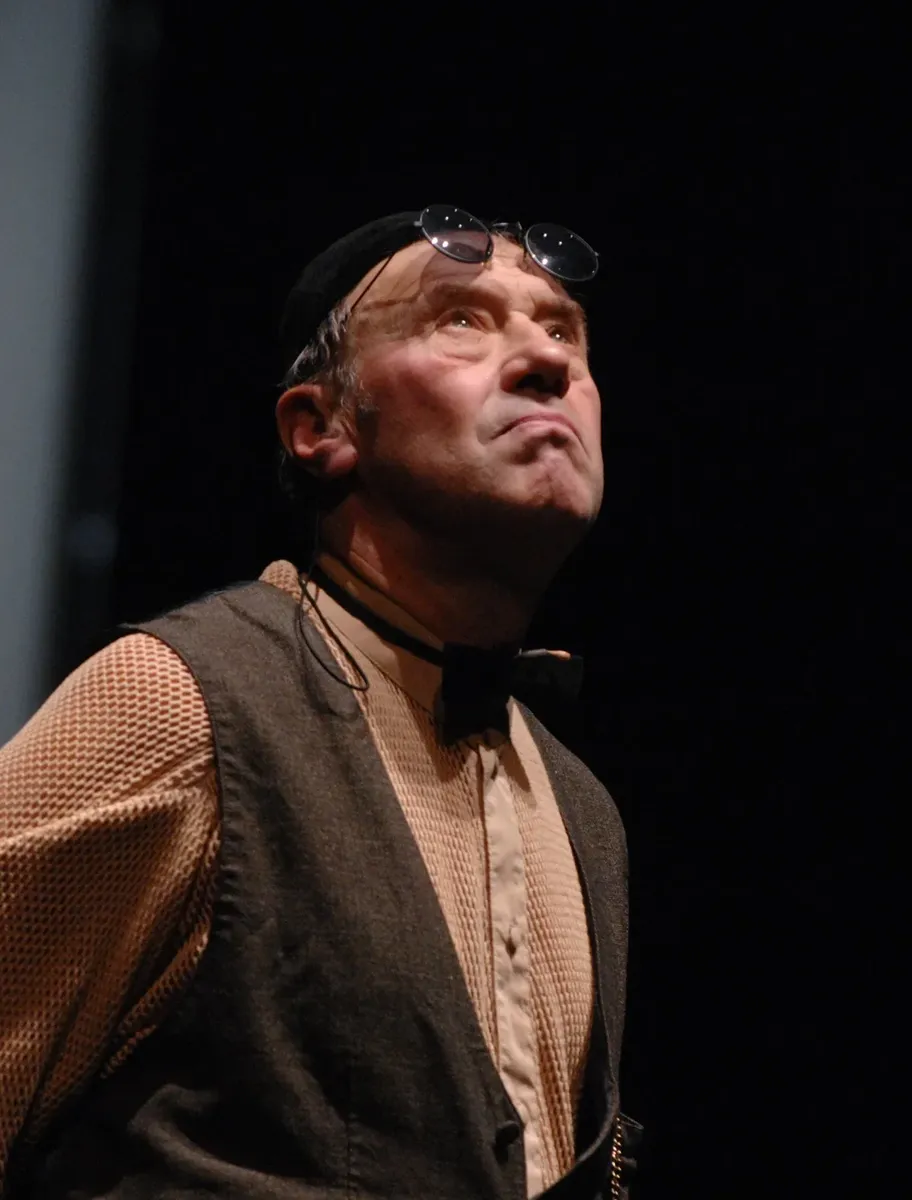
Each large artist is the only one, but Dreden all consisted of Ninaco -Superior substance. The intellectual poet, philosopher, gier and bully, graceful, with a laziness and lightning -fast reactions; Irony is the native element. In the manner of the game, there was a certain detachment, as if he always remained in the gold or black cocoon of his visions. He knew how to convey the oddity of existence, its irrational current. So it was in the performance of Grigory of Dityatkovsky “Marble” based on the play by Brodsky or Adolf Shapiro “This is so, if so it seems to you” according to Pirandello. The texts were at least Chekhov, although Strindberg appropriated so that his characters were forever settled in the imagination, it was no longer possible to part with them. And now, when we broke up with him ...
An attempt to destroy MDT failed
As one of the famous contemporaries said, "I thought I could not be surprised at anything, I was mistaken." The story with the mop, sweeping the Russian theater, has already gone in history. A literal combination of high and dirty, defenselessness and cruelty - what Leo Dodin puts on his performances is now personified by the absurd act of Rospotrebnadzor. The ridiculous farce around the cleaning buckets turned into great losses. Material - from stopping work, but above all - moral. For the entire cultural community.
After all, if one of the best Russian theaters are closed, if someone needs it, then, as Shakespeare noted, whose plays successfully went and go on the stage of MDT, the “end of time and the end of days” come.
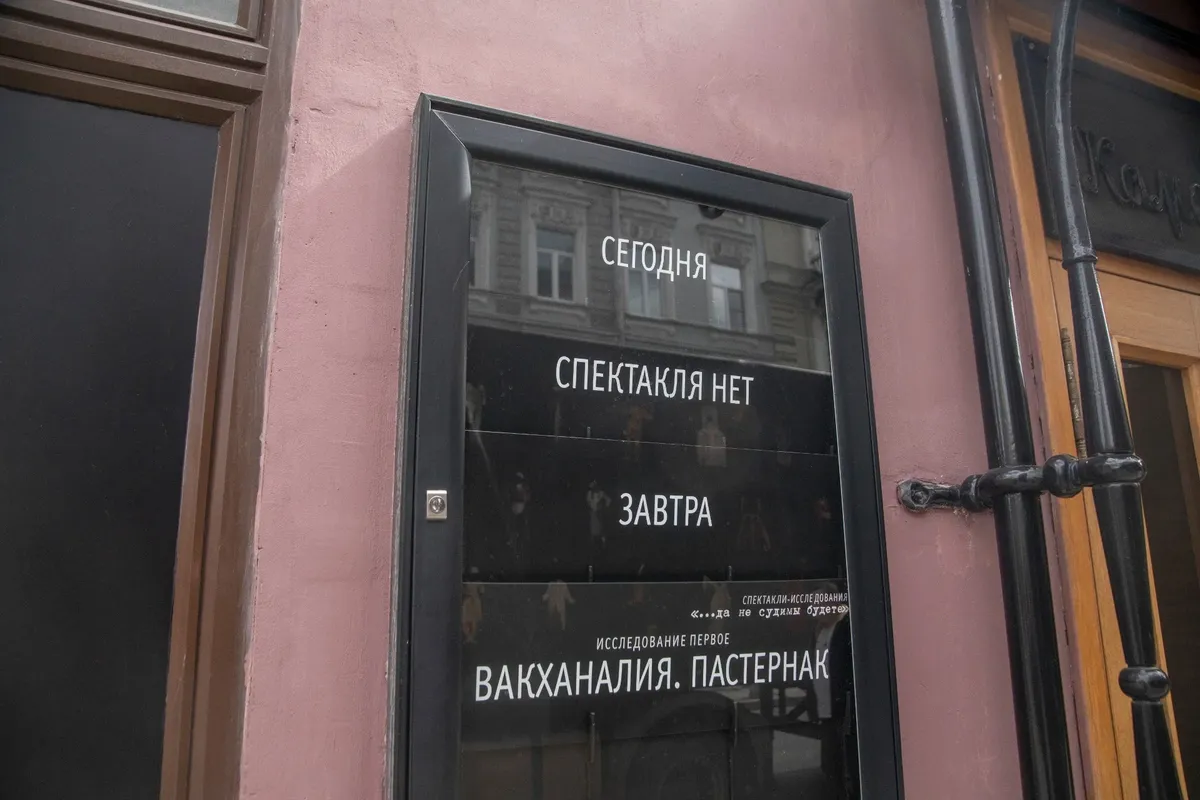
The court cost a fine, and not because he suddenly won. They just watched Dodin’s performances, or at least heard about them those who make decisions, which, however, pressed other decision -making decisions, who had never watched anything. The fine was paid, the sediment remained.
In an effort to intimidate people of culture, temporary workers crossed the red line.
According to the results of the artificially designed scandal around Danila Kozlovsky, the Small Drama Theater received a gap in the repertoire: the premiere’s leave until the end of the year “for personal circumstances” means the suspension of “Hamlet”, “Cherry Garden”, “Ogliness and Love”.
Return of Vasiliev
The glorified Anatoly Vasiliev rehearsed for almost two years on the MHT small scene, the performance based on the play of Bernard Mari Kolitsa “Western Pier”. The very fact of its implementation after a long absence in the Russian cultural context excited the theater community.
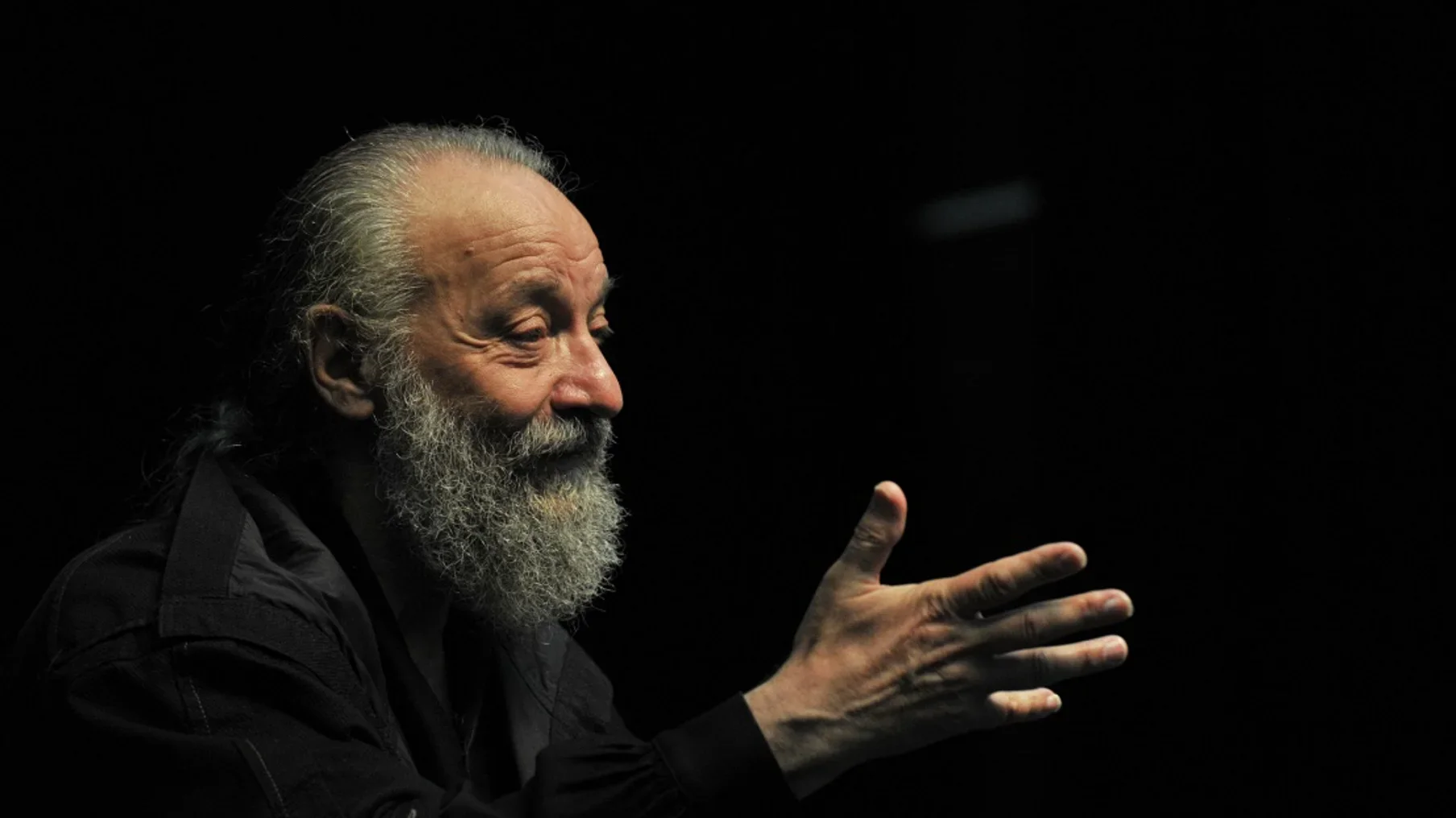
On May 24, rehearsals of the future project were shown to the public. The show lasted about four hours and left the audience in a state of bewilderment: neither acting training nor passages turned into the fascinating action, which Vasiliev’s best performances were remembered. But let's hope: the real return will still happen.
Debut
The serious performance “Brown Morning” in the black room Ramt was set by Alexander Zolotovitsky.
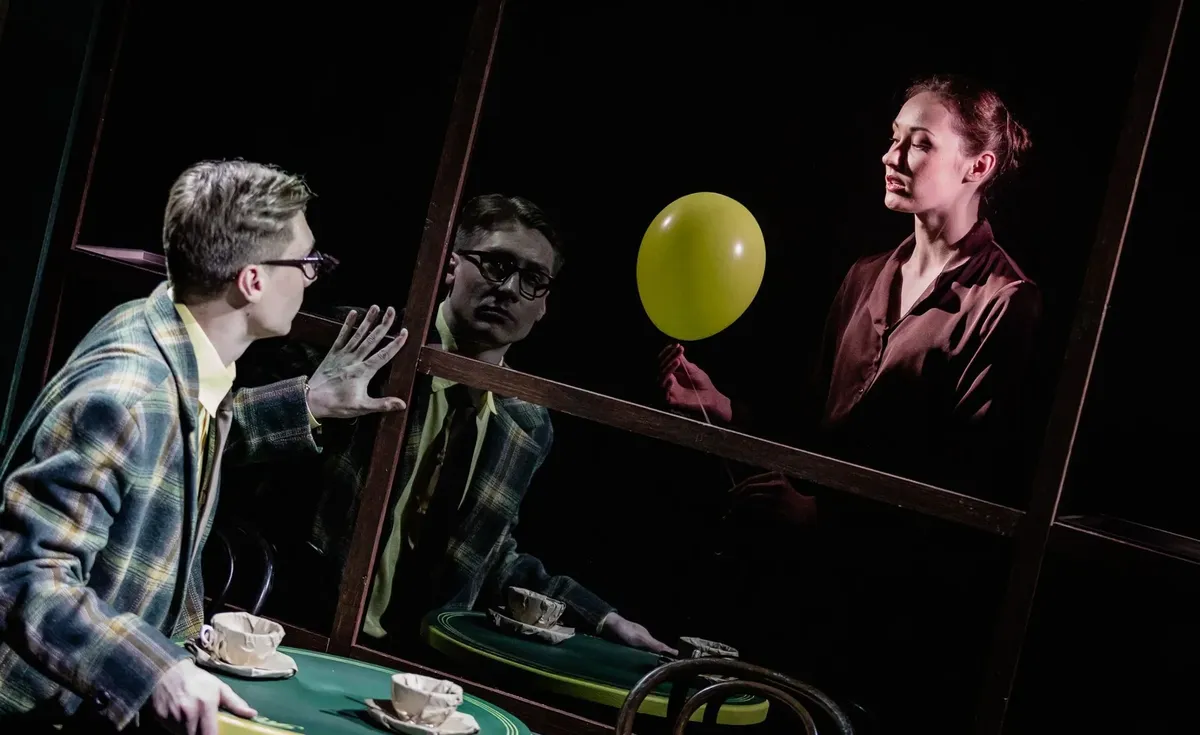
It all starts in a cafe, behind an innocent cup of coffee. And then the presenter arises on the screen, explaining how the rules of life change: first cats and dogs of all colors are excluded from it, except for brown (they must be strewn). And then clothes, actions, thoughts and faces of citizens become brown
The history of growing coercion to unanimity was told by French writer Frank Pavloff (twenty years in the list of French bestseller), and fragments of Harms prose were also used. There are only three characters working with impeccable accuracy in the play. The mental and moral rack of the hero (Daniil Shperling), the fright, shaking Charlie (Nikolai Gryryumov) and the iron mechanistic of the dictator (Yana Paletskaya) is enough for the terrible panorama of the brown city. Pavloff wrote an anti -fascist novel, the director saw in it a burning topic. The twenty -five -year -old Sasha Zolotovitsky (as it stands in the program), the student of Oleg Kudryashova and the youngest son of a famous father, except for talent, has a sharp hearing for a while. In the play, it is as if there is no modernity, but it is very clearly narrated about the drama of today.
Significant premieres were shown by Sergey Zhenovach, Vladimir Mirzoev, Evgeny Pisarev
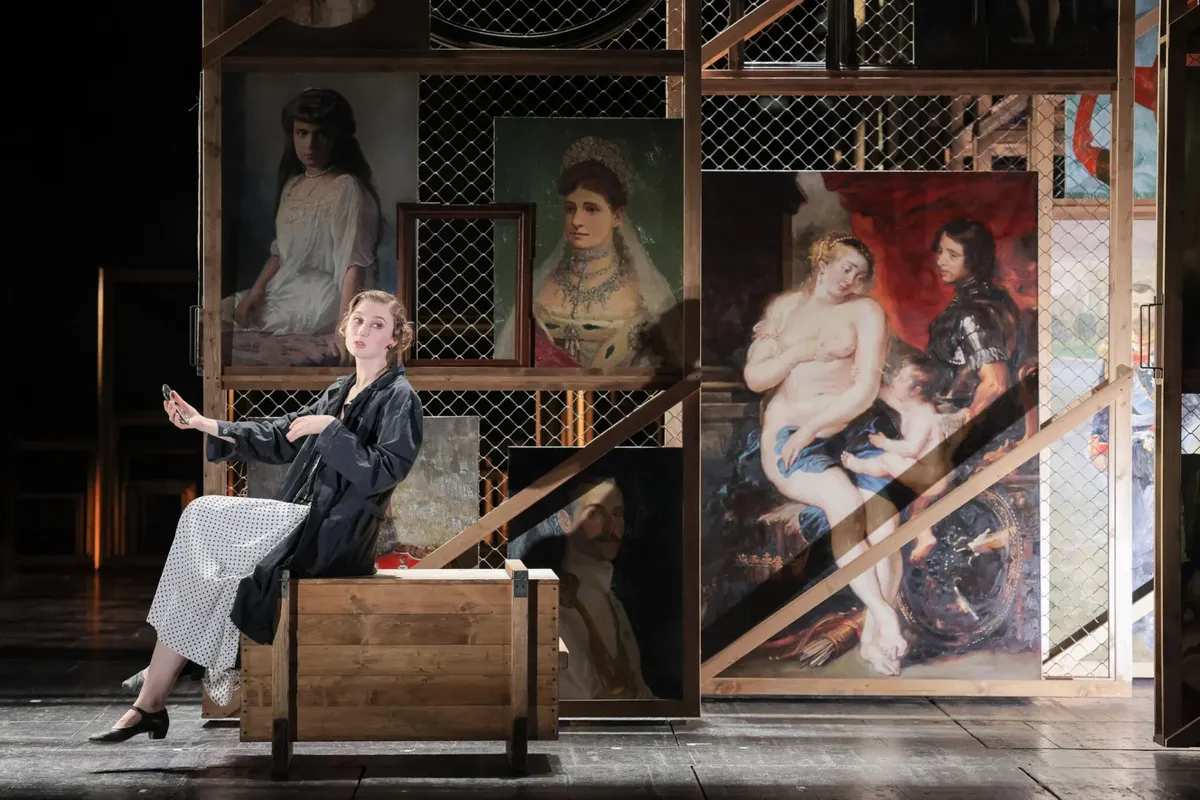
The action of the "mandate" in the studio of theatrical art unfolds in the storage of painting or the cellars of the legendary Ginhuk, where masterpieces are stored-from Malevich to Petrov-Vodkin. Erdman's main theme is adaptability, trade in himself and ideas in order to survive, divorced by Zhenovach and Borovsky from the realities of communal Soviet life, turns into a performance with fierce indignation regarding the proposed circumstances, is poured not just by anger of the day, opposing ideological violence.
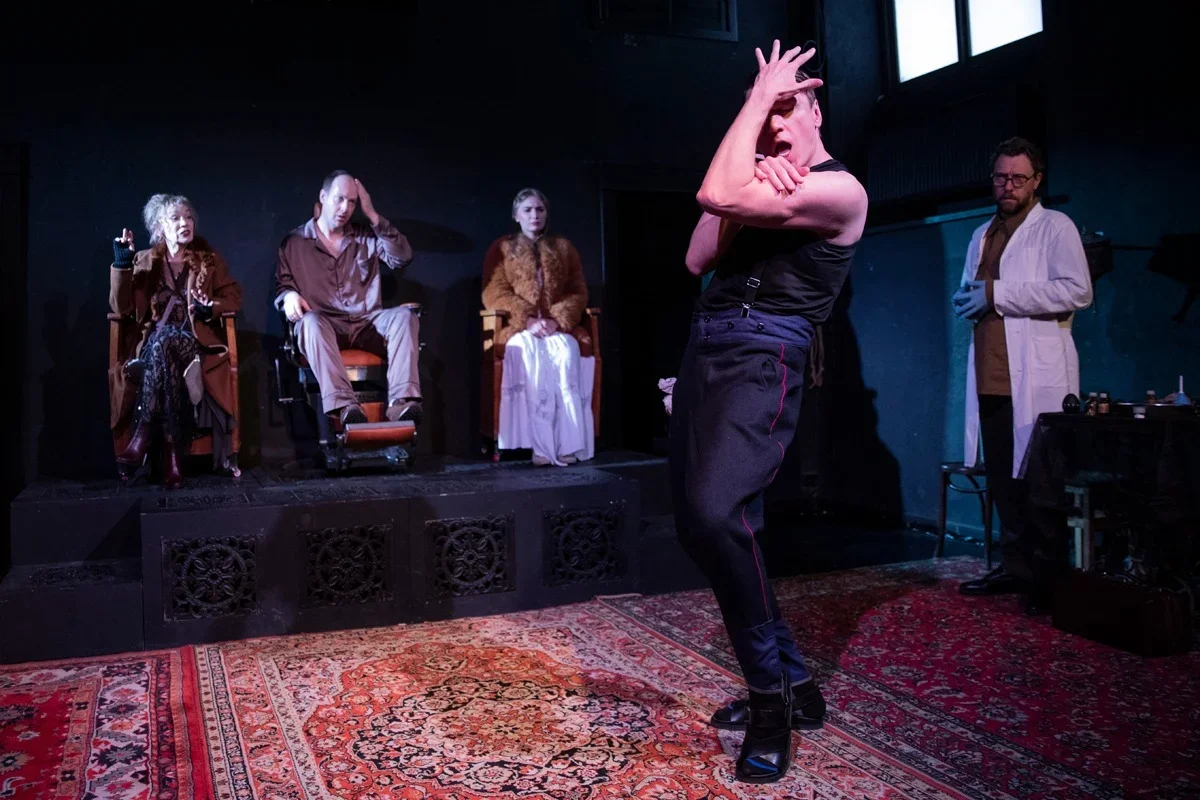
The “king dies” in the “space inside” speaks of a state that expires with a leader, cracks at all seams, destroying totally. And if Ionesko here investigated the metaphysical drama of a private person, then Mirzoev thinks about the structure of society. About the impasse in which the world was. The topic of the death of the king, around whom time breaks up, and everything isnding over the web, is the main metaphor and sore nerve of the performance.
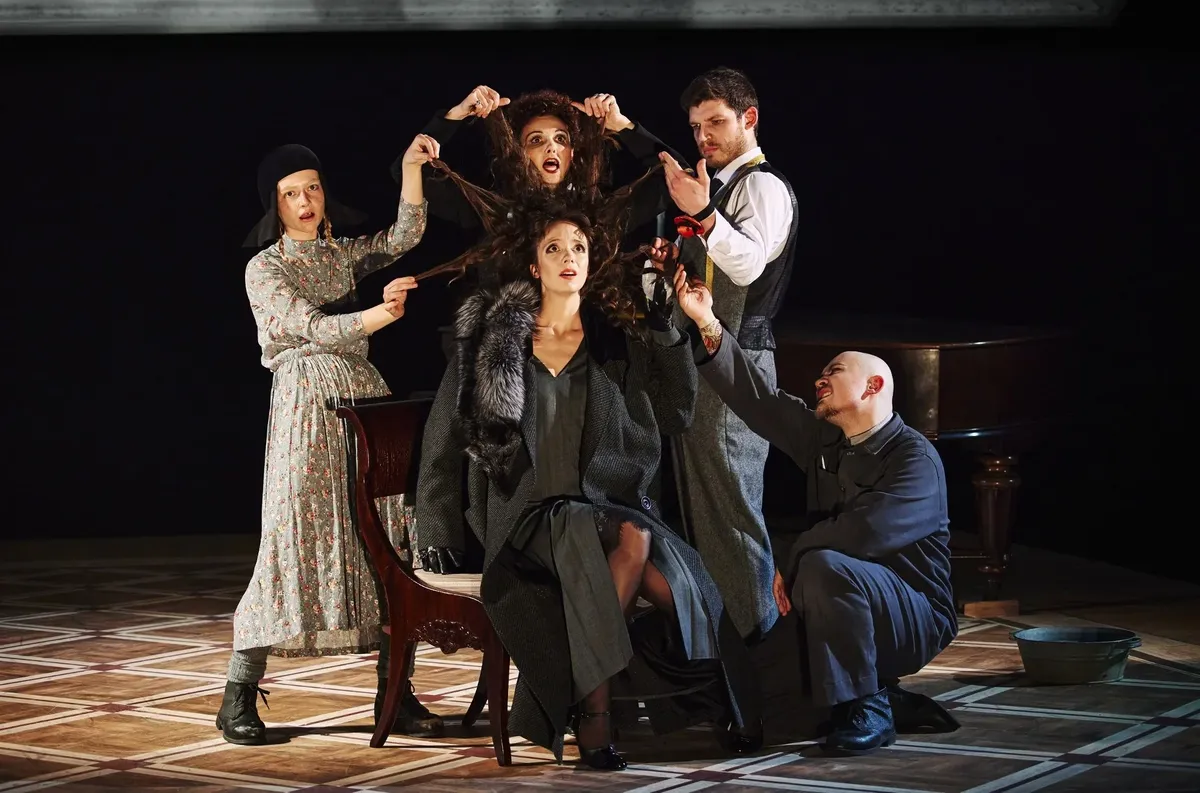
Well, in Zoykin an apartment, director Evgeny Pisarev enters “all Bulgakov”, but first of all, “Masters and Margarita”, giving the main characters the features of the heroes of the sunset novel by Mikhail Afanasevich. Zoike is the infernality of Margarita, Obolininov - the doom of the master, and the whole action is the stuffiness of the hallucinogenic nuar at the junction with acute caricature of the twenties. Zoyka Alexandra Ursulyak is as elegant as unhindered. For everything is ready for the sake of love.
In three performances, sooner or later people who came for the heroes come to the stage. In the form and without it.
The court of appeal of lawyers Zhenya Berkovich and Svetlana Petriychuk took place on May 30. Lawyers asked to let go of the clients under house arrest. The court left them in the pre -trial detention center "Printers".
Dreiden died in Finland. And his body has not yet returned home to Petersburg.
Bulat Okudzhava on May 9, on the day of the Great Victory, turned 99 years old. And how he sang in one of his hits (and he has all the songs of Hits):
"... We should not be afraid of this crown, but we will not pretend to be happy."